Making Invertebrate Science Accessible

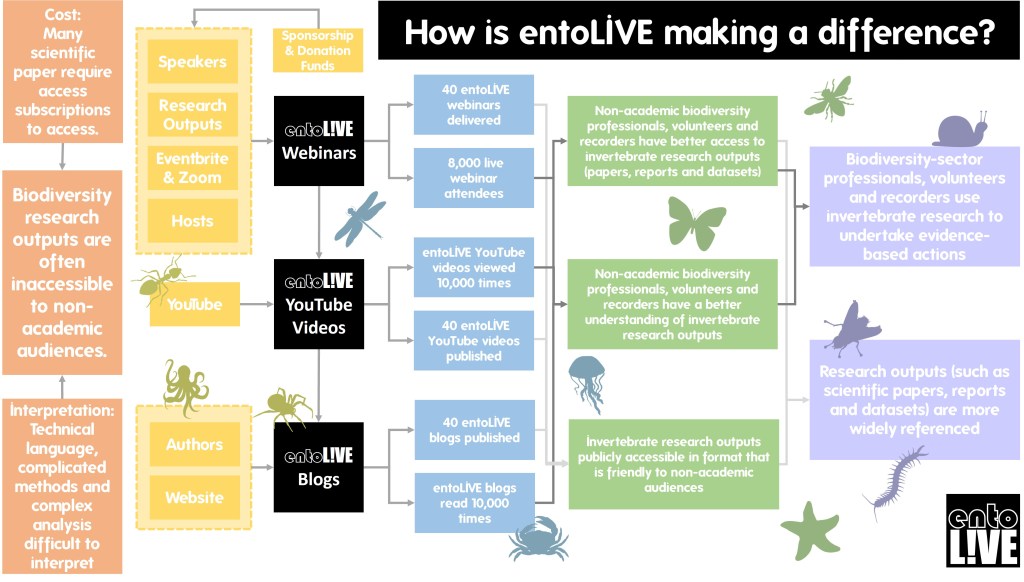
Understanding the latest scientific findings about our wildlife is pivotal to a range of biodiversity sector roles, such as volunteer biological recorders, ecological consultants, environmental educators and conservation practitioners. Yet these scientific findings are often inaccessible due to a number of reasons.

This begs the question: What is the point of scientific research if the results are not used?

“Science isn’t finished until it’s communicated. The communication to wider audiences is part of the job of being a scientist, and so how you communicate is absolutely vital.”

Sir Mark Walport, UK Government Chief Scientific Adviser (2013)

What’s the problem?

I have worked in the conservation and environmental education sectors for the past 10+ years, including setting up and managing (as a volunteer) the National Earthworm Recording Scheme and collating records from both naturalists and researchers into a national species occurrence dataset that is publicly open for all to use.

There are two main barriers that I have personally experienced:

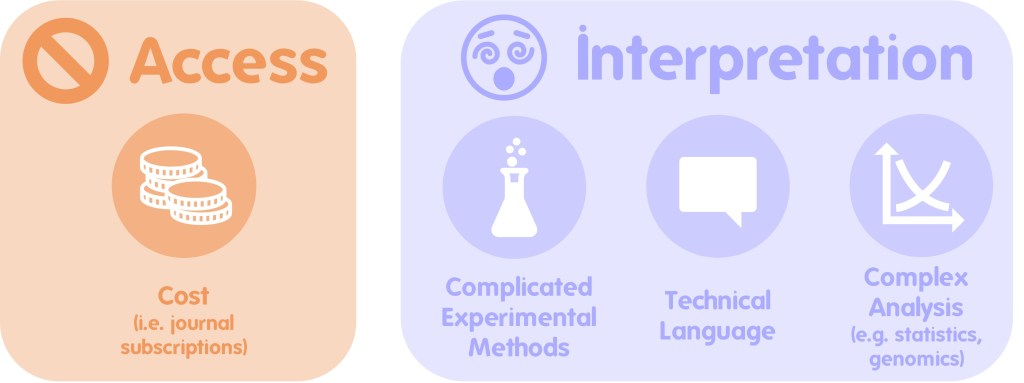
  1. Access: Many scientific papers are only accessible to those with scientific journal subscriptions. Journal subscriptions are often prohibitively expensive for those working (or volunteering) in roles that don’t provide this..
  2. Interpretation: It can be difficult to interpret the results of some scientific outputs without specialist knowledge or skills. This can include aspects such as the use of complicated experimental methods, technical language and complex analysis (including statistical and genetic analysis).

Being able to access relevant scientific articles and interpret them would enable me to do a much better job as National Recorder for Earthworms, and there are many more naturalists like me out there that contribute to conservation, monitoring and environmental education that would also benefit from science that is more accessible.

entoLIVE – A potential solution?

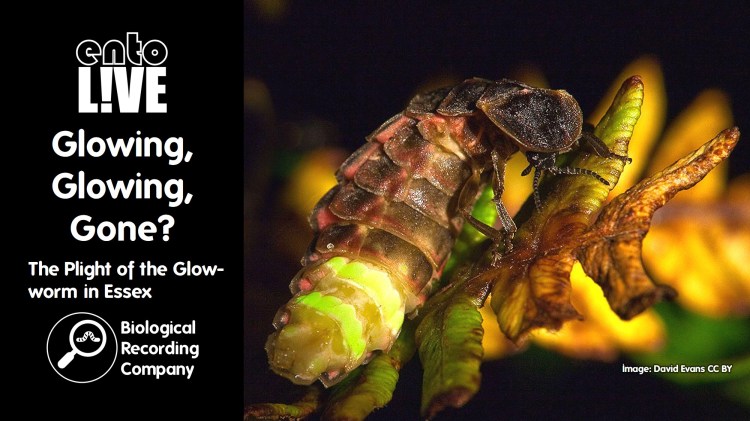
I wanted to put my experience of organising and delivering virtual events to good use and design a means of breaking down the barriers to invertebrate research… so in February 2022 the idea of entoLIVE was born and I’ve been working on it in my spare time since.

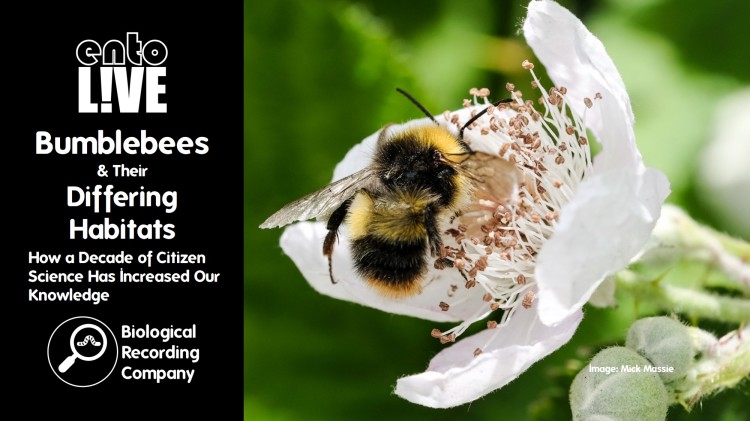
The entoLIVE webinar series showcases the research of invertebrate researchers or specialists, with each webinar focusing on specific research outputs (such as research articles, technical reports, datasets or specimen collections). Speakers are asked to present their work in an accessible manner – not shying away from the science but ensuring that graphs and stats are clearly explained.

And, of course, I couldn’t very well complain about accessibility issues due to journal costs and charge a premium so I kept the webinars free to attend so that they are accessible to all.

More than just another virtual talk series

I also wanted the entoLIVE webinar series to benefit those at the beginning of their research careers, and speaker applications from those completing their PhDs are strongly encouraged. I’m aware that those undertaking a doctorate are often doing so on a shoestring budget, so I also felt that it was important that all speakers are offered a fee for their time when presenting their work through entoLIVE.

This is the third webinar series that I’ve set up, with both the Natural History Live series (by the Field Studies Council) and the Virtual Natural History Talk series (by the London Natural History Society) achieving great engagement numbers and still going. Like these series, entoLIVE will feature speakers from a wide range of organisations, such as universities, national recording schemes and conservation NGOs.

With entoLIVE I wanted the impact to be far-reaching to give the subjects the attention they deserve, which means that the series needs to be even more collaborative – so I’m now working on bringing in partners that are involved in invertebrate research and want to officially add their name and logo to the entoLIVE family banner.

The British Entomological & Natural History Society of Britain became the first organisation to officially join the entoLIVE family when they agreed to part-sponsor the webinar series for 2023, with the Royal Entomological Society joining shortly after.

By pooling our members, followers and networks we hope to deliver webinars that achieve bookings of 500+ people for each event.

When I chose to work in the biodiversity sector, I (clearly) didn’t do it for a big fat paycheck… I did it because I believe understanding the natural world is important for conserving our planet and its wildlife. My hope is that entoLIVE helps towards understanding our invertebrates a little more and leaves those involved in invertebrate conservation a little better informed.


More on invertebrates

Make Your Wildlife Observations Count

Biological recording is the scientific study of the distribution of living organisms. Biological records describe the presence, abundance, associations and changes, both in time and space, of wildlife.

However, you don’t need to be a scientist to contribute to biological recording – indeed the vast majority of biological records come from volunteer recorders, naturalists and citizen scientists.

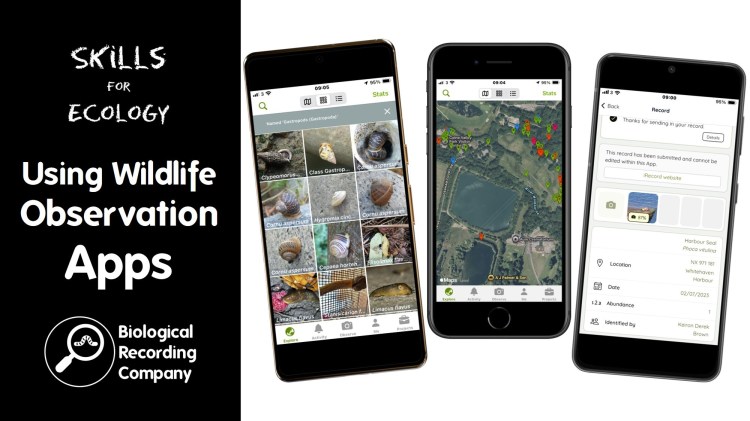
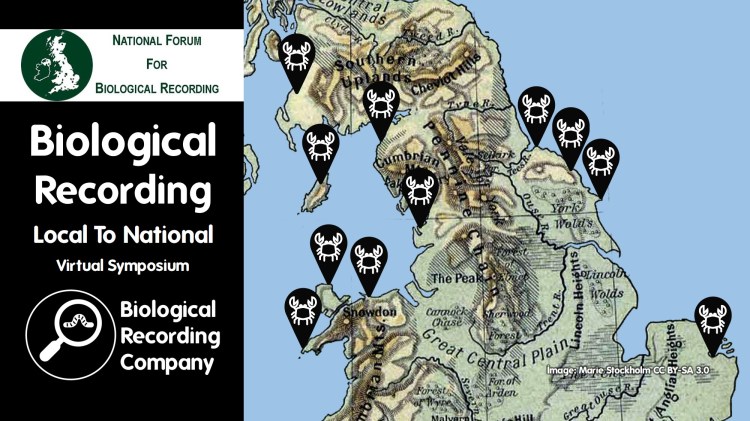
I worked with Buckinghamshire & Milton Keynes Environmental Records Centre to produce the Make Your Wildlife Observations Count webinar series that covered some of the do’s and don’ts of wildlife recording, with the aim of helping naturalists and recorders generate accurate and high-quality biodiversity data.

Webinar 1: How To Record

The first webinar covered the basics, including what information should be included in every biological record and how you can ensure that the data that you provide is both useful and accurate. By the end of the webinar, you will feel confident submitting species observations.

The 4 subjects covered in this webinar are:

  • The Basics
  • Record Resolution
  • Data Quality
  • Sharing Records

Webinar 2: How Not To Record

The second webinar delves deeper into biological recording and covers some of the common mistakes made by biological recorders and provides guidance on how to avoid these pitfalls. By the end of the webinar, you will feel confident that your biological records are high quality and include accurate data.

The 4 subjects covered in this webinar are:

  • Understanding Grid References
  • Site Names
  • Recording on a Walk
  • iNaturalist

FAQs

Where should I submit my data?

There are lots of places where biological records can be submitted and this can be a tricky question to answer – it really depends on why you are recording. If you are recording for a specific project (such as the RSPB Big Garden Birdwatch), you should submit the records through the prescribed submission method by the project.

However, for ad hoc recording you could submit data to a local natural history group, a National Recording Scheme/Society (NRSS) or the Local Environmental Record Centre (LERC) for the area where the species was observed. These organisations will all use the data for different purposes and may share the data with one another. For some species groups, a network of County Recorders exists that links these organisations together and acts as the point of record submission. Some LERCs and NRSSs download records from the iRecord online recording platform, whereas others require records to be submitted directly to them.

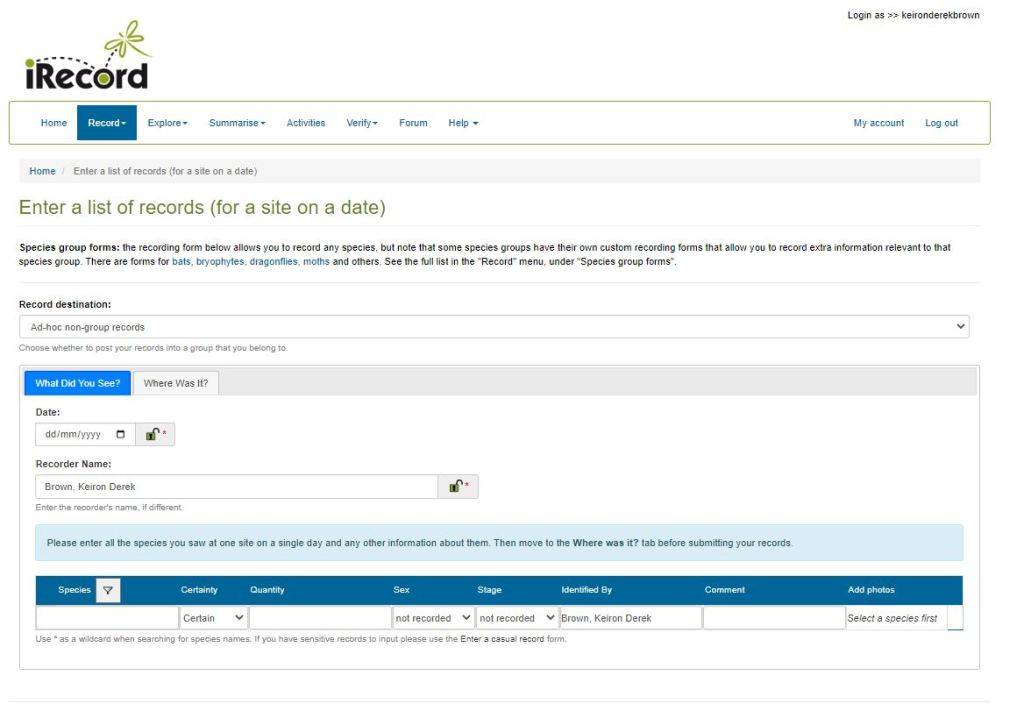
My personal advice is to submit the records into iRecord – you can always download them and share them with any NRSSs or LERCs that don’t use iRecord at a later date.

Can I submit records if I’m not a professional ecologist?

Absolutely!!! Most biological records are submitted by amateur naturalists and volunteer biological recorders. If you are confident with the species determination, please do submit your records. If you’re not confident with your determination you could try adding a photo to iSpot or a relevant Facebook groups (such as local natural history or species-specific groups) for feedback on your ID.

Alternatively, get in touch with the relevant National Recording Scheme/Society for further guidance on recording a specific taxonomic group.

How often should I record the same species in my garden?

This often depends on the type of recording that you are doing.

For ad hoc recording of common species in your garden or local greenspace, BMERC recommends that you submit an annual record of the species observed.

If you are undertaking a specific survey (such as botany transects or the weekly BTO Garden Birdwatch) you may be encouraged to record a species (and their abundance) on a more regular basis as they are using a set methodology and want your submission to be comparable with other records.

For some species groups, other factors may also come into play. For example, it’s always useful to record your first sighting of a butterfly species in a given year to help us understand how the flight periods of species are changing over time due to factors such as climate change. But don’t forget to note on the record that it is your first sighting of that species!

If you’re unsure, contact the relevant NRSS or LERC and ask them what they recommend.

Useful Links

Recording websites and guidance

  • iRecord – Useful online recording platform for submitting records to National Recording Schemes/Societies and Local Environmental Record Centres (check with specific organisations to enquire if they use iRecord). Also has ‘Activities’ features for local groups and projects to manage recording initiatives.
  • iRecord: An Introduction – Article about iRecord and how it works.
  • Discovering iRecord – 4-week online course by the Field Studies Council that teaches learners about biological recording and using iRecord. The course includes self-study content, live webinars, quizzes and tutor-graded assignments (includes both field and digital homework).
  • Get Involved (BMERC) – Webpage explaining how you can get involved with biological recording in Buckinghamshire and Milton Keynes. Includes info on online opportunities and a list of local natural history groups.

Grid reference websites

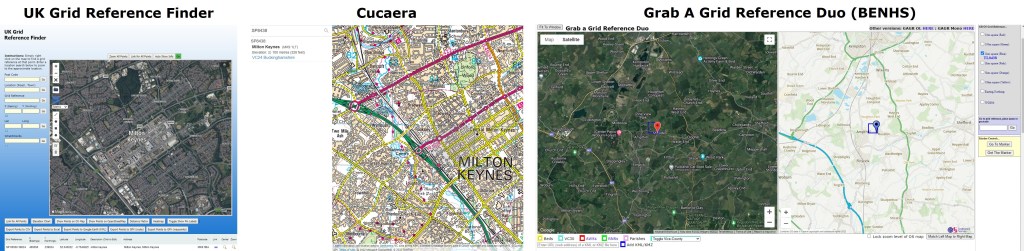
  • Grid Reference Finder (UK) – Enables user to search by numerous methods, including grid reference, lat/long, postcode and place name. Grid reference displayed when pin dropped on the map. This website also has a lat/long bulk conversion tool.
  • Cucaera – Overlays the map with OS grid squares (resolution changes as the map is zoomed in and out). The grid reference is displayed when a grid square is selected. Background maps can be toggled between satellite and OS maps.
  • Grab A Grid Reference Duo (Bedfordshire Natural History Society) – This enables you to look at an OS map alongside a satellite image of the area.

More on biological recording

365 Days of Earthworms

“Worms have played a more important part in the history of the world than most persons would at first suppose”

Charles Darwin (1881) The Formation of Vegetable Mould Through the Actions of Worms

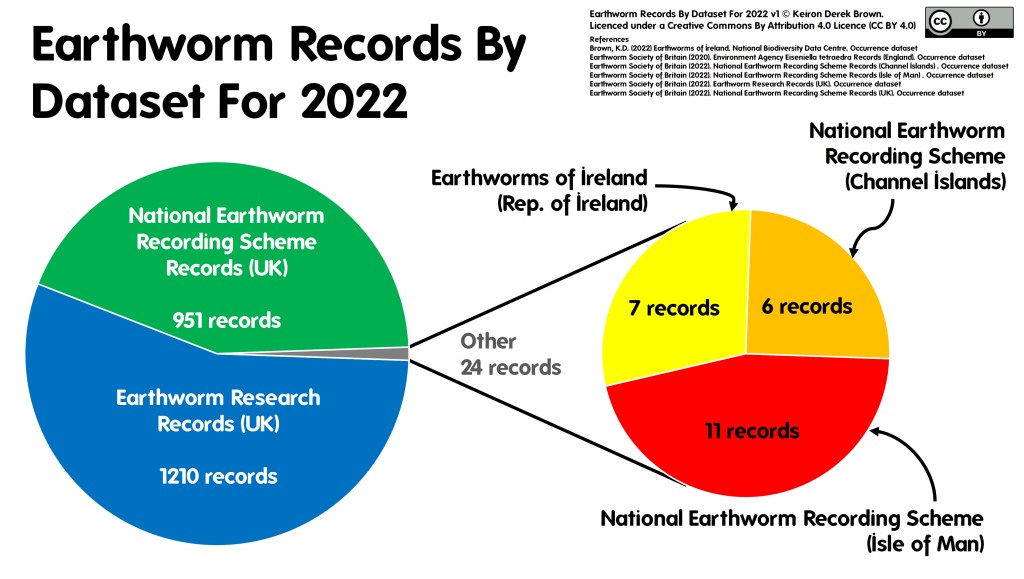
It’s officially over… 2021 is behind us. As National Recorder for Earthworms it’s my responsibility to process all of the earthworm records submitted to the National Earthworm Recording Scheme each year. In terms of earthworm recording, it’s been both a good and a bad year.

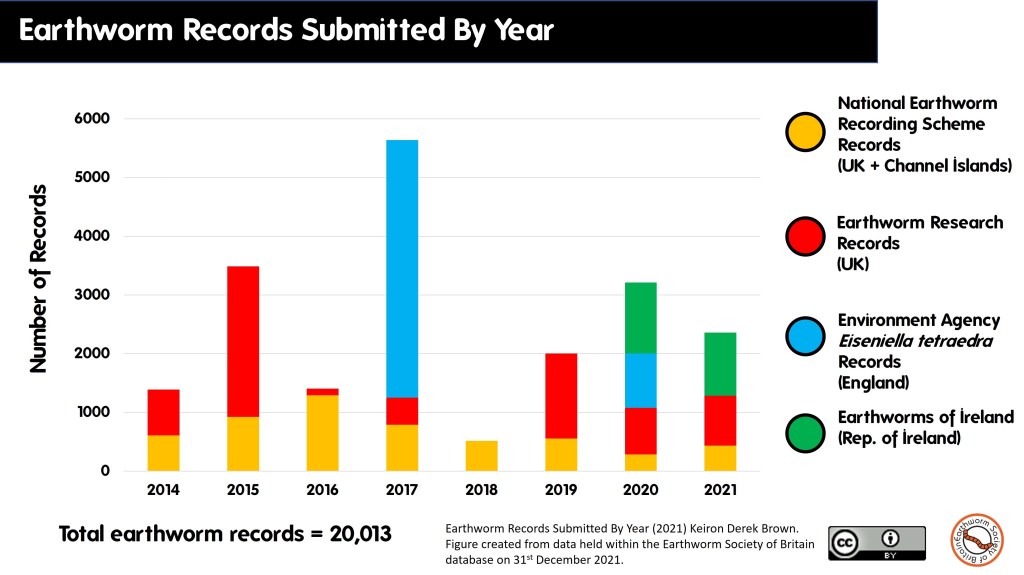
The good news is, that partnerships with research institutions and extracting data from scientific literature have continued to provide the Earthworm Society of Britain (ESB) with exciting new data though our Earthworm Research Records (UK) and Earthworms of Ireland (Rep. of Ireland) datasets – contributing a significant amount of the data received this year (and taking up the majority of my ‘earthworm time’).

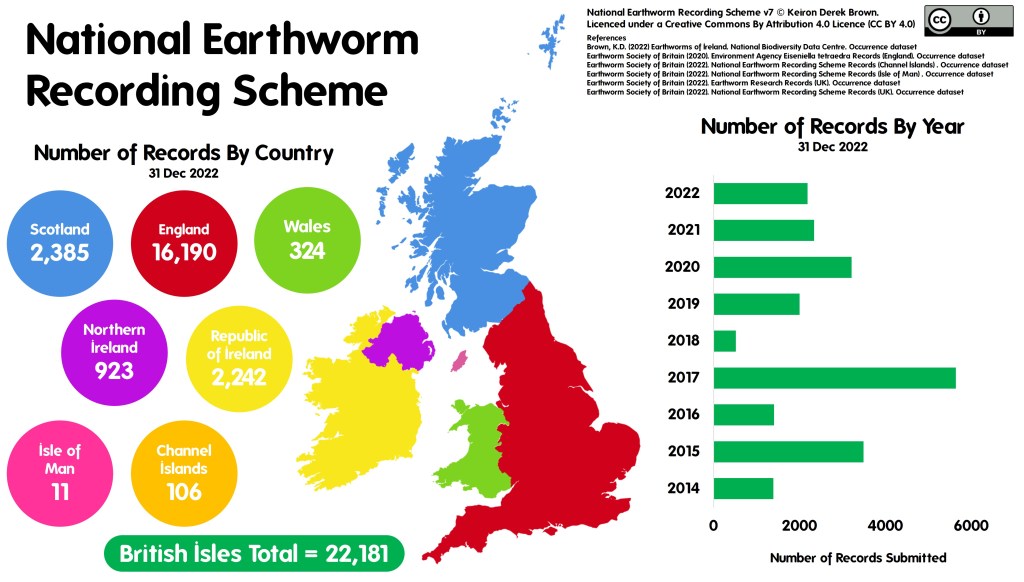
The bad news is that records from amateur naturalists (earthworm recorders) have declined since the first 4 years of the National Earthworm Recording Scheme. The bar chart below shows the number of records submitted each year broken down by dataset.

Earthworm Records Submitted By Year (2021) Keiron Derek Brown. Figure created from data held within the Earthworm Society of Britain database on 31st December 2021. (c) Earthworm Society of Britain. 2021. CC BY 4.0

What’s to blame?

The past two years have seen a reduction in the number of training courses and events that the ESB has been able to deliver due to the pandemic-that-shall-not-be-named. This has had an impact on the number of records that the ESB has generated directly and inhibited how many new recorders can be trained up.

However, with many people furloughed and finding a newfound passion for taking walks I’d have hoped that the past two years could have still been productive earthworm recording periods.

Looking back at my own personal records for 2020, I generated a measly 4 earthworm records. 2021 was more productive for me with 134 records – but this is still less than the 231 records that I generated in 2016 during the National Earthworm Recording Scheme’s most productive year.

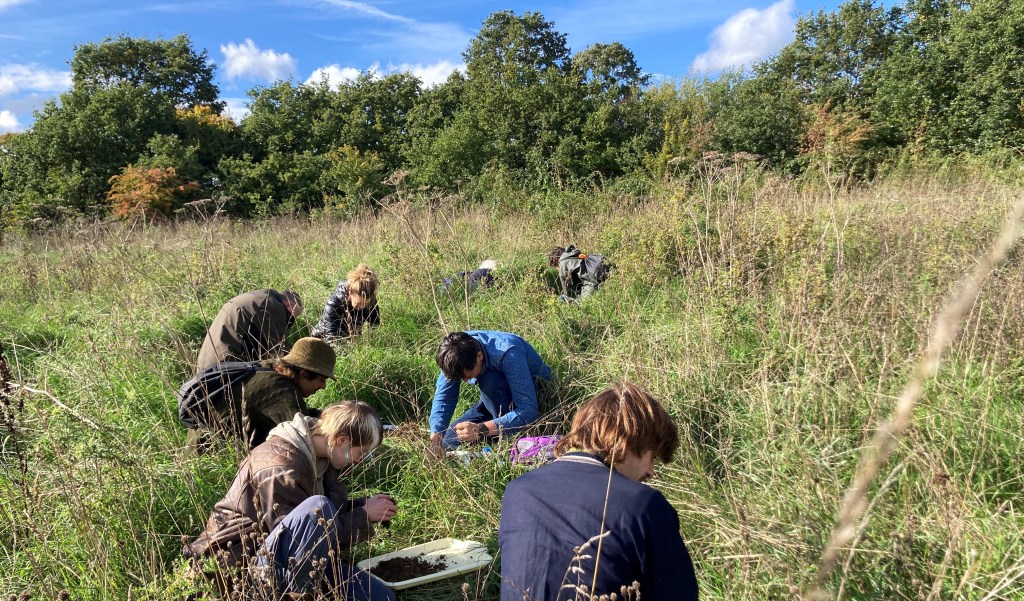
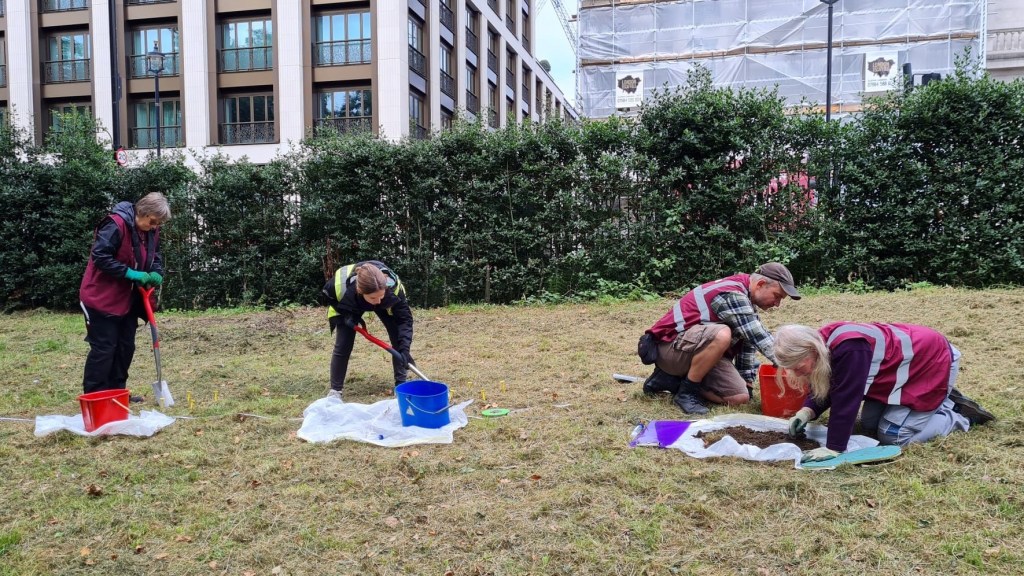
Sampling for earthworms in Green Park with the Mission: Invertebrate team (c) Dan Asaw. 2021. CCBY 4.0.

So, in addition to running a plethora of earthworm training courses and events during 2022 to encourage existing and new earthworm recorders, I decided that, in true New Year tradition, I should get my own house in order during 2022 and set myself an ambitious New Year resolution…

New Year Resolution 2022: 365 Earthworm Samples

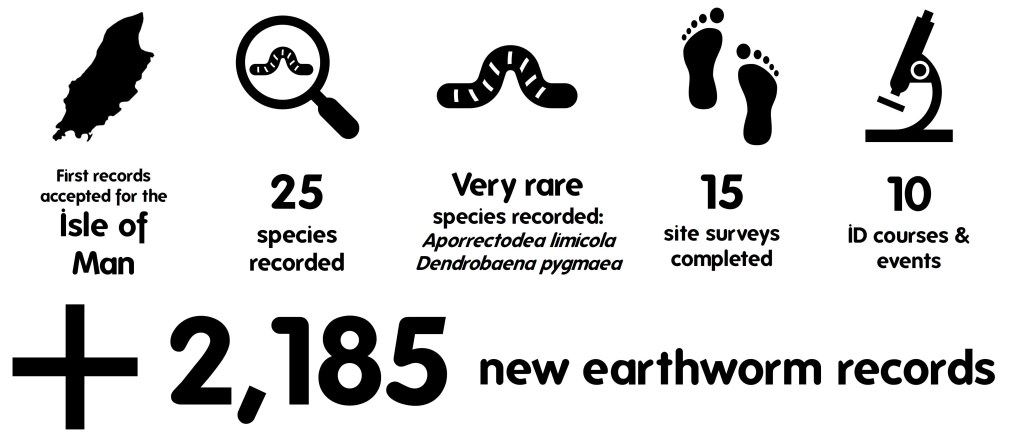
The challenge that I have set myself is a shameless rip-off of a challenge set by my good friend and fellow earthworm recorder, Rich Burkmar, back in 2016: to try and record “an earthworm a day” for the whole of 2022. That year Rich won the coveted “Earthworm Recorder of the Year 2016” accolade and I’m hoping this challenge can improve my earthworm record numbers in the same way it did his.

To stop me taking the easy route and sampling my garden 365 times I have set a few rules to keep the challenge challenging:

  1. 365 new UK earthworm records are to be generated within 2022 by a single earthworm recorder – me!
  2. All specimens must be identified by me and records submitted by 31st December 2022.
  3. No two records can be from the same 6-figure grid square.
  4. More than 1 sample can be taken on a single date – provided they are from different 6-figure grid squares.
  5. Records generated through earthworm training courses/events can’t be counted towards the total – though records gathered journeying to and from these events can!

Sounds easy? A couple of my biggest challenges will be:

  • That I’ll be out of the country for over 4 weeks of 2022 – that’s least 31 daily samples to catch up on. I’ll most likely need to dedicate some weekends to visiting other parts of London to negate the 31 days of sampling that I’ll miss.
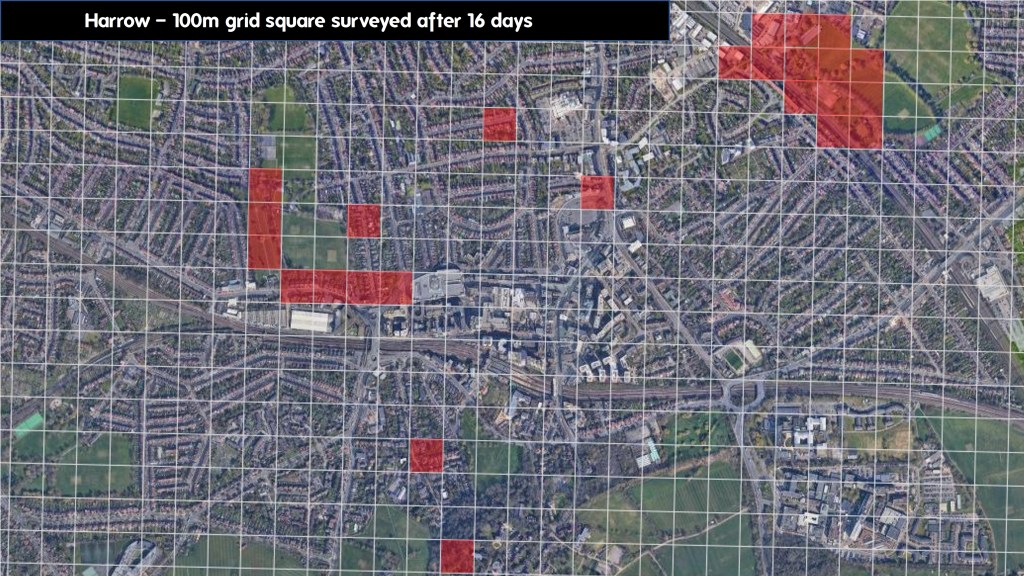
  • I live in a very urban area (Harrow), meaning that accessible greenspace is fairly limited (see map below including highlighted grid square showing the grid squares within my local area that have been sampled to date) and finding new records near to where I live will get harder and harder as the year progresses.
Map of Harrow showing grid squares sampled through first 12 sample points of 2022. Leaflet | Elevation and location data by Geonames, VC data by the NBN, Contains Ordnance Survey data © Crown copyright and database right 2018. Screenshot taken from https://www.cucaera.co.uk on 03/01/2022nd highlighted squares added by Keiron Derek Brown.

Results to date

The table below provides a regular update on where I am regarding my progress towards my target of 365 earthworm samples from unique 6-figure grid references during 2022.

  • Date – date of the update.
  • Target Samples – number of sampling points that should have been completed by the date of the update.
  • Samples Taken – number of sampling points where earthworm specimens have been collected from.
  • Submitted Records – number of earthworm species records submitted to iRecord.*
DateTarget SamplesSamples TakenSubmitted records
03/01/2022340
09/01/202291225
16/01/2022162951
07/04/2022973064

* ‘Submitted records’ differs from ‘samples taken’ for 2 reasons:
(i) multiple records may be generated from a single sample if several species are found.
(ii) records are not classed as submitted until the specimens have been identified and submitted to iRecord.

Species recorded to date are listed below. Species highlighted in red are listed as uncommon, rare or very rare in Sherlock, E. (2018) Key to the earthworms of the UK and Ireland (2nd edition). London: Field Studies Council and Natural History Museum.

  1. Allolobophora chlorotica
  2. Aporrectodea caliginosa
  3. Aporrectodea icterica
  4. Aporrectodea longa
  5. Aporrectodea rosea
  6. Bimastos rubdius
  7. Dendrobaena attemsi
  8. Dendrobaena hortensis
  9. Dendrobaena veneta
  10. Lumbricus castaneus
  11. Lumbricus festivus
  12. Lumbricus rubellus
  13. Lumbricus terrestris
  14. Octolasion cyaneum
  15. Satchellius mammalis

More on earthworms

Sequencing British Earthworms

“The Darwin Tree of Life (DToL) project aims to sequence the genomes of all 70,000+ species of eukaryotic organisms in Britain and Ireland. It is a collaboration between biodiversity, genomics and analysis partners that hopes to transform the way we do biology, conservation and biotechnology.”

Darwin Tree of Life (DToL) project

In 2020, Liam Crowley from the University of Oxford contacted me about sequencing earthworms in the British Isles. Liam’s work on the DToL project focuses on invertebrates at Wytham woods, a 1,000-acre semi-natural woodland owned and maintained by the University of Oxford. Currently, he is working with others on the first phase of the project – to sequence the full genome of 2,000 species from as many different taxonomic families as possible. They are also focussing in greater depth on certain groups of particular ecological or evolutionary interest. Later phases will aim to ramp up this sequencing to eventually sequence every species!

Understanding genomics

My area of expertise is very much in earthworm identification, and not at all in genome sequencing. The truth is that my understanding of genomics is somewhere between basic and non-existent, so below is a brief overview of some of the terminology (for my benefit as much as the reader!):

DNA (Deoxyribonucleic acid) A self-replicating molecule that is present in the cells of nearly all living organisms. It is the carrier of genetic information and exists in the form of a double-stranded helix held together by weak hydrogen bonds between base pairs of nucleotides.

Nucleotides DNA contains four different nucleotides – adenine (A), guanine (G), cytosine (C) and thymine (T). The order of these four nucleotides in the DNA sequence forms a code which determines the function of the DNA.

Gene A unit of heredity which is transferred from a parent to offspring and is held to determine some characteristic of the offspring. Each gene is a distinct sequence of nucleotides forming part of a chromosome. All genes are made up of DNA, but not all DNA forms genes.

Chromosome A long molecule containing genes and other sequences of DNA. The number of chromosomes a species has differs greatly. For example, humans have 46 whereas ferns can have over 1,000!

Genome The full complement of genetic material held by an organism. This includes all of the DNA within the chromosomes (including the genes), as well as any mitochondrial DNA in animals and chloroplast DNA in plants.

The DToL project is interested in two forms of recording this genetic information regarding British and Irish eukaryotic organisms:

  • DNA barcoding A method of species identification using a short section of DNA from a specific gene or genes. This ‘barcode region’ is a tiny part of the genome specifically chosen as it is consistent enough across different species to easily find it, yet varies just enough to differentiate different species.
  • Genome sequencing The process of determining the entirety (or nearly the entirety) of the DNA sequence of an organism’s genome at a single time, including the chromosomal DNA as well as the mitochondrial DNA (in animals) or chloroplast DNA (in plants).

Recording earthworm genetic material

In the British Isles we have just 31 species of earthworms that occur in natural environments. This makes earthworms an easy target group for getting a good head start with during phase 1 of the project. Twenty-nine of those species belong to a single family, Lumbricidae, with the remaining two species being the only species within their respective families within the UK (Acanthodrilidae and Sparganophilidae) and are both very rare and difficult to find (I’ve never personally come across either).

As live specimens are required to obtain the genetic material, my task was to find as many different species as I could over a two-day period while working on the project with Liam at Wytham Woods (University of Oxford). I collected live specimens from my garden early in the morning on 27th May 2021 before heading to the Woods to undertake further sampling throughout the afternoon of 27th and morning of 28th May. On 28th May we were joined by Michael Tansley, an Oxford PhD student studying earthworm.

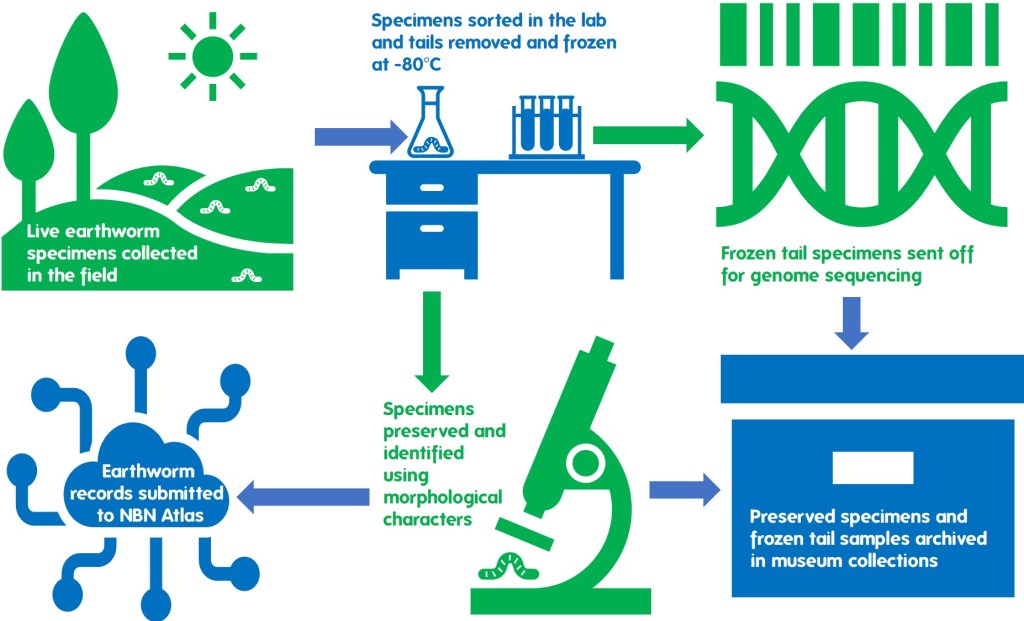
Stages involved in surveying, identifying and sequencing the earthworm specimens collected. Image (c) Keiron Derek Brown CC BY 4.0

In addition to my garden, we explored ancient woodland, calcareous grassland and fen wetland habitats, looking within the soil, in and under deadwood and in the leaf litter layer. Identifying earthworms in the field live is extremely difficult and rarely even possible, so it was difficult to know how many species we had collected. Any juveniles (earthworms with no saddle/clitellum) were released as it is not possible to identify these to species level – though this may be possible in the future using DNA barcoding.

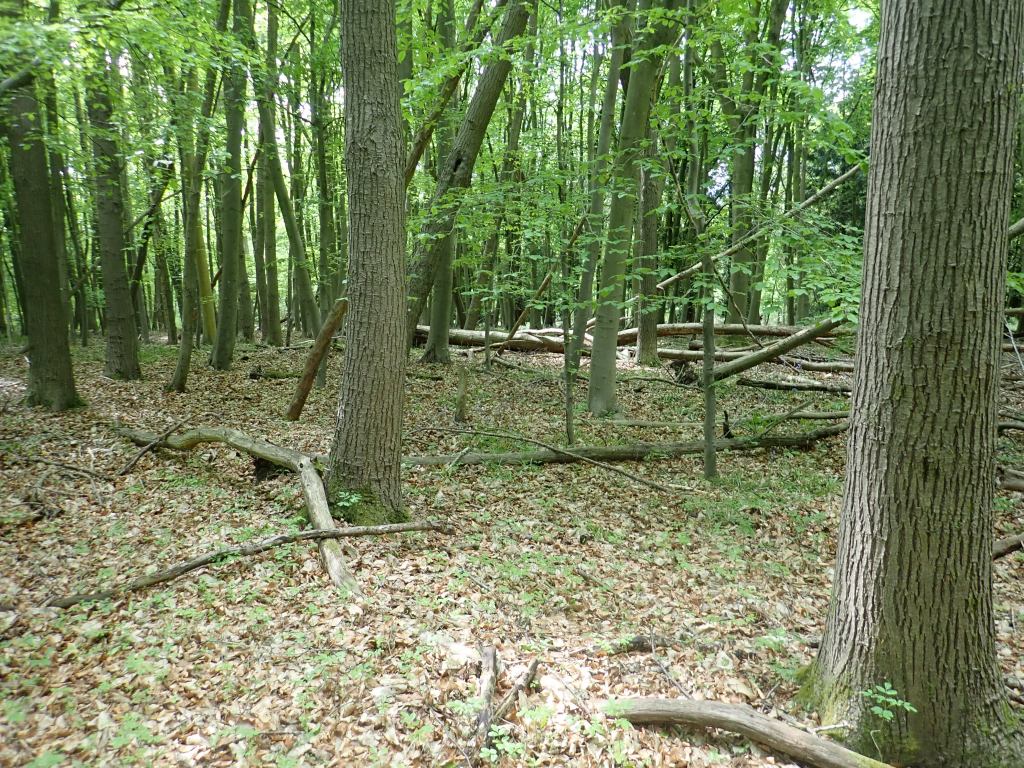
A beech woodland site sample for earthworms within Wytham Woods (c) Liam Crowley CC BY 4.0

Extracting genetic material

The DToL project is using an exciting and relatively new sequencing technology known as ‘long-read’ sequencing, which reads and works out the order of nucleotides in much longer fragments of DNA than other methods. In much the same way as a jigsaw with fewer, larger pieces is easier to assemble than one with many small pieces, longer DNA fragments allow for a more accurate genome assembly. 

The catch, however, is that DNA is a very unstable molecule, and starts breaking down into smaller fragments very quickly in dead tissue. To allow successful long-read sequencing, therefore, living tissue needs to be flash frozen to preserve long chunks of DNA. We achieved this for our earthworm samples by removing and immediately flash freezing a small section of the tail from each specimen at -80oC, before the specimens were euthanised and preserved in 80% ethanol.

A further small piece of the tail was preserved in 70% ethanol, to be submitted to the Natural History Museum for DNA barcoding. The purpose of also barcoding specimens is three-fold – firstly it allows us to populate the species barcode reference databases, allows matching of barcode ID against the identification made by collectors (preventing unnecessary expensive sequencing of the same species multiple times) and finally, allows a sense check that samples have not got mixed up during the sequencing process and each genome is matched to the correct specimen.

Liam Crowley, Oxford University

Once the relevant material was preserved for each molecular method, the remainder of the specimens (everything but a small piece of the tail) were identified under a stereomicroscope. I identified the specimen using the Key to the Earthworms of the UK & Ireland (2nd Edition) by Emma Sherlock. This key uses external morphological features such as the type of head, location of the male pore, location/shape of the TP and the spatial distance between the setae.

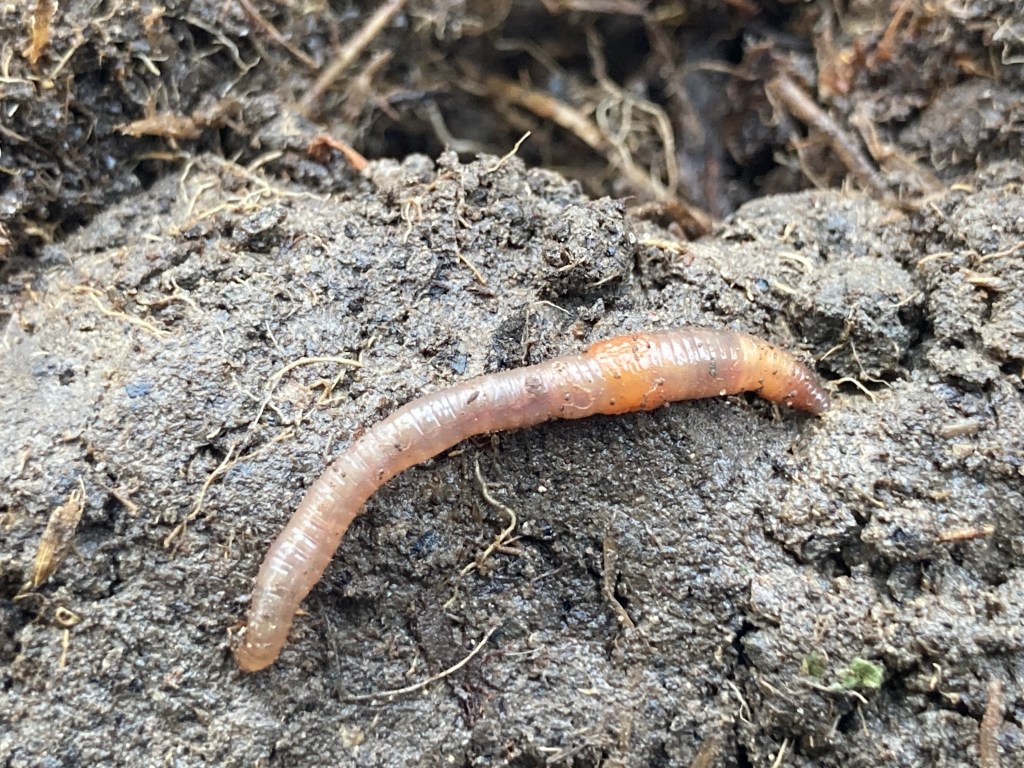
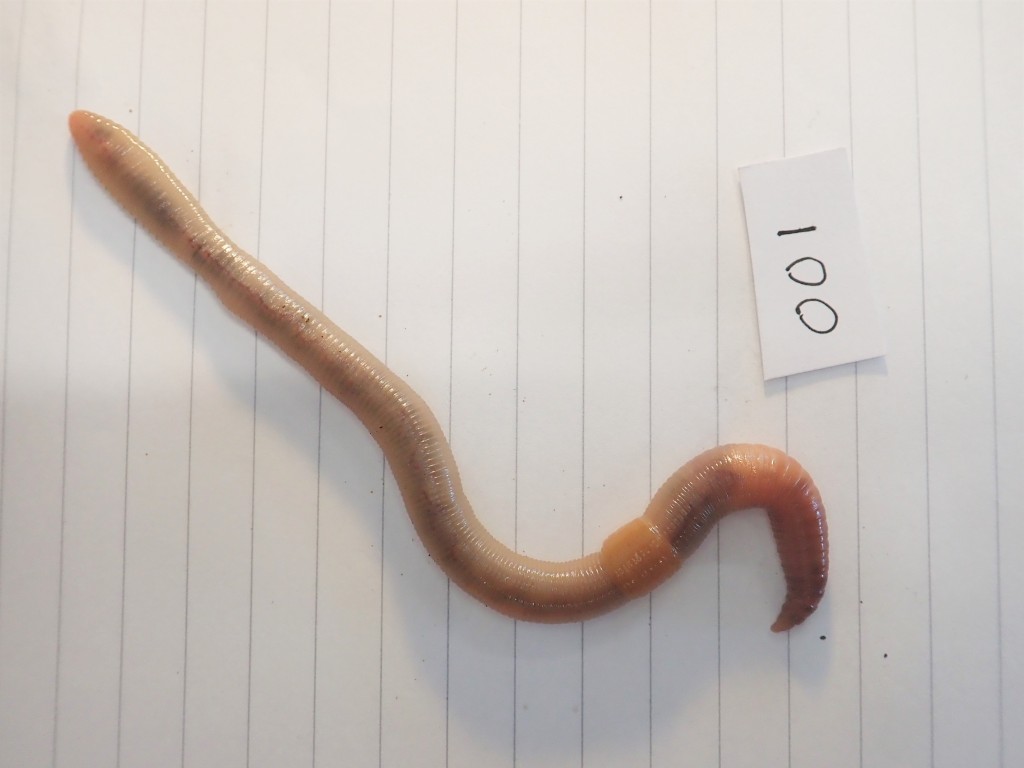
Earthworm specimen 001 was the Lob Worm (Lumbricus terrestris), collected from my garden in Harrow (London). This image is of the live specimen and is unusually pale in colour for this species. Image (c) Liam Crowley CC BY 4.0

Ideally, we’d like to sequence every specimen to build up a more complete library of earthworm genomes. However, there is a cost to sequencing each sample, so we prioritised up to 3 specimens per species for sequencing. Those specimens that will not be sequenced were still identified and contribute important records to the National Earthworm Recording Scheme.

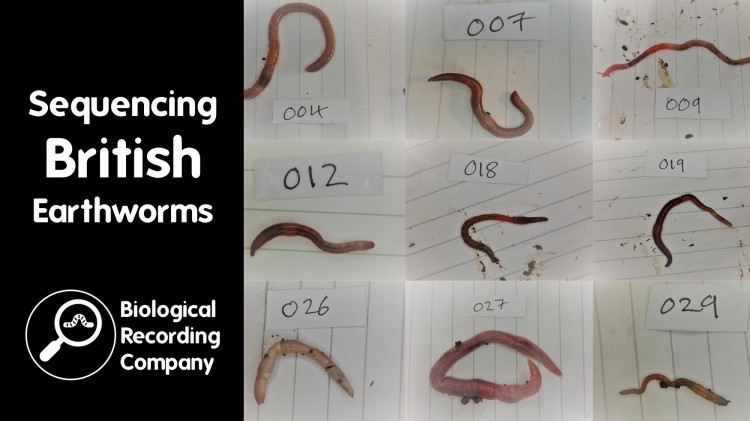
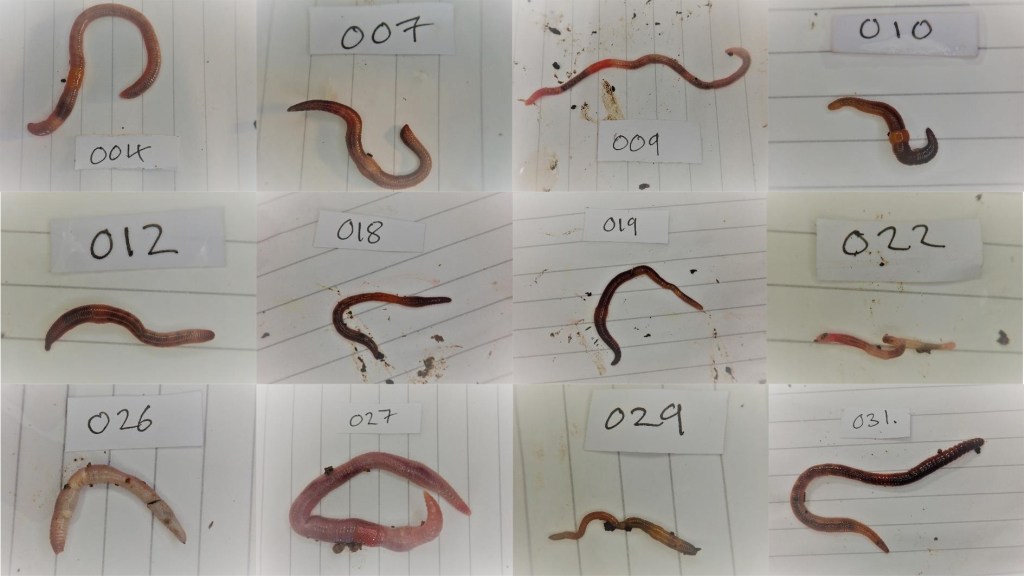
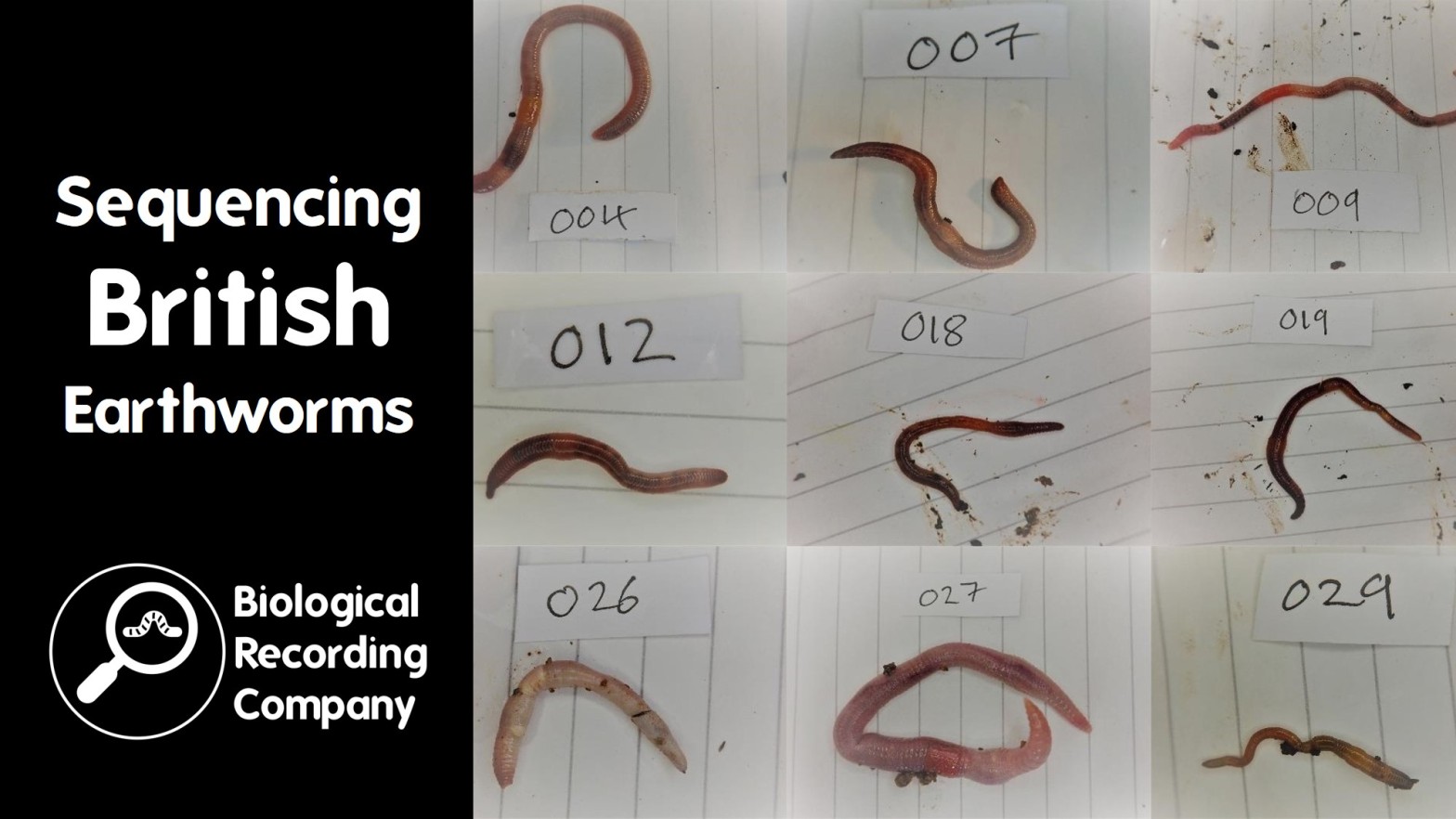
004 Aporrectodea caliginosa; 007 Lumbricus castaneus; 009 Aporrectodea rosea; 010 Satchellius mammalis;
012 Bimastos rubidus; 018 Bimastos eiseni; 019 Eisenia andrei; 022 Murchieona muldali;
026 Allolobophora chlorotica; 027 Octolasion cyaneum; 029 Eiseniella tetraedra; 031 Lumbricus rubellus
Images (c) Liam Crowley CC BY 4.0

Survey Outputs

Earthworm species records All specimens were identified and records submitted to the National Earthworm Recording Scheme. In total, this contributed 43 species records across 14 species of earthworm, including 13 new species records for a previously unrecorded site (Wytham Woods). These records will be publicly available through the National Earthworm Recording Scheme (UK) dataset on the NBN Atlas.

Genome sequencing 34 specimens were sent for genome sequencing across 14 different earthworm species (see list below). This will enable different DNA extraction methodologies to be tried and tested. This is necessary because earthworm biochemistry is quite different to other taxa such as insects, for which we have the most knowledge of suitable methods, therefore different variations on extraction methods need to be tested.  Any successfully sequenced genomes will be published with open access, making all the data publicly available for everyone: https://www.darwintreeoflife.org/interim-data/

  1. Allolobophora chlorotica
  2. Aporrectodea caliginosa
  3. Aporrectodea rosea
  4. Bimastos eiseni
  5. Bimastos rubidus
  6. Eisenia andrei
  7. Eiseniella tetraedra
  8. Lumbricus castaneus
  9. Lumbricus rubellus
  10. Lumbricus terrestris
  11. Murchieona muldali
  12. Octolasion cyaneum
  13. Octolasion lacteum
  14. Satchellius mammalis

Preserved specimens 34 preserved specimens were submitted to the Natural History Museum (London) earthworm collection, where they will be curated to a high standard and available for further inspection and research.

Genome notes The following genome notes have been published.

  1. Brown et al (2024) The genome sequence of the Brown Litter Worm, Bimastos eiseni (Levinsen, 1884). Wellcome Open Res 2024, 9:279 (https://doi.org/10.12688/wellcomeopenres.21622.1

I’d like to say a huge thank you to Liam Crowley for hosting me at Oxford University and for reviewing and contributing to this blog.


More on earthworms
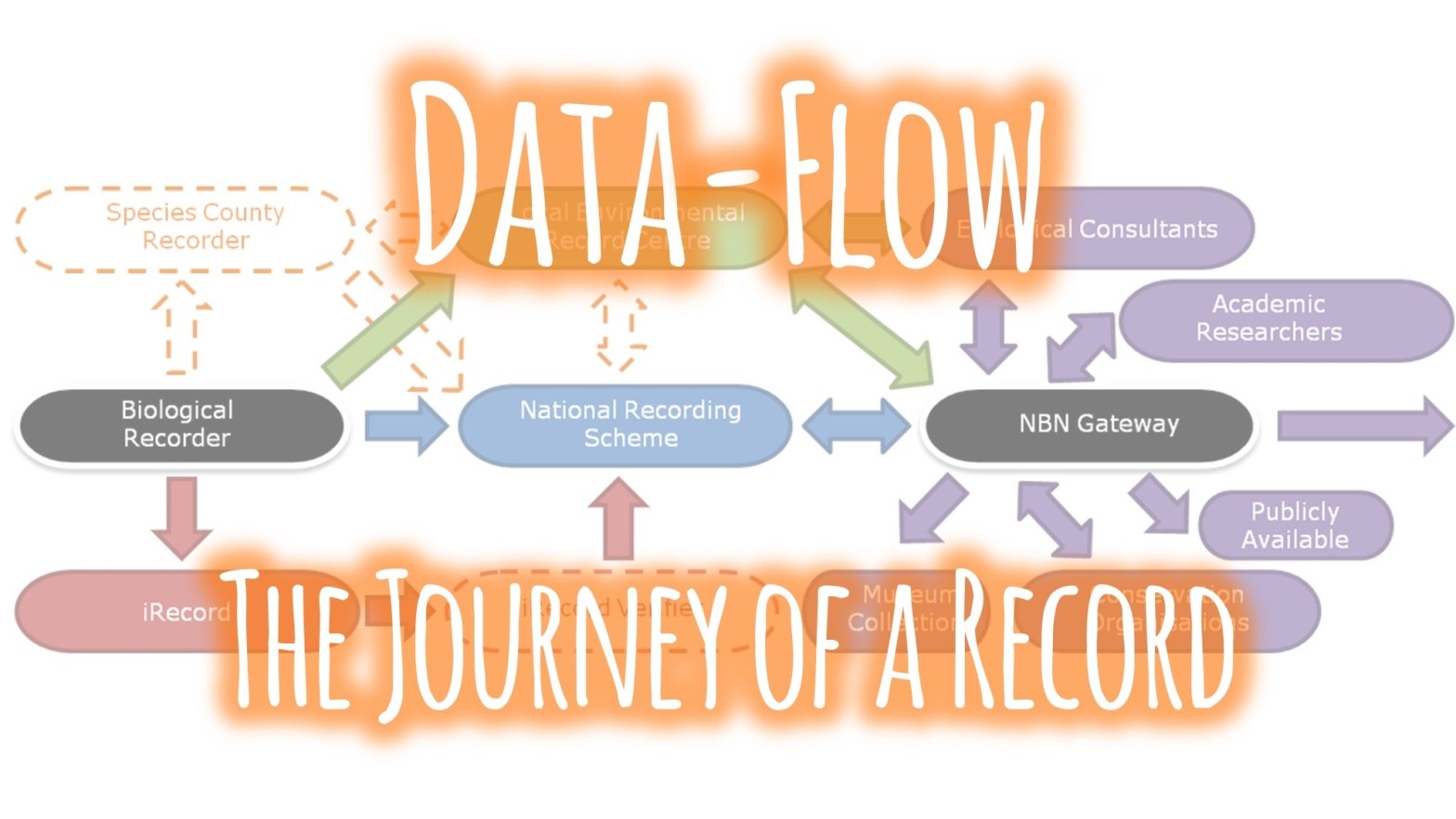
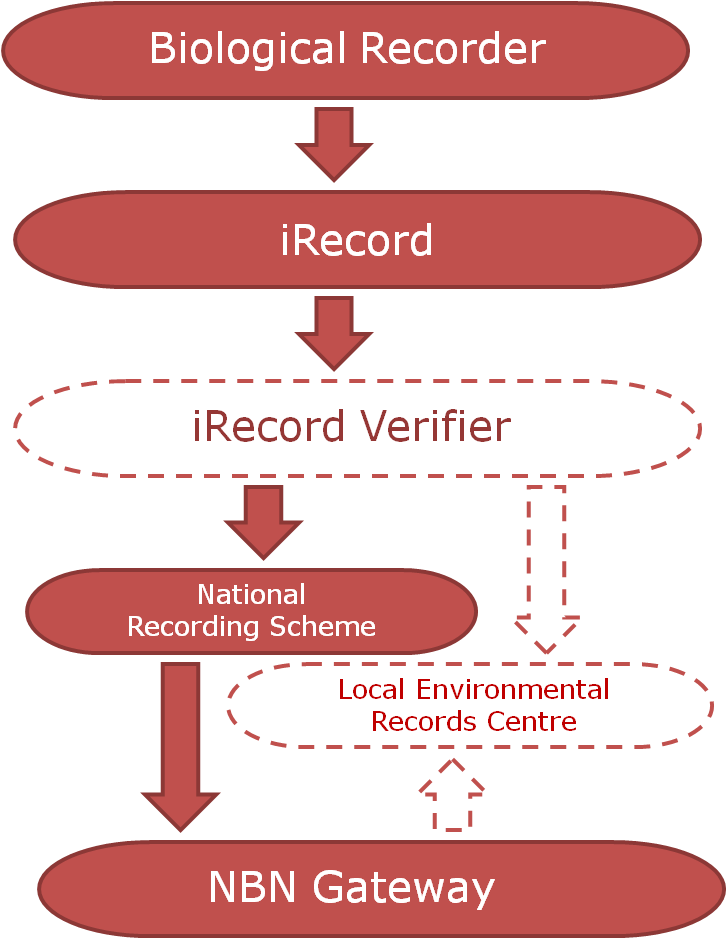
Data-Flow – The journey of a record

By sharing biological records it opens up the potential benefit that a record can have to nature and the environment through analysis, research and the production of resources (such as a distribution atlas). Throughout the years, the number of organisations involved in the collection and dissemination of biodiversity data has increased and diversified, leaving biological recorders in a state of confusion as to who they should be sending their data too.

The ‘Endgame’

The best place to start with data flow is the end of the story, mainly because this is where the record’s use really comes into its own. The National Biodiversity Network Gateway is the UK’s depository for biological records (in Scotland this is the Atlas of Living Scotland). It houses many different data sets from many different organisations. These data sets may vary a lot in structure so they are accompanied by metadata (this is a description of the data set created by the data provider). One of the components of the metadata explains who the data set is available to (e.g. everyone, only government agencies or only those permitted by the provider) and what it can be used for (e.g. anything, non-commercial use or only by permission of the provider). Therefore, the NBN Gateway should be a one stop shop for all biological records and this is where we should aim to for our records to end up so they can be put to good use by scientists and conservationists.

So we just need to submit our records to the NBN Gateway? Unfortunately, it’s not that simple. Biological records are much more useful if they are validated and verified by appropriate experts and this is where things get a little more complicated. Below are three explanations of possible routes to the NBN Gateway. Please note that things differ regionally and between species groups so always contact the relevant organisations if you want to clarify what the best option is for any given record. Furthermore, records created for a specific survey should always be sent to the survey organiser (for example, records for surveys conducted as part of The Wider Countryside Butterfly Survey should always be sent to the UK Butterfly Monitoring Scheme).

Remember that you are the one creating the record so it is up to you where you send it to and you should base this on what you want your record to be used for. There is no right or wrong option and you may chose to send your records to multiple organisations to ensure it reaches all the relevant organisations (though this may lead to duplication on the NBN Gateway).

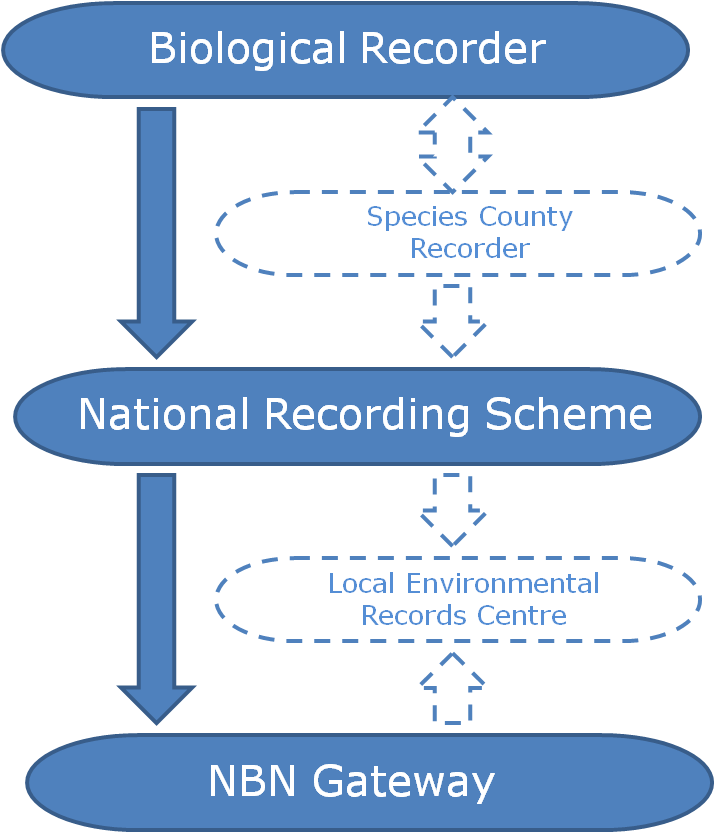
The species record perspective: National Recording Schemes and national surveysNRS Data Flow

If you would like the record to be used for distribution atlas production or species population trend monitoring, you should submit your record to the National Recording Scheme (NRS) for that species group. The NRS may be able to use your record to help improve the current knowledge about habitat preferences or behaviour, and will pick up on lesser known rare species. In essence, they are best placed to interpret your record in relation to the species group it belongs to.

You may need to contact the NRS to determine the best method to do this, as different surveys/schemes have different methods and preferences. Some will have a regional contact, a county recorder, that is responsible for collating the records in the local area and they will send your record on to the NRS alongside other species records.

Most NRSs will forward their data on to the NBN Gateway (depending on the NRS’s opinion of how their records should be used). From there it can be downloaded by Local Environmental Record Centres (LERCs), though there is no guarantee that this will happen. Some NRSs do pass on their records to LERCs but, as many NRSs are volunteer run, they do not always have the capacity to do so.

Pro: Species experts able to use data to better understand the ecology, distribution and conservation status of their species groups.

Cons: No guarantee that data will make it to LERCs to be used by managers of local habitats and local significance of species records may be lost.

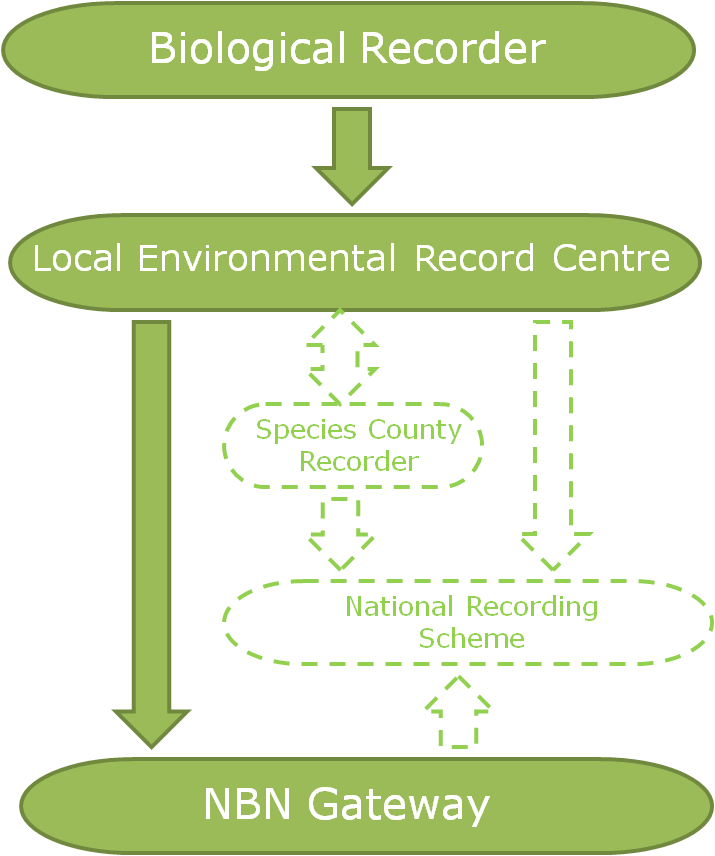
The local record perspective: LERCs and local groups

ILERC data flowf you would like the record to be considered when decisions are made regarding the area the record was made in, you should submit your record to the LERC for the area the record originates from. The local knowledge of LERCs mean that they are best placed to interpret the significance of your record locally (in particular, looking at the importance of species assemblages), though this may not be picked up for lesser known species groups due to a lack of species-specific knowledge. They are also pivotal in disseminating local records to decision makers such as planners and government agencies.

As with the species perspective, there may be a county recorder allocated for the species group that you would be redirected to (or they would pass your records on to them for processing).

Most LERCs will forward their data on to the NBN Gateway (although there is variation between LERCs as to how much and at what resolution data is shared, and who is granted access to LERC-submitted data). From there it can often be downloaded by NRSs, though this is unlikely to occur for most NRSs due to the fact that most recording scheme organisers are volunteers and would simply not have the time to do this. Some LERCs do pass on their records to NRSs (mainly through county recorders) but LERCs continue to be reduced in capacity by funding cuts and some may charge for all data searches/dissemination they conduct.

Pros: LERC able to put species records in local context and provide assistance to decision makers for local sites.

Cons: Records for lesser known groups may be overlooked and no guarantee that data will go to NRS where it can be interpreted alongside other records for the species.

The multi-taxa recorder perspective: iRecord

iRecord data flowThe two routes above consider the use of the record and there are valid arguments for both routes. So why not send all of your records to both the relevant NRS and the LERC? Well, ideally that’s the best option but it’s not always pragmatic for a biological recorder to be able to do this due to the amount of administration that would entail. In fact, even just sending your records to several different LERCs or NRSs can be an administration mountain!

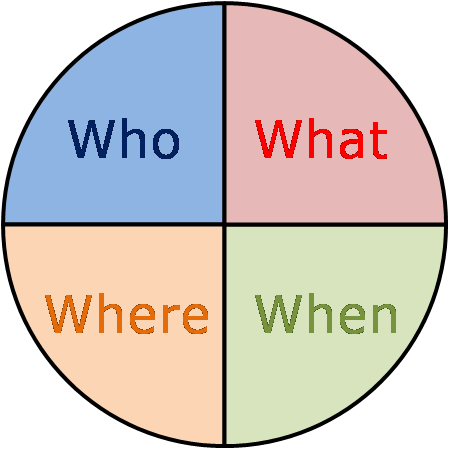
One solution to this is iRecord. This is an online biological record submission platform created by the Biological Records Centre and the NBN to simplify things for the recorder. The idea is that you can use one system to input all of your records and the relevant NRS and LERC can access that. Furthermore, iRecord allows survey and scheme organisers to create their own forms so iRecord can allow for the vast differences between what different surveys will ask you to record, though all records will still require the basics: who, what, where, when
iRecord relies on a registered species group verifier to check species records to ensure that only reliable records are accepted. Verifiers may be county recorders or scheme/survey organisers, and are usually a representative of the relevant NRS. LERCs are able to download both verified and unverified data for their area from iRecord. iRecord verifiers can set up filters so that records are automatically accepted for certain easy-to-identify species (e.g. hedgehog).

Pros: Provides the recorder with an online database of their records and reduces administration workload of recorder (and often the verifier too). Allows NRSs to receive records from multi-taxa recorders that may not otherwise engage with the NRS.

Cons: Not all species groups have an active verifier assigned and those records remain unverified. No guarantee that LERC will download local records.

Conclusion

There is no doubt that data flow is a complicated topic and it’s no surprise that biological recorders are often left confused about where they should send their records. There is no right or wrong submission pathway to send your data to as they all have their pros and cons. The best way to decide is to think about what you want your record to be used for and contact the relevant organisation(s) to see what they recommend. You may find that some organisations have developed a data flow pathway that ensures that your record will go to everyone who can put it to good use. Regardless of where you send it, the most important thing is that you engaged with nature by making a record in the first place.

Keiron Derek Brown

20th March 2016


More on biological recording

Big Garden Birdwatch

My interest in wildlife goes back as far as I can remember and the credit for this goes to my father who would often take me, my brother, my sister and our dogs on walks in the woods and along the beach. In particular, my dad would point out birds and pass on the knowledge he´s gained through books and observation. At 71 his love of birds is still strong and he´ll often spend his mornings watching his avian visitors or putting his previous trade as a joiner to use by constructing bird tables and nest boxes to improve his little patch for our struggling wildlife. Keeping his birds safe includes warding off any cats that try to enter the garden (much to the bewilderment, and often amusement, of my mother).

My father may not be an expert, but he knows his garden birds much better than I do so I thought it would be a great idea to put his observations to good use and give something back to him so I signed him up to the RSPB Big Garden Birdwatch and booked a train home to Cumbria to undertake the survey with him.

Survey History

The Big Garden Birdwatch is a citizen science survey hosted by the RSPB in winter each year. It was first run in 1979 as a one-off winter activity designed for junior RSPB members. However, the RSPB underestimated how popular the survey would be and over 34,000 forms were returned (partly thanks to coverage on Blue Peter). The survey was repeated each year and adults were invited to participate from 2001.
Thirty six years later over half a million people now regularly take part in the survey. This has built a useful dataset for looking at changes in bird populations over time. This has allowed the RSPB to determine that we´ve lost more than half of our house sparrows and three quarters of our starlings. Blue tits have fared better, seeing a 20% rise over the years and our woodpigeon population has increased by 800%!

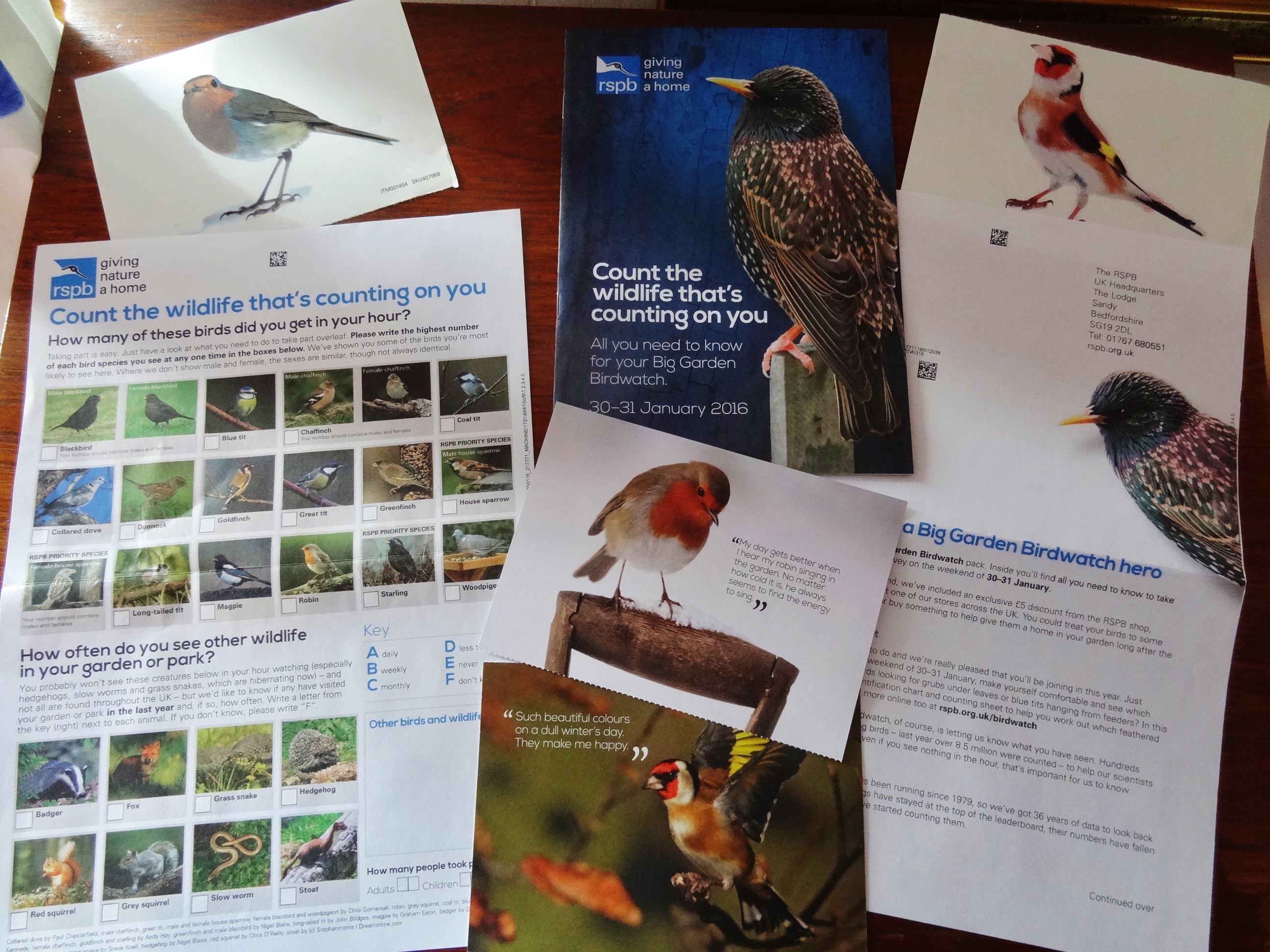
1 - RSPB Pack

Survey Method

The survey really is quite easy. You simply watch your garden (or a local green space if you don´t have a garden) for one hour and record the highest number of each bird species visiting your garden at one time. Recording just one number for each species prevents the results being skewed by repeat visitors and you only count birds that actually land in your garden. Following the one hour survey, you can submit your results online or via paper forms. Everything you need is sent out by the RSPB or can be downloaded in advance once you have signed up at the RSPB Big Garden Birdwatch webpage.

The RSPB encourage their participants to provide food for our winter birds, so the survey also acts as a reminder to feed our winter garden birds. Some tips include providing fat cakes, coconut shells or seeds. You can make your own fat cakes as demonstrated by Nick Baker in the video below.

Our Big Garden Birdwatch

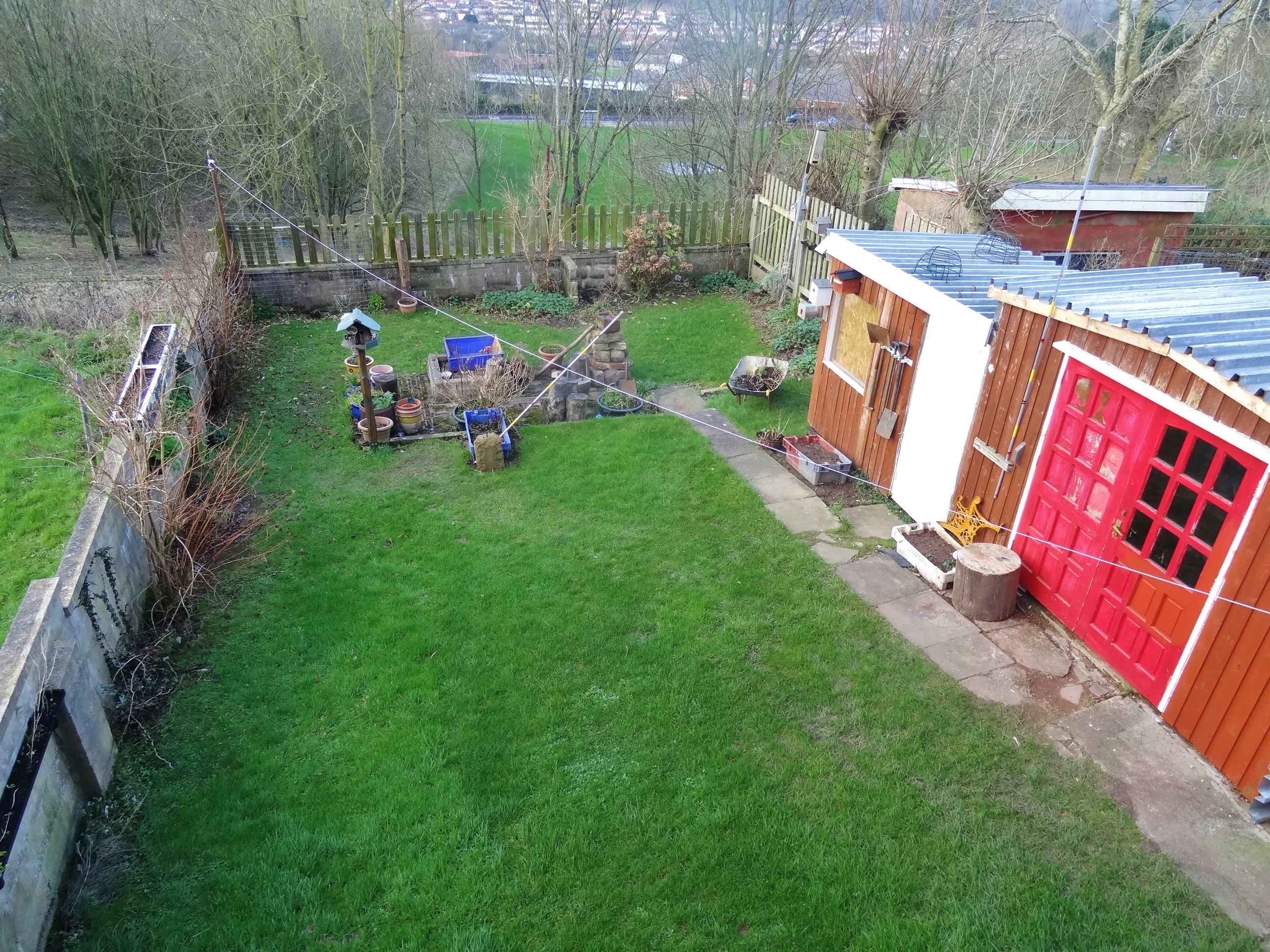
2 - Garden

Before starting we defined our survey area as the back garden. The count would take place out of the back bedroom window (opposed to downstairs) as this provided a less obstructed view of some of the garden. We determined that we would include the fences and walls, as well as any of the neighbour’s overhanging tree branches. We put out bread, seed and fat balls for the birds and filled up the bird bath with water.

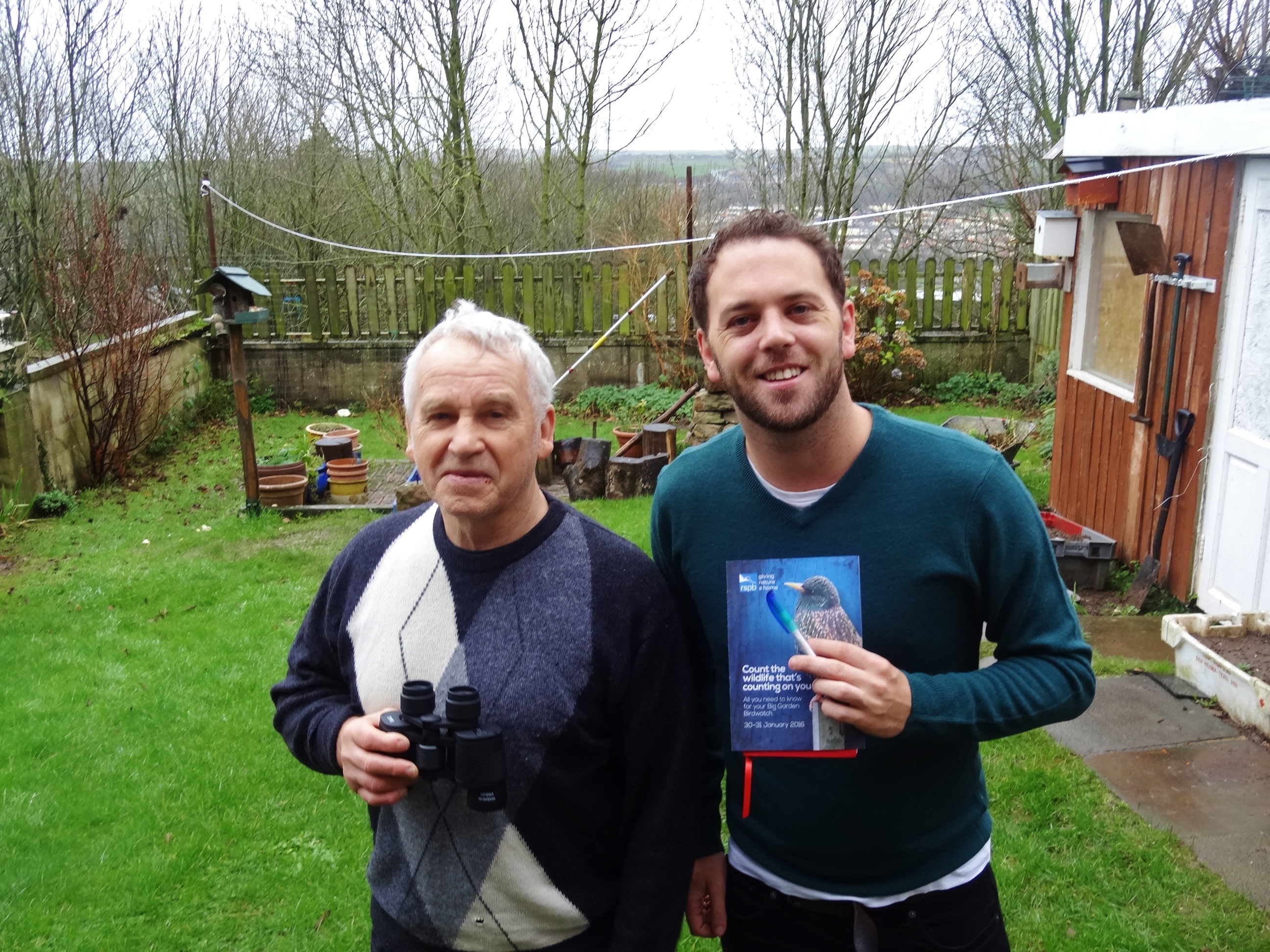
3 - Participants

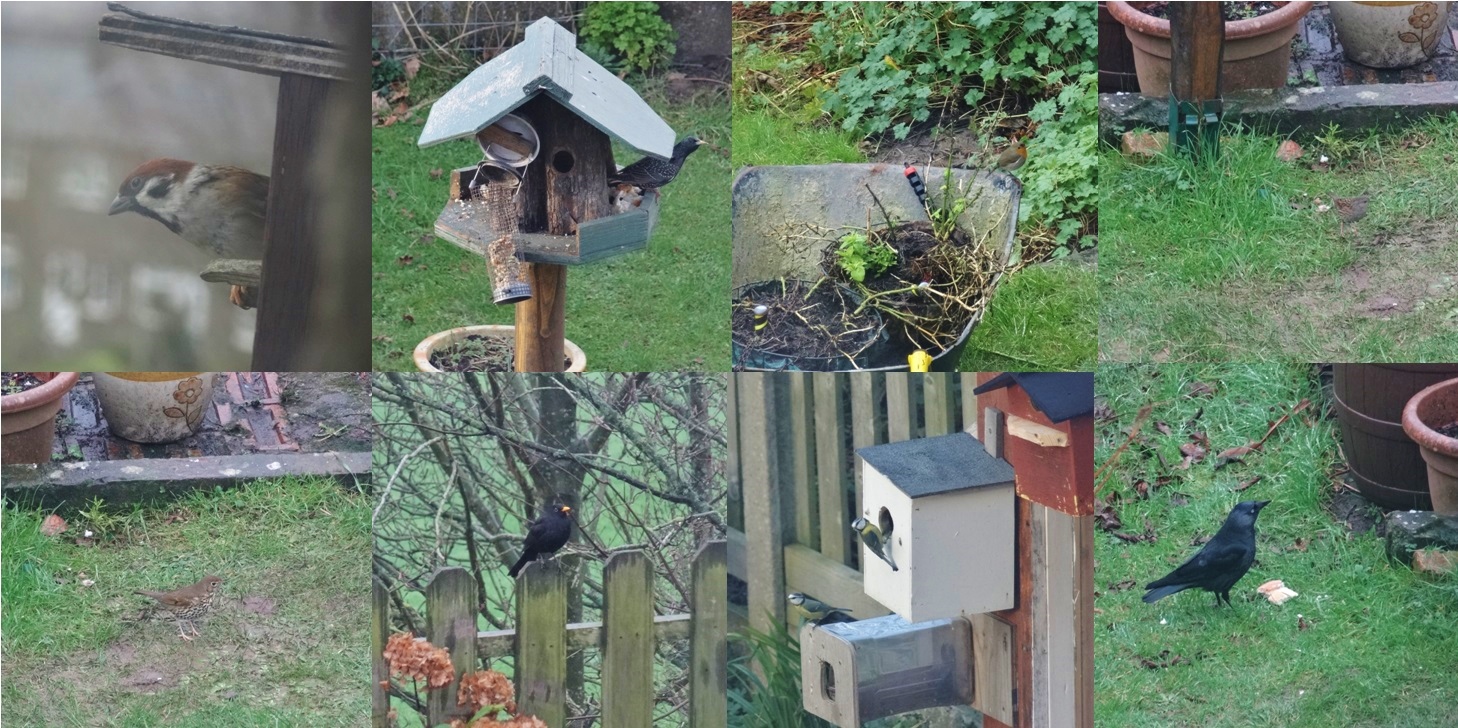
On Sunday 31st January 2016 we started our survey at 10am. Within minutes two blackbirds landed on the fence, before flying to the lawn. A robin was quick to follow. The odd jackdaw would snatch and grab a piece of bread from the bird table and after several individuals coming in and out one at a time, six jackdaws entered the garden at once. The next new species was a lone dunnock foraging on the ground beneath the bird table. Just before the halfway point a pair of tree sparrows entered the garden to check out nest boxes. Three blackbirds chased each other around the garden floor, increasing the total for that species and a pair of great tits were added to the list. Two blue tits then did the rounds checking out nest boxes left, right and centre. A starling flew to the bird table and the species list increased to eight with 15 minutes remaining. Only one new species entered in the final 15 minutes: the song thrush. However, during this final period three great tits and two starlings entered the garden at the same time, increasing the counts for these species.

4 - Results

We entered the following results on to the form:

Blackbird (3)
Blue Tit (2)
Dunnock (1)
Great Tit (3)
Robin (1)
Jackdaw (6)
Tree Sparrow (2)
Robin (1)
Song Thrush (1)
Starling (2)
Tree Sparrow (2)

In addition, the form asks you to record any additional wildlife (such as mammals and reptiles) that you have seen in your garden over the past year and give a measure of how frequently they visit (e.g. daily, weekly, monthly etc.). We had nothing extra to report so we placed the form in the return envelope (my parents do not have a computer or internet connection) and sent it back to the RSPB.

Conclusion

The survey was really simple and good fun. My father enjoyed it and was pleased to be putting his observations to good use. In my eyes, the best outcome from the RSPB Big Garden Birdwatch was his realisation that you don’t need to be a scientist to make a contribution to science. It was a fantastic introduction to biological recording and I will definitely be returning to Cumbria next January to undertake the survey again!

5 - BTO Pack

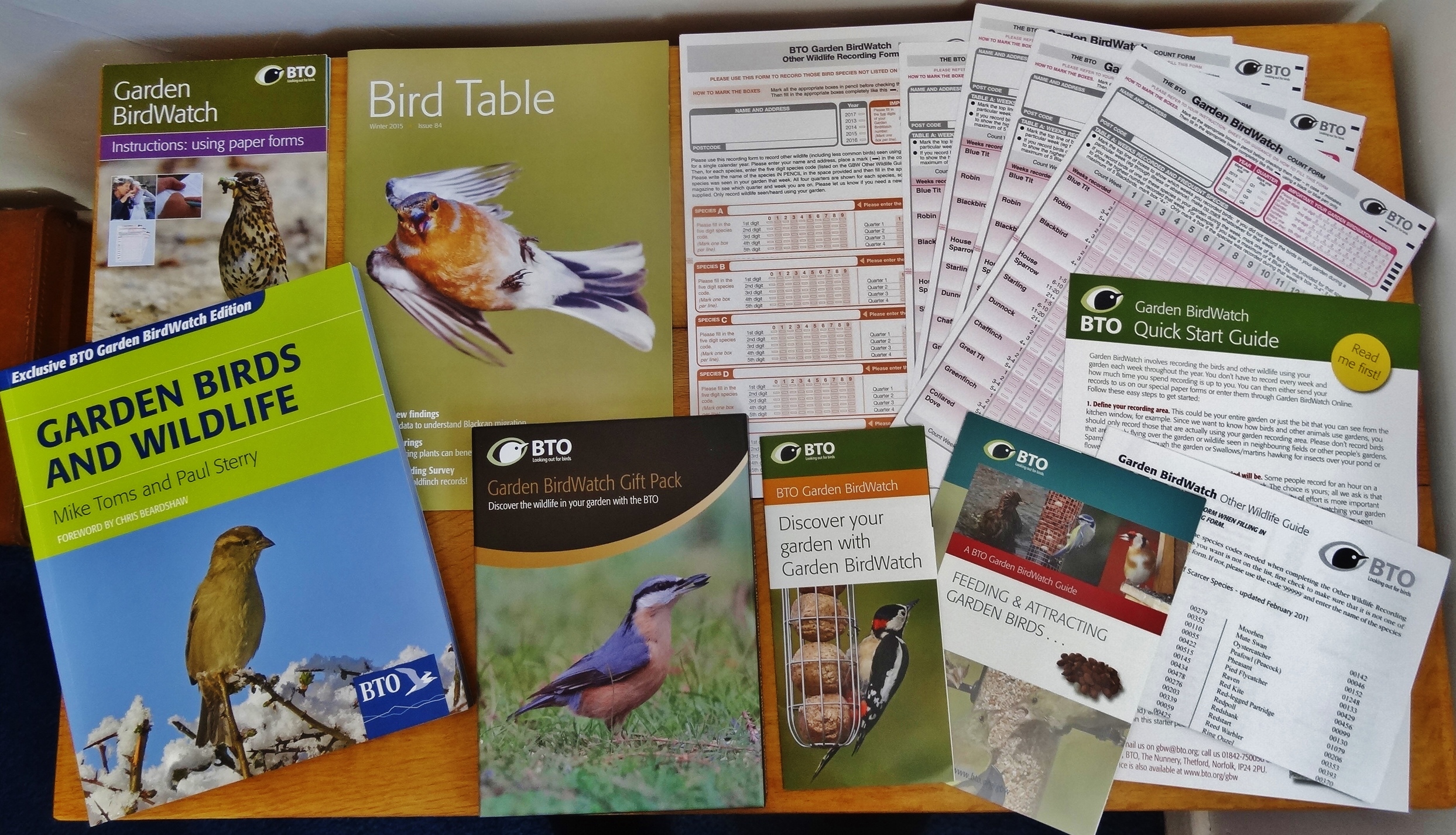
Following the survey I presented my dad with a belated birthday present: membership to the British Trust for Ornithology (BTO) Garden Birdwatch. This involves following a similar method to the RSPB Big Garden Birdwatch and submitting data on a weekly basis. This creates a high quality dataset on bird population trends across the years and seasons and makes a fantastic gift for anyone with a garden that is interested in birds. The gift pack includes a subscription to Bird Table magazine, a free book on birds and other assorted bits and bobs, along with instructions for the survey method and the survey forms (though an online option for data submission is also available). The gift membership is only £19.95 and details can be found at www.bto.org/volunteer-surveys/gbw.
31 January 2016


More on biological recording

Who’s who of biological recording

Britain is very lucky to have a rich history in biological recording. Natural history was a popular pastime in Victorian Britain and our taxonomists were (and still are) responsible for the description and recording of species across the world. As a result of this history, the UK has a well developed network of organisations involved in biological recording. Getting your head around what these organisations do and how they can help you as a biological recorder  can be confusing so I’ve tried to clarify the roles of some of the organisations involved. Please note that this list is by no means exhaustive, but I hope it is useful. Where I have explained a type of organisation I have provided examples.

BRC__OFFICIAL_logoBiological Records Centre (BRC)
www.brc.ac.uk
This is a publicly funded organisation that works closely with the biological recording community, particularly the recording schemes and societies. This work includes the production of resources (such as recording scheme websites, mobile phone apps, atlases and guidance documents), the undertaking of research to better understand how to improve or interpret biological recording and collation of datasets on behalf of recording schemes and societies.

nbnNational Biodiversity Network (NBN)
www.nbn.org.uk
The NBN is a network consisting of non-governmental organisations and government agencies involved or invested in biological recording. In addition to managing the taxonomic species dictionary for the UK and producing guidance for the biological recording community, the NBN manages the NBN Gateway. The NBN Gateway is a portal through which biological records can be accessed by users. Ideally, this is where all biological records should end up. Records are submitted to the NBN Gateway by organisations that collate records (e.g. Local Environmental Records Centres, National Recording Schemes and Conservation NGOs). In Scotland, the NBN Gateway is currently being replaced by the Atlas of Living Scotland (also managed by the NBN), with hopes to role out the same across the other UK countries.

imageNational Forum for Biological Recording (NFBR)

www.nfbr.org.uk
The NFBR acts as the independent voice of biological recording in the UK. Their Facebook group provides a great forum for sharing news and events. One of the highlights of the biological recording calendar is the annual NFBR conference, where speakers from numerous organisations speak about a topic related to the theme for that year. This year’s theme is National Recording Schemes – celebrating the past, looking to the future.

ALERC logo white PNG 10cmLocal Environmental Records Centres (LERCs)

LERCs are organisations that collate and manage biological records for a defined geographic area (for example the Cumbria Biodiversity Data Centre collates biological records for the county of Cumbria). Biological recorders may send biological records (of any species)  to LERCs to be added to their database for the area they cover. LERCs are able to interpret the local importance of biological records (for example the location of European Protected Species records in relation to planning proposals) and may have contacts for species experts for some groups. An Association of Local Environmental Records Centres (ALERC) was formed in 2009 and many LERCs are now members. The ALERC website has an interactive map where you can find the LERC for any area in the UK: www.alerc.org.uk/find-an-lerc-map.html

National Recording Schemes (NRSs)
National recording schemes collate species records for a defined group of organisms and provide guidance on the recording of the species they cover. Records of the species covered by a NRS can be submitted to the scheme by a biological recorder for inclusion in the NRS database. The size of the species group these schemes cover can range from relatively few species (such as the Earthworm Society of Britain) to larger species groups (Such as the Bees, Wasps & Ants Recording Society) or even a a very large and diverse group of species (such as the Botanical Society of Britain & Ireland). These organisations have the expertise to verify records for the species they cover. A list of national recording schemes can be found on the BRC website: www.brc.ac.uk/recording-schemes

Conservation NGOs
Although the focus of conservation NGOs is (obviously) conservation, these organisations may also be involved in biological recording as understanding population trends is pivotal to the conservation work they undertake. Conservation NGOs can be be national (such as the British Trust for Ornithology) or local (such as the many UK Wildlife Trusts) and may specialise on a group of species (for example Buglife) or a habitat (for example The Woodland Trust). Conservation NGOs may work with local recording groups (like the network of Amphibian & Reptile Groups of the UK working with Amphibian and Reptile Conservation Trust), run national monitoring programmes (such as the Bat Conservation Trust National Bat Monitoring Programme) or encourage citizen science based surveys (like the RSPB Big Garden Birdwatch) – all of which produce biological records.

FSC logotype 1 rgb cropField Studies Council (FSC)
www.field-studies-council.org
The FSC is an environmental education charity with centres across the UK. Their work also includes producing invaluable resources for the biological recording community (such as atlases and identification keys) and running natural history courses covering a wide range of subjects and species. They have achieved funding for several biological recording focussed projects over the last 10 years. This includes the current Tomorrow’s Biodiversity project that has devised a range of tools for biological recorders and run regular courses and events.

Other Organisations
Local groups are also of huge importance to the biological recording community and these can consist of general natural history groups (such as the Paisley Natural History Society) or groups that cover certain species (such as the Hertfordshire Moth Group). Some organisations that may also be worth a look are the British Entomological & Natural History Society and the Amateur Entomologists Society. Many more organisations are involved in biological recording in the UK and it is not possible to include them all in this article. A database of nature groups can be found on the Natural History Museum website: www.nhm.ac.uk/take-part/nature-groups-near-you

25 January 2016


More on biological recording

Biological Recording 101: What is a biological record?

Recording wildlife became a popular pastime during Victorian times and, as a result, natural history societies began popping up around the country. As time and technology progressed, the activity of biological recording has adapted and there are now many recording schemes, methods of record submission and types of organisation. However, the first question that any biological recorder needs answered is what constitutes a biological record?

The Basics

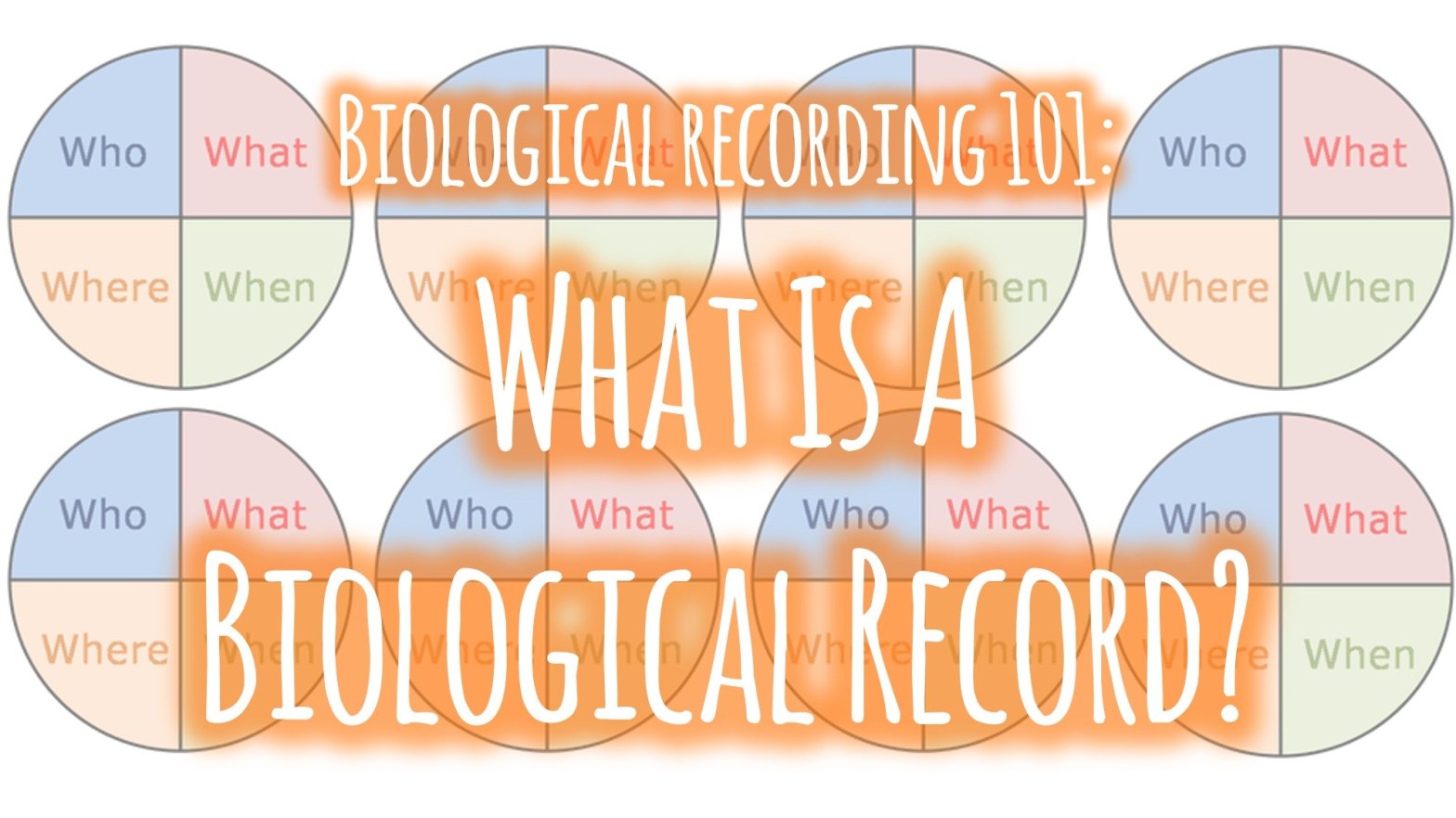
In order for any biological record to be accepted it must have four basic components:

biological recordWho – The name of the recorder or determiner.

What – The name of the organism or group of organisms that you are recording.

Where – The location where the organism was observed.

When – The date the organism was observed.

Combining these four pieces of data produces a record of the presence of an organism at a specified time and place by a named individual, also known as a biological record.

Data Quality

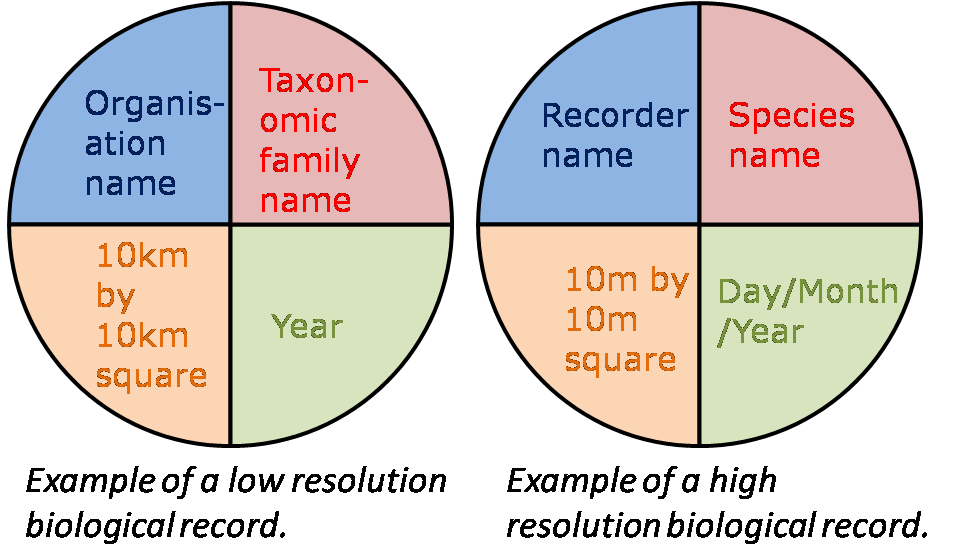
The data quality of a biological record can be improved by ensuring the basic components are recorded at higher resolutions: the more specific the information, the higher the record quality. Examples for each of the basic components are given below

Who – Provide the full name of the recorder and/or determiner, as opposed to an organisation or institution name. This allows for any queries regarding the record to be directed to the correct individual.

What – The more specific the taxonomic classification, the better. For example, a record of a red squirrel is of higher quality than a record of a mammal. However, biological recorders should only classify organisms to a level they are confident is accurate.

Where – Provide the highest accurate geographic resolution you can. Using the UK Ordnance Survey system an 8 figure grid reference details that the organism occurred within a 10 m by 10 m square, whereas a 4 figure grid reference would only detail that the organism occurred within a 1 km by 1 km square.

When – As with location information, the finer the resolution the higher the data quality. Providing a specific date is more desirable than just the year of the record.

resolution

Additional Biological Record Information

The organisms on our planet differ greatly, some are fixed to a location while others are able to travel great distances. Some organisms are long lived and present year-round, while others have relatively short life cycles or inactive periods that render them difficult to record at certain types of year.

Different recording schemes will ask for different additional information to be included within the biological record dependent upon the ecology of the organism or the objectives of the scheme. Additional information also improves the data quality of the biological record and provides information that may help answer questions belonging to the fifth, and most important, component: why.

Example additional information fields could include habitat, abundance and life stage of the organism. These may or may not be compulsary information fields for acceptance of the biological record to a specific survey or recording scheme.

In summary, a biological record is a summary of four simple data components. Its data quality, and subsequent uses, can be improved by ensuring these components are recorded at the highest accurate resolution and by the addition of any other relevant information to the record.

Keiron Derek Brown

2nd January 2016


More on biological recording