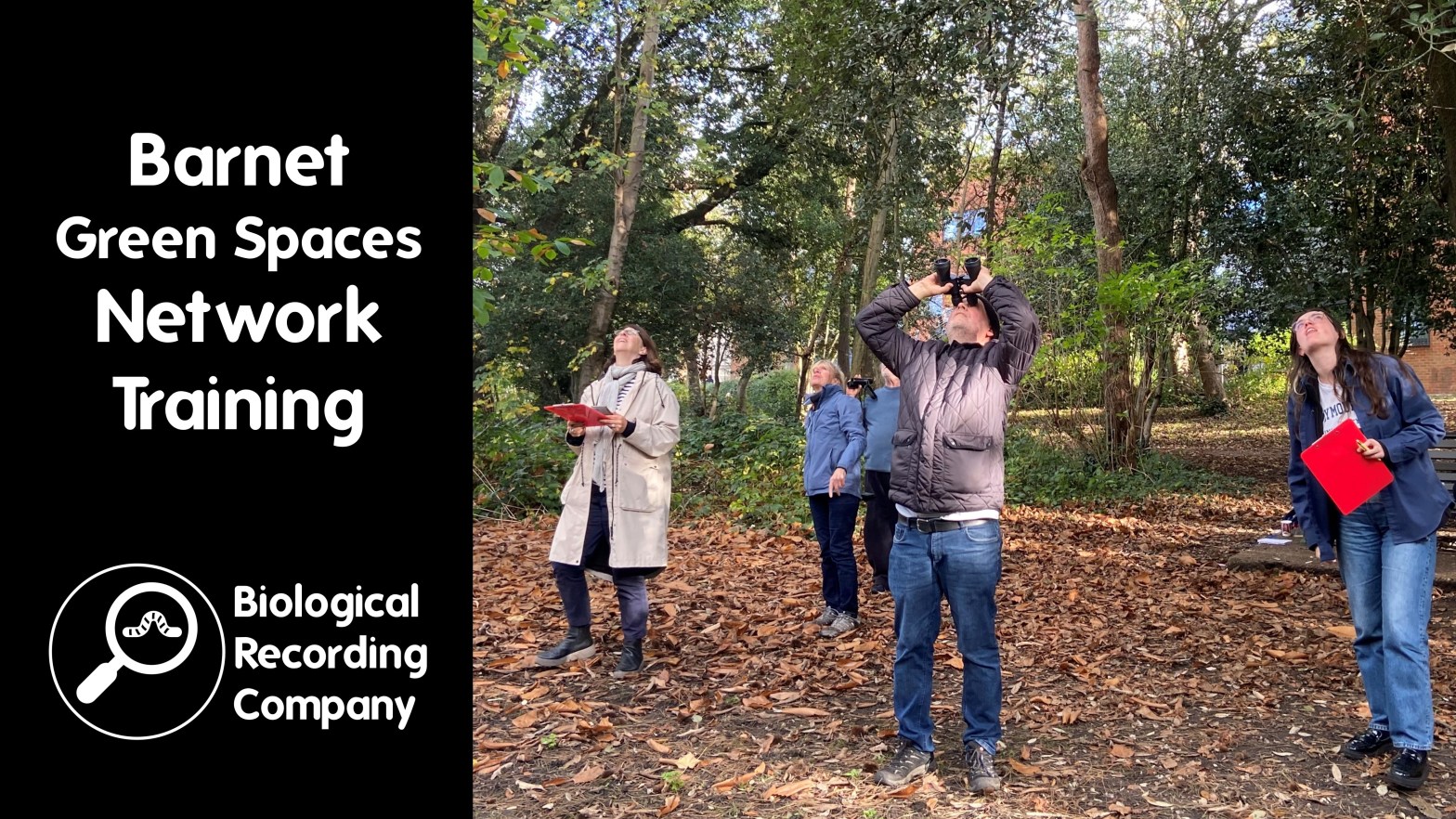
Barnet Green Spaces Network Training

The Biological Recording Company is working with a range of organisations, including Barnet Council and Citizen Zoo, to deliver a programme of free natural history training courses and biological recording events throughout 2025 and 2026, including:

  • Online ecology and biodiversity courses that can be completed at your own pace.
  • Field Recorder Day events to record the wildlife of the Welsh Harp under the guidance of biodiversity specialists.
  • In-person natural history training courses across sites in Barnet.

More details about the programme, including links to the booking pages for the various activities, can be found below.

This series of training events in Barnet is being run as a collaboration between the Biological Recording Company and Barnet Council.


Online Training Courses

Barnet residents and volunteers can access any of our online courses and virtual symposium content for free. We have 200 spaces to give away so get in touch with Harriet at Barnet Council for instructions on how to claim your free courses. A full list of eligible courses is provided below.

entoLEARN online courses

  • Bee-flies of the UK
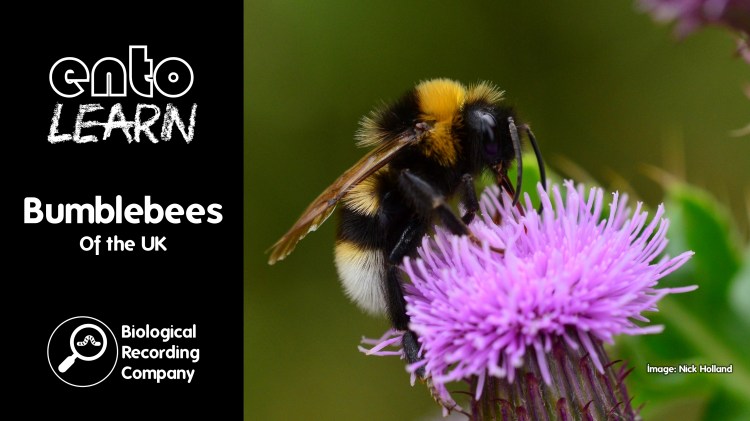
  • Bumblebees of the UK
  • Chafers of the UK
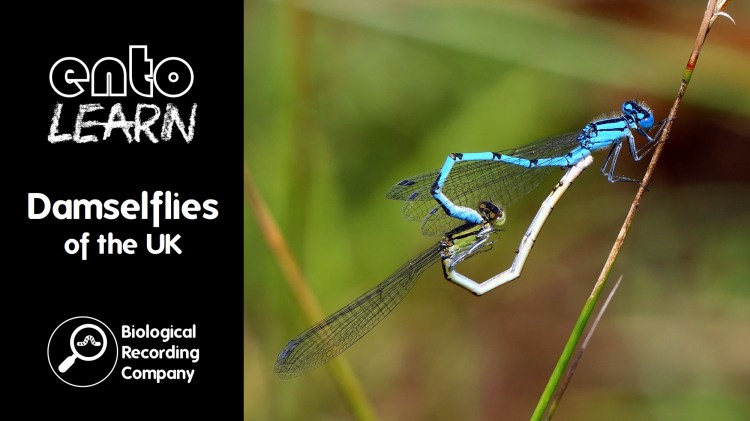
  • Damselflies of the UK
  • Dragonflies of the UK
  • Earthworms of the UK and Ireland
  • Freshwater Leeches of the UK
  • Harvestmen of the UK
  • Longhorn Beetles of the UK
  • Social Wasps of the UK
  • Soldierflies of the UK

Skills For Ecology online courses

  • Biodiversity and the UN Sustainable Development Goals
  • Camera Traps
  • Crayfish Surveys and Conservation
  • Drone Surveys for Ecology
  • Ferns of the UK
  • Flower-Insect Timed (FIT) Counts
  • Hay Meadow Restoration
  • Identifying Mosses
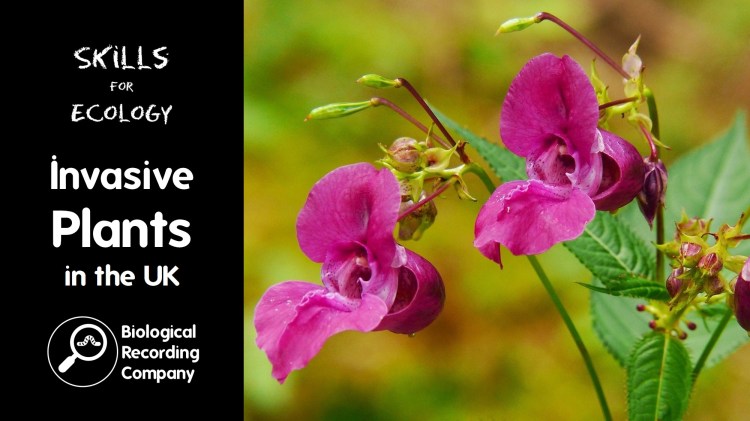
  • Invasive Plants in the UK
  • iRecord 101
  • Surveying For Beetles
  • Surveying For Dragonflies
  • Surveying For Pollinators
  • Wildlife Detection Dogs

Virtual Symposium Content

  • Beetle Research and Conservation
  • Biological recording
  • Funding For Conservation
  • Hedgehog Research
  • Invertebrate Translocation and Reintroduction
  • Rewild London
  • Wildlife Gardening

Instructions for claiming courses funded by Barnet Council

  1. Navigate to the relevant product on the Biological Recording Company online learning platform: https://courses.biologicalrecording.co.uk/collections/products
  2. Click on the button ‘Buy £X‘ to bring up the basket page.
  3. Click on the text stating ‘Have a coupon?‘ to bring up the coupon box
  4. Enter the code provided by Barnet Council into the coupon box and click ‘Apply‘ to reduce the cost to £0. Barnet residents and volunteers should contact Harriet at Barnet Council to request a code.
  5. Enter your email address, first name and last name to complete the purchase and set up your account.
Field Recorder Days

Following on from the training, we’ll be putting our existing and newly-developed skills to good use at the Welsh Harp Open Space with a series of Field Recorder Day events. Each event is led by a species group specialist and will have a specific taxonomic focus. Join us to help record the wildlife of the Welsh Harp.

  • Earthworm Sampling Day 01 Apr 2026 at Welsh Harp (Barnet)
  • Invertebrate Field Recorder Day 29 May 2026 at Welsh Harp (Barnet)
  • Botany Field Recorder Day 24 Jun 2026 at Welsh Harp (Barnet)
  • Plant Gall Field Recorder Day 19 Sep 2026 at Welsh Harp (Barnet)
  • Fungi Field Recorder Day 15 Oct 2026 at Welsh Harp (Barnet)

In-person Training Courses

Eight one-day natural history training courses are scheduled at sites within the London Borough of Barnet, with subjects aimed at those new to biological recording and an emphasis on developing biological recording skills in Barnet residents and greenspace volunteers.

Upcoming courses are listed below (previous courses are reported on in the Project Achievements section below). All courses are free, but spaces are limited, so we recommend booking early to avoid disappointment.

Urban Grassland Management coming soon…


Project Achievements

In-person Training Courses
Biological Recording 101 took place at Hendon Town Hall on 3 June 2025, taught by Keiron Brown and attended by 16 participants. The course highlighted the value of biological recording for understanding and protecting wildlife. Attendees learned to collect and submit species data via iRecord and manage records to support local biodiversity monitoring.
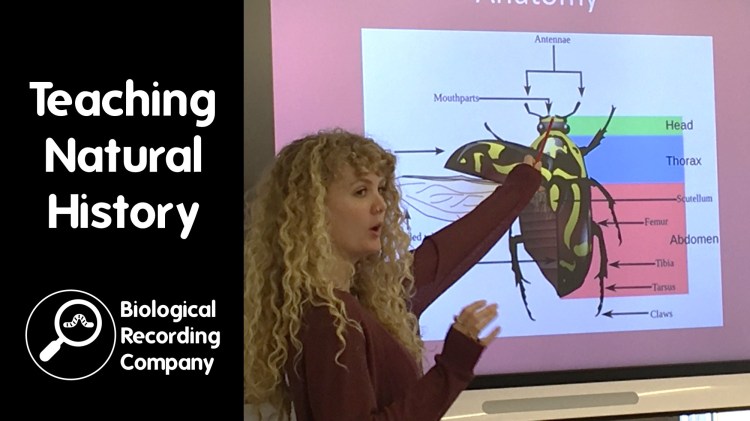
Teaching Natural History took place at Barnet Environment Centre on 8 January 2026, taught by Keiron Brown and attended by 9 participants. Attendees learnt how to confidently teach adults through engaging classroom and field-based learning, and gained practical tools to design, deliver, and evaluate effective natural history education.

Fungi For Beginners took place at Hendon Town Hall on 15 January 2026, taught by Mark Spencer and attended by 14 participants. Attendees were introduced to the fascinating world of British fungi and learnt the basics of finding and identifying them through classroom learning and guided fieldwork. Participants gained foundational skills in fungal biology, taxonomy, and safe field practice.

Winter Tree Identification took place at Barnet Environment Centre on 28 January 2026, taught by Henry Miller and attended by 14 participants. Attendees learnt how to identify broadleaved trees in winter using buds, twigs, bark, and seasonal features, and gained confidence through practical exercises and guided fieldwork.

Botany For Beginners

03 Feb 2026 @ Hendon Town Hall

Discover British plants and gain practical skills in identifying them, recognising key structures, and understanding their taxonomy and ecology.
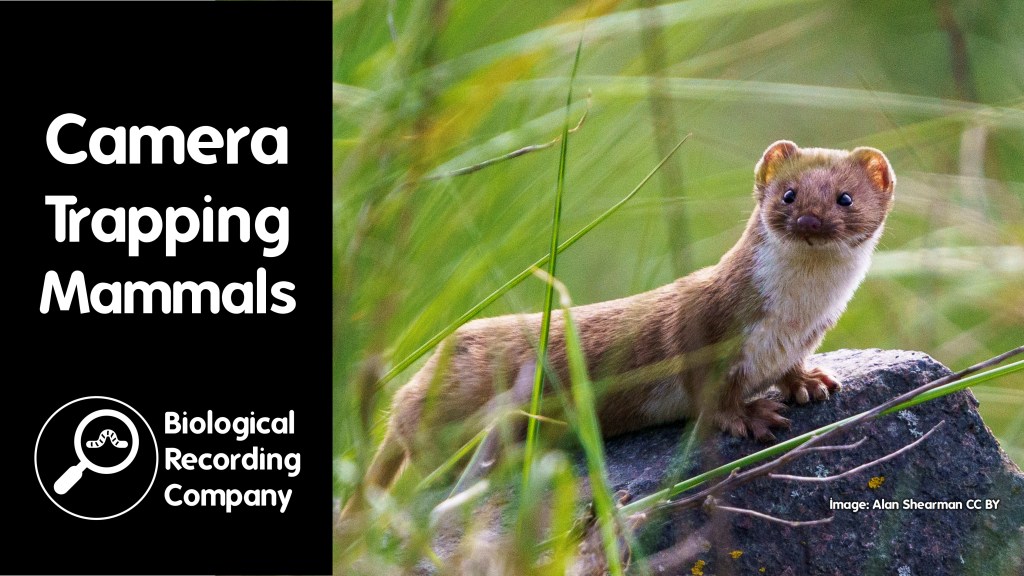
Camera Trapping Mammals

18 Feb 2026 @ Freehold Community Centre

Master camera trapping to monitor British mammals and classify footage using MammalWeb. Gain hands-on experience setting up cameras, identifying species, and managing data.
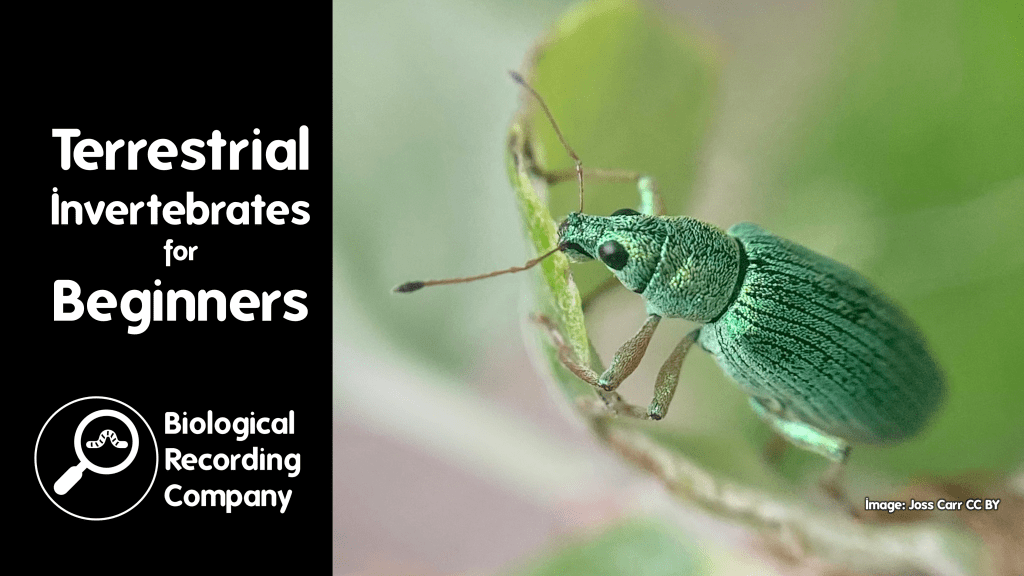
Terrestrial Invertebrates for Beginners

26 Mar 2026 @ Golders Green Quaker Meeting House

Explore British terrestrial invertebrates and develop core skills in finding and identifying them through guided fieldwork. Gain confidence using identification keys and recognising key features.

Virtual Events

The Wildlife Gardening Virtual Symposium took place on 14th January 2026, and 47 free spaces were claimed by Barnet residents/volunteers. Researchers and practitioners explored how gardens and urban green spaces support wildlife, highlighting ponds, pollinator-friendly gardening, fungi, and urban mammals through presentations on habitat creation, ecological interactions, and long-term citizen science research.


Biological Recording Projects

At the Biological Recording Company, we specialise in planning and delivering projects centred around recording wildlife and training naturalists.

  • London Recording Projects involve the delivery of events from our Field Recorder Day, Invertebrate Study Day, Earthworm Sampling Day and Training Course programmes. Examples include:
    • Site-based projects, such as Wild Tolworth, Ealing Beaver Project and Lesnes 500.
    • Borough-based projects, such as our Southwark and Barnet projects.
  • Earthworm Projects range from identification training and earthworm surveys to research and consultation. Example include:
    • Engagement-focused projects, such as delivering earthworm recorder training in Northern Ireland and working with farmers in the Chilterns.
    • Research-focused projects, such as looking at the impact of hay meadow restoration on earthworm communities, assessing the effectiveness of regenerative farming practices and investigating the use of AI in earthworm identification.
  • National Biological Recording Projects entail putting our expertise to use with helping other organisations improve the biological recording processes and reach new audiences.

The Fungus Verification Consultation Project

The Biological Recording Company collaborated with the British Mycological Society (BMS) to assess how fungal records submitted to The Fungal Records Database of Britain and Ireland (FRDBI) are verified and shared going forward. This article outlines some of the key findings of the Fungus Verification Consultation Project, includiing:

  • A summary of the background work conducted by the UK Centre for Ecology and Hydrology.
  • Some key results from the online Fungus Recorder Online Survey.
  • Core insights from the BMS Consultation Workshop.
  • A downloadable copy of the full Fungus Recording and Verification Consultation Report.
  • A Draft BMS Verification Protocol (included within the aforementioned report).

A bit of background

In September 2025, the NECR650 Edition 1: Data Flows of UK Fungal Data Records, commissioned by Natural England and produced by the UK Centre for Ecology and Hydrology (UKCEH), was published. This report examines how fungal records are currently collected, verified, stored, and shared across the UK. The report’s function is to clarify how fungal data flows between recorders, databases, and users to improve access, quality, and conservation outcomes.

Key findings included:

  • Complex Data Landscape: Fungal data collection involves two national recording schemes (British Mycological Society – BMS, and Fungus Conservation Trust – FCT), local fungus groups, environmental records centres, and online platforms (e.g. iRecord, iNaturalist, Observation.org). This fragmented landscape causes duplication, inconsistent verification, and restricted sharing.
  • Identification of Major Data Sources:
    • BMS – Fungal Records Database of Britain and Ireland (FRDBI): The largest dataset but not fully open access nor verified.
    • FCT – CATE2 Database: Contains substantial data, but recorder and geographic fields are restricted for public or cross-database use.
    • National Biodiversity Network (NBN) Atlas and GBIF: Provide national and international data access but contain limited fungi records due to sharing restrictions.
    • Local and Online Sources: Local fungus groups and online citizen science platforms contribute valuable data but vary in quality and verification standards.
  • Verification Challenges: Fungal identification is complex, requiring expert review. Current verification systems vary across databases, leading to uneven data quality and confidence levels.
  • Data Sharing Barriers: Closed databases, inconsistent licensing, and differing standards limit access for conservation, Red List assessments, and ecological research.
  • Stakeholder Insights: Surveys of recorders and database managers revealed concerns about data fragmentation, complexity of submission processes, and insufficient collaboration between recorders, data managers, and end users.

To improve fungal data management and conservation outcomes, the report recommends:

  1. Adopting FAIR Data Principles – ensuring data is Findable, Accessible, Interoperable, and Reusable.
  2. Standardising Verification Protocols – establishing shared quality assurance processes.
  3. Enhancing Accessibility – expanding data sharing to national repositories such as NBN Atlas and GBIF.
  4. Improving Interoperability – aligning taxonomies and metadata standards across systems.
  5. Encouraging Data Use in Conservation and Research – supporting Red List assessments, land management, and ecological monitoring.
  6. Supporting Recorders – through training, technical tools, and national coordination.

The full report can be found here: https://publications.naturalengland.org.uk/publication/6376073955377152

Fungus Recorder Online Survey

The Fungus Recorder Online Survey was completed by a total of 183 respondents between 12th October 2025 and 29th January 2026, and was open to recorders nationwide.

This short survey invited participants to share their experiences with fungi recording, from the platforms they use to their thoughts on data quality and verification. We wanted to understand what motivates recorders, the challenges they face, and their views on how verification should work. The results helped us to build a clear picture of current practices across the UK and directly informed the development of the Draft BMS Verification Protocol.

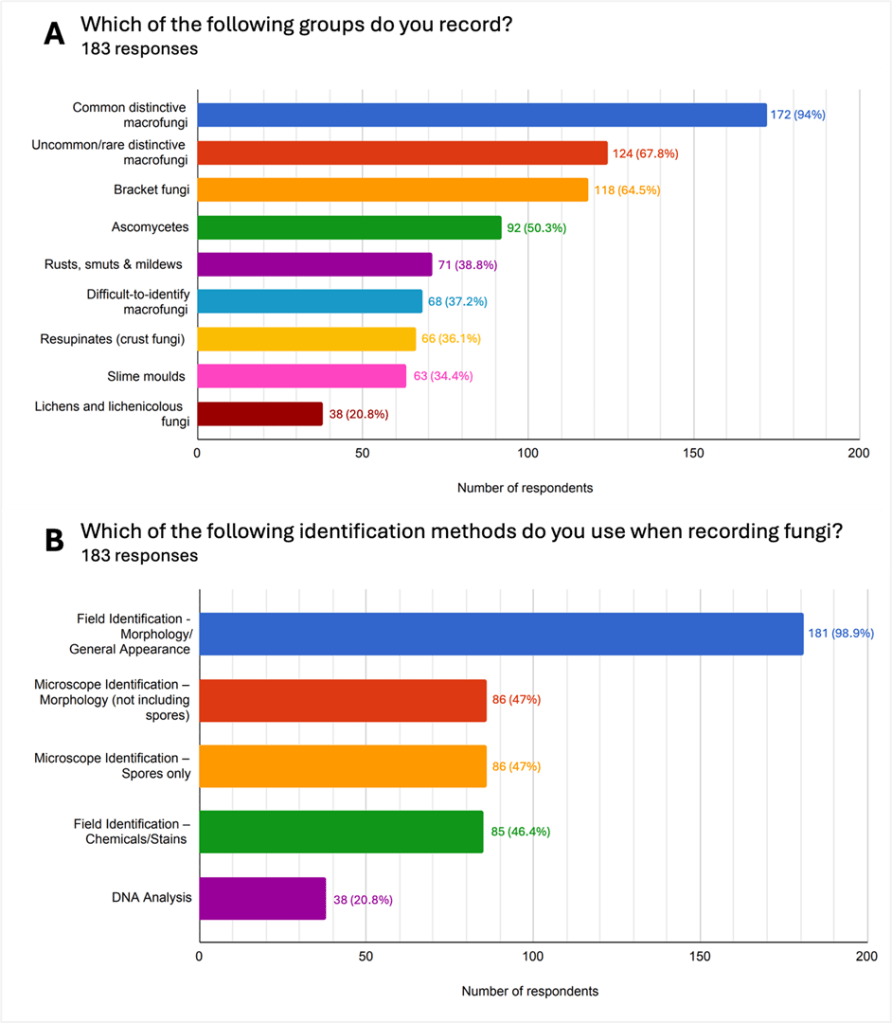
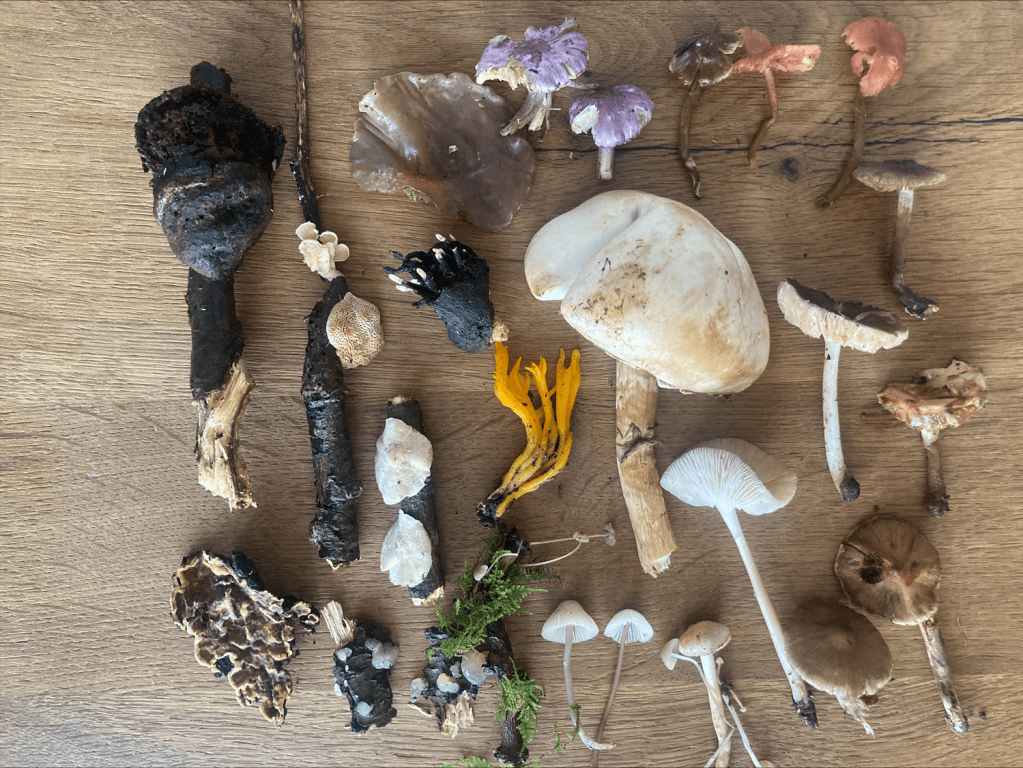
The survey responses reflect a broad cross-section of the recording community and reveal a strong bias toward distinctive macrofungi, suggesting that prioritising these taxa would most effectively reduce verification backlogs (see figure 1 below). Records are submitted via diverse platforms, and there is a clear preference for expert verification over automated or AI-based approaches. While many respondents lack confidence in their expertise, around 60% expressed interest in training, indicating scope to expand verification capacity. There is also strong support for open data sharing, alongside a need for clearer guidance on licensing and data use.

Figure 1: Responses to two questions asking about taxonomic preferences for recording and identification methods.

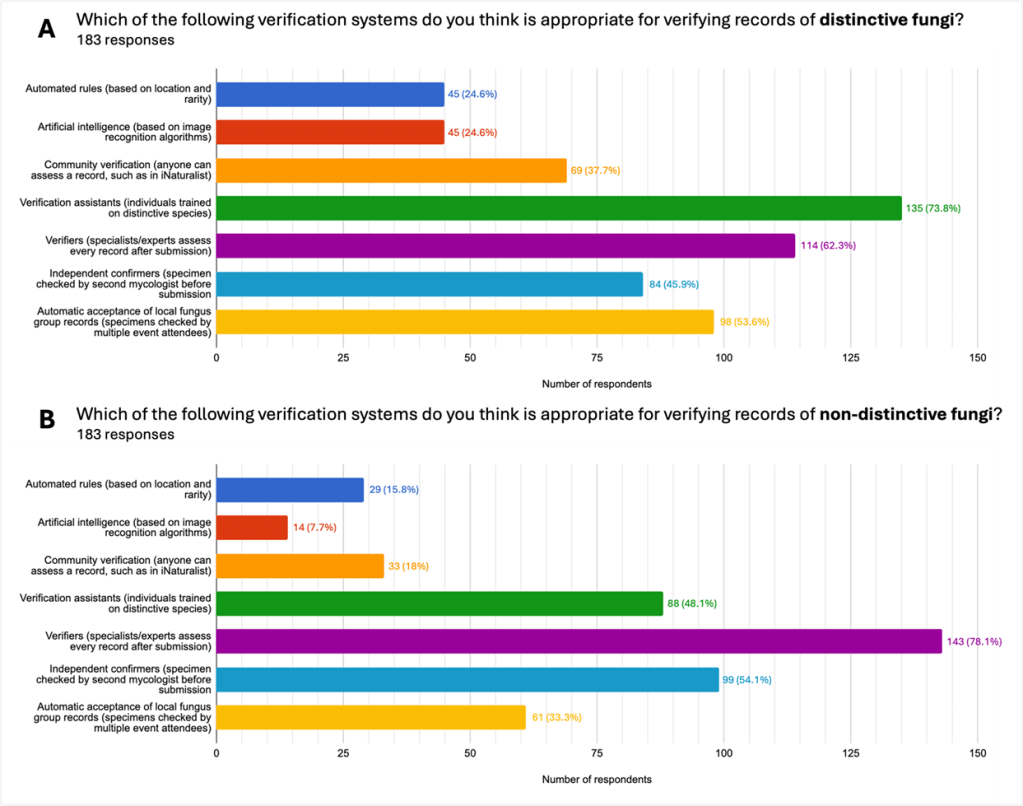
Records are submitted via diverse platforms, and there is a clear preference for expert verification over automated or AI-based approaches (figure 2 below)

Figure 2: Responses to two questions asking respondents which verification systems they thought were appropriate for identifying distinctive fungi (A) and non-distinctive fungi (B)

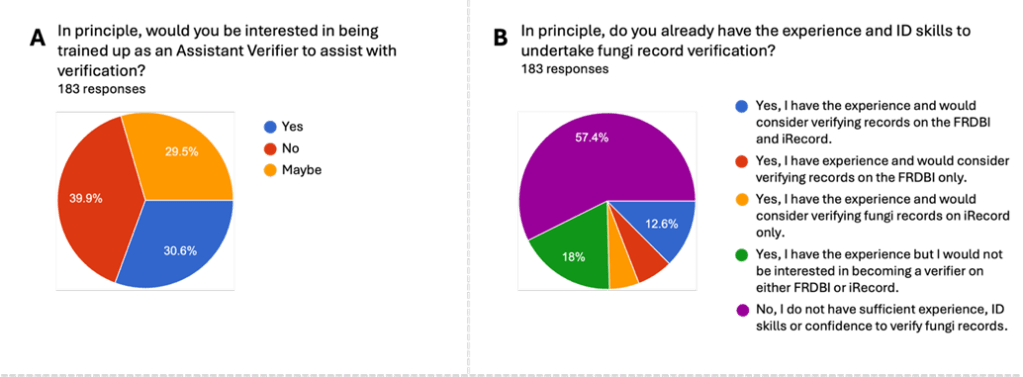
While many respondents lack confidence in their expertise, around 60% expressed interest in training, indicating scope to expand verification capacity (see figure 3 below). There is also strong support for open data sharing, alongside a need for clearer guidance on licensing and data use.

Figure 3: Responses to two questions asking respondents whether they would be interested in (A) being trained up to assist with fungi verification, or (B) leading on fungi verification using their current skillset.

🍄 You can check out the full survey results via the report at the bottom of this page.

BMS Consultation Workshop

An in-person consultation workshop was held with BMS members during the BMS Autumn Meeting at Kew Gardens in London on 29th November 2025. The  workshop was facilitated by Keiron Brown and attended by 17 individuals, including representatives from the BMS, a range of local fungus groups, the Biological Records Centre (part of the UK Centre for Ecology & Hydrology) and Natural England.

The aim of the workshop was to present initial findings from the Fungus Recorder Online Survey and gather the opinions of BMS members and local fungus group representatives on how BMS should proceed with regards to verifying and sharing FRDBI data. In addition to open discussion, attendees were provided with ‘additional notes’ sheets that they could complete and submit at the end of the workshop.

Workshop discussions highlighted differing views among local groups, making consensus on verification challenging. However, there was clear agreement on the need for more consistent FRDBI submission standards and a defined verification protocol. A pragmatic, prioritised approach—focusing on factors such as species distinctiveness and record certainty—could help address the existing backlog. Given limited expert capacity, verification efforts should be targeted, alongside continued data sharing with appropriate safeguards for sensitive species.

🍄 Read more in the full report at the bottom of this page.

Fungus Recording and Verification Consultation Report

The Fungus Recording and Verification Consultation Report summarise the feedback, findings, and recommendations collected throughout the project. It highlights key themes raised by participants and provides a transparent overview of how their input has informed the proposed recommendations for the British Mycological Society to undertake with regards to the verification and sharing of FRDBI records.

The report also contains 7 key recommendations for creating a draft BMS Verification Protocol to deal with records entering the FRDBI:

Recommendation 1: ID Difficulty Codes
All checklisted UK species of fungi should be assigned a species ID difficulty code and these should be submitted to the Biological Records Centre as a Record Cleaner rule set.

Recommendation 2: Bulk Verification of Existing Records
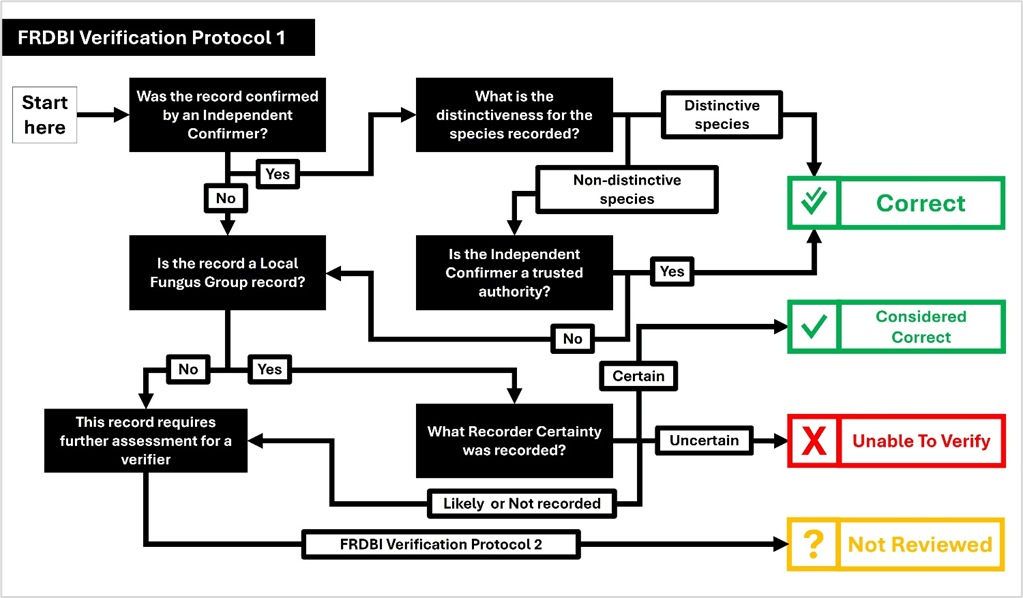
A pragmatic approach should be taken to bulk verify existing FRDBI records, clearing a large proportion of the verification backlog and enabling verifiers to focus on new and contentious records (see figure 4 below).

Figure 4: FRDBI Verification Protocol 1, proposed by Keiron Brown.

Recommendation 3: Design a Species-focused Verification Protocol
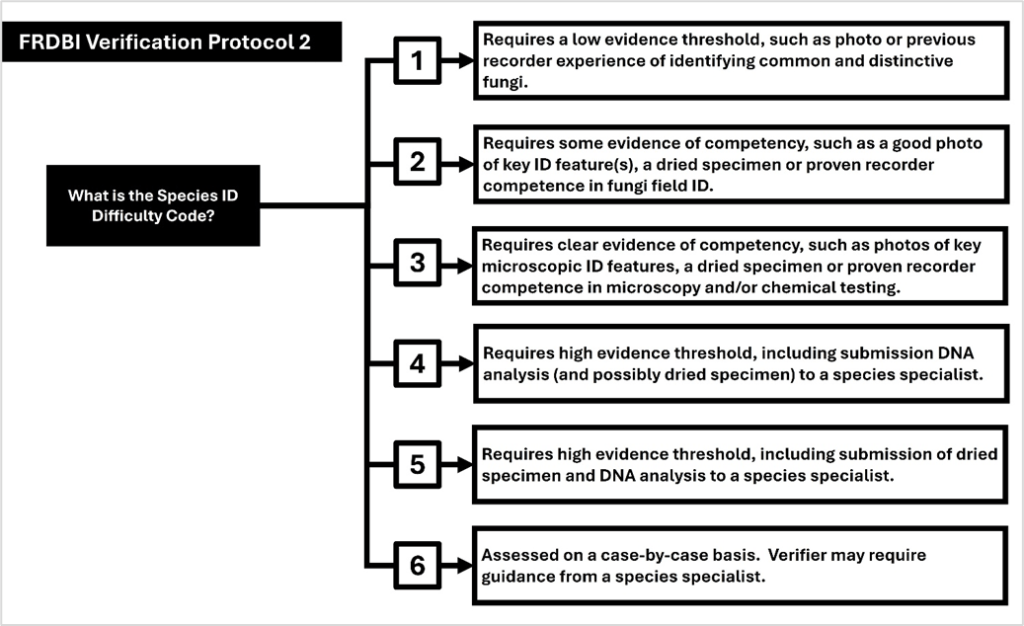
A clear set of guidelines should be produced to outline how fungus records within the FRDBI should be assessed by human verifiers, based on factors such as species ID difficulty, recorder experience, supporting evidence and known distribution (see figure 5 below).

Figure 5: FRDBI Verification Protocol 2, proposed by Keiron Brown.

Recommendation 4: Set Up A Verifier Network
A  network of local and national verifiers should be recruited and trained to assess incoming records and existing FRDBI records via FRDBI Verification Protocol 2.

Recommendation 5: Take A Holistic Approach To Verification
Verifiers should be provided with guidance on how to consider all the data within a record alongside external factors such as the likelihood of the record being correct and the potential impact of the record on our understanding of a species.

Recommendation 6:  Implement An Open Data Policy
BMS should publish an open data policy outlining how fungal records submitted through the FRDBI can be accessed through the NBN Atlas, including guidance for recorders on choosing an appropriate licence for their records and photographs.

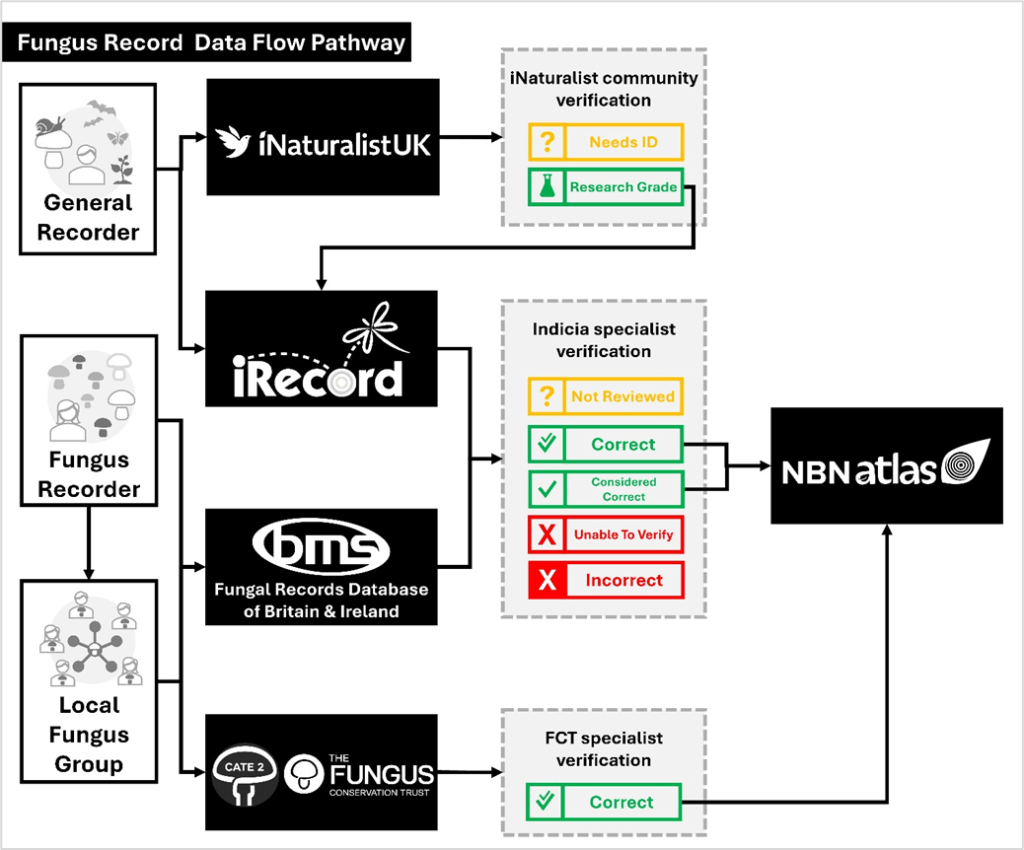
Recommendation 7: Looking To The Future
BMS should consider ‘what comes next’ and think about how FRDBI and other fungal datasets could be enhanced and used more widely (see figure 6 below).

Figure 6: Fungus Records Data Flow pathway, proposed by Keiron Brown.

Read the full report below.

Curlew Headstarting: Post-release Monitoring

Curlews are among the UK’s most recognisable and well-loved birds, but sadly their numbers are falling fast. The main problem is that too few chicks are making it to adulthood – but the reasons behind that are complex. As ground-nesting birds, Curlews are especially vulnerable to the changing pressures shaping our countryside today, including intensive farming, predation, habitat loss and climate change.

In this introductory webinar, Mary Colwell (Curlew Action) explores why Curlews are in trouble, what their decline tells us about the wider state of our countryside, and how practical, evidence-led conservation can help secure these iconic birds their future.

Mary covers the following challenges that face Curlews:

Climate Change: Climate instability is not a distant threat; it is already compounding the challenges Curlews face on the ground through flooding, drought, extreme temperatures and seasonal disruption.

Why Curlews Are Declining: An overview of Curlew ecology and why poor breeding success lies at the heart of their decline, with insight into the pressures facing nests and chicks on the ground.

Agriculture: Since WW2, the intensification of farming practices has created unsustainable pressures on ground-nesting birds. We’ll investigate how practices such as frequent silage cutting, over-stocking, drainage and the spread of monocultures are contributing to curlew declines.

Predation: We’ll look at how young Curlews are easy prey, and how the UK has some of the highest densities of generalist predators, such as foxes and crows, in Europe.

Forestry: Forestry, especially plantations, are not always compatible with breeding Curlews, which need big, open spaces free of predators. Mary will discuss how trees close in the landscape, remove nesting habitat and can also provide shelter for a variety of predators such as badgers, foxes and crows.

Habitat Loss and Fragmentation: In a small, crowded country, land is pulled in many directions: housing, roads and infrastructure, recreational access, dog walking, and large-scale renewable energy developments all compete for space with Curlews.

Q&A with Mary Colwell

Mary Colwell is an award-winning author, producer and campaigner for nature. Her articles have appeared in the Guardian, BBC Wildlife Magazine, The Tablet, Country Life and many other publications. She has made documentaries for the BBC Natural History Unit in both TV and radio, and has published three books: John Muir – the Scotsman Who Saved America’s Wild Places, Curlew Moon and Beak Tooth and Claw. Her fourth book, The Gathering Place, was published by Bloomsbury in 2023 and was shortlisted on the Stanford’s best travel book of 2024.

In 2009 she won a Sony Radio Academy Gold award and in October 2017 she was awarded the Dilys Breese Medal by the BTO for outstanding science communication, in 2018, the David Bellamy Award from the Gamekeepers Association for her conservation work on curlews and in 2019, the WWT Marsh Award for Conservation.

In March 2021 she was appointed Chair of the government-supported Curlew Recovery Partnership England, a roundtable of organisations charged with restoring Curlews, their habitats and associated wildlife across England. In 2020 she set up the charity, Curlew Action. She spearheaded the successful campaign to establish a GCSE in Natural History, announced by the government in April 2023.

How can we manage different land uses better for curlews?

Curlews need space, quiet, and the right kind of habitat to breed successfully. They favour open landscapes with a varied sward which offers longer grass to conceal nests and provide cover from predators, alongside shorter, insect-rich areas where chicks can feed and grow. Much of our countryside no longer offers this balance. Land has been drained, simplified, and is frequently disturbed by machinery, people, and dogs. Increasingly, it is also planted with commercial forestry, such as Sitka spruce, often for timber production or carbon mitigation. These altered landscapes tend to favour generalist predators like foxes and crows, adding further pressure to already struggling curlew populations. Supporting curlews means restoring the habitats they depend on, working with farmers and the forestry sector to ensure that some areas are managed specifically with ground-nesting birds in mind.

Grouse moors (upland heather landscapes managed for Red Grouse shooting) offer a different picture. Like curlews, grouse nest on the ground, and the conditions created on well-managed moors can also benefit curlews. This management is intensive and not something that can – or should – be applied across the wider countryside. There are also serious concerns, particularly the illegal persecution of birds of prey, which is totally unacceptable. Yet, in a landscape where curlews are finding it increasingly hard to survive in modern lowland systems, well-run moors can act as a refuge, buying time while efforts are made to restore more nature-friendly conditions elsewhere.

Regenerative farming and other forms of nature-friendly farming systems hold out hope that we can grow food and support wildlife, and we look forward to seeing this become more widespread in the future.

Does the release of pheasants impact local curlew populations?

Large-scale pheasant releases in the UK, amounting to tens of millions of birds each year, introduce a substantial, artificial food supply into the countryside. Research suggests this can attract and support higher numbers or activity of some generalist predators, particularly avian species such as crows and other corvids, and may increase predation pressure on other ground-nesting birds like curlew.

🧪 Pringle et al (2019). Associations between gamebird releases and general predators: https://besjournals.onlinelibrary.wiley.com/doi/10.1111/1365-2664.13451

However, the evidence is less clear for mammals such as foxes, with studies showing mixed or inconclusive results, partly due to the confounding effects of predator control on shooting estates. Overall, while pheasant releases are very likely to influence local predator–prey dynamics, especially through food subsidy effects, the extent to which they drive broader increases in predator populations remains uncertain and contested.

There are also landscapes where pheasant shooting is minimal or absent, yet generalist predators remain abundant, for example, in parts of Ireland. This suggests that high predator numbers are not solely driven by gamebird releases, but are also shaped by wider factors such as land use, habitat structure, food availability, and broader ecological changes such as climate change.

More studies are now underway to untangle this relationship, but the evidence remains patchy and contested, despite it appearing, at first glance, to be obvious and straightforward.

🎓 Sign up to our free Nature-friendly Farming webinar: https://www.eventbrite.co.uk/e/nature-friendly-farming-tickets-1986764341628

Can rewilding be used as an alternative to managed grouse moors for supporting curlew recovery?

Yes, rewilding (which is a very broad term with many different meanings) can support curlew recovery, but only if it includes, and actively maintains, open landscapes.

Curlews are part of a much broader web of wildlife, and rewilding is rightly about restoring complexity, processes and diversity at scale. But not all species respond in the same way. Curlews are birds of open country. They evolved in landscapes where visibility is high, vegetation structure is varied, and predator pressure is relatively low. If rewilding leads to widespread scrub encroachment, woodland expansion, or unchecked increases in generalist predators, it can quickly become unsuitable for breeding waders.

So, the question is not whether rewilding works, but what kind of rewilding. Done well, it can recreate dynamic mosaics of wet grasslands, rough pasture, patches of longer and shorter sward, seasonal flooding, etc, all of which benefit a wide range of species, including curlews. But it must also include keeping some areas open, limiting tree growth in key breeding zones, and addressing predator impacts where necessary.

Curlews do not need a return to the past so much as have a place in the future vision for a rewilded UK. If we want them to remain part of our lives, then open landscapes that are rich, varied, and with manageable levels of predation, have to be part of the plan.

🎓 Sign up to our free Curlews and Grouse Moors webinar: https://https//www.eventbrite.co.uk/e/curlews-and-grouse-moors-tickets-1987186150269

How can members of the public help our curlews?

The public can play a real and meaningful role in helping curlews, often in ways that are simple but powerful when taken together.

It begins with awareness by understanding the pressures curlews face and sharing that story with others. These birds are slipping quietly from our landscapes, and the more people who notice and care, the harder that becomes. Passing that awareness on to younger generations is especially important, it is essential to help children learn to recognise, value and feel connected to the natural world and to name and record the wildlife around them.

There are also practical ways to help. Many local groups do vital work on the ground, from monitoring nests to working with farmers, and they often need volunteers. Getting trained up and supporting these efforts can make a direct difference to breeding success.

And then there is the cultural side, which is just as important. Curlews have always stirred something in people through their beautiful call and their uplifting presence in across fields and moors. Through poetry, art, dance, music and writing, people can help keep that connection alive, reaching audiences that science alone cannot.

Everyone has a part to play. Whether through learning, sharing, creating or getting involved locally, each action helps build the wider movement needed to secure a future for curlews.

🌍 Learn about World Curlew Day: https://www.curlewaction.org/world-curlew-day/

How are different species of curlew doing worldwide?

Curlews of the world, spanning Eurasia, Africa, Asia and the Americas, are, almost without exception, in trouble. From the steep declines of the Eurasian Curlew in Europe to the perilous status of species like the Far Eastern and Bristle-thighed Curlew,  their shared story is one of habitat loss, changing land use, and rising pressures from predation and disturbance. In many places, hunting is also a major problem. These are birds that depend on healthy, functioning landscapes, and their decline is a signal of wider ecological imbalance. Curlew Action is planning a global Curlew Symposium in the next couple of years – so watch this space – which will bring attention to the plight of all curlew species and help focus minds on the broader environmental challenges they reveal. The curlew, wherever it is found, is a powerful ambassador for planetary health; when curlews struggle, it is a sign that something deeper is out of balance in the natural world.

🌍 Learn more about Curlews of the World here: https://www.curlewaction.org/curlews-of-the-world/


European Curlew Headstarting Online Workshop

This blog was produced as an output of the European Curlew Headstarting Online Workshop, a virtual event delivered by Curlew Action and the Biological Recording Company. Check out the other presentations and outputs in the other blogs resulting from this event.

  1. An Overview of Headstarting Curlews
  2. Curlew Headstarting Projects: Europe
  3. Curlew Headstarting Projects: England
  4. Curlew Headstarting: Eggs, Incubation and Hatching
  5. Curlew Headstarting: Rearing Chicks
  6. Curlew Headstarting: Health & Disease
  7. Curlew Headstarting: Releasing Birds
  8. Curlew Headstarting: Post-release Monitoring

For more information about this event, the speakers and the presentations see the event delegate pack below.

Revealing Insect Pest Pathways

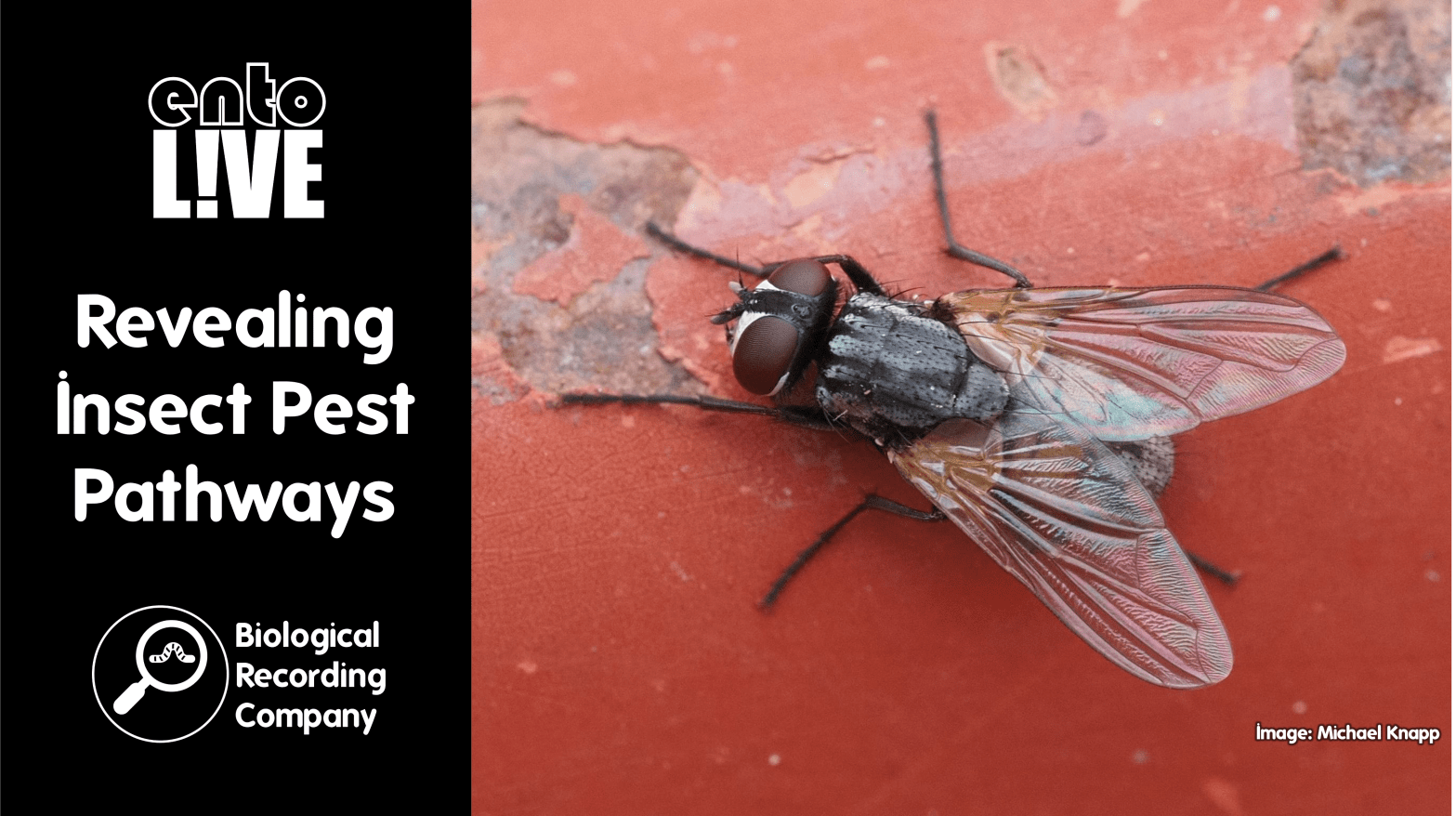
All plants and animals carry a natural chemical signature shaped by the environment in which they grow and feed. This signature comes from stable isotopes – naturally occurring forms of elements that differ slightly in mass but do not decay over time. The relative abundance of these isotopes varies predictably with factors such as climate, geography, and diet. Stable Isotope Ratio Analysis (SIRA) is a powerful analytical technique based on this principle. It measures these subtle differences in isotope ratios, allowing samples to be “fingerprinted” according to their origin. Over the past several decades, SIRA has been widely used to trace the production and movement of biological materials. This presentation introduces the principles behind stable isotopes and SIRA, and explores how the technique can be applied to identify insect pest pathways. Case studies include house flies and wood-boring beetles, such as the invasive Asian longhorn beetle and Ips typographus.

Q&A with Katharina Heinrich

Katharina Heinrich is an inorganic Chemist, working since 2002 across various food safety and authenticity programs at Fera (the Food and Environment Research Agency). Her specialty is stable isotope ratio mass spectrometry. Her current research uses this technique with a focus on the determination of geographical origin, especially the origin of nuisance or invasive insect pests.

1. How precisely can you pinpoint an insect’s geographical origin using Stable Isotope Ratio Analysis? Is it possible to identify a specific region within a country as the origin, for example?

It entirely depends on which stable isotopes you are using and which species you are studying. It also depends whether you are looking only for geographic markers or also diet aspects. If focused just on diet, you can differentiate easily if something is fed on a C3 or a C4 plant in a given location, for example. With geographic origin it’s a little more variable. To give a non entomology example, when analysing the origins of cattle within the UK, SIRA would certainly allow you to distinguish cows from the South of the country from those in the North. It might even allow you to identify cattle from particular distinct populations. Such high precision is possible because we have a large database of stable isotope ratios for cattle in the UK. In other situations, it’s usually less precise. Precision depends on the quality of the existing database of stable isotopes ratios for that species and region. We can only identify if a stable isotope ratio matches that from a certain geographical region if we have known stable isotope ratios from that region to compare against!

2. In the Ips typographus project, what do you suspect was the reason behind the observed intra-specific variation?

I think the reason that the Norwegian population was so distinct was likely due to the much colder climate there compared to the other more central European countries studied.

3. Can Stable Isotope Ratio Analysis be done on the droppings of mammals which eat invertebrates, e.g. bats?

It’s definitely possible, yes. Stable isotopes are carried through the diet of all animals and excreted as faeces. One can also perform dosing studies to see how well certain supplements can be absorbed by the body. In another non-insect based example we supported a project at the University of Newcastle to study the uptake of Vitamin A in infants.

4. Are there any other insect pests – either on the horizon or already here in the UK – which Stable Isotope Ratio Analysis would be particularly useful to study?

Yes, definitely. One we tried to work on recently was Emerald Ash Borer (Agrilus planipennis), a serious pest of ash trees (Fraxinus spp.). Unfortunately, that didn’t receive funding when we last applied to work on it, but there’s always a possibility it could get picked up again in the future. Colleagues elsewhere in FERA are also working on the Asian Hornet (Vespa velutina), applying genetic techniques to track geographical origins. It might be useful to combine the current genetic work with SIRA to complement their results at some point in the future.

Literature References

  1. Heinrich et al. (2011) ‘Determining the source of house flies (Musca domestica) using stable isotope analysis’: https://scijournals.onlinelibrary.wiley.com/doi/10.1002/ps.2215 
  2. Heinrich and Collins (2016) ‘Determining the geographical origin of Asian longhorn beetle (Anoplophora glabripennis) specimens using stable isotope and trace element analyses’: https://scijournals.onlinelibrary.wiley.com/doi/abs/10.1002/ps.4408 
  3. Heinrich (2023) ‘Forensic techniques used to differentiate origins of invasive beetles’: https://zenodo.org/records/7568807#.Y9E8kHbMLct 
  4. Javal (2017) ‘Invasion du capricorne asiatique Anoplophora glabripennis: génétique, traits d’histoire de vie et écologie’: https://theses.univ-orleans.fr/public/2017ORLE2034_va.pdf
  5. Blake et al. (2024) ‘Recent outbreaks of the spruce bark beetle Ips typographus in the UK: Discovery, management, and implications’: https://www.sciencedirect.com/science/article/pii/S2666719324000165

Further Info

entoLIVE

entoLIVE webinars feature guest invertebrate researchers delving into their own invertebrate research. All events are free to attend and are suitable for adults of all abilities – a passion for invertebrates is all that’s required!

entoLIVE is delivered by the Biological Recording Company in partnership with the British Entomological & Natural History Society, Royal Entomological Society and Amateur Entomologists’ Society, with support from Buglife.

The entoLIVE programme is delivered by Biological Recording Company and receives sponsorship from the following organisations:


Learn more about British wildlife

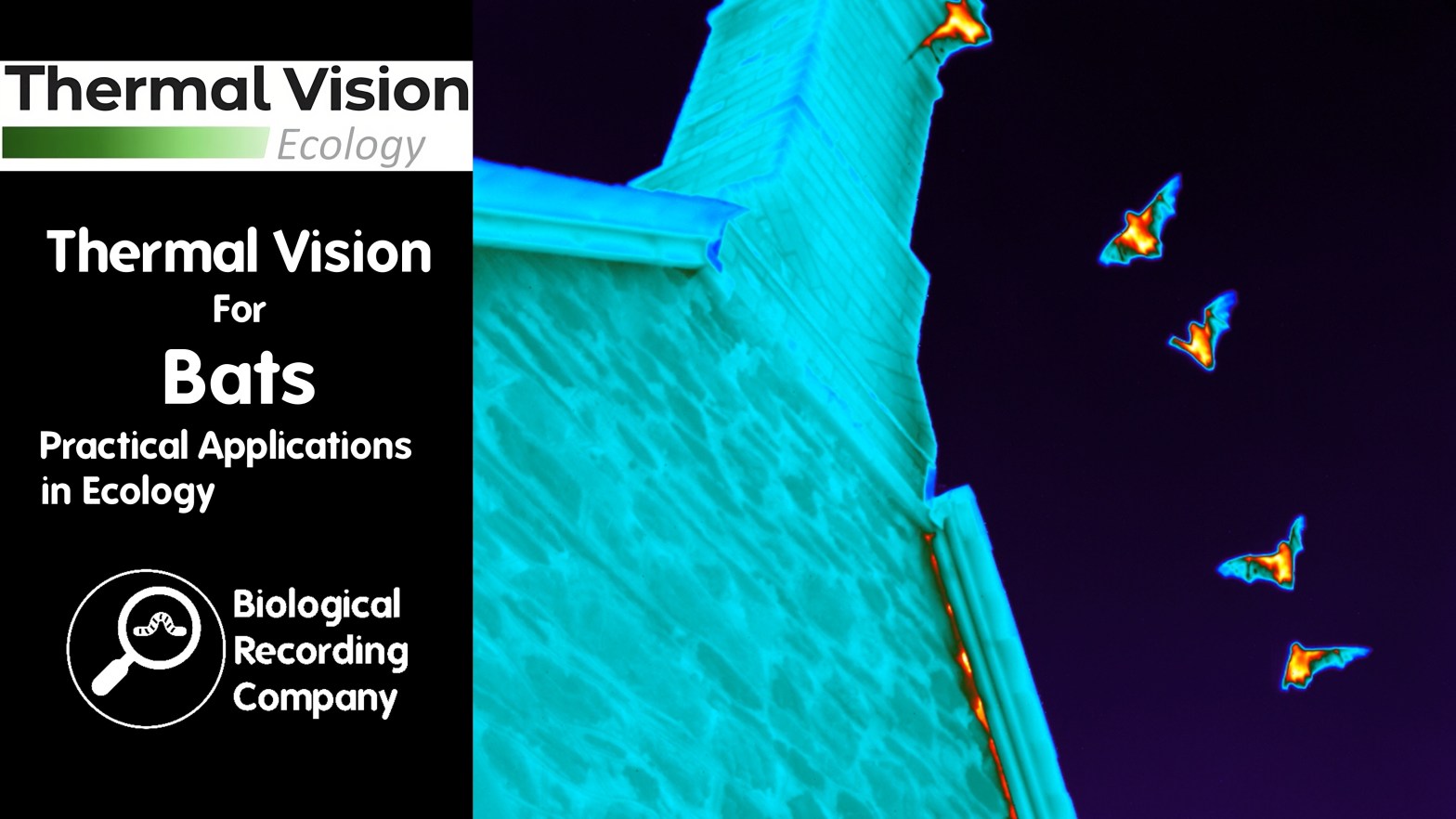
Thermal Vision for Bats: Practical Applications in Ecology

Thermal imaging is rapidly becoming a valuable tool in ecological surveying, allowing wildlife to be detected and tracked based on heat rather than visible light. In bat ecology, thermal cameras offer significant advantages for emergence surveys, enabling surveyors to identify bats leaving roosts in low light or complete darkness, reduce observer bias, and improve confidence in results.

In March 2026, in partnership with Thermal Vision Ecology, we delivered a 90-minute webinar showcasing the Thermal Ecology Toolkit and exploring how advanced thermal imaging and radiometric data are being applied in modern bat surveys, from survey planning and field deployment through to efficient post-survey analysis.

This blog contains recordings of the two presentations which made up the webinar, Q&As with the two speakers, and a reference list of links for further reading. The two presentations are:

  • Introduction to Advanced Thermal Imaging for Bat Emergence Surveys with Andy Milner (Thermal Vision Ecology)
  • Thermal Vision Ecology Kit: Best Practice and Guidance for Bat Surveys with Dr Liat Fernando (nee Wicks) (Thermal Vision Ecology)

📩 Contact Thermal Vision Ecology directly via enquiry@thermalvisionecology.co.uk

🦇 Find out more about the Thermal Ecology Kit here: https://thermalvisionecology.co.uk/the-thermal-ecology-kit/


Introduction to Advanced Thermal Imaging for Bat Emergence Surveys

Andy Milner (Thermal Vision Ecology)

Thermal imaging is becoming an increasingly important tool in bat emergence surveys, offering improved detection and greater confidence in survey outcomes. In this presentation, Andy introduces the fundamentals of thermal imaging and demonstrates how the Thermal Ecology Kit can be applied specifically to bat survey work.

The session will clarify the differences between infrared and thermal imaging before exploring radiometric data and its importance for accurately detecting and tracking bats as they emerge. Attendees will also learn how radiometric data can be used to automate and speed up video analysis, reducing review time while maintaining robust, repeatable results. This presentation is aimed at bat ecologists seeking to understand how advanced thermal technology can enhance emergence surveys and survey efficiency.

Q&A with Andy Milner

Andy Milner MSc is thermal imaging expert and has been supporting FLIR’s academic and R&D customers in the UK. After assisting on a bat survey in 2023, he identified problems ecologists faced that could be fixed by advanced thermal cameras. In 2024 he formed Thermal Vision Ecology which has so far supported over 100 customers across the UK.

Are there any examples of the technology being used for research rather than ecological consultancy?

Although Thermal Vision Ecology has only been around since 2024, our sister company, Thermal Vision Research has been around since 2015. As the name suggests, we specialise in research applications.

In addition to lab-based research, we have also conducted field research in plant and animal health. Most notably, we recently joined a research group in Sierra Leone to monitor the mental wellbeing of apes. We have also worked with the BBC and other studios studying animal behaviour for educational and entertainment purposes.

Research applications often require more capable cameras than those provided in the ecology kit. We are the only company in the country with access to FLIR’s full range of R&D cameras. These include their medium wave ‘cooled sensor’ cameras.

How much does it cost to use this technology for bat surveys?

We typically charge £600 +VAT per day, but due to the expense and additional experience required to use these specialist cameras, we insist on an engineer being present. This is an additional £300-600 +VAT.

We only recommend these cameras for specific scenarios. For example, we surveyed a train tunnel from 200 metres away from the nearest pedestrian bridge. This meant the track could remain in service throughout the survey.

For any unique or complex situations, we usually have the camera and lens combination that fits the application. If it is possible with a thermal camera, we can do it.

Do you offer rental and analysis outside of Great Britain?

Not at the moment. We have been reluctant to rush into it, as we want to be sure we can provide the same level of service we offer in Great Britain. We are hopeful that next year we can start providing our solution to Northern Europe. We plan to partner with other companies, so if you think you can help, please reach out.

📩 Contact Thermal Vision Ecology directly via enquiry@thermalvisionecology.co.uk


Thermal Vision Ecology Kit: Best Practice and Guidance for Bat Surveys

Dr Liat Fernando (nee Wicks) (Thermal Vision Ecology)

Successful use of thermal imaging in bat surveys relies on careful planning, effective field deployment, and structured data analysis. This presentation provides practical best practice guidance for using the Thermal Vision Ecology Kit throughout the full bat survey workflow.
Liat will cover key pre-survey considerations, including how to plan camera numbers, positioning, and coverage for bat emergence surveys. The session will then focus on on-site tips to ensure surveys run smoothly and data quality is maximised, before outlining a clear post-survey analysis workflow. Real-world bat survey case studies will be used to demonstrate how these principles are applied in practice and how thermal imaging can support confident interpretation of bat activity.

Q&A with Liat Fernando

Dr Liat Fernando (nee Wicks) has over 20 years’ professional experience as a bat specialist and has over 10 years’ experience in using thermography to detect bats, undertake research in thermoregulation and monitor the health of animals. Her perfect blend of knowledge in these areas makes her an invaluable addition to Thermal Vision Ecology as Head Ecologist. As well as managing large projects, she oversees all aspects of training, including on-site support and video-analysis.

How effective is this technology for surveying woodlands and trees compared to other survey methods?

As thermal devices do not rely on light levels, the coverage and detection distances you can get within a woodland or covering a large tree is much better than with reflected IR. Couple the camera with a wide angled lens option and you have a very effective detection tool for small fast flying mammals within woodland or emerging from a tree. It is also very effective when using the tracking and subtraction filters to more accurately determine if bats are flying through the canopy or emerging from the tree itself.

Can your system be integrated with acoustic monitoring of bats?

This is something we are working on, and we have our very own software developer currently designing an ecology focused platform which will look into doing exactly this.

Does this technology work well for other species or species groups?

This technology is also useful for nesting bird checks, ground nesting bird surveys, crossing point surveys (not just for bats but other animals). Other applications need to be tested in the field for ecology, but as a research and solution focused company we have experience in assisting with behavioural research studies on chimpanzees and animal health studied on various species groups.

Further Info


Contact Thermal Vision Ecology directly via enquiry@thermalvisionecology.co.uk


More for environmental professionals

Changes in the UK Stag Beetle Population

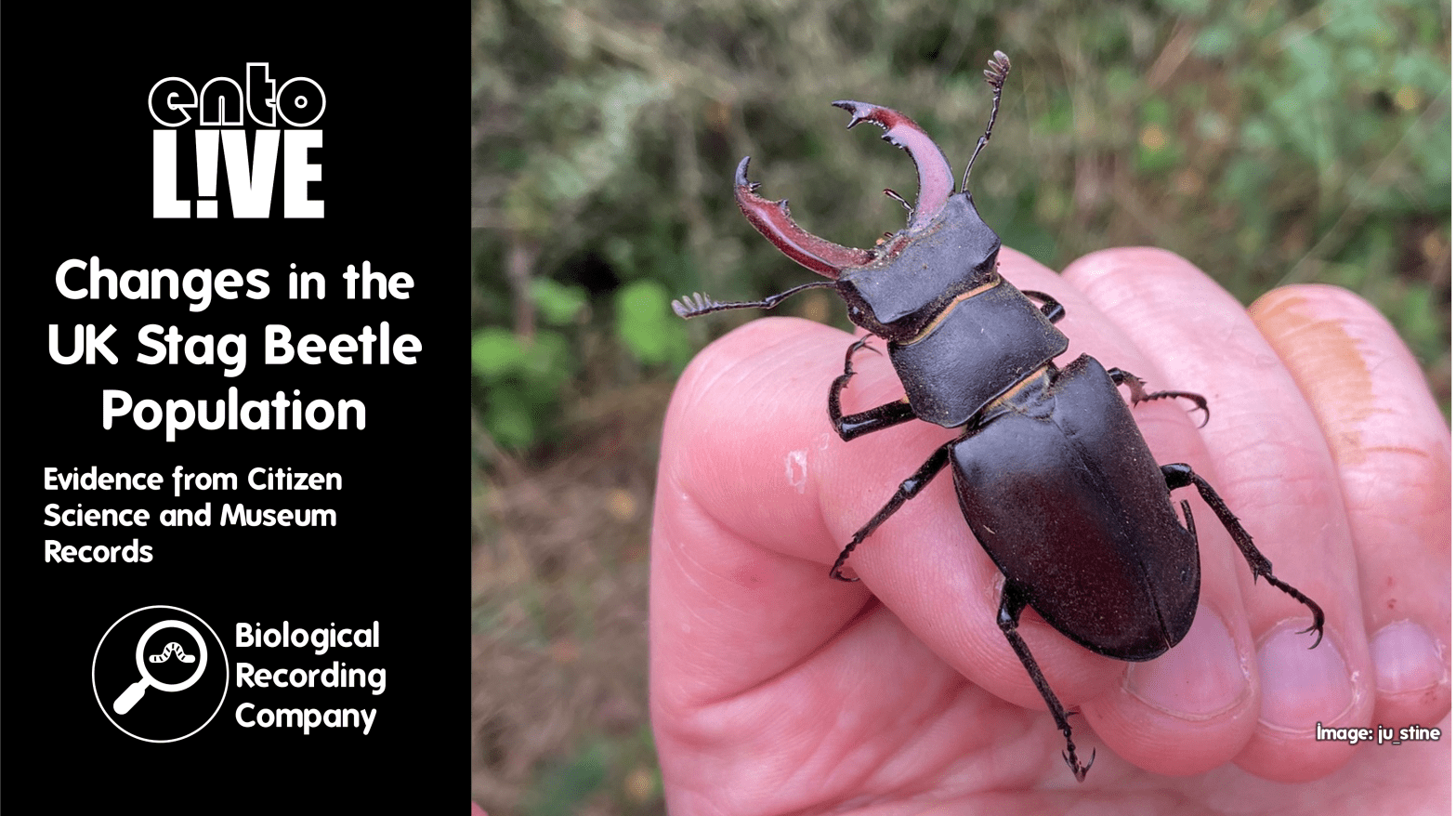
The Stag Beetle (Lucanus cervus) is the UK’s largest beetle. Males can be up to 75 mm long, including their impressive antler-like mandibles which they use to battle each other for access to females during breeding season. It is a truly beautiful species, inspiring amazement in all who are lucky enough to see one. Sadly, evidence from Europe suggests that stag beetle populations are declining across much of their range. But how are they faring in the UK? The south of England was historically recognised as a hotspot for the species. Is it still?

A team of researchers from the People’s Trust for Endangered Species (PTES), the Natural History Museum (NHM) and the University of Cambridge set out to find an answer. Distribution records of stag beetles from 1998 to 2022 were analysed and compared with historic museum records going back over a century. The core range was found to have changed little overall, but has declined in the south west of England. Counts of adult beetles recorded together, although not systematic, indicate a worrying decline in abundance across the range. Phenology was also investigated. This webinar will share the findings from this research project, and discuss what can be done to ensure the long-term survival of this charismatic species.

🎓 Check out our Beetles online course bundle: https://courses.biologicalrecording.co.uk/bundles/beetles

Q&A with David Wembridge

David Wembridge is Conservation Research and Strategy Officer at People’s Trust for Endangered Species. He leads the long-running Great Stag Hunt survey, which has collected records of stag beetles in the UK for over 25 years.

How can you differentiate the Lesser Stag Beetle from the female Greater Stag Beetle?

It can be a tricky one when you’re starting out, but once you’ve seen both it’s hard to confuse them. The easiest distinguishing feature is size; Lesser Stag Beetles (Dorcus parallelipipedus) are typically less than 3 cm in length whereas female Greater Stag Beetles (Lucanus cervus) are longer than 3 cm. As a confirmatory character, the Lesser Stag Beetle is matt black in colour, whereas Greater Stag Beetles have a lovely chestnut-red sheen to their elytra. Finally, as a more technical character, the two species also differ in the number of spurs on the middle and hind legs.

If you accidentally dig up a stag beetle grub, should you rebury it?

Short answer: yes! Ideally just return it to where you found it. Otherwise, if you cannot return the grub to the same location, it’s fine to move it to another area of soil, provided there’s some rotting wood in the soil for it to eat. In fact, if you look, you may well discover a piece of rotting wood in the soil around which you found the grub, in which case you should move this piece of wood with the larva when you relocate it. It can also help to bury the grub down into the soil a little bit (a few inches should do it). Stag beetle larvae are generally quite hardy creatures and can tolerate a bit of manhandling by the occasional gardener.

What sort of soils do you find stag beetles in?

Greater Stag Beetles tend not to be found in areas with chalky soils or heavy clay soils that can be easily waterlogged. That is because they need soil which they can easily burrow through. Most other soil types besides chalk or heavy clay seem to be generally acceptable. Soil-type is likely to be one of the key factors shaping their distribution in southern Britain.

Does the Lesser Stag Beetle also need research and conservation attention?

I don’t think we know all that much about the Lesser Stag Beetle, especially regarding population change. From a distribution perspective, though, the Lesser is certainly much more ubiquitous across the British Isles than the Greater, which suggests it’s doing relatively okay. Please continue submitting records of any Lesser Stag Beetles you find and it may be possible one day to do a similar analysis for the Lesser Stag Beetle as we’ve done for the Greater Stag Beetle.

How useful are hibernacula for the conservation of Greater Stag Beetles?

Interesting question. Whilst we encourage people to create deadwood habitats – log piles or ‘pyramids’ – we don’t know how readily or to what extent Stag Beetles use them. Nevertheless, it’s difficult to imagine hibernaculae and other features as being bad for invertebrates. Even if they’re not frequently used by Greater Stag Beetles specifically, they’ll certainly be other invertebrates that benefit from them. So – build away!

Literature References

  1. Wembridge et al. (2026) ‘Long‐term population changes for the UK stag beetle Lucanus cervus—Evidence from citizen science surveys and museum collections’: https://doi.org/10.1111/icad.70022

Further Info

entoLIVE

entoLIVE webinars feature guest invertebrate researchers delving into their own invertebrate research. All events are free to attend and are suitable for adults of all abilities – a passion for invertebrates is all that’s required!

entoLIVE is delivered by the Biological Recording Company in partnership with the British Entomological & Natural History Society, Royal Entomological Society and Amateur Entomologists’ Society, with support from Buglife.

The entoLIVE programme is delivered by Biological Recording Company and receives sponsorship from the following organisations:


Learn more about British wildlife

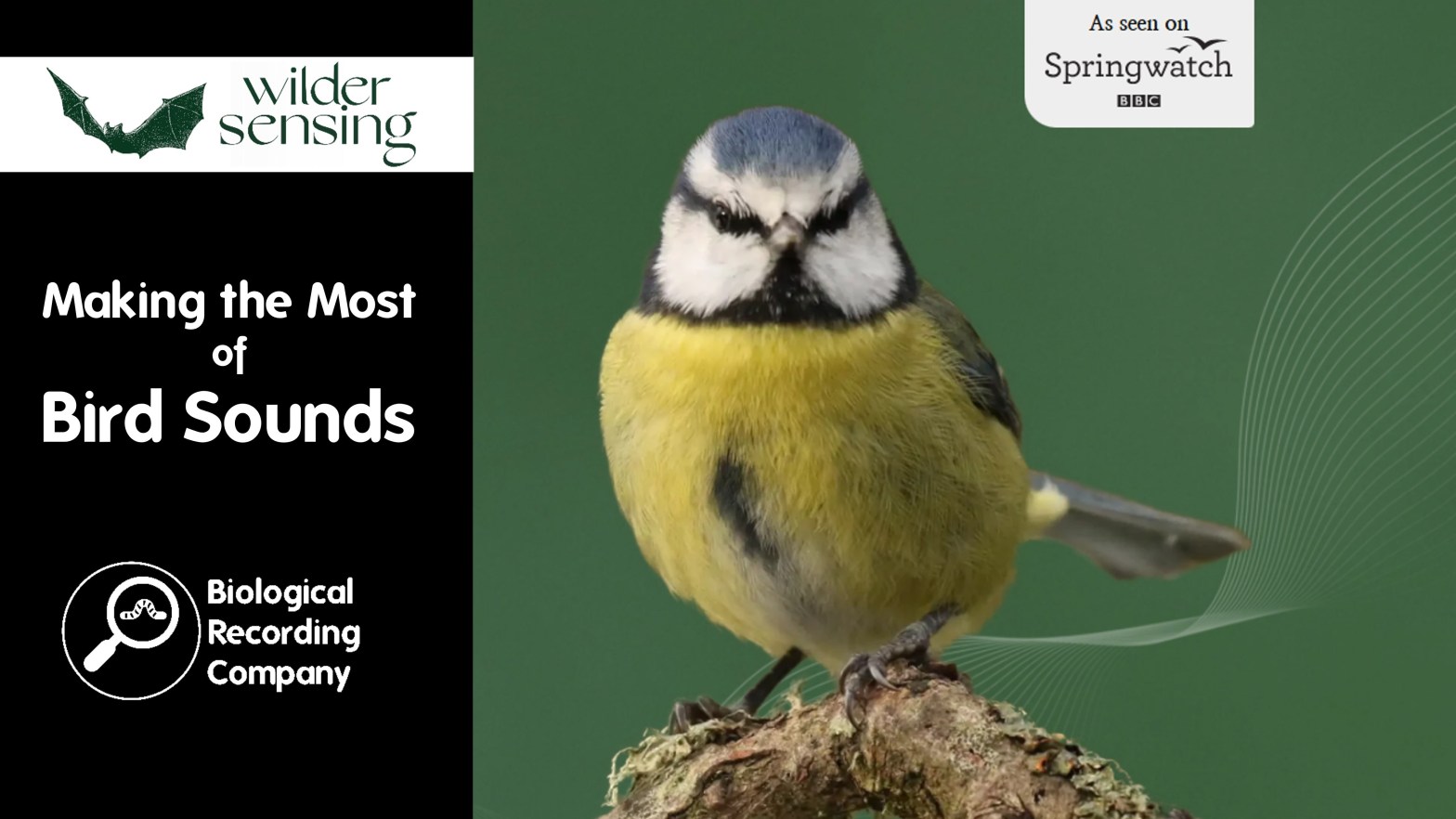
Making the Most of Bird Sounds

Learn how to plan, analyse, and report high-quality bird surveys using sound monitoring in this ecoTECH webinar with Wilder Sensing.

Bioacoustic monitoring is becoming an indispensable tool for bird surveyors, ecologists, and conservation professionals – but how do you ensure you’re using it to its full potential? This blog will guide you through best practices for planning, running, and analysing bird surveys with bioacoustics, with a focus on high standards and practical application.

We’ll explore:

  • What bioacoustic methods are – in a nutshell, what is bioacoustic (or, passive acoustic) monitoring and how does it compare to conventional methods?
  • Considerations when designing your bioacoustic survey – Highlighting the things that you need to consider and justify before deploying your recorders.
  • Practical advice on deploying recorders – how to choose what model of recorder you need, how to position them within habitats and in relation to one another, and how to optimise your fieldwork while still keeping the recorders discrete.
  • Choosing the right recording settings – explaining how to adjust your settings to maximise data quality whilst reducing data volume.
  • Planning for analysis and storage – raising awareness of how vast biacoustic datasets can be. Have a plan for analysis, storage, and reporting!
  • Understanding analysis and storage software solutions – highlighting what a good software platform needs to deliver for effective bioacoustic surveys.

This event is part of a webinar series delivered by the Biological Recording Company and Wilder Sensing with support from Wildlife Acoustics and NHBS.


About the Speakers

Geoff Carss

Geoff Carss is the founder and CEO of Wilder Sensing and Ethos Wilder. Growing up in Botswana and Northumberland he really enjoyed getting close to nature.

After obtaining multiple degrees in Geology, Geoff started a successful career as a Technologist, Entrepreneur and Environmental Advocate. He also served on the Board of Directors in a number of technology startups, and as trustee for the Bristol Avon Rivers Trust.

After observing the continued decline of biodiversity in the UK and around the world, Geoff started the Wilder Sensing project in order to bring the latest technologies to the environmental debate. His vision is to enable a more evidence based approach to addressing our environmental challenges.

James Bell

James has a BSc(Hons) in Climate Change from the University of East Anglia and a MSc in Applied Wildlife Conservation from the University of the West of England. During his studies, James developed a keen interest in emerging technical solutions to both the climate and biodiversity crises. Outside of his studies, James has long since loved birds and is rarely too far from a pair of binoculars. Bringing together cool tech and birds, Wildersensing was a perfect fit for James who joined in April 2025.

As part of the team, James helps to get new users set up with the software, as well as provide ongoing support to customers. James also works closely with the technical team to help feedback user experiences to continually improve our platform.

Q&A with Geoff and James

1. When spacing out recorders, do you need to consider how wind might affect the sound carry distance?

James: Yes. Whilst passive acoustic recorders typically only capture sound events within 50 metres, the general recommendation is to position your recorders at least 100 metres apart. This is to prevent double counting a single sound event in exceptional circumstances, such as sound being carried beyond 50 meters by wind, etc.. Additionally, it is also a good idea to avoid positioning recorders in exposed areas where there’s often strong, blustering wind (for example, exposed moorland). You will still get a few detections from recorders in such settings, but there will also be many calls drowned out by the wind which you’ll miss. Opt for a sheltered location, if at all possible.

2. Would positioning a recorder low to the ground lead to a reduction in audio quality?

James: It doesn’t lead to a reduction in audio quality, but it does decrease the detection likelihood for species. Having it positioned higher off the ground – e.g. at our recommended height of 1.5 metres – strikes a good balance between logistical ease and detection.

3. In the presentation, James mentioned that bioacoustics monitoring is not appropriate for all species. What species is it not appropriate for?

Geoff: Those which don’t vocalise very much! Or, in other words, species which are easier to see than to hear. Another consideration is that bioacoustic recorders are fixed point devices – they only record in a specific spot. If you’re surveying a large area for a species which may only use small patches, and have limited budget for bioacoustic recorders, a traditional moving transect survey may be more appropriate.

4. Is it possible to scan through sonogram datasets on BirdNET to quickly to isolate and identify unusual calls?

James: Yes. After running your data through Wilder Sensing, you can look at the species list generated and then interrogate in more detail the interesting and unusual species. Within the Wilder Sensing platform, you can go to the specific section/s of the sonogram which the machine learning algorithm tagged as representing that species. This human validation step is essential for unusual records.

Geoff: As an example of this, on Countryfile one customer shared their story of interrogating an audio file in which the tags went ‘Lapwing, Lapwing, Lapwing, Lapwing, Lapwing, Peregrine Falcon’ and then silence! Going beyond the simple species list, then, the customer was able to pull out a behaviour (Lapwings going silent when a Peregrine Falcon enters the area) and validate the presence of both species as correct.

5. Is it possible to report misidentifications back to BirdNET in order to improve the accuracy of the identification system?

James: We work closely with Cornell University, who manage the machine learning algorithm behind BirdNET. When reporting such instances, we can isolate correctly identified high quality clips for each species which Cornell can then feed back into the training algorithm. As an example, in the past, many users reported having a certain phrase in a Robin’s call misidentified as a Hawfinch. By reporting this back to Cornell, they were able to iteratively improve the algorithm such that this misidentification has now stopped happening as often.

6. Can you analyse the Doppler shift in frequency of bird calls to triangulate the flightline heights of passing calling birds?

James: This is a super interesting and complex topic. The short answer right now is no.

Geoff: We did some related work at Wendling Beck in Norfolk looking at tracking the direction of migratory bird flocks using multiple microphones stationed apart from one another. This works fairly well in principle – you first pick up calls on microphone 1, then, say, 10 seconds later on microphone 2 which is 100 meters away, then on microphone 3 and so on. That just looks at direction of movement though, not flightline height. I’ve also been involved in work using clusters of synchronised microphones to estimate the direction and distance of bird calls, focusing on skylarks specifically. Again, this worked in theory, but it is too complex to be commercially viable yet.

7. When deploying bioacoustic recorders in public areas there is presumably a risk of recording conversation between members of the public. Is this an issue for data protection laws?

Geoff: The passive recorders just record – they don’t analyse. Furthermore, once uploaded to our website, we don’t analyse the audio files for human sounds. There are, however, some conversations which are unavoidably accidentally recorded, and even if not analysed, these do end up in data storage. For customers who are especially scrupulous about complying with GDPR, we recommend deleting the files from storage once they’ve been analysed and interrogated. But that does of course mean the files can’t be re-analysed in the future. It’s a trade-off.

8. Do you do recorders for bats as well?

Geoff: To clarify, Wilder Sensing do not create or sell audio recording devices – we sell a software platform which works with audio recording devices to analyse the audio files and harvest ecological data from them. We work with various companies that sell audio recording devices – Wildlife Acoustics, AudioMoth, Frontier Technology, for example. And whilst we’ve spoken exclusively about birds today, we do also provide analysis software for bats. It’s a totally different context for bats with different considerations, though. If you’re interested in this I suggest getting in contact with us directly at info@wildersensing.ac.uk.

9. How long would it take to process one hour of audio data using BirdNET?

Geoff: We’ve recently completely re-written how Wilder Sensing behaves from a processing perspective. We’re now able to utilise ‘virtual machines’ to cope with increased demand – we get 50,000–100,000 files a day through the system some days! Thanks to this, processing times are way down. It now takes about 30 seconds to analyse a file with one hour’s worth of audio. So, large datasets are now generally processed in a few hours. Processing time is also more or less the same irrespective of whether or not are ‘interesting’ species detected.

10. How do you see this technology developing in the next 3–5 years?

James: I would anticipate that as global sound libraries become larger and more training data are made available, models will likely develop in two major ways: (1) improvements in global coverage and performance; and, (2) the capacity to identify call types rather than just species. Right now, for instance, models perform best in North America and Western Europe because that’s where the largest training datasets have been made available. Models tend to not perform as well elsewhere where training datasets are smaller. As global sound libraries get larger, species coverage and model precision will likely improve. Similarly, as training datasets become larger, it introduces the potential for labelling and training on specific call types – e.g., flight calls, alarm calls, fledgling begging, etc.. This could open up fascinating insights on behaviours and site use.

11. What projects and partners do you see Wilder Sensing working with over the coming years?

Geoff: When we started Wilder Sensing three years ago, our main partners were large organisations like the Wildlife Trusts, the RSPB, and the Wildfowls and Wetlands Trust. Over the past two years we’ve seen a huge increase in demand from a diverse mixture of other partners – regenerative farming ventures, solar farm developments, water companies, etc. – who are really interested in looking at cost-effective ways of monitoring wildlife on the sites they are responsible for. We also have a large number of professional ecological consultancy firms using our platform to complement their site-based survey methodologies. Hopefully this diverse mixture of partners will continue into the future!


Useful links

Literature References

  1. Fairbairn et al. (2026) ‘BirdNET can be as good as experts for acoustic bird monitoring in a European city’: https://journals.plos.org/plosone/article?id=10.1371/journal.pone.0330836
  2. Gibb et al. (2018) ‘Emerging opportunities and challenges for passive acoustics in ecological assessment and monitoring’: https://besjournals.onlinelibrary.wiley.com/doi/10.1111/2041-210X.13101
  3. Metcalf et al. (2022) ‘Good practice guidelines for long-term ecoacoustic monitoring in the UK’: https://ebaker.me.uk/pubs/2023_02_Guidelines.pdf
  4. Teixeira et al. (2024) ‘Effective ecological monitoring using passive acoustic sensors: Recommendations for conservation practitioners’: https://conbio.onlinelibrary.wiley.com/doi/10.1111/csp2.13132
  5. Metcalf et al. (2021) ‘Optimizing tropical forest bird surveys using passive acoustic monitoring and high temporal resolution sampling’: https://zslpublications.onlinelibrary.wiley.com/doi/10.1002/rse2.227
  6. Vasile and Merce (2025) ‘Acoustic bird monitoring – advantages and disadvantages’: https://jhfb.ro/index.php/jhfb/article/view/166
  7. Walston et al. (2025) ‘Ecovoltaic solar energy development can promote grassland bird communities’: https://besjournals.onlinelibrary.wiley.com/doi/10.1111/1365-2664.70208
  8. Wood et al. (2021) ‘Survey coverage, recording duration and community composition affect observed species richness in passive acoustic surveys’: https://besjournals.onlinelibrary.wiley.com/doi/10.1111/2041-210X.13571 
  9. Ziegenhorn et al. (2026) ‘Comparing acoustic and visual monitoring methods for assessing biodiversity and distributions of Arctic-breeding shorebirds’: https://besjournals.onlinelibrary.wiley.com/doi/full/10.1111/1365-2664.70300

Wilder Sensing ecoTECH blogs

  1. How Can We Use Sound to Measure Biodiversity: https://biologicalrecording.co.uk/2024/07/09/bioacoustics-1/
  2. Can Passive Acoustic Monitoring of Birds Replace Site Surveys blog: https://biologicalrecording.co.uk/2024/09/17/bioacoustics-2/
  3. The Wilder Sensing Guide to Mastering Bioacoustic Bird Surveys: https://biologicalrecording.co.uk/2024/11/26/bioacoustics-3/
  4. Bioacoustics for Regenerative Agriculture: https://biologicalrecording.co.uk/2025/03/31/bioacoustics-for-regen-ag/
  5. AI-powered Bioacoustics with BirdNET: https://biologicalrecording.co.uk/2025/07/08/birdnet/
  6. Making the Most of Bird Sounds: https://biologicalrecording.co.uk/2026/03/11/making-the-most-of-bird-sounds/

Event partners

This blog was produced by the Biological Recording Company in partnership with Wilder Sensing, Wildlife Acoustics and NHBS.


More for environmental professionals

Exploring Underwater Scilly: Monitoring Marine Protected Areas Using Cutting-edge Underwater Cameras

In one of the largest surveys of a UK marine protected area (MPA) ever conducted, Owen Exeter and his team of marine scientists deployed 280 baited underwater camera systems across the Isles of Scilly archipelago, a unique biodiversity hotspot in the northeast Atlantic. The cameras recorded thriving communities of sharks, fish, and crustaceans across habitats ranging from seagrass beds and kelp forests, taking viewers beneath the waves and offering a rare insight into some of the UK’s healthiest and wildest seas. Beyond documenting marine life, the data provide a practical blueprint for designing innovative marine monitoring programmes, helping to ensure conservation efforts are both evidence-based and effective.

Q&A with Dr Owen Exeter

Dr Owen Exeter is a marine conservation researcher at the University of Exeter, specialising in fish and shark ecology in UK waters, West Africa, and the Middle East. His research uses satellite tracking and cutting-edge underwater camera technologies to improve the effectiveness of marine protected areas (MPAs), supporting evidence-based conservation by demonstrating how MPAs can benefit both people and wildlife.

1. Is there any bias caused by the choice of fish bait for use with the BRUVs?

Yes, certain marine species are more attracted to certain baits than others and are therefore more likely to be recorded at the video cameras. This bias is unavoidable. Because we were conscious of this, we elected to use the same bait – oily fish (mackerel) – at every surveying site, for consistency. This meant we were still able to make valid comparisons between sites, which was essential to the project’s goals.

2. What was your process for converting all the video footage into useful data?

People often ask if I used artificial intelligence for this – but I did not. I did it all manually! That’s partly because I thought it would be enjoyable, and partly because it would have been very difficult and time-consuming to train an AI model to do the conversion of video footage to data, particularly the species recognition element. Instead, I used a specialist software called Event Measure (from SeaGIS) specifically designed for the task. I manually watched through all the footage and, using the software, recorded the species present and counted the individuals. For the counts I used a technique called MaxN. For this you record the highest number of individuals present in a given frame. This is a conservative measure of abundance but it ensures you don’t ‘double-count’ individuals, which is very easy to do with underwater footage of schools of fish!

3. Have you investigated recording audio as well as video? Might there be any interesting insights to be gained from analysing the underwater soundscape?

Yes, actually! As a side project of my PhD we set-up cheap acoustic recorders called ‘HydroMoths’ alongside the GoPros to record sound as well as video. The main thing we were interested in investigating was noise pollution. The Isles of Scilly has a lot of boat traffic, especially in summer, and I speculated that this may have an adverse effect on marine fauna. Sadly, in the end, we ended up abandoning this arm of the research as we didn’t really have enough data to draw any interesting conclusions. When it comes to noise pollution some marine species seem to ‘habituate’ to noise. This really complicates things when it comes to assessing whether noise pollution has an impact or not. It would still definitely be possible to investigate this, but you’d need a lot more data. A whole PhD could be dedicated this research topic!

4. Over what time period was data collected?

The fieldwork for this project was carried out over two consecutive summers (starting in late spring and ending in early autumn). In an ideal world it would’ve been nice to survey during the winter too, but the Isles of Scilly are famously exposed and stormy during the winter, so getting BRUVs in the water (a) wouldn’t have been safe and (b) wouldn’t have gathered any useful footage due to turbulence. Even during the summer there were often days when conditions were too choppy and windy to be worth putting out the cameras. Fortunately, when conditions do clear up, the sea around the Isles of Scilly has some of the clearest water in Britain (because there’s no river inflow), so the footage can be excellent quality! To account for the fact that BRUVs were deployed in different locations on different days (and months) we included in our statistical model a control for year, and seasonality using temperature. Interestingly, we found that seasonality had minimal effect on the diversity or abundance of marine species detected. This is likely due to the Isles of Scilly having very stable sea temperatures throughout the year (due to the influence of pelagic water input), with sea surface temperatures only fluctuating a few degrees throughout our study period. Each BRUV is underwater for about 70-minutes and records footage for an hour, which is standardised. An hour may seem like surprisingly little time to record for, but research from scientists in Wales found that actually only around 45 minutes is needed in the UK for a BRUV to detect the majority of large marine species present in an area. We rounded up to be safe.

1. What would be your key recommendations to ensure Marine Protected Areas actually serve to protect the marine biodiversity within them?

Ultimately the protection of Marine Protected Areas (MPAs) is driven from the top level by central government policymakers. In order for MPAs to actually work, there has be a motivation at this level. In the UK there has been at least some progress in this regard. For example, last year there was a big government consultation about a number of MPAs in England focused on ensuring ongoing protection. Generally, however, progress has been slow. On the flip side, there are also things we can do as local managers, stakeholders and citizen scientists. My key recommendation here is to build up an evidence base for the sites you are working to protect – show how special and interesting they are. Then when it comes to consultation or management plans down the line, the evidence base is already there to show policymakers why the sites are worth protecting. Decision-making works top-down, but evidence-building and pressure-applying works bottom-up.

Literature References

  1. Exeter et al. (2025) ‘Application of spatially robust stereo-BRUV sampling for quantifying fish assemblages in UK marine protected areas’: https://esajournals.onlinelibrary.wiley.com/doi/10.1002/eap.70104 
  2. Hawkes et al. (2020) ‘Autonomous underwater videography and tracking of basking sharks’: https://link.springer.com/article/10.1186/s40317-020-00216-w
  3. Rudd et al. (2021) ‘Basking shark sub-surface behaviour revealed by animal-towed cameras’: https://journals.plos.org/plosone/article?id=10.1371/journal.pone.0253388
  4. Grorud-Colvert et al. (2021) ‘The MPA Guide: A framework to achieve global goals for the ocean’: https://www.science.org/doi/10.1126/science.abf0861

Further Info

marineLIVE

marineLIVE webinars feature guest marine biologists talking about their research into the various organisms that inhabit our seas and oceans, and the threats that they face. All events are free to attend and are suitable for adults of all abilities – a passion for marine life is all that’s required!

marineLIVE is delivered by the Biological Recording Company with funding from the British Ecological Society.


Learn more about British wildlife

Antarctic Invertebrates: Diversity and Threats

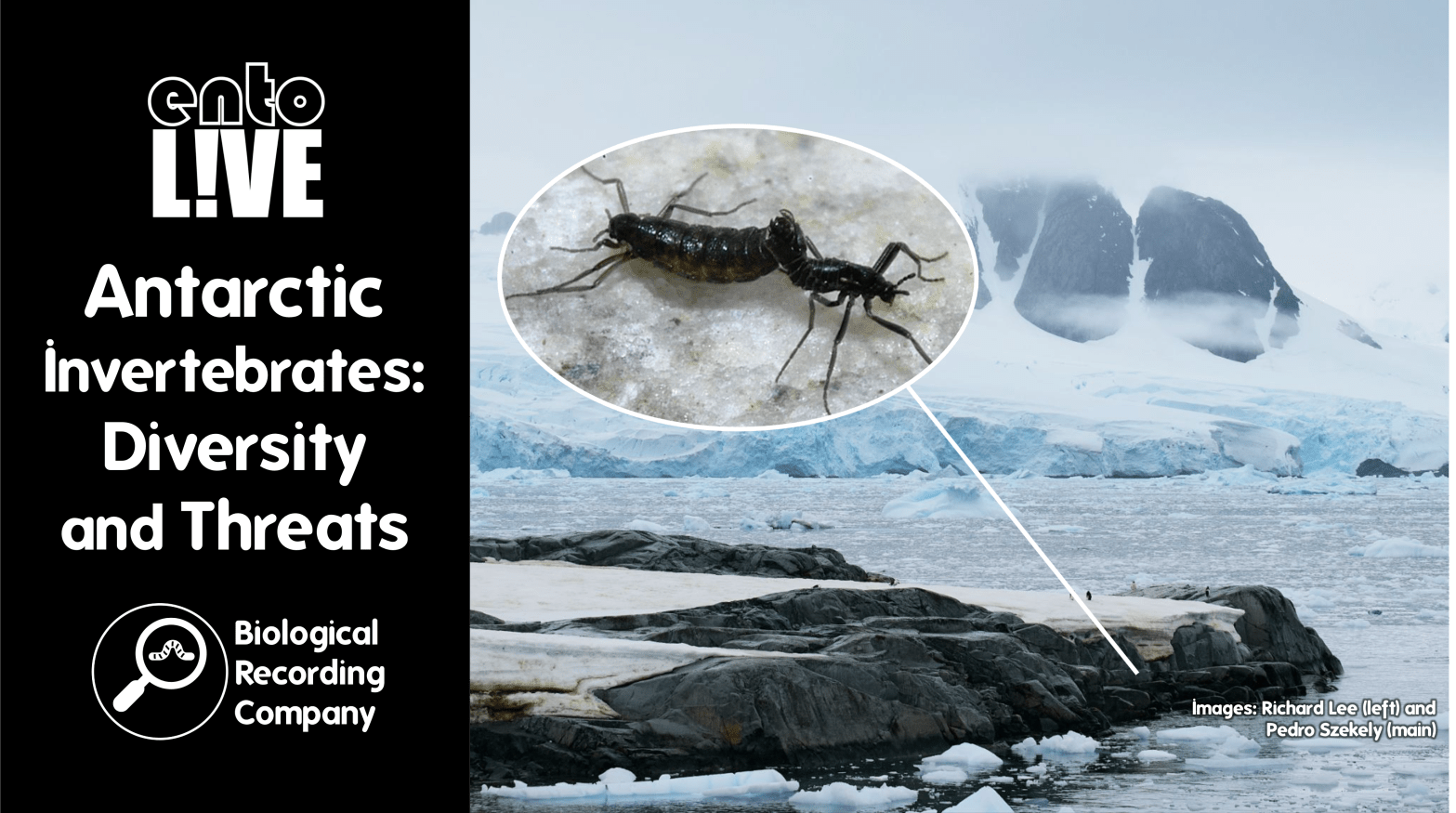
Antarctica’s terrestrial biodiversity is restricted to tiny islands of ice-free habitat surrounded by vast expanses of inhospitable ice or ocean. Today it is dominated by microarthropods and other microinvertebrates, although that has not always been the case. Antarctica’s largest invertebrates are two chironomid midges and a small number of freshwater crustaceans Evolution in isolation, long-term persistence and regionalisation typify this fauna. This has important implications for understanding the geological and glaciological history of the Antarctic region, and of the climatic and oceanographic processes influencing it. Antarctica’s terrestrial biodiversity now faces considerable challenges from growing human activity and impacts, including considerable regional climate change.

Q&A with Peter Convey

Peter Convey is a polar terrestrial ecologist with over 37 years experience working in both southern and northern polar regions. Originally an insect behavioural ecologist, he has very wide research interests relating to the polar regions, covering biodiversity and biogeography, adaptation, evolutionary history, climate and environmental change, conservation, human impacts and invasive species.

1. In the presentation you mentioned a biogeographic boundary in Antarctica called the ‘Gressitt line’. Antarctic species are seemingly never found on both sides of this line – it represents a hard division. However, with the additional pressure on Antarctica from humans, are we beginning to see any species cross the boundary?

This is a very interesting question. We have not seen any species cross the boundary yet. However, there is definitely potential for this to happen in the future. Something else I mentioned in the talk was the fairly recent realisation that Antarctica is not one uniformly connected biogeographic realm but rather a series of relatively discrete biogeographic regions. Many Antarctica species are not just endemic to Antarctica, therefore, but actually endemic to a specific smaller biogeographic region within Antarctica. Having realised this, it now becomes apparent that in addition to risks posed by the arrival of non-native species from outside of Antarctica into Antarctica, risk is also presented by the movement of species within Antarctica, from one biogeographic region to another. One potential example of such movement would be the movement of species across the Gressitt line. All of this has large operational repercussions for us as scientists working in Antarctica. Research operations often involve fieldwork spanning multiple biogeographic regions on the continent. We now need to be acutely aware of the ecological repercussions of such movement. Biosecurity measures will be needed not just upon arrival to Antarctica but also for long-distance travel internally within the continent.

2. What future biosecurity measures do you think will be needed to accommodate with increased pressure on Antarctica?

Contrary to what some might expect, the existing biosecurity measures on Antarctica for scientists are broadly quite simple. It is largely a matter of self-checking of clothing, equipment and cargo to make sure it’s all clean and hasn’t been contaminated with foreign soil, seeds, etc.. The difficulty is enforcing this. How do we make sure people are doing these checks to an acceptably thorough standard? Inevitably, some people are lazier than others with this sort of thing. One option is to shift responsibility away from individuals and towards specialist staff specifically employed to deal with biosecurity. Cruise ships are exemplary in this regard. They take biosecurity very seriously and have, for the last few years at least, employed some staff on the vessels for whom part of their role is specifically to conduct biosecurity examinations of cargo, equipment and tourists’ clothes and footwear. The ships also have very clear education on this issue for their passengers. Even when I’ve travelled on board cruise ships as a scientist I get checked just as thoroughly as the regular tourists. To answer the question then, I would be in favour for more strictly enforced checks across the board. Another element to the question concerns what type of foreign material you are controlling for. Right now the focus seems to be on controlling the introduction of foreign microbes. One of the most common biosecurity measures is the dipping of footwear in Vircon, a strong disinfectant, or an equivalent. Vircon kills microbes effectively, which is great, but it has also been shown not to work on insects (it was tested on Eretmoptera murphyi larvae, and they survived for 30 minutes!). I think the time is now to think about introducing insecticide control as part of biosecurity measures (for instance, some national operators already fumigate incoming cargo containers before arrival in Antarctica). We just need to be careful we choose an appropriate agent that actually kills the things we want to be targeting.

3. Do you find invertebrate fossils in Antarctica?

Yes – you do! That is because Antarctica didn’t always used to be just ice. Back in the Cretaceous period, for example, Antarctica was primarily forested. Just as with any other part of the world with such an ecosystem, there would have been abundant insects, some of which were fossilised. The difficulty with fossil studies in Antarctica, however, is finding the damn things! There’s two kilometres of ice over the vast majority of the continent today, making most of the geology (where fossils are found) totally inaccessible. Palaeontologists are therefore limited to search the ice-free areas, which are few and far between. We have however, found some fossils (including some invertebrates), and, circling back, it’s thanks to our finding these that we even know that Antarctica didn’t used to be all ice in the past. Fossil ferns, fossil freshwater fish, fossil freshwater invertebrates, and fossil flies have all been found, for example. These have been used to reconstruct how past environments used to look. It’s currently believed that at various points in the deep past Antarctica would have had extensive temperate rainforest and even subtropical rainforest. The bit that boggles my mind is that these developed in a region which exists in 24/7 darkness for part of the year!

4. Have any Antarctic species been introduced outside of Antarctica?

Not that I know of! But there have been species introduced within Antarctica (i.e. from one part of the continent to another). The classic example of that would be the midge Eretmoptera murphyi, which I discussed in the talk. One might assume that northwards migration of species out of Antarctica into the Southern Ocean islands, for example, would be unlikely, presuming Antarctic species to be too specially adapted to the Antarctic conditions to survive elsewhere. However, there have been some rather good molecular studies, particularly from Chilean scientists, showing that northwards migration of Antarctic species, at least in the marine context, is at least possible. Such migrations have occurred in the deep past at least, if not recently.

5. Have there been any instances of Antarctic ecosystems surviving mostly unfazed with the addition of a non-native species? Or do non-native species always cause havoc?

This is a very sensible question. In invasion biology it’s often useful to think about a ‘rule of 10s’. Say you look at a certain part of the world and identify 100 species which could potentially get there. Of those, as per the laws of invasion biology, around 10 of those are likely to establish. And when we say establish we mean the species lands, it grows, it survives, and that’s it – it stays in one spot. We might call such species persistent aliens or persistent non-natives. These species don’t have a lot of impact. Of those 10 species which establish, however, one might well become invasive – reproducing, expanding its distribution, interacting with the native community with adverse outcomes. It is these which are the species we need to worry most about. It is, however, also a feature of invasion biology that some species remain ‘persistent’ for sometimes many years before switching to ‘invasive’, a risk that needs recognising and that is then compounded by climate change. All that is to say, most species that get to a new place aren’t going to cause a great amount of damage, if any at all. A proportion, however, will. There are currently 18 non-native invertebrate species known from the Antarctic Peninsula region. Most of those are known from single location. Of those 18, two are arguably now true invasives. So in our case the ‘rule of 10s’ isn’t exactly accurate, but it’s a broad ‘rule of thumb’ in the global context.

Literature References

  1. Bartlett et al. (2020) ‘An insect invasion of Antarctica: The past, present and future distribution of Eretmoptera murphyi (Diptera, Chironomidae) on Signy Island’: https://resjournals.onlinelibrary.wiley.com/doi/pdfdirect/10.1111/icad.12389 
  2. Convey and Peck (2019) ‘Antarctic environmental change and biological responses’: https://www.science.org/doi/full/10.1126/sciadv.aaz0888 
  3. Davies et al. (2026) ‘The Antarctic Peninsula under present day climate and future low, medium-high and very high emissions scenarios’: https://www.frontiersin.org/journals/environmental-science/articles/10.3389/fenvs.2025.1730203/full?utm_source=&utm_medium=7628
  4. Tichit et al. (2026) ‘Expansion of invasive carabids across elevation and habitats on sub-Antarctic South Georgia’: https://nora.nerc.ac.uk/id/eprint/541135/
  5. Convey et al. (2020) ‘Refuges of Antarctic Diversity’: https://www.sciencedirect.com/science/chapter/edited-volume/abs/pii/B9780128179253000100
  6. Terauds et al. (2012) ‘Conservation biogeography of the Antarctic. Diversity and Distributions’: https://onlinelibrary.wiley.com/doi/10.1111/j.1472-4642.2012.00925.x 
  7. Pugh and Convey (2008): Antarctic terrestrial life – challenging the history of the frozen continent? https://onlinelibrary.wiley.com/doi/abs/10.1111/j.1469-185X.2008.00034.x
  8. Chown and Convey (2007) ‘Spatial and temporal variability across life’s hierarchies in the terrestrial Antarctic’: https://royalsocietypublishing.org/rstb/article-abstract/362/1488/2307/58262/Spatial-and-temporal-variability-across-life-s?redirectedFrom=fulltext 
  9. Short et al. (2022) ‘An ancient, Antarctic-specific species complex: large divergences between multiple Antarctic lineages of the tardigrade genus Mesobiotus’: https://www.sciencedirect.com/science/article/pii/S1055790322000422 
  10. Lee et al. (2017) ‘Climate change drives expansion of Antarctic ice-free habitat’: https://www.nature.com/articles/nature22996 
  11. Chown et al. (2012) ;Continent-wide risk assessment for the establishment of nonindigenous species in Antarctica’: https://www.pnas.org/doi/10.1073/pnas.1119787109 
  12. Contador et al. (2020) ‘Assessing distribution shifts and ecophysiological characteristics of the only Antarctic winged midge under climate change scenarios’: https://www.nature.com/articles/s41598-020-65571-3 
  13. Hughes et al. (2010) ‘The protection of Antarctic terrestrial ecosystems from inter- and intra-continental transfer of non-indigenous species by human activities: A review of current systems and practices’: https://www.sciencedirect.com/science/article/abs/pii/S0959378009000764

Further Info

entoLIVE

entoLIVE webinars feature guest invertebrate researchers delving into their own invertebrate research. All events are free to attend and are suitable for adults of all abilities – a passion for invertebrates is all that’s required!

entoLIVE is delivered by the Biological Recording Company in partnership with the British Entomological & Natural History Society, Royal Entomological Society and Amateur Entomologists’ Society, with support from Buglife.

The entoLIVE programme is delivered by Biological Recording Company and receives sponsorship from the following organisations:


Learn more about British wildlife

Shades of Grey: Industrial Melanism in Spiders

Industrial melanism refers to the phenomenon whereby some invertebrates evolved dark (melanic) forms in response to the darkening by soot of their resting surfaces during the Industrial Revolution. This response provided a clear example of Darwin’s ‘evolution by natural selection’ and was particularly well studies in moths. In this webinar Geoff will reappraise three claimed examples of industrial melanism in spiders and draw conclusions as to whether they constitute genuine exemplars of the phenomenon.

Q&A with Dr Geoff Oxford

Dr Geoff Oxford taught genetics and evolution at the University of York for nearly 40 years. His research largely focusing on (a) the adaptive significance of colour polymorphisms in spiders, and (b), speciation and hybridization in Large House spider species. He was a past president of the British Arachnological Society and is currently Hon. Secretary.

1. E.B. Ford famously tested how the camouflage provided by the Peppered Moth’s melanic form affected predation of the moth by birds. To do this he pinned moths on different backgrounds and counted how many were detected and eaten. Has any parallel study been conducted on melanic spiders?

No – and unfortunately the window of opportunity to conduct such workhas now passed because we don’t see melanic spiders anymore! As I discussed in the talk, the environment in which the melanic spiders were once found has changed dramatically since the Industrial Revolution. Buildings that were once blackened with soot are now squeaky clean again. The melanic form of the Peppered Moth is now extremely rare even in historically industrial regions. A similar fate likely befell the melanic forms of these spiders. Even if there are rare melanic specimens still hanging on, it’s unlikely they are a common enough phenotype to conduct tests on, at least in Britain. Whilst industrial melanism is now considered an effectively historical phenomenon in this country, other regions around the world are only just beginning, or in the middle, of their own industrial revolutions. India, for example, is currently going through extensive industrialisation, and many areas are burning large quantities of coal fuel. As in Britain in the 1800s, buildings will be blackened with soot and polluted by SO2. It would be very interesting to know if any Indian arachnologists are aware of industrial melanic species in situ in the present day.

2. How many generations does it take for a moth or spider to reach ‘full melanism’? Presumably it develops gradually?

Because melanism usually arises from a single dominant mutation, the first individual carrying the mutation will be melanic to some degree. However, after the original jump to melanism, so-called ‘modifier genes’ (multiple genes each with a small effect) can amplify the melanic phenotype, making it even darker. Bernard Kettlewell, a pioneer lepidopterist who studied industrial melanism in moths, compared early museum specimens of the melanic form of the Peppered Moth and noticed they were less dark than specimens he caught in the 1950s, meaning after the first major mutation, additional genetic changes were selected for that enhanced the melanic phenotype.

3. What’s the distinction between micro-evolution and adaptation?

Essentially they’re the same thing. Adaptation occurs as the result of changes of gene frequencies in populations. That’s what’s happened with some of these spiders and the Peppered Moth – the melanic form became advantageous in polluted environments and so increased in frequency.

4. Might epigenetics be involved in the story of industrial melanism?

Epigenetics refers to the phenomenon whereby the external environment affects the expression of genes in organism, an effect that can transcend generations. It is possible that this phenomenon was involved in industrial melanism – but we don’t know. This branch of genetics is relatively young and only emerged long after the original work on industrial melanism was conducted.

5. Do you think there might be any more undiscovered examples of industrial melanism hiding in existing museum collections?

It’s certainly possible – the only reason I was able to publish my review of industrial melanism in the three spider species discussed today was because specimens had ended up at the Manchester Museum, where entomology collections are well curated and catalogued. In other, less well organised collections, there may well be discoveries still waiting to be made.

Literature References

  1. Oxford (2025) ‘Industrial melanism in spiders: A reappraisal’: https://www.researchgate.net/publication/397141942_Industrial_melanism_in_spiders_a_reappraisal
  2. Ford (1975) ‘Ecological genetics’. 4th edition. London: Chapman & Hall.
  3. Kettlewell (1973) ‘The evolution of melanism: The study of a recurring necessity, with special reference to industrial melanism in the Lepidoptera’. London: Clarendon Press
  4. Majerus (1998) ‘Melanism – evolution in action’. Oxford: Oxford University Press
  5. Lees (1981) ‘Industrial melanism: genetic adaptation of animals to air pollution’. In Bishop and Cook (eds.), ‘Genetic consequences of man made change’. London: Academic Press: 341–352
  6. Bell et al. (2004) ‘A retrospective assessment of mortality from the London smog episode of 1952: the role of influenza and pollution’: https://pmc.ncbi.nlm.nih.gov/articles/PMC1241789/ 
  7. Cook et al. (2005) ‘Melanic moth frequencies in Yorkshire, an old English industrial hot spot’:https://academic.oup.com/jhered/article-abstract/96/5/522/2187664?redirectedFrom=fulltext 
  8. Mackie (1964) ‘A melanic form of Salticus scenicus (Clerck)’. British Spider Study Group Bulletin 24: 4
  9. Mackie (1965) ‘An enquiry into the habits of Drapestica socialis (Sund.)’. British Spider Study Group Bulletin 27: 4–6
  10. Arnold and Crocker (1967) ‘Arctosa perita (Latr.) from colliery spoil heaps in Warwickshire and Leicestershire’  British Spider Study Group Bulletin 35: 7–8

Further Info

entoLIVE

entoLIVE webinars feature guest invertebrate researchers delving into their own invertebrate research. All events are free to attend and are suitable for adults of all abilities – a passion for invertebrates is all that’s required!

entoLIVE is delivered by the Biological Recording Company in partnership with the British Entomological & Natural History Society, Royal Entomological Society and Amateur Entomologists’ Society, with support from Buglife.

The entoLIVE programme is delivered by Biological Recording Company and receives sponsorship from the following organisations:


Learn more about British wildlife