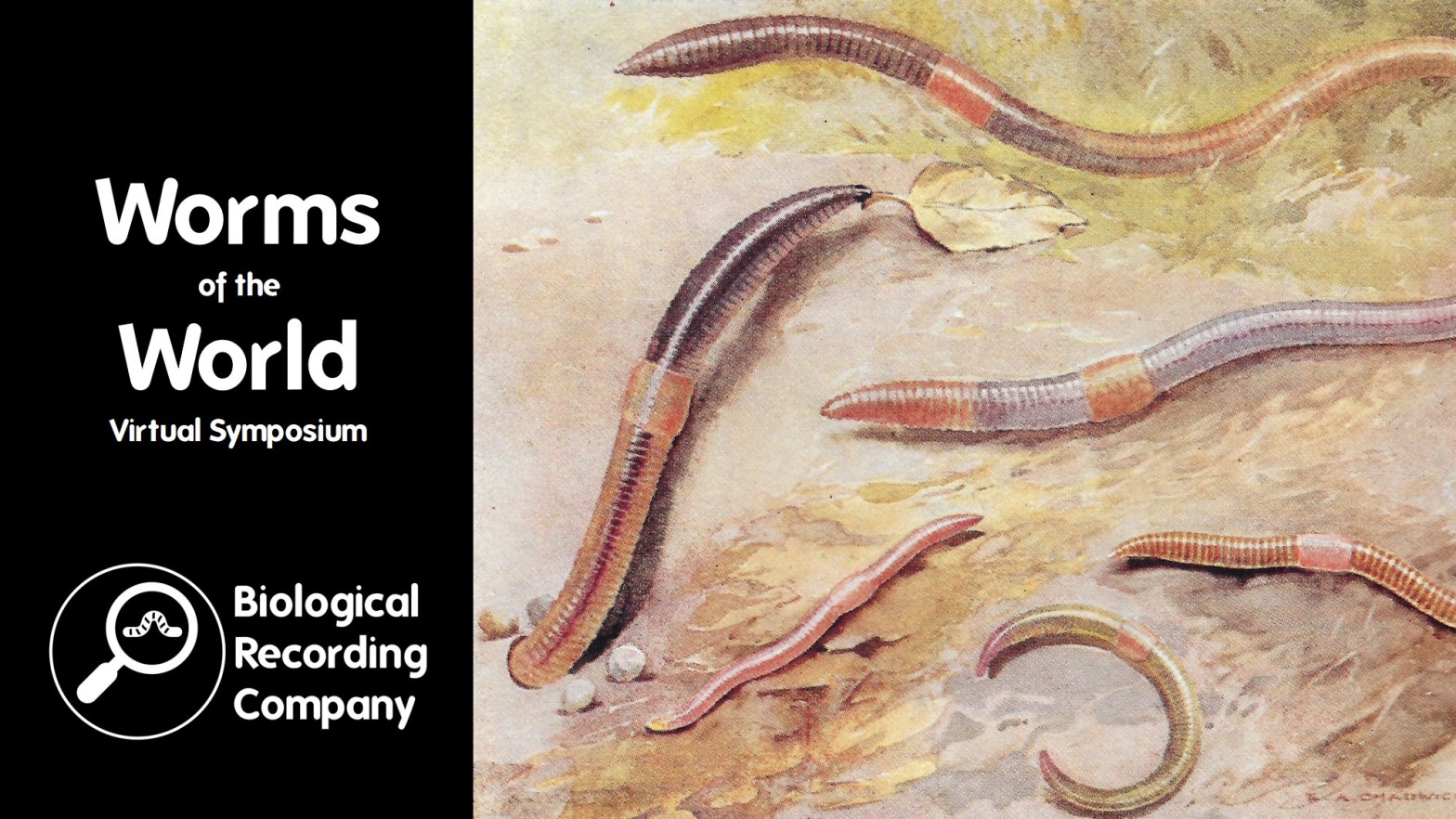
Earthworms of the World

Take a journey around the world, detailing some of the weird and wonderful earthworms discovered by Dr Sam James, and the stories behind his research expeditions at home and in the far-flung corners of the world.

Dr Sam James is one of the world’s leading experts in earthworm ecology and diversity. Dr James has a PhD in Biology and was an organic farmer in Iowa for 10 years, where he taught a wide range of life science courses at several universities. He also has many international research collaborations in Europe, Asia, and South America.

Q&A with Dr Sam James

  1. What percentage of earthworm species would you estimate have been described to science to date?
    I can still find new species in the USA – I recently received a new species from Oklahoma that I will need to describe! There are still large areas that have never been searched for earthworms. Overall I don’t think we’ve even found half of the earthworm species that exist in the world. I wouldn’t be surprised if we could double the number of species globally just from French Guiana, Guyana, Suriname, Venezuela and Brazil.
  2. Which country do you think is potentially sitting on the highest number of undescribed species?
    Tropical countries have the highest diversity. French Guiana currently holds the record for diversity within a hectare. Guyana and Suriname are also very diverse with an enormous number of earthworms. We could probably say the same thing about Brazil, Thailand, Laos and Vietnam. there are large areas in India and China where the earthworm species haven’t been studied. Any place that has topographical complexity (such as mountains and valleys) with intact original vegetation has a large number of earthworms. I had specimens sent to me from New Zealand and I couldn’t identify more than half of them!
  3. What is the most peculiar characteristics across all the earthworms you have seen?
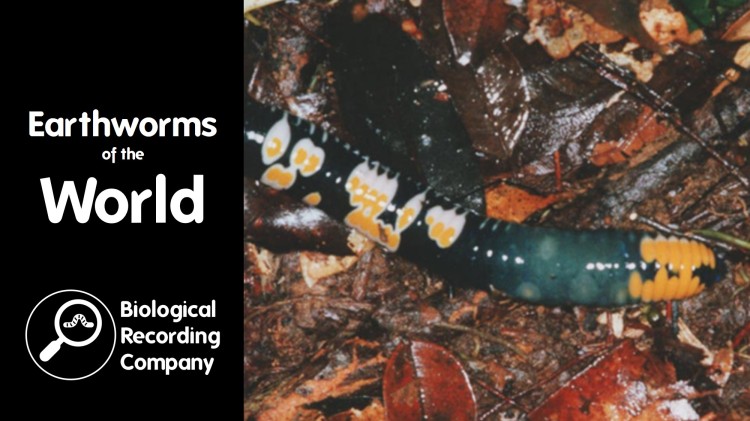
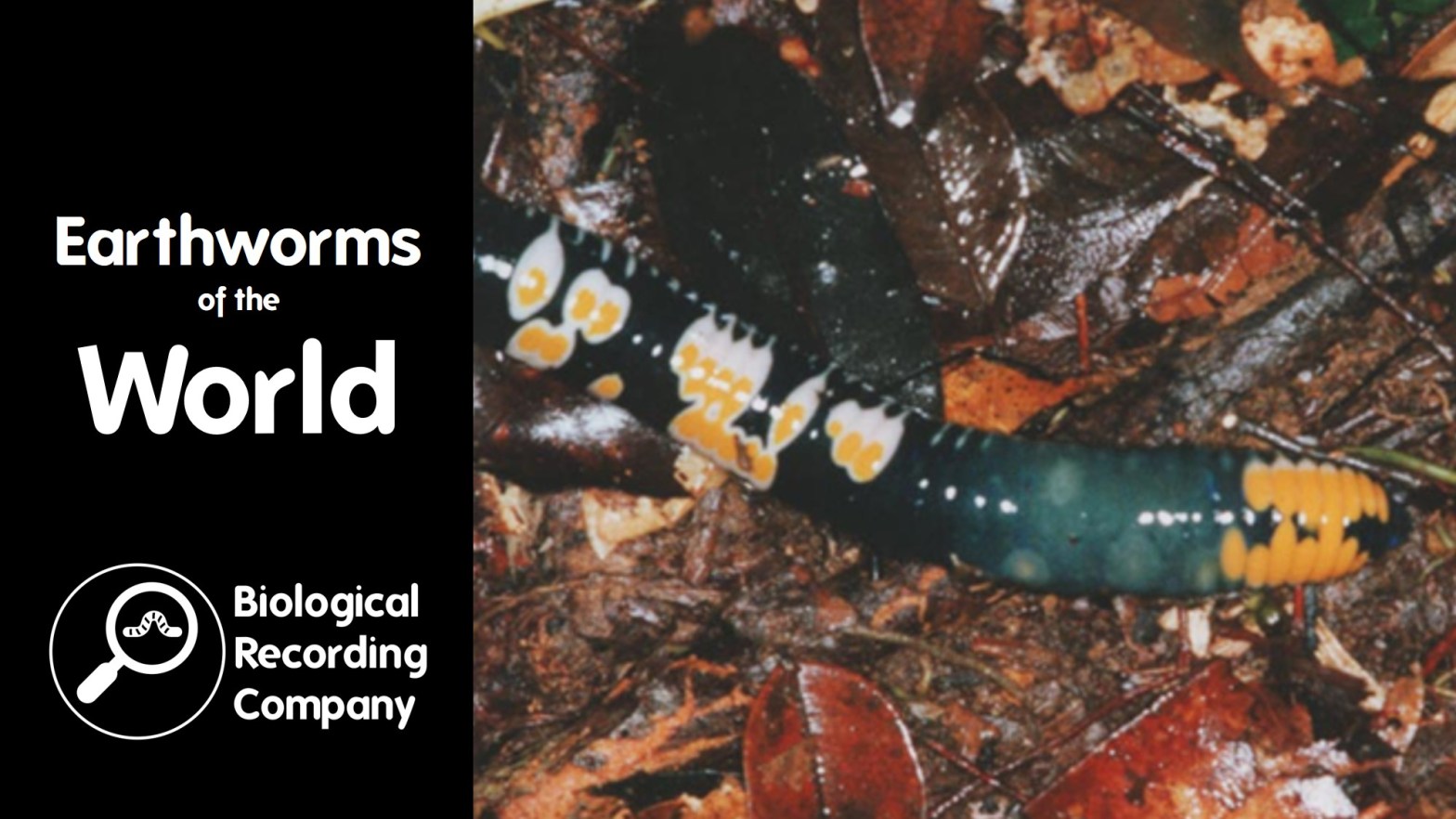
    The Fried Eggs Worm (Archipheretima middletoni) has to be at the top for the weird and wonderful! And not only for the colouration! Your first thought is how can something that is essentially a piece of meat crawling around the floor be coloured so brightly, but it was surprisingly difficult to see. The yellow and white spots look like reflections of light from wet leaves on the forest floor, so it probably provides the worm with great camouflage from predators that don’t see colour so well – it took me a while to get my eye in for them. The young earthworms of this species were also only found 2-3 metres off the ground in the leaf axis of these Pandanus plants and I’d only ever find one per plant. The adults were free-living on the ground – not even underneath the leaf litter!
  4. Have there been any studies into how the littoral species manage to tolerate the saline/osmotic stress of seawater?
    I found a small pink worm in the Virgin Islands in soil well above sea level. This was soil watered by the rain. It turned out to be Pontodrilus litoralis. A short distance away on the beach I found another P. litoralis living in full strength seawater sub-irrigated sand. That is quite a remarkable osmotic feat for a soft-bodied animal that breathes through its skin – to be able to survive in these two extremes!
  5. Is it easy to find the giant earthworm species in the places where they occur?
    Giant earthworms are really hard to catch. Finding the signs isn’t so difficult – their large casts and large burrows give them away. Digging them out is no mean feat. The best way to catch them is to find where they live and stake them out until you get rain and then collect them up when they have come to the surface.

Literature references

  1. Anderson, F. E., Williams, B. W., Horn, K. M., Erséus, C., Halanych, K. M., Santos, S. R., & James, S. W. (2017). Phylogenomic analyses of Crassiclitellata support major Northern and Southern Hemisphere clades and a Pangaean origin for earthworms. BMC Evolutionary Biology17(1), 123. DOI: 10.1186/s12862-017-0973-4
  2. James, S. W. (2009). Revision of the earthworm genus Archipheretima Michaelsen (Clitellata: Megascolecidae), with descriptions of new species from Luzon and Catanduanes Islands, Philippines. Organisms Diversity & Evolution, 9(3), 244.e1-244.e16. DOI: 10.1016/j.ode.2009.03.004

Further info and links

  1. Worms of the World blog with links to other presentations: https://biologicalrecording.co.uk/2023/03/25/worms-of-the-world/
  2. Explore invertebrate research with the entoLIVE blog: https://biologicalrecording.co.uk/category/entolive-blog/
  3. Upcoming free entoLIVE webinars: https://www.eventbrite.co.uk/cc/entolive-webinars-74679
  4. Full list of courses and events from the Biological Recording Company: https://www.eventbrite.co.uk/o/the-biological-recording-company-35982868173

More on earthworms
Worms of the World Virtual Symposium

To celebrate the wonderful diversity of earthworms from around the world, we brought earthworm scientists from around the globe together to teach anyone interested in earthworms about the world of earthworms beyond the UK.

Worms of the World Virtual Symposium

The Worms of the World virtual symposium took place on 25 Mar 2023 and featured the following presentations and speakers:


Earthworms of the World

Dr Sam James

Take a journey around the world, detailing some of the weird and wonderful earthworms discovered by Dr Sam James, and the stories behind his research expeditions at home and in the far-flung corners of the world.


Phylogenetic Tools to Dig Out the Evolutionary History of Earthworms

Dr Daniel Fernandez Marchán

The morphology of earthworms is as obscure as their habitat, and this complicates our understanding of their evolutionary relationships and historical biogeography. Dr Daniel Marchán reviews different applications of genetic tools to shed light on these big questions, with an emphasis on the rare, endemic and threatened species.


The Giant Wetland Worms of South America

Rumsaïs Blatrix

The Orinoco Llanos of Columbia and Venezuela were home to a mystery. These tropical wetlands are home to a landscape dominated by densely packed, regularly spaced mounds of soil. These Surales can be up to 5 m in diameter and 2 m tall and cover an area almost the size of Scotland! Rumsaïs Blatrix takes us on a journey to South America to discover how the mystery of the Surales was solved by her research team.


The Earthworm Invasion of North America

Prof Katalin Szlávecz

Earthworms are well-known ecosystem engineers, profoundly affecting soil processes. They are generally considered beneficial organisms that improve soil quality. But what happens when earthworms are introduced to ecosystems that have evolved with no or very different kinds of earthworms? Prof Katalin Szlávecz discusses the impacts of non-native earthworms in the Atlantic region of North America.


More for environmental professionals

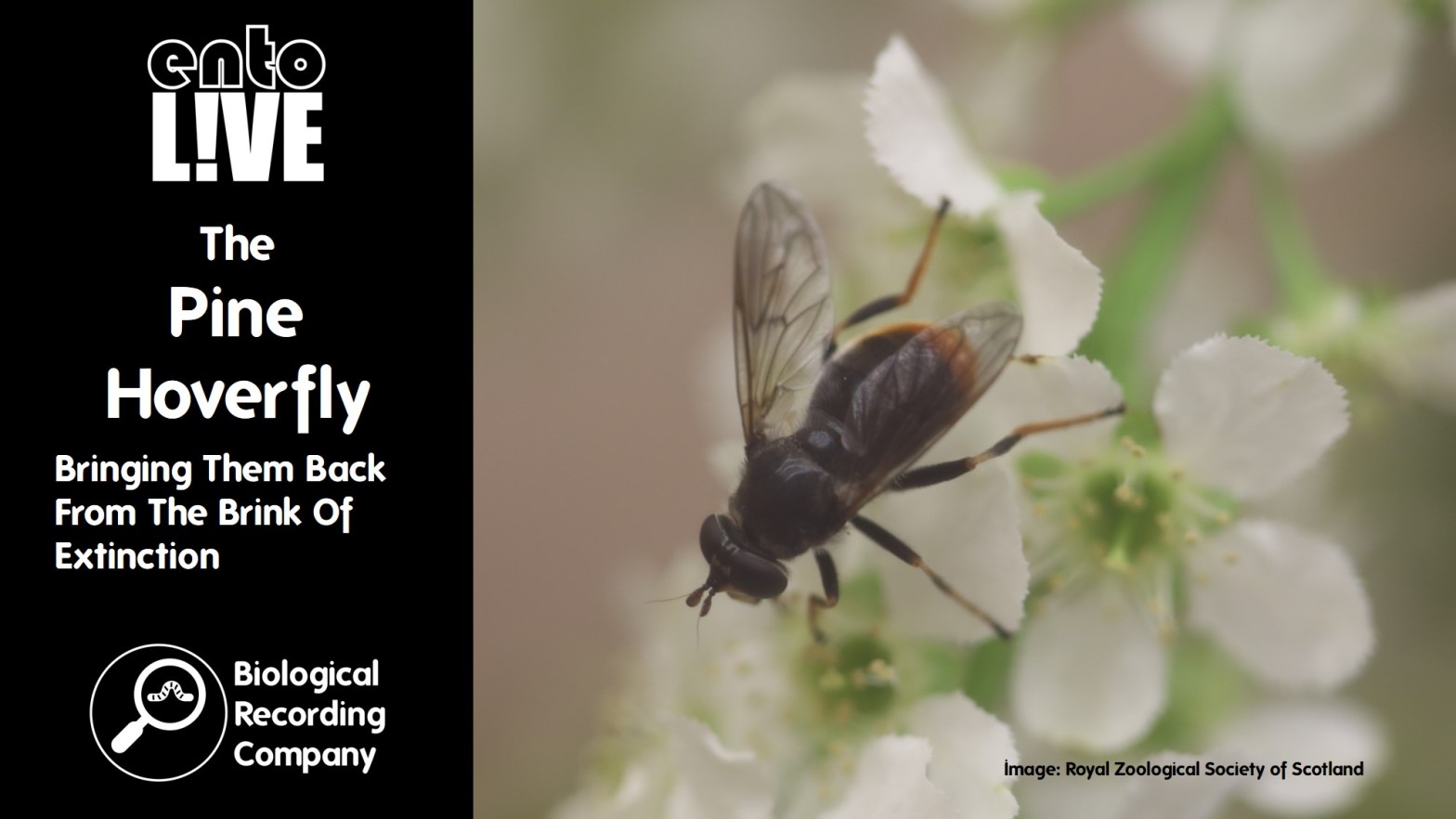
The Pine Hoverfly: Bringing Them Back From The Brink Of Extinction

The Pine Hoverfly (Blera fallax) is critically endangered in Britain, reduced to just one population in a small forest patch in the Cairngorms National Park in Scotland. Since 2018, the Royal Zoological Society of Scotland (RZSS) has been running a conservation breeding programme for this important pollinator at its Highland Wildlife Park Zoo. Following a record-breaking breeding season in 2021, the RZSS team started reintroducing pine hoverflies back into the Caledonian forests they once inhabited. Hear about the progress of this project and how the partnership between RZSS, the Rare Invertebrates in the Cairngorms project, and Forestry and Land Scotland is working to rescue one of Britain’s most endangered invertebrates.

Q&A with Helen Taylor

Dr Helen Taylor is the conservation programme manager at the Royal Zoological Society of Scotland and has been leading the pine hoverfly conservation breeding and release project since 2019. Helen is a conservation reintroduction specialist who has worked with multiple bird species, managed the Knapdale beaver reinforcement project, and has recently become an invertebrate convert, managing RZSS’ Pine Hoverfly, Pond Mud Snail, and Dark Bordered Beauty moth conservation breeding for release programmes.

Do other invertebrates use these rot holes? 

Other invertebrates do use the rot holes, including other hoverflies and many other things like slugs. We even once found a newt. We’re not aware of any predators – but we do not have the data about what is happening within these rot holes to comment on this definitively. The food webs occurring within these rot holes is not well understood and it would be great to have more data on this.

Do they like gorse as well?

Not that we are aware of. We think that they need open-cup flowers, like on rowan, so we don’t think the flower shape is quite right on gorse. Flies are not as great at navigating into a closed cup flower (like a foxglove) and prefer to hover around a flat-shaped flower. However, an adult has been seen on a bell-shaped flower, so we’re always open to new information! There is not much gorse on the current sites, and we’ve never observed it – but we don’t know for sure.

Are the depths of the lagoons/troughs important in the larval survival rate?

That’s an interesting question! We do have different depths but we try not to disturb the larvae once we have released them into the rot holes. This makes it really difficult to measure the survival rate. Recording the number of pupal cases does not necessarily relate to the number of larvae as we can’t guarantee we are finding them all. There is some evidence that they may sometimes leave the rot hole to pupate and a number of other reasons why the pupal case may not be there, such as disintegration or predation. There is currently a student looking at rot hole characteristics and it will be exciting to see what they find as it may help us answer some of these questions.

Did you choose to rear 8,000 larvae due to rearing capacity or population viability across the release sites?

The 8,000 is what we’re able to produce with our rearing capacity. We can house around 150 adults at any one time and the maximum number of larvae we’ve gotten from those adults is 8,000. That doesn’t mean that we are not getting more eggs than that, but it’s difficult to know how many we’re losing between the egg stage and the 2nd or 3rd instar when we can safely handle the larvae without damaging them. If we could produce more larvae with 150 adults, we’d be happy to do so and release more. We can put 60-80 larvae in a rot hole if it is deep enough and holding water. It’s also a lot of work to create habitat and monitor them so realistically there would be a limit to how many we could cope with considering the capacity of the current team.

Were the original batch of larvae all collected from a native population?

Yes – the 25 original larvae that we used to start our conservation breeding programme were collected from the remnant population in the Cairngorms. The year that they were collected was selected by the Pine Hoverfly Steering Group as it was a really good year for that population, so the risk to that population was lower than usual. We continue to take 1 or 2 individuals from the original population each year and add them into the conservation programme each year to try and boost genetic diversity.

How big is the inbreeding threat to this population of Pine Hoverflies?

We are concerned about inbreeding because all of the larvae we managed to breed in the first season came from a maximum of 2 females, possibly just 1!  We continue to take 1 or 2 individuals from the original population each year and add them into the conservation programme each year to try and boost genetic diversity. We also really carefully manage our breeding lines with a very complicated spreadsheet to make sure we are always outbreeding as much as possible. Despite all this, the likely lack of genetic diversity is still a concern but it is difficult to mitigate against it when there is potentially so little genetic diversity in the wild.

How genetically similar is the remaining UK population to the continental population?

The Pine Hoverfly is found in other places in Europe and the possibility of bringing across individuals from Scandinavia (specifically Sweden and Finland) has been considered). Dr Ellen Rotheray did some genetic work using a handful of micro-satellite markers back in 2012 to look at the genetic difference between the Scottish population and the Scandinavian population, and she did find some differences. Since then, The Pine Hoverfly has now had its genome sequenced by the Darwin Tree of Life project and our RZSS WildGenes team here at Edinburgh Zoo is now using this much higher resolution data to create a genomic database for our conservation breeding population. We can compare this to data for the Scandinavian population to see how different they really are genetically and whether a reintroduction from Scandinavia would be appropriate if the British population were to go extinct. However, there are other considerations aside from genetics if we were to reintroduce individuals from another country – they could bring along a parasite or pathogen with them that we don’t have here, or they could have key behavioural differences (such as using spruce trees, which is seen in Swedish pine hoverfly, but has not been observed in our native population).

Are there plans for releases in other UK sites in the future?

Hopefully, we need to identify good sites first and we need to see the Pine Hoverfly successfully established at the current release site in the longer term to gain proof of concept. It’s important that we follow an evidence-based approach when it comes to choosing sites and planning releases.

Is there anything the public or volunteers can do to help?

If you are local to the Cairngorms, check out the Rare Invertebrates in the Cairngorms project website for details on how to get involved in the surveys for this species and other projects. For those not in the Caringorns, signing up to the Royal Zoological Society of Scotland helps fund our work on the Pine Hoverfly, or if you want to help hoverflies in general you could take part in the Hoverfly Lagoons citizen science project managed by Dr Ellen Rotheray that involves adding a hoverfly lagoon to your garden and sending in data to the Buzz Club.

Further info


entoLIVE

entoLIVE webinars feature guest invertebrate researchers delving into their own invertebrate research. All events are free to attend and are suitable for adults of all abilities – a passion for invertebrates is all that’s required!

entoLIVE is only possible due to contributions from our partners and supporters.


More on invertebrates

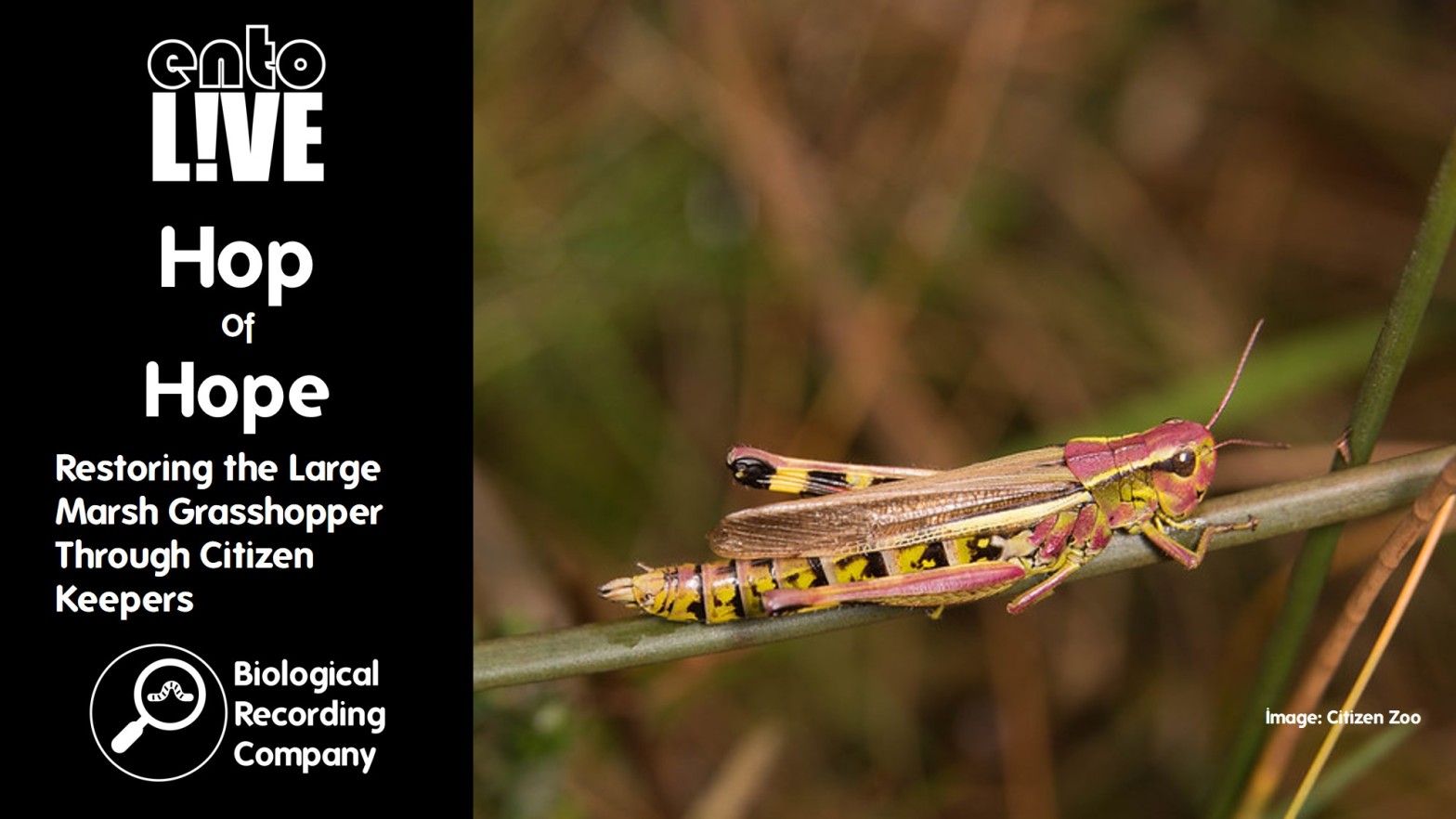
Hop of Hope: Restoring the Large Marsh Grasshopper Through Citizen Keepers

While the Large Marsh Grasshopper (Stethophyma grossum) is the biggest and most handsome of all British grasshoppers, it’s also one of the rarest. The degradation and loss of their preferred habitat, fens and peat bogs, have constricted their range considerably. Today, it survives almost exclusively in the valley mires and wet heaths of the New Forest and Dorset. This talk will introduce how a partnership project led by Citizen Zoo and involving Norfolk Wildlife Trust, the Wildlife Trust for Beds, Cambs & Northants and Natural England has returned the large marsh grasshopper to a number of wetlands across Norfolk. This project is pioneering community engagement in which local people are trained in grasshopper husbandry to become Citizen Keepers.

Stuart Green is the Lead Entomologist for Citizen Zoo and manages the Hop of Hope grasshopper reintroduction project. Citizen Zoo wants to live in a world filled with wildlife. Through their projects and services, they rebuild nature to a more functional state and bring people out into the great outdoors through their engagement programmes. They’re a social enterprise committed to rewilding & conservation, and growing rapidly through their expanding portfolio of projects and network of clients & partners to Rewild Our Future.

Q&A with Stuart Green

What is the lifespan of a Large Marsh Grasshopper?
The oldest individual recorded alive on the bog is 7 weeks after release. He was an adult for around a week before release, so that means he’d been mature for 8 weeks. The development time within the locust cage is about one month, but this would be longer in the wild. So this means that he was probably about 12 weeks old in total. We can be pretty confident most adults will not make it to that ripe old age, as they are likely to be eaten by predators or die due to other causes.

What predators and parasites will prey on Large Marsh Grasshoppers?
Spiders are probably the main predator, with evidence of grasshopper mortality in the form of mummified grasshoppers in Labyrinth Spider webs (Agelena labyrinthica). Interestingly, these silk-wrapped corpses were almost exclusively males – possibly more vulnerable due to their smaller size, but also more mobile and so more likely to fall into a spider’s web. Other predators would include all sorts of birds (including birds of prey), reptiles and small mammals. Water traps on site have picked up a Tachinid fly that lays its eggs on to the adult grasshopper and parasitises it. There has also been an upsurge in Locust Blow Fly (Stomorhina lunata) in the UK, though we’ve yet to see them in our patch of East Anglia yet. These flies lay their eggs into the freshly laid grasshopper eggs, with the fly larvae feeding on the grasshopper egg. These could potentially have a big impact if they move into our sites. As with most insects, it is likely that the most mortality occurs within the egg and early nymph stages. The adults tend to be able to look after themselves a bit better and escape predators.

How do they survive through the winter?
Adults die off soon after the first winter frosts. …  overwintering in egg hibernation, known as diapause.

Which grasses or other plants do you feed them on??
We tend to feed them on Cocksfoot Grass (Dactylis glomerata) in captivity due to the fact it is stiff and doesn’t wilt so easily in the locust cages under the light bulb, allowing the grasshoppers to climb up and bask under the light. They’ll eat most grasses, and will also eat sedges – including the heads of sedges, rushes and grasses as well. We observed that they showed no difficulty adapting from the food provided in captivity to available plants in the bogs they were released into.

When monitoring grasshoppers, is it easier to see them where the grass is mown and would this impact survey comparison?
If they are in dense vegetation the females are much harder to see. On the other hand, the males give themselves away by stridulating and climbing higher up the vegetation. Surveys really do need to be undertaken on hot, sunny days (ideally above 27 degrees Celcius), when the grasshoppers are active to ensure that surveys are comparable.

As natural dispersion is limited due to habitat fragmentation, is there value in exchanging DNA with the Dutch populations?
Permission to do this is much more complex than releasing from UK populations as additional permits and safeguards would be needed. Biosecurity would be one concern as we would need to ensure that we’re not also importing parasites and pathogens that occur in mainland Europe but don’t naturally occur in the UK. To date, we’ve observed low mortality from individuals bred in captivity and have had no observations of parasitoids. We’ve observed horsehair worm parasites in a few individuals we collected from the New Forest to add to our breeding stock, but these died on emergence because they live in water. The New Forest populations seem to be strong and healthy, so I think the gene pool should be OK to support our Norfolk reintroductions.

Can new people get involved with the Hope of Hope project this year?
Yes, but numbers are limited by the number of locust cages that we have – which is just 20 (including the two that I use). We’re hoping to have 18 Citizen Keepers this year and some of our volunteers will be returning. We prefer to recruit our Citizen Keepers locally from Norfolk or Cambridgeshire, within an hour’s drive of our release sites, and will be recruiting soon (see the Citizen Zoo website). For those further afield, you can help improve our understanding of grasshoppers nationally by recording grasshoppers in your garden or local green spaces. submit your grasshopper recordings to the Grasshoppers and Related Insects Recording Scheme of Britain and Ireland via iRecord or the iRecord Grasshopper app.

Grasshopper Books

Further info


entoLIVE

entoLIVE webinars feature guest invertebrate researchers delving into their own invertebrate research. All events are free to attend and are suitable for adults of all abilities – a passion for invertebrates is all that’s required!

entoLIVE is only possible due to contributions from our partners and supporters.


More on invertebrates

Flying Squids: Their Life Story and Relationships With Each Other

Flying squids are fascinating organisms. They exist in their own kingdom in the mesopelagic realm, where they attain huge biomasses and are crucial for energy and matter cycles in the water column. Besides their ecological importance, they are also important economically, as they sustain almost 50 % of current cephalopod landings in the world. Fernando will give a short snapshot of their mysterious and amazing life, as well as how each species is related to the other.

Fernando Ángel Fernández-Álvarez is a marine zoologist specialising in cephalopods with a focus on the oceanic squids that occupy offshore pelagic environments. As the object of his doctoral dissertation, flying squids occupy a special spot in his heart. Among other topics, he has studied their evolutionary relations, their reproductive biology and how sperm is transferred among males and females, who will store them for long periods of time.

Q&A withFernando Ángel Fernández-Álvarez

Do you approve of the new farming ideas for squid?
I don’t see the methods being used for octopus farming being feasible for squid. There are debates regarding the intelligence of octopus and squid, and if this means that it is unethical to eat them but this is not an area that my research is involved in and I’d prefer not to enter into that debate in this talk. I’m aware that there is an entoLIVE webinar coming up on invertebrate sentience so this is a great question for that talk!

Can even the large Humboldt squid fly?
Yes, they do. In 2015, I was fishing for flying squid a few years ago in the Gulf of California and a colleague was actually hit in the chest by a Humboldt squid subadult propelling itself from the water! It’s only the smaller individuals that can do this and once they get to a certain weight you won’t find them propelling themself out of the water.

Can the female store the sperm until she is strong enough to create eggs?
Yes they can store sperm from very young ages. I have seen immature females storing sperm. In the Humboldt Squid (Dosidicus gigas) large morphotype, females may cannibalise smaller males so mature males may be reluctant to mate with the larger mature females!

Are flying squid at risk from over-fishing?
Flying squid have huge biomasses. Although they are caught in large numbers, there is a huge number of flying squid in the sea. To my knowledge, there is no indication of overfishing threatening flying squid populations – but this is still something that we should watch. Many species that are overfished are from the higher trophic levels, so it is likely to be better to eat species that exist in the lower trophic levels.

With 3 years of La Nina, should there be much larger squid in a few years?
I can’t really comment on the situation right now, but a few years back one researcher was still finding the small morphotype. In theory, if the conditions were extended you could end up with larger squid but we don’t know how many generations would be needed for this to happen.

Are episodes of squids being washed up to shore mainly caused of their massive mortalities after spawning?
This is usually for other reasons. When breeding they will more often sink where they are and it is unlikely that they will reach the coast. Toxic algae can poison the squid and cause these mass mortality events. Another reason could be that they get disoriented during migration and end up washed up on the shore.

What is the function of the buccal papillae?
That is a very good question. We’re not entirely sure but it is found in other squids and is likely to be related to the diet of the squids. I believe that it may be related to the manipulation of the particulate organic material they eat. Interestingly, these buccal papillae disappear the moment they start to hunt actively.

Do flying squids school all or part of the time?
Cephalopod paralarvae do not form schools. In fact, the beginning of the schooling behaviour marks the end of their lives as paralarvae in many squids. There is not much information on many flying squids, but most oceanic squids school during at least some portion of their subadult lives. They also can aggregate for spawning, but I wouldn´t call that schooling behaviour.

Why is it that the vast majority of cephalopods are predators?
That´s a very good question. I am no paleontologist, so please take my answer on this with a grain of salt. I believe that evolutionary constraints are actually at hand: most likely ancient coleoids were predators with quick metabolisms and short lives fueled by a voracious diet based on other animals. Thus, all neocoleoid cephalopods we find today are still living in the same way. The three exceptions to this predatory lifestyle we find inside the neocoleoids, the vampire, the ram’s horn squid and flying squid paralarvae, are likely evolutionary innovations for thriving in environments with low density of prey for the Vampire Squid (Vampyroteuthis infernalis) and the Ram’s Horn Squid (Spirula spirula), and to take advantage of an explored trophic resource by other cephalopod paralarvae in the case of flying squids. The only extant non-coleoid cephalopods, Nautilus and Allonautilus species, most likely did not depart in their evolutionary path from a slower pace of life and opportunistic diet.

Are there any concerns for squid in the early stages of life that arise from human behaviour, climate change, pollution, and commercial fishing behaviour?
This is a very unexplored topic. It is very likely that our impacts over the sea through chemical, light, sound and any other kind of pollution we create can alter the behaviour of early life stages of cephalopods, and even lead to increased mortalities. Climate change would definitely affect embryo development and survival and can speed up paralarval development, which might not be a good thing for them. Some commercial fishing methods such as trawling are nonspecific and can also affect small squids and octopuses.

Literature references


entoLIVE

entoLIVE webinars feature guest invertebrate researchers delving into their own invertebrate research. All events are free to attend and are suitable for adults of all abilities – a passion for invertebrates is all that’s required!

entoLIVE is only possible due to contributions from our partners and supporters.


More on marine biology

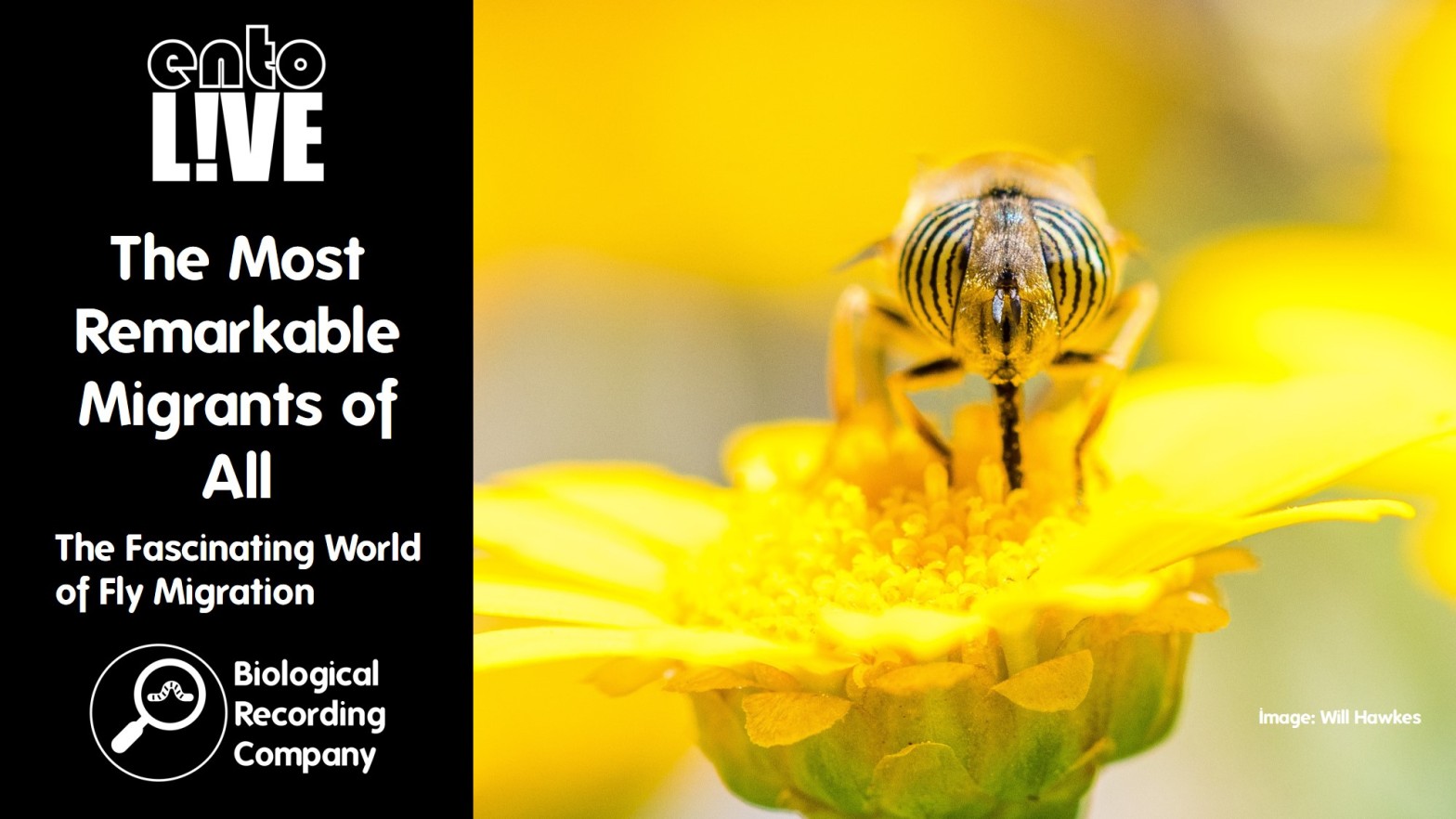
The Most Remarkable Migrants of All: The Fascinating World of Fly Migration

1-4 billion hoverflies migrate into and out of southern Britain each year. Despite the fact that these migratory insects help control pest species (such as aphids) and provide important pollination ecosystem services, migratory flies do not receive anywhere close to the same attention within research as migratory vertebrates such as birds, whales and turtles. An Exeter University study on insect migration is addressing this knowledge gap.

Dr Will Leo Hawkes is an insect migration scientist from North Wales, based at the University of Exeter. He travels to insect migration hotspots around the world to study this most remarkable of natural phenomena.

Q&A with Dr Will Leo Hawkes

Are you able to estimate the biomass of migratory flies?
Yes, it is possible – the two species of hoverflies which my supervisor recorded going over southern England recorded about 4 million which is 80 tonnes per year. We recorded all insects going through the Pyrenees and about 90% of those were flies. We estimated well over 100 tonnes of insects per year for the whole of the Pyrenees per year, based on the single pass that we monitored and scaled up. However, I think that our estimation is probably a big underestimate and I think the numbers and biomass are probably much greater.

Is there any evidence that some migratory flies “fatten up” before migration?
Yes – they get really fat with round bodies that look like they are about to burst! The autumn migrants are always so much bigger than the summer migrants. Migratory generation adults tend to be stronger flyers with better immune systems and improved visions – like little “super flies”! The development of a fly into a migratory fly is determined when they are third instar larvae and depends on the length of light in the day while in the third instar of development. If these specific conditions are present in the third instar, their genetics will shift and cause the development of a migratory adult.

What is known about current migratory fly numbers when compared to historical populations?
One really exciting study was undertaken in southwest Germany by Wolf Gatter. Hoverflies migrating through the mountains here were studied in exactly the same way for more than 40 years between 1978 and 2019. Terrifyingly they found that migratory aphid-eating hoverflies (like marmalades) have declined by 97%. This finding is likely mirrored across other sites like the Alps and the Pyrenees. Having been to these sites and seen how many insects fly through now, it’s actually hard to imagine that this is a fraction of what there used to be. The only bit of hope is that migratory flies have so many generations and may be able to recover quickly if the issues that are causing the declines are dealt with. The truth is that we have so little data on migratory flies that it’s hard to make overarching statements as what is happening in Germany may not be typical of other sites. This is why it is important to have systematic studies that are repeatable

Have you used the big dataset created by the UK Hoverfly Recording Scheme in your research?
In our Pyrenees study, we used the Hoverfly Recording Scheme data to find out when these migratory peaks occurred and compared this to data on lots of environmental variables to look for any correlations. We found that the best predictor of large-scale migration was increased autumnal temperatures (i.e. there were higher numbers coming through during warmer autumns). This dataset is an amazing resource and so useful, with fellow researchers using the data extensively to better understand hoverflies. This is why it is important that biological recorders and the general public submit their hoverfly records to iRecord (preferably with a photo). There are some great ID resources out there too, such as Steven Falks’s hoverfly Flickr albums and Britain’s Hoverflies WILDGuide.

What do locust blowfly larvae eat when in the UK?
The Locust Blowfly (Stomorhina lunata) mostly lay its eggs in locusts, but may be laying its eggs in native Orthoptera found in the UK. Most migratory species tend to be generalists rather than specialists and are often flexible with their behaviours.

Did you use tech such as image processing or AI to count the flies from the video frames?
I’d love to be able to tell you it was all automated – that would have made my job so much easier. We tried so hard to make it automatic but because of the strong winds there was too much movement and it had to be done by manually. It took forever and I had many long days in a dark room counting the flies in each frame of the footage! For each sampling trip, I’d have a couple months in the Pyrenees in the sun, followed by just over a month of counting flies from the footage and another month of identifying the flies that we caught in the lab.

Is it understood why the return journey is in one generation?
It’s not understood entirely but I think it’s because in autumn everything starts dying off so it makes more sense in terms of energy to make the long trip to an area where there is a lot more food available. Flies are quite flexible and if we experience an Indian summer and there are plenty of flowers still blooming they will stay around a bit longer.

Does the large investment that goes into migration make migratory insects more prone to population decline and extinction in the event of man-made or natural catastrophic events?
Most migratory species are generalists in nature and so can survive on a wider range of foods than specialists. This actually tends to make them quite flexible when faced with difficult conditions. This doesn’t mean they are immune to risk and pesticides are known to be a problem. Specialist species, such as the Pine Hoverfly (Blera fallax) that will be featured in an entoLIVE later this month, are much more at risk as they are less mobile. A single Drone Fly (Eristalis tenax) lays about 200-400 eggs, with the survival rate for individual flies relatively low. Many of these flies will die because they fly off in the wrong direction and it is only the ones that make the big journeys to the correct place that will survive. 

Were the flies on Marion Island known to be there previously or was this an accidental finding?
I think it was purely accidental. Some researchers went to the island and identified some good spots to sample flies and set up Malaise traps (flight interception traps that look like a tent). The migratory blowflies just happened to be passing at that time and were found in the traps!

How do you know how many generations complete the various legs of the journey?
There is still a lot we don’t know. What we do know, we know from general observations and citizen science projects, such as when there is an influx of a particular species. Butterfly migrations are better understood than other insect groups and have been used as a proxy for a lot of fly migration work. It would be great if we could put little trackers on the backs of these insects and work out where they go (and how far they go) in the spring. The spring and autumn migrations are completely different from each other, with the big autumn migrations being mostly females and the spring migrations being an approximately 50/50 split. I’ve also only ever seen the pathogens (the fungi coming out of the bodies) on the spring migrants and I think this is probably due to them spending longer in certain places or having more generations (or just the males are more prone to infection). It really is a wonderful field of study to be part of as it is only just beginning and i can probably count on my hands the number of people looking at insect migrations. There is still huge voids in our geographic knowledge of insect migration, such as in South America and Western Asia. We need more fly migration researchers.

Can flies be said to be gregarious in migrating, like locusts?
This is a question I really want to answer with a study. We don’t really know but when I was in Cyprus we had hundreds of thousands of dragonflies just appear one day. They were swarming around and eating the flies and other insects and then they just left. Then a few days later we saw a group of similar numbers heading back the opposite way. This has also been reported anecdotally from Borneo with distinct groups of migrating dragonflies. I suspect that if any insect is going to display this social behaviour it is most likely to be dragonflies. Flies don’t arrive in swarms, but they do arrive at peak times together and it kind of makes sense for them to arrive together for mating. I’d like to see more work into the possibility of social behaviour in flies.

While using the flight simulator to quantify the hoverfly’s flying direction, what criteria did you set up to identify the fly as a migrant?
We caught the flies as they were flying through a mountain pass nearly 2300m up in the Pyrenees. They were all heading south and there is simply not enough habitat up in this location for the hoverflies to exist if they were doing anything but passing through. 

Could it be that where there are concentrations of insect-eating birds there will be more insects then?
No one has direct evidence for this yet, but I’m sure that the birds will use concentrations as fuel. Birds are clever too and so I’m sure they can target the insects year after year. In fact, the amur falcons which migrate across the Indian ocean are thought to do so because they are following globe skimmer dragonflies which do the same migration!

How does a hoverfly fly?
A great question, they’re amazing fliers, they flap their wings so fast which allows them to hover. They are also incredibly efficient fliers, using barely any energy as they fly as they can burn fat directly to turn into fuel. Rather than having to break the fat down first like us humans have to do.

Where does your interest in flies come from?
I’ve always adored insects, ever since I was very little crawling around the garden insects were the subject of my curiosity. They were much easier to catch than birds, and didn’t bite as hard as a badger! I think flies are just so fascinating and they have so many stories to tell. I feel very lucky to be able to tell a few of them to human ears.

Literature references

Further info


entoLIVE

entoLIVE webinars feature guest invertebrate researchers delving into their own invertebrate research. All events are free to attend and are suitable for adults of all abilities – a passion for invertebrates is all that’s required!

entoLIVE is only possible due to contributions from our partners and supporters.


More on invertebrates

Ain’t No Mountain High Enough: Impacts of Climate Change on Aquatic Insects

Climate change is widely recognised as being one of the major long-term threats to biodiversity. Freshwater ecosystems are particularly at risk from the impacts of climate change. This talk will explore the vulnerability of freshwater invertebrates to climate change, and what mitigation measures can be used to minimise the impacts on their populations.

As Conservation Director, Craig Macadam heads up the Conservation team at Buglife – The Invertebrate Conservation Trust. He leads Buglife’s freshwater work and is particularly interested in developing conservation action for less well-known species and overlooked freshwater habitats. For the past decade, Craig has been studying the Upland Summer Mayfly (Ameletus inopinatus) and the potential impacts of climate change on this montane species.

Q&A with Craig Macadam

How can one get involved with freshwater invertebrate monitoring? 
Anyone can! There are plenty of opportunities for people at all levels. The Riverfly Monitoring Initiative is really easy to get involved with. Participants are taught how to identify 8 broad groups of riverflies and monitor a site on a monthly basis.

Will riverfly monitoring scores need to change in response to climate change? 
Aquatic invertebrates are monitored to provide scores for different pressures on rivers, such as organic enrichment, sediment and flow. The impact of climate change on those populations may have an impact on what those scores say so this is something that we need to be mindful of in the future.

How much species-level monitoring of freshwater insects is undertaken? 
Riverfly monitoring through the Riverfly Monitoring Initiative usually goes to order or family level, rather than to species. The environment agencies of the UK do a lot of species-level monitoring and this provides the main source of data for freshwater insects to species level. However, there are also a number of opportunities for individuals to submit records. This includes some targeted surveys through specific RMI groups, and Buglife currently has a project asking people to check fenceposts along rivers for adult stoneflies. General records (of either adults or larvae) can be submitted to the Riverfly Recording Schemes via iRecord (preferably with a photo to help with verification).

What methods can be used to survey riverflies in order to establish if population changes have occurred? 
There are different types of surveys that use different equipment. Generally, a standard pond net is used and it is a 3-minute sample that is used to compare sites or time periods (assuming the same method is used each time). Quantitative sampling can also be undertaken to establish the number of organisms per unit area by disturbing a set area of the bed of the river and this method is often used for population studies, though it doesn’t work so well in Scottish river systems because the substrate is too big.

What are degree days?
The standard temperature used in this study was 0°C. We were basically looking for the number of degrees above zero each day and adding them up. So if day 1 was 10°C and day 2 was 8°C, this would be recorded as 18 degree days.

Did you measure the change in diversity alongside the change in abundance?
This study focused on changes in abundance, rather than diversity. In the UK, we have lost 2 species of mayfly and 1 species of stonefly to extinction. Specialist species are often more at risk than generalist species.

Is there much hope for freshwater insects in areas where the chalk streams dry up for months on end?
Some chalk streams naturally dry up during summer and become wet again in the winter – these are known as winterbournes. This specific cycle can provide a home for specialist species, such as Scarce Purple Mayfly (Paraleptophlebia werneri) and the Winterbourne Stonefly (Nemoura lacustris), and England is a global hotspot for this type of habitat. The dry stage is just as important as the wet stages in these watercourses so it’s important that any habitat management considers both stages. You can read more about winterbourne species in The specialist insects that rely on the wet-dry habitats of temporary streams. Buglife does a lot of work on temporary water courses and does respond to threats to winterbourne specialists where we are aware of a threat. However, we are often not aware and encourage people to get in touch if they are concerned about a specific case.

Which varieties of trees should be planted alongside rivers? 
Native trees such as alder rowan and willow are good species along rivers. You want trees where the leaf litter will break down quickly, so not trees with glossy leaves, such as beech.

Would adding more trees near the water increase water depletion from the river by the trees themselves? 
Some trees take up more water than others. For example, willows take up a lot of water, and rowan and alder take less – you’ll often find alder along river channels. The shading that is provided by these trees is the key aspect, and water depletion from these trees should not be an issue considering these systems are generally quite damp with sufficient levels of rainfall – water is generally in good supply in these areas.

How can conservationists work with land managers to persuade allowing vegetation growth in impacted areas?
This is a big question. There are lots of different land managers, ranging from farmers to gamekeepers to ski slope managers! It’s important that we work with land managers and convince them to manage buffer strips along streams to protect the banks and provide shading, rather than managing the stream-side for the adjacent land use. This applies to lowland systems as well as upland systems. 

Do UK/EU laws go far enough to help and support the conservation of aquatic invertebrates? 
Trends illustrate the impact of EU laws as the abundance of invertebrates increases after the implementation of laws. For example, the introduction of the Urban Waste Water Treatment Directive was followed by a rise in the abundance of aquatic insects. EU laws have been good for the freshwater environment. However, we could go further and restore more of our rivers – they are currently very fragmented and natural flow processes need to be restored at a faster pace.

Literature references

Further info


entoLIVE

entoLIVE webinars feature guest invertebrate researchers delving into their own invertebrate research. All events are free to attend and are suitable for adults of all abilities – a passion for invertebrates is all that’s required!

entoLIVE is only possible due to contributions from our partners and supporters.


More on freshwater biology

No Brain, No Problem? 20 Years of the National Jellyfish Survey

Every year, as spring creeps in, jellyfish arrive around the UK coastline. Since 2003, the Marine Conservation Society, along with thousands of citizen scientists all around the country, has been taking a deeper dive into their movements and how they might influence UK turtle populations. 20 years on, we explore what the data can tell us about these weird and wonderful marine invertebrates.

Amy Pilsbury runs the national jellyfish survey at the Marine Conservation Society alongside Peter Richardson (Head of Ocean Recovery) and research partners from Plymouth and Exeter universities. Amy’s background spans science communication and marine research, mostly surrounding micro/macroalgae and phytoplankton. With experience in both worlds, she now works as a citizen science professional to better connect people with science using engaging, interactive projects, like the National Jellyfish Survey.

Q&A with Amy Pilsbury

Will multiple adult jellyfish result from one polyp?
The number of adult jellyfish resulting from a single polyp can vary depending on the species. It can range quite considerably, but usually around 10-20 ephyra (juvenile jellyfish) are produced.

Is the Portuguese Man O’ War the same as a Blue Bottle Jellyfish?
Yes – these are both considered to be the same organism, with the scientific name Physalia physalis.

Is the Blue Jellyfish the same as Cyanea lamarckii?
Yes – we try to use common names to make jellyfish spotting more accessible to the public, but it’s worth noting that these common names can be different in different parts of the world (or even within a country). Scientific names are great for standardising what we call a species as they are universal and transcend language.

Is there an easy way to tell the difference between a Portuguese Man O’ War and a By-The-Wind-Sailor when out of the water on the beach?
A couple of things can help here. Firstly, look at the tentacles. Portuguese Man O’ War has long tentacles whereas By-The-Wind-Sailor has short tentacles. Portuguese Man O’ War also has an air bladder for floating on the surface – though it can deflate this to try and escape from predators!

Do all of the UK jellyfish have the ability to sting?
All of the UK jellyfish can sting, but not all are painful and the severity of the sting varies by species. The severity of the sting to humans is noted for each species on our Identifying Jellyfish webpage.

Where do UK species of jellyfish go during the periods they are not sighted in the UK?
This is a great question and something that we’d like to understand much more. The range of a species varies greatly depending on the species. We might also see species disappear at certain stages of their lifecycle when they are growing as settled polyps on the seabed, usually during the winter months. 

Finding out what’s going on outside of the UK is something that I’m really interested in looking into further – so I’d love to hear from other surveys taking place outside of the UK so that we can compare results!

Do you pick up records from other recording sites such as iRecord or iNaturalist?
At the moment we only have the capacity to collect data through our Report A Jellyfish Sighting webform or those records emailed to me directly.

Do you have a recording form template if people want to do a survey?
The National Jellyfish Survey relays on reports of sightings as and when they happen so we don’t have instructions for walking a transect and reporting absence – though this is something we’d like to explore in the future. Check out our Report A Jellyfish Sighting webform top see what information we ask people to record when they spot a jellyfish, you can access this from your mobile device too.

Is it helpful to submit backdated sighting reports?
Absolutely – the more data that we have the better, and historic data may help shed light on trends from previous years. If you have lots of sightings and would prefer to send a spreadsheet with the data, you can email it to me directly!

What was it that caused the slight peak in February sightings in the graph that you presented?
From memory, I believe this may have coincided with weather and an increase in Portuguese Man O’ War Sightings. We still have so much to learn about the patterns and what causes them. It’s previously been suggested that jellyfish populations adhere to a 20-year cycle – so we need more data over a longer period of time to better understand what the patterns are telling us.

Further info


entoLIVE

entoLIVE webinars feature guest invertebrate researchers delving into their own invertebrate research. All events are free to attend and are suitable for adults of all abilities – a passion for invertebrates is all that’s required!

entoLIVE is only possible due to contributions from our partners and supporters.


More on marine biology

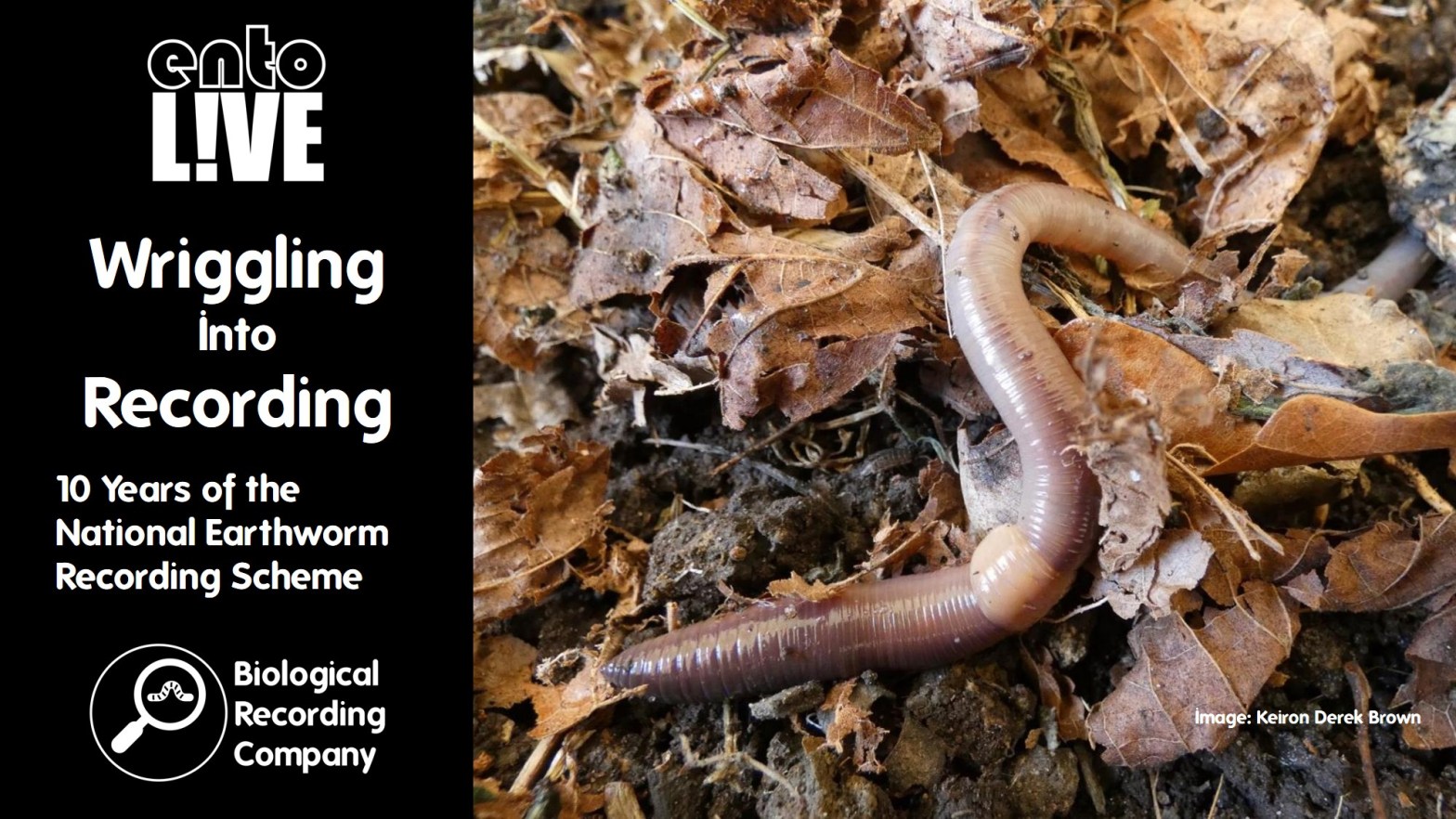
Wriggling Into Recording: 10 Years of the National Earthworm Recording Scheme

Earthworms are widely-regarded as ecologically important and recognised as ecosystem engineers (i.e. responsible for creating the habitats in which they live). However, they remain hugely under-studied and we have little species-specific information on the 31 species that inhabit the British Isles. The National Earthworm Recording Scheme aims to address this knowledge gap. This free webinar will explore how earthworm researchers are using the 20,000+ earthworm records generated over the last 10 years to improve our understanding of the ecology, behaviour, populations, distributions and habitat associations of different species of earthworm, as well as a current project to assess the provisional conservation status of all British earthworm species.

Q&A with Keiron Derek Brown

Keiron Derek Brown is the UK’s national recorder for earthworms, a trustee of the Earthworm Society of Britain and delivers training on earthworm ecology, surveying and identification.

Is there a simple use of earthworm counts or similar as a proxy for soils health?
There is always a danger that the results of earthworm counts can be misinterpreted due to the patchiness of earthworm populations in soils. Dr Mark Hodson goes into detail about this subject in the Can You Use Earthworms To Indicate Healthy Soil? Distribution & Sampling Natural History Live webinar. The five-year Soil Biology and Soil Health (SBSH) Partnership (2017–2022) was a cross-sector programme of research and knowledge exchange. It was designed to help farmers and growers maintain and improve the productivity of UK agricultural and horticultural systems, through a better understanding of soil biology and soil health. Report two details the development of a soil health scorecard, which includes earthworm counts.

Is farmland too broad for a habitat category?
The habitat classification system that we use for the National Earthworm Recording Scheme has more detailed habitat classifications (such as arable land or pasture for farmland). This is the same for other broad habitat classifications, such as grassland and woodland. Going into more detail may very well reveal even more about specific species, but it was just a little beyond our capacity for the upcoming Forest Research paper so we intentionally used broad habitat types.

How useful or valuable is the citizen science data on a local scale?
This depends on the recording scheme or project. For earthworms, all data is useful as we are so lacking in data. The data from biological recorders could be considered citizen science data (as opposed to research data) and it helps balance some of the biases within the data. At the local scale we still have a lot of information to gather!

To what extent do new methods of identifying earthworms (e.g. eDNA) replace or complement traditional taxonomy-based methods on morphology?
eDNA can be used to detect if an earthworm species was recently present in soils. However, it’s important that traditional methods are still taught and practised. With earthworms, our information about variation within species is still limited – I find myself regularly submitting specimens to the Natural History Museum as the specimens that I find are more varied than the scientific literature states. Our understanding of earthworm genetic information is improving all the time, and I have been actively involved in sequencing British earthworms as part of the Darwin Tree of Life project. eDNA can tell us how many species are detected, but without the morphological and sequencing work done prior we can’t link these records to actual species.

Are earthworm species spread by fishermen?
This is not a known issue in the UK. We don’t tend to have issues with non-native invasive species of earthworms in the UK and Ireland – the species that occur naturally in the British Isles can be problematic in other regions. This is an issue in North America, where infection points do coincide with fishing hotspots.

Where are the next training courses going to be?
We have courses and events coming up in North Yorkshire, Lancashire, Wiltshire, Herefordshire and London. However, we’re always on the lookout for more places to deliver training and events. For ID courses, we need a host that has access to microscopes – which is often the limiting factor. We invite any potential hosts to get in touch and you can find the latest event listings on the Earthworm Society upcoming events pages.

How do you prepare an earthworm for identification with a microscope?
Ideally, you need the FSC Key to the Earthworms of the UK & Ireland and a dissecting (or stero) microscope. The earthworm needs to be killed and preserved, before being viewed in a petri dish of preservative. For more detailed guidance, check out the downloadable Earthworm Recorder’s Handbook.

Literature References

  1. Ashwood et al (2024) Earthworm records and habitat associations in the British Isles: https://doi.org/10.1016/j.ejsobi.2024.103642
  2. Bottinelliet al (2020) An explicit definition of earthworm ecological categories – Marcel Bouché’s triangle revisited: https://doi.org/10.1016/j.geoderma.2020.114361
  3. Carpenter et al (2012) Mapping of earthworm distribution for the British Isles and Eire highlights the under-recording of an ecologically important group: http://dx.doi.org/10.1007/s10531-011-0194-x
  4. Jones & Eggleton (2014) Earthworms in England: distribution, abundance and habitats (NECR145): https://publications.naturalengland.org.uk/publication/5174957155811328

Further info


entoLIVE

entoLIVE webinars feature guest invertebrate researchers delving into their own invertebrate research. All events are free to attend and are suitable for adults of all abilities – a passion for invertebrates is all that’s required!

entoLIVE is only possible due to contributions from our partners and supporters.


More on earthworms
2022 National Earthworm Recording Scheme Review

2022 has been a great year for earthworm recording, with 2,185 new earthworm species occurrence records generated! 25 out of the 31 species known to occur in natural environments in the British Isles were recorded, including our first-ever earthworm species records for the Isle of Man.

Alongside new and existing earthworm recorders, I’ve been involved in 15 site surveys across England and delivered 10 earthworm identification courses and events. I’ve also delivered free ‘Introduction to Recording Earthworms’ webinars for audiences in Scotland, Cheshire and Wiltshire.

Earthworm Data

In total, we’ve added 2,185 new earthworm records to the database of earthworm records for the British Isles during 2022. 1,217 of these records were from researchers and 968 resulted from the efforts of earthworm recorders – our second-highest number of earthworm recorder submitted records within a given year since we launched the National Earthworm Recording Scheme in 2014.

England was the most recorded territory, accounting for most of the records received (2,156), with small numbers of records received from Rep. of Ireland (8), Bailiwick of Jersey (6) and Scotland (5). No records were received for Wales during 2022.

This also included the first-ever earthworm records received and verified from the Isle of Man – thanks to Sue Harvey. 8 species of earthworm have now been confirmed for the Isle of Man, with the number due to go up further in 2023 following verification of some specimens sent to the Natural History Museum (London).

Records were submitted for 25 out of the 31 species of earthworm known to occur in natural environments within the British Isles. Notable records included:

  • 3 records of the rare Dendrobaena pygmaea (our smallest earthworm) all recorded from woodland:
    • Alice Holt Forest (VC12 North Hampshire) found by Dr Frank Ashwood when searching leaf litter.
    • FSC Bishops Wood (VC37 Worcestershire) found my Keiron Brown via mustard sampling on a FSC BioLinks Earthworm Sampling Day.
    • FSC Juniper Hall (VC17 Surrey) found by Gino Brignoli’s students on a FSC BioLinks Identifying & Recording Earthworms residential course.
  • 4 records of the rare Aporrectodea limicola all recorded from the soil at FSC Bishops Wood in VC37 Worcestershire (2 records by Keiron Brown in February 2022 and 2 records by Kat Galbraith in March 2022).

Courses & Events

2022 was the final year of the FSC BioLinks project and included a record number of earthworm courses and events (19 in total). We held ID courses and earthworm sampling days in London, Surrey, Worcestershire and Shropshire, including our work at Tolworth Court Farm detailed below. In addition, I also co-taught the online Discovering Earthworms course to a whopping 195 students!

Earthworm sampling at Tolworth Court Farm Fields (c) Keiron Derek Brown

I also delivered earthworm training courses and events for a number of other biological recording projects and had the pleasure of training lots of new earthworm recorders. In the North West of England, we sampled Chester Zoo Nature Reserve and taught an ID course at The World Museum with the Tanyptera Project, in Herefordshire we sampled some Wildlife Trust reserves with the Hidden Herefordshire project and in Wiltshire we sampled more Wildlife Trust reserves with the Action For Insects project.

I’m excited to announce that I’ll be working with the Hidden Herefordshire project again in 2023 to deliver more training and hosting more Earthworm Sampling Days in Wiltshire and London (including returning to Tolworth Court Farm), with Yorkshire and Lancashire courses and events in the pipeline!

Case Study: Tolworth Court Farm

During 2022, earthworms featured heavily in the Wild Tolworth rewilding project by Citizen Zoo. Four Earthworm Sampling Days were held across the two South West London sites that make up the reserve: Tolworth Court Farm Fields and Tolworth Court Farm Moated Manor. These formed part of a workstream to undertake comprehensive ecological surveying of the site ahead of the rewilding of the site.
In total, we generated 99 earthworm species occurrence records and recorded 14 of the 29 species of earthworm known to occur in Great Britain. One additional record is with the Natural History Museum (London) as 6 specimens were found that didn’t look like any of the species that have previously been recorded in Great Britain… watch this space for an update!

See the full Earthworm Site Species Lists for these sites on the Earthworm Society of Britain website:

Summary & Looking Forward To 2023

The Earthworm Society of Britain now covers all territories within the British Isles (though we’re yet to receive any records for Guernsey, Alderney & Sark), with the total number of accepted earthworm species occurrence records rising to 22,181 at the end of 2022.

I’m not aware of any earthworm datasets of a similar size and quality anywhere else in the world so 2023 will be all about putting this data to use. I’m interested in using the data to better understand individual species – specifically their ecology, habitat/microhabitat preferences and rarity (so that their conservation status can be assessed). I’m excited to be working with fantastic earthworm researchers, such as Emma Sherlock and Dr Frank Ashwood, to analyse the data and publish our findings. I’m also delighted to announce that Natural England has commissioned me to publish a provisional conservation status assessment for UK earthworms in early 2023.
I’ll discuss how I plan to use the earthworm data to improve our understanding of earthworms in an entoLIVE webinar on 02 Feb 2023. The webinar is free to attend but booking is required.


More on earthworms