The Tale of the Ivy Bee: A New British Species

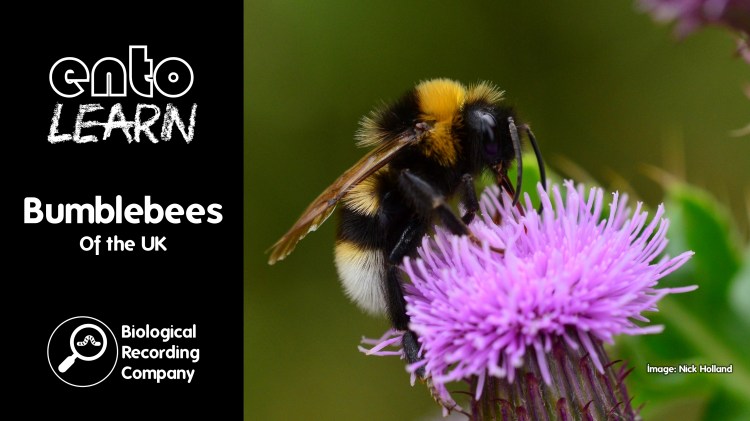
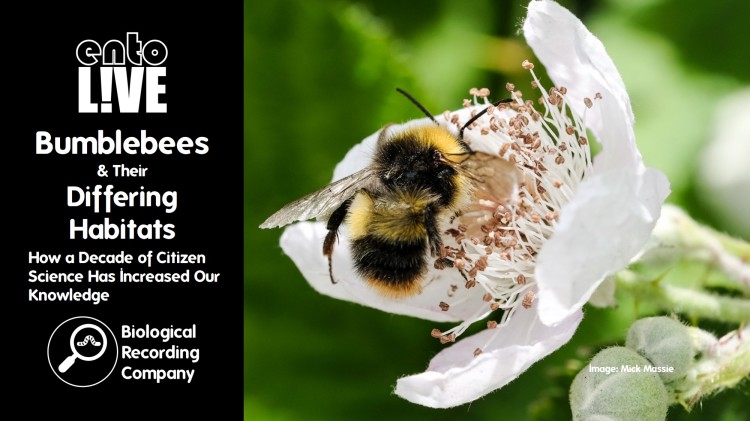
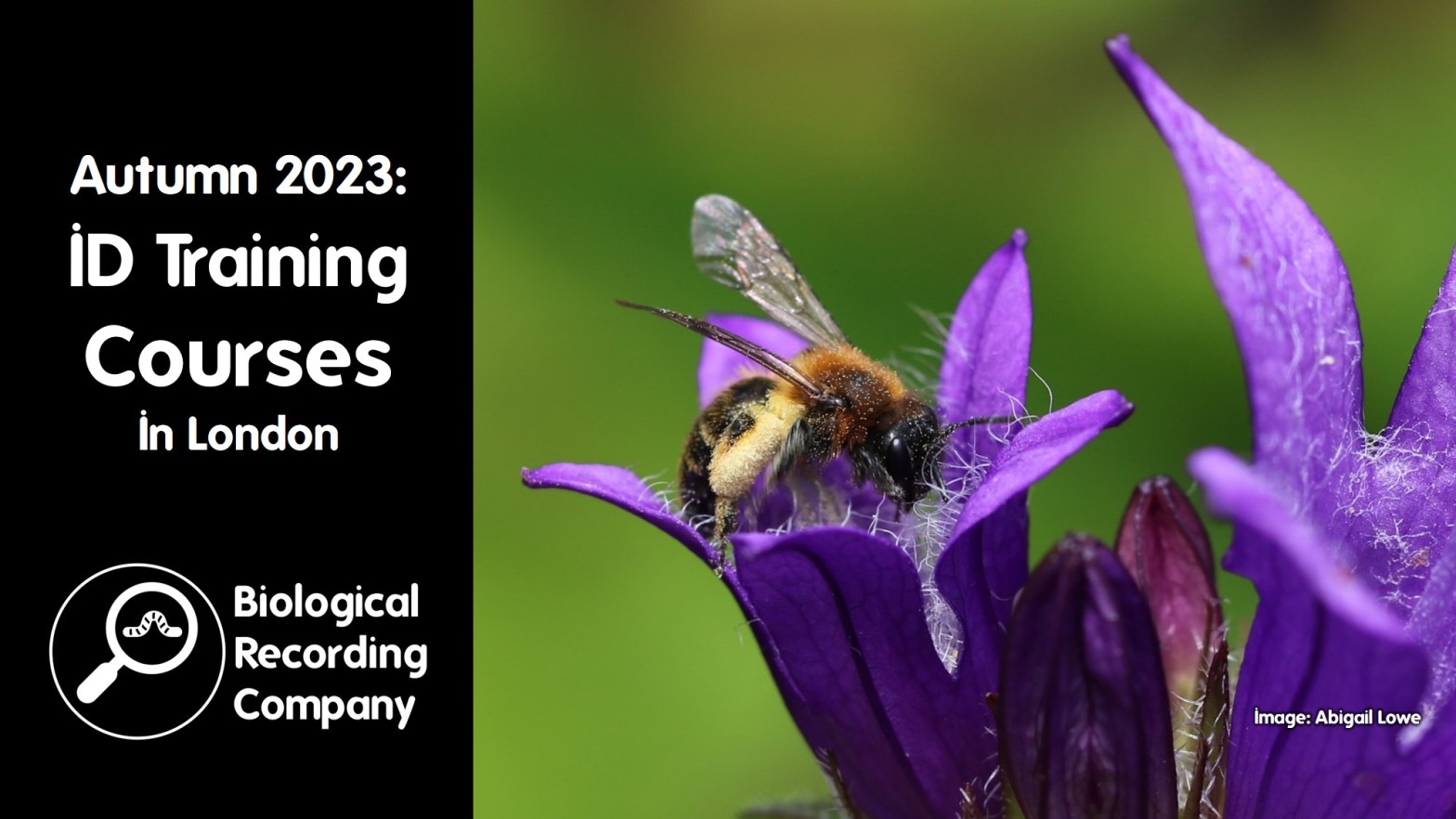
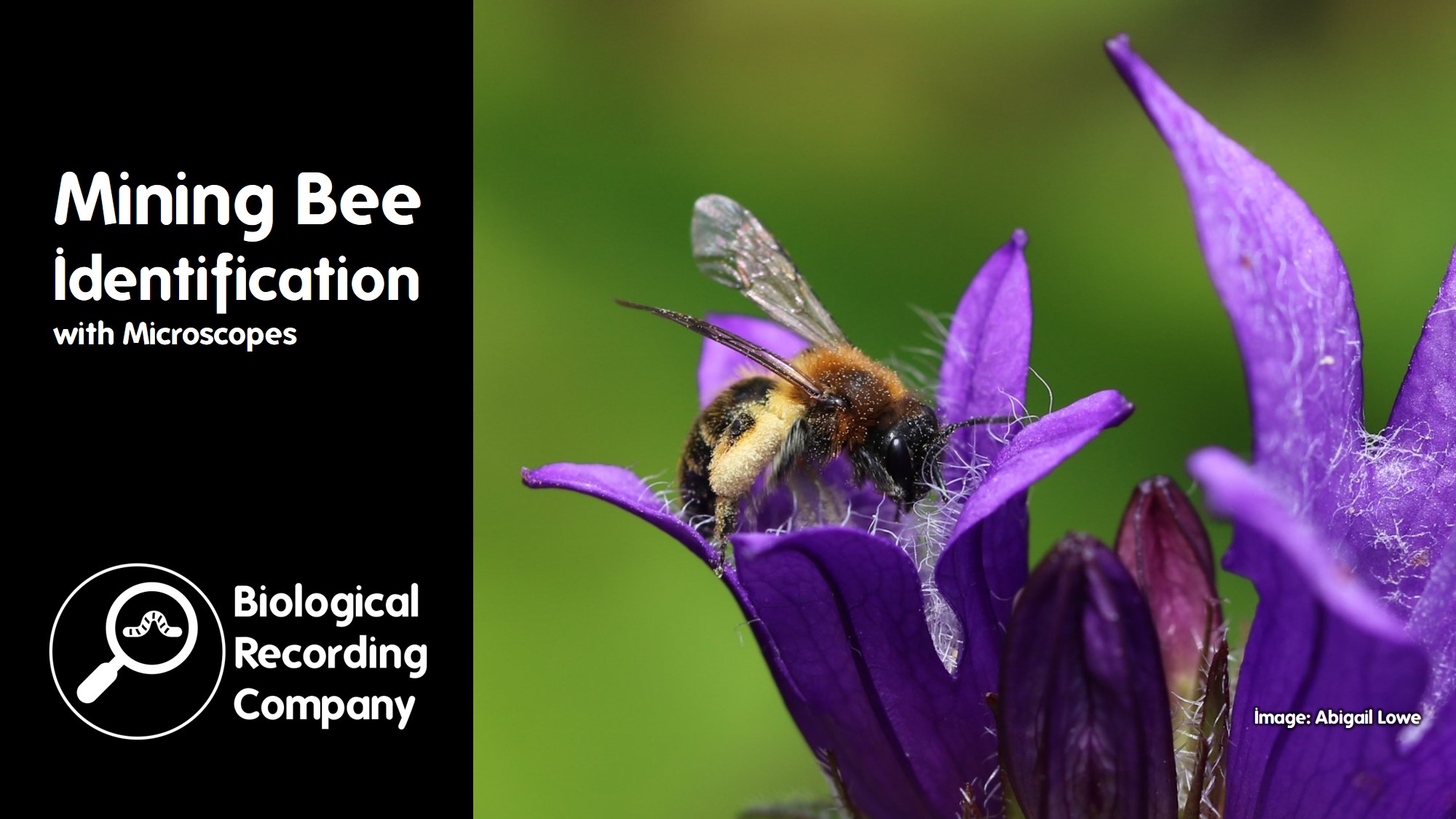
This blog will provide an overview of the ecology and behaviour of one of Britain’s newest insects! The Ivy Bee (Colletes hederae) is a species that was discovered in 1993 from specimens taken in Southern Europe. Since then, this charismatic and determined solitary bee has colonized the British Isles and established itself as an integral part of the UK’s fascinating pollinator fauna.

Q&A with Aaron Bhambra

Aaron Bhambra is an entomologist from the West Midlands with several years of experience as an invertebrate ecologist and environmental educator. Aaron is currently undertaking his PhD at the University of Birmingham, researching the effects of habitat fragmentation on pollinator populations.

  • Do you have any recommendations for books about the Ivy Bee or British bees in general?
    We don’t have any books specifically on the Ivy Bee that I’m aware of, though you may find information on it in books about European bees. For British bees, it really depends on what level you are wanting to go in at. The British Bees Wild ID guide by the FSC is a great starting point for absolute beginners. Bumblebees – An Introduction by the Bumblebee Conservation Trust take things a bit further. The Field Guide to the Bees of Great Britain & Ireland by Steven Falk goes into more depth and has keys that can be used to reach a species identification. The Handbook of the Bees of the British Isles by George R. Else and Mike Edwards is a 2 volume set of books and is a must for those that are serious about bees and includes a lot of detail.
  • How do bee researchers investigate the nesting habits of bees?
    With great difficulty! I studied the nesting ecology of solitary bees and it required staring at sand for hours and hours! the study of behaviour is known as ethology and this includes setting up all sorts of sensors and cameras. It can get very technical.
  • Which insects were pollinating ivy before the Ivy Bee came to Britain?
    Ivy is a fantastic and important pollen source for many insects, including other bees and true flies. It would be (and still is) pollinated by many generalists. Now there is just a specialist bee that pollinates it too.
  • Are there any parasites that the Ivy Bee could spread to British species of bee, such as Varroa Mites?
    There are always risks of this occurring when a new species colonises an area. this is a natural colonisation so the risk is likely to be lower than if it had been imported by humans. There haven’t been any documented cases of this yet. A quarter of all bees in Britain are cuckoo bees that are kleptoparasites of other bee species, laying their eggs on the pollen stores of other bee species. Currently, the Ivy Bee does not have a cuckoo bee that acts as a kleptoparasite to it in Britain. What you tend to find is that as a host moves northwards, the kleptoparasites turn up later so we can expect to see any kleptoparasites of the Ivy Bee turning up over the next few decades. As for the Varroa Mite, this is a parasite of honey bees and won’t be associated with the Ivy Bee.
  • Do we think that the Ivy Bee colonised naturally by flying across the channel?
    Yes, we believe that it is a natural colonisation and that the Ivy Bee flew or was blown across the channel. It can be quite surprising how large the distances are that some insects can travel. Will Hawkes gave a fantastic entoLIVE webinar about fly migration that really puts this into perspective. With Britain, the Channel Islands can sometimes act as a stepping stone to colonisation.
  • Will the Ivy Bee wait for ivy to flower if it is late to flower because of annual differences in weather?
    If the bees have emerged and there is no ivy for them to flower, they will use other plants such as heather. The males usually emerge earlier and it can be seen feeding on other plants.

Literature references

Further info


entoLIVE

entoLIVE webinars feature guest invertebrate researchers delving into their own invertebrate research. All events are free to attend and are suitable for adults of all abilities – a passion for invertebrates is all that’s required!

entoLIVE is only possible due to contributions from our partners.


More on bees

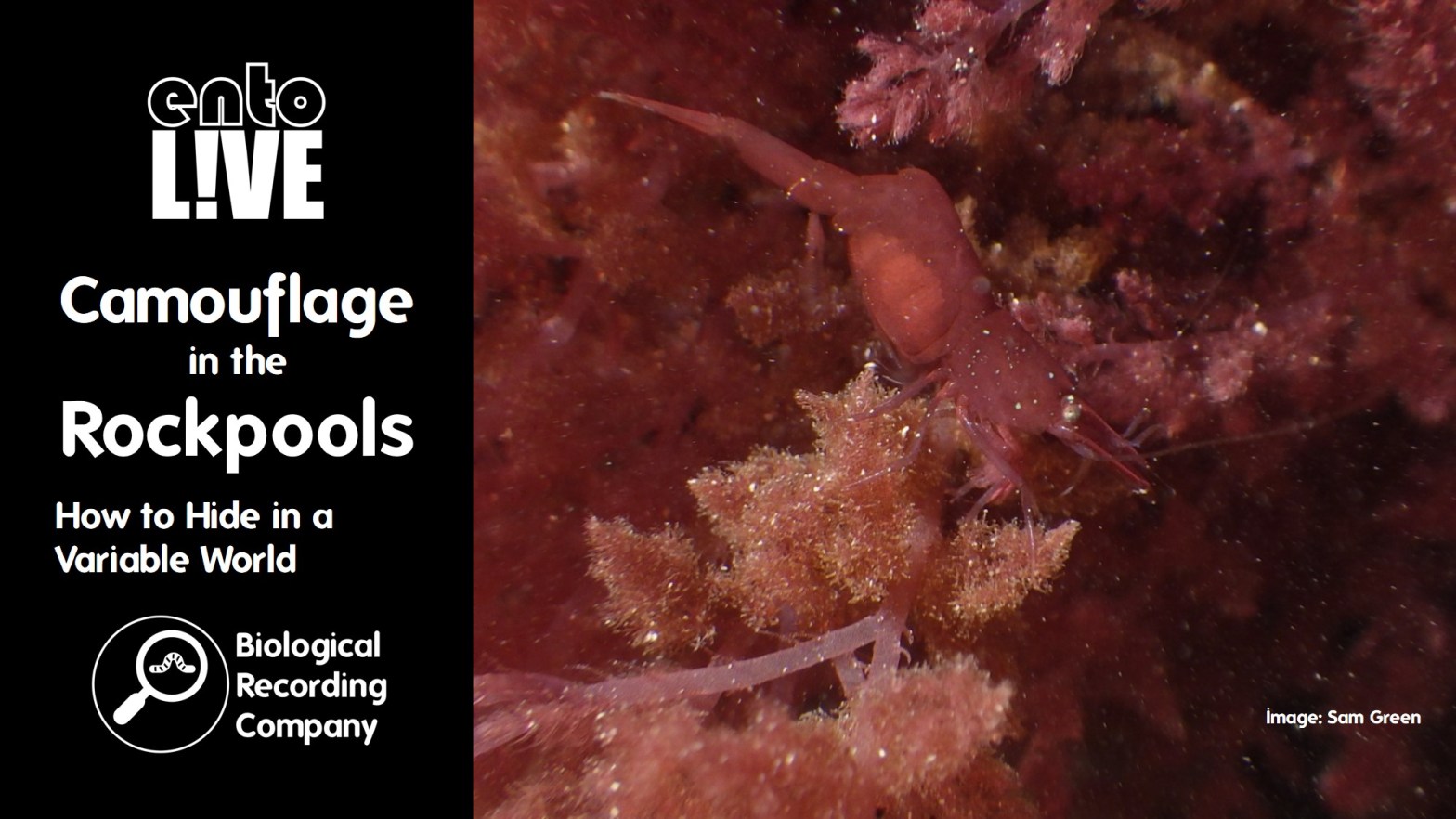
Camouflage in the Rockpools: How to Hide in a Variable World

For many animals camouflage is a matter of life or death. Successful concealment hinges on a close association between an animal’s appearance and the visual aspects of its surroundings. However, patches of microhabitat in nature are highly variable in terms of colour, shape, and texture. Furthermore, animals may need to move through multiple patches when seeking resources (e.g., food or mating opportunities) or the habitat itself may change around them (e.g., seasons or tidal cycles). This blog explores the strategies by which animals attempt to maximise camouflage in space and time in order to remain hidden in such a visually variable world with a focus on behaviours, colour change, and transparency in the chameleon prawn (Hippolyte varians). Additionally, Sam covers some more recent work looking at how anthropogenic changes to the natural world, such as pollution, may impact animal camouflage.

Dr Sam Green is an ecologist often found pottering around in the rockpools of Cornwall. His research interests focus on adaptive colouration, animal vision, and behaviour. In addition, he has a keen interest in restoration ecology and anthropogenic impacts on sensory ecology. He currently works in the Animal Perception and Behaviour Group at the University of Exeter (Penryn Campus) researching perceptual processing and visual acuity in freshwater fish.

Q&A with Dr Sam Green

  • What happens to the colour of the prawns at night when the threat from visual predators is likely to be diminished?
    This is actually the final chapter of my PhD and I had to leave it out of the talk due to time constraints. They take a couple of weeks to shift colour between green and red, but every night all of them turn blue within an hour. We don’t really understand why this happens, but it could be that they are more active at night and the bluey-transparent colour may give some kind of silhouette concealment. It’s important to remember that there are nocturnal predators with effective nocturnal colour vision, so colour can still be important at night.
  • What is the cue that causes a prawn to change colour?
    We haven’t figured this out yet. The colour change is quite complex and involves three different layers of chromatophores. We made plastic seaweeds that were the same colour as the real ones and the data suggested that the prawns did not change their colour to match these fake seaweeds and the behavioural choices showed no preference between the two. Therefore it doesn’t seem like colour is the cue and we think it could be something like diet. Hopefully, future research will answer this question…
  • How do the chemicals in sunscreen physiologically affect the prawns?
    My work was purely looking at the behavioural choices that the prawns made, rather than their ability to change colour. The colour change is regulated by hormones and chemicals such as oxybenzone are endocrine-disrupting chemicals, so we think it is likely that these chemicals will impact the colour change ability as well as the behavioural abilities (i.e. host seaweed preference).
  • How can people reduce our impact on the Chameleon Prawn?
    Based on my research, I think it is about considering the impact that we have when we directly interact with rockpools. So if you are covered in factor 50 sunscreen that contains oxybenzone and put your feet or hands in a rockpool, be aware that those chemicals will contaminate that habitat. Marine-friendly sunscreen does exist, but a simple solution is to cover up before entering the water and wear a long sleeve top or wetsuit!
  • Is there a reason that the green prawns are more likely to choose green seaweed than the red prawns are to choose red seaweed?
    Yes, I think so. We need to remember that animals see colour very differently. The visual systems for Pollock and Goby are sensitive to different wavelengths to us, meaning their world is a lot more brown than ours. So, the green prawns are very well camouflaged against the green background but would stand out on the red background. The red prawns would be well camouflaged against the red background (though not as strongly camouflaged as green on green) but would not stand out as much on a green background as a green prawn would on a red background. So, in summary, green prawns have the best camouflage against their matching background but stand out more on their non-matching background.

Literature references

Further info


entoLIVE

entoLIVE webinars feature guest invertebrate researchers delving into their own invertebrate research. All events are free to attend and are suitable for adults of all abilities – a passion for invertebrates is all that’s required!

entoLIVE is only possible due to contributions from our partners.


More on marine biology

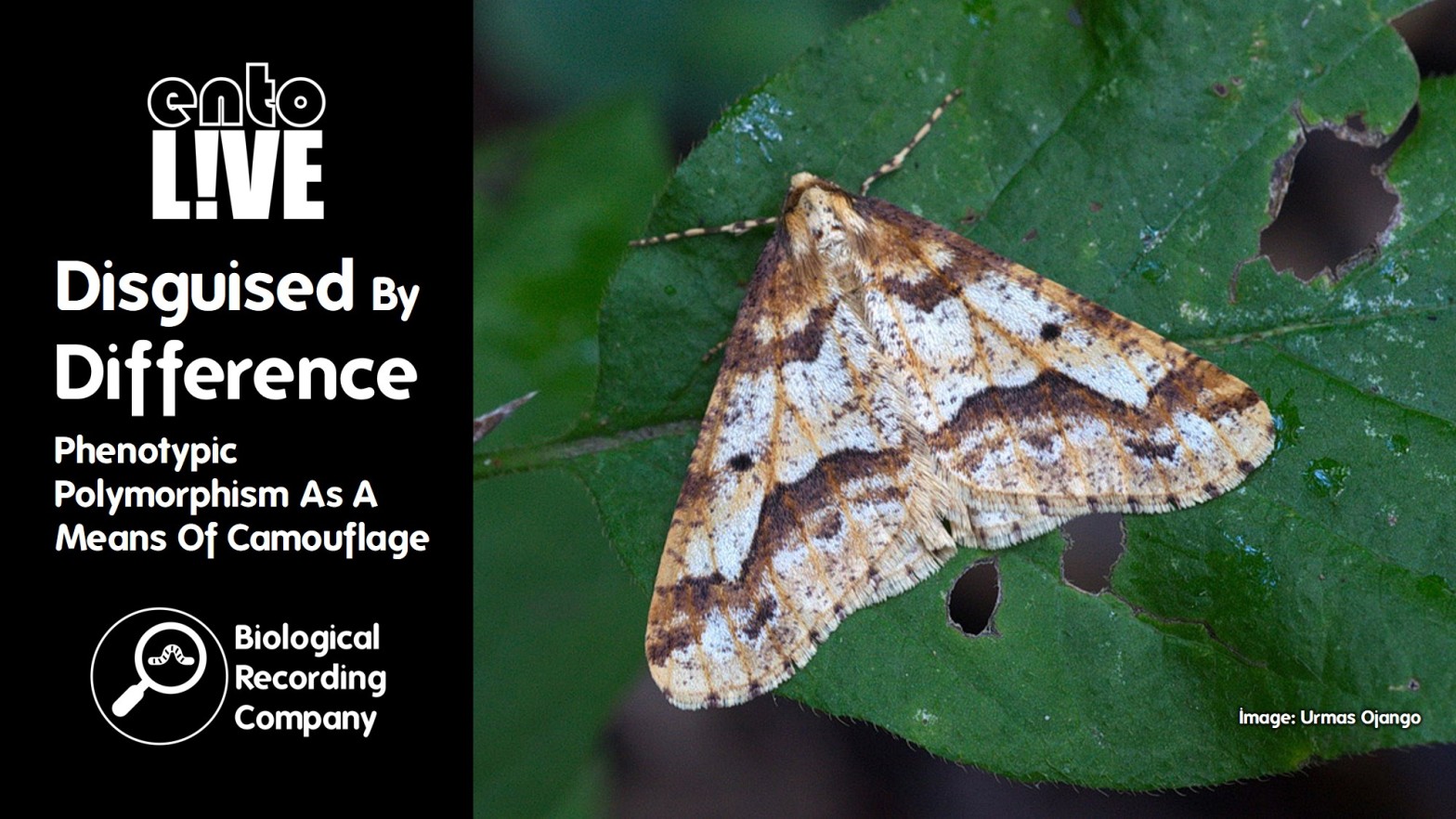
Disguised By Difference: Phenotypic Polymorphism As A Means Of Camouflage

Camouflage in animals and plants is a two-way interaction: observer and observed, predator and prey. Indeed, it concerns psychology and perception as much as it does the visual characteristics of an environment. As well as simply resembling their background, organisms can deploy other perceptual tricks to avoid being noticed. This talk will explore camouflage, particularly in a group of British moths, and consider how, as well as employing straightforward background-matching colouration, a variety of different colour patterns can often evolve as a means of confounding the expectations of would-be predators. Sometimes being different is the best form of concealment.

Q&A with Dr Jamie Weir

Dr Jamie Weir is an entomologist and evolutionary biologist specialising in the Lepidoptera (butterflies and moths). His research interests range from taxonomy, behavioural ecology, and adaptive colouration, to phenology and dietary ecology. He recently completed his PhD thesis on phenological synchrony in spring-feeding caterpillars at the University of Edinburgh.

  • Has any research been done on how the search image concept may apply to entomologists recording insects in the field?
    As far as I’m aware there has been no research on this. It seems like a fascinating idea. I’ve noticed that when I take out friends and family looking at insects, they do start noticing things that they are surprised they have noticed previously. This includes really common species. For example, my dad was always out and about as a keen fisherman when he was younger and never noticed the common moth species that he’s started seeing since I have pointed them out to him in recent years.
  • Do we see that on the edge of species ranges, where a species is less common, there is less polymorphism?
    Again, this is another great research question that still needs to be addressed as I’m not aware of any research on this to date. When we are stating that predation is impacted by the search image concept, we’re stating that they can’t see these colour morphs when looking for prey, rather than that they are ignoring prey items. We also know that predators may avoid new (or rare) prey, and this is known as neophobia or dietary awareness. From computer model simulations, we’ve seen that polymorphism can evolve due to neophobia and a reluctance to eat novel prey so you have to find a way to disentangle these two concepts in your experimental design in order to figure out if the predator is avoiding the prey or not seeing it.
  • How would you distinguish between camouflage and mimicry?
    I think of mimicry as coming under the umbrella of camouflage and trying to resemble something. There is a big table at the end of The Colours of Animals where the author tries to categorise different kinds of colouration, for example, he lists mimicry and then breaks it down further into categories such as protective mimicry and aggressive mimicry. I think that Poulton refers to them as special protective resemblance (copying an object, such as a stick insect does with a twig – which we may also refer to as mimicry) and general protective resemblance (matching the colours or hues in the environment, such as a leopard and it’s colouration allowing it to blend into the background). I recommend a book called Dazzled and Deceived if you’re interested in learning more about the theory of camouflage.
  • Why are night-flying moths visually camouflaged if their predators, for example bats, are relying on sight to predate them?
    There are different selective pressures acting on the colouration at night and during the day. If we think about butterflies and moths, moths tend to be active at night and butterflies during the daytime. Visual predators tend to hunt during the daytime so butterflies often have active colouration defences on the upper surface of their wings (such as bright colours or startle colours that flash). Butterflies rest with their wings closed above their body and they often have duller camouflage colours on the underside of their wings. Moths tend to be active at night, so they are often remaining still during the day. To avoid being eaten during the day by visual predators, moths’ colour patterns tend to resemble the surface they rest on so that they are difficult to see. Therefore, the colour patterns in moths are often due to the selective pressures on them from daytime predation. Moths will have different defence mechanisms for dealing with nocturnal non-visual predators, for example hearing organs that enable them to hear bats.
  • If we see a species as camouflaged will another species see it clearly?
    One of the most common criticisms in the field of camouflage research is that most experiments are based on human vision, with human researchers deciding where things are placed etc. We know that birds have different vision from humans and are able to see parts of the spectrum that we can’t. Camouflage by prey and detection by visual predators is an evolutionary arms race and constantly adapting. With the search image concept, a predator is evolving to better find well-camouflaged prey. This then triggers selective pressure in the prey species for novelty to escape the search image. The novel colour morphs can’t be too different or the prey would be too distinctive, but they need to be different enough to avoid the search image abilities of the predator. So there are selective pressures on the prey to be both well camouflaged and polymorphism to avoid the predator search image ability.
  • Was there variation between the colour morphs in your study with the artificial moths?
    The different colour morphs all showed the same trend, with individuals becoming more prone to predation if their colour morph was more common. However, the steepness of the curve varied by colour morph, with those colour morphs that were least like their background gaining less of an advantage when rare – they were benefiting from not being picked up by the search image concept, but losing out by not being as well camouflaged against the background. There is a balance between being well camouflaged and evading the search image.

Literature references

Further info


entoLIVE

entoLIVE webinars feature guest invertebrate researchers delving into their own invertebrate research. All events are free to attend and are suitable for adults of all abilities – a passion for invertebrates is all that’s required!

entoLIVE is only possible due to contributions from our partners.


More on invertebrates
Mass Marine Die-offs: Searching for the Cause of These Events in North East England

A series of mass marine mortality events occurred along the northeast coast in late 2021, with populations of crabs and lobsters particularly badly affected. The cause of the deaths is highly contested, with the main explanations centred on harmful algal blooms or industrial pollutants. What is clear is that the ecosystem sustained enormous damage with some populations potentially facing localised extinctions. This talk will set out the background to the mass mortalities and will explore the science behind the investigation.

Dr Gary Caldwell is a Senior Lecturer in Applied Marine Biology at Newcastle University. His research interests include marine ecotoxicology and marine poisons, venoms and toxins.

Q&A with Dr Gary Caldwell

  • Is it possible to test the crab and lobster carcasses for contaminants?
    It is possible to test the carcasses for a lot of the pollutants, such as metals and organic pollutants (such as PCBs). The Environment Agency have tested for those and one of the things that I’ll be doing as part of this process is going back to the original EA data reports and looking at what concentrations were detected in the crabs and lobsters for the regional die-off and feeding this information into our machine learning model. We can use this to look at both the risk to the marine organism and also the potential impact on people as well. Pyridine is more problematic to work with as it disappears very quickly from the environment, so the longer it is before samples are tested the harder it is to detect it due to it breaking down. We are being sent the original marine samples by Cefas and they should be arriving in my lab next week, where we will analyse them. We’ll be looking for different pathogens as well.
  • Do we know what the impact is on people that may have consumed contaminated seafood?
    I haven’t heard of any reports of people being impacted from eating things. As with anything that is toxic, it depends on the levels consumed so eating one or two contaminated crab is unlikely to cause you any great amount of harm. However, these chemicals can accumulate in our body, particularly the fat tissue, so if somebody was consuming contaminated seafood as a large component of their diet on a regular basis our body would act as a battery soaking up these toxins and would be of particular concern – particularly those that are pregnant or trying to get pregnant. I have heard of cases from people that have been swimming or surfing in the area that have developed skin rashes and been contracting infections that they never had before. So we need to consider other risks and impacts on humans aside from just the consumption of contaminated seafood.
  • Has an impact been observed on any of the natural predators of the marine life that was killed in the die-off event?
    We have but getting the data is difficult. There is a seal colony local within the die-off zone and it has always been a colony under stress. Over the past few years, we have seen the reproductive fitness of this colony decline quite a lot. The adults are breeding, but the majority of the pups are badly malnourished and in very bad condition – with most of the pups needing to be put down for welfare reasons. There is a distinct loss in population fitness but there has been no toxicology report and nobody has measured the pollutants. Getting robust data is difficult as those tasked with collecting this data scientifically have connections to a lot of the industry on the river. It’s quite hard to get the data from them in a form that you can really trust. The anecdotal reports we are getting from those involved in seal rescue and care are that the pups are in really poor shape. Without more data, we can’t accurately comment on what is causing this, but it is likely a combination of both exposure to contaminants and reduced prey availability.
  • Are there any broad biodiversity surveys that also evidence the impact of the die-off events?
    Cefas do a little bit, but the most consistent dataset that we have is the MarClim Project work undertaken by Liverpool Univerity and Newcastle University mentioned in the talk. The North East is a bit of a forgotten part of the country – both in terms of biodiversity monitoring and the instrumentation that is put out to sea to monitor pollution events. There is a real lack of investment. Perhaps the high-profile nature of these events will incentivise more investment in the future as we need these long-term datasets to get a better understanding of our marine systems. There will be some big projects to restore habitat and reintroduce species (such as the lobsters) and it is vital that these are paired with monitoring the success and impact of these conservation initiatives.

Literature references

Further info


entoLIVE

entoLIVE webinars feature guest invertebrate researchers delving into their own invertebrate research. All events are free to attend and are suitable for adults of all abilities – a passion for invertebrates is all that’s required!
entoLIVE is only possible due to contributions from our partners.


More on marine biology

Streams To Spiders: How Aquatic Insects Interconnect Our Ecosystems

Freshwaters and forests might seem like definitively separate habitats, but they are in fact tightly interconnected by insects. These insects, such as mayflies, dragonflies and mosquitoes, develop in water but emerge onto land as winged adults, with a powerful impact on the surrounding landscape. Some feed birds, bats, lizards and spiders, others transfer microplastics and heavy metals out of rivers and others form swarms so large they are picked up by weather satellites. This talk delves into how these largely overlooked insects create an interconnected world in ways we don’t always expect.

Q&A with Liam Nash

Liam Nash is a 4th-year NERC PhD student primarily based at Queen Mary, University of London in collaboration with ZSL and the University of Campinas. He specialises in community and conservation ecology and has worked with all kinds of invertebrates in Brazil and across the UK.
  • Late and reduced emergences of mayflies have been observed in my area (northeast Wales) but caddisflies attracted to my light trap don’t show the same. Have you suggestions about why this might be?
    My research has looked at things from a broad perspective and looking at overall patterns, rather than focusing on individual species or groups. There could be a wide range of triggers that are impacting emergence times, and these will vary between groups (such as mayflies and caddisflies) and even between species. If we take changing climate as an example, and the impacts that this has on temperature – this could impact different species depending on the specific trigger for emergence for a given species. In some species, emergence may be triggered by the winter temperature, while others may be triggered by the spring temperature. In others still, it could be that reaching a specific temperature is a trigger or a sustained period above a temperature. Climate change affects each of these temperature variables in different ways. So, in summary, the only way to answer your question with confidence would be to study the species (or species groups) present in that area to better understand the triggers for emergence and how they might be changing over time.
  • Did you undertake canopy sampling within your research?
    Unfortunately, the answer is no. We focused on ground-level surveys of the vegetation and looked at the lateral movement/impact of freshwater insects from the stream into the forest. Insects do, obviously, also travel upwards too and it would have been great to include surveying at different heights within the forest, but we were limited by what could be achieved within the time frame and resources that were available. Canopy surveying can be complex and would have required more equipment, making it too expensive for us to undertake.
  • Do you think that humidity may have an influence on insect distance away from water?
    This is something that was simply out of scope for my research project. I’m aware that humidity can impact the flying ability of some insect groups so it is important, and humidity may factor into the emergence times of some species.
  • Did you notice if the spiders that you found were mostly from a particular group?
    We looked at the overall spider community, rather than breaking it down into families or species, so I can’t give you a definitive answer to this question. Again, it would have been great to look at this in more detail if we had more capacity. However, from my own personal observations, I can say anecdotally that some of the dominant groups in the tropics in our samples were sac spiders, tangle-web and jumping spiders. The long-jawed orb weavers are known to be specialists of aquatic prey so this was not necessarily what you’d expect so near water. In the UK, I was surprised at how spread out throughout the transects these specialist spiders were – rather than being concentrated near the water. I wonder if this could be to do with the fact that the UK forests were more open and managed.
  • Did you consider eutrophication and the oxygen levels within the streams?
    We didn’t measure oxygen levels within any of the streams, but we know that this can be important so we tried to standardise this variable by only using streams that were in some kind of protected area, in the hope that these would be less likely to suffer from eutrophication.

Literature references

Further info


entoLIVE

entoLIVE webinars feature guest invertebrate researchers delving into their own invertebrate research. All events are free to attend and are suitable for adults of all abilities – a passion for invertebrates is all that’s required!
entoLIVE is only possible due to contributions from our partners.


More on freshwater biology

Rarities in Arachnology: Finding and Recording Rare Spiders in Britain

It’s easy to find and record common spiders in Britain. However, finding rare ones is obviously much harder. Richard takes us on a virtual mission to locate interesting species, highlighting tips and methods which may apply to other invertebrate groups too.

Richard Gallon is the Spider Recording Scheme Organiser for the British Arachnological Society. He has undertaken ecological surveys for many rare British spiders over the years and has been interested in them since childhood.

Q&A with Richard Gallon

  • How are you identifying these spiders in the field?
    Some ID can be done in the field and you start to notice if things look different from the species that you are used to seeing more regularly. Photographs can be helpful but microscopy is often needed to confirm the species so you need to take specimens as it can be tricky to see the very small morphological features that you need to identify them. Some spiders even require dissection to get an accurate species ID. Furthermore, some ID features are only really visible once they are preserved and are pretty much impossible to see on the live specimen.
  • Will taking specimens of spiders that are rare have any negative impact on the population?
    It’s difficult to explain rarity – what do we mean by rare? We have to judge how rare a species is based on the data that we have. Some of these “rare” spiders are really tricky to find at sites where they occur because the microhabitats that they inhabit are difficult to sample. When spiders are considered rare nationally, they often still have healthy populations locally at the sites they are present and taking a small number of specimens to identify them won’t have a significant impact on the population. You would not target the same site repeatedly or take lots of specimens of the things that look the same. Vacuum sampling is good for this as you sort through the catch live and only take the specimens you need to identify from the catch. Recording rare spiders is the only way to gather the data we need to get them protected. the real threat to spiders is habitat degradation – not spider recorders! Where we have gathered sufficient data to get a rare spider protected, such as with the Fen Raft Spider (Dolomedes plantarius) and the Ladybird Spider (Eresus sandaliatus), you would only be able to collect these if you were granted a licence.
  • Are rarities only rarities because the species are difficult to identify?
    Yes and no. Not all rare spiders are hard to identify. For example, Rhysodromus fallax is a decent size and its markings are fairly distinctive. Other “rare” species are really tricky to identify, so it may only be advanced spider recorders that are ever going to report them. There are one or two spiders that are frequently misidentified, for example where dissection is required, and common species have been misidentified as the rarity – making the rare species appear more common than it is. I’ve seen cases where 90% of the specimens for a species in museum collections have been misidentified.
  • How do you ensure that the ecological and behavioural notes that you’ve made are not lost and included in future guides?
    the surveys that I’ve conducted will all result in reports. The work on Rhysodromus fallax was published in a report by the Tanyptera Trust. The other reports will be publicly available through Natural Resources Wales in the future. They are not quite ready yet, but when they are ready we’ll add them to the list of links in this blog. The British Arachnological Society also has a wealth of information on our website for members, including species pages. We have a lot of species to cover but the pages will be updated in due course with any relevant information that I’ve picked up during my survey work.
  • Do you ever do sweep netting?
    I do but I don’t tend to find many rarities through this method. Sweep netting involves using a net to sweep vegetation to collect any spiders you would find living on the vegetation. When you are looking for spiders that inhabit more unusual habitats on the ground, you need a vacuum sampler to find them – and this is often where the rarities are as they are more difficult to survey for.
  • What sparked your interest in spiders?
    I’ve been fascinated by spiders since I was a kid. I grew up in South Africa and I’d see huge spiders wandering into the house. All kids start off with an interest in invertebrates, I just never grew up out of it!

Literature references

Further info


entoLIVE

entoLIVE webinars feature guest invertebrate researchers delving into their own invertebrate research. All events are free to attend and are suitable for adults of all abilities – a passion for invertebrates is all that’s required!
entoLIVE is only possible due to contributions from our partners.


More on biological recording

London’s Wildlife Sites: Challenges and Opportunities in a Growing City

The criteria to identify Sites of Importance for Nature Conservation (SINCs) in London and the policies to best protect and enhance them have been in place for over 35 years. There are now 1660 of them covering c19% of the area of Greater London, but they face challenges from a growing London (with a projected population of 10 million by 2030). This looks at the SINCs origins, how they have fared to help conserve habitats and species, and how they might prove to serve critical purposes for the (re)wilding of the city and its climate change resilience.

An urban ecologist with an interest in the relationship between nature and society in towns and cities, Mathew Frith has over 30 years experience in nature conservation policy and practice. He has worked for public and voluntary organisations, to develop and promote a better understanding of biodiversity conservation in urban areas. Mathew currently oversees London Wildlife Trust’s strategic conservation oversight and development of research, policy & practice to advocate the protection, creation and promotion of a wilder city. His favourite bird is the magpie.

Q&A with Mathew Frith

  1. If you were advising conservationists in an area that has no designated Local Wildlife Sites, what would you advise should be the priorities?
    I presume that there would be a reasonable understanding of the ecological assets of the county – this is essential for making evidence-based decisions. If this information is unknown, the first step would be to undertake a county-wide survey on that. From that, you could use the various Local Wildlife Site criteria from around the country to determine which sites merit consideration as a Local Wildlife Site. When London started working on this there was no guidance at all, so any area starting from scratch now can at least borrow from other areas. There will be local nuances that need to be taken into consideration. As we’ve heard from the talk about Devon, it is quite a laborious process and it requires a lot of work – but you have to start somewhere and you’d probably need to start with sites that are well known to the local naturalist – especially the botanist – community (who you could ask to help survey).
  2. How do you survey railway sites and are you able to access them?
    It’s certainly not easy as many of these sites are inaccessible for Health & Safety reasons. A lot of the survey work on these sites has been monitored from bridges, through fences and on trains themselves – travelling at key flowering times and trying to get some form of assessment. There are some tracks that are more accessible for visual assessment than others. To be fair, there doesn’t tend to be a great diversity of habitats when it comes to these sites – though there are always exceptions. We also have the benefits of digital aerial photography which we didn’t have in the 80s and 90s, and these are becoming increasingly important for surveying these inaccessible sites. However, lack of access is a problem, particularly as some of these sites have been targeted for sale for development so it is important that we don’t underestimate their value through lack of survey data.
  3. Do Local Wildlife Sites (otherwise known as Sites Important for Nature Conservation in London) such as Perivale Wood have less protection with regards to planning than Sites of Special Scientific Interest (SSSIs)?
    Unfortunately, yes, but the two have slightly different purposes. In the case of Perivale Wood, it was initially designated as a SSSI back in 1957 as an example of a habitat worthy of legal protection (SSSIs are but a selection of nationally important habitats and features meriting protection). …and for reasons I’m not aware of it was de-notified as a SSSI and declared as a Local Nature Reserve at the same time (24th October 1974) instead. Perhaps it was felt it was – and still is – in safe hands, but I don’t think that would happen these days given that the site is probably the best bluebell site in London. HS2 posed a threat to Perivale Wood as it was planned to adversely impact the southern edge of the site – but it was probably the costs of demolishing nearby housing rather than the biodiversity value of Perivale Wood that led to that plan being changed. The truth is that a SSSI designation should afford more protection than a LWS/SNC designation, as it is designated through primary legislation. LWS/SINC designations (ideally of all – not a selection of – sites at a county scale meeting the minimum criteria of habitat type and condition) are identified through planning policy.
  4. Could green roofs or green walls or green roos potentially be considered and designated as Local Wildlife sites in urban environments in the future?
    We undertook a review of SINCs (i.e. Local Wildlife Sites) in the ‘Square Mile’ of the City of London and we actually looked at a couple of green roofs. We believe that one of those green roofs actually merited SINC status. If you think about the square mile itself, there really isn’t much there that equates to SINCs elsewhere in London. This poses the question: what would the SNC status mean with a roof on a building? We actually recommended it was considered and believe that there are a load of things that need greater investigation when considering the criteria in such a developed area. This is a conversation that we are looking to have with the GLA (Greater London Authority) and it may be that after this has all been looked at in a lot more detail that we do have green roofs designated as SINCs in the future. I’m less convinced about green walls personally. Another question that has come up is the consideration of clusters of gardens being considered as SINCs – but this gets extremely complicated as you have multiple landowners and most garden loss is down to owners themselves rather than through planning (e.g. paving over a garden or laying down decking or plastic lawns).

Further info and links

  1. London SINC criteria: https://www.london.gov.uk/sites/default/files/sinc_selection_process_2019_update_.pdf
  2. Spaces Wild guidance: http://live-twt-d8-london.pantheonsite.io/sites/default/files/2019-05/spaces-wild-london-wildlife-trust-oct2015.pdf
  3. GiGL website (the LERC for London): https://www.gigl.org.uk/ 
  4. The London Plan: https://www.london.gov.uk/programmes-strategies/planning/london-plan 
  5. Valuing London’s Urban Forest https://www.london.gov.uk/programmes-and-strategies/environment-and-climate-change/environment-publications/valuing-londons-urban-forest 
  6. Cool Spaces: https://www.london.gov.uk/programmes-strategies/environment-and-climate-change/climate-change/climate-adaptation/cool-spaces 
  7. The Rewild London Fund: https://www.wildlondon.org.uk/rewildlondon 
  8. Environmental Improvement Plan 2023: https://assets.publishing.service.gov.uk/government/uploads/system/uploads/attachment_data/file/1168372/environmental-improvement-plan-2023.pdf
  9. Hackney Nature Recovery Plan: https://consultation.hackney.gov.uk/chief-executives/green-infrastructure-strategy/supporting_documents/Local%20Nature%20Recovery%20Plan.pdf
  10. London: Garden City? report: http://live-twt-d8-london.pantheonsite.io/sites/default/files/2019-05/London%20Garden%20City%20-%20full%20report%281%29.pdf
  11. Upcoming free entoLIVE webinars: https://www.eventbrite.co.uk/cc/entolive-webinars-74679
  12. Field Recorder Days in London: https://www.eventbrite.co.uk/cc/field-recorder-days-1485759
  13. Identification Training Courses in London: https://www.eventbrite.co.uk/cc/training-courses-2403189

Learn more about British wildlife

Digital Assets for Local Wildlife Sites

Local Environmental Record Centres are one of the main custodians of Local Wildlife Site data often managing complex data for thousands of sites. In this talk Dan shares a digital system created by Digital Ecology to automate the creation of key outputs shared by NEYEDC (North and East Yorkshire Ecological Data Centre) with their customers. He also explains the importance of LWS in the planning system and the role of these outputs in helping to protect and manage sites.

Dr Dan Carpenter is a Digital Ecologist working at the interface of ecology and digital technology. He is interested in how digital tech can be harnessed to help deliver better biodiversity outcomes.

Q&A with Dr Dan Carpenter

  1. Where does all the information that is used in the tool come from and is it public? For the NEYEDC tool, the information was all data that they hold as a Local Environmental Record Centre. The tool essentially brings all of this data together and collates it into a citation output. The citation contents are only as good as the data held for any given site. With such a large number of sites to manage data for, the tool enables NEYEDC to pull this information together in a much quicker manner to produce the outputs that their clients require.
  2. Can the output format be tailored to suit the user of the tool (for example as a PDF) and how would the user implement this? Yes – the output can be tailored to be other formats, such as PDFs or webpages. NEYEDC needed an editable output as they were adding information to the outputs (such as site descriptions). This data is then added to the database so that in future outputs it would automatically be included. Digital Ecology are very happy to tailor the tool for potential customers and encourage them to get in touch:  info@digital-ecology.co.uk
  3. Is the tool in its final format and are you open to tailoring it for other users? The tool was very much designed to meet the needs of NEYEDC. It’s inevitable that other users will want it to do different things in different ways. Adapting the tool is possible through alteration of the code and Digital Ecology are happy to discuss the needs of other users:  info@digital-ecology.co.uk
  4. Was there much preparation required for the raw data and would you expect other data holders to have similar or more/less?
    There was some data cleaning required, some of which NEYEDC did, some of which Digital Ecology did. Some data cleaning is inevitable for a tool like this; NEYEDC took it as an opportunity to make sure their data was up-to-date. Data cleaning is certainly something that Digital Ecology can do.
  5. How far can R Markdown go with customising the maps – e.g. legends, buffers, including other sites in a buffer? Would you have to first customise this on QGIS or is it something you’d include in the code?
    Maps are completely customisable in the code – no need to create something in another programme first.
  6. Would odt have better formatting and enable you to output a batch of reports in odt and then use another programme to batch convert them to nicely formatted pdfs?
    This is the reason we use odt as an interim step. The odt files were converted using LibreOffice on the command line.

Further info and links

  1. Digital Ecology website: https://digital-ecology.co.uk/
  2. Digital Ecology email address: info@digital-ecology.co.uk
  3. Digital Ecology LinkedIn: https://www.linkedin.com/company/digital-ecology/
  4. North & East Yorkshire Environmental Data Centre: https://www.neyedc.org.uk/
  5. RTCT Bird Atlas: https://rtctbirdatlas.co.uk/index.html
  6. Upcoming free entoLIVE webinars: https://www.eventbrite.co.uk/cc/entolive-webinars-74679
  7. Full list of courses and events from the Biological Recording Company: https://www.eventbrite.co.uk/o/the-biological-recording-company-35982868173

Learn more about British wildlife

Rising From The Ashes: A Local Wildlife Sites and Development Case Study from Essex

A case study looking at a development scheme which destroyed most of a Local Wildlife Site in Basildon, Essex. The scheme involved external habitat compensation and creation on external ex-farmland north of the scheme which provided receptor sites for protected species and opportunities for “biodiversity net gain” via the establishment of a larger Local Wildlife Site (designated in 2022) which is being managed for the foreseeable future beyond 2035 on a 99-year lease.

Jon Cranfield is a specialist ecological consultant working mainly with amphibians and reptiles for the last 23 years. Director of Herpetologic Ltd a small company which champions species conservation and habitat management across the UK through surveys, mitigation schemes, habitat management plans and adoption of new innovative methods as well as traditional field surveys. In recent years has become site manager for a number of reserves in South Essex.

Q&A with Jon Cranfield

  1. With so much effort required for the mitigation as a result of this development, why did the development not take place on the site used for the mitigation so the original site could be retained?
    The actual site that was developed was an isolated site, which is bordered by an arterial road. The site that was developed was chosen due to the access to roads that would be required. From memory, it was a compulsory purchase. It was selected as it is a brownfield site but then received objections highlighting, rightly so, its importance for invertebrates and other wildlife. The protection of the newts drove the pond creation. The ecological consultancy services that we have provided have now resulted in the creation of a wildlife site that is a lot larger (at least 50% larger). It has probably cost quite considerable sums of money, but I think this is because they were avoiding putting a waste transfer facility on a greenfield site and the precedent that would set.
  2. Can you clarify who is footing the bill for all the follow-up work that you are doing?
    We do have a budget for ongoing monitoring surveys, for example, invertebrate surveys every 5 years or so and this is paid for by the fund that is held by the site owner. We have a contract where we can look for other sources of revenue, for example, we’ve used the district licensing to fund pond creation. This helps us with ongoing management costs for the site. I believe the fund that we can draw upon goes until around 2030 and that is part of the Section 106. It’s worth noting that the newts were not safe before the development.
  3. Is the new site safe from future development?
    Firstly, the site now has a Local Wildlife Site designation and this should trigger the need for surveys and mitigation if the site was to be considered for development. Furthermore, the presence of protected species, such as the newts, would also trigger a need for assessment and mitigation. From November, Biodiversity Net Gain would also come into play and any developer would need to ensure any mitigation methods leave biodiversity in a better state than it was pre-development. Considering the site that we’ve created and enhanced over the years, developing this site is likely to be prohibitively expensive in the future under current and upcoming legislation. It’s worth noting that things appear to be changing with regards to our clients and we’re seeing more clients coming back to us with positive attitudes and wanting to do the right thing.
  4. Were there any species that appear to have been lost and have not been found on the new site?
    I suspect that the Shrill Carder Bee (Bombus sylvarum) and Brown-banded Carder Bee (Bombus humilis) haven’t been found yet. The site has all the ingredients needed for them – the food plants, edge habitats they like and the mammals that provide the nests that they require. Hopefully, it is just a matter of time before we record them on-site. I think there are also some plants that haven’t been recorded on the new site that were on the old site, but then again we have found plant species on site that weren’t on the old site.
  5. Have you had any issues with the owner of the new site objecting to any of the conservation actions that you’ve wanted to implement?
    No, as we’ve explained why we need to do what we need to do. The site owner had to give permission for the ponds to be installed as part of the district licensing and we’ve been trusted as the ecologists on site to manage the nature reserve.

Further info and links

  1. Herpetologic Ltd website: https://www.herpetologic.co.uk/
  2. Upcoming free entoLIVE webinars: https://www.eventbrite.co.uk/cc/entolive-webinars-74679
  3. Full list of courses and events from the Biological Recording Company: https://www.eventbrite.co.uk/o/the-biological-recording-company-35982868173

Learn more about British wildlife

Can Community Science Support a County Wildlife Sites Framework in Devon?

Devon Biodiversity Record Centre (DBRC) undertake the monitoring of County Wildlife Sites in Devon. As well as traditional professional surveys, DBRC have been trialling a new approach to monitoring, involving local community groups. Jess discusses their experiences, including the benefits and challenges of taking this approach.

Jess Smallcombe is Devon Biodiversity Record Centre’s Community Ecologist. DBRC has been working with local communities on a variety of projects to record wildlife, upskill surveyors and take a novel approach to monitoring.

Q&A with Jess Smallcombe

  1. How often do you get to individual sites on average?
    Larger sites that are known to have particular significance for Devon may get revisited more often, but I’d estimate that it could easily be over a decade between site visits – some haven’t been revisited since they were designated in the 90s. That wait between visits is likely to get longer as more sites are designated. We would love to visit sites more regularly so that we have a better idea of site condition at any one time, but with a survey time of about 2.5 people, we would need more funding to do this.
  2. Do you have some sites you always survey each year to get a baseline for comparisons?
    With my scientific head on, that would be a fantastic thing to do. The issue is capacity as we can only visit about 70 sites per year. – we have our existing 2,000 sites to return to and 4,000 sites that we’ve yet to assess. Therefore, repeating the surveys at some sites every year would mean returning to existing sites less often and assessing fewer of the sites that have yet to be visited.
  3. How do you identify the landowners?
    It’s a bit of a mixture. We do use the land registry, which can at least give an address of the associated property. But it is very time-consuming. We look for local knowledge too, especially in the parishes and districts we have connections with.
  4. What is the general reaction of private landowners to your requests to survey their land?
    The majority is positive, but of course, there is a diverse range of responses! To contact landowners, we send them a letter that includes a map, and information about what we do in the survey. We ask them to sign for permission for us to survey, so most of the people that take the time to respond are positive. Some people do say no and give no reason. Others may not want their site designated, for example, because they have plans to sell or develop it at a future date and are worried about how a site designation may impact planning permission. We also have some that are really proud of their sites, but may not be managing it in quite the right way and are really appreciative of our advice.
  5. Do you need to seek permission from landowners before designating sites?
    In the past this was an issue as situations have occurred where we’ve had permission to survey and when the landowner was asked permission to designate the site, they’ve said no. As a result, we now ask for permission to survey and designate in that initial correspondence with a single tick box. This helps us prioritise sites that we can designate if they meet the criteria. We have a backlog of sites to visit and surveying sites that we can’t designate has a lower conservation impact. Obviously, if we had unlimited resources and capacity we would survey every site!
  6. Where you have landowners decline permission for survey do you keep the site on record?
    We do, but we put it at the bottom of the metaphorical pile. We may ask again after a few years. There might be a change in ownership or attitudes. It will still be on our system as a certain type of habitat, as part of a different data layer, which contributes to the overall picture of the county.
  7. Do you only designate based on vascular plants?
    The surveys that I’ve talked about today are habitat assessments and therefore based on the vascular plant communities that are present on site. These sites will be designated for specific habitats. We do also have sites that are designated for species, for example, we have sites designated for Cirl Bunting (Emberiza cirlus) because they are key sites for this species which has seen a massive drop and is now going through a fantastic recovery.
  8. What level of botany do you require of volunteers?
    Our survey team are trained botanists and have the botanical skills required to undertake habitat classification competently. Within the volunteers, there is a wide range of botany skill levels. We have some really good botanists helping out with the project and we have some that are just starting to build their skills. We provide training on how to do the surveys and we try to pair up novices with experienced botanists so that we know the surveys will be accurate and to help novice botanists develop their skills and knowledge.
  9. Are you just trialling using volunteers for surveying unconfirmed sites or are they also monitoring existing sites?
    After discussion with the groups, it was decided that it was simpler to ask them to look at unsurveyed wildlife sites. Monitoring County Wildlife Sites requires extra skills in also looking at management and assessing whether the site is improving or declining in quality. Also offering advice to landowners on management if needed. Our initial discussions decided that assessing a site to set criteria alone, rather than to set criteria and previous surveys was the way to go.
  10. Have you considered using satellite images to undertake surveys remotely?
    Although we could get a general understanding of the habitat type, the satellite data is not going to be detailed enough to identify individual plant species, particularly rare ones, which might make the difference in designating a County Wildlife Site, as well as being important records in themselves. We have yet to find a process that can match “boots on the ground”. We have used aerial images to identify potential sites, but they still need surveying before designation. Our trial of doing rapid survey assessments had this issue.
  11. Can data gathered on iNaturalist and sites like restor.org be integrated into your data?
    Date from iNaturalist and iRecord does filter through to us, but it does take time for it to get to us. Biological recording is really important and all data is useful and helps us with the range of services that we provide as a Local Environmental Record Centre. When submitting data through online recording platforms, please ensure that your records don’t have a non-commercial licence applied – as we can’t use these records for record centre business. It’s also worth checking your geographic resolution settings to ensure that we’re getting a record to at least the nearest 100 m and including the name of the site helps too. If you are recording on a site in Devon that you think should be designated as a Local Wildlife Site because of the habitat or species that you are seeing – get in touch with us and let us know!

Further info and links

  1. Devon Biodiversity Record Centre: https://www.dbrc.org.uk/
  2. CWS criteria and info on DBRC website https://www.dbrc.org.uk/information/sites-and-habitats/
  3. Upcoming free entoLIVE webinars: https://www.eventbrite.co.uk/cc/entolive-webinars-74679
  4. Full list of courses and events from the Biological Recording Company: https://www.eventbrite.co.uk/o/the-biological-recording-company-35982868173

Learn more about British wildlife