Better Together: LERCs and Nature Partnerships, An Example From Lincolnshire

Greater Lincolnshire Nature Partnership works with 49 Partners across Greater Lincolnshire to achieve more for nature. The nature partnership also hosts the Local Environmental Records Centre. This close working relationship has allowed for multiple projects, which are highlighted in this presentation.

Charlotte Phillips is the manager of the Greater Lincolnshire Nature Partnership, including the Local Environmental Record Centre. Charlotte is also a Director of ALERC and Trustee of The Wallacea Trust. With a background in both national and international conservation, Charlotte believes strongly in partnerships working across sectors to achieve current environmental goals.

Q&A with Charlotte Phillips

  1. Is it worth collecting records for Local Environmental Record Centres when some ecological consultants may not use them?
    LERCs use data for a wide range of services and data searches for planning are just one of those services – so yes, please do submit your records to your LERC to ensure that it is getting used. The importance of local data has been highlighted through the Local Nature Recovery Strategies. Secondly, it is best practice for data searches that form part of planning applications to include data searches performed by the relevant Local Environmental Record Centre(s). Ecological consultants are using our data in our county and this is increasing each year.
  2. What factors are you using to identify and prioritise opportunities for biodiversity mapping?
    My colleague designed a model that had over 1,000 different questions/rules behind it, but the biggest thing was linking the areas that are already in a good state for nature (such as Local Wildlife Sites, Local Nature Reserves etc.). Connectivity is really important for us. We’ve excluded grade 1 and grade 2 agricultural land as this is great for farming and the chances of it being taken out of agricultural use for nature recovery is almost zero.
  3. Are local geological sites included within Local Nature Recovery Strategies?
    This will vary by area and depend on the individual Local Nature Partnership and if this is something they are considering. We have 2 steps in mapping for the LocalNature Recovery Strategy. The first step is very prescriptive to ensure all regions are mapping things in the same way – giving us comparable baseline maps. This map will just include local wildlife sites and not local geodiversity sites. The second step is to add sites that are important for (or could become important for) biodiversity. This step is very much locally driven, so if there is an argument that geodiversity sites need to be considered it would be during this step. It’s also worth noting that a site may be both a local wildlife site and a local geodiversity site – in which case it would be included in step 1 anyway.
  4. Are you able to give us an idea of how much designing the LERC search cost?
    The tool was developed in 2017 and cost GNLP around £30,000 at the time. Our developer gave us a good deal in the hope that more partners would come on the journey, but this didn’t happen. We have just put in another £20,000 recently to upgrade the tool and add the search area function.
  5. Are there any improvements that you would make to your county’s nature partnership?
    More funding would always be welcome – we could do more with more staff! We have reached the limit of what we can do with the capacity that we have. Our partners are really supportive, and we’d love to get involved with more of the projects that they invite us to get involved with.
  6. How do you ensure that partners are not just signing up for greenwashing purposes?
    This is something that we are aware needs careful attention. We’re taking our time with this to ensure that we get things right. We’ll most likely stick with our current partners and introduce a system for supporters to get involved. Supporters won’t have voting rights on what we do and would still need to be in line with the ethos of the partnership – for example aligning with our position statements on things like tree planting and climate.

Further info and links

  1. Greater Lincolnshire Nature Partnership: www.glnp.org.uk
  2. Greater Lincolnshire Environmental Records Centre: https://search.glnp.org.uk
  3. Greater Lincolnshire Local Nature Recovery Strategy: www.glincslnrs.org.uk
  4. Greater Lincolnshire LNRS Linktree: https://linktr.ee/glincslnrs?utm_source=qr_code
  5. FREE Local Nature Recovery Strategies: Update and Challenges virtual event: https://www.eventbrite.co.uk/e/777642027237
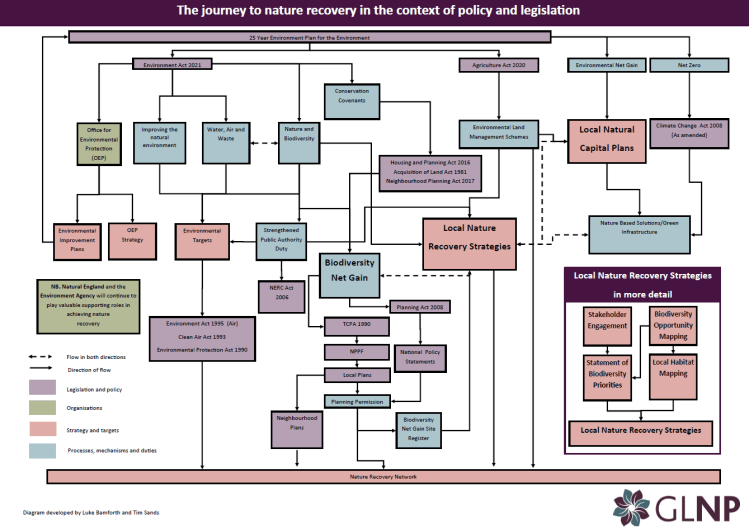
  6. GNLP ‘Journey to Nature Recovery’ diagram

Learn more about British wildlife

Networks for Nature: How DBRC data is creating more species-friendly highways

The Devon Biodiversity Records Centre (DBRC) will be presenting its work partnering with National Highways and The Wildlife Trusts on the Networks for Nature project. DBRC are using local biological records and land use data to model species dispersal through a landscape, aiding in targeted habitat restoration to improve connectivity (such as culverted underpasses, green bridges and tree planting).

Adam Falconer is a technical officer for Devon Biodiversity Records Centre. He studied Biological Sciences at the University of Exeter and previously worked on revising the Ancient Woodland Inventory for Devon.

Q&A with Adam Falconer

  1. Did you use actual roadkill data in your model?
    Yes – roadkill data was used as part of the presence/absence data that we used to build our habitat area. Our road interaction data was fairly accurate, but where we had genuine roadkill data we updated the road interaction data if it didn’t think there was definitely a chance of roadkill there.
  2. What species did you choose for the model?
    There’s quite a long list that includes Badgers, Dormice, Harvest Mice, Hedgehogs, Otters, Barn Owls, Goshawks, Tawny Owls, Toads and Great Crested Newts. We also used Deer as a broad category and undertook some speculative modelling for Pine Martens. We tried to include Hobbies but they were very difficult to model. In contrast, the Narrow-headed Ant was relatively simple to model due to a single known population on either side of the A38.
  3. Have the Highways Agency provided any feedback regarding the impact of this project?
    This project is still ongoing and we are getting the final few models out. The Highways Agency will be going over our models and the research by ANIMEX, and then providing their feedback on the whole process.
  4. What was involved in the in-person surveys referenced in the presentation?
    I actually didn’t get to go on any as I was chained to my desk doing modelling! My understanding is that it involved noting the type of crossing point (e.g. culvert, bridge), dimensions of the crossing point and walking the crossing point if possible (as you can’t go through a small culvert obviously). Surveyors also walked both sides of the road and mapped the available habitat. From all this information, the specialists then came up with a list of suggested improvements that could be made for any species. This was then compared to the model and trimmed down to what species were likely to be in the area.
  5. What types of intervention are Highways Agency considering to assist wildlife crossing roads safely?
    Some of the interventions discussed included mammal shelves (these benefit a broad range of species including Otters), removal or widening of grates (to enable access to species that may have been too large and therefore barred from using the crossing point), raised flight lines (particularly relevant for Barn Owls as the nature in which they glide from highest point to highest point puts them at risk with taller vehicles like lorries). This project is focused on improving existing infrastructure, rather than constructing new features (like green bridges) and looking for quick but efficient improvements.
  6. Did you have a cut-off date for the age of the records used?
    We tended to use records within the last 10 years. However, if we were aware of records that were not in our database we could actively seek them out. For example, I was aware of a situation where Greater Horseshoe Bats used a culvert from a previous role and added this data as it was not within the LERC datasets.
  7. How long has this project been running and how many staff work on it?
    The project has been running for around 6 months and has had 1 staff member working on it throughout for about 2-3 days per week.

Further info and links

  1. Devon Biodiversity Records Centre: https://www.dbrc.org.uk/
  2. Devon Wildlife Trust: https://www.devonwildlifetrust.org/ 
  3. ANIMEX International: https://animexinternational.com/
  4. Networks For Nature project: https://www.wildlifetrusts.org/news/national-highways-and-wildlife-trusts-announce-biodiversity-boost-across-england
  5. Finch et al (2020) Modelling the functional connectivity of landscapes for greater horseshoe bats Rhinolophus ferrumequinum at a local scale: https://doi.org/10.1007/s10980-019-00953-1
  6. Ciruitscape: https://circuitscape.org
  7. Can Community Science Support a County Wildlife Sites Framework in Devon? blog by article by DBRC: https://biologicalrecording.co.uk/2023/07/19/can-community-science-support-a-county-wildlife-sites-framework-in-devon/

Learn more about British wildlife

Local Biodiversity Data Virtual Symposium

Local biodiversity data can include a range of different types of data. Species occurrence datasets enable us to map where species are present and can be used to look at population trends and changes in distribution over time. Habitat mapping and details of its condition are vital for producing Local Nature Recovery Strategies and informing Biodiversity Net Gain. The planning system, wildlife site designation, infrastructure planning and conservation projects are all reliant on local biodiversity data if we are to make evidence-based decisions that provide the maximum benefits for people AND nature.

Local Environmental Record Centres (LERCs) are the gateway to local biodiversity data. LERCs bring together habitat, sites (including non-statutory sites of local importance) and species data for the areas they cover, and undertake a considerable amount of work to ensure that the data held is up-to-date, accurate and robust. Some hold natural capital and other relevant environmental data sets to deliver geodiversity and green infrastructure services. This enables LERCs to provide a wide range of biodiversity data services to local authorities, environmental government agencies, businesses and environmental NGOs.

The Local Biodiversity Data Virtual Symposium enabled LERCs and their partners to share their experiences and case studies for using local biodiversity data to support the natural world and promote healthy local ecosystems.

  1. Networks for Nature: How DBRC data is creating more species-friendly highways with Adam Falconer (Devon Biodiversity Records Centre)
  2. Better Together: LERCs and Nature Partnerships, An Example From Lincolnshire with Charlotte Phillips (Greater Lincolnshire Nature Partnership)
  3. Day To Day Uses of Species Records in the Environment Agency with Marina Flamank (Environment Agency)
  4. The Importance of BNG Data for Local Planning Authorities with Paul Mellor (Transport For London)

Networks for Nature: How DBRC Data is Creating More Species-friendly Highways

Adam Falconer, Devon Biodiversity Records Centre

The Devon Biodiversity Records Centre present their work on the Networks for Nature project, using local biological records and land use data to model species dispersal through a landscape to aid in targeting habitat restoration to improve connectivity (such as culverted underpasses, green bridges, tree planting).

Adam Falconer is a technical officer for Devon Biodiversity Records Centre. He studied Biological Sciences at the University of Exeter and previously worked on revising the Ancient Woodland Inventory for Devon.


Better Together: LERCs and Nature Partnerships, An Example From Lincolnshire

Charlotte Phillips, Greater Lincolnshire Nature Partnership

Greater Lincolnshire Nature Partnership works with 49 Partners across Greater Lincolnshire to achieve more for nature. The nature partnership also hosts the Local Environmental Records Centre. This close working relationship has allowed for multiple projects, which are highlighted in this presentation.

Charlotte Phillips is the manager of the Greater Lincolnshire Nature Partnership, including the Local Environmental Record Centre. Charlotte is also a Director of ALERC and Trustee of The Wallacea Trust. With a background in both National and International conservation Charlotte believes strongly in partnership working across sectors to achieve current environmental goals.


Day To Day Uses of Species Records in the Environment Agency

Marina Flamank, Environment Agency

The Environment Agency (EA) help people and wildlife adapt to climate change and reduce its impacts, including flooding, drought, sea level rise and coastal erosion. Local Biodiversity Data is essential for the EA to undertake its work and this presentation illustrates 10 routine uses of species records in the operational activities of the Environment Agency.

Marina Flamank is National Biodiversity Advisor for the Business and Professional Development Team (Agriculture, Fisheries and the Natural Environment) at the Environment Agency with responsibility to pull together information on wildlife sites and protected species for ‘Easimap’ and the National Permit Screening tool.


The Importance of BNG Data for Local Planning Authorities

Paul Mellor, Transport For London

Planning decisions rely on local biodiversity data to ensure that wildlife and habitats are considered during developments. this presentation will take a look at the importance of data for local authorities when applying the requirements of the Environment Act for Biodiversity Net Gain purposes.

Paul Mellor is a Chartered Town Planner and Environment Manager at TfL, responsible for BNG across the organisation. He previously worked as a policy planner at a local authority on biodiversity and green infrastructure.


Event Partners

This event is delivered by the Biological Recording Company and Association of Local Environmental Records Centres.

The Association of Local Environmental Records Centres (ALERC) is a membership organisation representing 49 Local Environmental Record Centres (LERCs) across the United Kingdom. ALERC provides a voice for its Members, facilitates collaboration with them on behalf of regional and national stakeholders, runs an LERC accreditation system to promote common standards across its sector, and delivers professional development to its Members’ employees.


More for environmental professionals

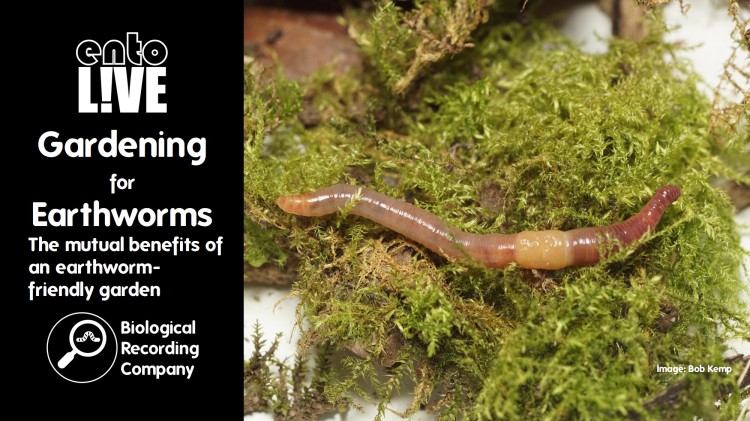
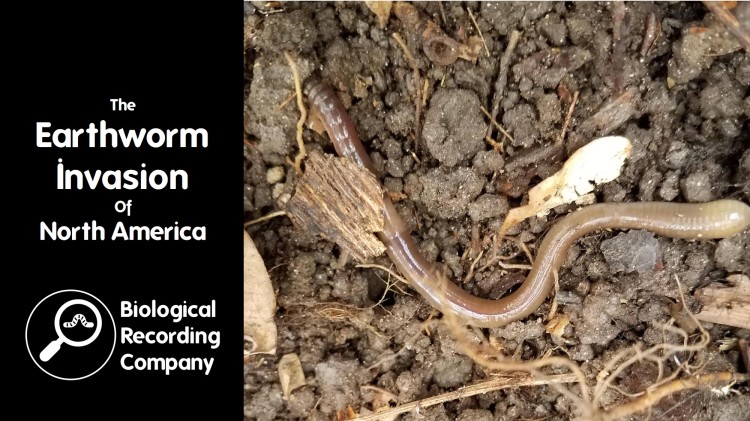
Gardening For Earthworms: Mutual Benefits of Earthworm-friendly Gardening

Earthworms are vital for maintaining healthy soils and provide a host of other benefits to garden habitats. However, few people realise we have 31 different species of earthworm in the British Isles, with differing requirements and providing different benefits. Keiron will provide tips and guidance on how you can improve the earthworm diversity and abundance within your garden, regardless of whether you have a small urban garden or extensive grounds.

Keiron Derek Brown is the UK’s national recorder for earthworms, a trustee of the Earthworm Society of Britain and delivers training on earthworm ecology, surveying and identification.

Q&A with Keiron Derek Brown

  • How do the different types of earthworms find the environments that suit them?
    That’s a fantastic question – and one that I’d love to have the answer to. I’m not sure how the specialists locate the oasis-style habitats that they prefer. We know that earthworms can sense chemicals, but as far as I’m aware we don’t know how this could impact dispersal and how they locate their preferred environments.
  • Where do the surface-dwelling species go during hot dry summers where there is no leaf litter?
    Earthworms will retreat deeper through the soil programme to avoid unfavourable environmental conditions, such as drought/dry weather. surface-dwelling species may retreat a small amount into the soil, shallow-burrowing species more so and the deep-burrowing species can go down past a couple of metres! Some species may have a seasonal life cycle, where few adult earthworms survive during the tougher parts of the year and the population overwinters (or over-summers) as the cocoon stage. Cocoons have been shown to delay hatching for considerable amounts of time until the environmental conditions are more favourable.
  • Does composting pesticide-treated plant material affect compost earthworms?
    I’m not aware of any research into this specifically, but my educated guess would be that it is most likely to have an impact. If the chemicals used are harmful to earthworms, they will come into contact with composting species in the compost bin. These chemicals could have a significant (even potentially fatal) impact on the composting worms, but even if they didn’t the earthworms could end up as a reservoir for these chemicals and significantly impact their predators through bioaccumulation.
  • What is your view on transposing earthworms into a new compost bin?
    Personally, I’m quite wary of purchasing earthworms online and having them posted. It’s important that we don’t introduce non-native species and can we really be sure that we are receiving the species that is advertised? Outdoor composting systems are often colonised naturally, however, I understand that indoor and some sealed systems may need inoculating with earthworms to get the system started. In these instances, I recommend using a reputable supplier or asking for some worms from someone who has an active compost bin locally (such as a neighbour). I tend to point people to The Urban Worm for composting advice.
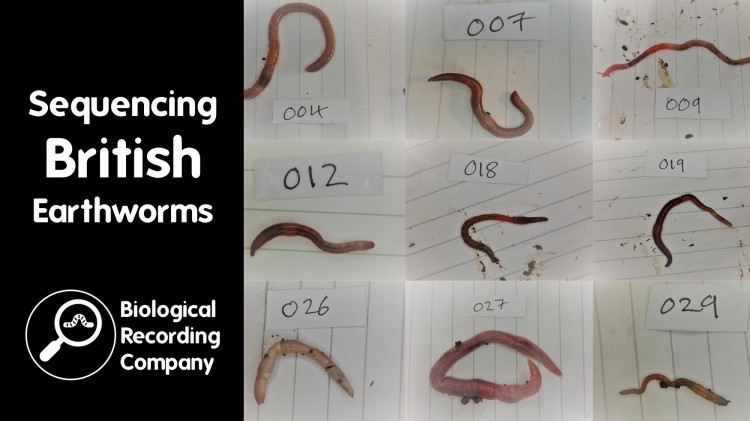
  • Have you gene sequenced the 31 species of earthworm?
    I’ve been working with Oxford University and the Natural History Museum on the Darwin Tree of Life Project – an ambitious project to sequence all 70,000 species of eukaryotic organisms within the UK and Ireland. We’ve managed to sequence the genomes of most earthworm species and are now just missing some of the rarer species. You can read more about this in my Sequencing British Earthworms blog or the Unlocking the Invertebrate Genome entoLIVE presentation with Dr Liam Crowley.

Literature references

Further info


entoLIVE

entoLIVE webinars feature guest invertebrate researchers delving into their own invertebrate research. All events are free to attend and are suitable for adults of all abilities – a passion for invertebrates is all that’s required!

entoLIVE is only possible due to contributions from our partners and supporters.


More on earthworms

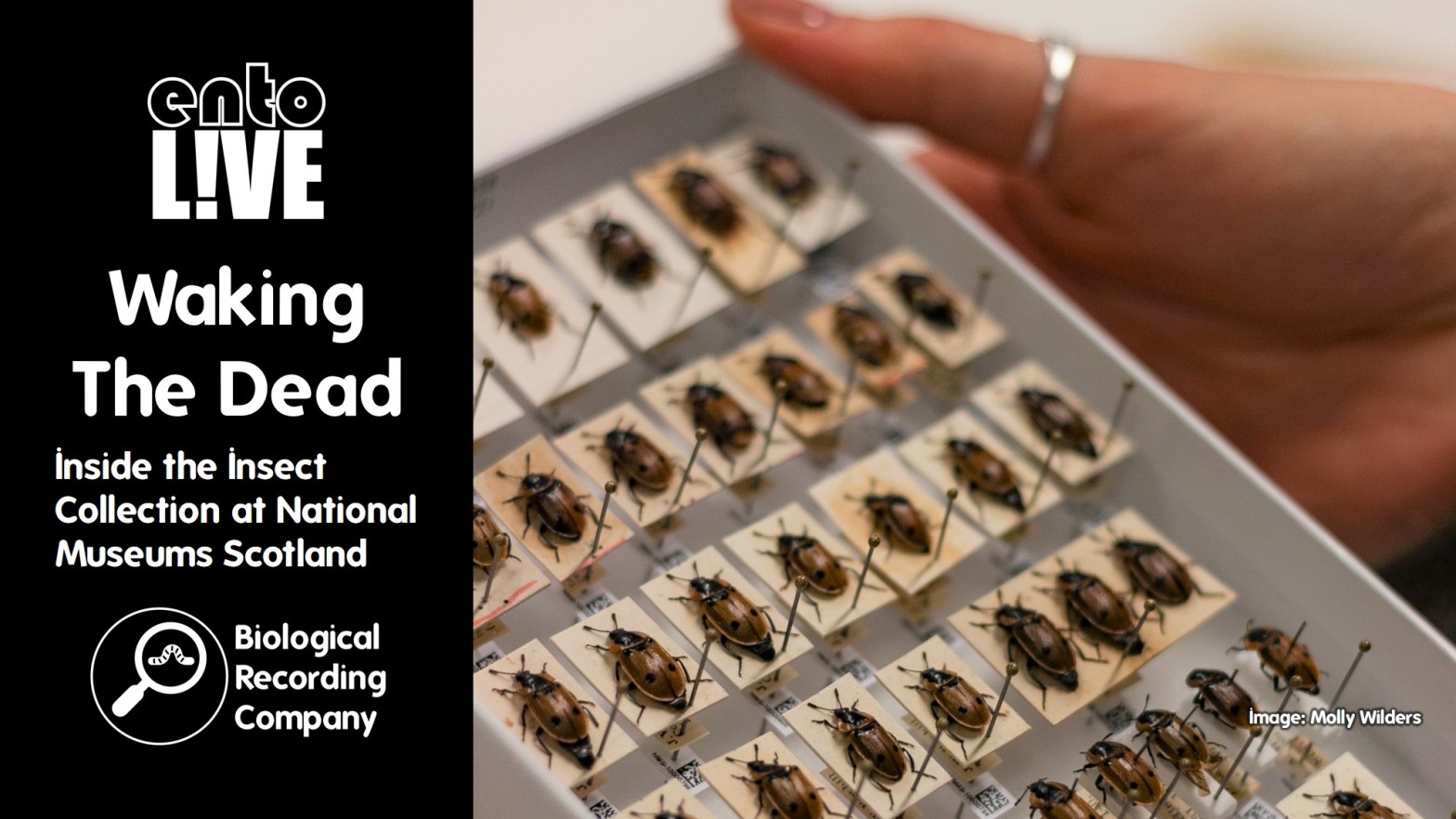
Waking The Dead: Inside the Insect Collection at National Museums Scotland

The phrase “insect collection” often conjures up images of Victorian naturalists chasing down rare butterflies with their nets and attaches a stigma to these important resources. The insect collections held in our museums are a vital resource for understanding how species are related to one another and how they are changing over time. Ashleigh will delve into the insect collections of National Museums Scotland and showcase how their collections are contributing to scientific research.

Ashleigh Whiffin is a curator at National Museums Scotland, where she is responsible for the care, curation and development of the insect collection, containing approximately 2.5 million specimens, as well as dealing with research loans, enquiries and hosting visitors to the collection. Her research interest is focused on carrion ecology and her specialism is Silphidae (Carrion Beetles), coordinating the National Silphidae recording scheme, in her spare time. Passionate about engaging a diverse audience with insects, Ashleigh regularly conducts outreach and sits on the Royal Entomological Society’s Outreach committee.

Q&A with Ashleigh Whiffin

  • Do you prefer records for carrion beetles to be added to iRecord or iNaturalist?
    It’s always worth checking with the relevant recording scheme to check what their preference. For the Silphidae Recording Scheme, we prefer records to be added to iRecord as this is where we process and verify them.
  • Which books do you recommend for people wanting to learn more about carrion beetles?
    The Histeridae, Sphaeritidae and Silphidae of Britain & Ireland takes you through these groups species by species, and is the most comprehensive account for these groups. It was a collaboration between the Biological Recordds Centre, UK Centre for Ecology & Hydrology, UK-Scape, National Museums Scotland and the Field Studies Council. It includes information on surveying, habitats, recording, threats, conservation and forensic entomology. It also includes identification keys, phenology charts (showing when species are active) and distribution maps.
  • How do you submit specimens or collections to local natural history museums?
    The first step is to establish which collection you would like to donate specimens to. You can do this through the Natural History Near You page on the NatSCa website. I would then check their website and see if they have any contact details for a natural history curator (if not you’ll need to go through their general enquiries email). Local museums may not have staff dedicated to their natural history collections and this might mean that they have no capacity to receive any specimens. If this is the case you can try contacting one of the bigger museums (such as the National Museums Scotland Natural Sciences Team). Collection managers will need to assess the significance of the specimen/collection, preservation, data quality, and if the material was legally collected, before it can be added to the collection, as resources are still limited within the bigger organisations. However, it is always worth getting in touch to enquire as you never know what these collections might be missing.
  • Are there any guides to pinning insects?
    Preparing specimens varies depending on the group. How we prepare fly specimens is different to beetles for example. And even within beetles, the size of the specimen will influence how the specimen should be prepared. There is a fantastic Beginner’s Guide to Preparing Coleoptera by Katy Potts that’s worth checking out for anyone preparing beetle specimens. We’ll soon be launching a new resource on creating and maintaining insect collections, via the National Museums Scotland website – so watch this space.
  • Is it possible to submit specimens to museums that have been kept in preservatives other than ethanol?
    I understand that getting hold of pure ethanol can be really tricky as it requires a licence. There are alternative preservatives available to the public which work well, such as food-grade propylene glycol. It’s okay to donate specimens preserved in this chemical (or another suitable alternative) as the material can be transferred into ethanol after it has been received by the museum. Always ask the relevant curator, for the museum in which you intend to donate the material to.

Literature references

Further info


entoLIVE

entoLIVE webinars feature guest invertebrate researchers delving into their own invertebrate research. All events are free to attend and are suitable for adults of all abilities – a passion for invertebrates is all that’s required!

entoLIVE is only possible due to contributions from our partners.


More on invertebrates
From Springtails to Pauropods: Soil Biodiversity Monitoring in the UK

Beneath our feet, soils are home to a diverse variety of invertebrates. These range from familiar animals (such as earthworms) to less familiar organisms (such as pauropods and two-pronged bristletails). Understanding which species are present (and which are absent) within a specific soil ecosystem can help us better understand the condition and health of soils. Frank will give an overview of the major soil biodiversity monitoring projects currently being undertaken in the UK and globally.

Dr Frank Ashwood is a soil ecologist working for Forest Research, specialising in soil fauna such as earthworms and microarthropods. His research studies the links between soil fauna and soil functions, and the environmental drivers of soil animal communities in the UK.

Q&A with Dr Frank Aswood

  • How far down should you sample for soil invertebrates?
    Some soil organisms do go down quite deep – with some earthworms going down several metres for example. However, most soil organisms are found within the top 10-15 cm of soil (and in the litter layer), so most sampling tends to occur there. There are also sampling technique limitations, with sampling deeper being more difficult and/or resource intensive.
  • Does the UK’s contribution to European soil biodiversity monitoring initiatives come from academics, biological recorders or consultants?
    The bulk of records come from academic/governmental research. It really depends on who the call for data is sent to, and when data is collated at this scale it is most likely to be gathered at the institute level rather than by individuals. Coverage of soil organisms in terms of biological recording is very patchy within the UK, with the centipede, millipede and woodlouse recording schemes being relatively active and long-running, while other groups have no recording scheme at all (such as potworms and nematodes).
  • What kind of surveys would you recommend for managing soils for conservation work?
    Soil biodiversity surveys would be useful to inform conservation. You would most likely want to focus on a group that helps you measure specific improvements. For example, if converting farmland to grassland you may want to measure the change in earthworm diversity, abundance and biomass. I’ve found that microarthropods (such as springtails and mites) can be useful as they are very reactive to the environment conditions, particularly to disturbance. Once you understand the ecology of these groups, they can be really effective bioindicators. However, we have a relatively small pool of people skilled in the taxonomic identification of these groups because they are technically difficult, so we need to get more people skilled in the ID of springtails and mites!
  • Are we at the stage where we can use soil biodiversity to measure the health of the soil?
    People are looking at the ecology of these invertebrate groups (sometimes in their spare time) and we tend to know which tropic guilds different species belong to. So, the basic ecological understanding is there, but the challenge to using them as indicators of soil health is building up a pool of people that can undertake the identification of these groups.
  • Are there fossil records that enable us to understand how long different species of soil invertebrates have been around?
    Yes – some of the earliest terrestrial invertebrate fossils are of springtails and mites. There is a piece of flint-like rock formation near Aberdeen called the ‘Rhynie Chert’, which is a 400-million-year-old snapshot of early Earth that has fossils of springtails, and they are pretty much unchanged from what we have today!
  • What is the response of soil invertebrates to climate change?
    There will certainly be impacts, related to flooding and soil drought for example, but tolerance will depend on each species or group.
  • What can people do in their gardens to help soil biodiversity?
    Do nothing! Soil biodiversity does best when humans do less. So my advice is to leave your garden alone and manage it less. Organic matter is important, so let leaves fall where they fall. Adopt a “no dig” policy if possible.

Literature references

Further info


entoLIVE

entoLIVE webinars feature guest invertebrate researchers delving into their own invertebrate research. All events are free to attend and are suitable for adults of all abilities – a passion for invertebrates is all that’s required!

entoLIVE is only possible due to contributions from our partners.


More on invertebrates
Yellow Meadow Ants: An Important Contributor To Biodiversity In Grasslands

The subterranean Yellow Meadow Ant (Lasius flavus) dominates the soil of many old grasslands; their long-lived mounds gain volume with time and their underground influence extends as adjacent colonies coalesce. The mounds often support a different plant community from the surrounding grassland and plant species lacking elsewhere. The ants support many specialist aphids on underground roots, the warm bare soil provides oviposition sites, and several specialist invertebrates live with the ants or prey on them. The sides of the convex mounds facing north, south, east and west considerably increase the range of microhabitats. Much of the surrounding grassland was ex-anthill.

Dr Tim King, based in Oxford, has been accumulating information on the yellow meadow ant for over 55 years. Originally he was interested in the reasons why the mounds have a distinct plant community. Recently he has spent much time in investigating associated invertebrates, examining whether mounds can be used to age grasslands, reading the literature and spreading the word to conservationists about the role of this important, but neglected, ant species.

Q&A with Dr Tim King

  • Do Yellow Meadow Ants (Lasius flavus) and Black Garden Ants (Lasius niger) co-exist at a site or will one species eventually dominate?
    The Yellow Meadow Ant will eventually dominate. These species occupy habitats at different stages of succession. Lasius niger is a tramp species that will colonise early on and feeds on invertebrates above ground. The specialised aphids will migrate in eventually and the Yellow Meadow Ant will follow.
  • Are the ant hills in grasslands always created by Yellow Meadow Ants?
    They are certainly the main producers of ant hills. However, occasionally you will find temporary mounds in flood meadows that have been created by Lasius niger. They only last for a short period as flood meadows are usually mown for hay or grazed by cattle. These mounds can be created remarkably rapidly, but don’t last for more than a year or two.
  • What mowing regime is recommended where ant hills are present?
    At Brompton Cemetery there are thousands of ant hills. Rather than mowing over the mounds and flattening the ant colonies, the site is managed by using strimmers and stimming over the top of the ant hills. We need to preserve the surface of ant hills and be aware of the damage that mowing can do. Scything the surface is an alternative.
  • Do Yellow Meadow Ants require a dry environment?
    In many areas that flood regularly, there are no Lasius flavus mounds. If the ants are flooded for more than 6 hours the colony will usually die out. There are places, such as the Old Hall Marshes in Norfolk, where the ants’ colonies survive between the tide marks as part of salt marshes, that are frequently flooded (twice per day) but for less than 6 hours at a time. Ants can also sometimes survive if they are trapped in air pockets during flooding events.
  • Are queens produced at a specific time of year?
    A vigorous mound will produce up to 500 queens within a year (though usually around 200). These appear from the beginning of July onwards. The nuptial flight for Lasius flavus tends to be around the end of August or the beginning of September. This is later than the Lasius niger nuptial flight, which tends to take place at the beginning of July. Timings will vary by year and be impacted by the weather and temperature.

Literature references


entoLIVE

entoLIVE webinars feature guest invertebrate researchers delving into their own invertebrate research. All events are free to attend and are suitable for adults of all abilities – a passion for invertebrates is all that’s required!

entoLIVE is only possible due to contributions from our partners.


More on invertebrates

SmartRivers: Using Freshwater Invertebrates to Monitor River Health

Rivers in the UK are facing an unprecedented threat from human disturbance but it can be challenging to identify the pollutants that are driving biodiversity loss in a particular location through traditional water testing methods. However, the invertebrates living in our waterways are particularly sensitive to pollution and the impacts can clearly be seen in their populations long after any particular incident. SmartRivers is a pioneering programme run by WildFish that builds on the work of The Riverfly Census using surveys of freshwater invertebrate populations to identify the challenges facing freshwater systems.

This project enables community groups, trusts, and other organisations to benchmark and monitor the health of their own rivers. The evidence collected by the SmartRivers programme allows for both local and national engagement on a range of issues to better protect our valuable freshwater habitats. Dr Sam Green gives an overview of the methods used to monitor freshwater invertebrate populations, the work we do, and how you can get involved. He will also discuss the power of citizen science in addressing gaps in government monitoring efforts and highlight some case studies demonstrating the importance of data collected from WildFish’s SmartRivers programme.

Q&A with Dr Sam Green

Dr Sam Green is a freshwater ecologist at WildFish primarily supporting SmartRivers. WildFish is the only independent charity in the UK campaigning for wild fish and their habitats. We identify and lobby against the key threats driving the decline in wild fish populations, from various forms of pollution to open-net salmon farming. Ultimately, our goal is for fresh and coastal water habitats that are clean, healthy, biodiverse, and able to support sustainable populations of wild fish.

  • What percentage of UK rivers are being monitored using the SmartRivers methodology?
    This is variable by year as it depends on the funding of individual hubs. In a given year, some hubs will cease and some will expand their programme. The short answer is probably not enough!
  • How long does it take to process one sample?
    Again, this is variable depending on what is in the river, if the group undertake their sampling as a single group versus pairs and the method by which the specimens are being identified. To do the kick sampling is just 3 minutes plus 1 minute of hand-searching so the time spent in the river is relatively low. Depending on how many sites a hub monitors, they can generally do their sampling in a day. The time-heavy component is the identification – if you are in a perfect chalk stream habitat you could be collecting thousands of mayflies. for those hubs that do the ID in-house, they tend to get together as a group and usually take a full day to get through the sample for a single site.
  • Do you have quality assurance procedures in place to verify the species identifications?
    Quite a lot of our hubs do opt for the ‘sample and send’ due to the time commitment that is required for ID and because they have funding to do so. These specimens would be identified by a professional entomologist. For the hubs that undertake all of the identification themselves, one in five samples are randomly selected for quality control. These are sent to a professional entomologist and we then organise a follow-up meeting with the hub to go over any discrepancies and provide guidance for the group.
  • Do you use the data from the Riverfly Monitoring Initiative data in your analysis?
    The two schemes complement each other in terms of monitoring rivers, but ARMI data and SmartRivers data do different things. The acute issues monthly bankside monitoring sampling is designed to pick up pollution events and uses family-level identification. SmartRivers uses species-level identification with monthly monitoring and twice-annually deep dives into the chronic pressures on rivers.
  • Is SmartRivers able to detect impacts from pet flea treatments?
    Although I’ve focused on sewage release in this talk, SmartRivers can detect other pressures and pet flea treatments are one that we’ve been discussing a lot recently. There are pet flea treatments that you can buy on Amazon that contain neonicotinoids that are banned for agricultural use, and the impact on rivers is amplified when this is a ‘spot-on’ treatment rather than a tablet. this will get picked up in our chemical stress score. To use a hypothetical, if you were monitoring a stretch of river that you care about and you know there is an area where lots of dogs are entering the water, you could monitor sites upstream and downstream of this to identify any impact. Up to 90% of chemicals entering our waterways are from medicine – human and veterinary.
  • Is the SmartRivers data publicly available?
    Yes, via Cartographer – though there is obviously a lag as we process data and add it each year. Instructions for accessing this can be viewed in the video below.

Literature references

Further info


entoLIVE

entoLIVE webinars feature guest invertebrate researchers delving into their own invertebrate research. All events are free to attend and are suitable for adults of all abilities – a passion for invertebrates is all that’s required!

entoLIVE is only possible due to contributions from our partners.


More on freshwater biology

entoLIVE Season 1 Summary Report

The first season of entoLIVE aimed to make invertebrate science more accessible through a programme of presentations and blogs covering a wide range of taxonomic groups, including insects, annelids, molluscs, crustaceans and jellyfish. Entomological groups included mayflies, grasshoppers, true flies, beetles, bees, dragonflies and wasps. Invertebrates across terrestrial, marine and freshwater environments were covered, in addition to presentations that covered multiple taxa (such as presentations on sequencing invertebrates and invertebrate sentience).

The entoLIVE Summary Report provides a breakdown of the season 1 engagement stats, presents the feedback survey results and outlines the future for entoLIVE. The full report can be viewed and downloaded below and some key findings are summarised in the sections below.

Season 1 Engagement

Season 1 of entoLIVE took place between February and July of 2023 and included 20 live webinars, alongside their associated YouTube videos and blogs. It was delivered by the Biological Recording Company with funding from the British Entomological & Natural History Society and the Royal Entomological Society.

The entoLIVE programme has been successful in engaging large audiences, with season 1 webinars receiving over 6.6k bookings and over 2.7k live webinar attendees. The YouTube videos for season 1 have been viewed over 5.5k times and the blogs have over 3.9k views. The average number of bookings for season 1 webinars was 334 bookings, and the average attendance was 135 attendees.

When the bookings are plotted over time (from webinar 1 onwards), there is a clear upward trend in the number of bookings (as can be seen by the dashed red line in the graph below). This is further supported by comparing the average number of bookings per webinar by season, with the season 1 average being 334 bookings and the season 2 average being 444 bookings (as of the 15 webinars that have aired to date).

Season 1 Feedback

An online feedback survey form was sent to all individuals that had booked on a minimum of one of the 20 webinars within season 1 of entoLIVE. 179 responses to the survey were received.

One of the primary aims of entoLIVE is to raise awareness of research outputs and increase the use of these, so it was encouraging that over half (55%) of the respondents reported that they had gained awareness of new research outputs and 28% had gone on to look up invertebrate research outputs as a result of their engagement with entoLIVE.

Furthermore, 43% of respondents were motivated to take part in invertebrate research (such as citizen science projects), 35% had used knowledge gained from entoLIVE in their voluntary or paid work and 11% had referenced research outputs presented in entoLIVE within their own work.

In addition to these direct benefits, 37% of respondents felt more connected to the invertebrate research community and 28% reported learning about the work of entoLIVE sponsors.

Survey respondents were asked what they most liked and disliked about the entoLIVE webinar programme. The feedback was overwhelmingly positive. A selection of positive comments from the survey are listed below.

Looking Forward…

Season 2 is currently underway and runs from mid-July 2023 until the end of December 2023. A total of 15 webinars from season 2 have already been delivered and 5 more are currently scheduled and open for bookings.

Season 3 will take place during 2024 (running from January to December) and will include a minimum of 20 webinars. To date, 11 webinars have been scheduled:

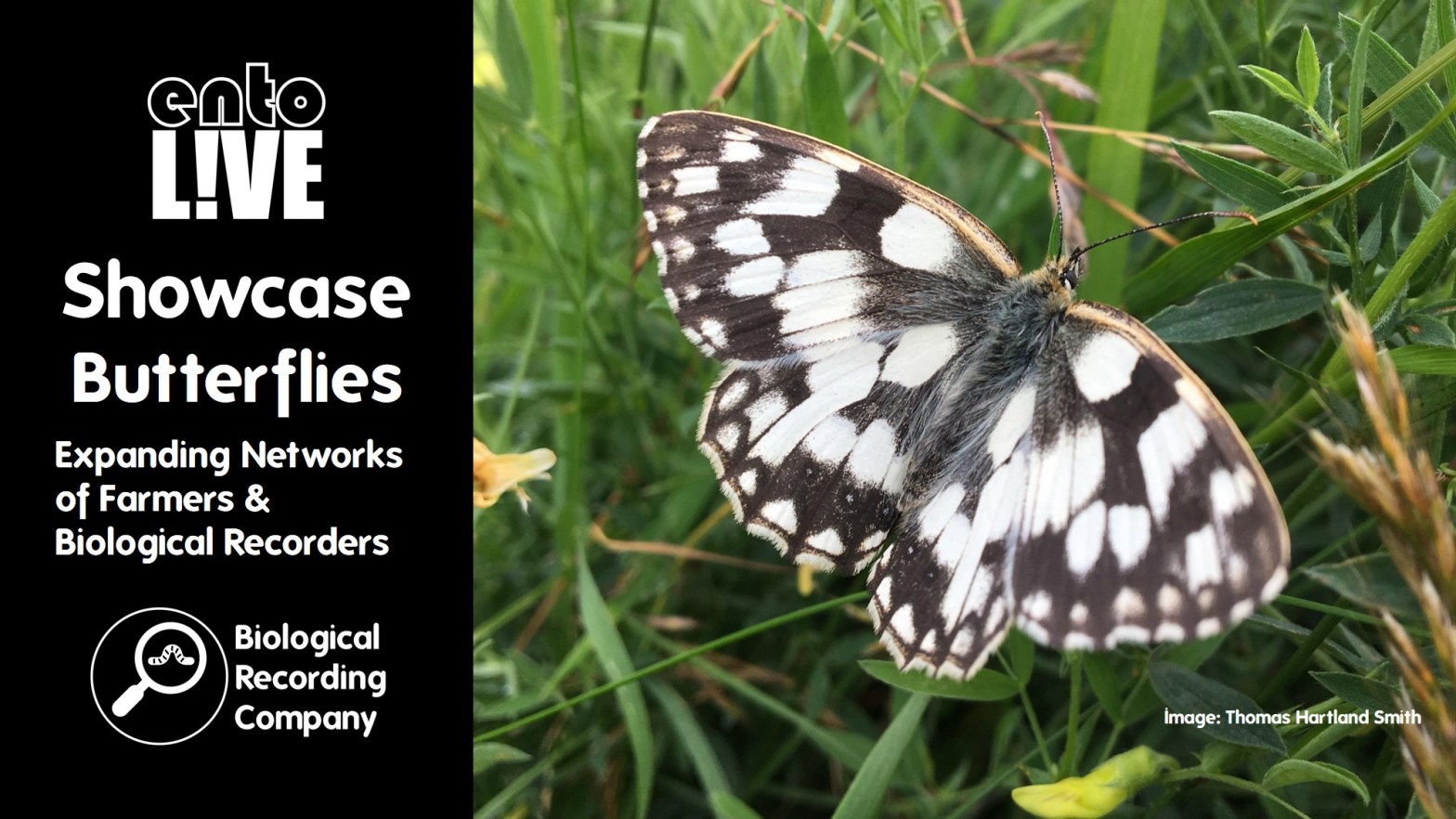
  1. Showcase Butterflies: Expanding Networks of Farmers & Biological Recorders (Dr Stuart Edwards)
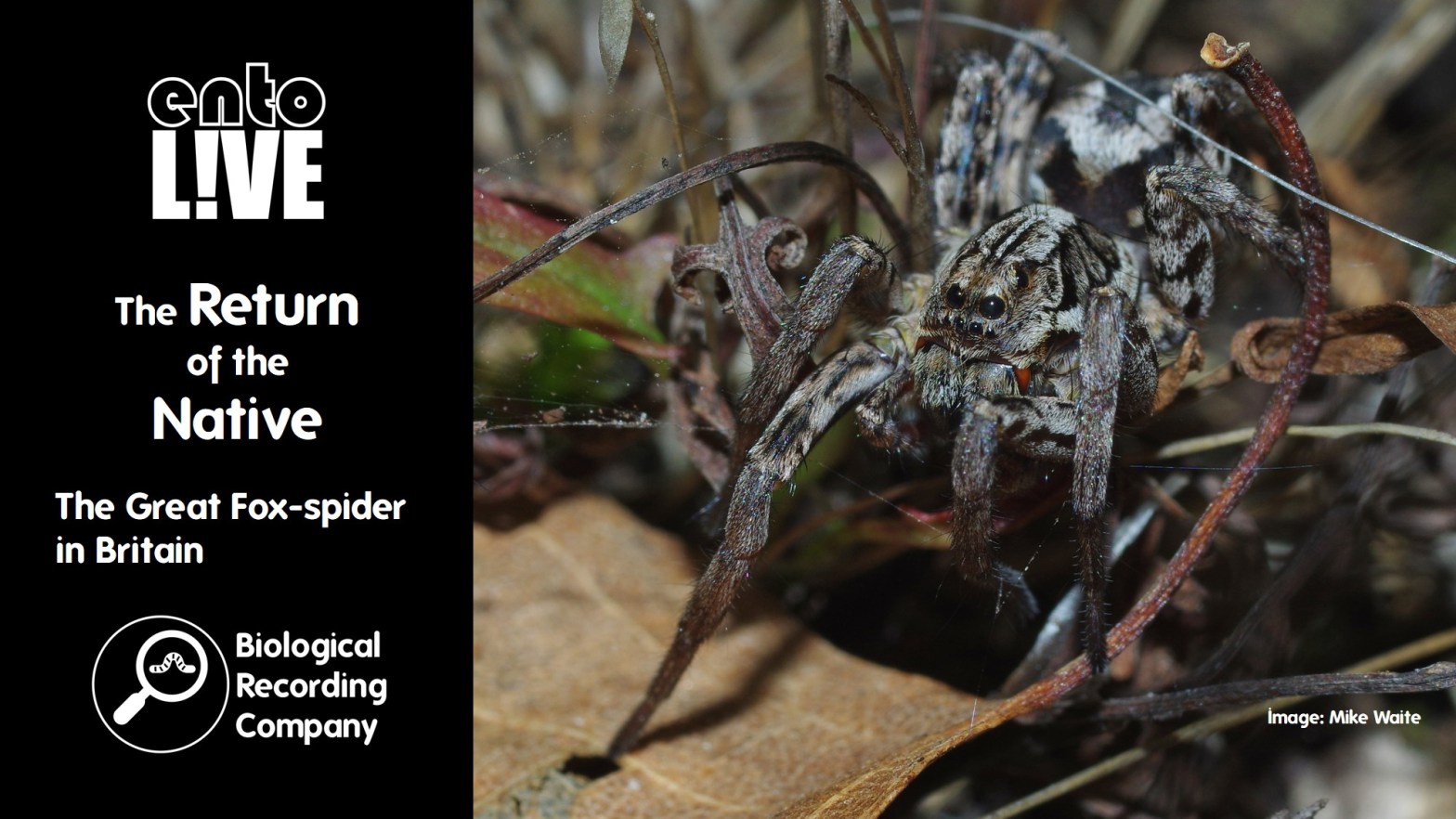
  2. The Return of the Native: The Great Fox-spider in Britain (Mike Waite)
  3. Leeches: Life History and Identification (Craig Macadam)
  4. Darwin’s Earthworms: A Groundbreaking Piece of Soil Ecology (Kerry Calloway)
  5. Nature Overheard: Acoustic Monitoring for Insects Through Community Science (Dr Abigail Lowe)
  6. The Plight of the Bumblebee: A 12-Year Reintroduction Case Study (Dr Nikki Gammans)
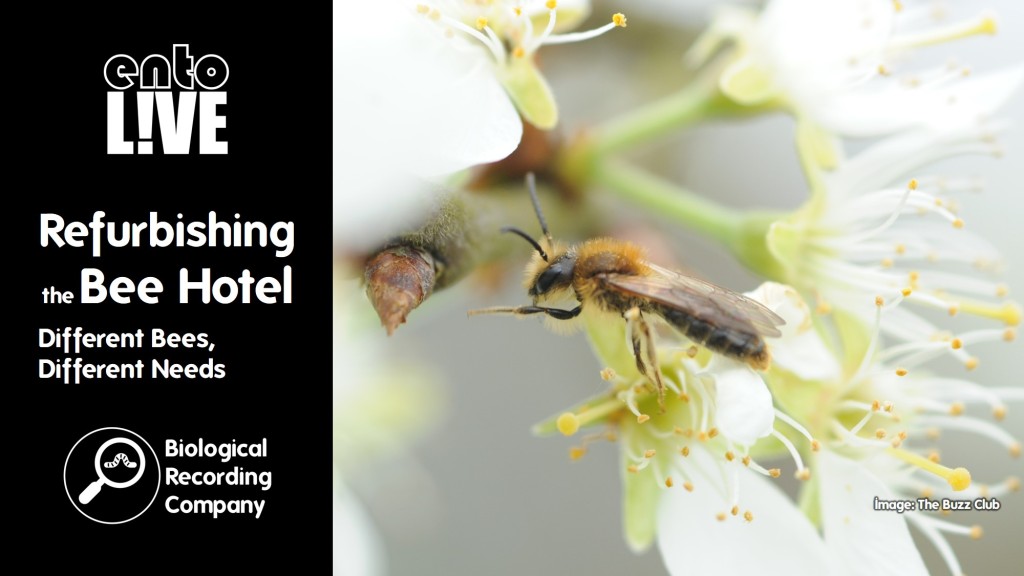
  7. Refurbishing the Bee Hotel: Different Bees, Different Needs (Dr Linda Birkin & Isobel Sexton)
  8. Spiders, Earthworms and Spiders: The Impacts of Cover Crop Frost Tolerance (Dr Amelia Hood)
  9. Butterflies Through Time: Climate Change, Conservation & Historic Specimens (Matthew Hayes)
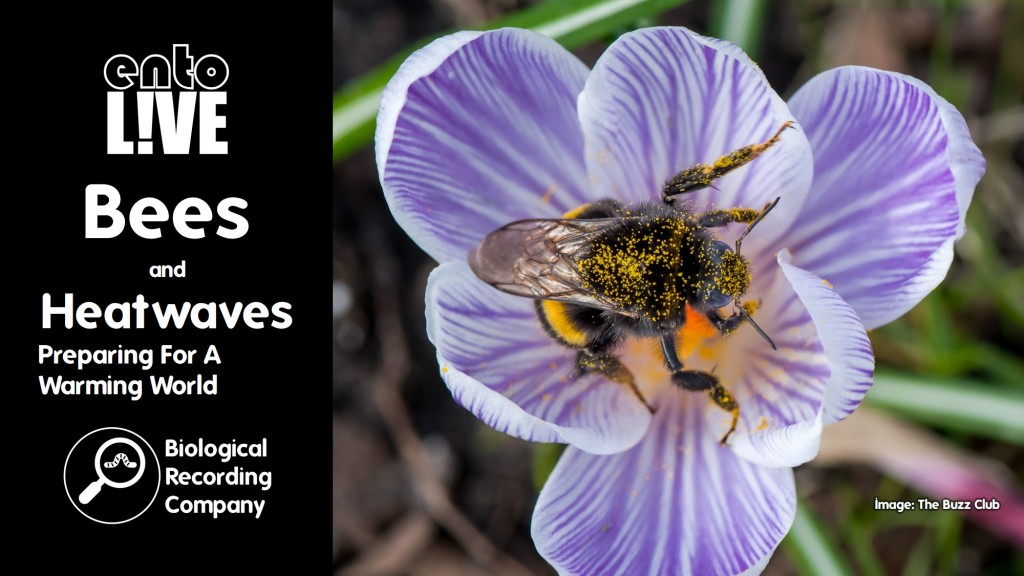
  10. Bees and Heatwaves: Preparing For A Warming World (Yanet Sepulveda & Isobel Sexton)
  11. Bees and Beyond: Ecosystem Services at a Garden Scale (Dr Linda Birkin)

More on invertebrates
American Signal Crayfish: A Losing Battle?

American Signal Crayfish (Pacifastacus leniusculus) have been widely established in the UK since the 1970s and have had many adverse impacts including the near extinction of the native White-clawed Crayfish (Austropotamobius pallipe). This presentation discusses efforts to control this invasive species in southwest England.

Q&A with Dr Nicky Green

Dr Nicky Green has been working with crayfish since 2003 and has recently completed a PhD on the control of American signal crayfish. She focuses on practical and effective methods to control invasive crayfish and has worked on Exmoor and elsewhere since 2015 trialling new and innovative techniques.

Does the addition of refuges possibly help Signal Crayfish populations?

No, the refuges are being used as a trap. The refuges are checked regularly and the crayfish you find are removed. So the crayfish are not in the refuges long enough to benefit from this habitat.

Are Signal Crayfish able to get around the crayfish barriers by moving over land?

It’s part of the recommended design that the vertical slippery-sided walls are present (such as non-rusting metal sides like copper). If a barrier is poorly designed, the crayfish will bypass the barrier and it will not be effective.

How were the crayfish sterilised in your study?

We used a mechanical method where the gonopods (used to transfer sperm from the male to the female during mating) were removed. These are removed using scissors and is a quick and painless procedure. Our study had high survival rates and did not lead to mortalities.

What happens to American Signal Crayfish once they are caught?

As a non-native invasive species, American Signal Crayfish should be dispatched when caught. The most ethical method of dispatching a crayfish is to make a cut through the carapace from front to back (as this is where its heart, brain and nervous system are) and it is very quick. It used to be advised to freeze them but this takes a while for them to die and involves transporting them around in a bucket all day until you get them to the freezer which causes stress and is not practical in the field. It is now illegal to transport live crayfish so you must dispatch them bankside.

What should long-term management be resourced and who is responsible?

There have been discussions about the creation of a crayfish strategy and funding of crayfish control. I’ve advised that there is little point in taking this forward until we understand what works and what impact control has. I don’t believe there is any point in throwing money at something that is not guaranteed to work. Crayfish control can be very expensive and may even be futile. The current situation involves a lot of grassroots organisations doing what they can on a shoestring budget, but we’re not yet at the stage where large amounts of central funding would be effective.

Do you think that it is a losing battle or is their hope for Signal Crayfish control?

I think that there is hope down the line. There is a real need for dissemination and concerted effort. The recently created GB invasive crayfish steering group aims to review current invasive crayfish control efforts and provide recommendations to relevant stakeholders. I’m also teamed up with the Biological Recording Company to host the Signal Crayfish Virtual Symposium to facilitate the sharing of crayfish control research from across Europe and taught their Crayfish & Surveys training webinars.

What is the one thing that naturalists can do to help when it comes to American Signal crayfish?

The key thing is to make sure that we are reporting all instances where we come across crayfish. That includes reporting sightings of the invasive American Signal Crayfish and the native White-clawed Crayfish – or any other type of crayfish! I recommend photographing the crayfish and sending your record to iRecord or the Local Environmental Records Centre, and also.

Literature references

Further info


entoLIVE

entoLIVE webinars feature guest invertebrate researchers delving into their own invertebrate research. All events are free to attend and are suitable for adults of all abilities – a passion for invertebrates is all that’s required!

entoLIVE is only possible due to contributions from our partners and supporters.


More on freshwater biology