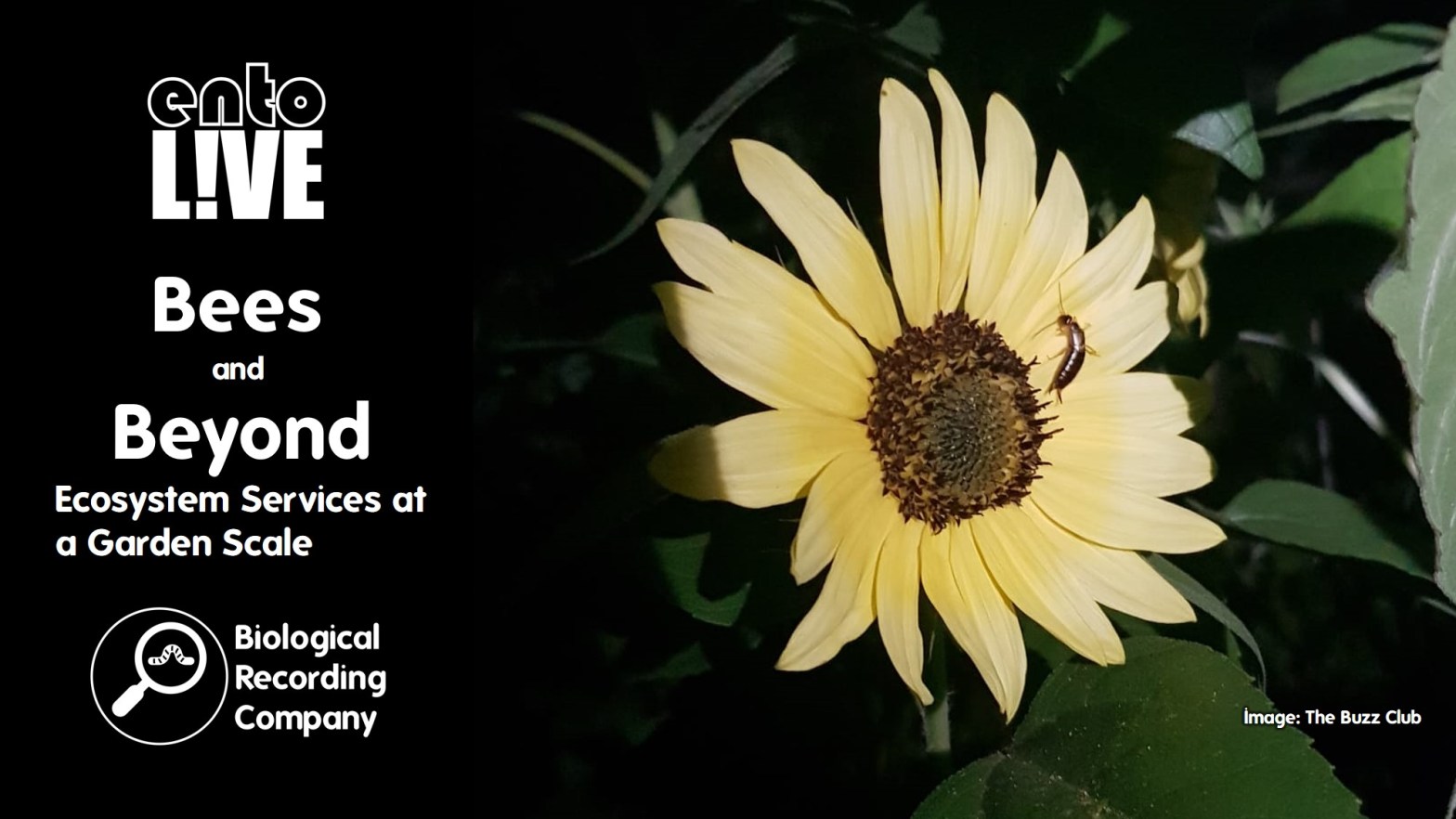
Dr Linda Birkin (University of Sussex) explores the importance of gardens for the wider environment in which they are nestled.
Tag Archives: wildlife
State of the UK’s Invertebrates Virtual Symposium
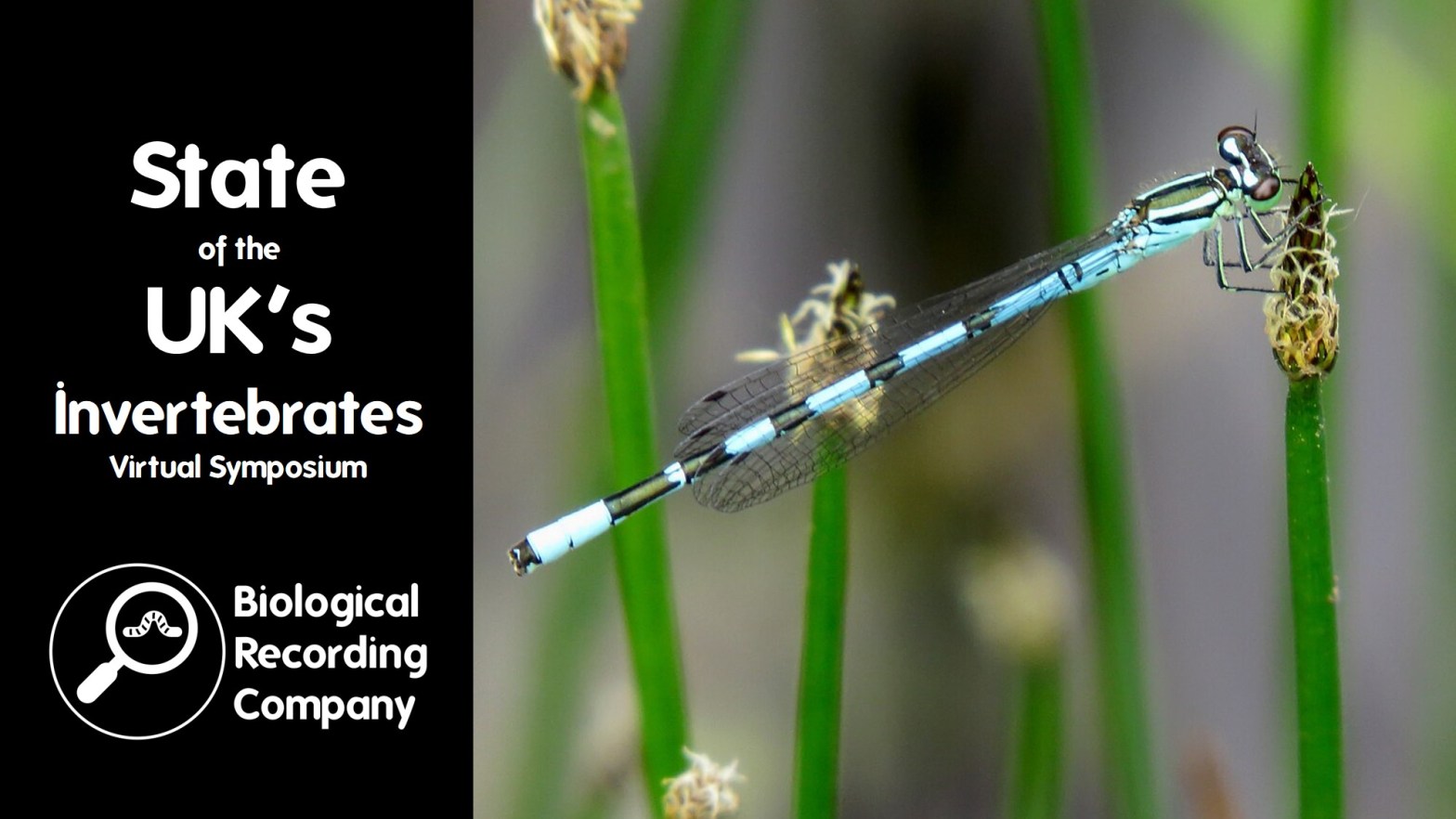
British invertebrates make up the majority of our native fauna and provide a wealth of ecosystem services, yet they often fly under the radar compared to their vertebrate counterparts. The State of the UK’s Virtual Symposium looked at research intended to ensure invertebrates are considered for conservation actions.
Hoverfly Lagoons Project: A Journey into the Past, Present and Future
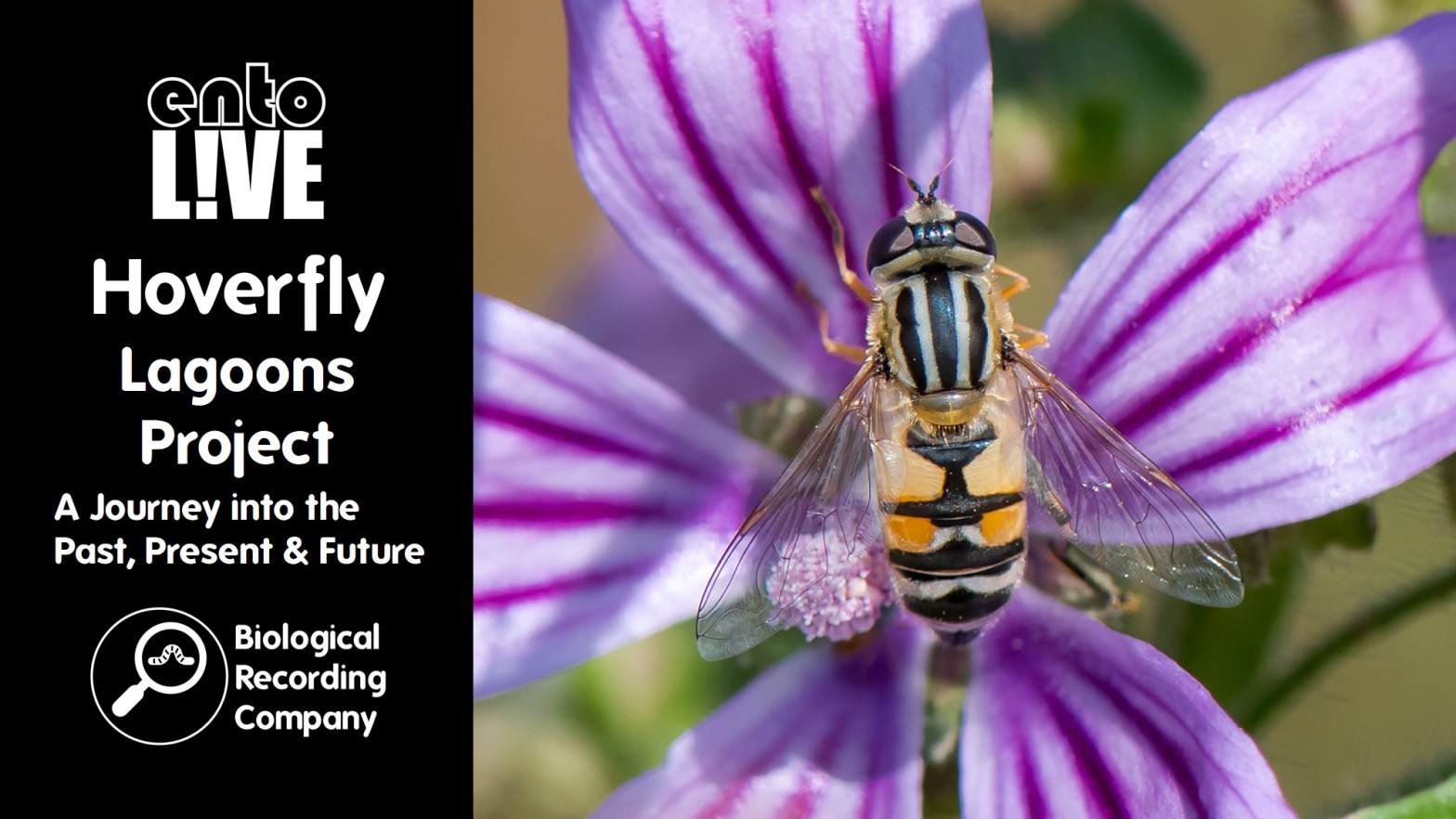
Dr Ellen Rotheray (University of Sussex) explores the highly successful Hoverfly Lagoons project about introducing aquatic habitats into small spaces.
How Can We Use Sound to Measure Biodiversity?

Explore the potential benefits and limitations of using sound to measure biodiversity.
Species ID Skills Virtual Symposium
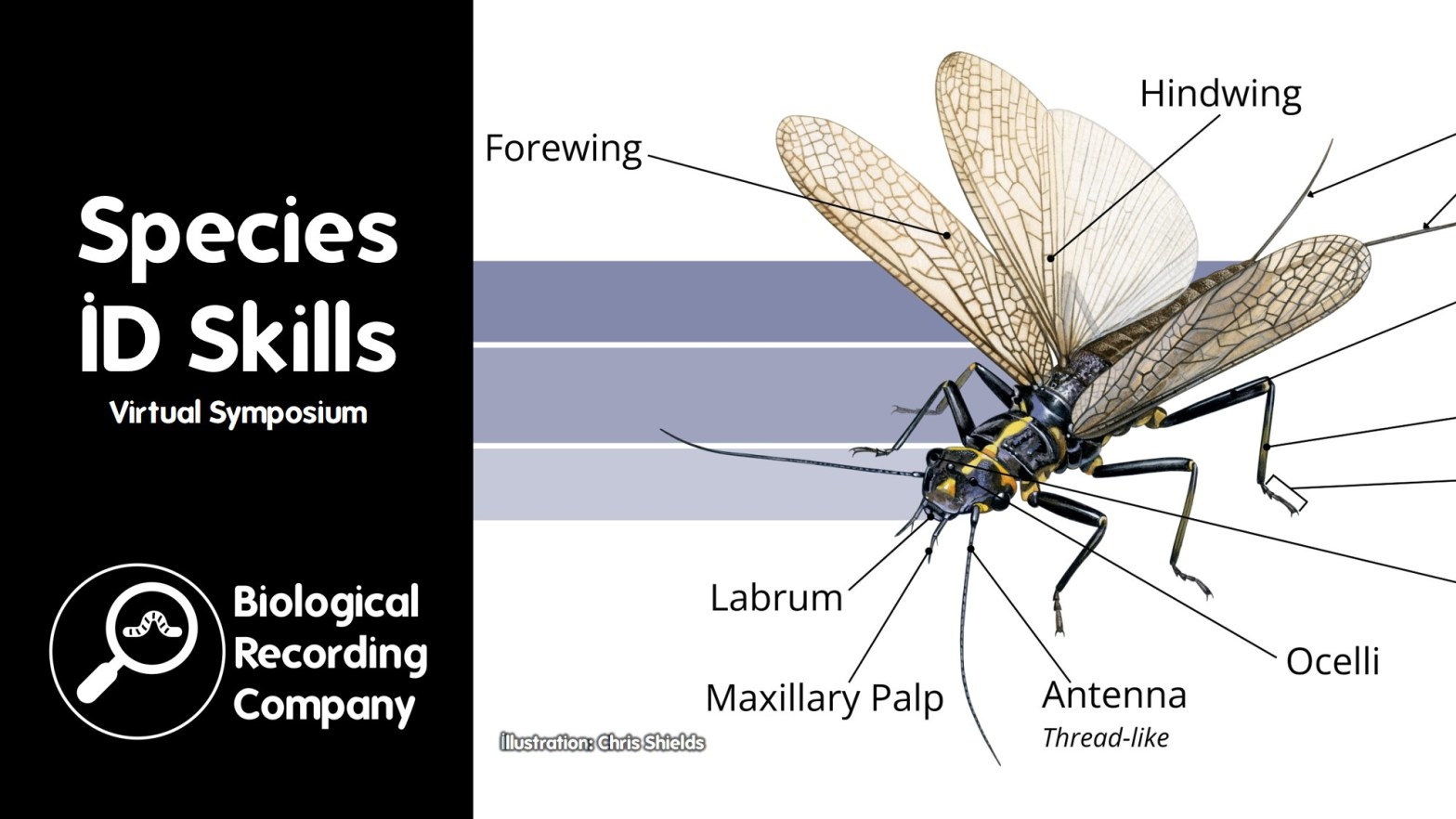
The Species ID Skills Virtual Symposium was a knowledge-sharing event about developing species ID skills for professional and non-professional audiences.
Bees and Heatwaves: Preparing For A Warming World
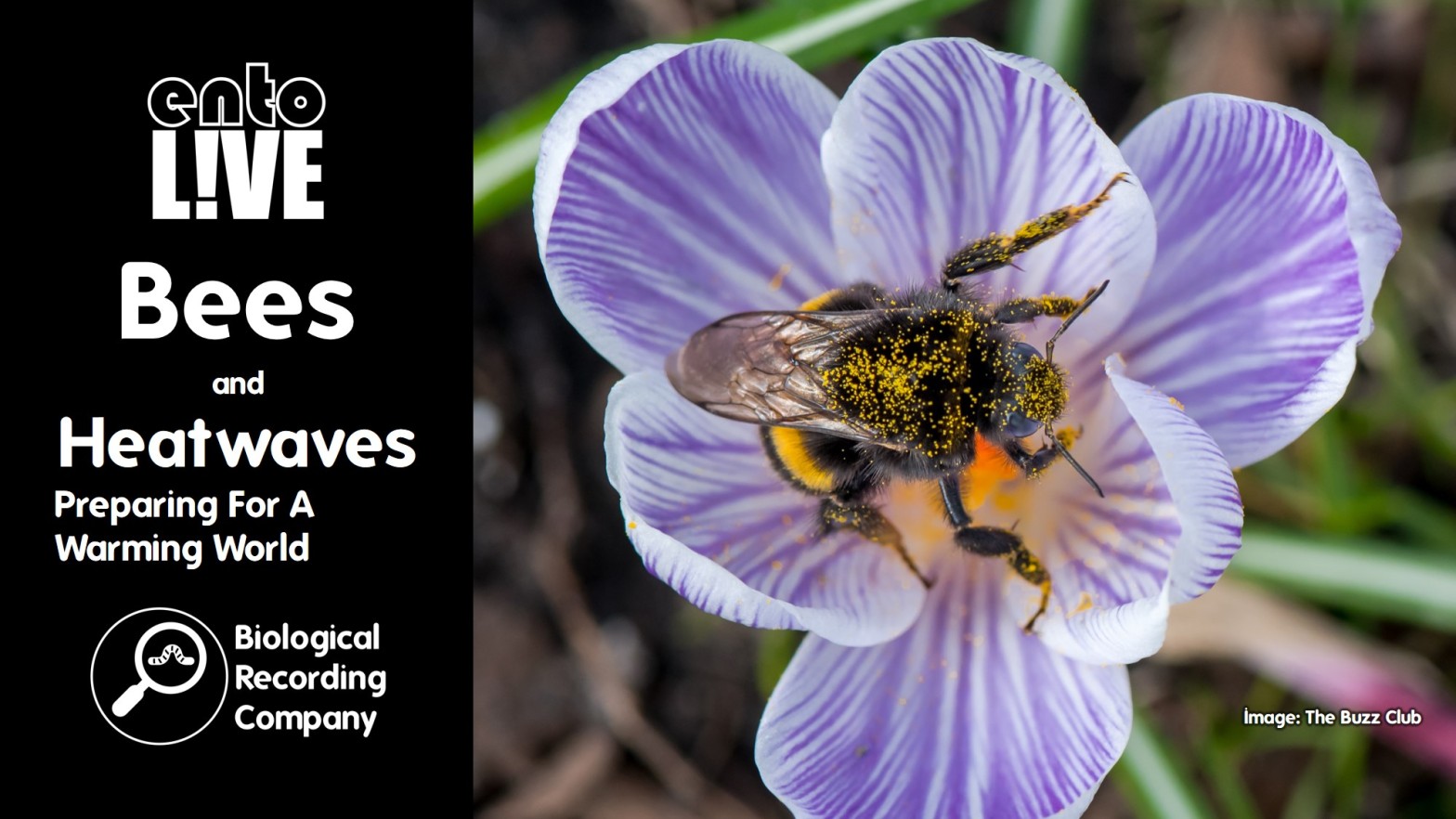
Yanet Sepúlveda and Isobel Sexton from the Buzz Club (University of Sussex) discuss the Bees and Heatwaves project that is investigating the impacts of extreme weather on bee populations.
The Buzz Club: Citizen Science Virtual Symposium
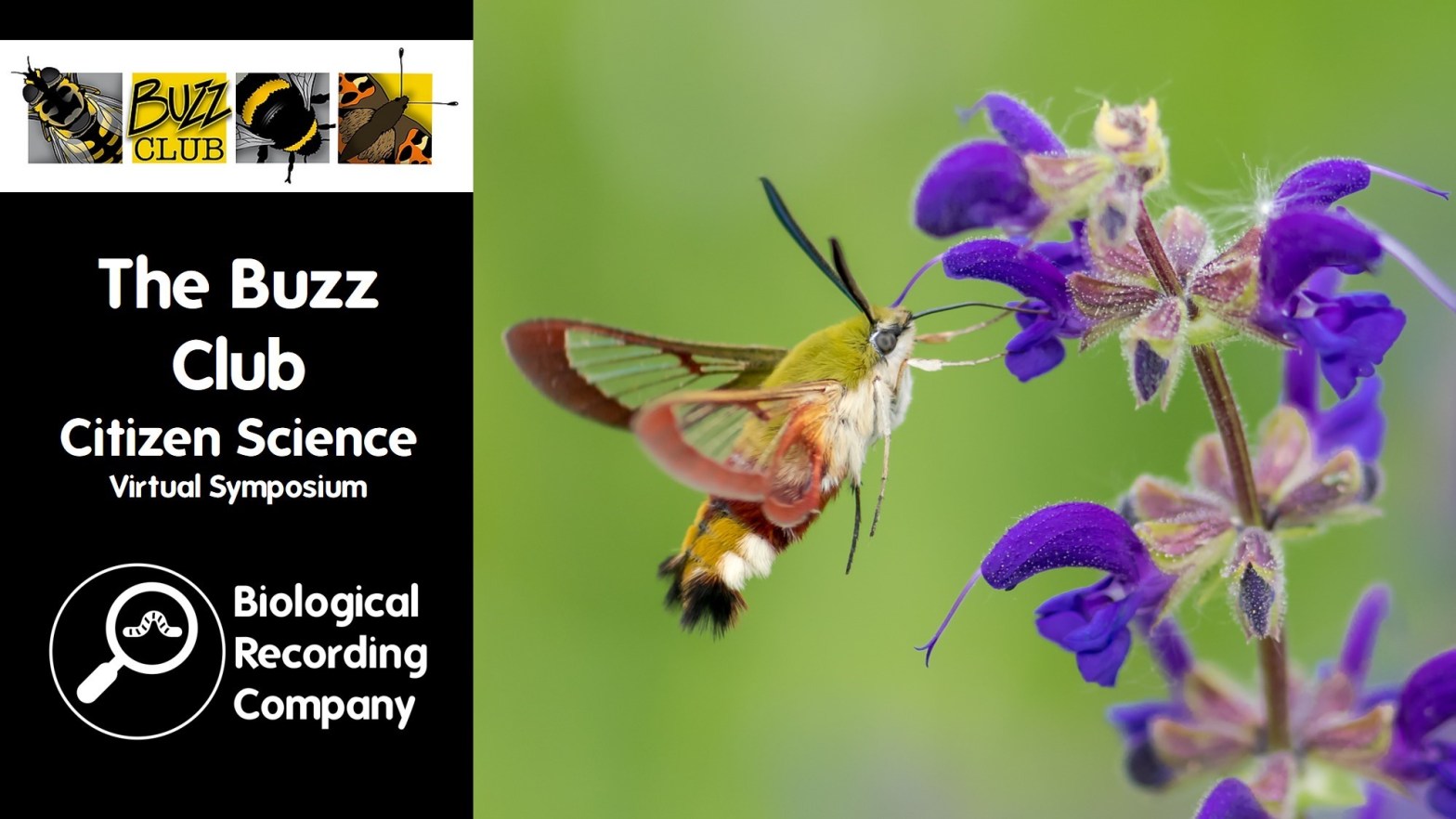
Join us for a citizen science knowledge-sharing event using The Buzz Club projects as case studies.
Butterflies Through Time: Climate Change, Conservation & Historic Specimens

Matthew Hayes (University of Cambridge) discusses how historical specimens and modern-day research allow wildlife of the past to inform conservation of the future.
Spiders, Earthworms and Beetles: The Impacts of Cover Crop Frost Tolerance

Dr Amelia Hood (University of Reading) presents the results of a collaborative experiment looking at invertebrate-associated ecosystem benefits from cover crops.
Refurbishing the Bee Hotel: Different Bees, Different Needs

Dr Linda Birkin & Isobel Sexton from the Buzz Club (University of Sussex) report their findings on what does and doesn’t work when it comes to providing your very own Air Bee ‘n’ Bee.
 Biological Recording