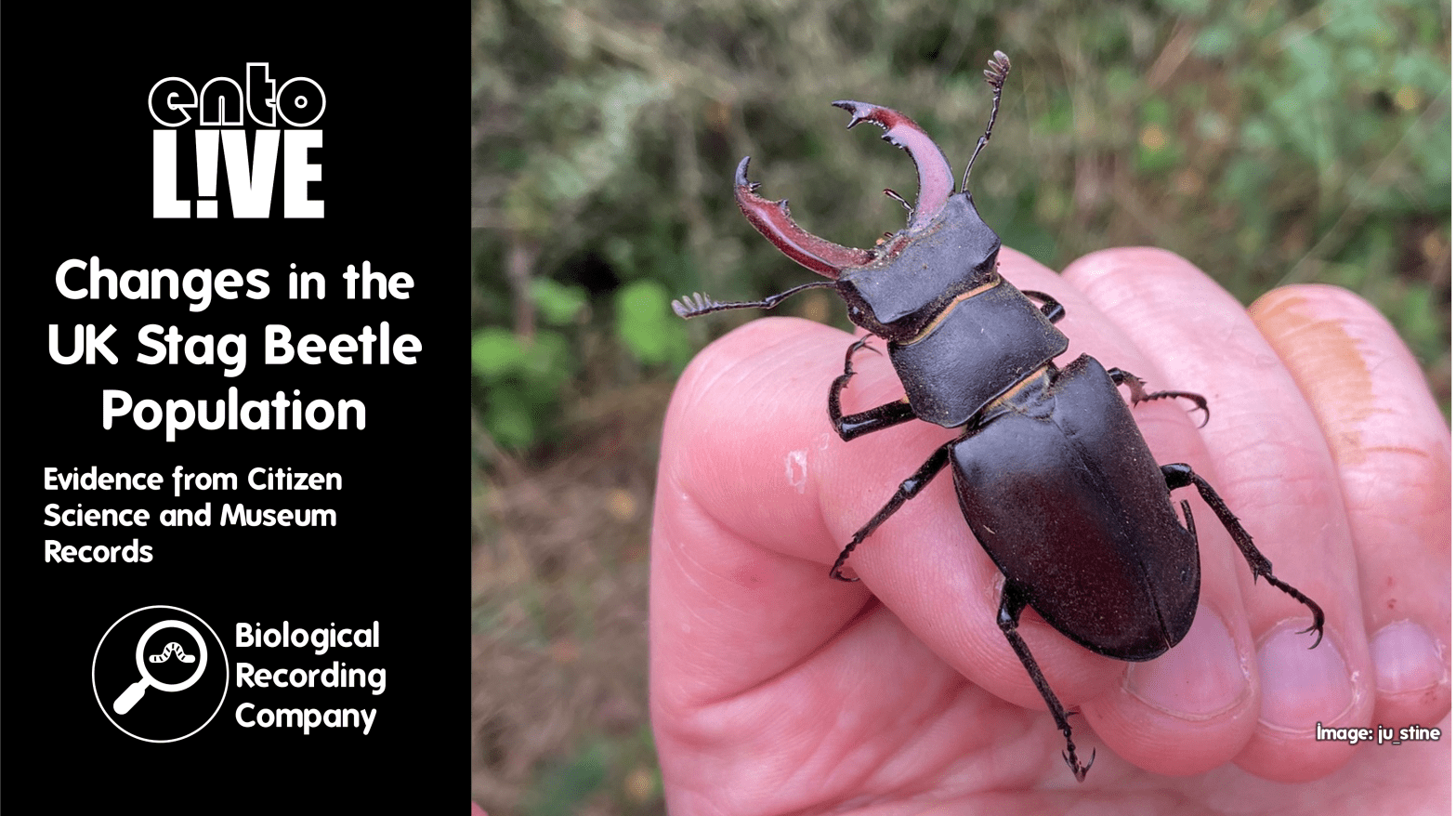
The Stag Beetle – Lucanus cervus – is the UK’s largest beetle. Males can be up to 75 mm long, including their impressive antler-like mandibles which they use to battle each other for access to females during breeding season. It is a truly beautiful species, inspiring amazement in all who are lucky enough to see one. Sadly, evidence from Europe suggests that stag beetle populations are declining across much of their range. But how are they faring in the UK? The south of England was historically recognised as a hotspot for the species. Is it still? A team of researchers from the People’s Trust for Endangered Species (PTES), the Natural History Museum (NHM) and the University of Cambridge set out to find an answer. Distribution records of stag beetles from 1998 to 2022 were analysed and compared with historic museum records going back over a century. The core range was found to have changed little overall, but has declined in the south west of England. Counts of adult beetles recorded together, although not systematic, indicate a worrying decline in abundance across the range. Phenology was also investigated. This webinar will share the findings from this research project, and discuss what can be done to ensure the long-term survival of this charismatic species.
Tag Archives: insect conservation
Mapping the Beetle Tree of Life
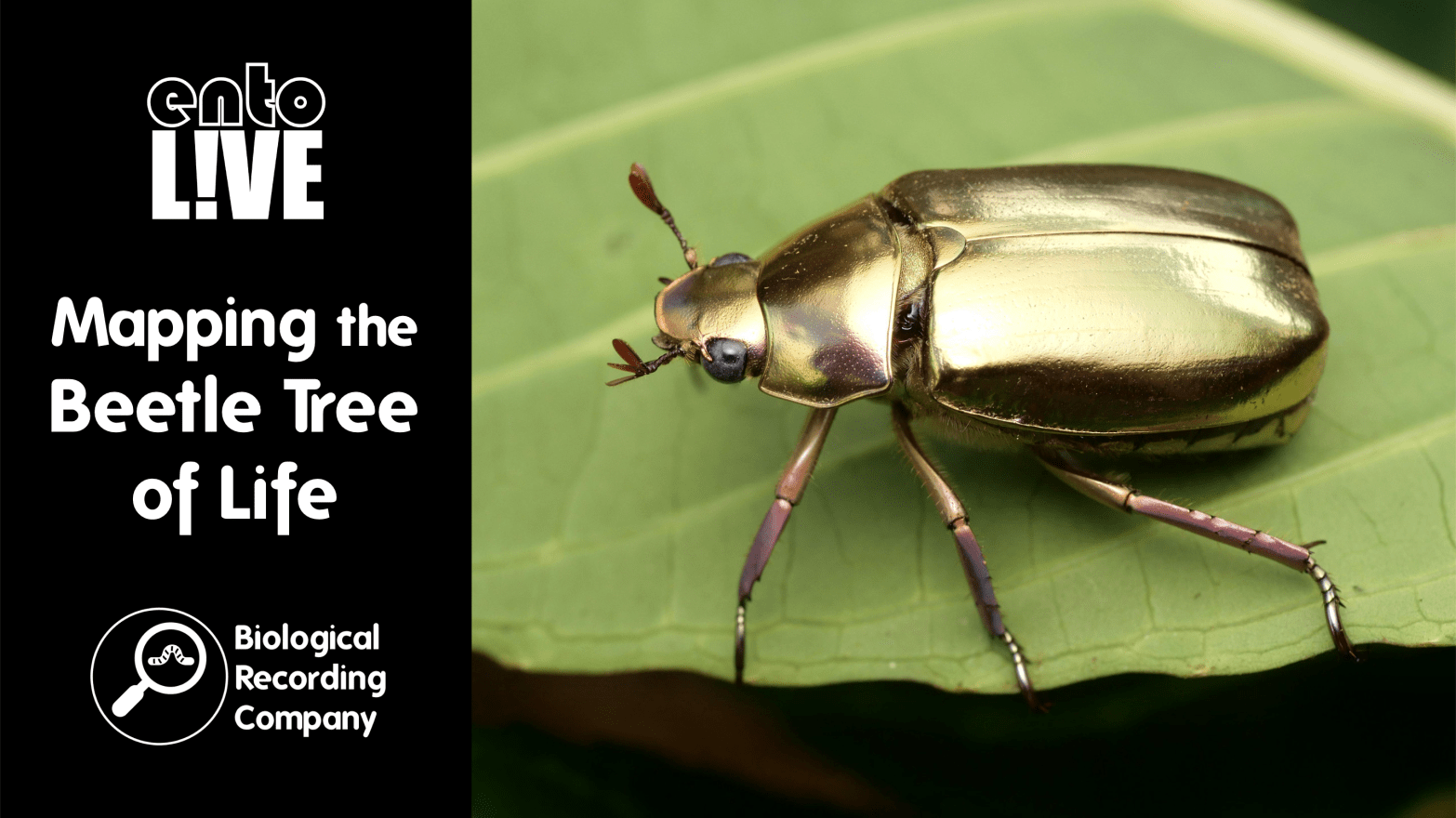
With over 400,000 described species, Coleoptera represent one of the most diverse groups of organisms on Earth, necessitating a global, integrative approach to understanding their evolutionary history. This effort begins with standardized field collection, specimen imaging, and identification, followed by high-quality DNA extraction. By combining genomic, mitochondrial, and barcode data, we are building the most comprehensive Coleoptera phylogeny to date – spanning over 100,000 species, including many that remain undescribed. This large-scale phylogenetic framework enables us to move beyond species counts, revealing global patterns of biodiversity through time and space and providing essential insights into species loss and the broader consequences of global change.
Biodiversity Net Gain and Invertebrates: Are We Getting It Right?
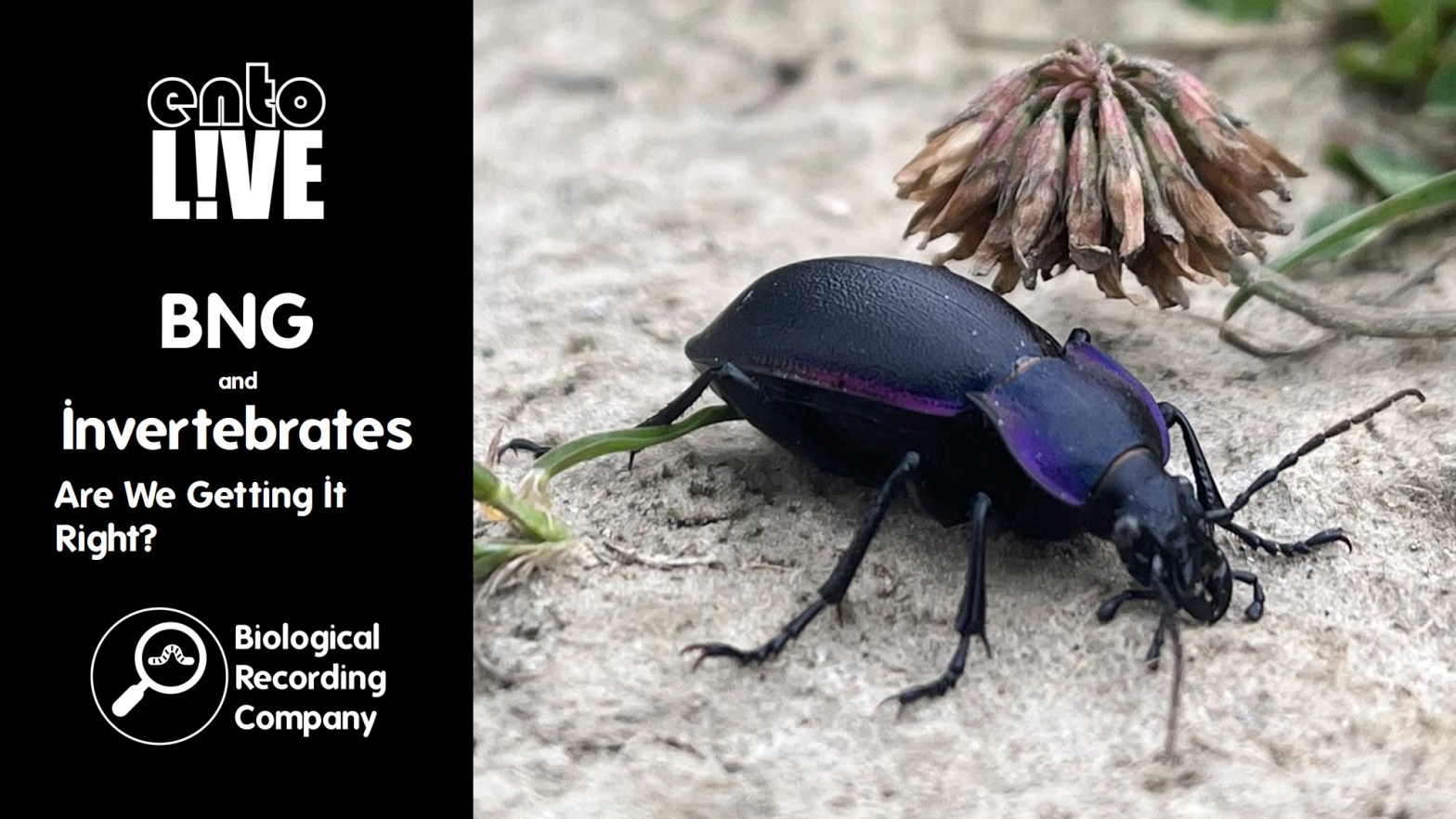
Natalie Duffus (University of Oxford) presents her research into the ecological outcomes from biodiversity offsetting.
 Biological Recording