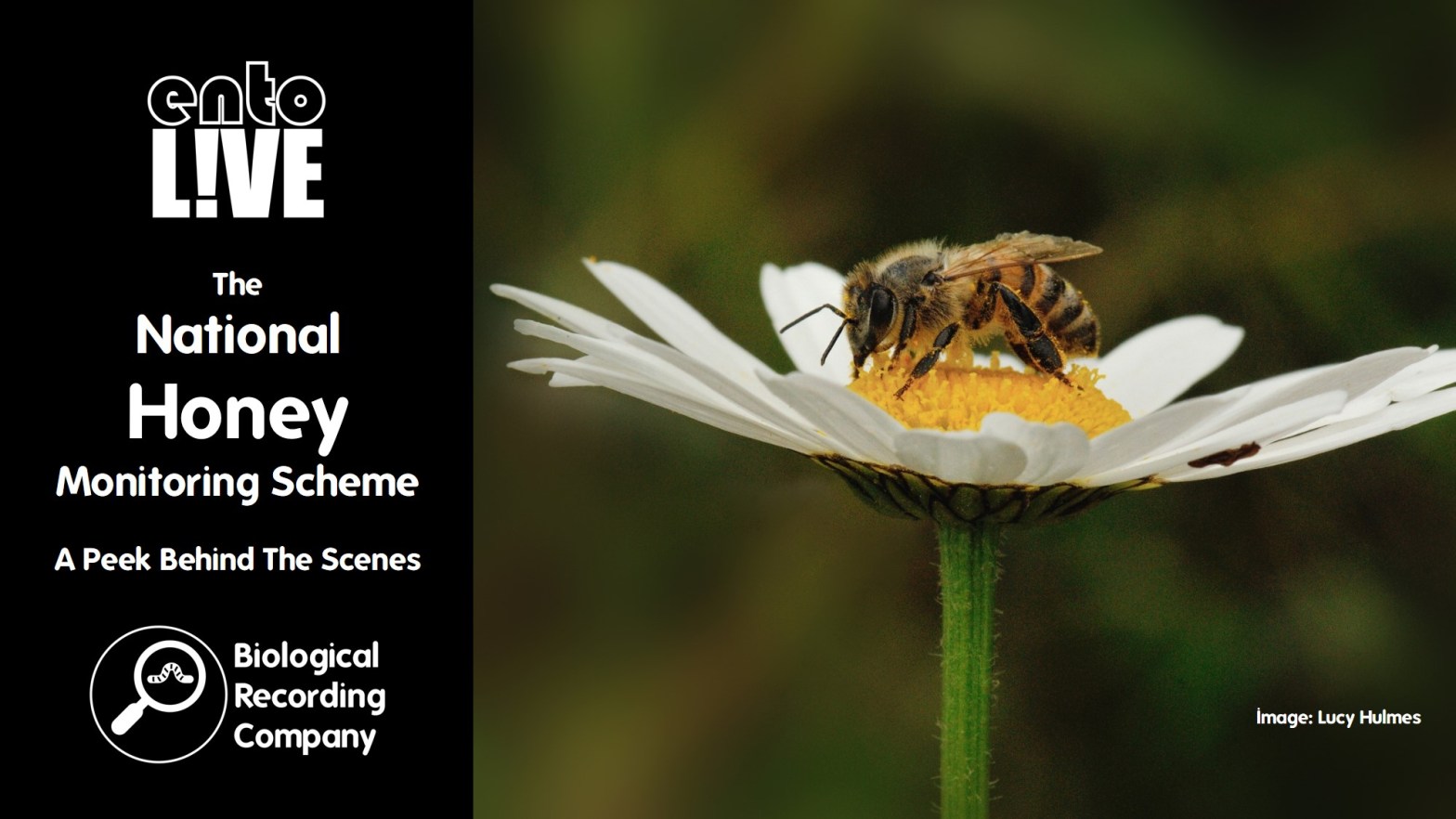
Jenny Shelton (UK Centre for Ecology and Hydrology) takes us on a behind-the-scenes tour of the National Honey Monitoring Scheme.
Category Archives: entoLIVE Blog
Marine Mollusc Recording Scheme: Discoveries from the Conchological Society of Great Britain and Ireland
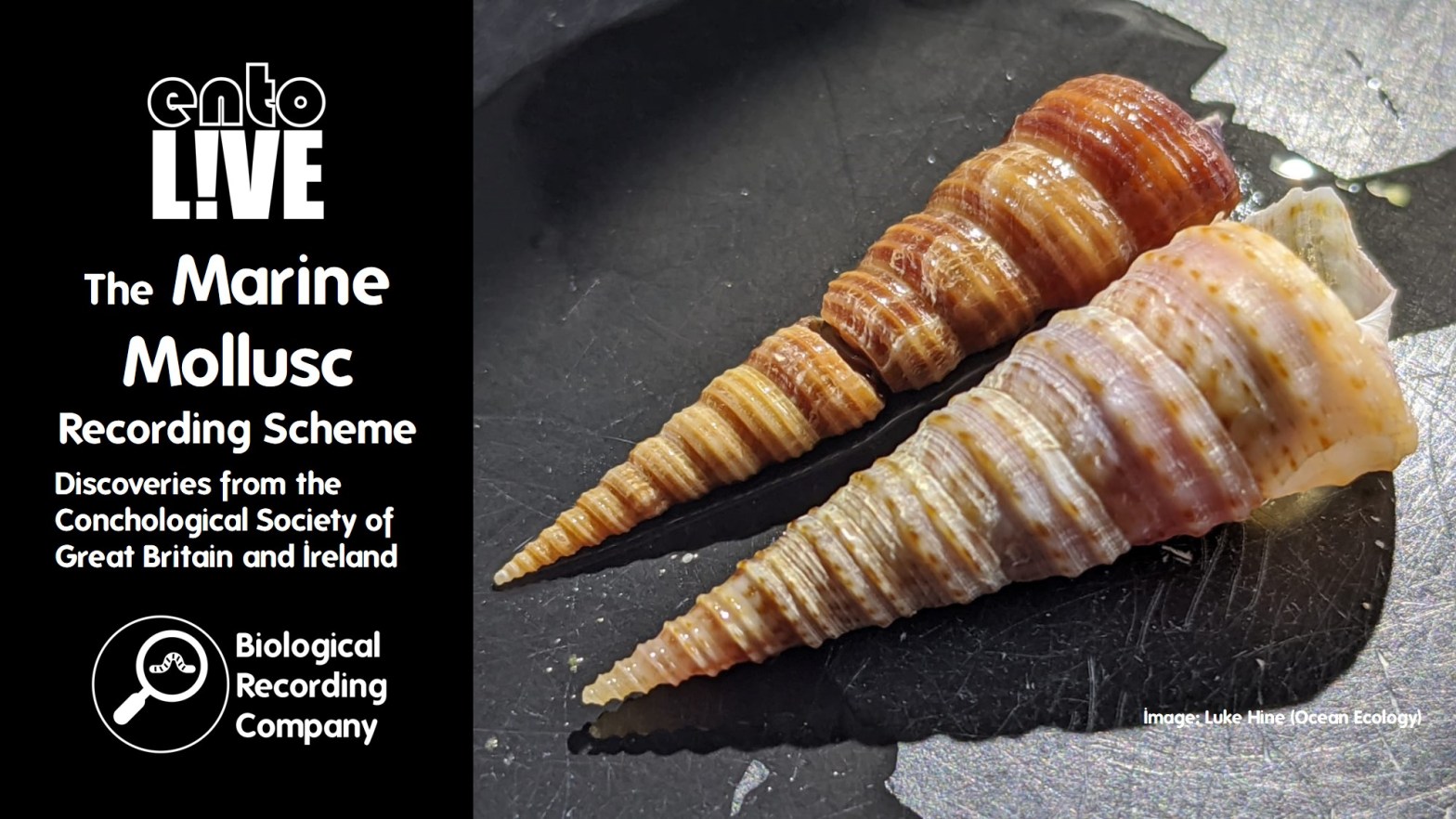
Simon Taylor (Conchological Society of Britain and Ireland) explores some of the mollusc marvels that are found in marine environments around Britain and Ireland.
Restoration, Rearing and Reintroductions: Saving the Freshwater Pearl Mussel
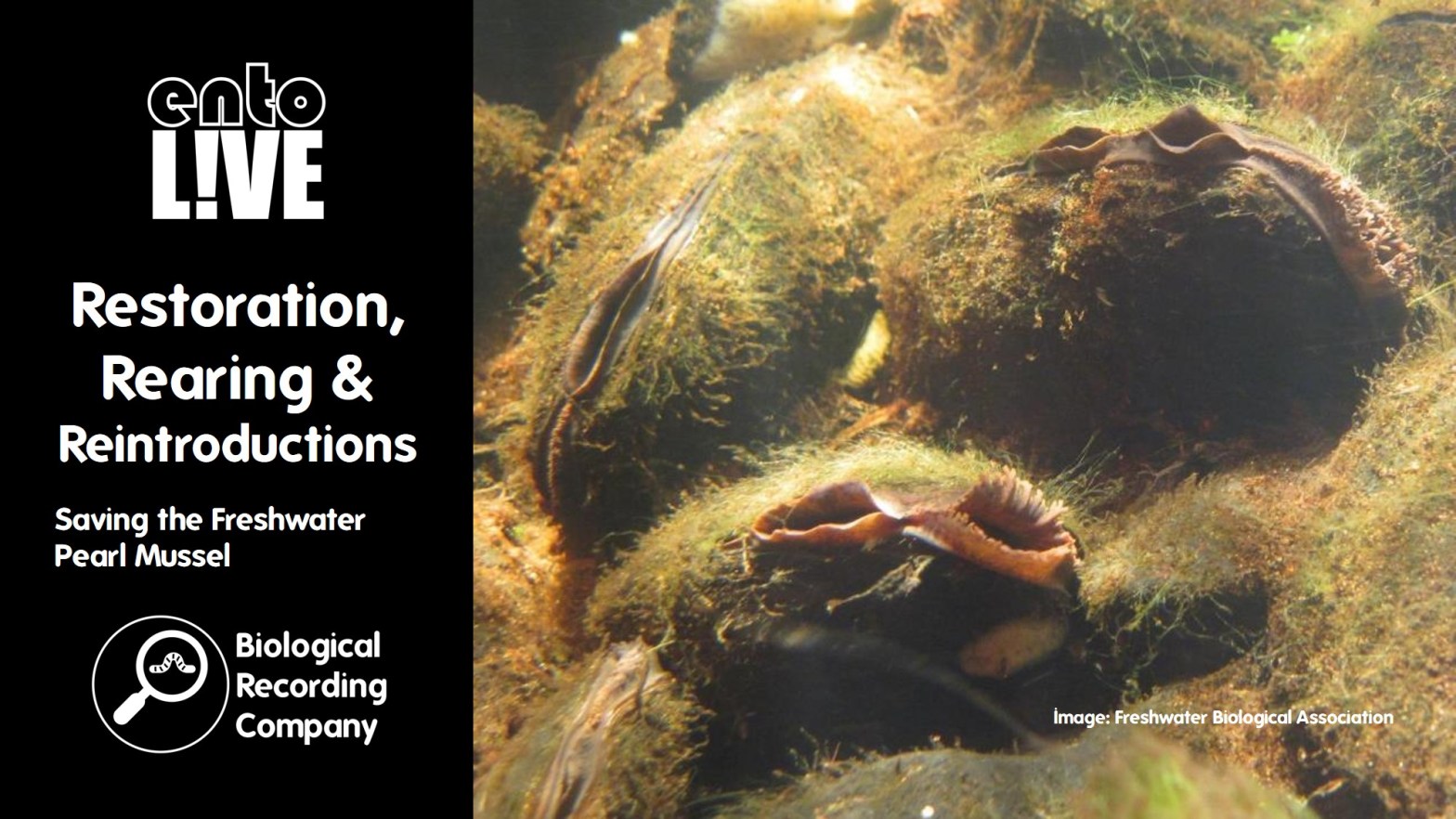
Louise Lavictoire (Freshwater Biological Association) discusses the captive breeding programme for one of the most endangered freshwater invertebrates in Europe.
Big Wasp Survey: Investigating Social Wasp Populations Through Citizen Science
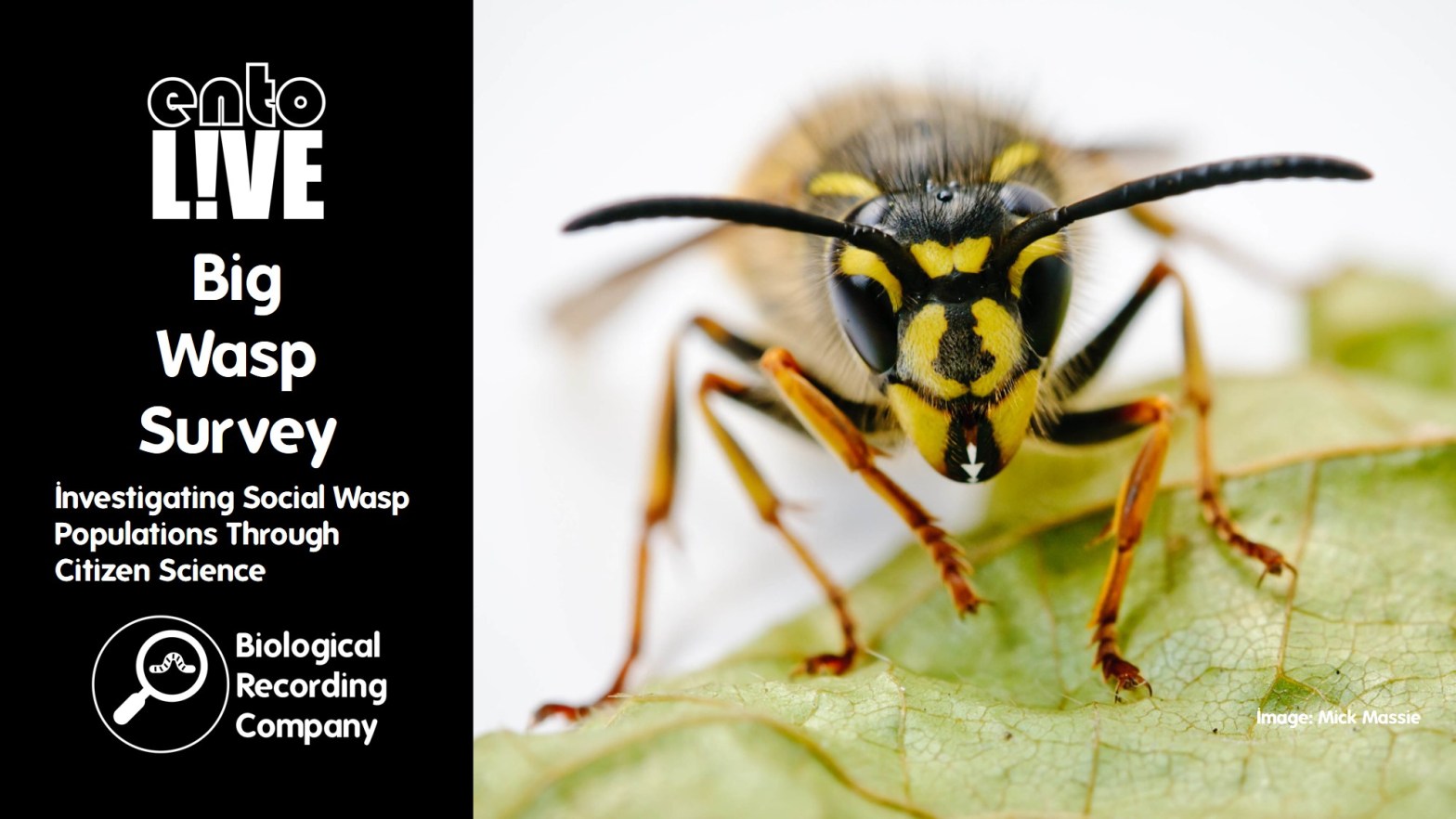
Prof Seirian Sumner (University College London) how social wasp populations are being investigated through citizen science.
DragonflyWatch: The National Dragonfly Recording Scheme
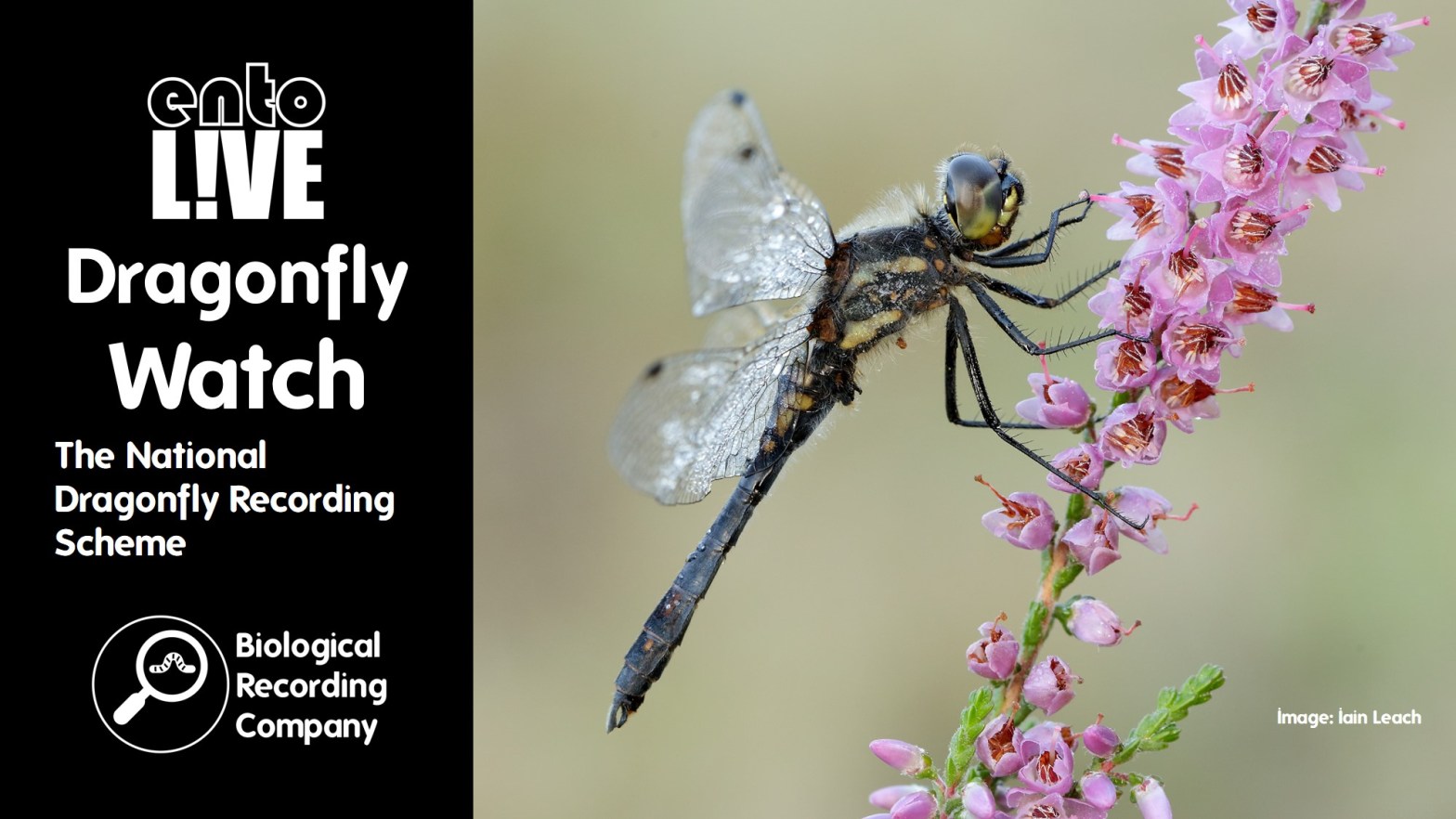
Eleanor Colver (British Dragonfly Society) discusses the data from the National Dragonfly Recording Scheme and how you can contribute to the dataset.
The London Bee Situation: How Sustainable Is Beekeeping in London?

Mark Patterson (Apicultural) discusses how the honeybee may be impacting local wild bee populations in the densely urban environment that is London.
Unlocking Invertebrate Genomes: Trying to Sequence Every Species

Dr Liam Crowley (University of Oxford) explains how an aspirational project is trying to sequence every species in Britain and Ireland.
Crawfish: Trending in South-west Britain

Delve into the mysterious reappearance of the Crawfish is the southwest of England with Dr Angus Jackson from Seasearch.
Celebrating Ladybirds: Developing Our Knowledge Through Citizen Science
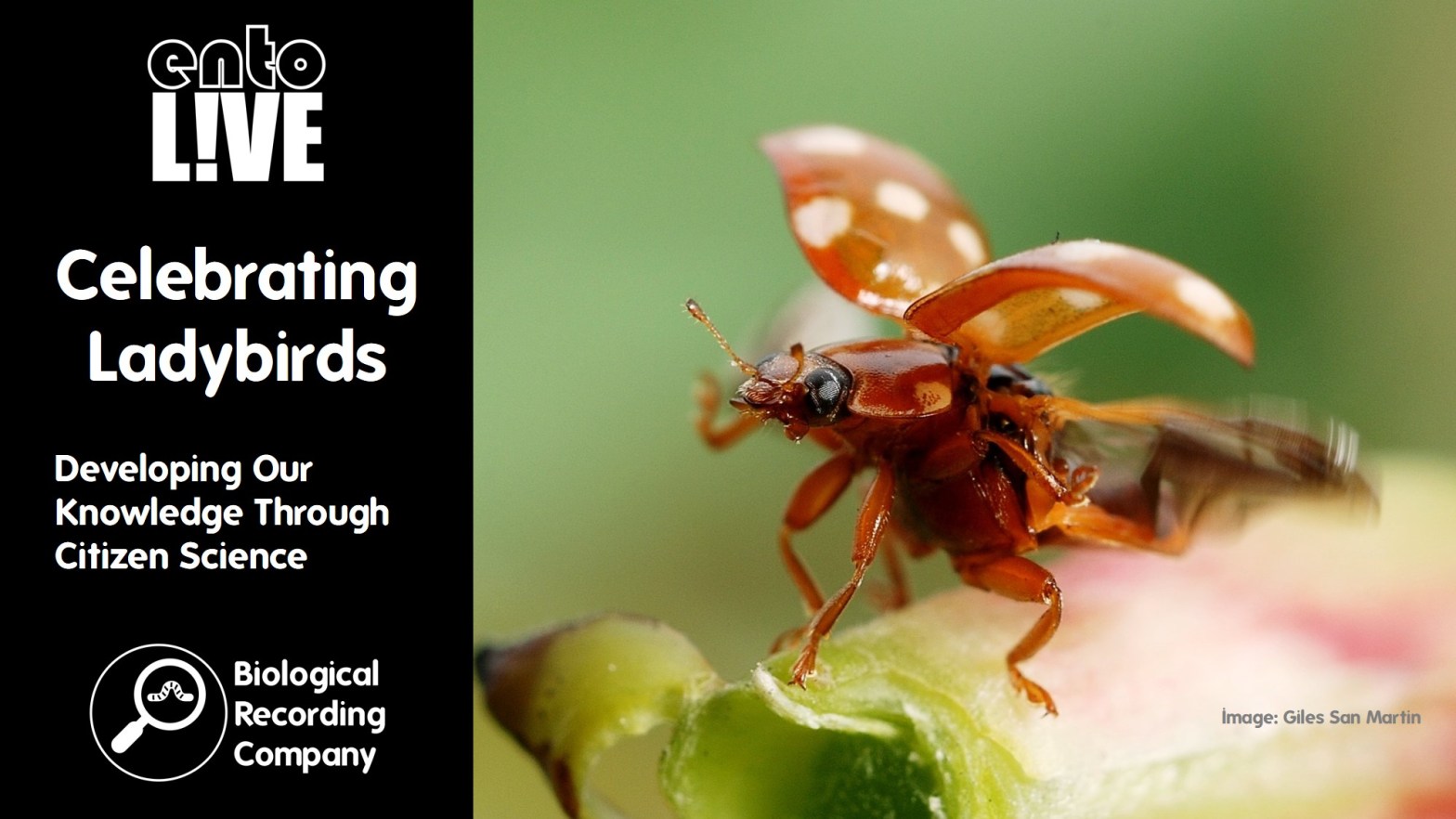
Prof Helen Roy (UK Centre for Ecology & Hydrology) explains how our understanding of the ecology of these beautiful beetles is partly due to an army of citizen scientists.
Weird But Wonderful World of Worms: Tales From The Museum Collections
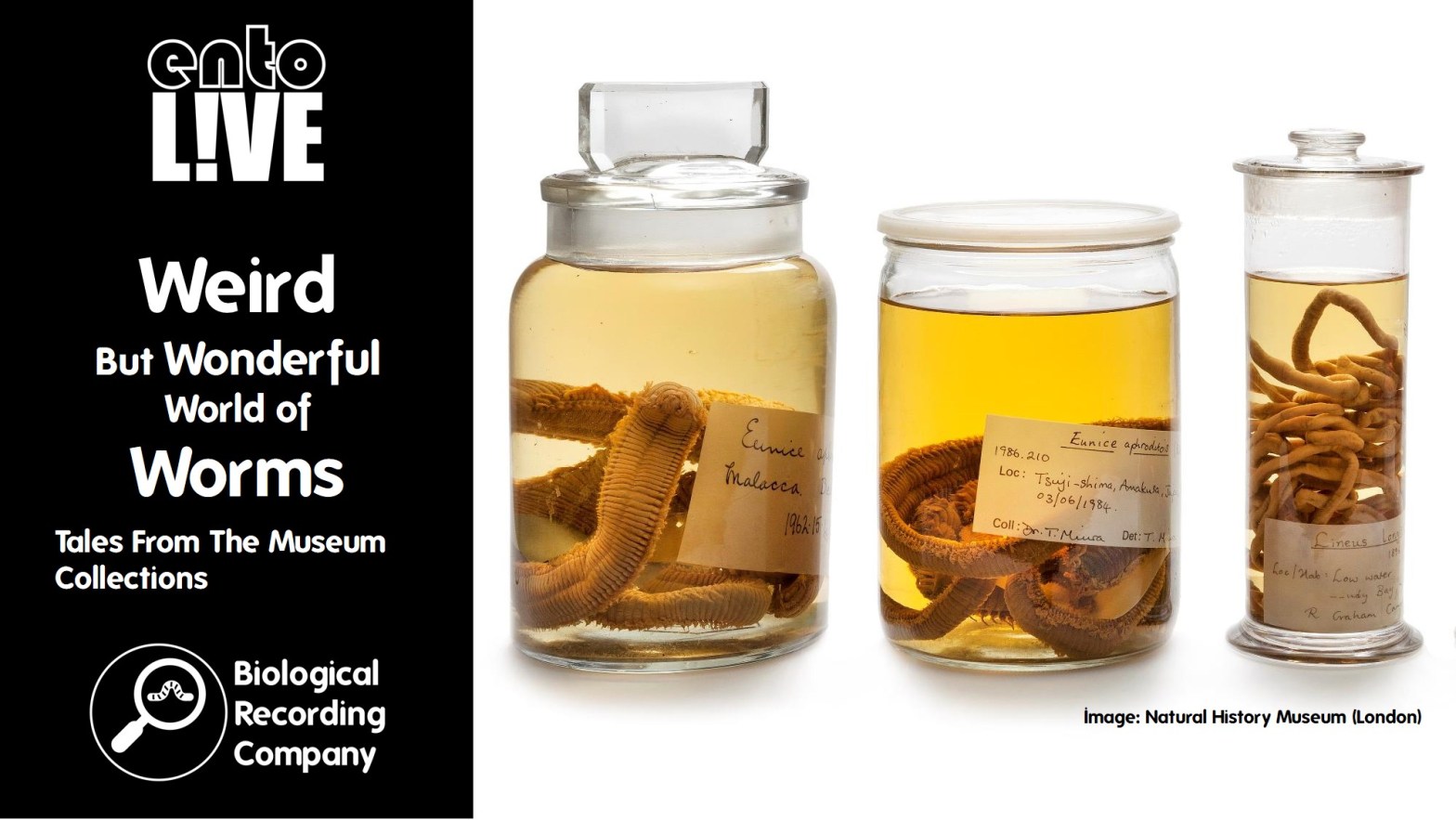
Emma Sherlock (Natural History Museum) provides a tour of some of the weirder worms from the museum’s collections.
 Biological Recording