
Dr Nikki Gammans (Bumblebee Conservation Trust) presents the story of the Short-haired Bumblebee, its extinction in Britain and a long-term reintroduction programme.
Category Archives: entoLIVE Blog
Nature Overheard: Acoustic Monitoring for Insects Through Community Science
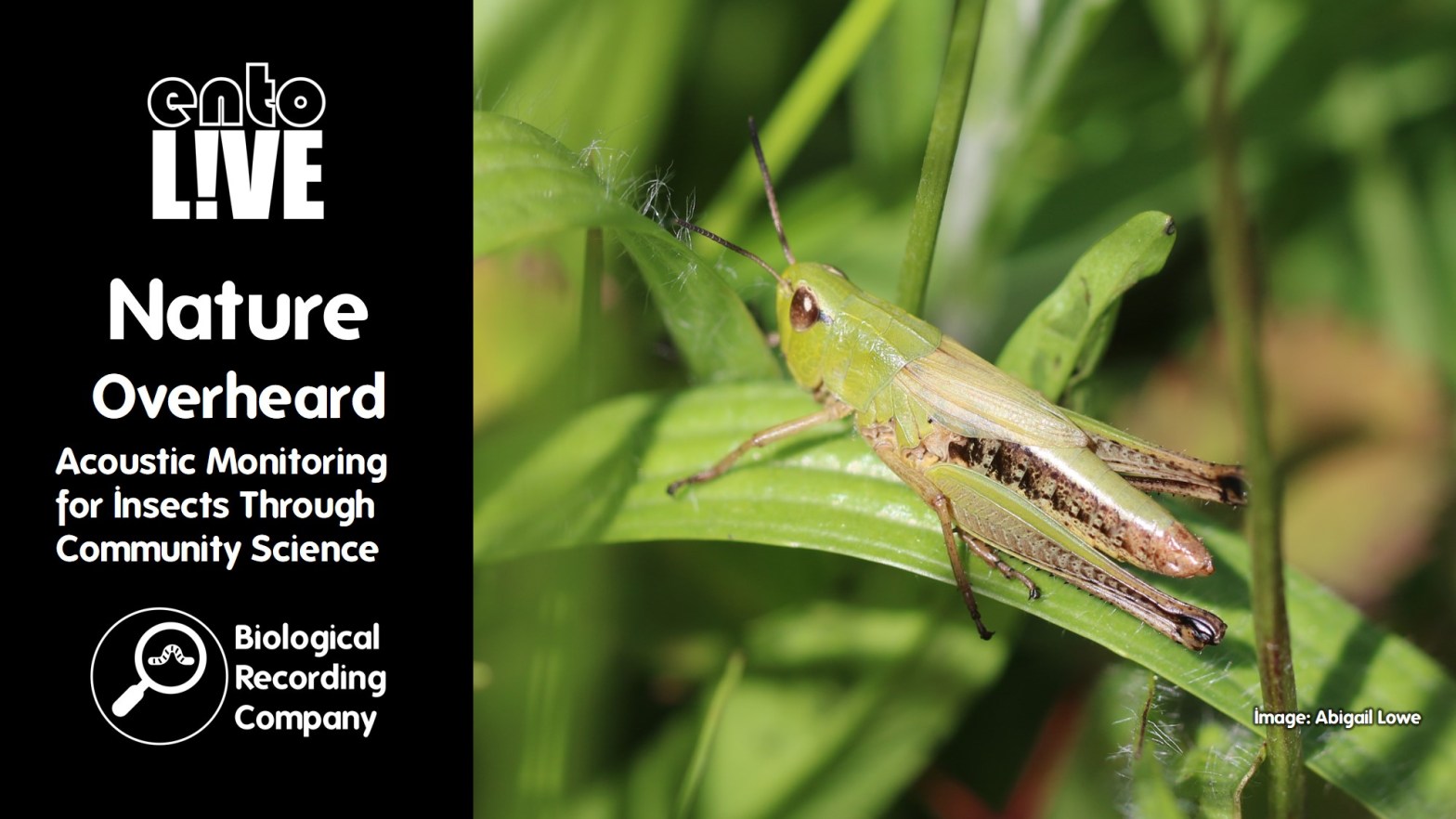
Dr Abigail Lowe from the Natural History Museum explains how you can help investigate the impact of noise pollution on insects.
Darwin’s Earthworms: A Groundbreaking Piece of Soil Ecology

Kerry Calloway (Earthworm Society of Britain) takes us on a 44-year journey through Darwin’s research into earthworms, their intelligence and ecological importance.
Leeches: Life History and Identification

Craig Macadam (Buglife) delves into the fascinating world of leeches, with guidance on identifying British species.
The Return of the Native: The Great Fox-spider in Britain
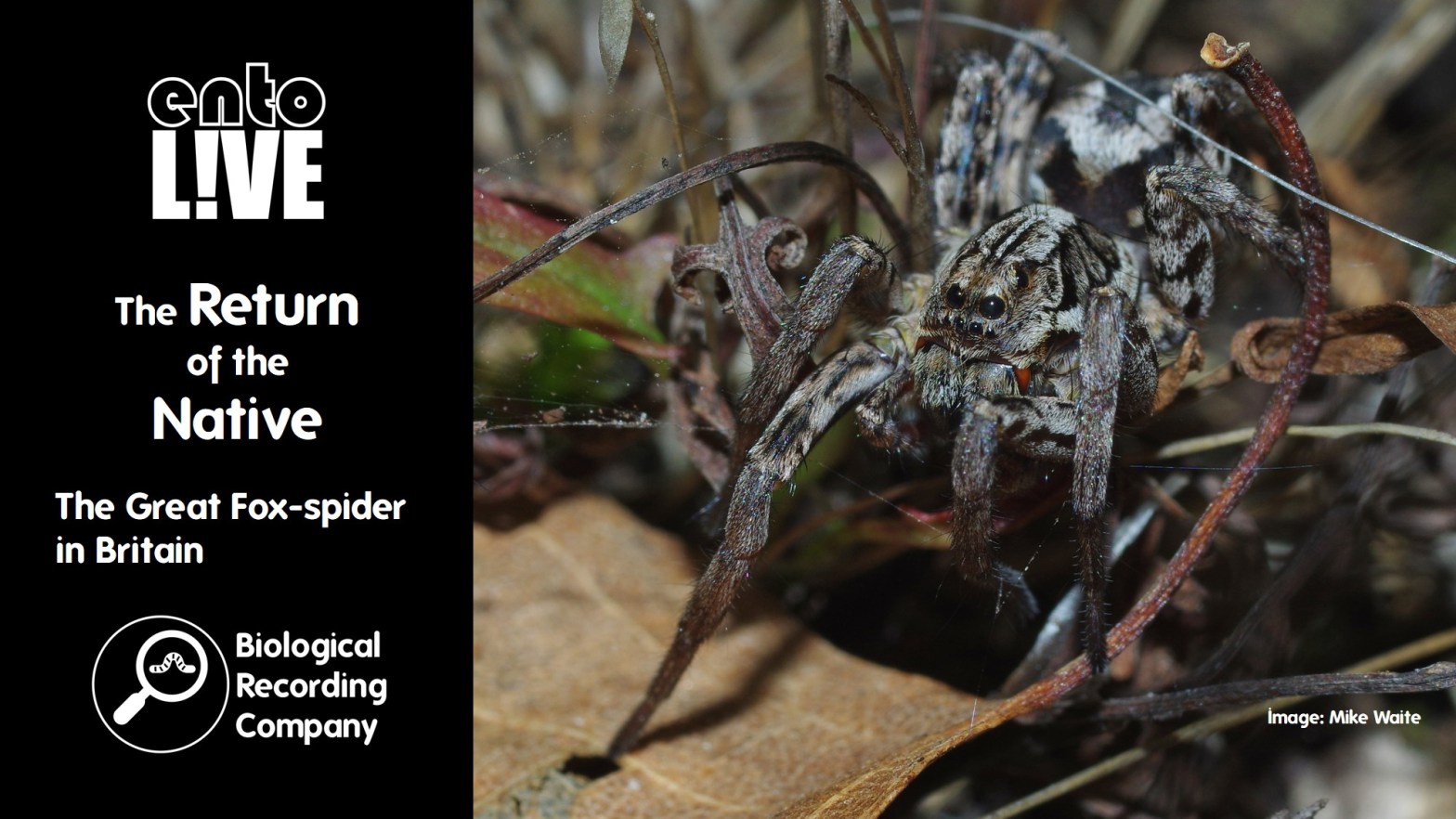
Mike Waite (Surrey Wildlife Trust) delves into the fascinating story of the Great Fox-spider – an invertebrate that was feared to be lost from the UK until recently.
Showcase Butterflies: Expanding Networks of Farmers & Biological Recorders
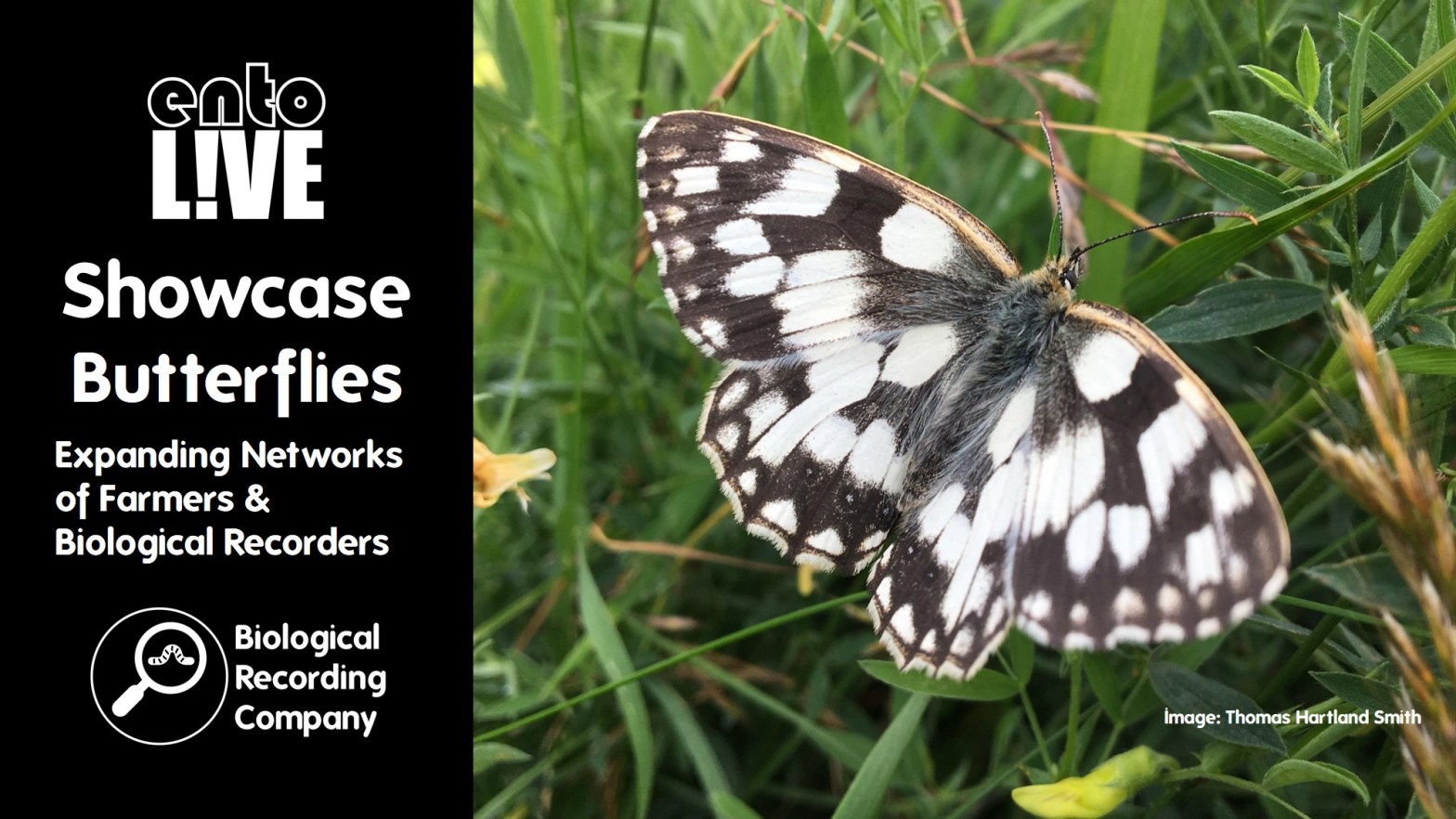
Dr Stuart Edwards (University of Reading) discusses his work connecting farmers and biological recorders to monitor farmland butterflies.
Gardening For Earthworms: Mutual Benefits of Earthworm-friendly Gardening

Understanding the different ecological groups of earthworms is key to improving your little patch of our planet for every gardener’s friend.
Waking The Dead: Inside the Insect Collection at National Museums Scotland
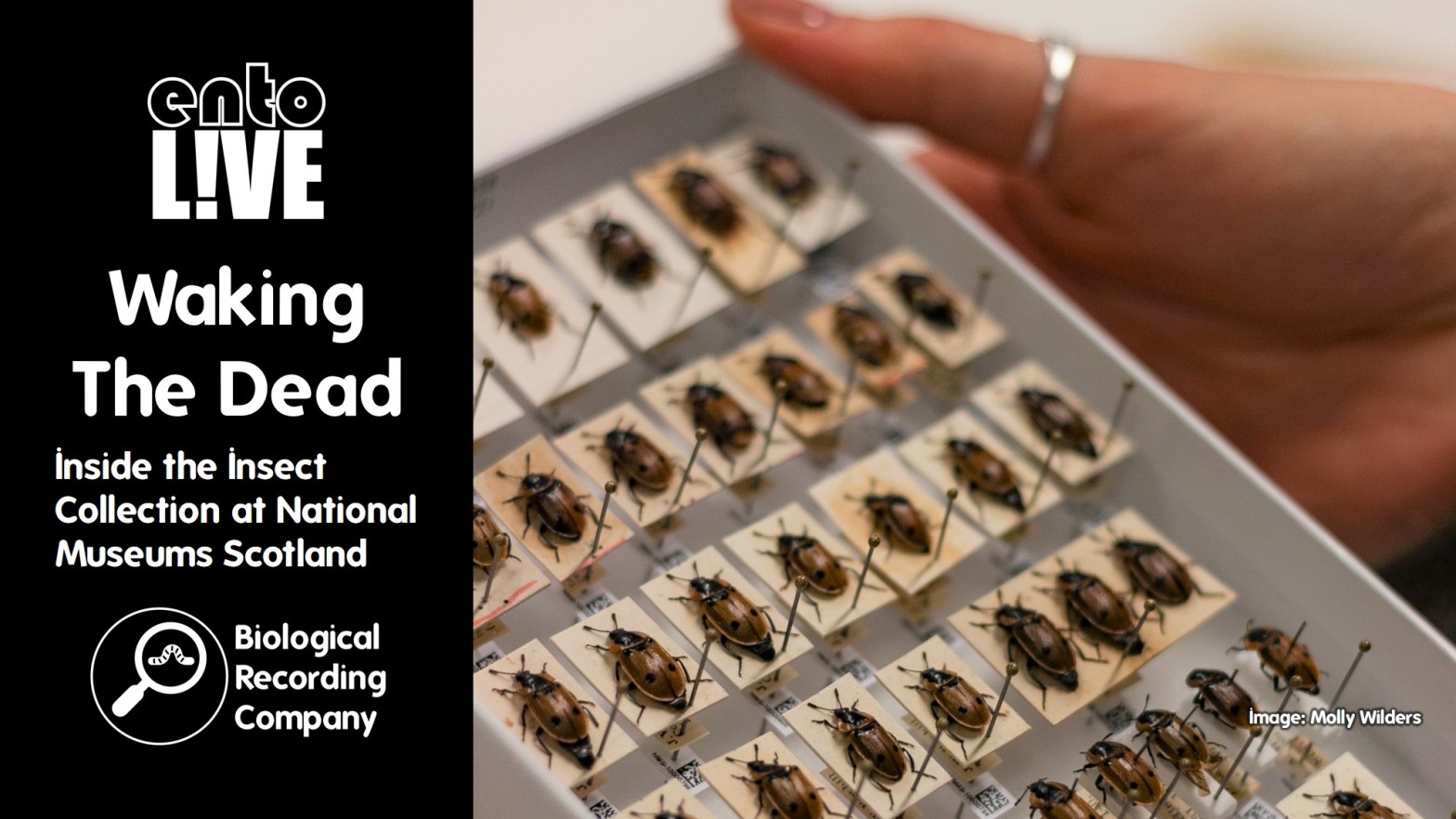
Delve into the Scottish insect collections with entomologist and beetle enthusiast Ashleigh Whiffin.
From Springtails to Pauropods: Soil Biodiversity Monitoring in the UK
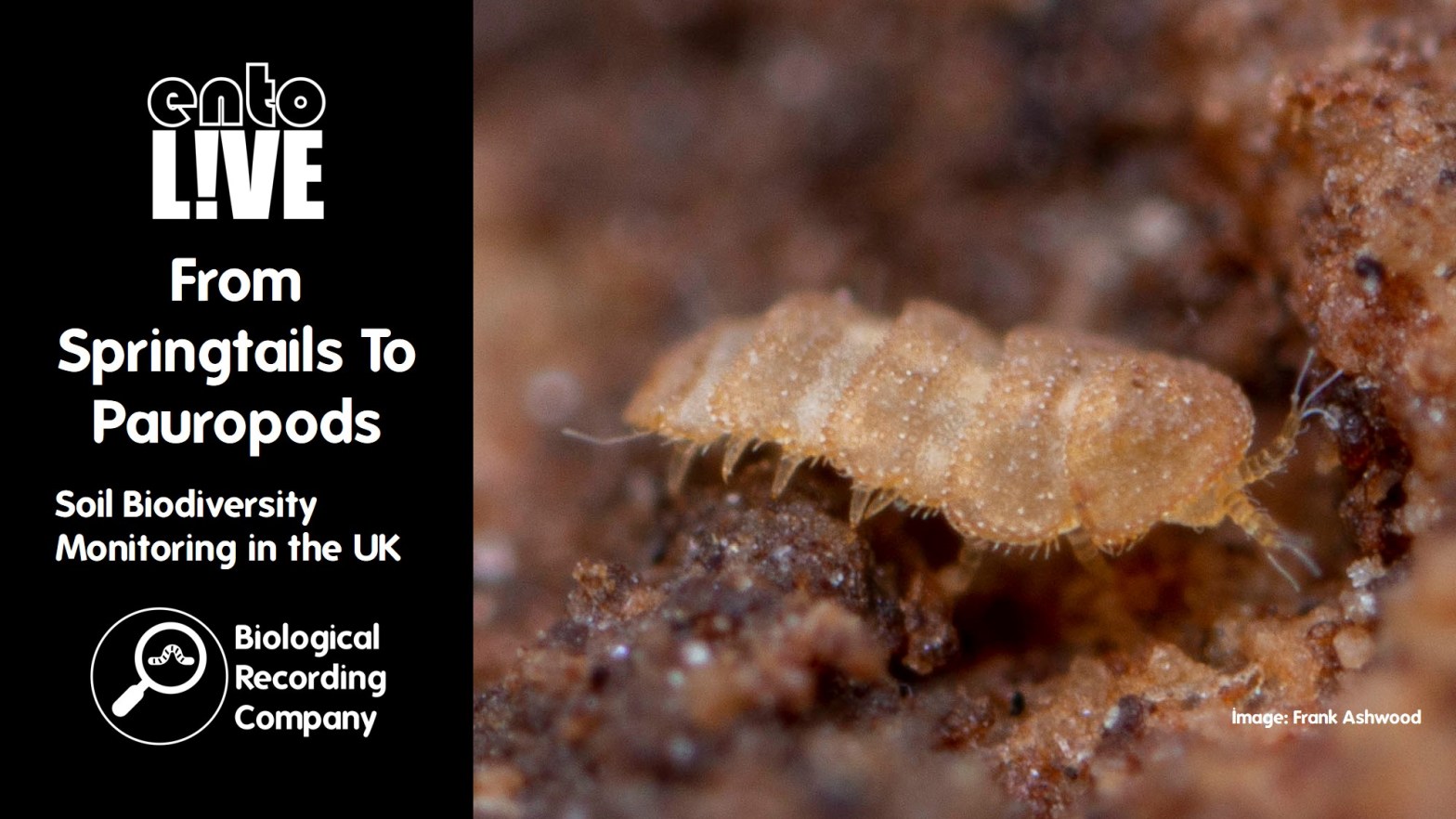
Delve into the underground world of soil biodiversity with Dr Frank Ashwood (Forest Research) and learn how scientists are monitoring the microarthropods that most people don’t even know.
Yellow Meadow Ants: An Important Contributor To Biodiversity In Grasslands
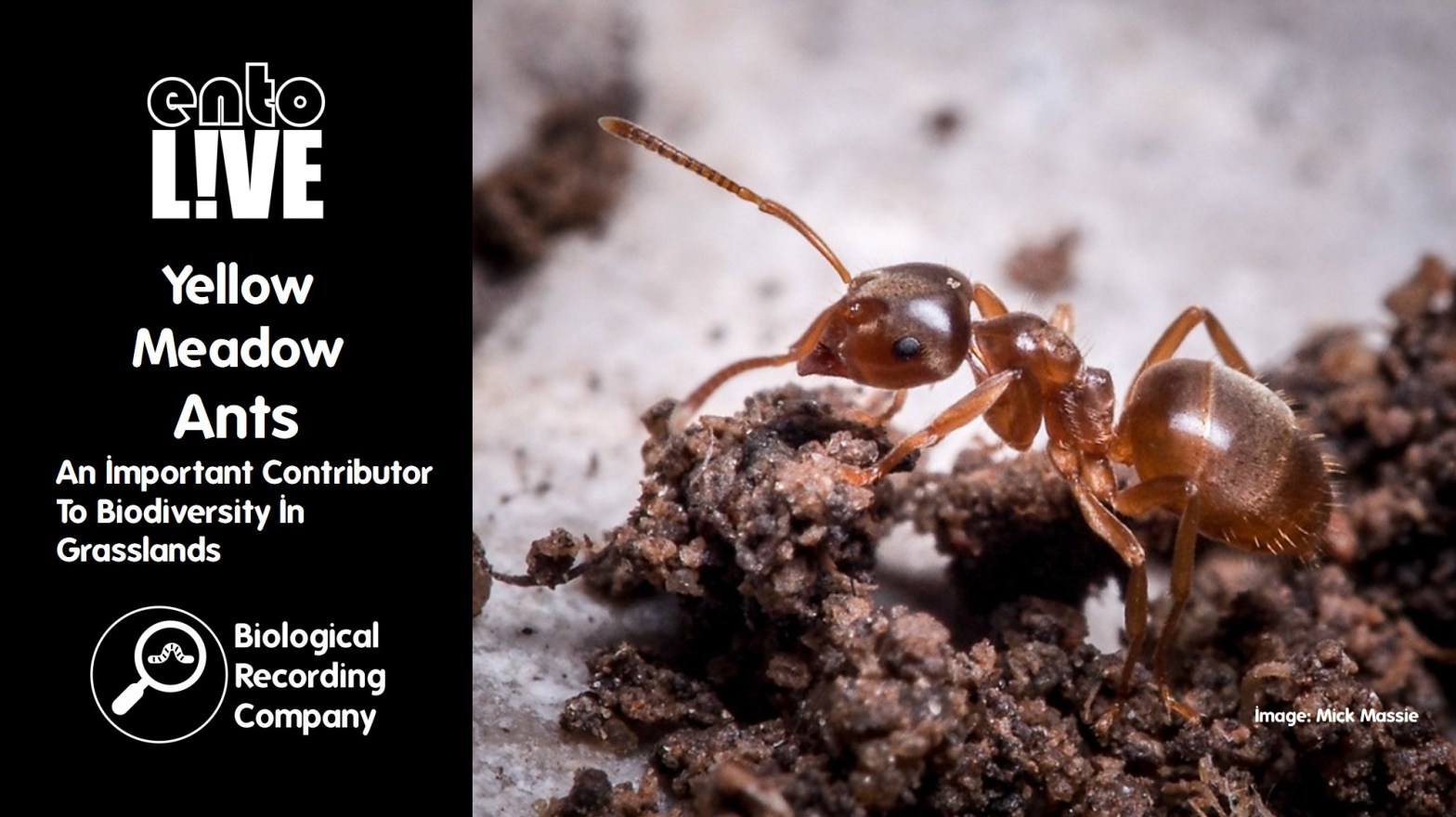
Explore the subterranean world of the Yellow Meadow Ants with Dr Tim King (Oxford University) and learn how their mounds support diverse ecological communities.
 Biological Recording