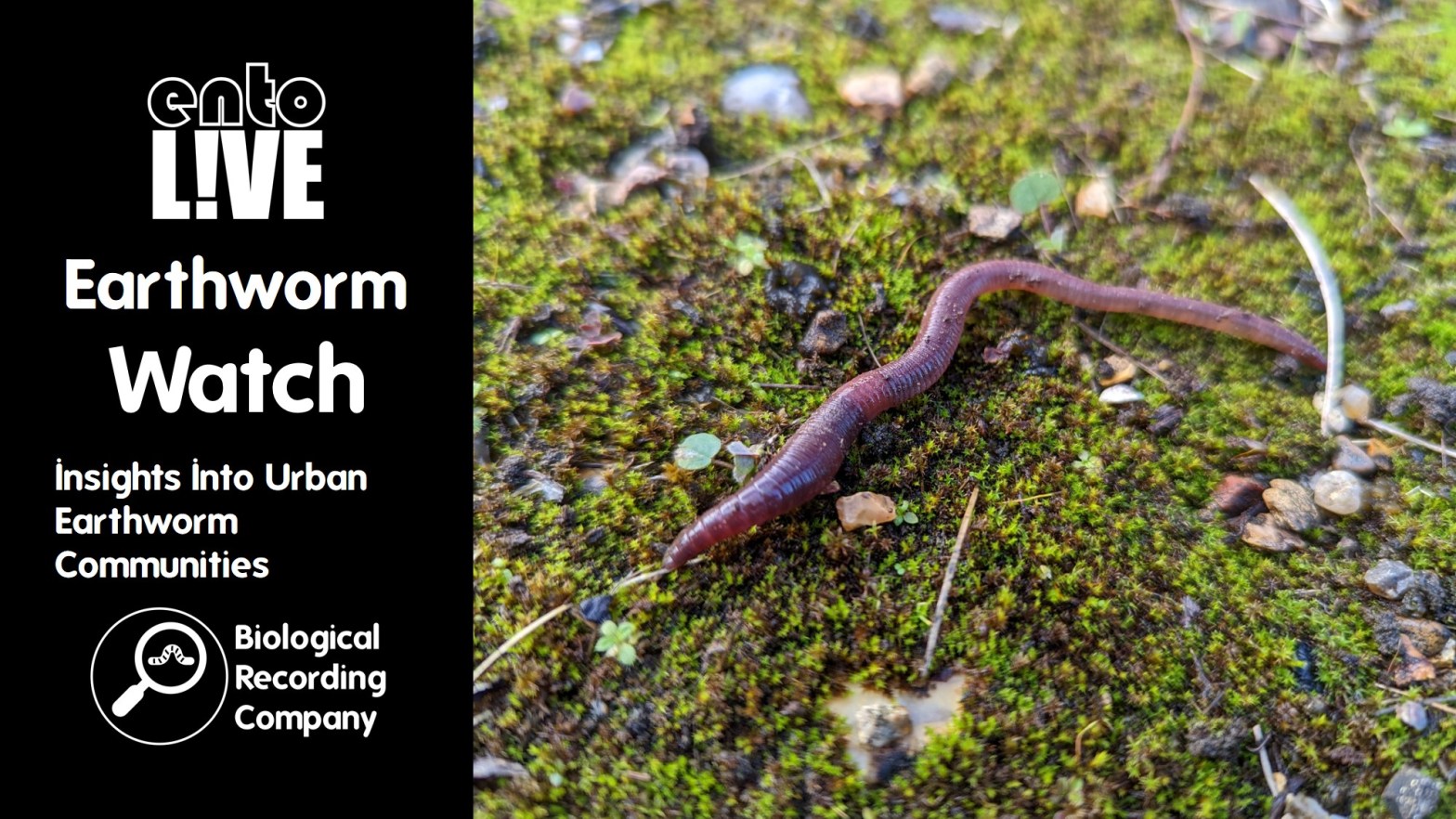
Dr Victoria J. Burton (Natural History Museum) discusses how her PhD used citizen science to gain insights into UK urban earthworm communities.
Category Archives: entoLIVE Blog
Insect Dogfights: How Aerial Combat Shapes the Patterns of Insect Flight
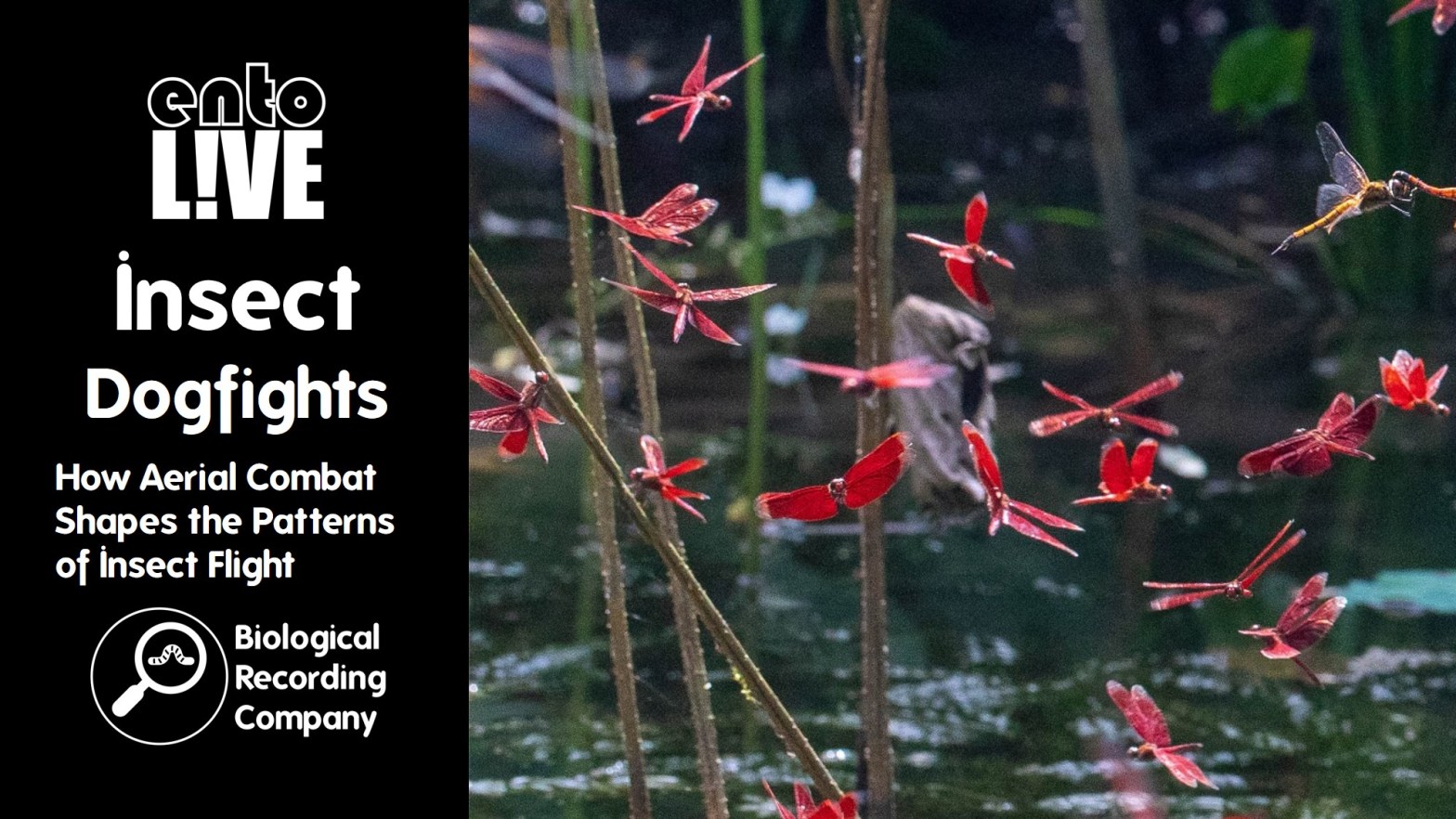
Dr Sam Fabian (Imperial College London) explores the fascinating world of insect flight.
Glowing, Glowing, Gone? The Plight of the Glow-worm in Essex
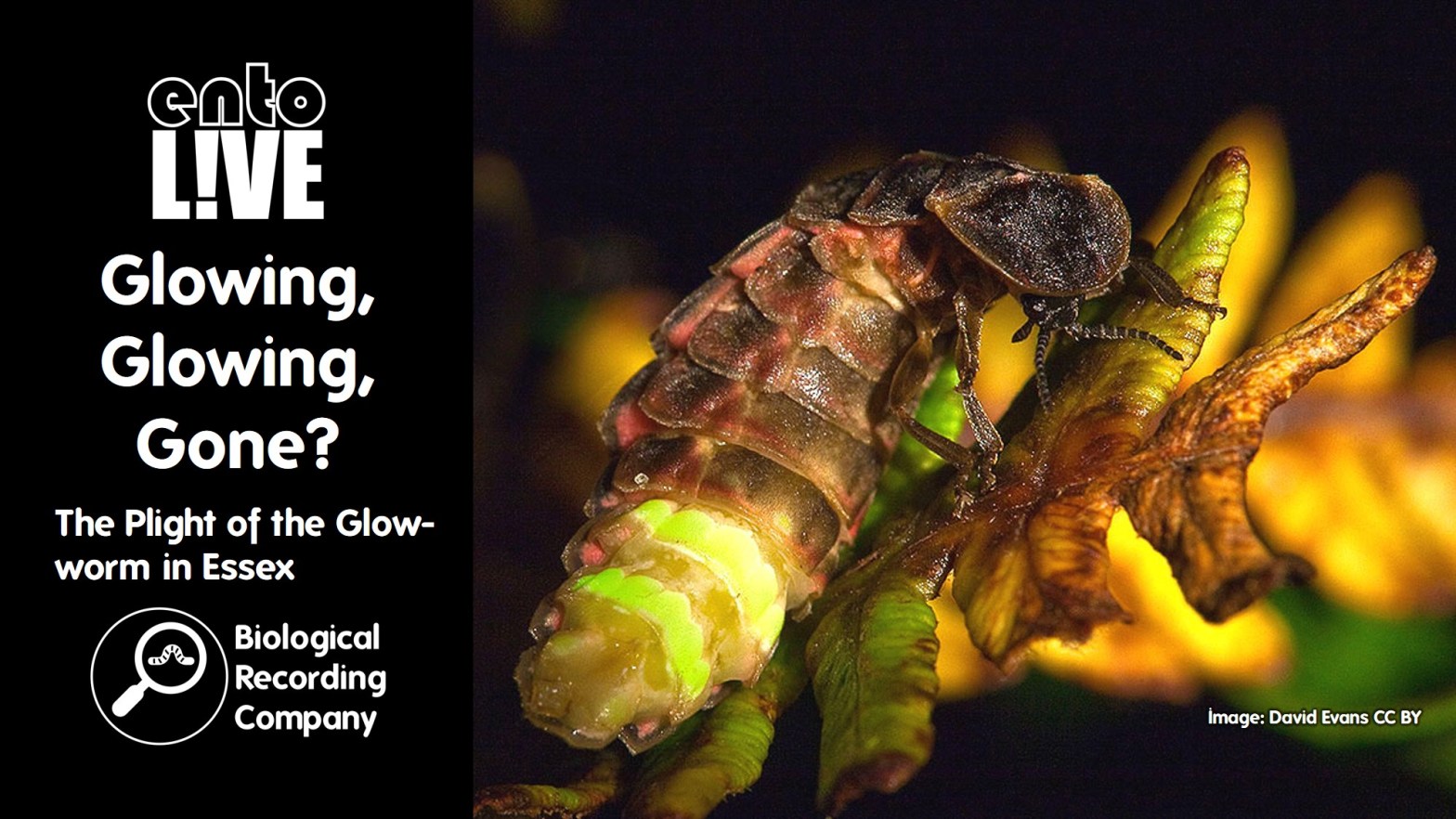
Dr Tim Gardiner discusses his research into the decline of one of Britain’s most iconic beetles.
The Mind of a Bee: An Exploration of the Intelligence of Bees

Delve into the mind of a bee with Prof Lars Chittka (Queen Mary College of the University of London) and explore how bee brains are unparalleled in the animal kingdom.
Using Bioturbation Behaviour To Create New Functional Groups for Earthworms
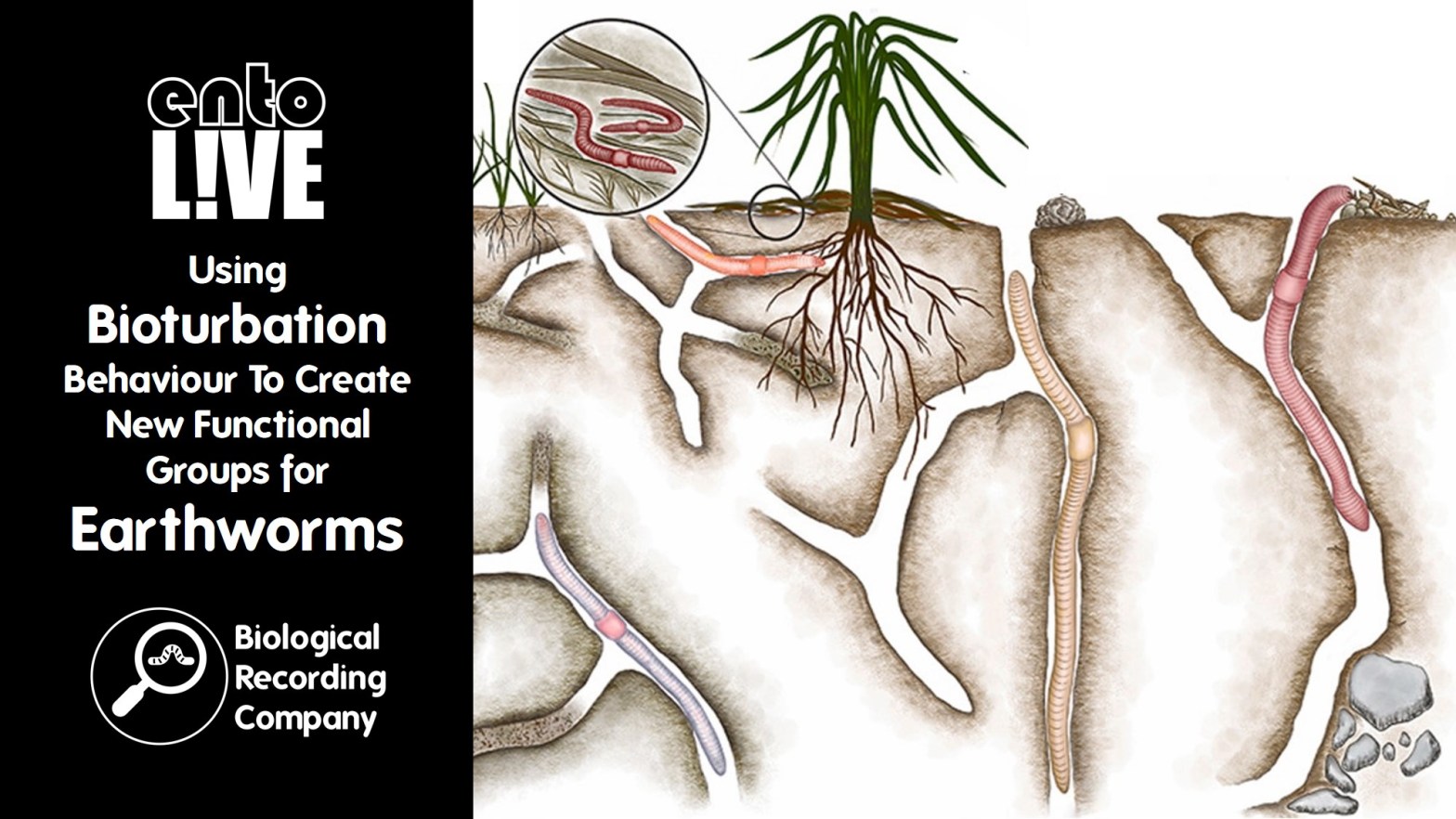
Delve into an experiment investigating the burrowing, feeding and casting behaviour of 50 species of earthworm with Yvan Capowiez (National Research Institute for Agriculture, Food and the Environment in France).
Molluscs on the March: Engaging the Public with Mollusc Collections
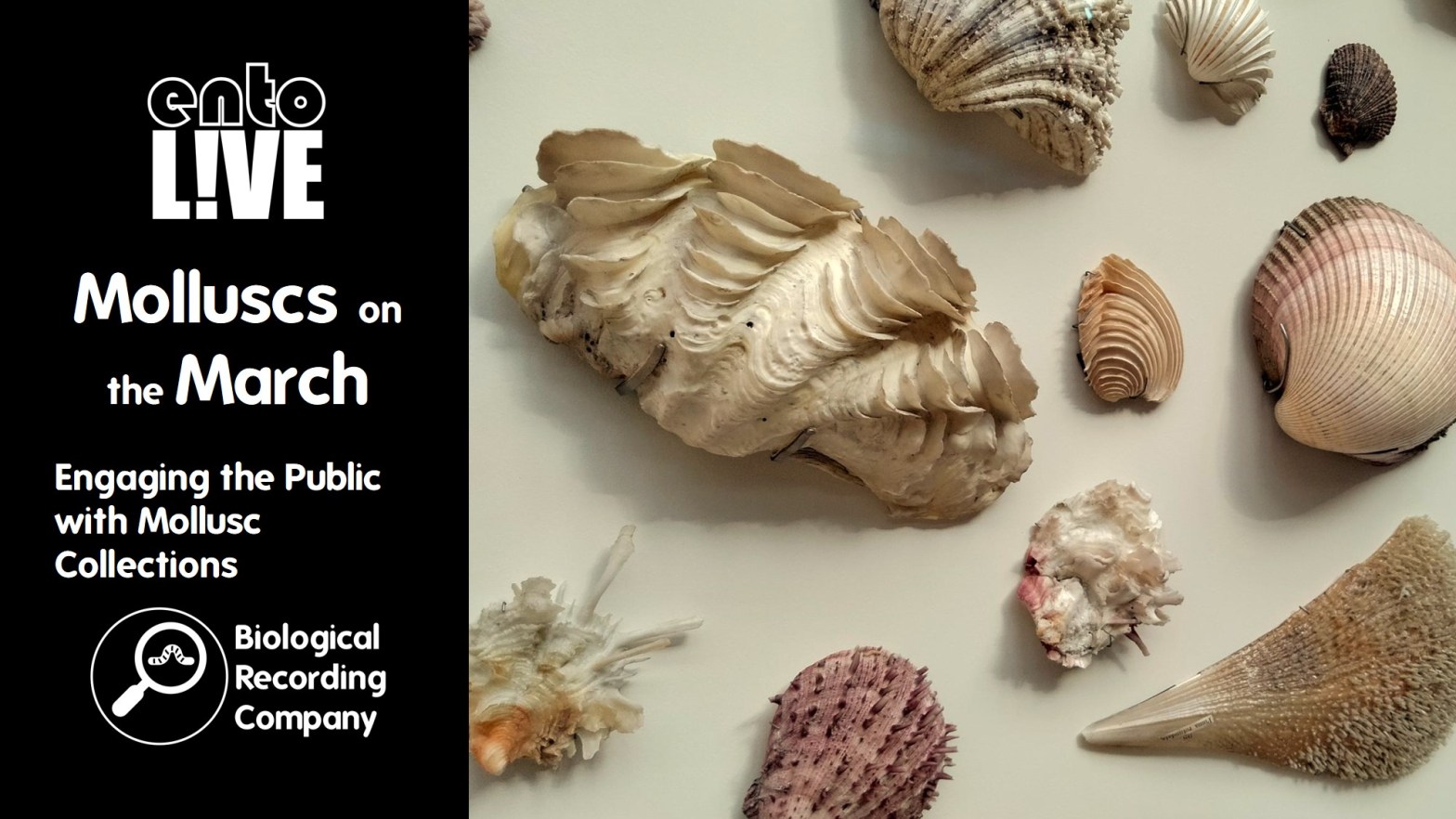
Mark Carnall (Oxford University Museum of Natural History) takes us on a journey into the magnificent world of molluscs with tales from the museum collections.
How Many Moths and Butterflies? The Importance of Taxonomy
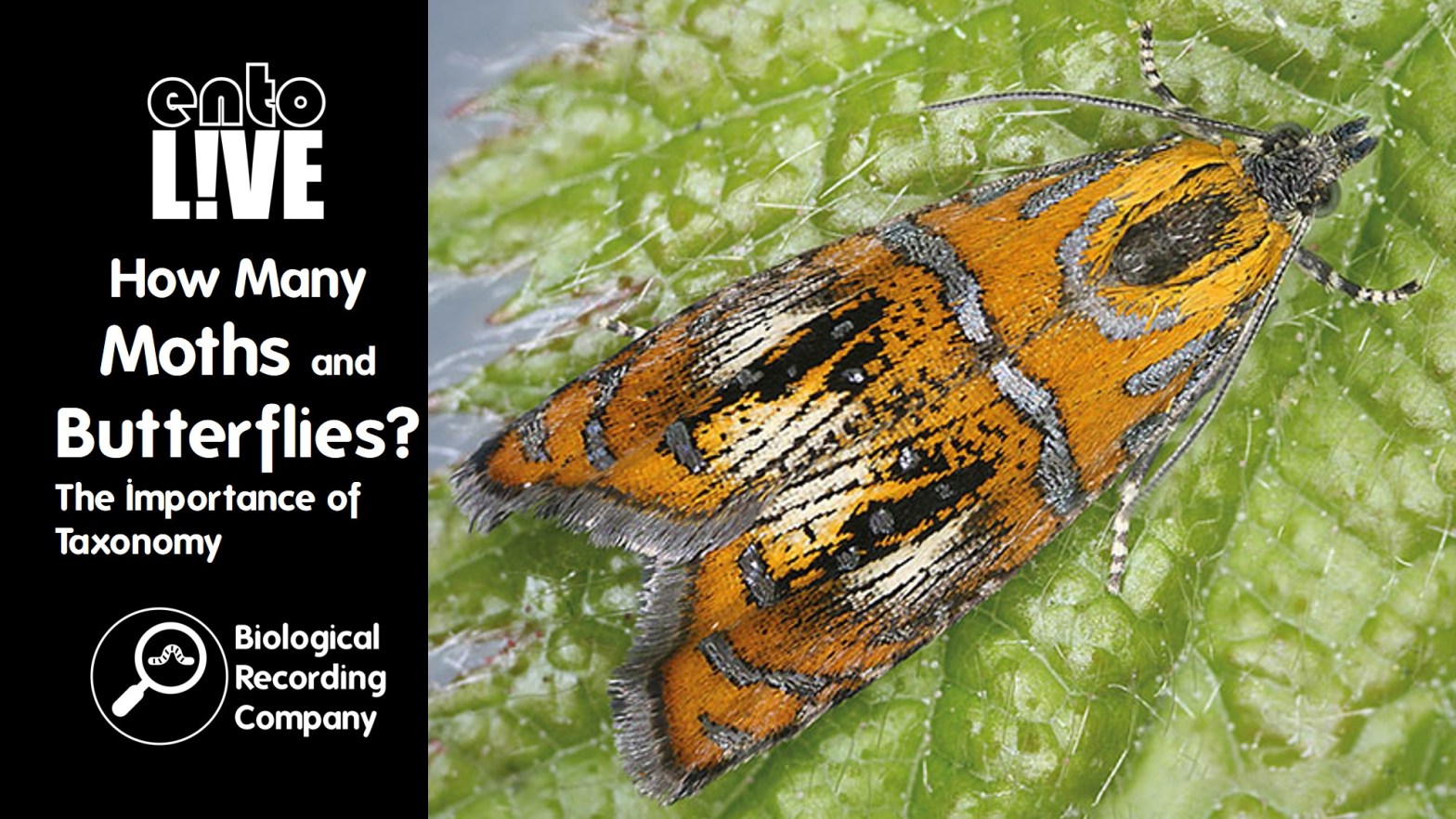
Explore the stories behind the latest checklist of the Lepidoptera of the British Isles with Dr David Agassiz (British Entomological & Natural History Society).
Tiny Midges, Devastating Diseases
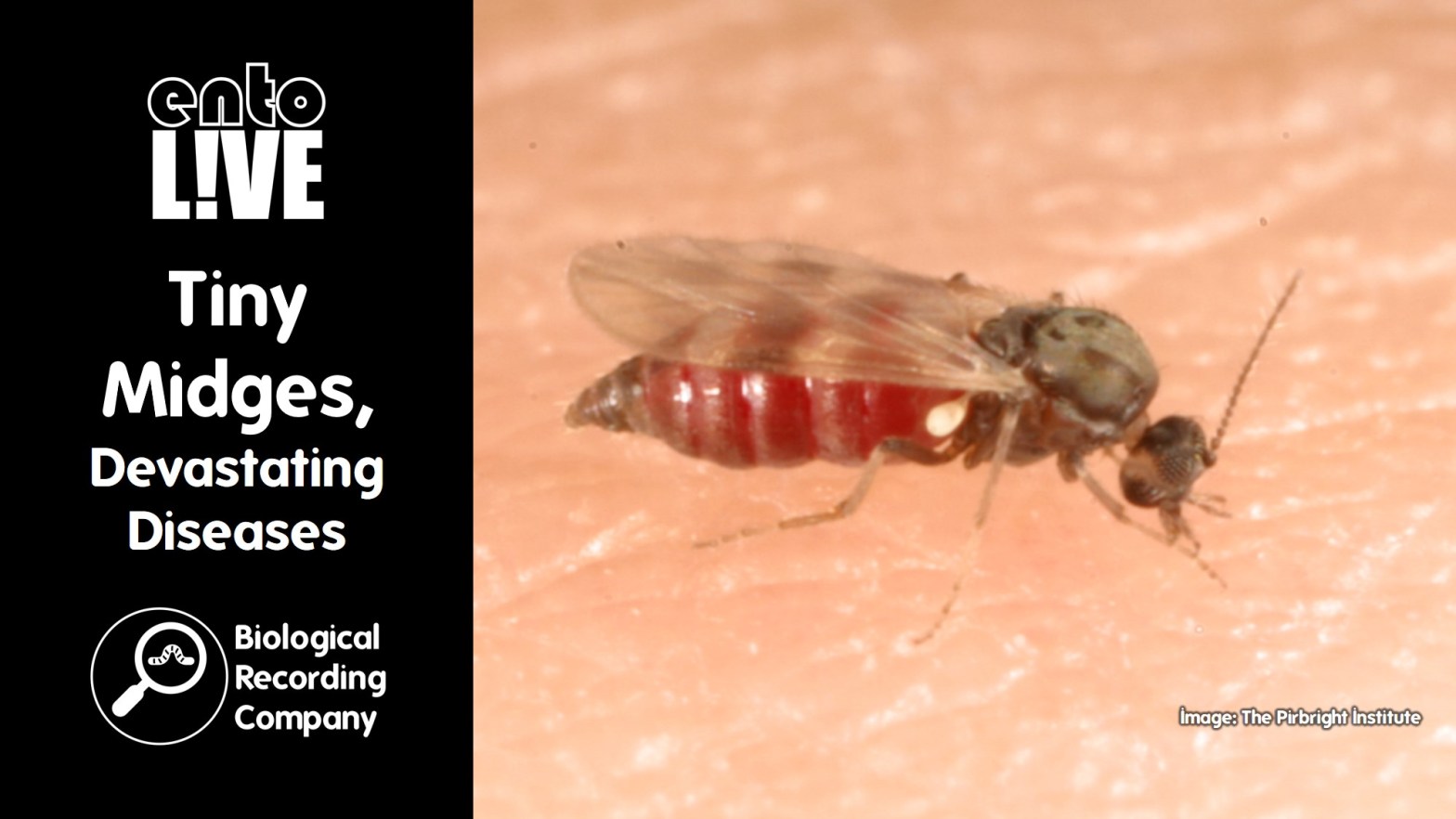
Dr Marion England (The Pirbright Institute) presents research into the impact of diseases spread by biting midges on livestock.
Plants for Pollinators: Using DNA to Explore Relationships in Gardens
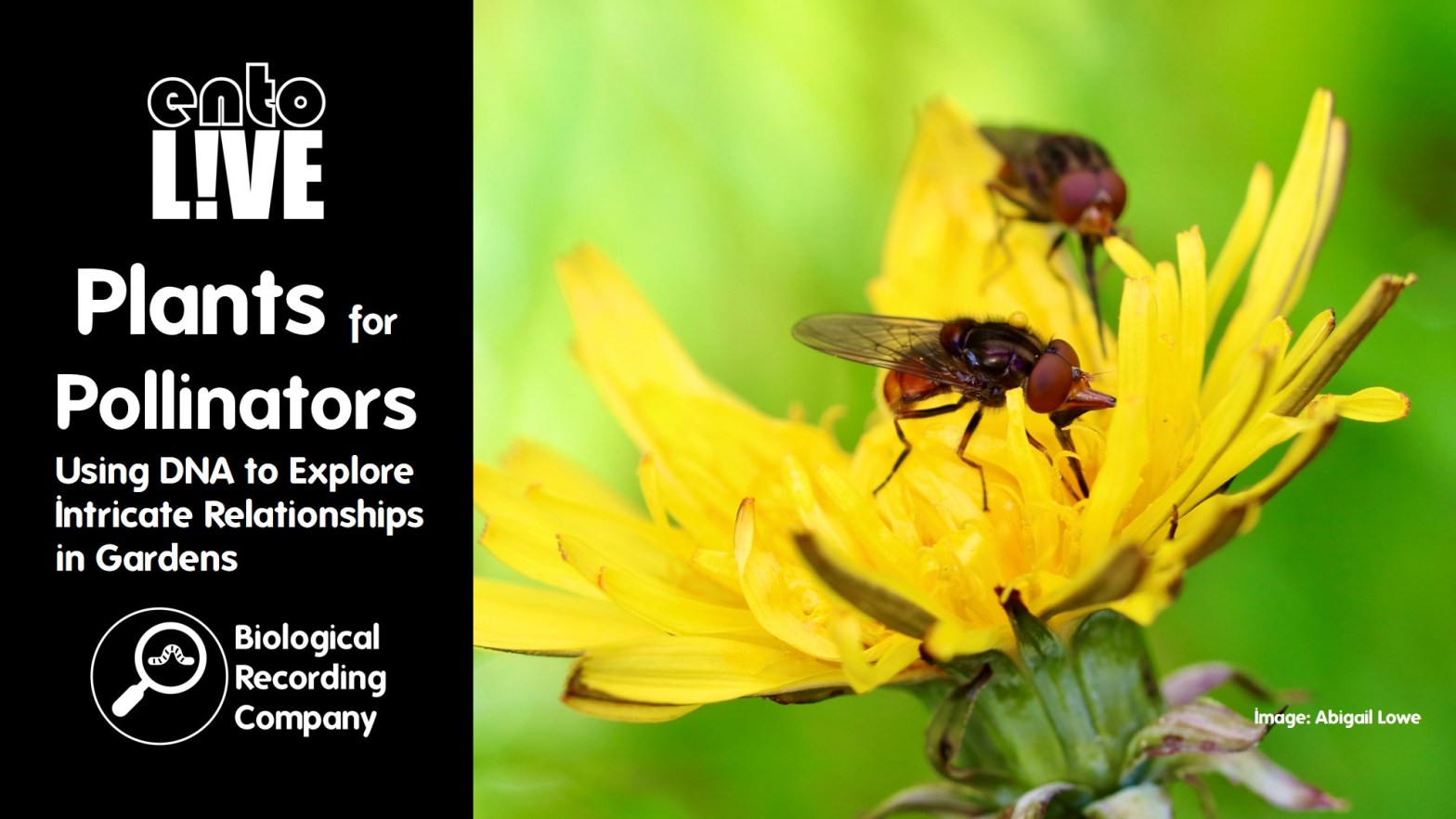
Dr Abigail Lowe (Bangor University) presents her research using DNA to explore the intricate relationships between organisms in gardens.
Biodiversity Net Gain: What Could BNG Mean For Pollinators?

Professor Jeff Ollerton explores what Biodiversity Net Gain could mean for pollinating insect conservation in England.
 Biological Recording