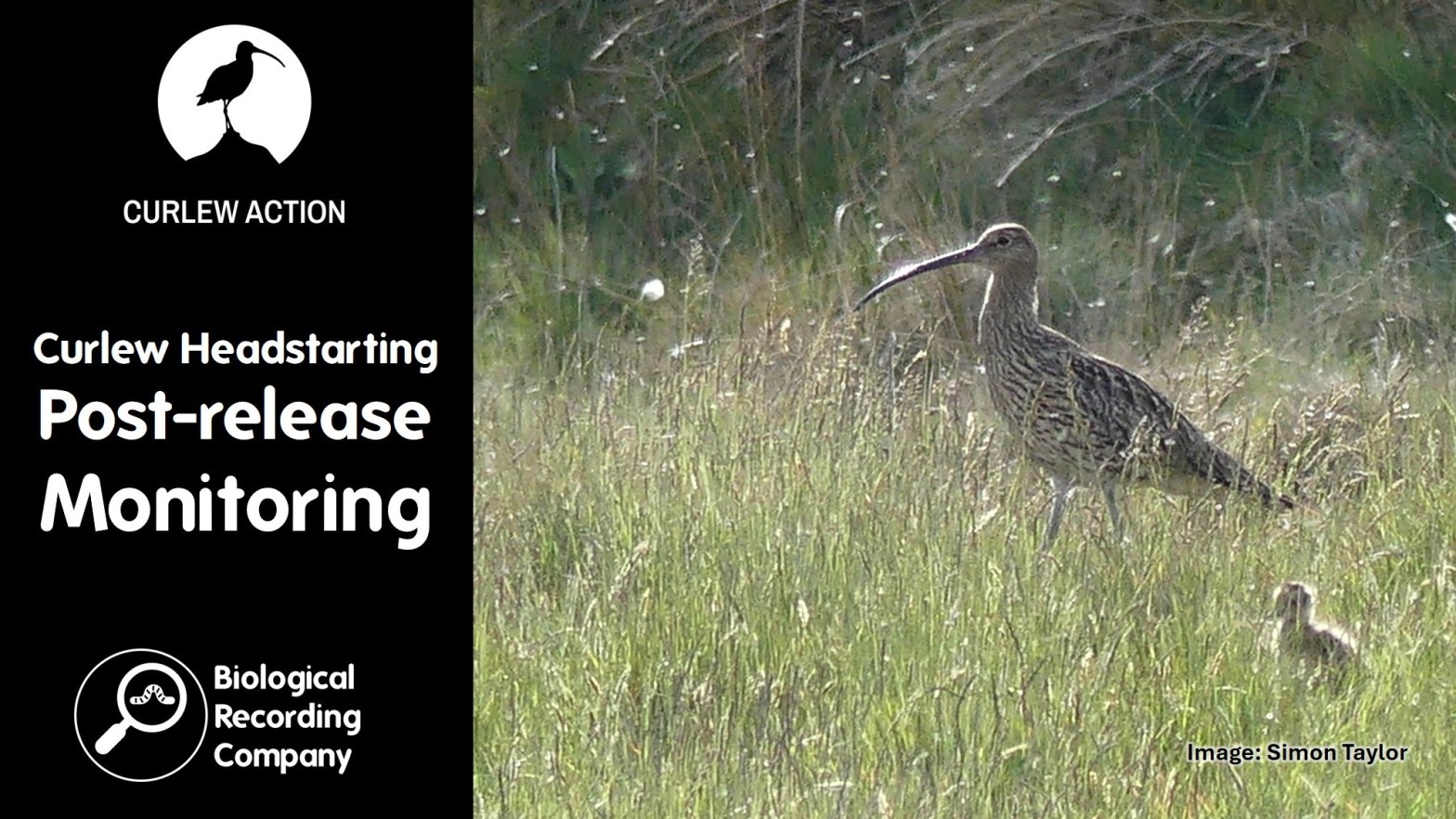
This session from the European Curlew Headstarting Workshop was led by Katharine Bowgen from the British Trust for Ornithology (BTO) and focused on post-release monitoring, exploring survival rates and effective methods for tracking released birds. Experiences were shared about where birds have been observed during the winter months and data were examined on their overwintering survival rates. Additionally, participants were invited to share insights and observations comparing the breeding success rate of headstarted birds versus wild populations.
Category Archives: Curlews
Curlew Headstarting: Releasing Birds
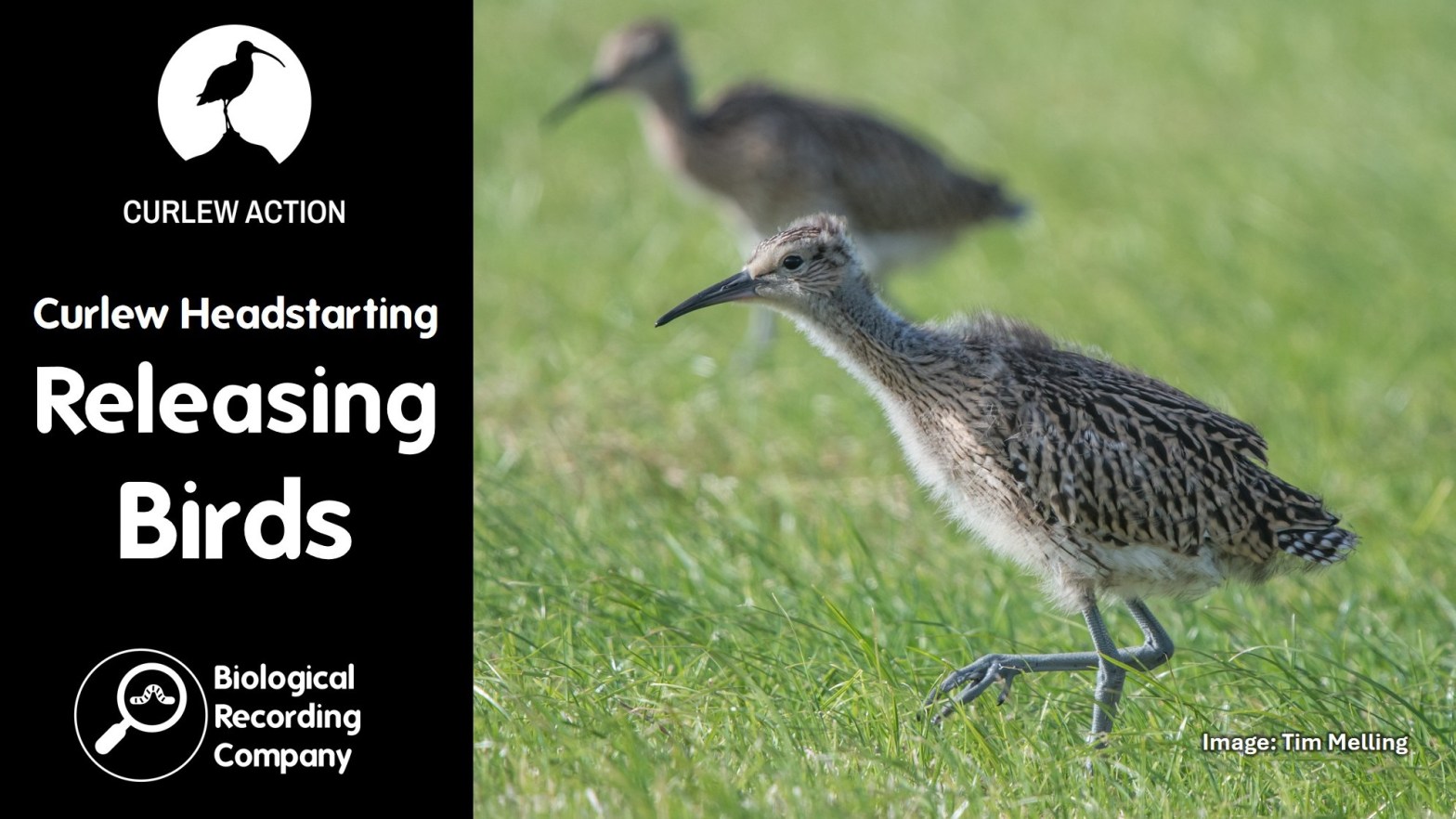
This session from the European Curlew Headstarting Workshop was led by Dr Alex Nicol-Harper from the Wildfowl and Wetlands Trust (WWT) and focused on strategies for releasing Curlews into the wild. Discussions focused on the merits of hard versus soft releases, selecting optimal release areas, and the influence of existing wild populations. Headstarting projects contributed insights on predator management at release sites and observations on whether released birds tend to breed locally or disperse.
Curlew Headstarting: Health & Disease
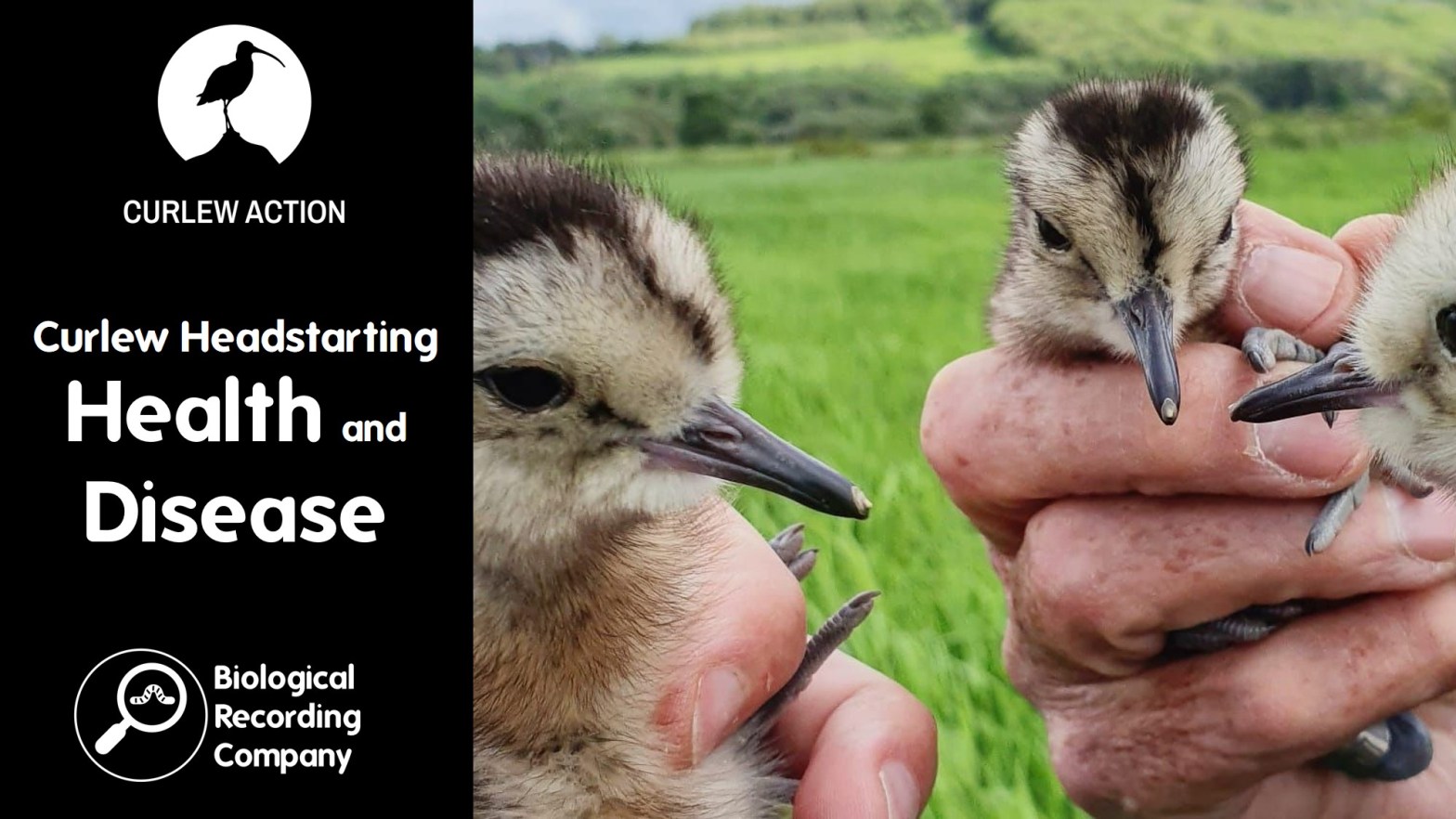
This session from the European Curlew Headstarting Workshop was led by Dr Sophie Common from the Zoological Society of London (ZSL) and provided an overview of veterinary considerations and managing disease risks in conservation projects. Key topics included the role of veterinarians, the implementation of biosecurity measures, and disease management protocols. The session also offered participants an opportunity to share experiences with housing other bird species and conducting health checks before release.
Curlew Headstarting: Rearing Chicks
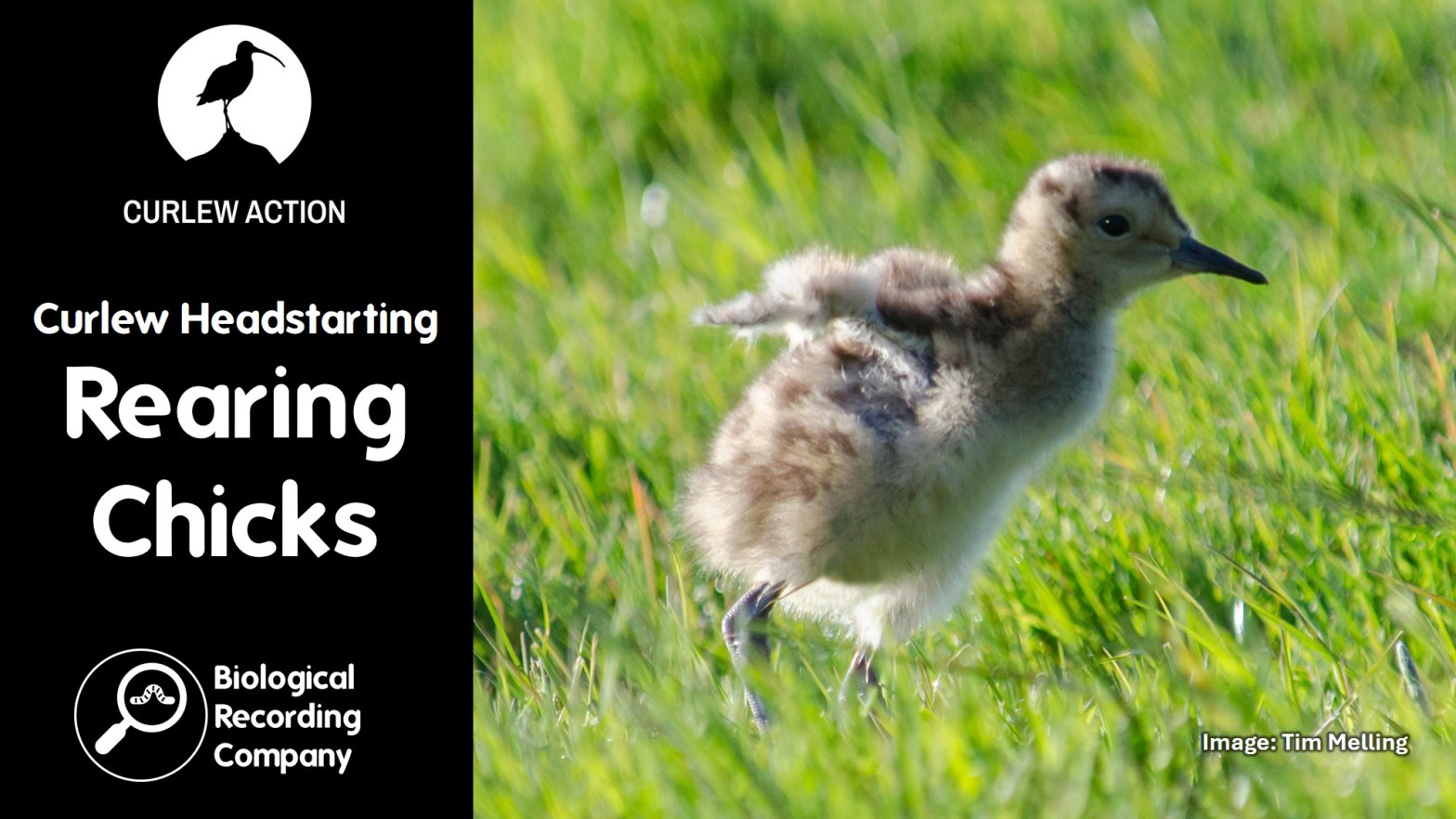
This session of the European Curlew Headstarting Workshop was led by Chrissie Kelley from Pensthorpe Conservation Trust and discusses best practices for rearing chicks. Topics will include designing optimal enclosures, feeding and monitoring routines, and techniques for weighing, sexing, and ring/tagging chicks. The session will also examine the recommended timelines for keeping chicks in pens during various developmental stages. In this blog you can find the recording of Chrissie’s presentation as well as a summary of the Q&A and discussion that followed during the live conference in 2025.
Curlew Headstarting: Eggs, Incubation and Hatching
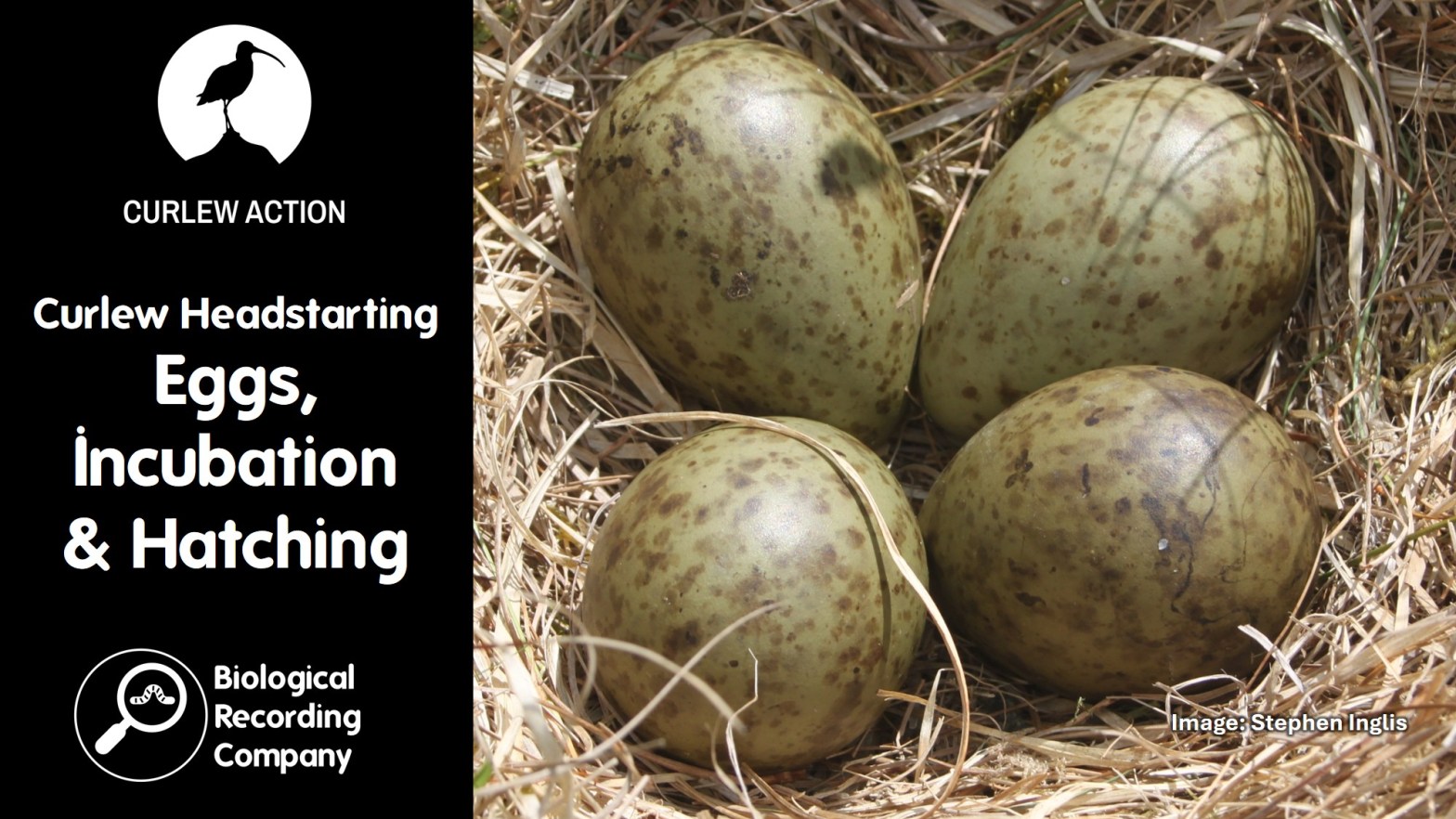
This session of the European Curlew Headstarting Workshop was led by Tanya Grigg (Wildfowl & Wetlands Trust) and delved into the intricacies of egg collection, including the challenges of securing landowner permissions and ensuring donor populations remain unaffected. Discussion included innovative technologies used in incubation and hatching, exploring definitions of success, and exchange of practical solutions for common hatching issues. In this blog you can find the recording of Tanya’s presentation as well as a summary of the live Q&A and discussion that followed during the live conference in 2025.
Curlew Headstarting Projects: England
Conservationists working on curlew headstarting projects in England present provide updates on their projects and the challenges that they have faced.
Curlew Headstarting Projects: Europe
Curlew conservationists from across Europe present their respective curlew headstaring projects.
An Overview of Headstarting Curlews
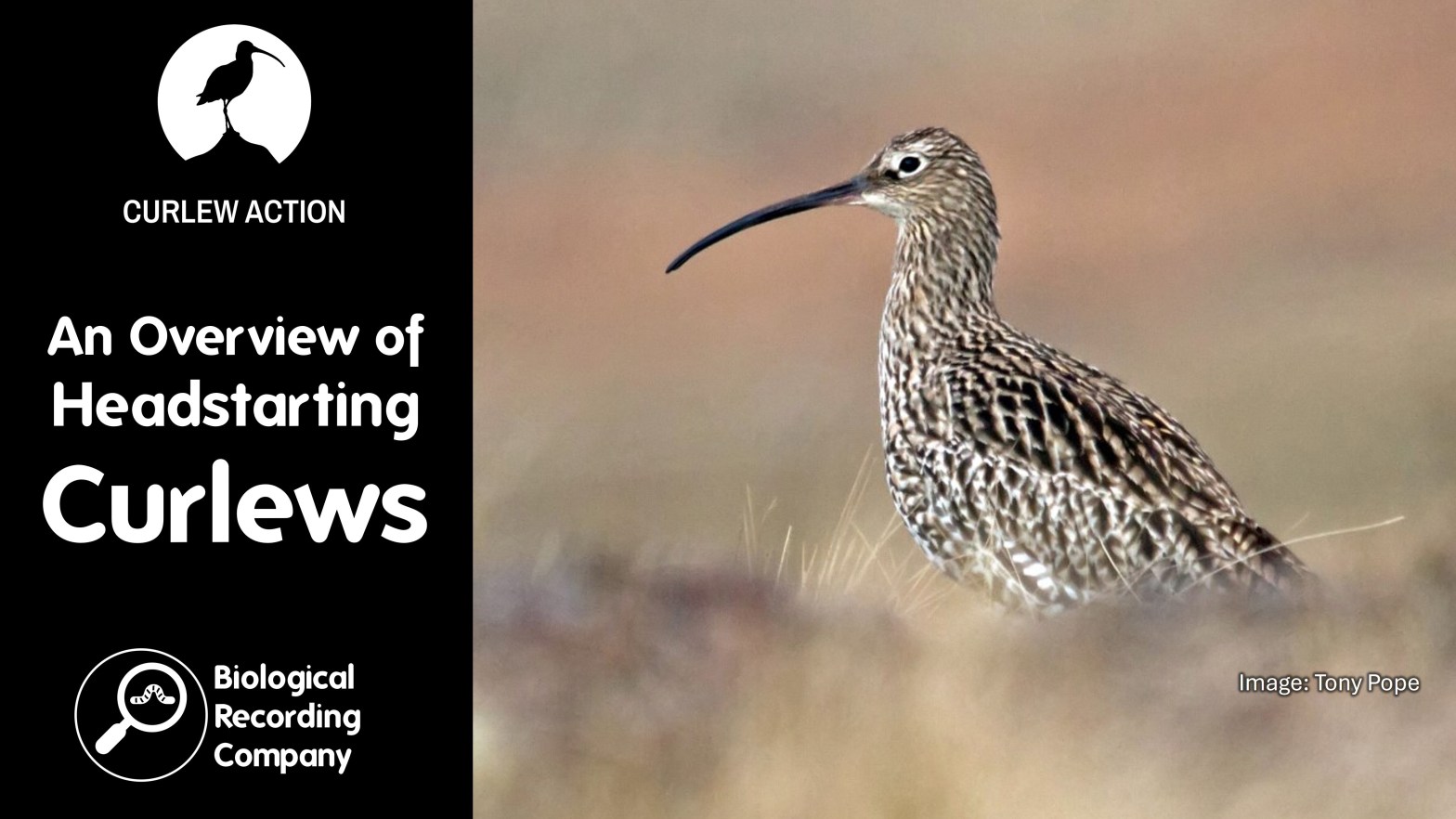
In February 2025, Curlew Action brought together conservationists and organisations from across Europe who are involved in headstarting the European Curlew to share knowledge and discuss the feasibility and best practices of curlew headstarting projects. This blog is the first of 8 that will disseminate the presentations and outputs from this 2-day virtual event.
 Biological Recording