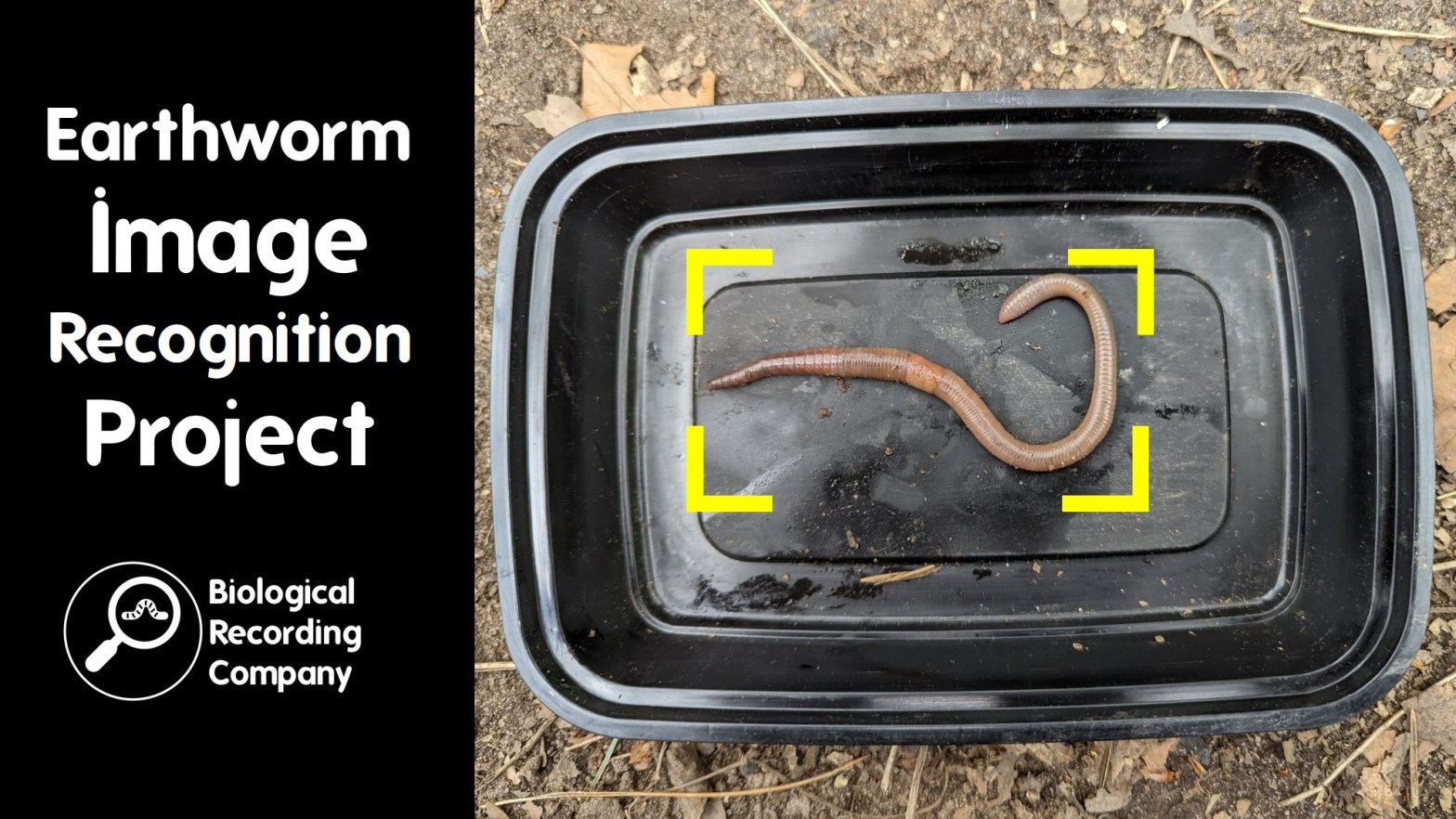
Can earthworms be identified from photographs using AI? This blog presents a proof-of-concept study that investigated if an image recognition and species classification algorithm could be developed to accurately identify live earthworms.
Category Archives: Blog
Seahorses of the UK: Conservation and Research
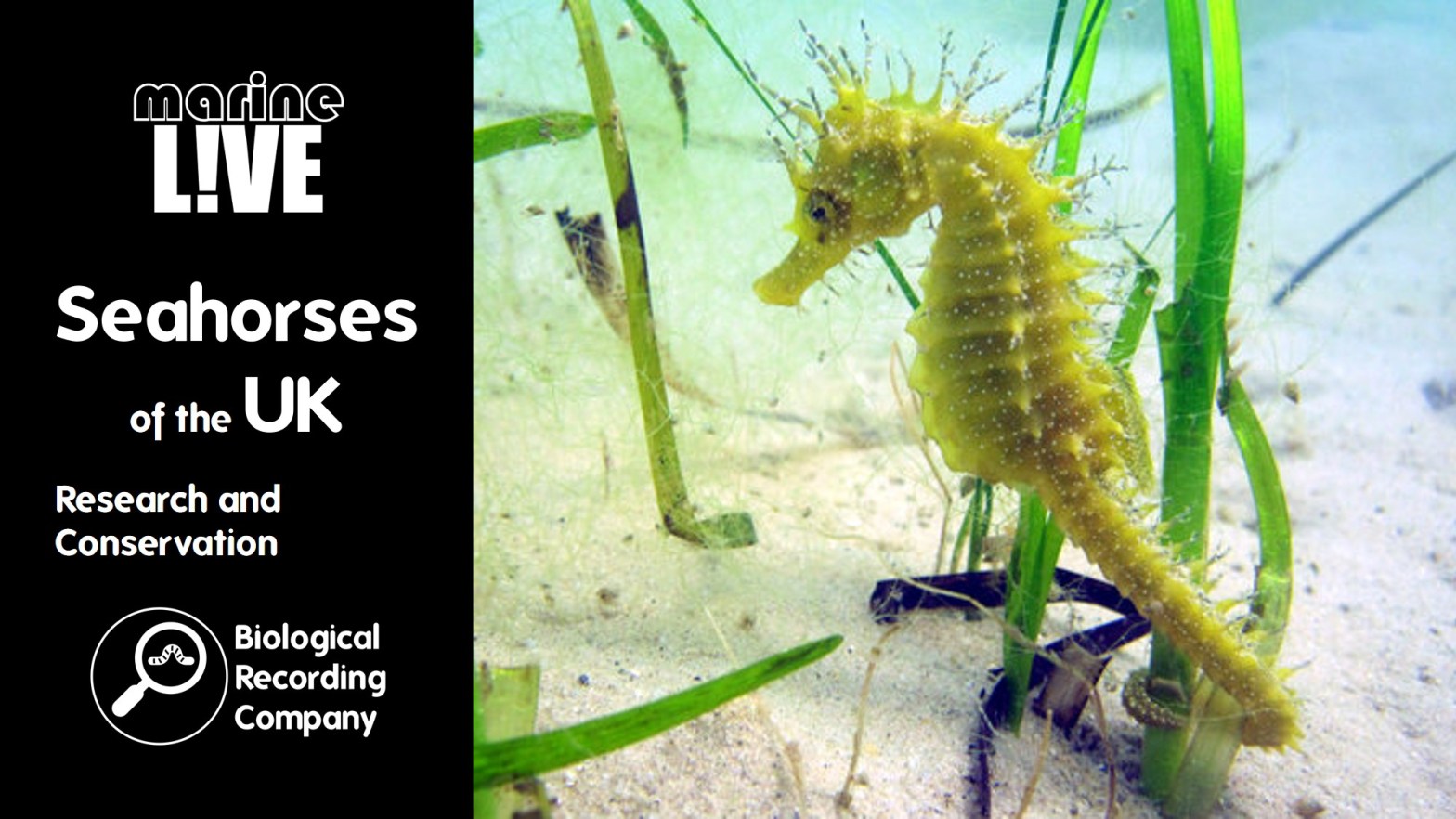
Delve into the mysterious realm of the seahorse with Beccy MacDonald-Lofts to hear about seahorse research and conservation in the UK.
Sow Wild! and Insect Identification
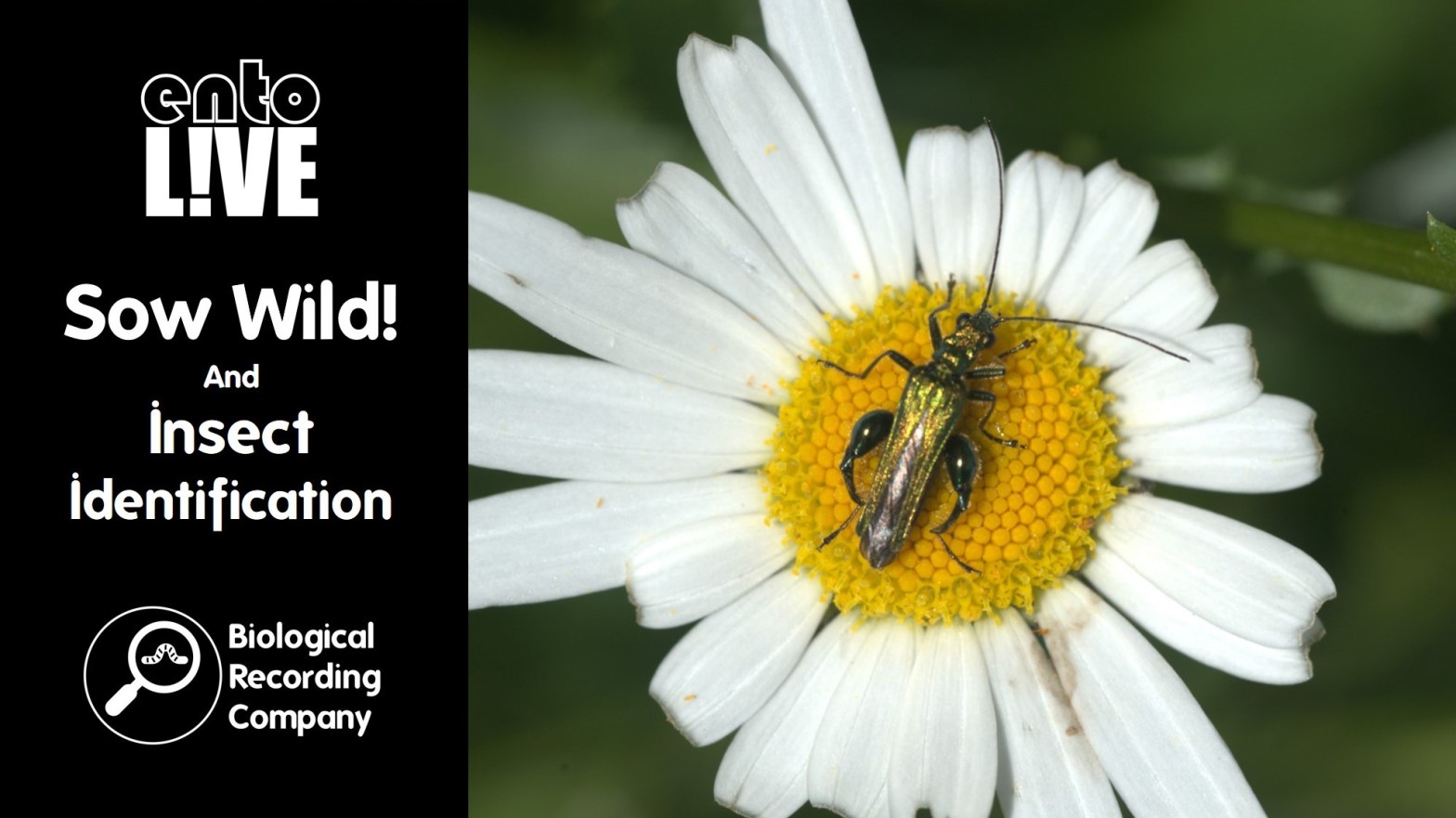
Dr Janine Griffiths-Lee and Isobel Sexton (The Buzz Club) explore citizen science projects investigating the success of ‘mini meadows’ and the ability of citizen scientists to sample and identify insects.
A World of Wasps: Researching the Ichneumonid Wasps
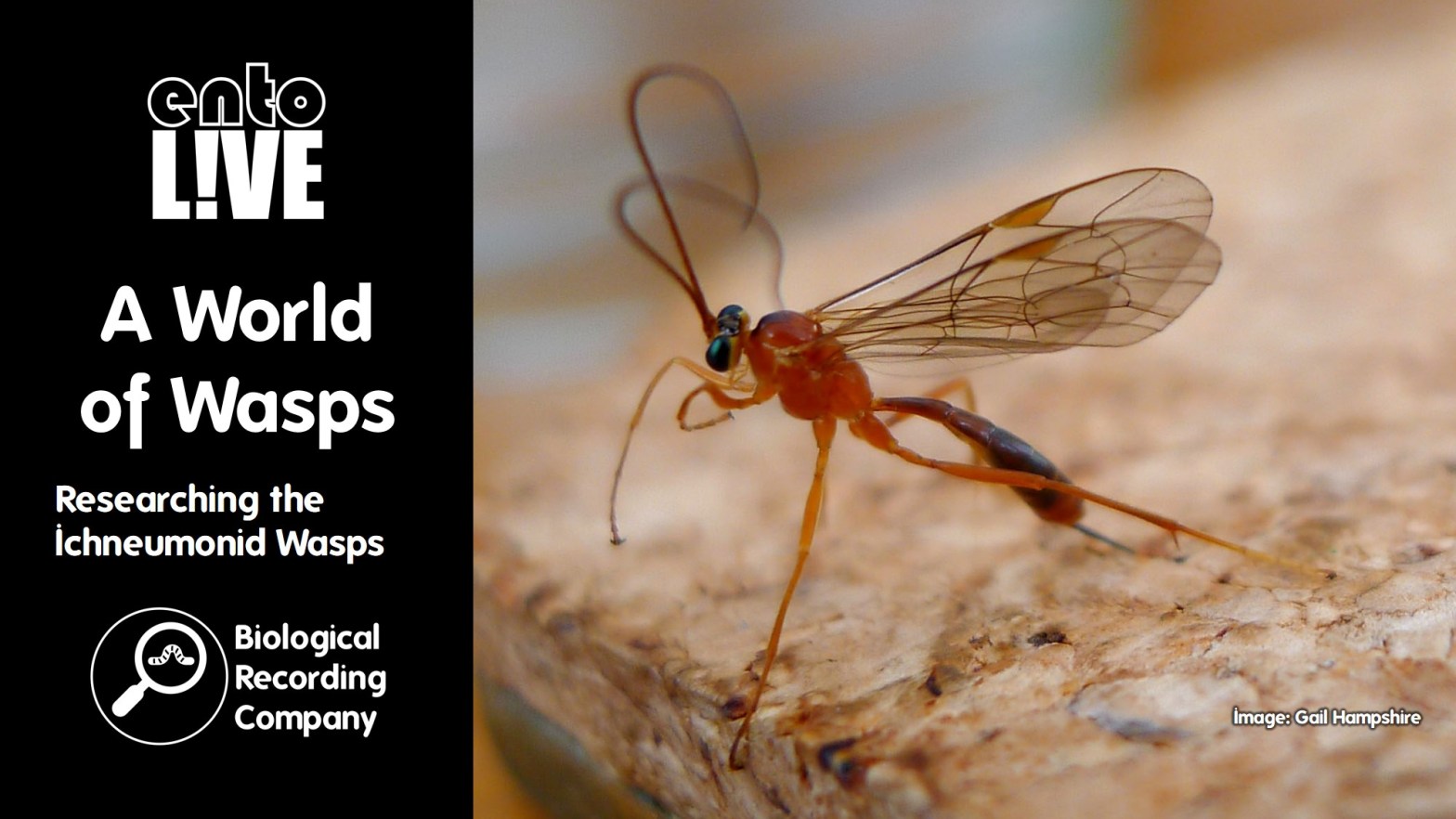
Dr Gavin Broad (Natural History Museum) delves into the taxonomy of the Ichneumonid Wasps.
Can Passive Acoustic Monitoring of Birds Replace Site Surveys?
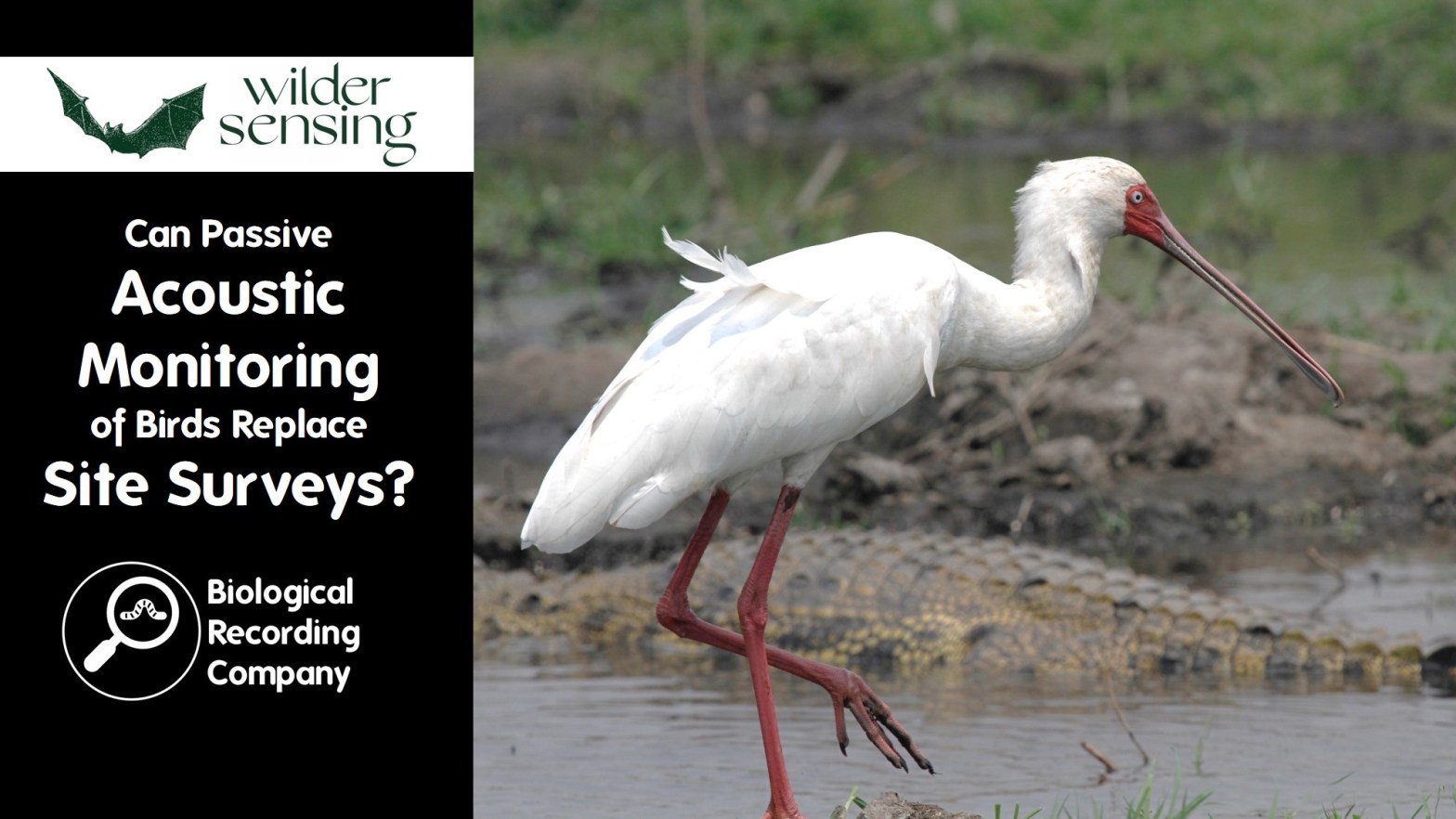
Explore the potential benefits and limitations of passive acoustic monitoring for birds versus site surveys by field surveyors.
Bees and Beyond: Ecosystem Services at a Garden Scale
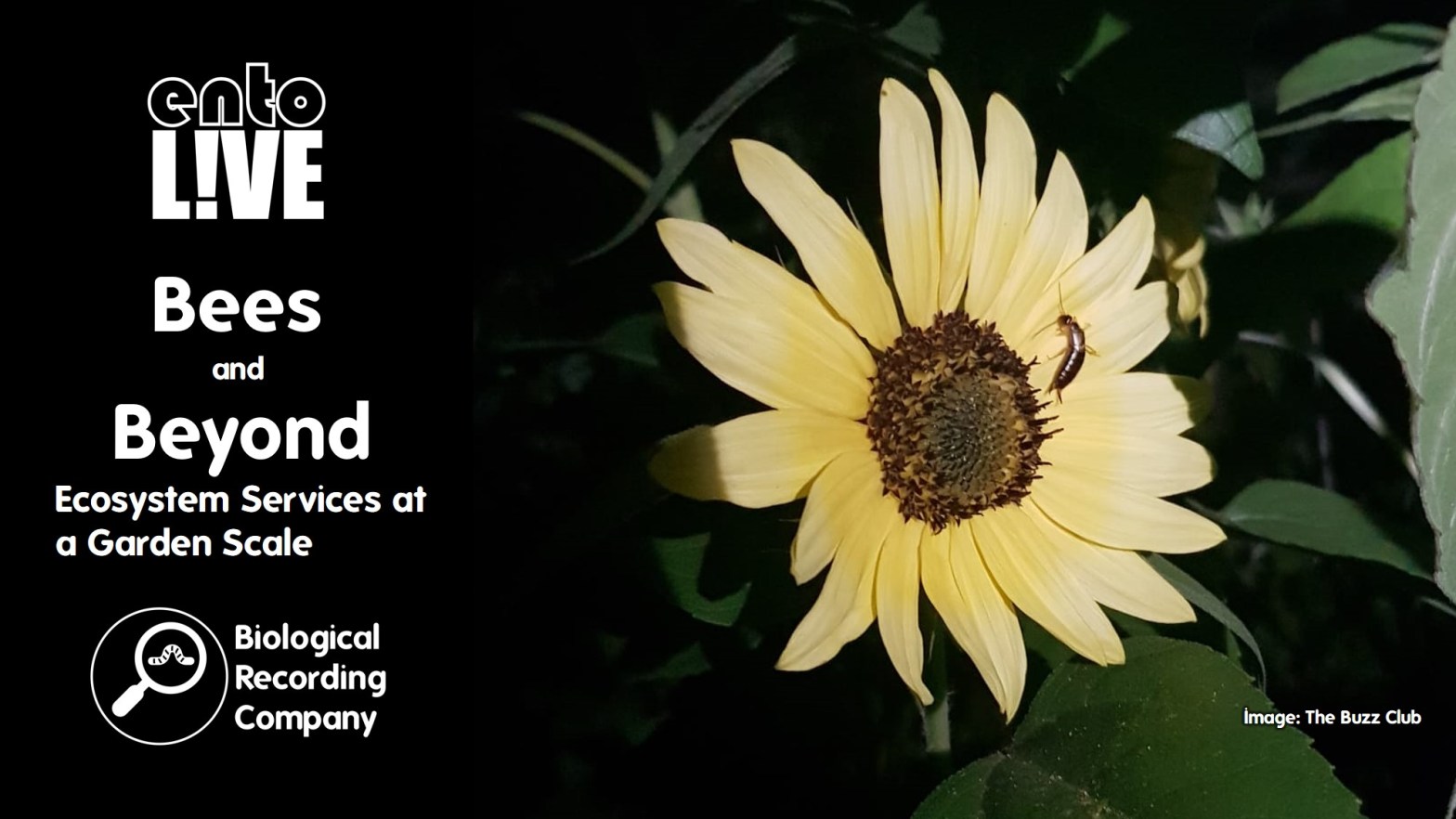
Dr Linda Birkin (University of Sussex) explores the importance of gardens for the wider environment in which they are nestled.
Assessing the Status of UK Earthworms
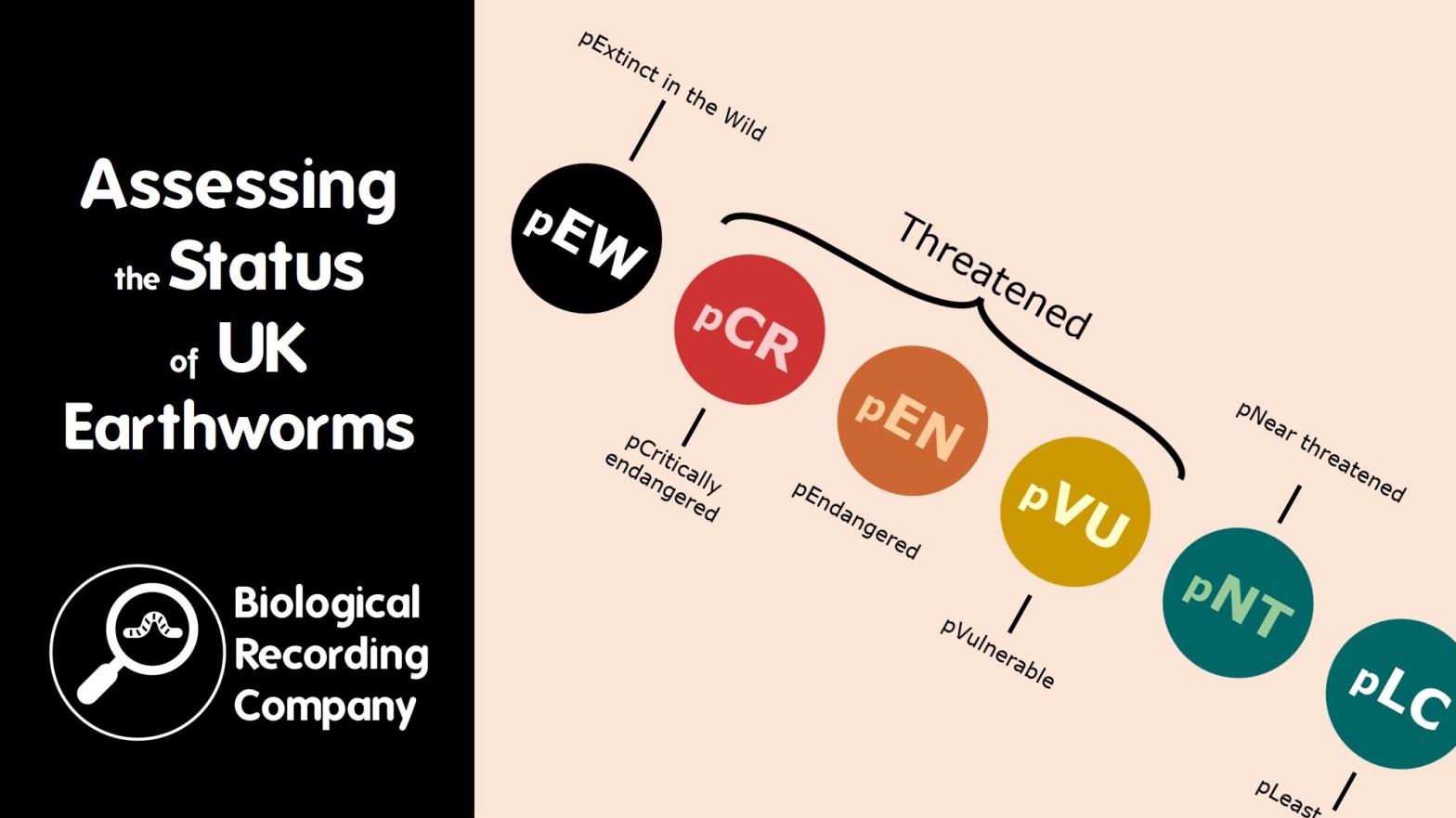
Keiron Derek Browns provides an overview about what we know regarding the conservation status of British earthworms.
Britain’s Endemic Invertebrates
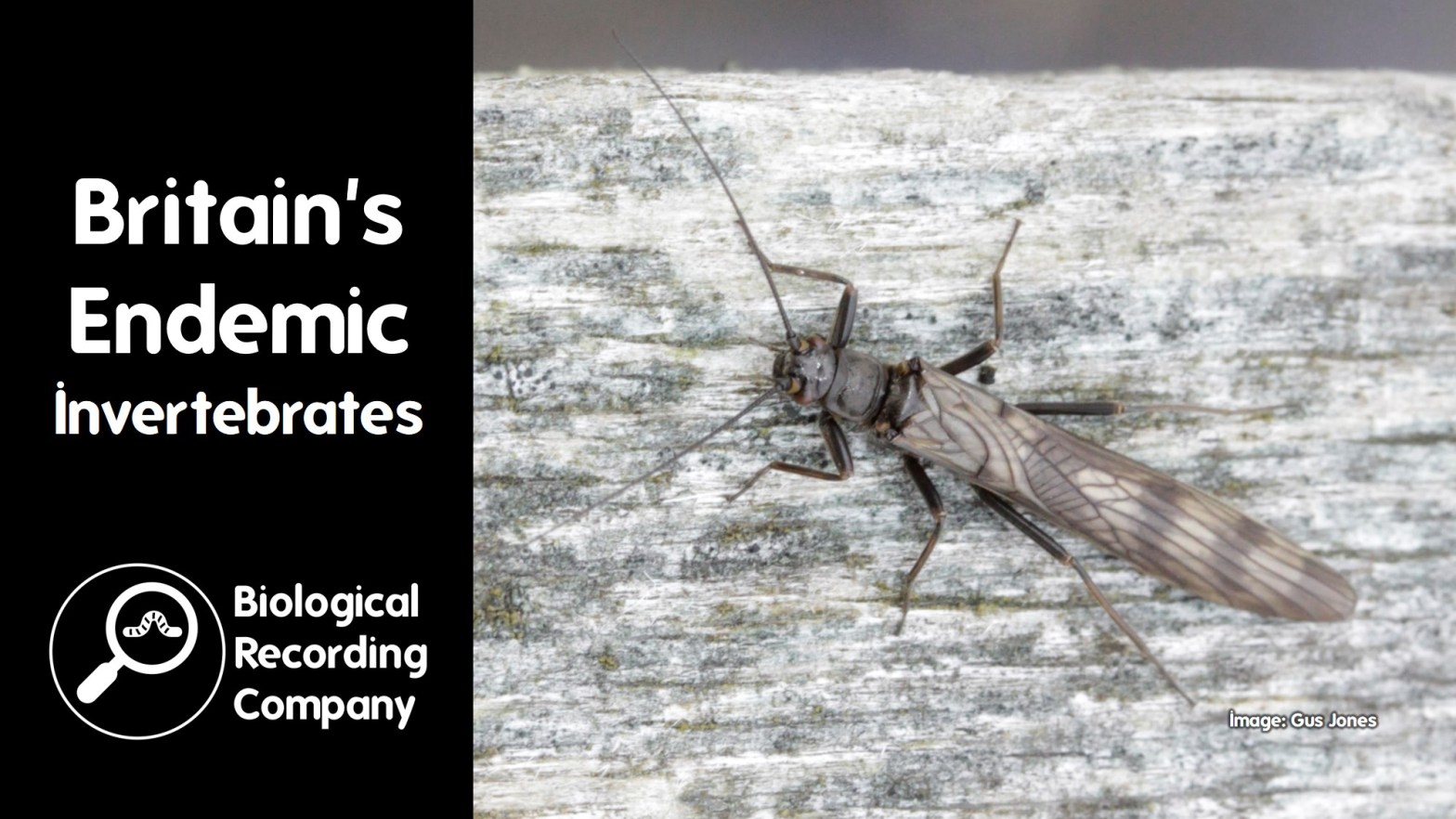
Craig Macadam delves into the work of Buglife on the UK’s 22 species of endemic invertebrates.
Ten Years of Invertebrate Surveying in the Natural England Field Unit
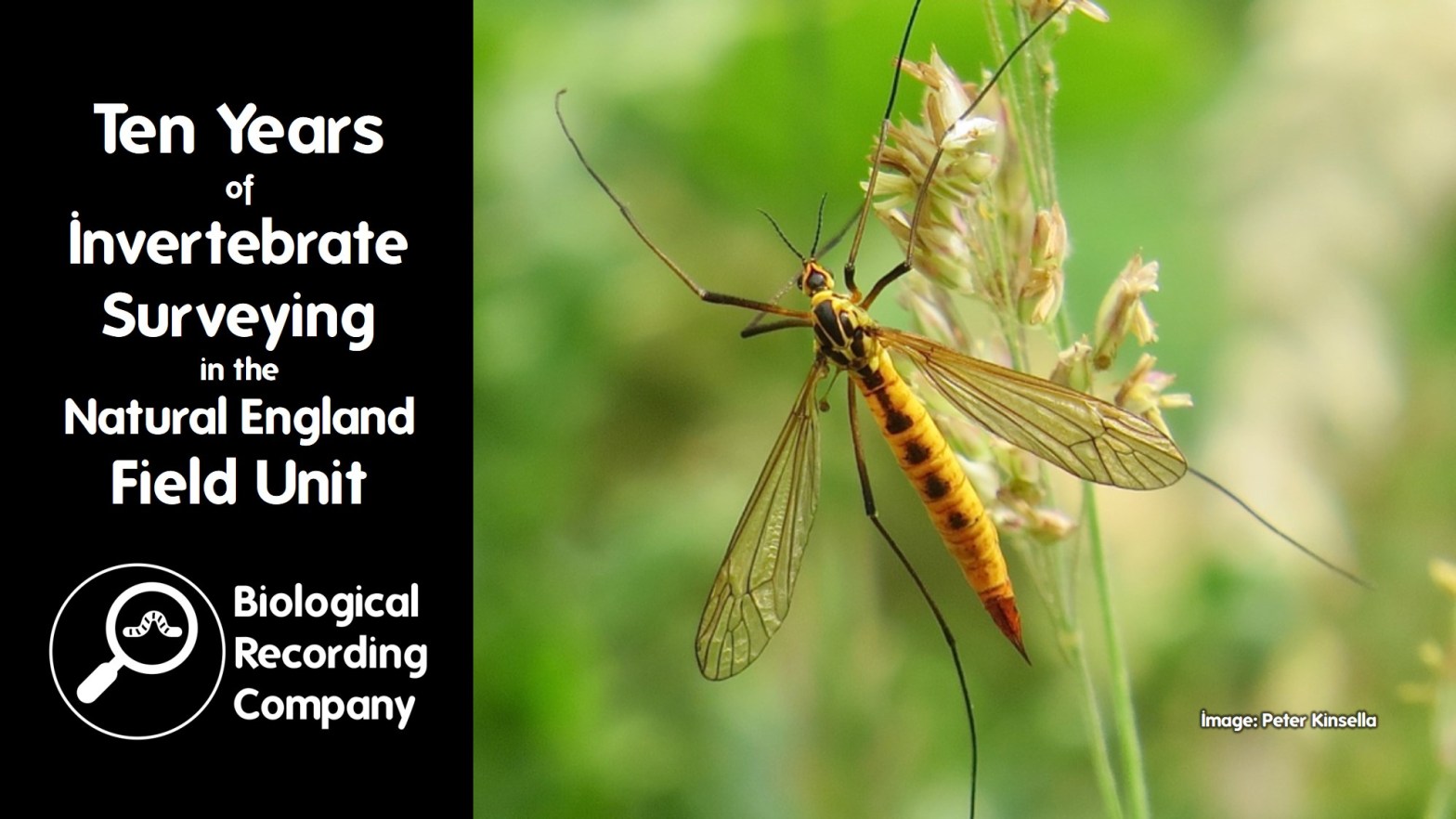
Pete Boardman gives an overview of the invertebrate work of the Natural England Field Unit.
Monitoring, Modelling and Mitigating UK Insect Declines: 20 Years of Research at UKCEH
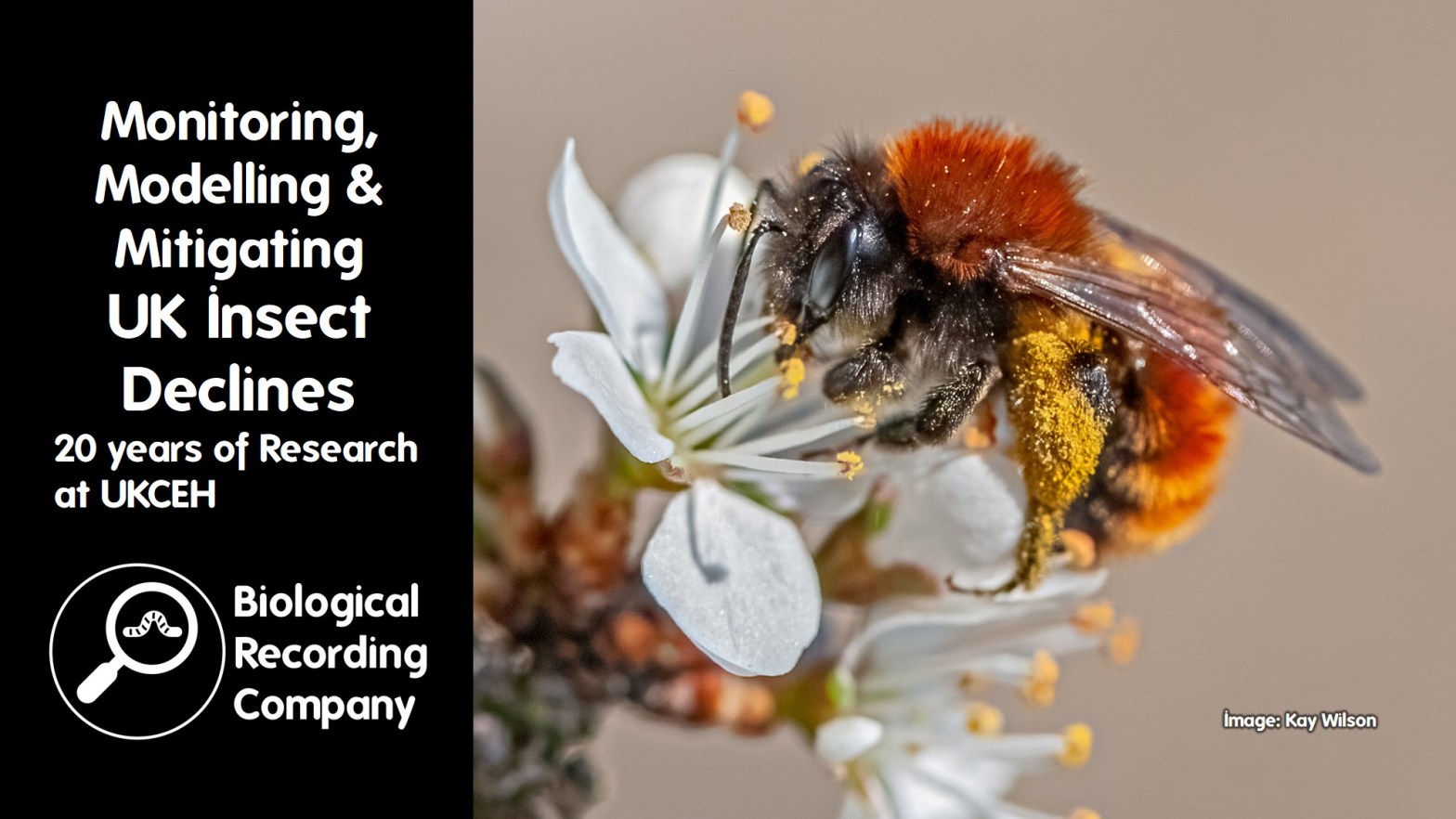
Dr Claire Carvell discusses the work of the UK Centre for Ecology & Hydrology on insect declines that has taken place over the past 10 years.
 Biological Recording