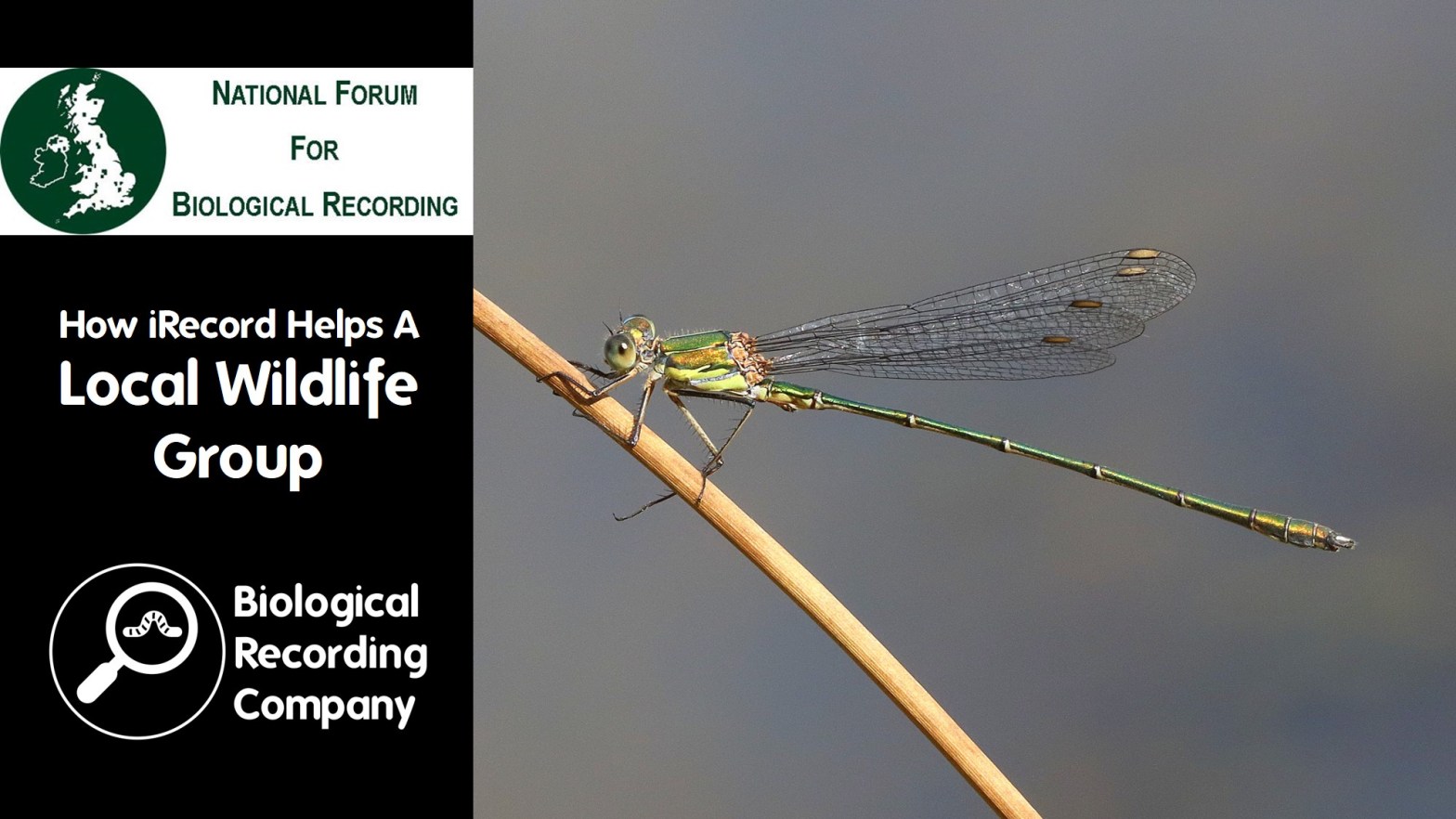
John Lindley discusses how his village set up a local group to monitor their local biodiversity.
Category Archives: Blog
Why iRecord? Virtual Symposium
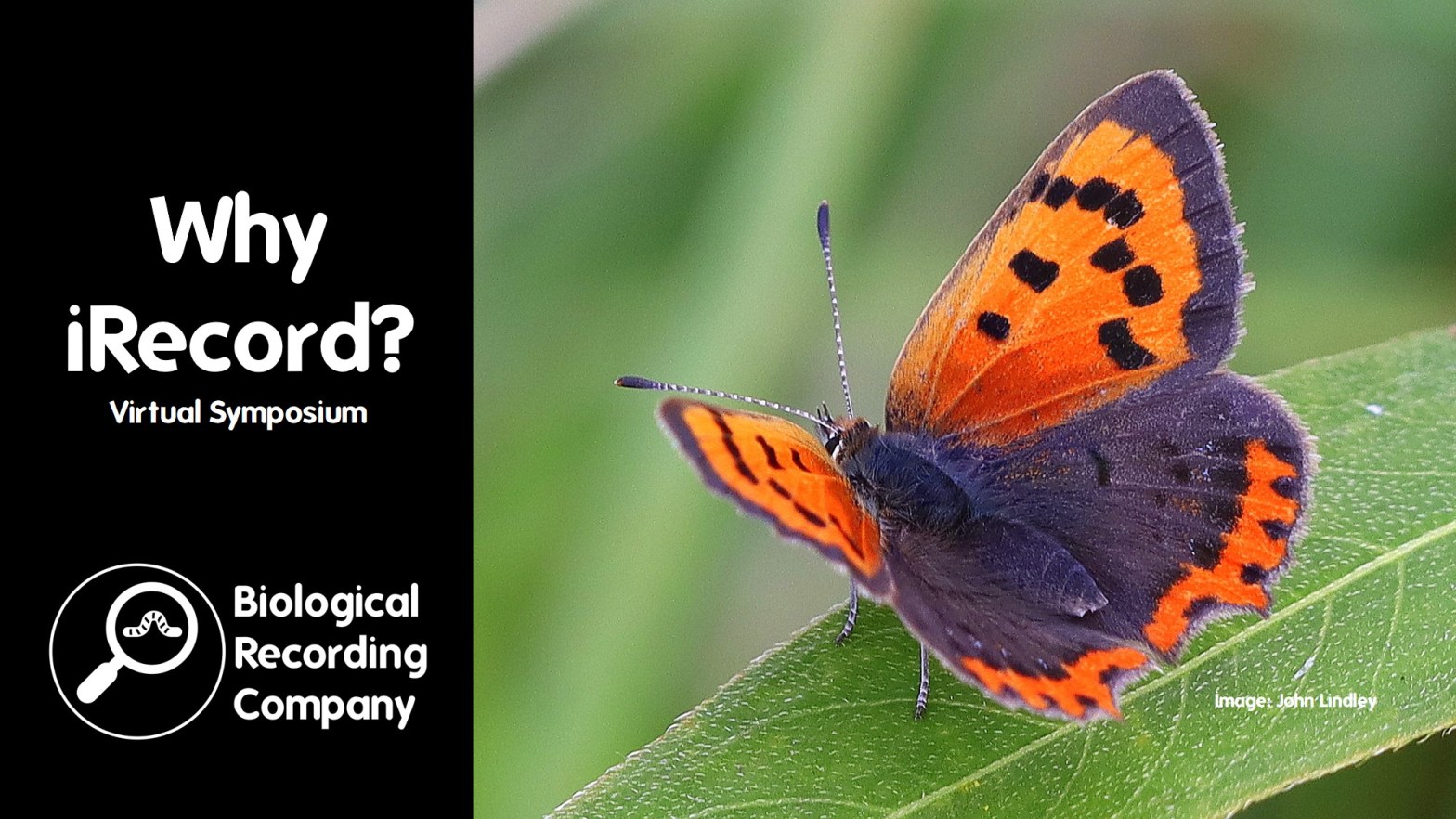
In April 2023, we partnered with the National Forum for Biological Recording and Biological Records Centre to put together a programme of talks that showcase how some organisations are using, and improving, iRecord to gather biodiversity data and you can find the presentation recordings below.
The London Bee Situation: How Sustainable Is Beekeeping in London?

Mark Patterson (Apicultural) discusses how the honeybee may be impacting local wild bee populations in the densely urban environment that is London.
Unlocking Invertebrate Genomes: Trying to Sequence Every Species

Dr Liam Crowley (University of Oxford) explains how an aspirational project is trying to sequence every species in Britain and Ireland.
Spring 2023: Earthworm Courses & Events

At the Biological Recording Company, one of our 4 primary aims is to increase our knowledge of earthworms by delivering training courses and recording events across the UK. Most of these are free to attend due to funding from partners (or just our own goodwill), and all of them are components of the Earthworm IDContinue reading “Spring 2023: Earthworm Courses & Events”
Crawfish: Trending in South-west Britain

Delve into the mysterious reappearance of the Crawfish is the southwest of England with Dr Angus Jackson from Seasearch.
Celebrating Ladybirds: Developing Our Knowledge Through Citizen Science
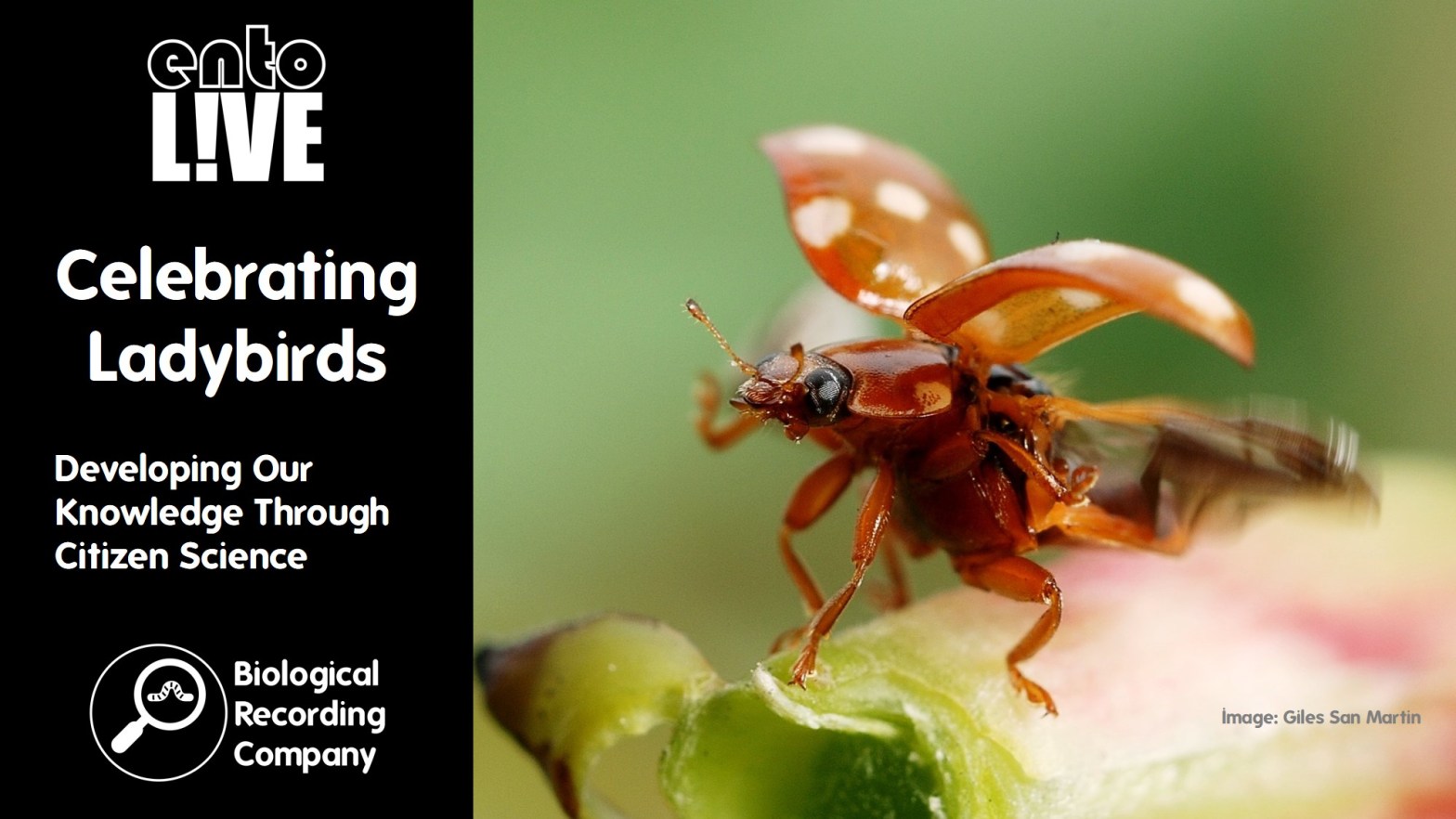
Prof Helen Roy (UK Centre for Ecology & Hydrology) explains how our understanding of the ecology of these beautiful beetles is partly due to an army of citizen scientists.
Weird But Wonderful World of Worms: Tales From The Museum Collections
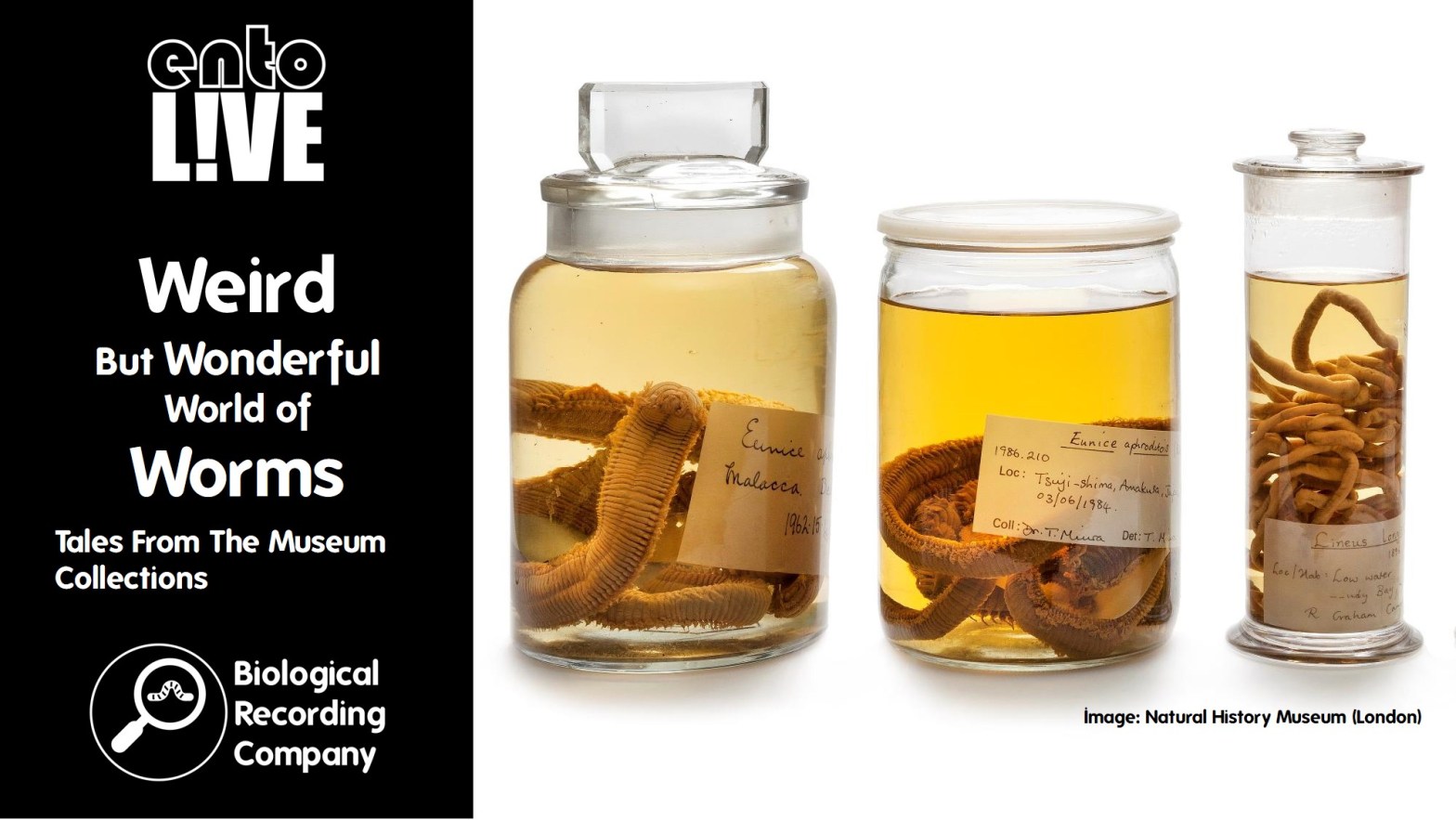
Emma Sherlock (Natural History Museum) provides a tour of some of the weirder worms from the museum’s collections.
The Earthworm Invasion of North America
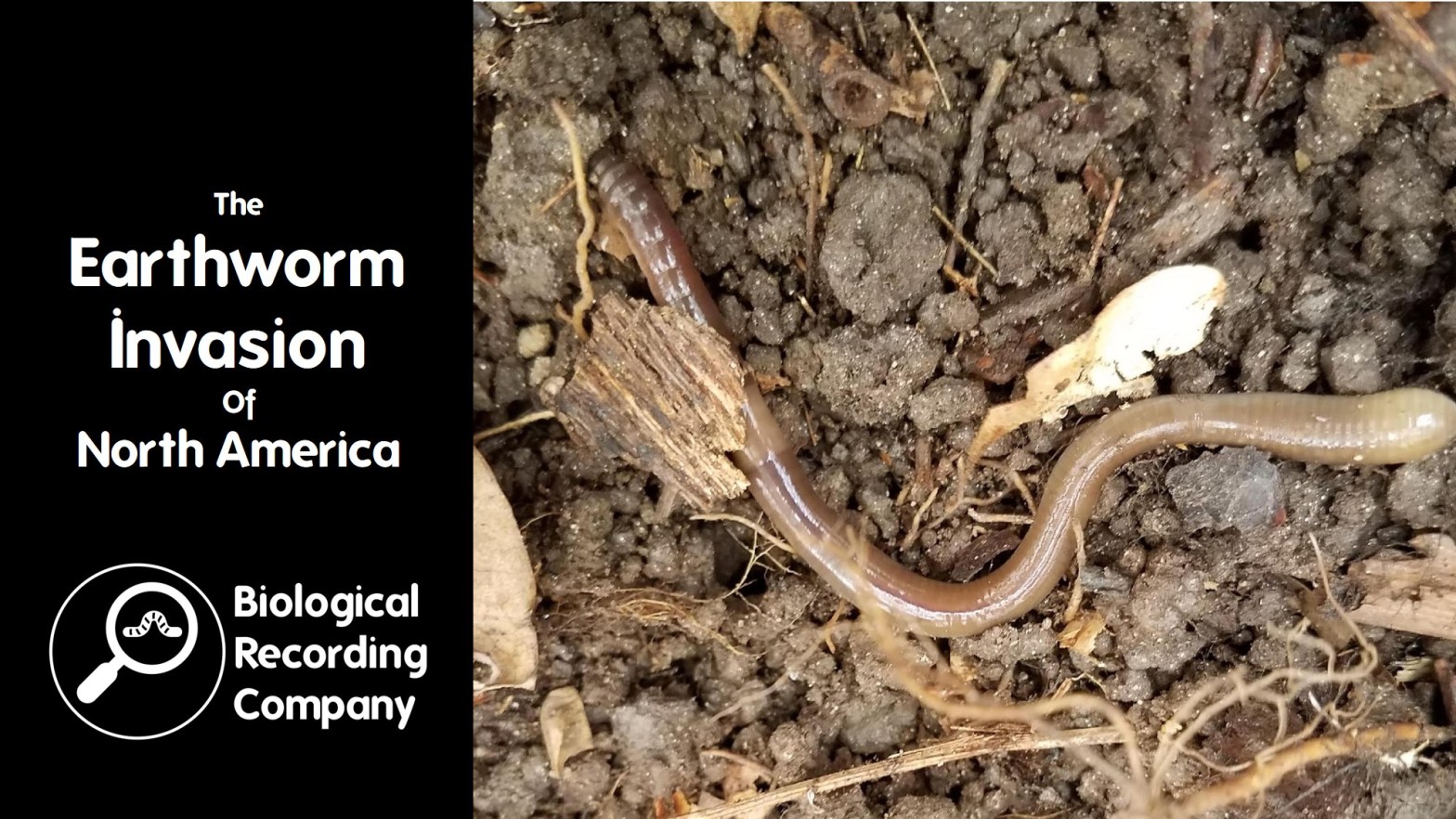
Earthworms are well-known ecosystem engineers, profoundly affecting soil processes. They are generally considered beneficial organisms that improve soil quality. But what happens when earthworms are introduced to ecosystems that have evolved with no or very different kinds of earthworms? Prof Katalin Szlávecz discusses the impacts of non-native earthworms in the Atlantic region of North America.
The Giant Wetland Worms of South America

The Orinoco Llanos of Columbia and Venezuela were home to a mystery. These tropical wetlands are home to a landscape dominated by densely packed, regularly spaced mounds of soil. These Surales can be up to 5 m in diameter and 2 m tall and cover an area almost the size of Scotland! Rumsaïs Blatrix takes us on a journey to South America to discover how the mystery of the Surales was solved by her research team.
 Biological Recording