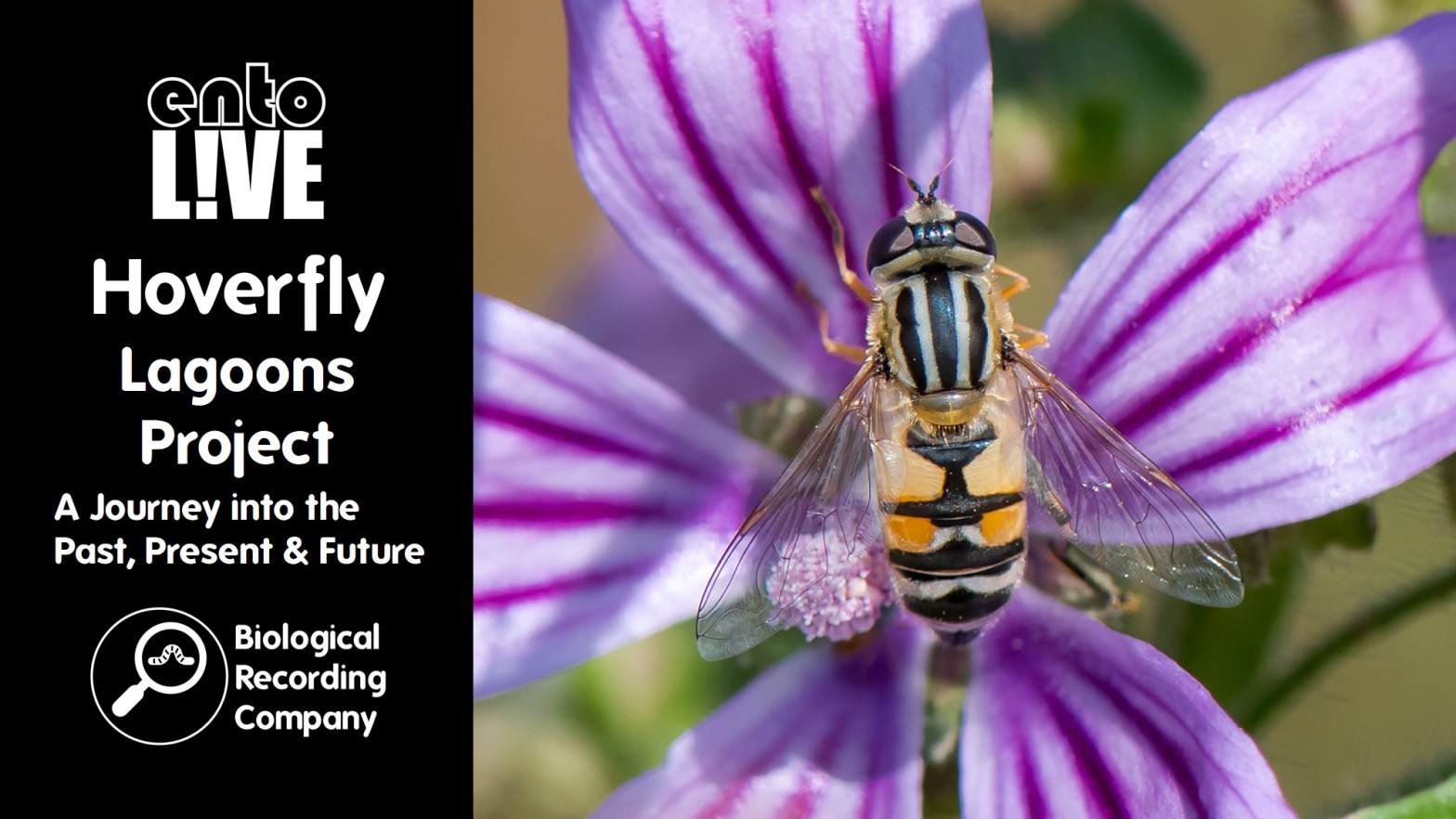
Dr Ellen Rotheray (University of Sussex) explores the highly successful Hoverfly Lagoons project about introducing aquatic habitats into small spaces.
Category Archives: Blog
Windermere’s Water Quality: From Satellite To River Bank
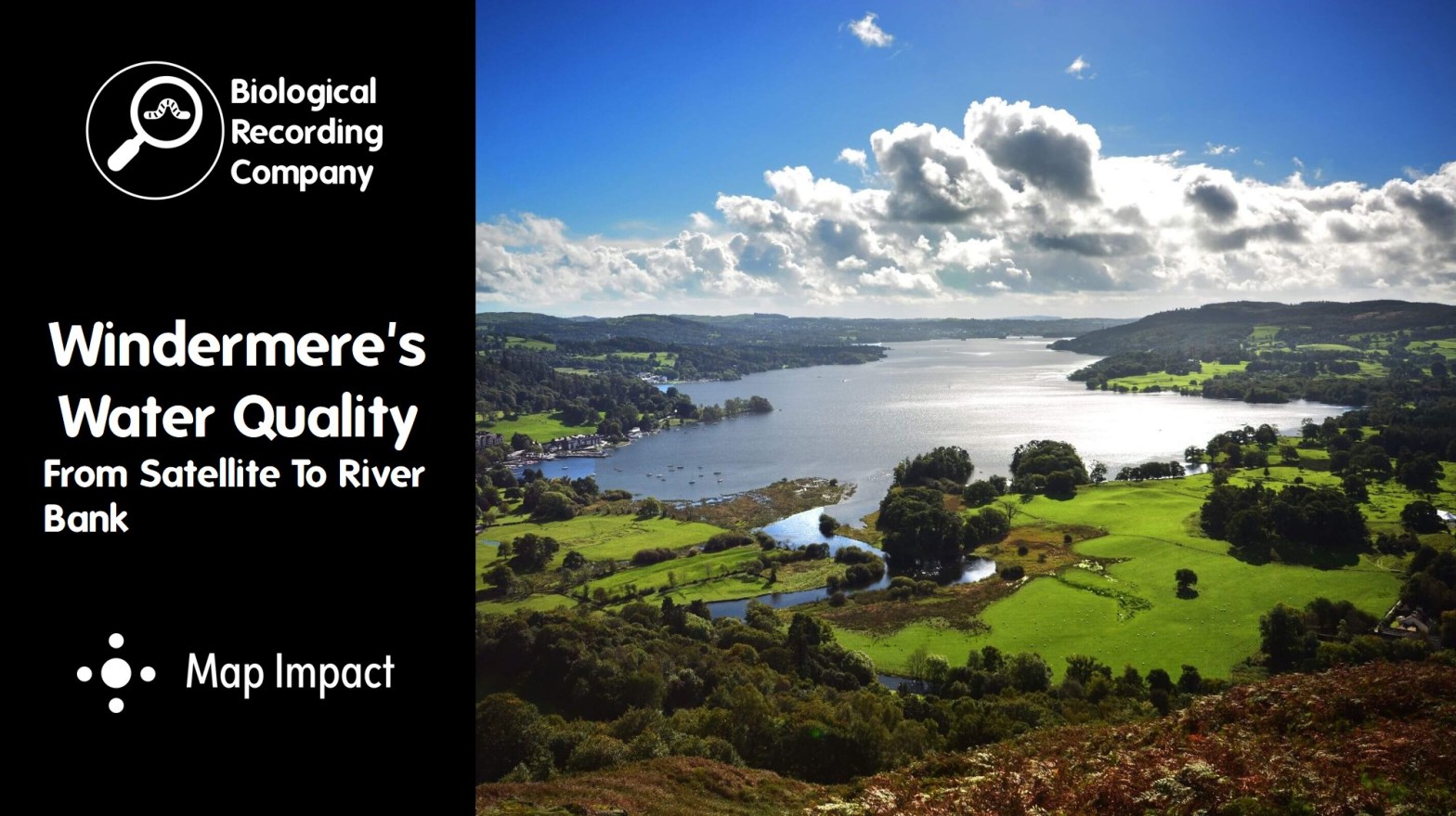
Join us for an investigation into the water quality issues of lake Windermere, taking a view from the sky and the river bank.
How Can We Use Sound to Measure Biodiversity?

Explore the potential benefits and limitations of using sound to measure biodiversity.
The Field Identification Skills Certificate: Assessing Botanical ID Skills
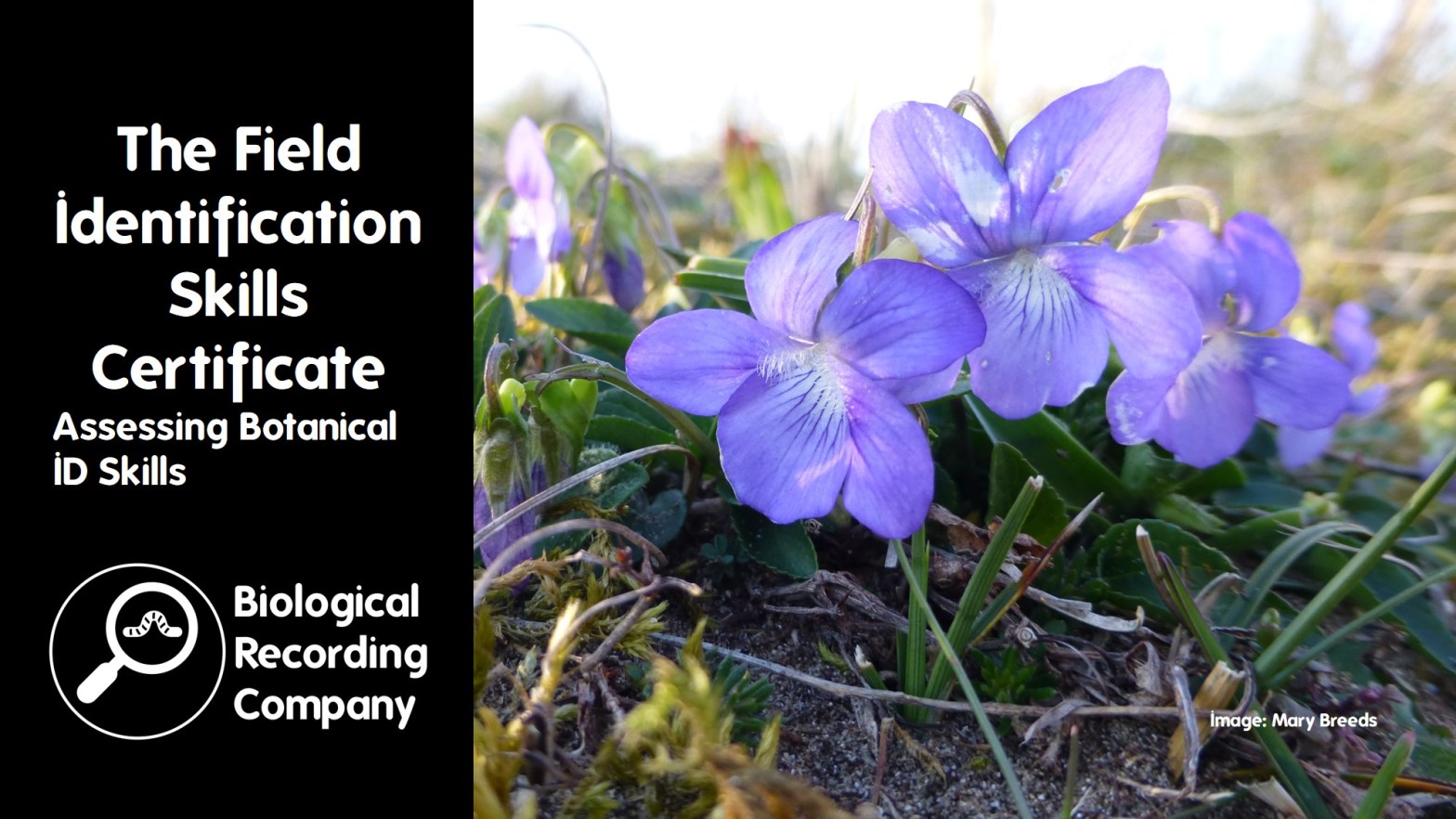
Dr Chantal Helm provides a summary of the Field Identification Skills Certificate and how it is providing a means of assessing the botanical field skills of both professionals and amateurs.
Image Recognition and AI for Species Identification

Alba Gomez Segura delves into the work of UK CEH on the use of image recognition and AI to identifying organisms to species/
BioLinks: Developing Structured ID Training Pathways for Invertebrate Groups
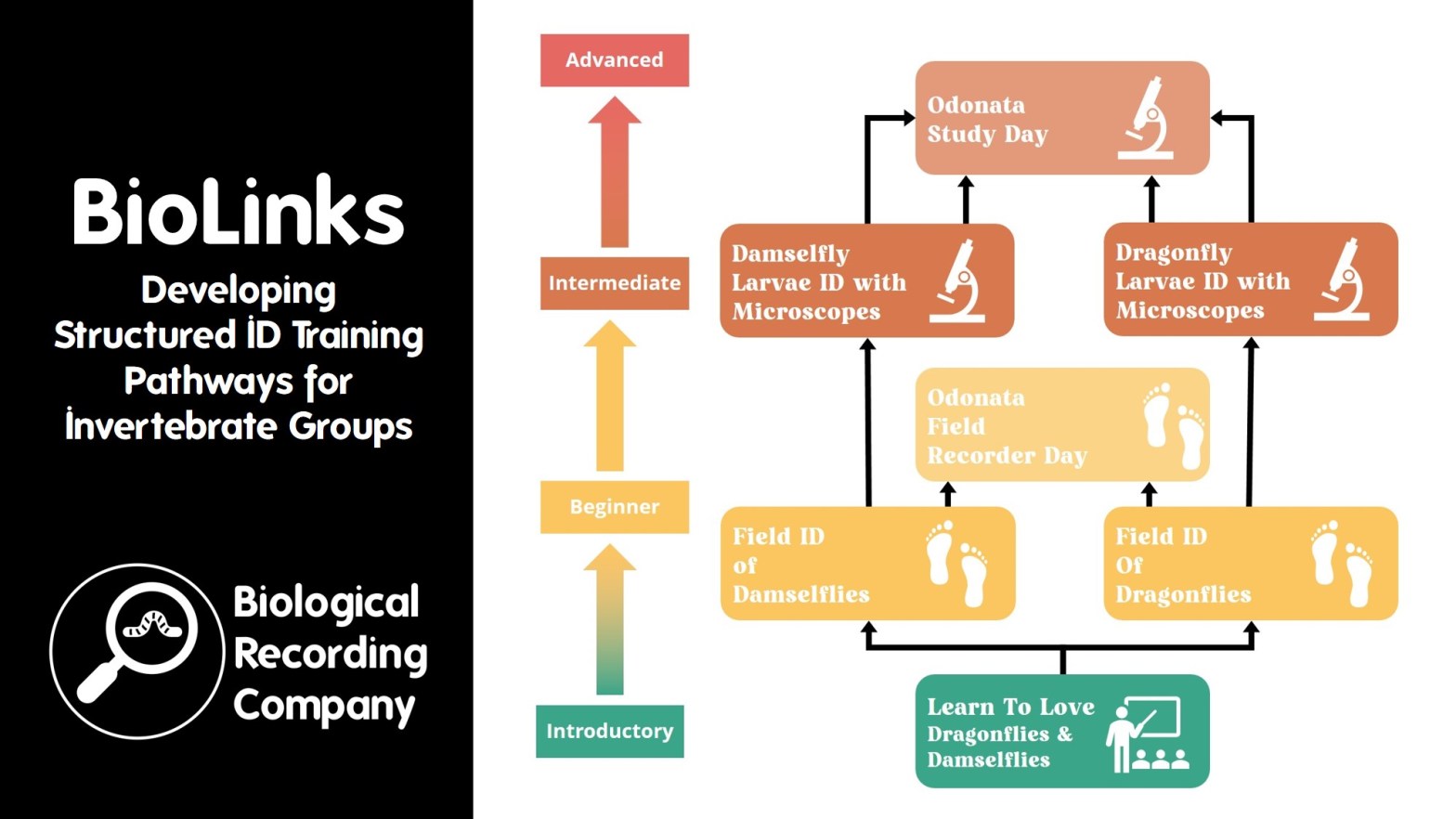
Keiron Brown discusses the FSC BioLinks project and the development of ID training pathways.
What is it? Developing Biodiversity identification Resources
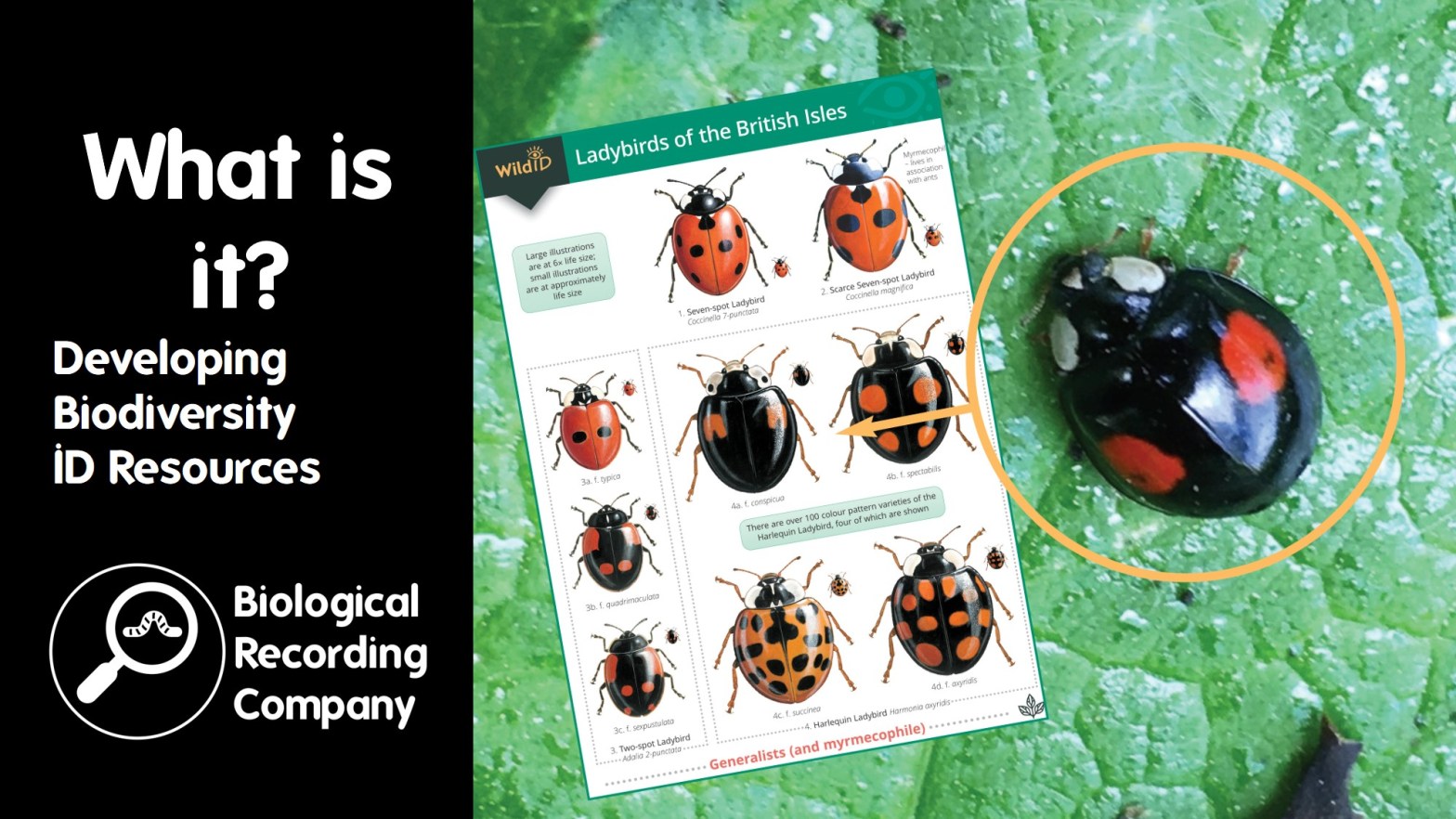
Dr Rebecca Farley-Brown presents the FSC’s experience of developing and publishing identification resources.
The Noble Jewel-wasp: The Range Expansion of a Brood Parasite
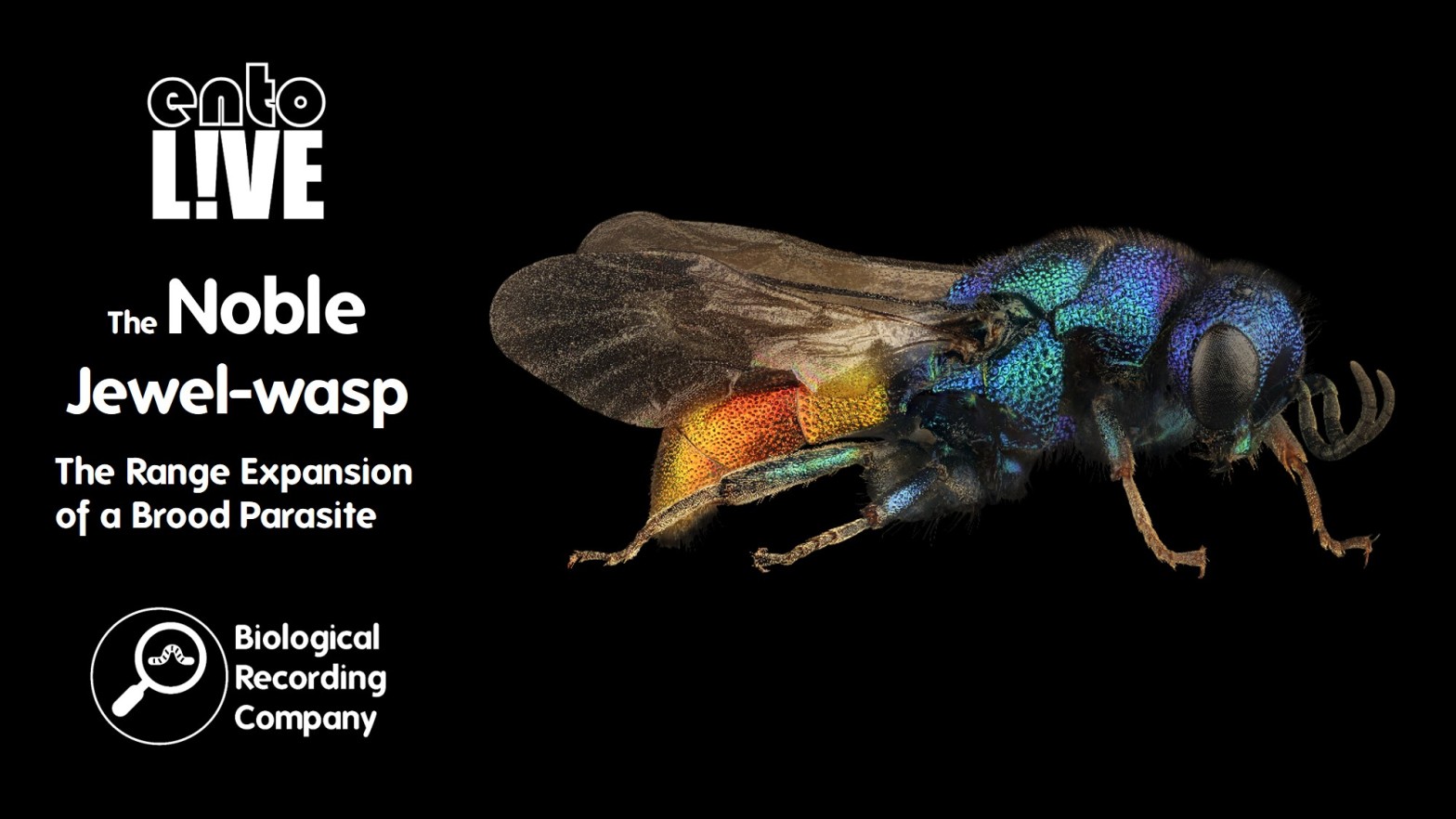
Aaron Bhambra (University of Birmingham) looks at the potential reasons behind the range expansion of the Noble Jewel-wasp.
Bees and Heatwaves: Preparing For A Warming World
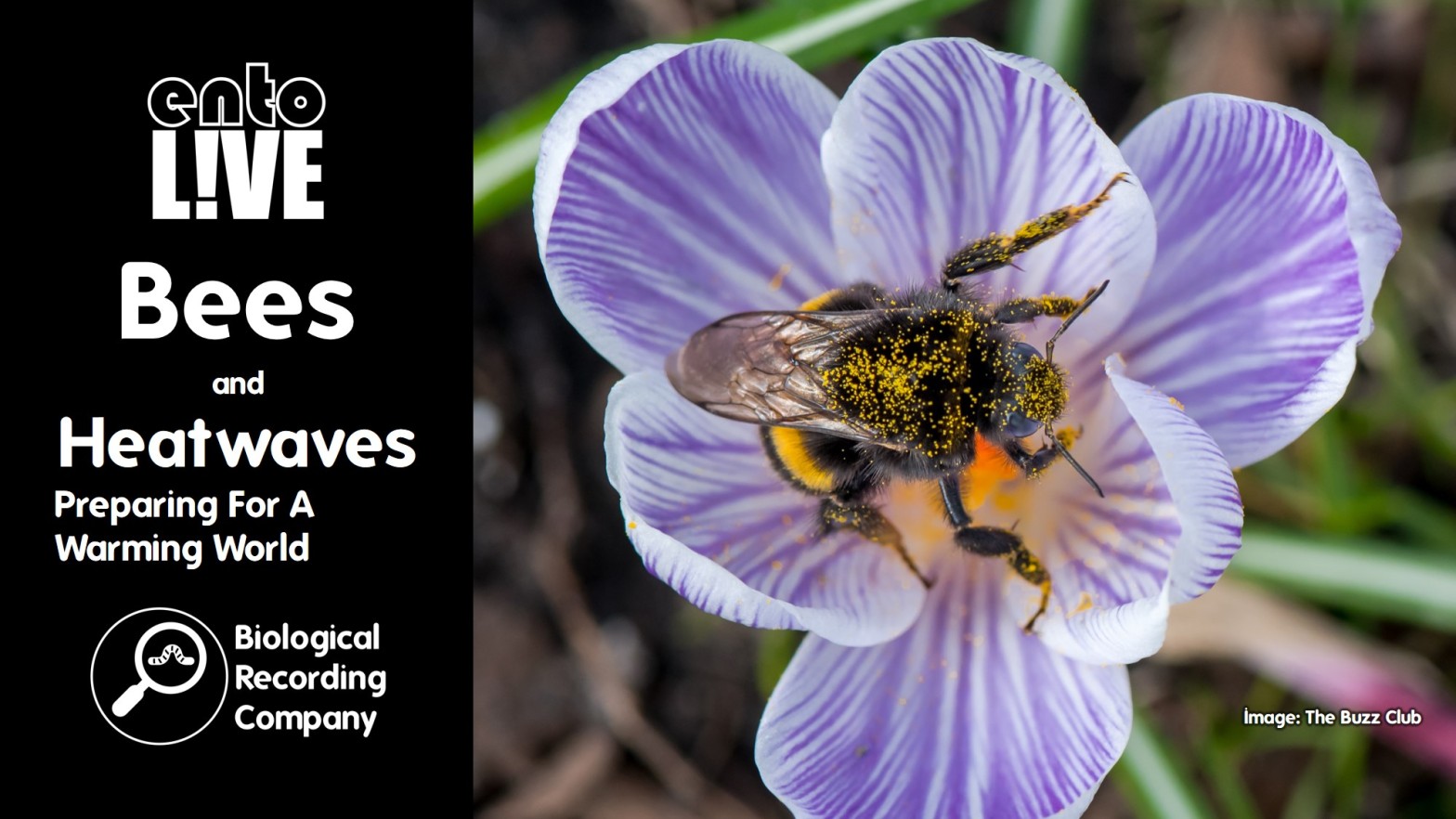
Yanet Sepúlveda and Isobel Sexton from the Buzz Club (University of Sussex) discuss the Bees and Heatwaves project that is investigating the impacts of extreme weather on bee populations.
Keeping the Spark Alive: Volunteer Retention in Citizen Science
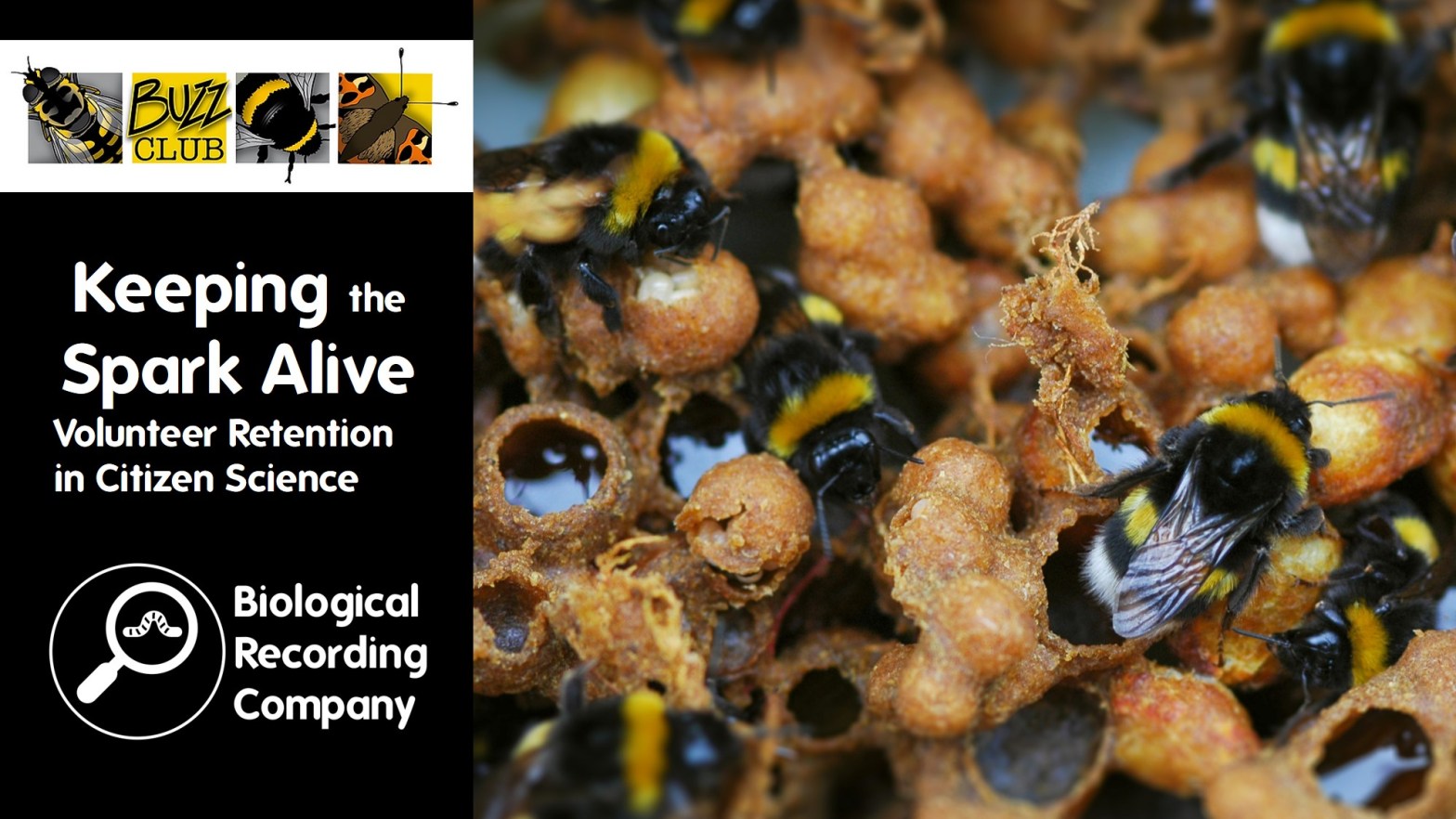
Dr Linda Birkin discusses considerations for volunteer retention in citizen science projects.
 Biological Recording