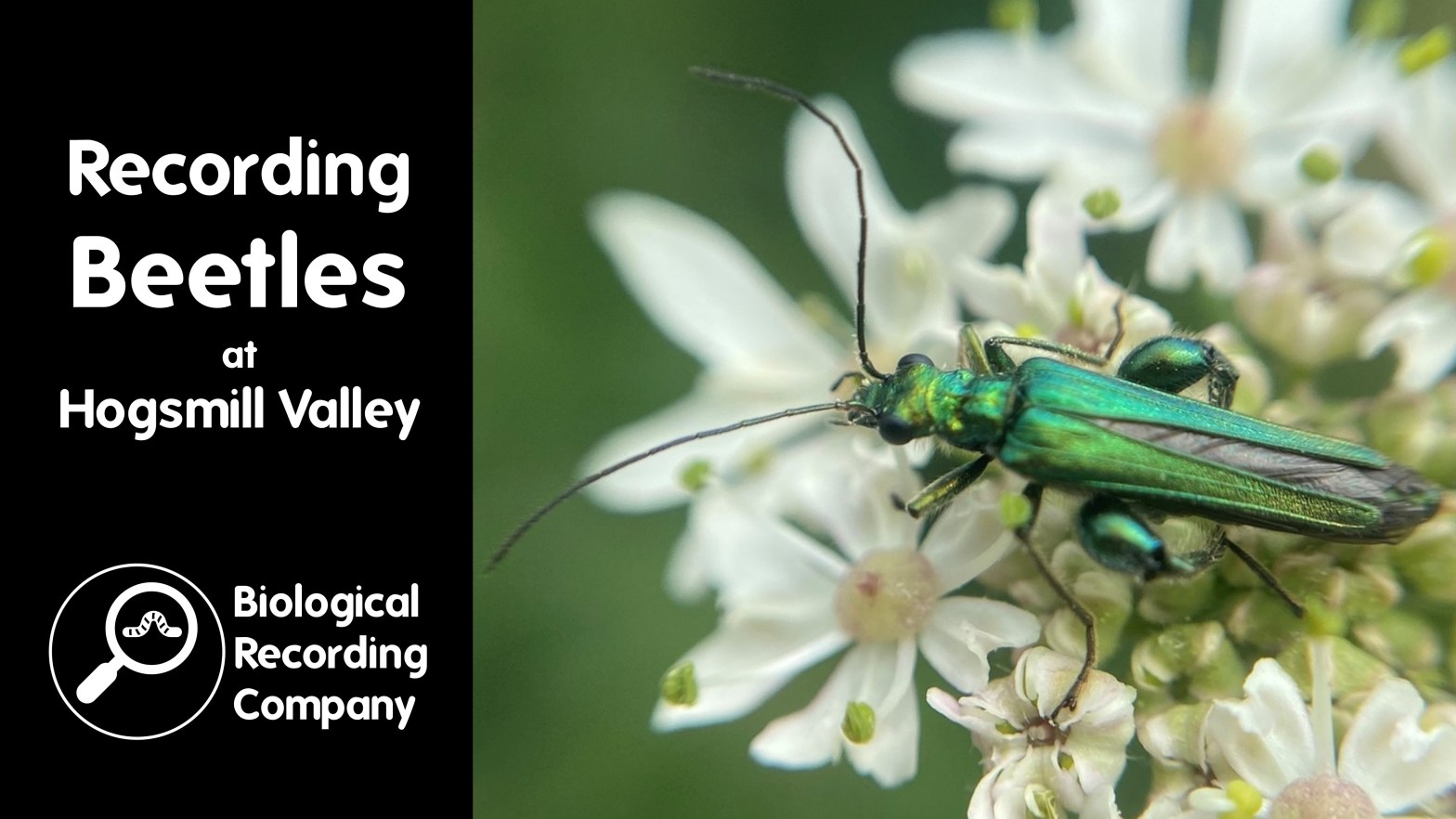
Sixteen keen naturalists joined beetle expert Wil Heeney to explore the hidden wildlife of the Hogsmill Valley. Together they uncovered 89 species, from glittering soldier beetles to the dazzling Rose Chafer. The biggest surprise? Two rare leafhoppers never before recorded in London—proof that this chalk-stream corridor is bursting with life.
Category Archives: Biological recording
British Springtails: How Many Species Really Are There?
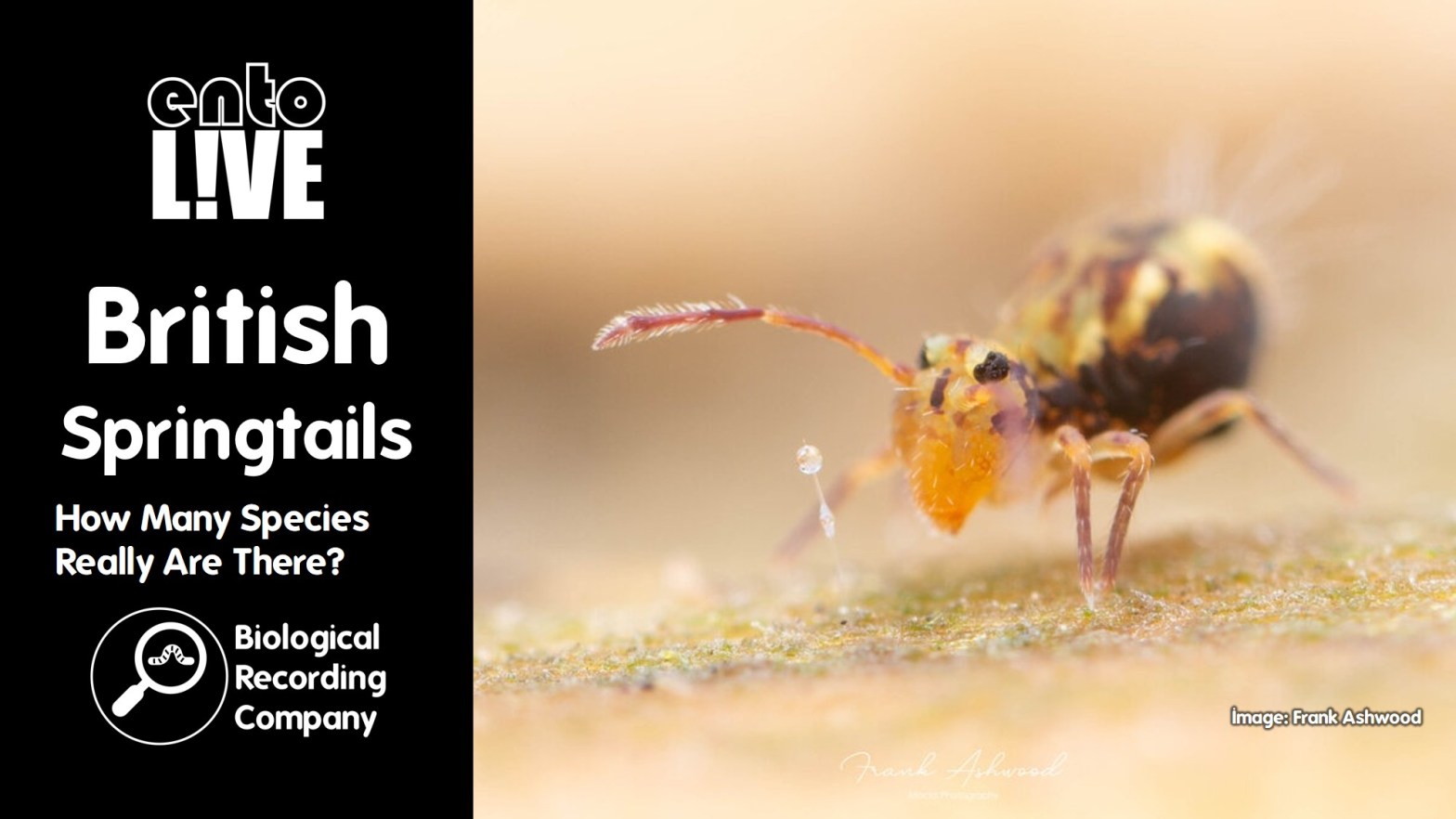
James McCulloch (National Springtail Recorder) discusses the constantly increasing species list for UK Collembola.
AI-powered Bioacoustics with BirdNET
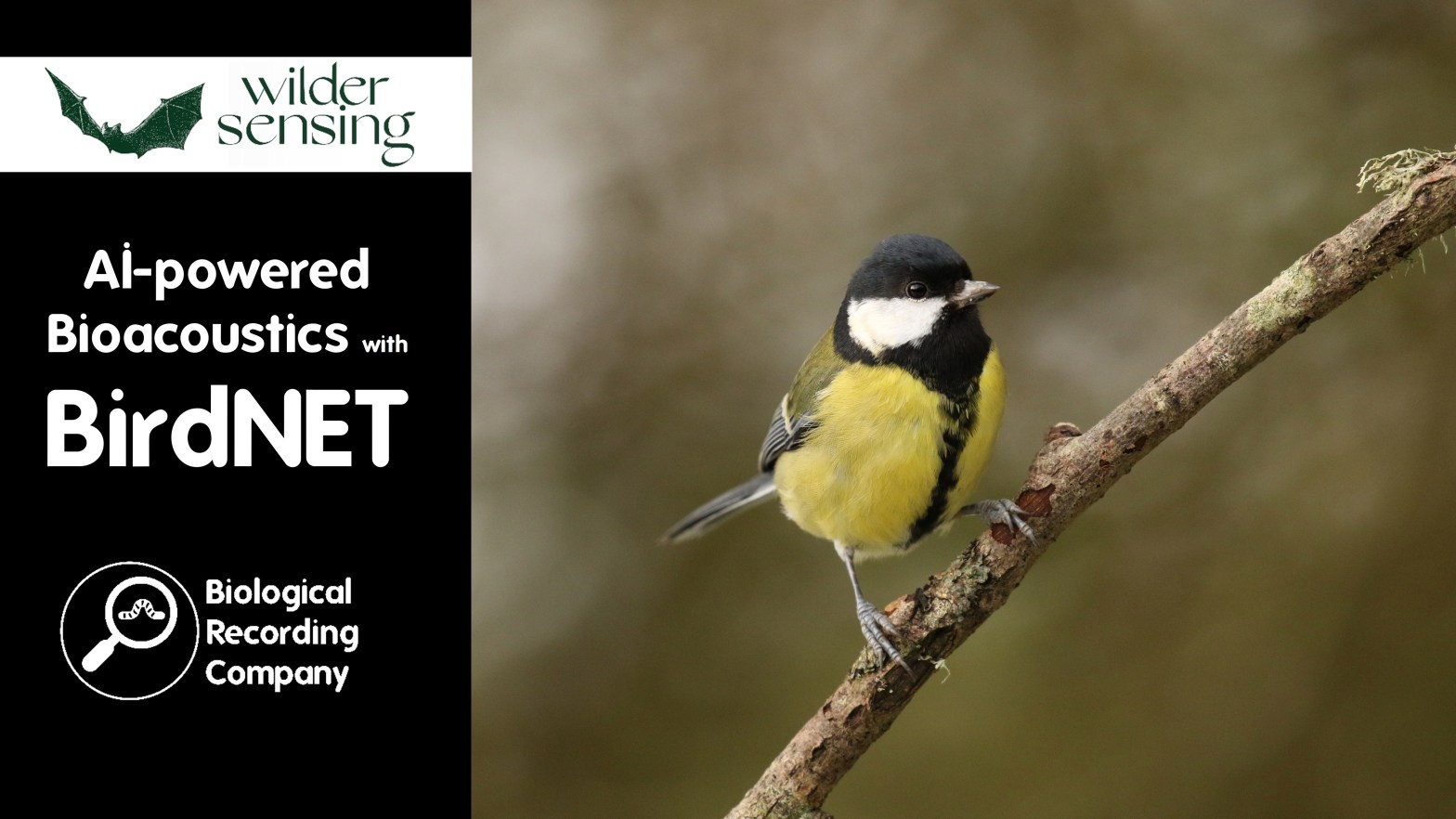
Learn how BirdNET is using AI to transform biodiversity monitoring and conservation through bioacoustics.
Joss’ Top 10 London Finds
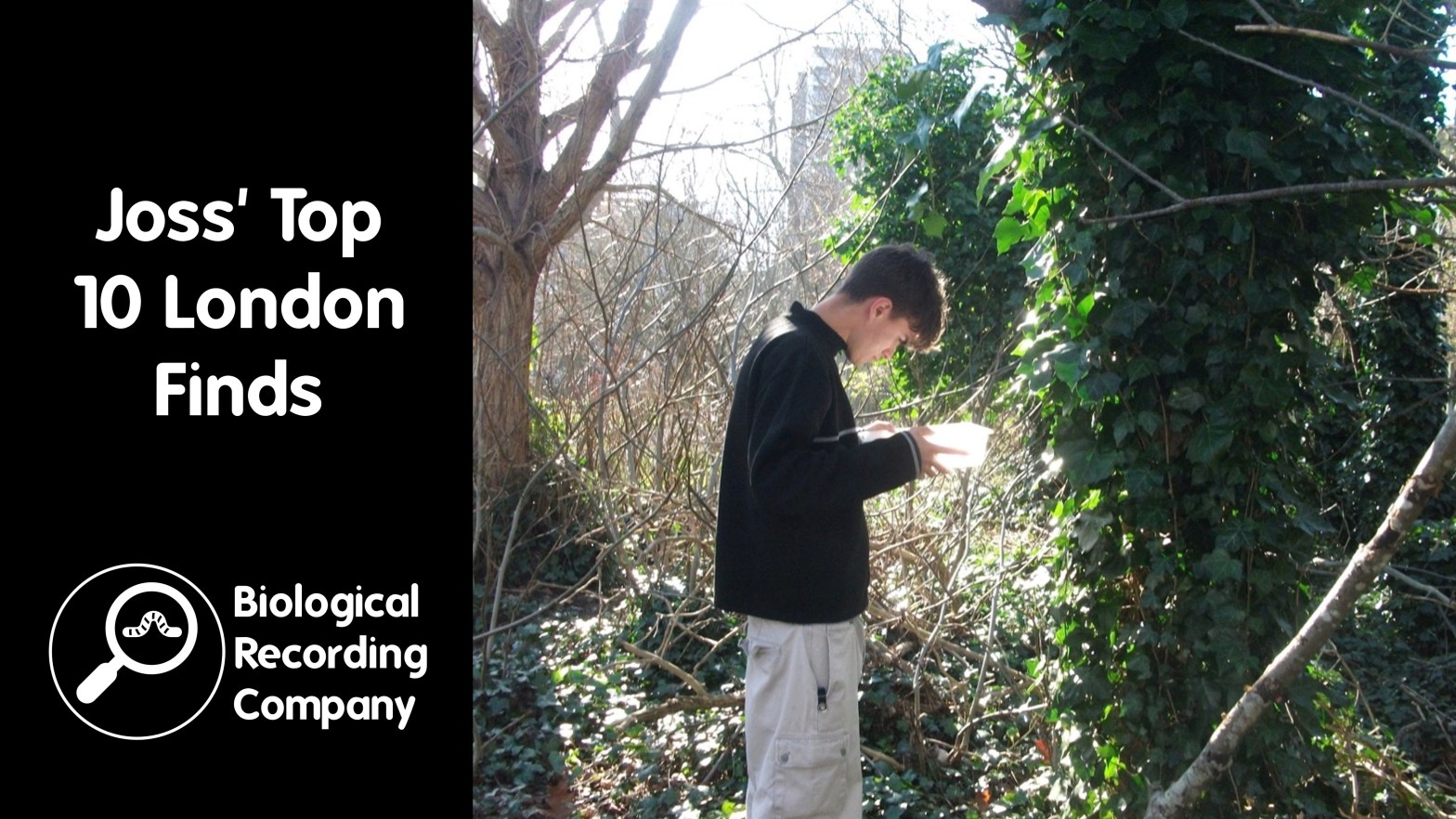
Joss Carr (Junior Naturalist at the Biological Recording Company) discusses his top 10 finds in London.
Bioacoustics for Regenerative Agriculture
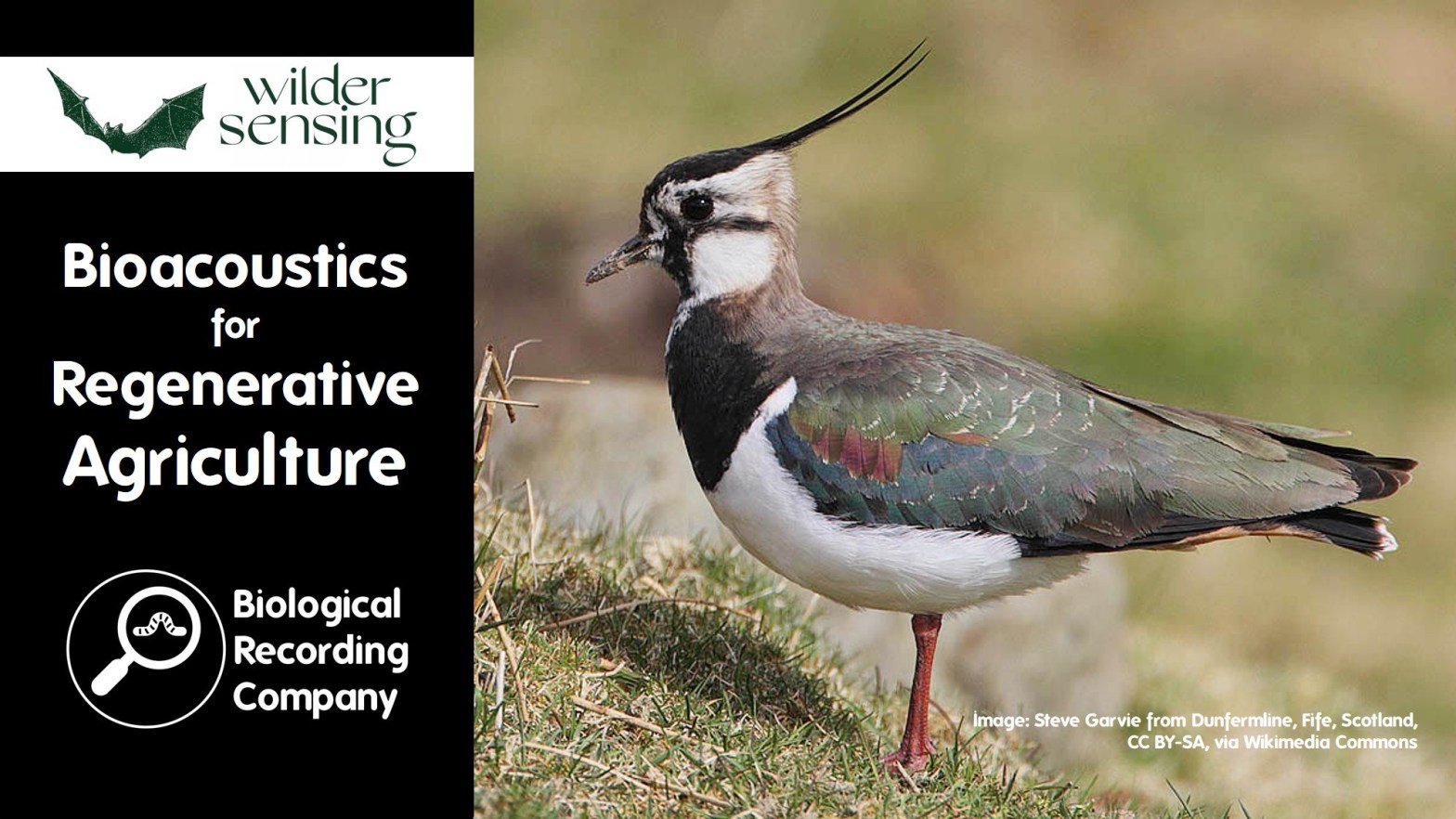
Learn how the sounds of nature can inform sustainable farming practices and regenerative agriculture.
Wildlife Gardening Virtual Symposium
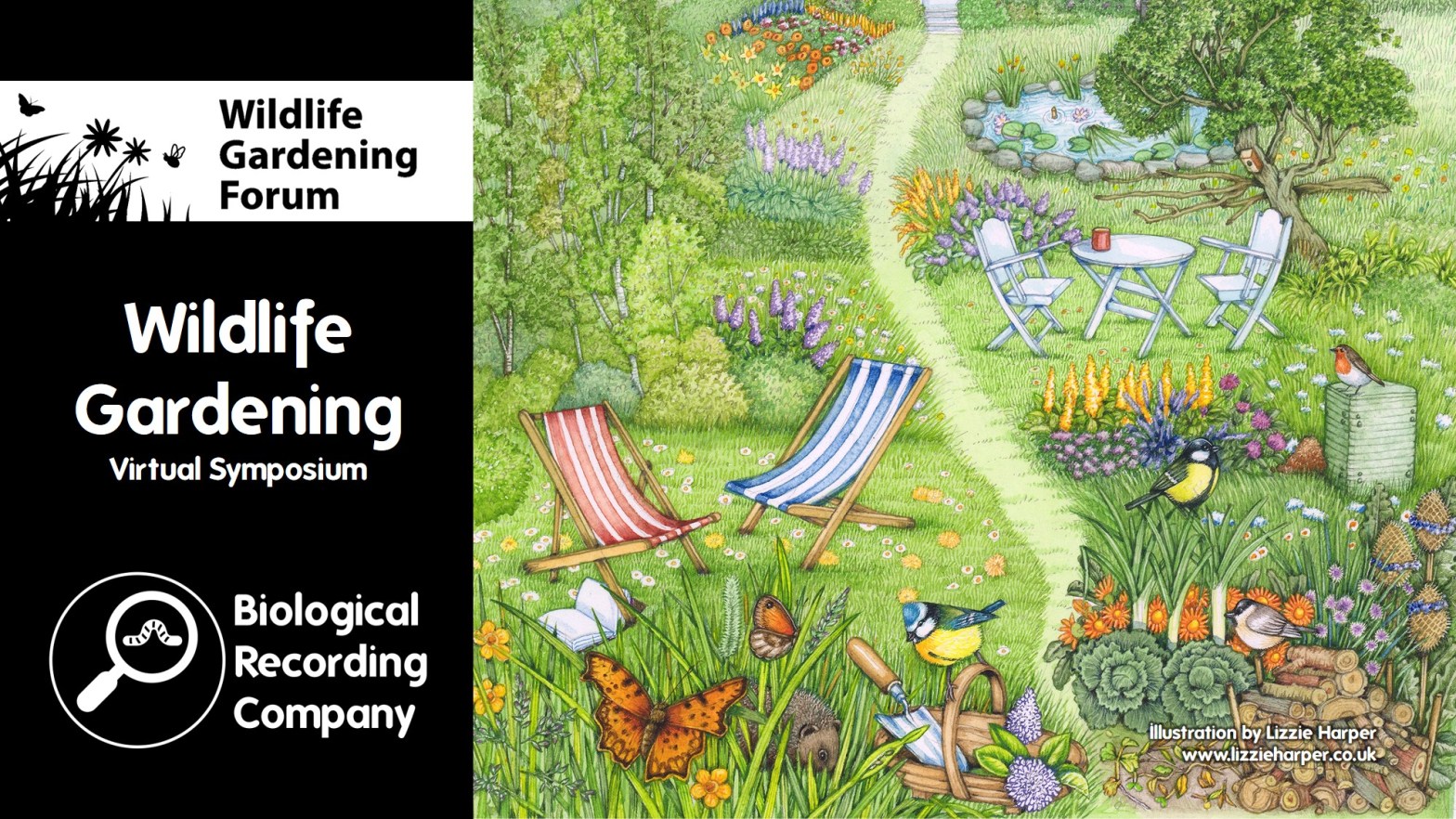
The Wildlife Gardening Virtual Symposium was a knowledge-sharing event about the latest research related to nature-friendly gardening that can help us undertake evidence-based wildlife gardening decisions.
The Wilder Sensing Guide to Mastering Bioacoustic Bird Surveys
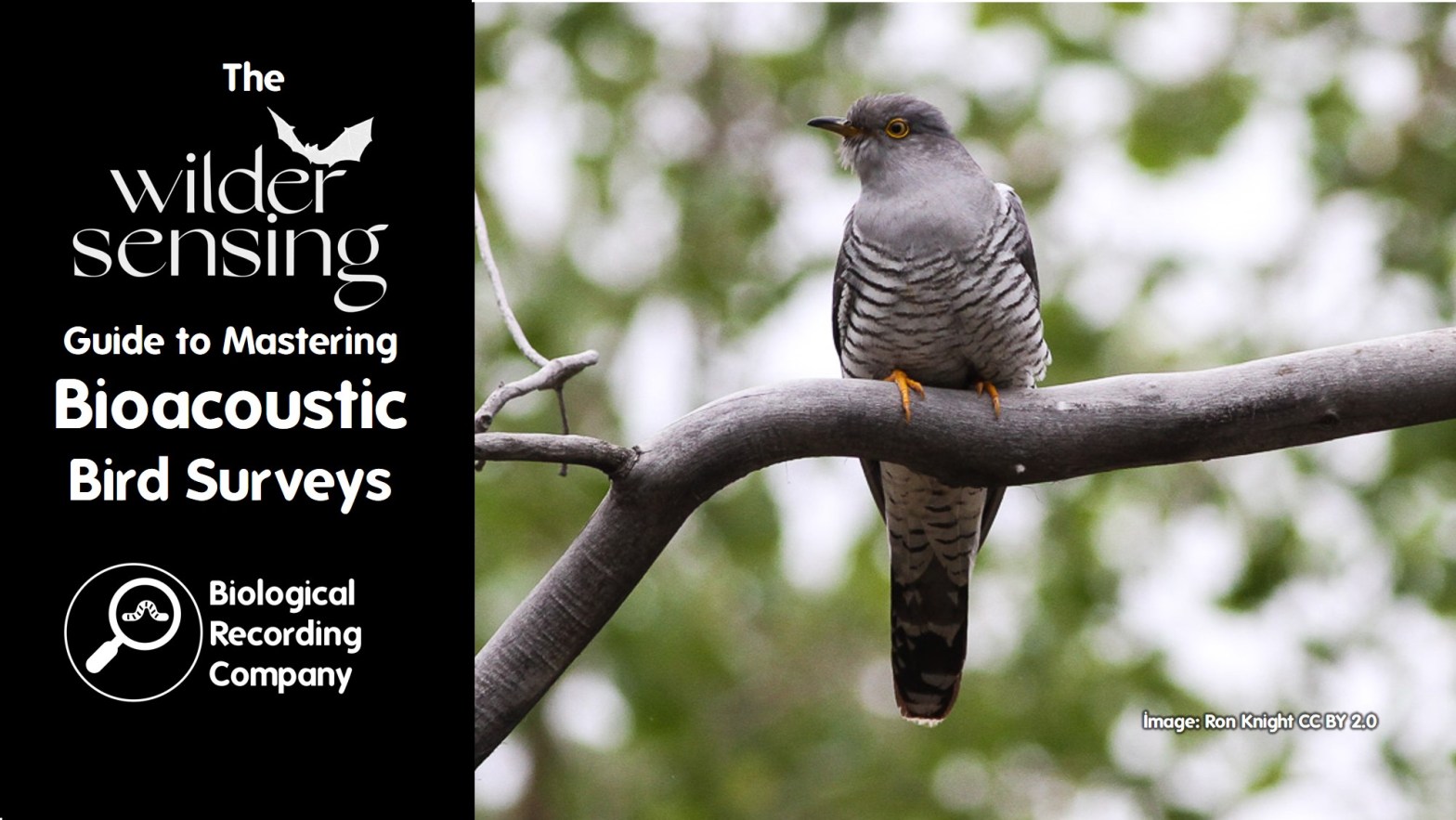
Learn how to successfully plan and execute bioacoustics-based bird surveys, utilising sound recorders and AI.
Earthworms 2024: A Year in Review
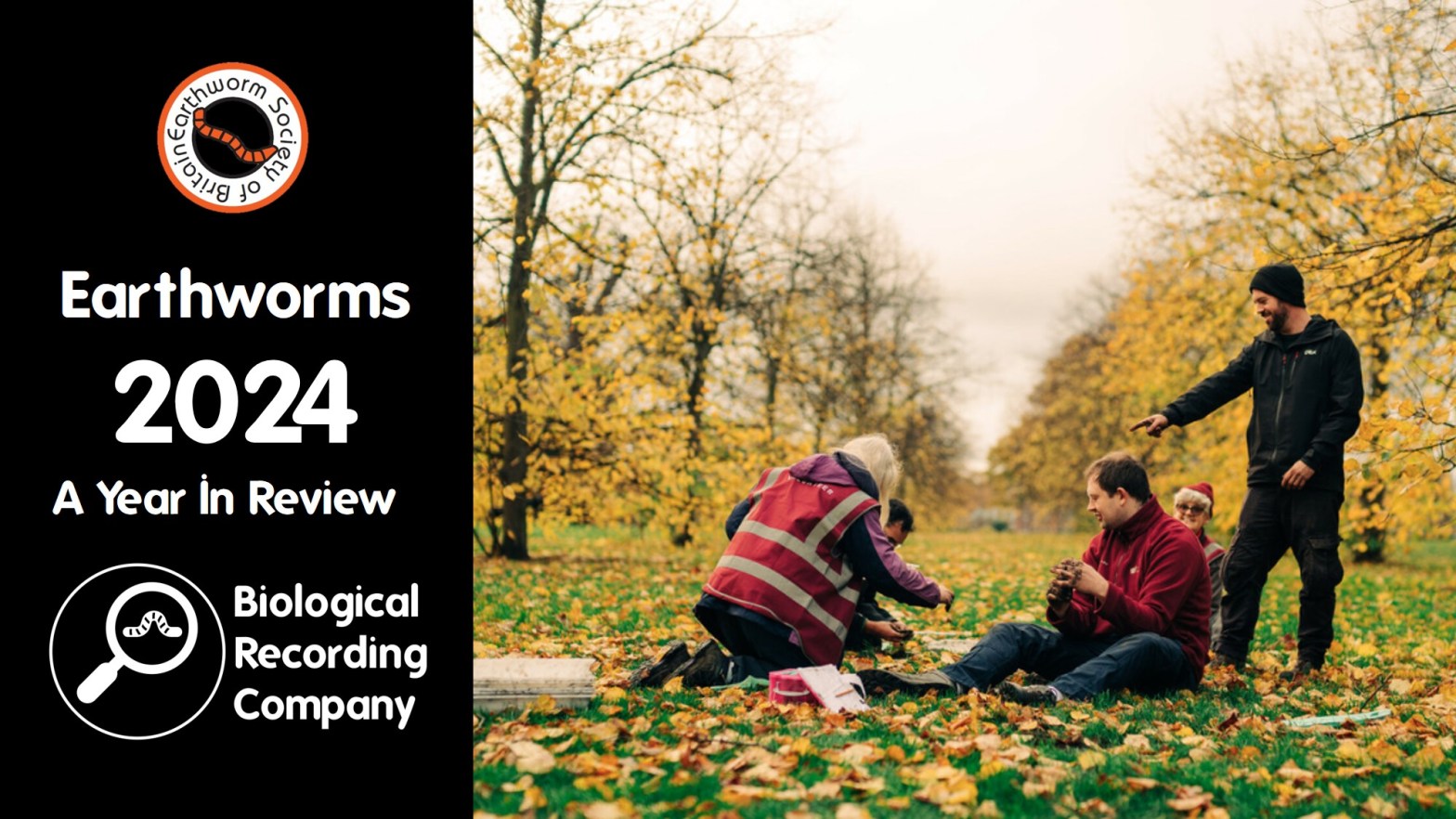
Keiron Derek Brown presents the latest data from the National Earthworm Recording Scheme and other earthworm projects that the Biological Recording Company has been part over the past year.
Natural History Online Training Virtual Symposium
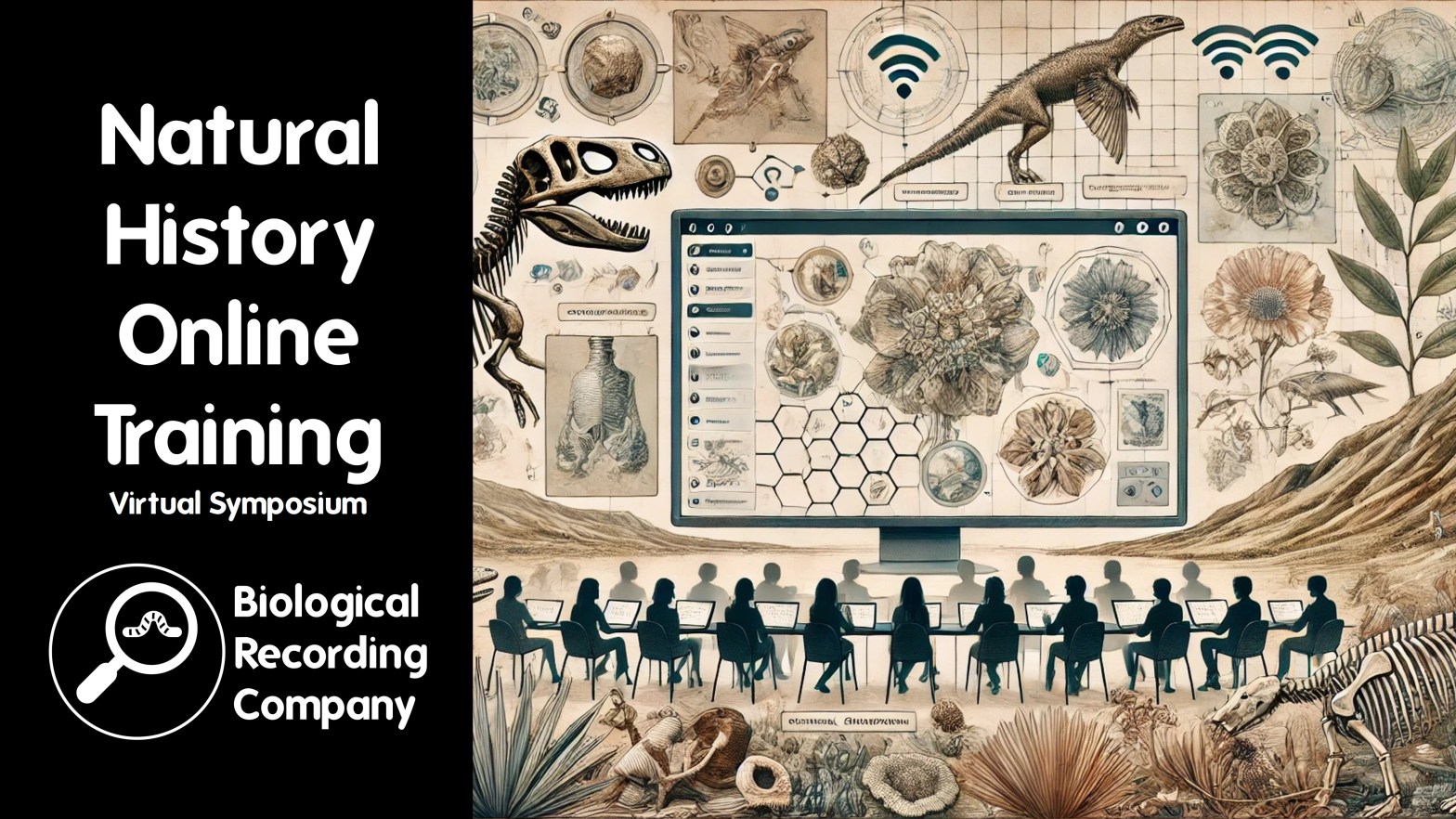
The Natural History Online Training Virtual Symposium was a knowledge-sharing event about the virtual delivery of natural history training for both professionals and non-professionals.
Earthworm Image Recognition Project
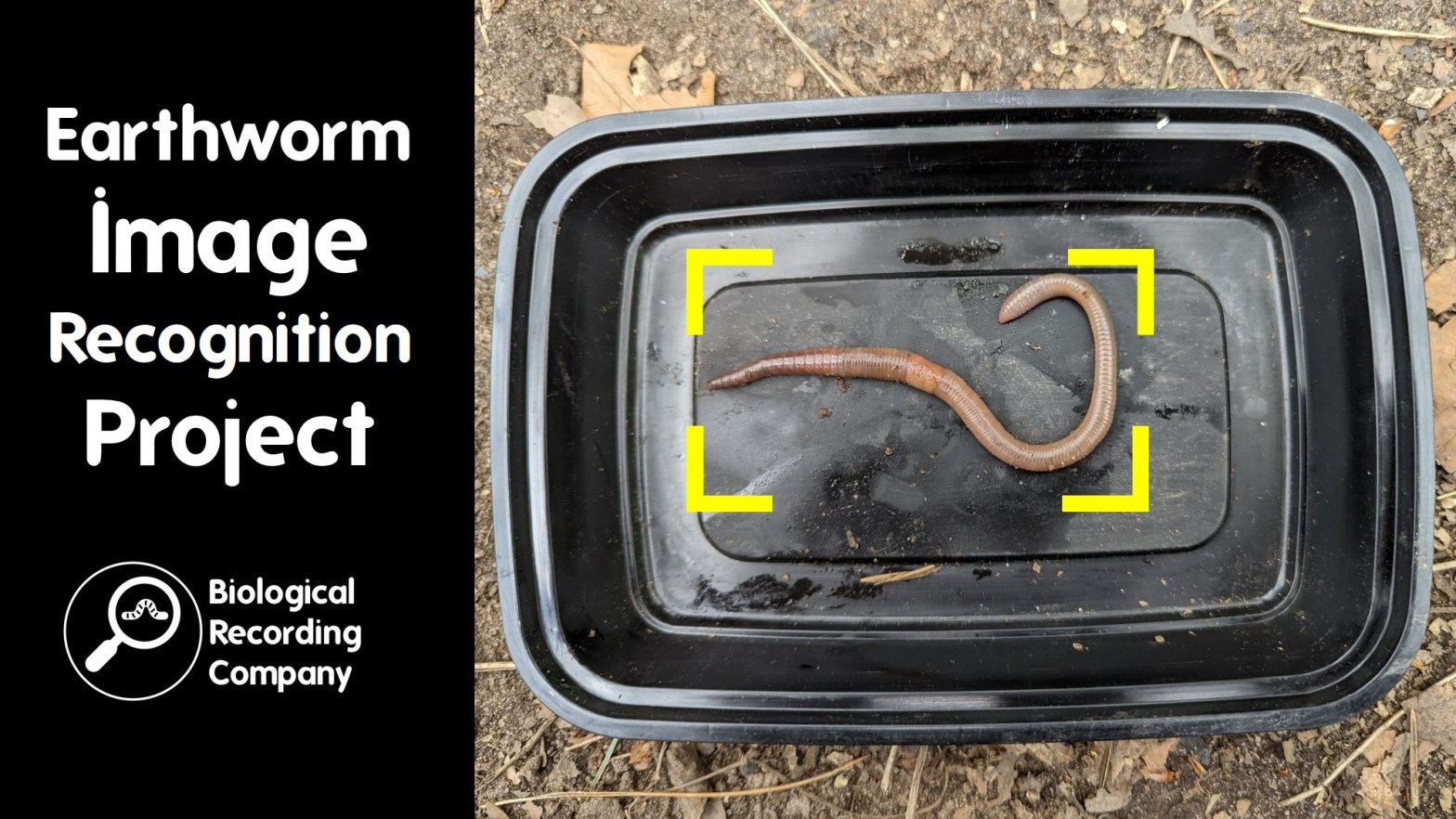
Can earthworms be identified from photographs using AI? This blog presents a proof-of-concept study that investigated if an image recognition and species classification algorithm could be developed to accurately identify live earthworms.
 Biological Recording