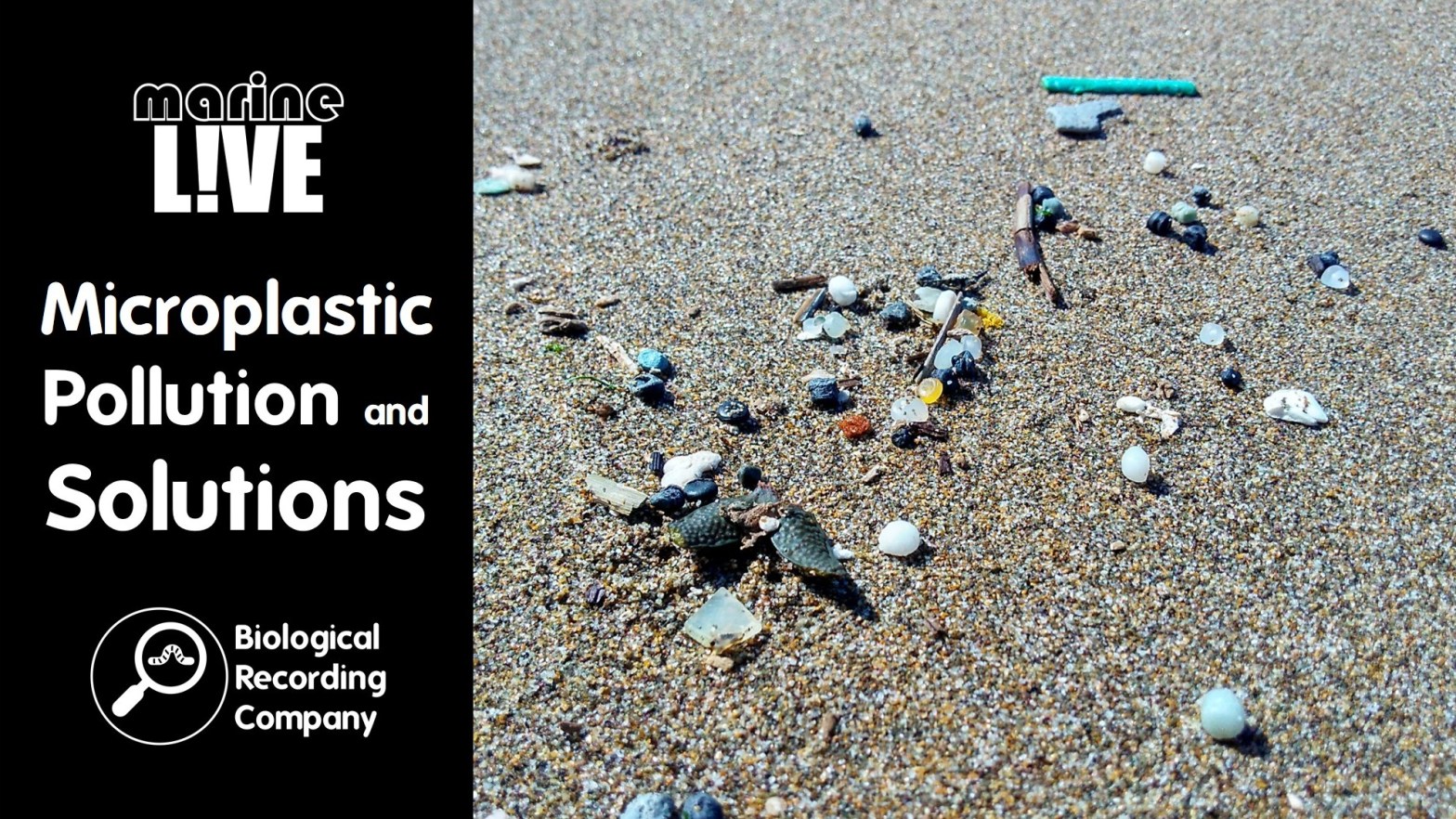
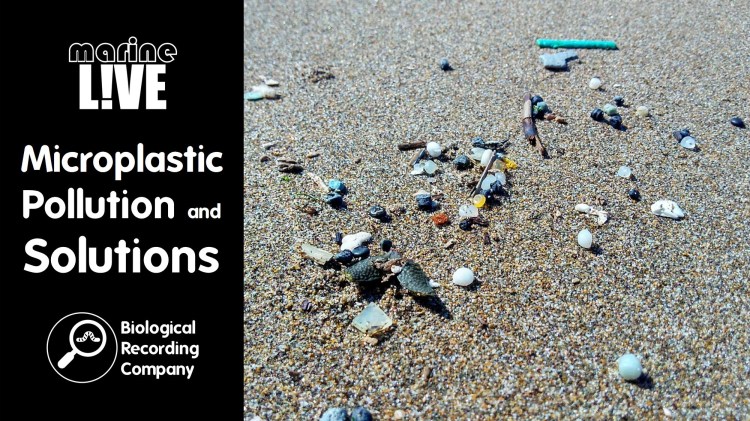
An estimated 12.7 million tonnes of microplastics enter the environment annually. Most of this pollution is emitted to land, yet we find microplastics in all parts of the environment, even in the deep ocean. How are the microplastics distributed and transported? What impacts do they have on the environment? And can alternative plastics, such as those that are biodegradable, offer solutions to the plastic crisis?
Q&A with Dr Winnie Courtene-Jones
Dr Winnie Courtene-Jones is a lecturer at Bangor University; a marine biologist and microplastic pollution expert whose research focuses on understanding the fate and impacts of (micro)plastics to support effective solutions. Her research has led her to study microplastic pollution in a variety of terrestrial and marine environments, from coastlines to some of the most remote parts of our planet including the deep sea and oceanic gyres. A passionate science communicator, Winnie has been featured on TV, radio, and podcasts. She is an active member of the Scientists’ Coalition for an Effective Plastics Treaty, supporting progress towards the development of a legally binding instrument, and has spoken at these UN negotiations, along with the British and the European Parliaments.
Is buying recycled plastic products worse for the environment than buying non-plastic products?
That is a tricky question and I don’t know if I could say better or worse because there are so many aspects to understand and evaluate. What we do have to think about is that recycled plastic might have, potentially, more chemicals added into it. Not only do you have chemical residues from the plastic itself and from the recycling process, there are also specific chemicals added by the manufacturers to form the new product. For example, there are regulations preventing recycled plastics for food contact materials.
From your initial research, do you know what the bioavailability is and how it varies between the biobased and the conventional oil-based plastics?
Bioavailability, in terms of how an organism might ingest it, is another area that requires more research. To my knowledge, there haven’t been studies into whether animals have a preference for interacting with one type of plastic over another. Small plastics (microplastics) are more readily available for organisms to ingest, than larger particle sizes.
If we think about toxicity, there is evidence that there are similar, or possibly greater, impacts with biobased materials. Some work I led examined biobased textiles and their effect on earthworms and found that biobased fibres had a greater impact (on terms of mortality) across a broad concentration range, than the traditional polyester textiles. It’s not altogether clear why this is the case, and we need further research on this. Biodegradable plastics can contain more additives because the plastic can’t biodegrade too quickly- it must carry out its full function before biodegrading. It’s quite complicated and we don’t have all the parts of the puzzle in place yet.
Are there any brands of teabags that are worse than others?
I use loose leaf tea. Again, it’s complex to say which brands are better, but generally, teabags need a certain temperature to compost properly. If you compost them at home, they will not degrade properly,.they needs a heat of at least 60 degrees Celsius for the plastic (PLA – polyactic acid) to commence deteriorating. Often, the packaging does not explain how to properly dispose of your teabags, and this might be further complicated by wether or not you have industrial composting facilities available on your county/district.
Do you think it is possible for humans to ever be plastic free?
I don’t think we will be plastic free nor do I necessarily advocate for that. plastic is a sophisticated material, with use in specific applications. Reducing plastic use, simplifying materials by reducing the number of chemicals used in plastics, implementing regulations on production and limiting single use or disposable items are all ways to reduce negative impacts, and thus an overall reduction of the quantities that we find in the environment. Let’s change that 460 million tonnes of plastics produced annually to a much lower figure for the future!
Literature References
- Thompson et al (2024) Twenty years of microplastic pollution: https://www.science.org/doi/10.1126/science.adl2746
- Courtene-Jones et al (2021) Source, sea and sink—A holistic approach to understanding plastic pollution in the Southern Caribbean: https://www.sciencedirect.com/science/article/abs/pii/S004896972104170X
- Courtene-Jones et al (2024) Are Biobased Microfibers Less Harmful than Conventional Plastic Microfibers: Evidence from Earthworms: https://pubs.acs.org/doi/10.1021/acs.est.4c05856
- Courtene-Jones et al (2024) Deterioration of bio-based polylactic acid plastic teabags under environmental conditions and their associated effects on earthworms: https://www.sciencedirect.com/science/article/pii/S004896972402953X
- Courtene-Jones e al (2024) Effect of biodegradable and conventional microplastic exposure in combination with seawater inundation on the coastal terrestrial plant Plantago coronopus: https://www.sciencedirect.com/science/article/pii/S0269749124012879
Further Info
- Info about Winnie: https://winniecourtenejones.wixsite.com/home
- Follow along with the UN Plastics Treaty: https://www.unep.org/inc-plastic-pollution
- Find out more about the Scientists Coalition for an Effective Plastics Treaty: https://ikhapp.org/scientist-about-us/
- Direct link to the free resources: https://ikhapp.org/materials/
marineLIVE
marineLIVE webinars feature guest marine biologists talking about their research into the various organisms that inhabit our seas and oceans, and the threats that they face. All events are free to attend and are suitable for adults of all abilities – a passion for marine life is all that’s required!
- Upcoming marineLIVE webinars: https://www.eventbrite.co.uk/cc/marinelive-webinars-3182319
- Donate to marineLIVE: https://gofund.me/fe084e0f
- marineLIVE blog: https://biologicalrecording.co.uk/category/marinelive-blog/
- marineLIVE on YouTube: https://youtube.com/playlist?list=PLuEBNUcfMmE-t2dzcoX59iR41WnEf21fg&feature=shared
marineLIVE is delivered by the Biological Recording Company with funding from the British Ecological Society.
- Explore upcoming events and training opportunities from the Biological Recording Company: https://www.eventbrite.co.uk/o/the-biological-recording-company-35982868173
- Check out the British Ecological Society website for more information on membership, events, publications and special interest groups: https://www.britishecologicalsociety.org/
More on marine biology


 Biological Recording
One thought on “Microplastic Pollution and Solutions”