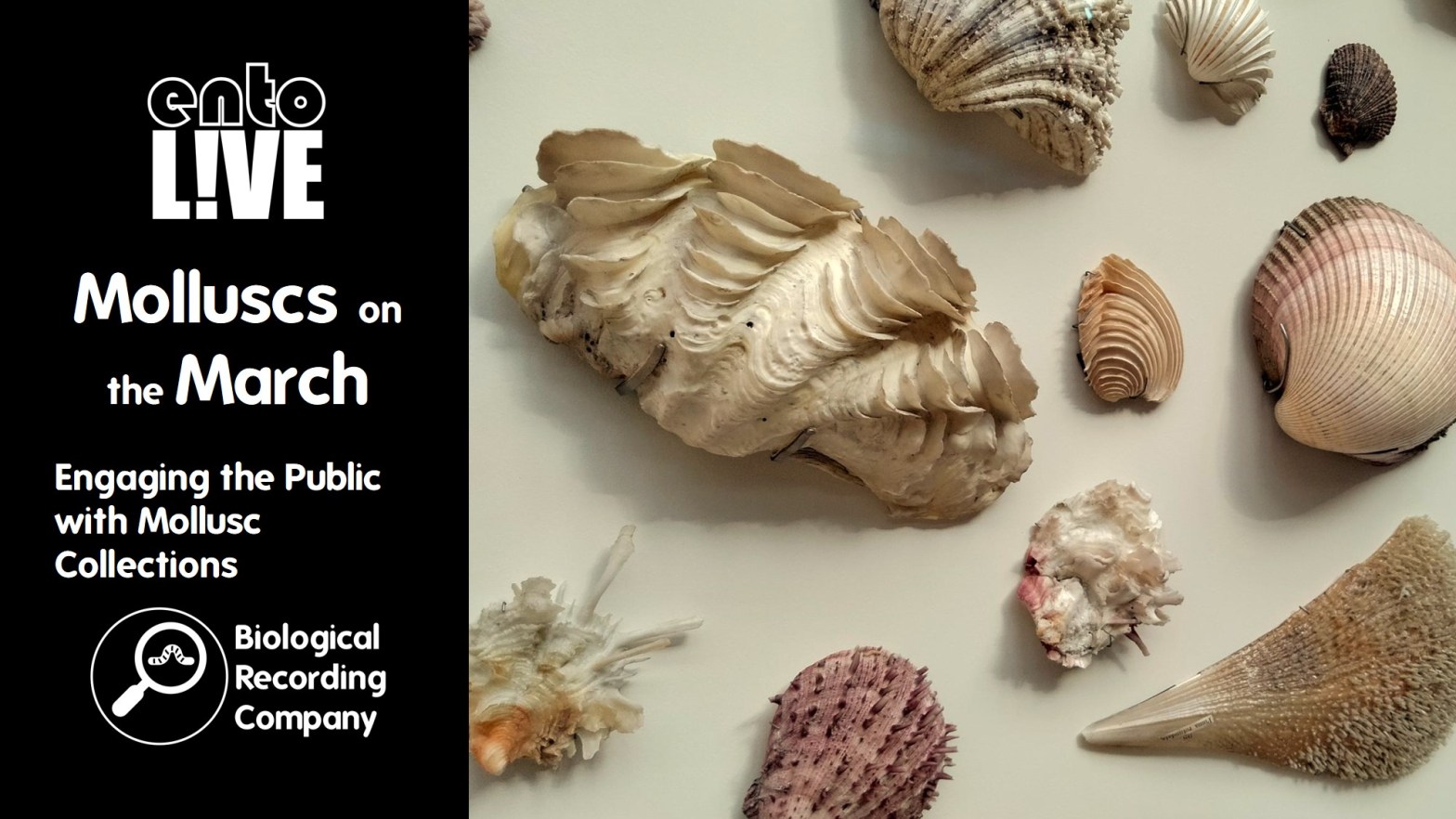
Molluscs are the second largest group of animals in terms of species diversity but probably one of the most poorly understood thanks to their diversity of form, enigmatic evolutionary history and generally cryptic nature. This talk will introduce you to the marvellous mollusca as well as look at some of the ways the mollusc collections at the Oxford University Museum of Natural History have been used to inspire, enthuse and engage a wide range of audiences with the greatest animal group there ever was, is and will be.
Q&A with Mark Carnall
Mark Carnall is one of the Zoology Collections Manager at Oxford University Museum of Natural History responsible for the non-entomological invertebrate and human remains collections. His research interests are digitisation in museums, public engagement and natural history, sector-wide advocacy for collections, models, casts and replicas as well as the implications of 3D printing on museum collections.
Can you share some recent research projects that have used your museum collections?
One of the wonderful things about working at the Museum is that there’s no such things as a regular day and we welcome researchers of all kind. For the mollusc collections at Oxford University Museum of Natural History, recently I have one artist come to use the collection to illustrate poorly known UK species which are facing decline. I’ve also had a poet and researcher come through exploring how cuteness and perceived cuteness in different animal species is important (I tried to convince them that the critically endangered in the British Isles glutinous snail, Myxas glutinosa was ‘cute’). I’ve had zooarchaeologists use the collection to sample marine molluscs that were collected before the carbon record was permanently skewed through atomic bomb testing in the 1950s in order to provide baseline carbon isotope references for the east coast of the UK. I’ve also had several archaeologists and biologists through using our UK mollusc reference collections to identify species from archaeological and soil deposits. We have a steady stream of researchers from all over the world coming through working on systematics and taxonomy- describing new species, sorting out older, enigmatic species and there are recent papers on pen shells, saltwater clams and octopuses referencing specimens in the Museum collection.
Do molluscs feel pain?
This is an interesting question – we still struggle with working out how smart, conscious or sensitive other organisms are. There is something called taxonomic chauvinism, a kind of bias which is where, broadly, we prioritise our species, our group, and what we are good at or use well known species to make general assumptions about how larger groups behave. There’s still a kind of ‘surprise’ when we find evidence of behaviour that we think is unique to primates or specifically our species especially when it comes to things like complex behaviour, intelligence, sentience and sensitivity.
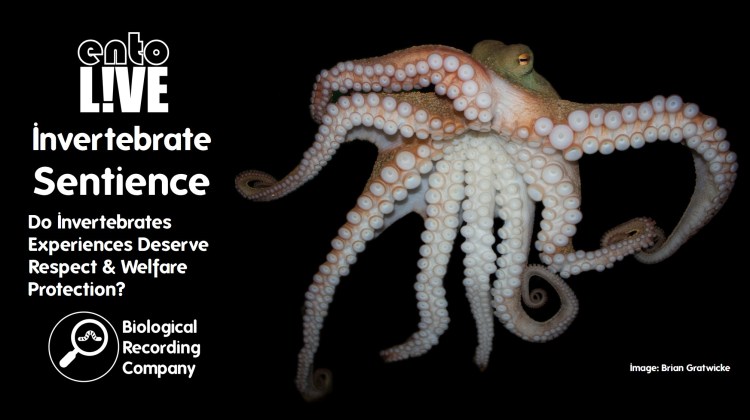
Whether or not they sense pain in a way that we would be able to understand, we can debate endlessly, but they do show a response to things that we would assume cause them pain. I’d be surprised if the list of organisms we think can feel pain doesn’t steadily grow the more we look and don’t making sweeping assumptions. Cephalopods, the octopuses, squids and nautilus already have extra protections in some countries for when they are kept in captivity on the basis of their intelligence and possibly capacity to feel pain.
Are mollusc species declining or do we not really know?
Molluscs are one of the groups with the highest numbers of described extinctions. Of all the modern organisms (excluding fossil species) documented to be extinct to date roughly a third of them are molluscs. However, the overall picture is really limited, globally there are fewer mollusc workers looking at distribution data or documenting decline and it’s really difficult to assess any marine species particularly those with wide ranges or cryptic habitats. There is a ‘classic’ conservation article: Not Knowing, Not Recording, Not Listing: Numerous Unnoticed Mollusk Extinctions’ documenting many of the issues with our understanding of how molluscs are faring globally. Although it is from 2009 much remains relevant today.
Freshwater molluscs are particularly impacted by pollution and waterway use, globally and nationally and are used as an indicator of environment health. So, they are disappearing. Molluscs have also been the ‘poster species’ for when biological control goes wrong, i.e. deliberately introducing one mollusc species that leads to the extinction of many others in some cases introduced to control another mollusc species that was also introduced. There are concerns about the rising acidity of oceans particularly for shell growth and the impact on mollusca.
So essentially, yes, where people have looked, there is evidence of decline as well as some species which are expanding their ranges with climate change but there are big gaps in how often they are assessed. At the national level, there is a lot of great work being done but there is also patchiness, in terms of baselines of where things were versus where they are now. For example, there isn’t currently an up to date national red list for UK mollusca and there’s never been a comprehensive checklist.
How old is the longest-lived mollusc that we know of?
A very well known mollusc (well in mollusc circles) is the specimen of ‘Ming’ an ocean quahog or Icelandic cyprine clam, Artica islandica, which I think you can still see at the National Museum of Wales. From growth lines counts and subsequent isotope work it was aged at 507 years at the point it was collected, breaking the Guinness World Record as oldest animal in the world.
How do museums ensure the vibrant colours of some molluscs, such as nudibranchs, are recorded since they lose their colours when preserved?
One of the downsides of preservative liquids is that you lose those colours. These days, when people are in the field, they collect that information, while the animal is alive and, in their environment, through photography. Traditionally, lots of drawings would have been done. But it should be noted that while colour is interesting, it’s not too important in terms of diagnostic characteristics in many mollusc groups.
Further Info
- Drawn to Nature Nautilus: https://www.youtube.com/watch?v=CjSpL4SlcCo
- UK Fishermen enjoy ‘black gold rush’ as demand for cuttlefish hits all time high: https://foodanddrink.scotsman.com/in-the-news/fisherman/
- New York Declaration on Consciousness: https://sites.google.com/nyu.edu/nydeclaration/declaration
- Invertebrate Sentience entoLIVE blog: https://biologicalrecording.co.uk/2023/07/17/invertebrate-sentience/
- The Many Ways of Being a Limpet: https://oumnh.ox.ac.uk/event/presenting…-the-many-ways-of-being-a-limpet
- The Beautiful spiral: https://morethanadodo.com/2017/08/04/the-beautiful-spiral/
- The Malacological Society of London: https://malacsoc.org.uk/
- Conchological Society of Great Britain & Ireland: https://conchsoc.org/
entoLIVE
entoLIVE webinars feature guest invertebrate researchers delving into their own invertebrate research. All events are free to attend and are suitable for adults of all abilities – a passion for invertebrates is all that’s required!
- Donate to entoLIVE: https://www.gofundme.com/f/entolive-2025
- Upcoming entoLIVE webinars: https://www.eventbrite.com/cc/entolive-webinars-74679
- entoLIVE blog: https://biologicalrecording.co.uk/category/entolive-blog/
- entoLIVE on YouTube: https://youtube.com/playlist?list=PLuEBNUcfMmE95Re19nMKQ3iX8ZFRFgUAg&feature=shared
entoLIVE is delivered by the Biological Recording Company in partnership with the British Entomological & Natural History Society, Royal Entomological Society and Amateur Entomologists’ Society, with support from Buglife, Field Studies Council and National Biodiversity Network Trust.
The entoLIVE programme is delivered by Biological Recording Company and receives sponsorship from the following organisations:
- British Entomological & Natural History Society
- Royal Entomological Society
- Amateur Entomogists’ Society
More on molluscs


 Biological Recording