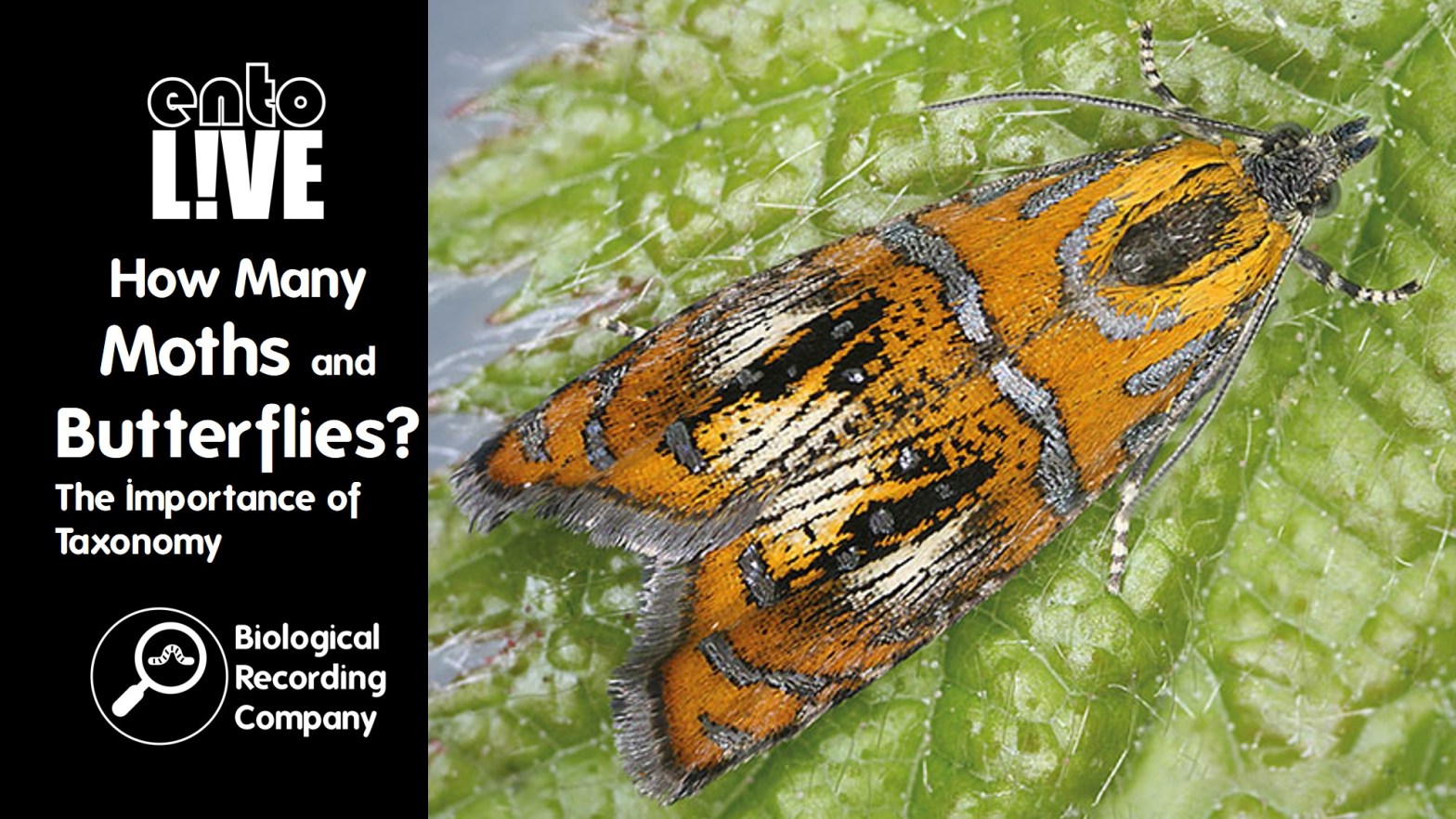
Lists of species make very boring reading, but taxonomy forms the infrastructure on which biological sciences depend. We need names for creatures in order to talk about them and distinguish between them. Immigration and extinction are important concepts, especially when we are faced with climate change and habitat destruction.
Q&A with Dr David Agassiz
Dr David Agassiz is a lifelong student of moths and butterflies, made more focused when switching careers at around 50 to learn about their ecology. He is now a Scientific Associate at the Natural History Museum and one of the authors of A checklist of the Lepidoptera of the British Isles (2nd Edition).
Is there an international convention on the taxonomy and naming of species?
Yes. The International Commission on Zoological Nomenclature (ICZN) acts as adviser and arbiter for the zoological community by generating and disseminating information on the correct use of the scientific names of animals. The ICZN is responsible for producing the International Code of Zoological Nomenclature – a set of rules for the naming of animals and the resolution of nomenclatural problems. There is a separate International Code of Nomenclature for algae, fungi, and plants.
How extensively have UK moths and butterflies been sequenced?
Charles Godfray at the University of Oxford and his colleagues at the Natural History Museum have been working on this and have got a barcode for most, but not all, the British species. The Darwin Tree of Life project aims to sequence the genomes of 70,000 species of eukaryotic organisms in Britain and Ireland, and has sequenced many butterflies and moths.
What do you see the main changes being to future editions of the checklist?
A lot of species have been analysed and most of the species splits that are going to crop up probably already have. So I don’t think there will be many more splits for European Lepidoptera due to them being relatively well studied. How many extinctions there will be is another question! There are such low numbers now you wonder when there might be a sudden collapse and that is an anxiety.
It is possible, that we will see more butterflies from Africa, but Africa is divided by the Sahara. Sub-Saharan butterflies have to be very mobile in order to fly over to get into the Palearctic region. Lepidoptera from the Middle East and Eastern Europe are more likely to spread this way with the changing climate.
Does light pollution from the many moth traps across the UK impact on local moth populations?
Light pollution is very bad news for the moth populations. However, the light pollution from moth traps is minimal compared to the lighting from other sources, such as cities, houses, roads, streets, etc.
Literature References
- Agassiz, Beaven & Heckford (2024) A checklist of the Lepidoptera of the British Isles (2nd Edition): https://www.benhs.org.uk/publications/brit-lep-checklist/
- Randle et al (2019) Atlas of Britain & Ireland’s Larger Moths: https://www.naturebureau.co.uk/atlas-of-britain-irelands-larger-moths
Further Info
- International Code of Zoological Nomenclature: https://www.iczn.org/
entoLIVE
entoLIVE webinars feature guest invertebrate researchers delving into their own invertebrate research. All events are free to attend and are suitable for adults of all abilities – a passion for invertebrates is all that’s required!
- Donate to entoLIVE: https://www.gofundme.com/f/entolive-2025
- Upcoming entoLIVE webinars: https://www.eventbrite.com/cc/entolive-webinars-74679
- entoLIVE blog: https://biologicalrecording.co.uk/category/entolive-blog/
- entoLIVE on YouTube: https://youtube.com/playlist?list=PLuEBNUcfMmE95Re19nMKQ3iX8ZFRFgUAg&feature=shared
entoLIVE is delivered by the Biological Recording Company in partnership with the British Entomological & Natural History Society, Royal Entomological Society and Amateur Entomologists’ Society, with support from Buglife, Field Studies Council and National Biodiversity Network Trust.
The entoLIVE programme is delivered by Biological Recording Company and receives sponsorship from the following organisations:
- British Entomological & Natural History Society
- Royal Entomological Society
- Amateur Entomogists’ Society
More on invertebrates
 Biological Recording