Welcome to a round-up from Keiron Derek Brown of all of the earthworm surveying and recording that has been taking place in 2024. The video below provides an overview of the various projects undertaken by Keiron via the Biological Recording Company and Earthworm Society of Britain.
National Earthworm Recording Scheme
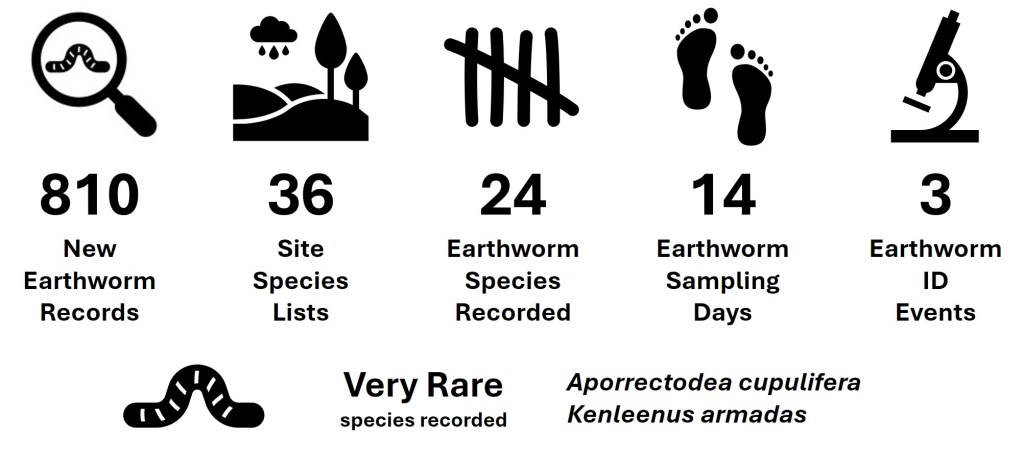
In total, we’ve added 810 new earthworm records to the database of earthworm records for the British Isles during 2024 so far. This includes some significant records for England, with Aporrectodea cupulifera being recorded in England for the very first time in West Sussex and Kenleenus armadas recorded at a second site n England (Chelsea Physic Garden in London).
We are also announcing the addition of Lumbricus friendoides to the list of species from Ireland. this is not a new record, but the result of Lumrbicus friendoides being elevated from a subspecies to a species in its own right. The only known record from the UK, Ireland, Isle of Man and the Channel Islands is a record from County Wicklow in Ireland. This brings the list of earthworms for the UK & Ireland up to 32.
Briones et al (2022) Molecular data confirms the existence of distinct lineages within Lumbricus friendi (Cognetti 1904) and related “friends”: https://www.sciencedirect.com/science/article/pii/S1164556321001187
The following events are now open for bookings:
- 29 Oct 2024 Earthworm Sampling Day University of Greenwich Avery Hill Campus (Free) SOLD OUT
- 31 Oct 2024 Earthworm Identification Natural History Museum, London (£50-£81) JUST 1 SPACE REMAINING
- 23 Nov 2024 Earthworm Sampling Day at RSPB Hesketh Out Marsh, Lancashire (Free)
- 24 Nov 2024 Earthworm Sampling Day at Longton Brickcroft Nature Reserve, Lancashire (Free)
- 13 Jan 2025 Earthworms of the UK Part 3 Onlne (£10)
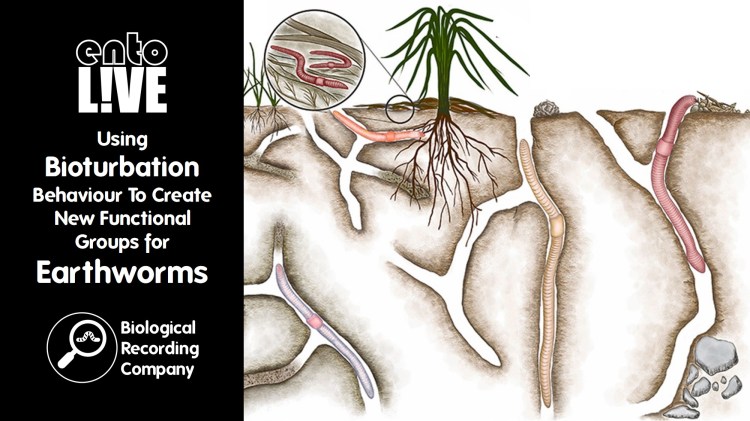
- 04 Feb 2025 Using Bioturbation Behaviour To Create New Functional Groups for Earthworms Online (Free)
- 24 Mar 2025 Earthworm Watch: Insights Into Urban Earthworm Communities Online (Free)
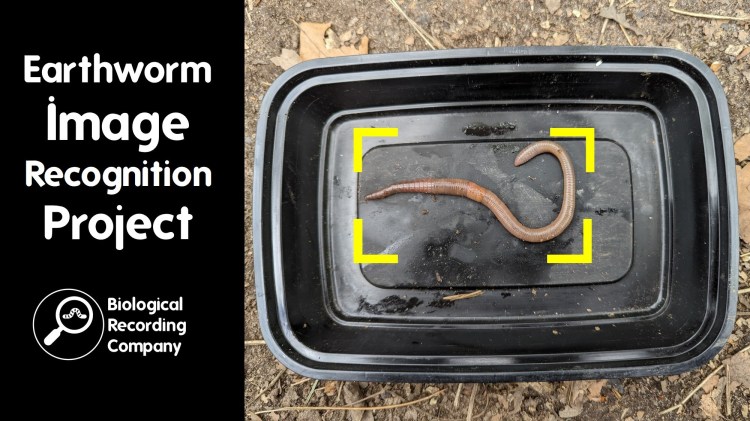
Earthworm Image Recognition Project
The Earthworm Image Recognition Project proof-of-concept study was wrapped up in 2024. The final sampling took place in spring 2024, the prototype algorithm was tested in summer 2024 and a virtual event disseminated the results in October 2024. You can catch up with the event presentations and the results of this project via the Earthworm Image Recognition Project blog.
Nurturing Nature Project
Over the past 2 years we have worked with the Nurturing Nature Project to undertake two earthworm surveys:
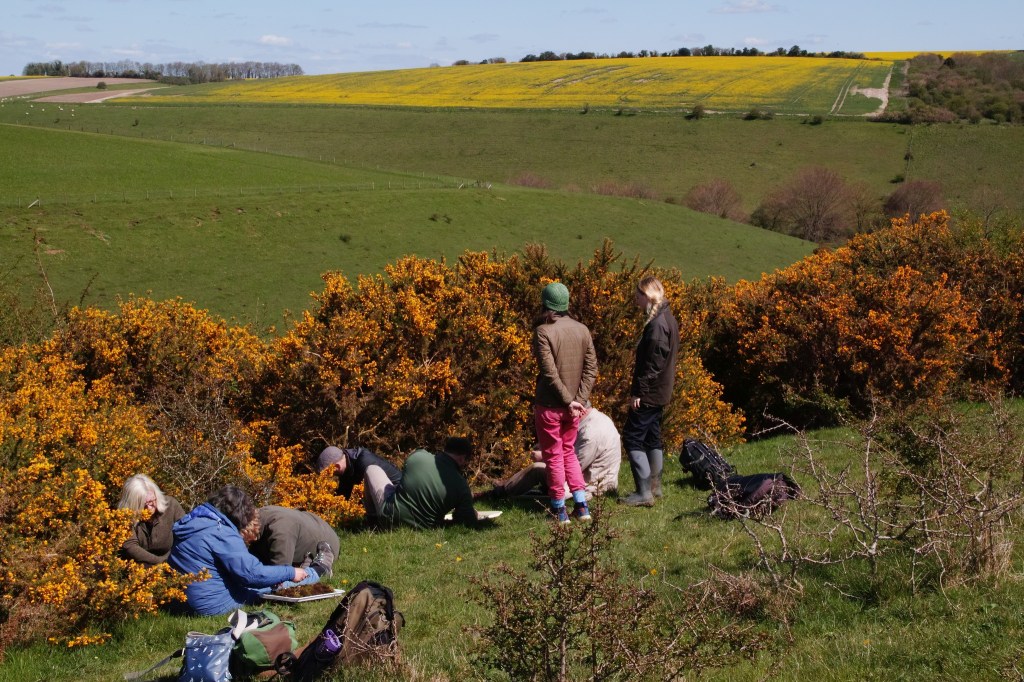
- Middleton Down Earthworm Survey: One Earthworm Sampling Day at Middleton Down on Cranborne Chase to engage local volunteers with earthworm recording and generate new earthworm records.
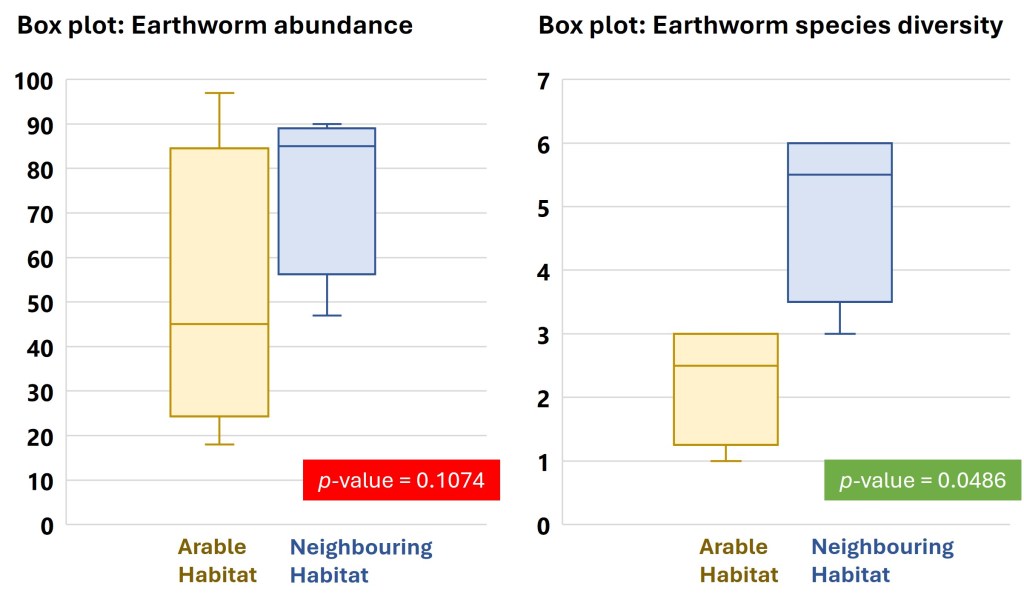
- Arable Sites Earthworm Survey: Two Earthworm Sampling Days across agricultural sites on Cranborne Chase with the aim of comparing earthworm communities in arable soils and neighbouring habitat features, such as grasslands and hedgerows.
A team of 14 new and existing earthworm recorders counted 203 individual earthworms, including 112 adults that were identified to species using microscopy at a later date. This generated 44 new earthworm records and included the first records of Dendrobaena hortensis, Lumbricus castaneus, Murchieona muldali and Octolasion cyaneum submitted to the National Earthworm Recording Scheme within Vice County 08 South Wiltshire.
Analysis of the Arable Sites Earthworm Survey data using a paired sample t-test indicated no significant difference in earthworm abundance between arable soils and the soils of neighbouring habitats (p-value = 0.1074). However, the limited surveys that were undertaken during this project indicate that there may be a significant difference in earthworm species diversity between arable soils and neighbouring habitats at the 0.05 significance level (p-value = 0.486). This should act as a word of caution to those using overall earthworm numbers as an indicator of soil health and condition without also considering species diversity.
Check out the Cranborne Chase Earthworm Survey Report below for more details.
Leave The Leaves Project
The Leave The Leaves Project was undertaken as part of the Help Nature Thrive Project with The Royal Parks. Our aim was to undertake a comparative survey of 5 sampling sites across two parks (Bushy Park and Kensington Gardens) to look at the impact of leaf litter removal on earthworm populations.
At each sample point, two linear transects were sampled adjacent to one another (each consisting of 10 soil pits spaced 2 metres apart):
- one transect in an area where leaves are cleared as part of the site management plan.
- one transect in an area where the leaves are not cleared as part of the site management.

A total of 2,441 individual earthworms were recorded across the 5 sample sites during the survey. Of these specimens, 666 were identifiable to species level which resulted in 56 new species occurrence records being submitted to the National Earthworm Recording Scheme.
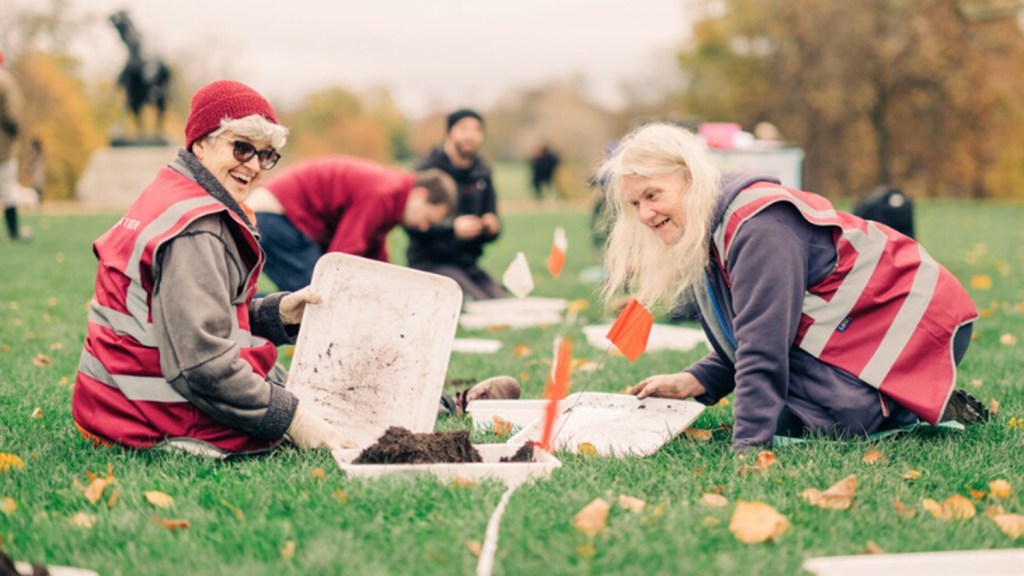
From this limited study, we found no evidence to suggest that clearance of leaves impacted on the earthworm populations in terms of earthworm abundance or species diversity. However, we recognise that a number of limitations on the survey may have impacted the results and it would be useful to time the surveys with the leaf clearance operations at the survey sites.
Sapperton Wilder Project
The Sapperton Wilder project in Gloucestershire investigates how sustainable farming practices and conservation interventions impact biodiversity on arable land.
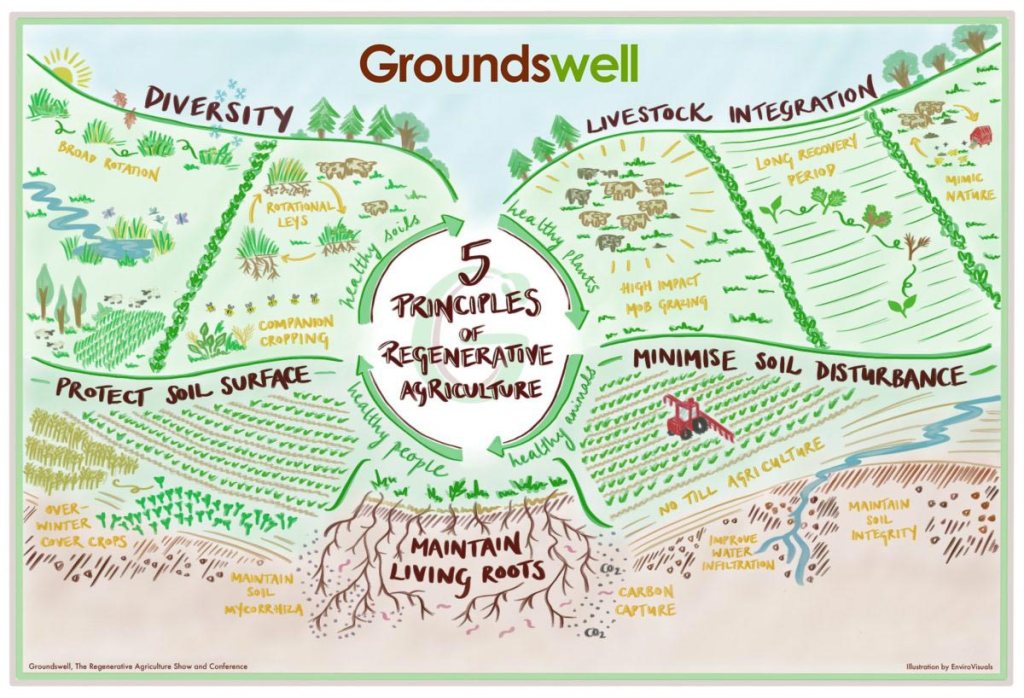
For the past two years, we have been working with them to generate some baseline earthworm data for the site. To date, the project has recorded 3,378 earthworms, including 793 adults that were collected and identified to species. This has added 125 new earthworm species occurrence records to the National Earthworm Recording Scheme.
The species diversity across the whole site was relatively low as just 9 species were recorded. All of the species that were recorded are known to have a low habitat specificity and 7 of the species are regarded as widespread and either very common or common (with just a single species regarded as rare, but with a preference for agricultural environments). This is not surprising as the site has been farmed intensively prior to the project.
Long-term monitoring will reveal how their changing management practices influence earthworm populations on site.
Check out the Sapperton Wilder Baseline Earthworm Survey Report below for more details.
Hay Time Project
The Hay Time project earthworm survey is also in year two of a long-term monitoring scheme. The Hay Time earthworm surveys aim to improve our understanding of the earthworm assemblages associated with hay meadows and how the earthworm communities change over time.
We’ve been undertaking soil pit surveys at sites with differing numbers of years in restoration to look for patterns in earthworm assemblages and to look for a link between earthworm abundance and/or species diversity with the number of years in restoration.
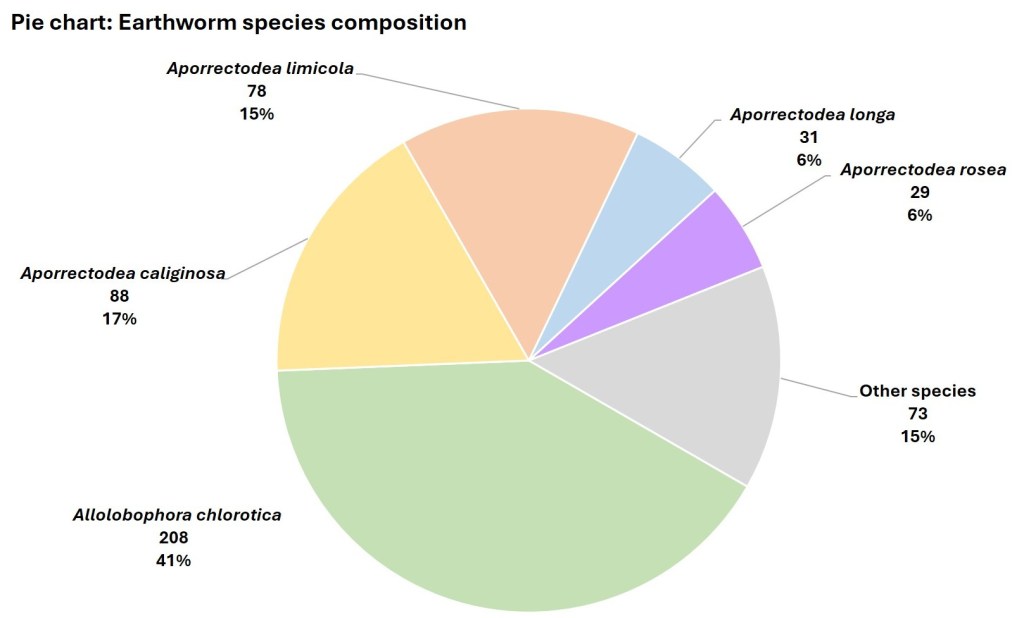
Although we are too early to report any results on these relationships, we’ve discovered that the area is home to a thriving population of the rare species, Aporrectodea limicola. This rare species was the third most commonly recorded species, with 78 adult specimens recorded across 5 different sites.
Check out the Forest of Bowland Earthworm Survey Report below for more details.
More on earthworms
 Biological Recording