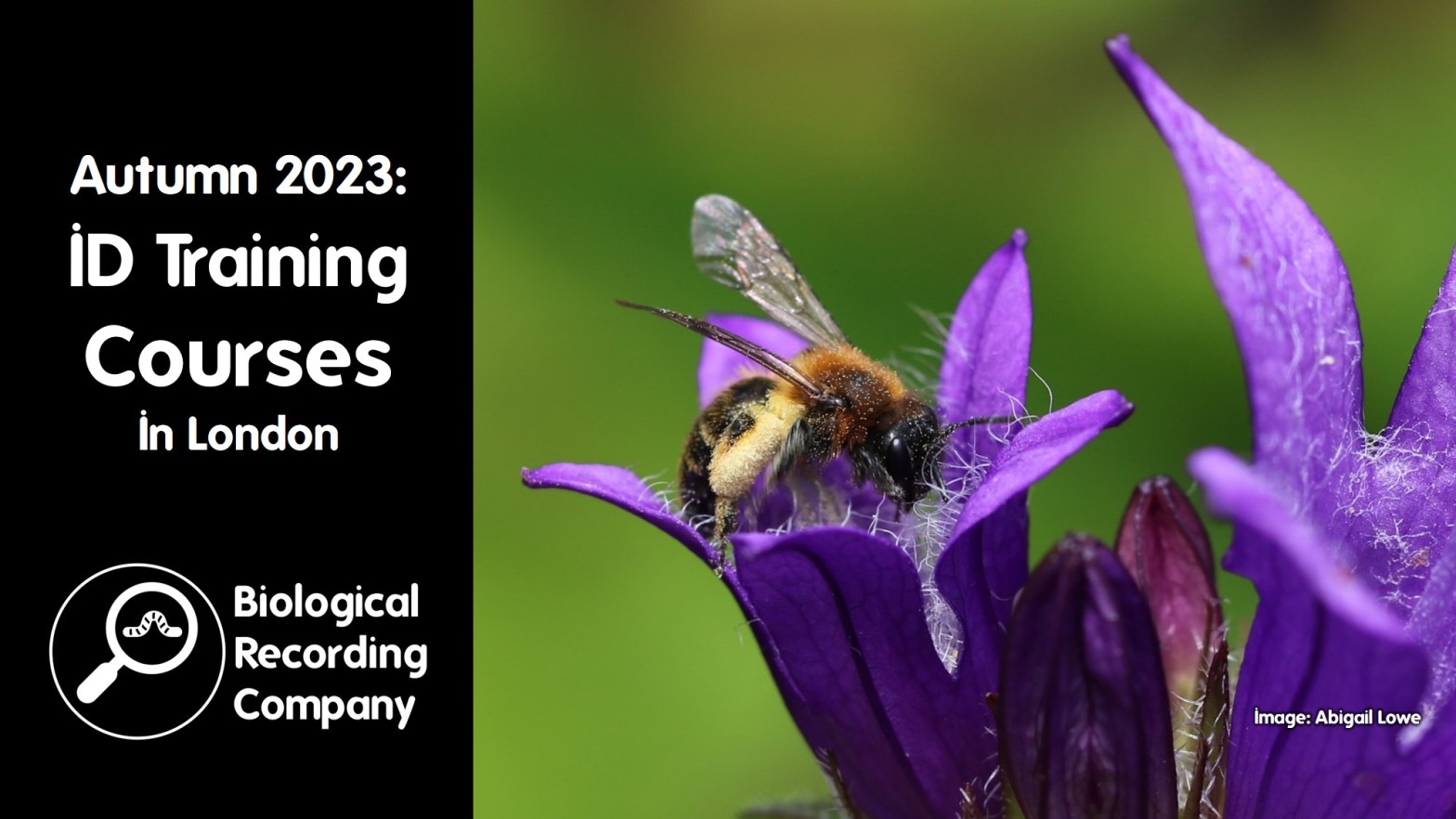
Over the spring and summer of 2023 we have been delivering a programme of Field Recorder Days to generate biological records and provide informal peer-to-peer learning opportunities for new and ‘improver’ biological recorders. This has involved building a network of specialists to help deliver some of our themed Field Recorder Days (such as our botany, earthworm and mollusc events).
We’re now partnering with the Natural History Museum, Selborne Society and Bexley Council to launch an autumn programme of 6 training courses across London that will focus on teaching species identification skills.
This trial programme will inform us if it is possible for us to plan an expanded programme in the future with our partners. We’ve tried to keep costs to an absolute minimum, and all of our courses are available for just £50 for a whole day of teaching with one our our specialist tutors.
Autumn 2023 ID Training Programme
- 06 Oct 23 Earthworm Identification at Natural History Museum (Kensington)
- 13 Oct 23 Beginner’s Fungi Field ID at Lesnes Abbey Wood (Bexley)
- 01 Nov23 Beginner’s Fern Field ID at Perivale Wood (Ealing)
- 08 Nov 23 Mining Bee Identification at Natural History Museum (Kensington)
- 18 Nov 23 Botany 101: Using Botanical Keys at Lesnes Abbey Wood (Bexley)
- 25 Nov 23 Winter Plant identification at Perivale Wood (Ealing)
Meet the courses
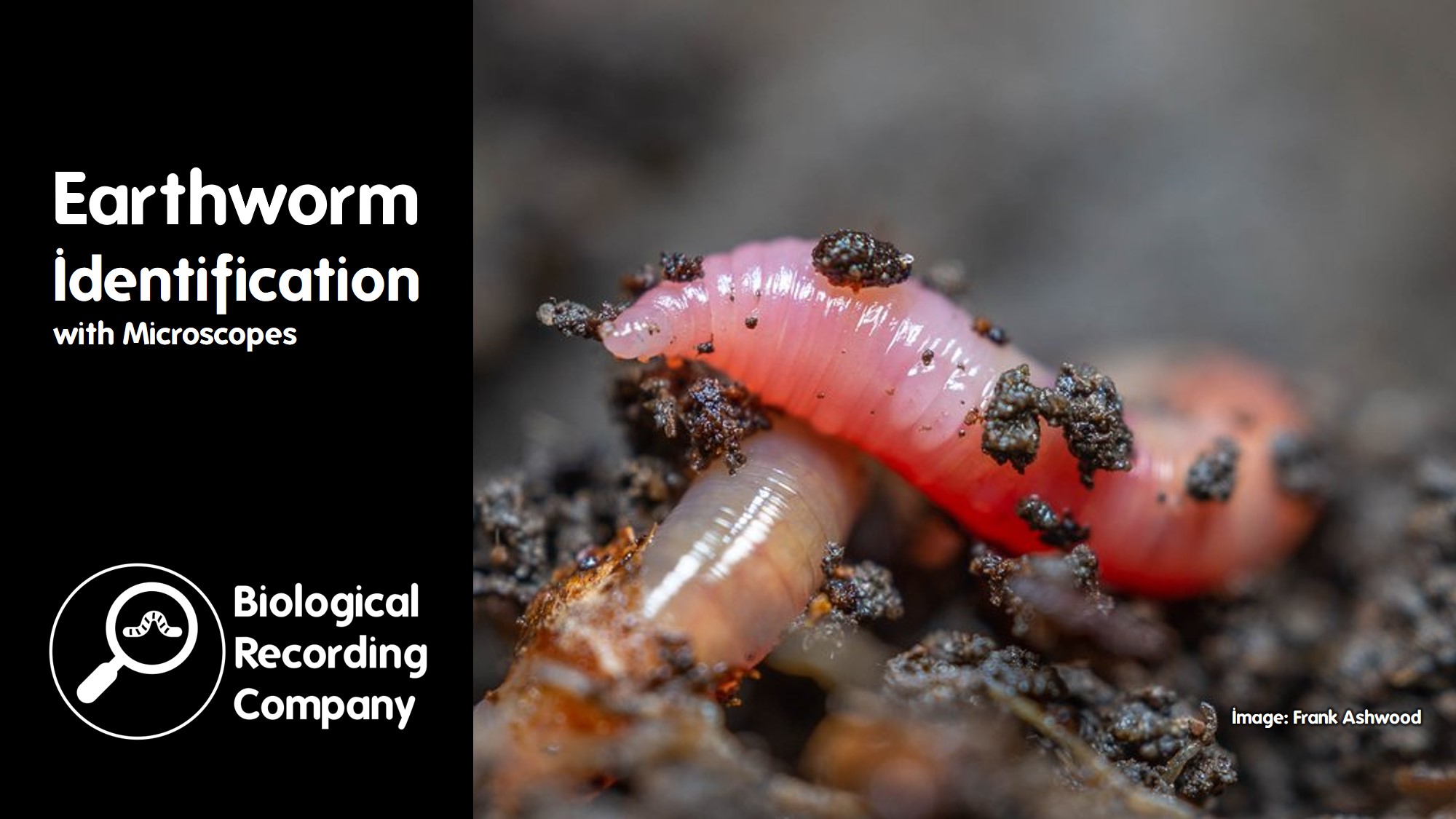
Earthworm Identification is a 1-day microscope-based training course that teach learners with no previous experience how to use a microscope and the Key to the Earthworms of the UK & Ireland to identify preserved earthworm specimens. We don’t mess around with lengthy presentations – expect these courses to be mainly practical as you work through the specimens from our teaching collection. LAST FEW SPACES REMAINING
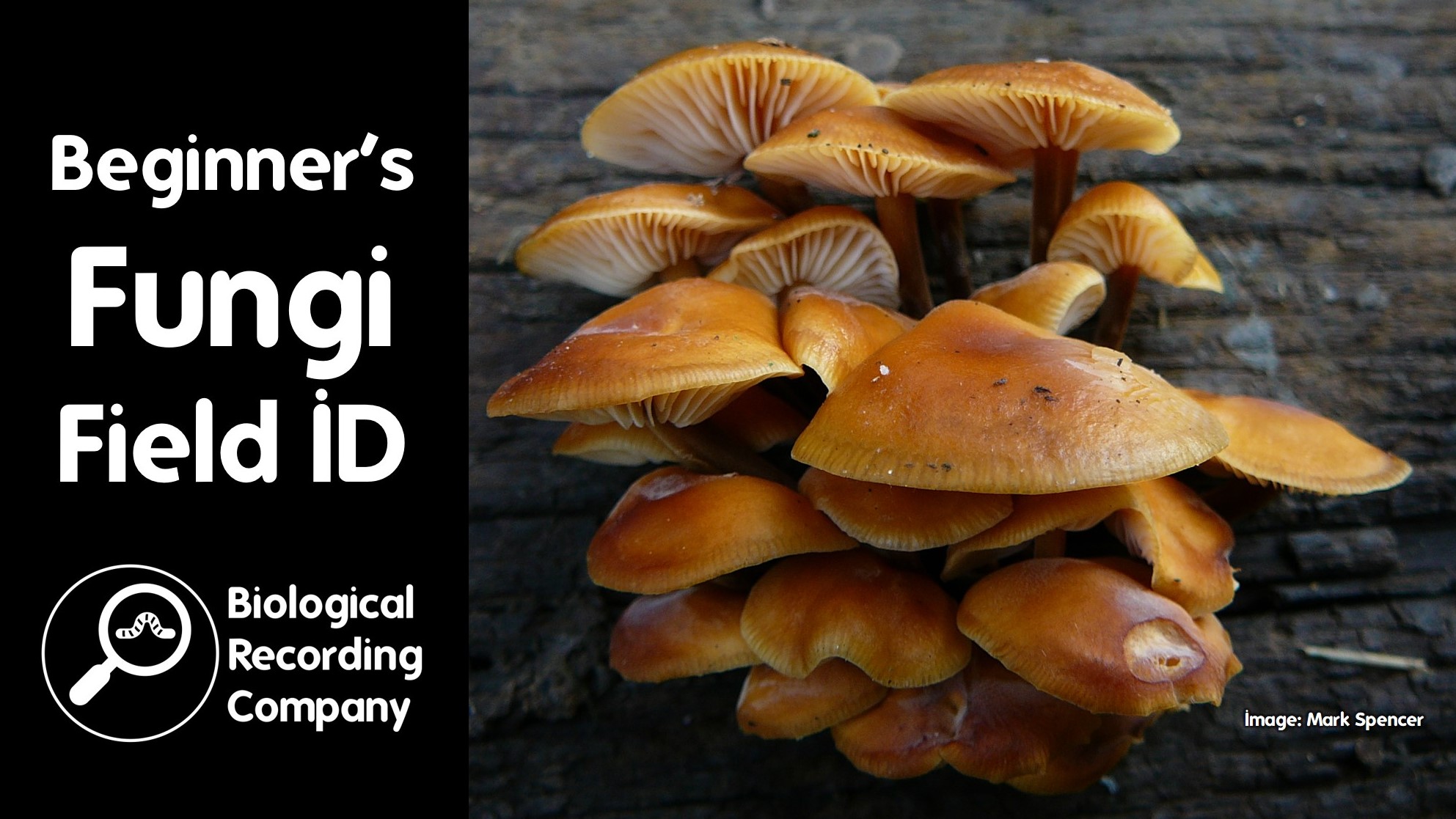
Beginner’s Fungi Field ID is a 1-day classroom and field-based course that introduces the identification features of fungi. Learners are taught how to find and observe fungi in the field, and how to use field guides to identify some of the more common and easier-to-identify species
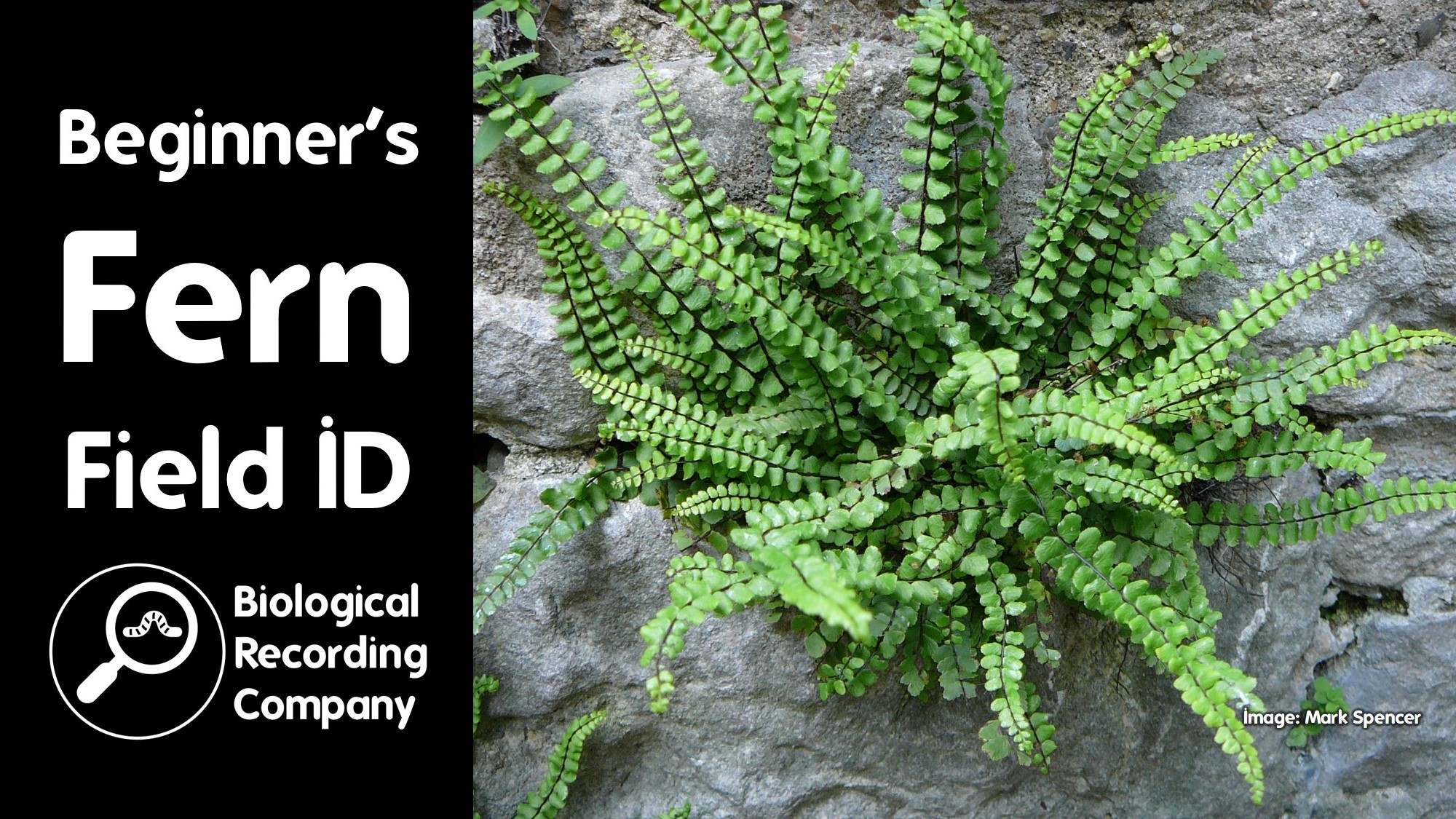
Beginner’s Fern Field ID is a 1-day classroom and field-based course that will provide an introduction to the world of ferns, horsetails and clubmosses. Students will learn how to use standard botanical keys and hand lenses to develop basic fern identification skills.
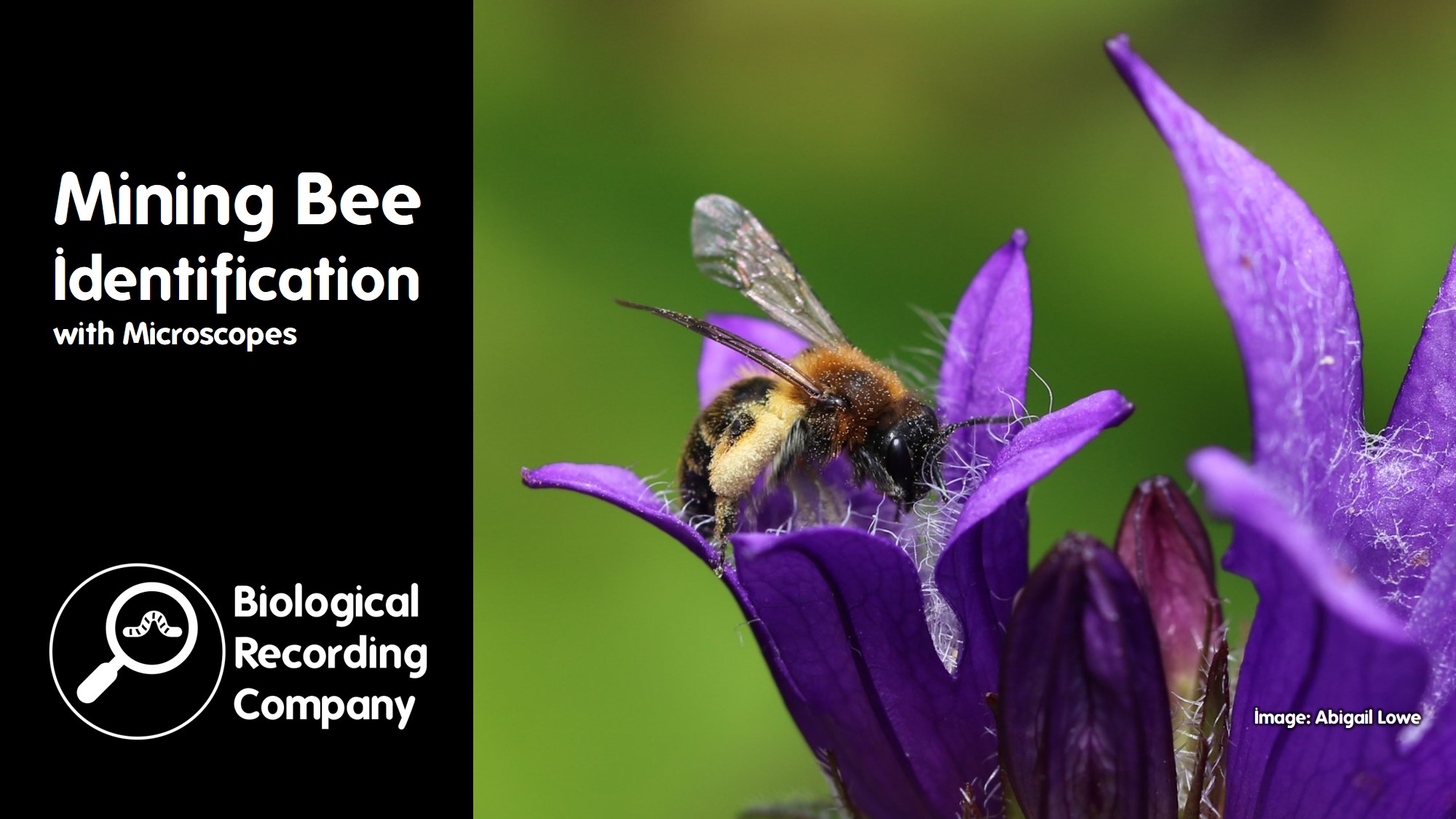
Mining Bee Identification is a 1-day microscope-based training course that is aimed at those with some experience in bee identification. Students will briefly explore the ecology and biology of the genus Andrena, before using an ID key to work through a teaching collection of ‘mystery’ specimens. SOLD OUT – ADD YOUR NAME TO THE WAITING LIST
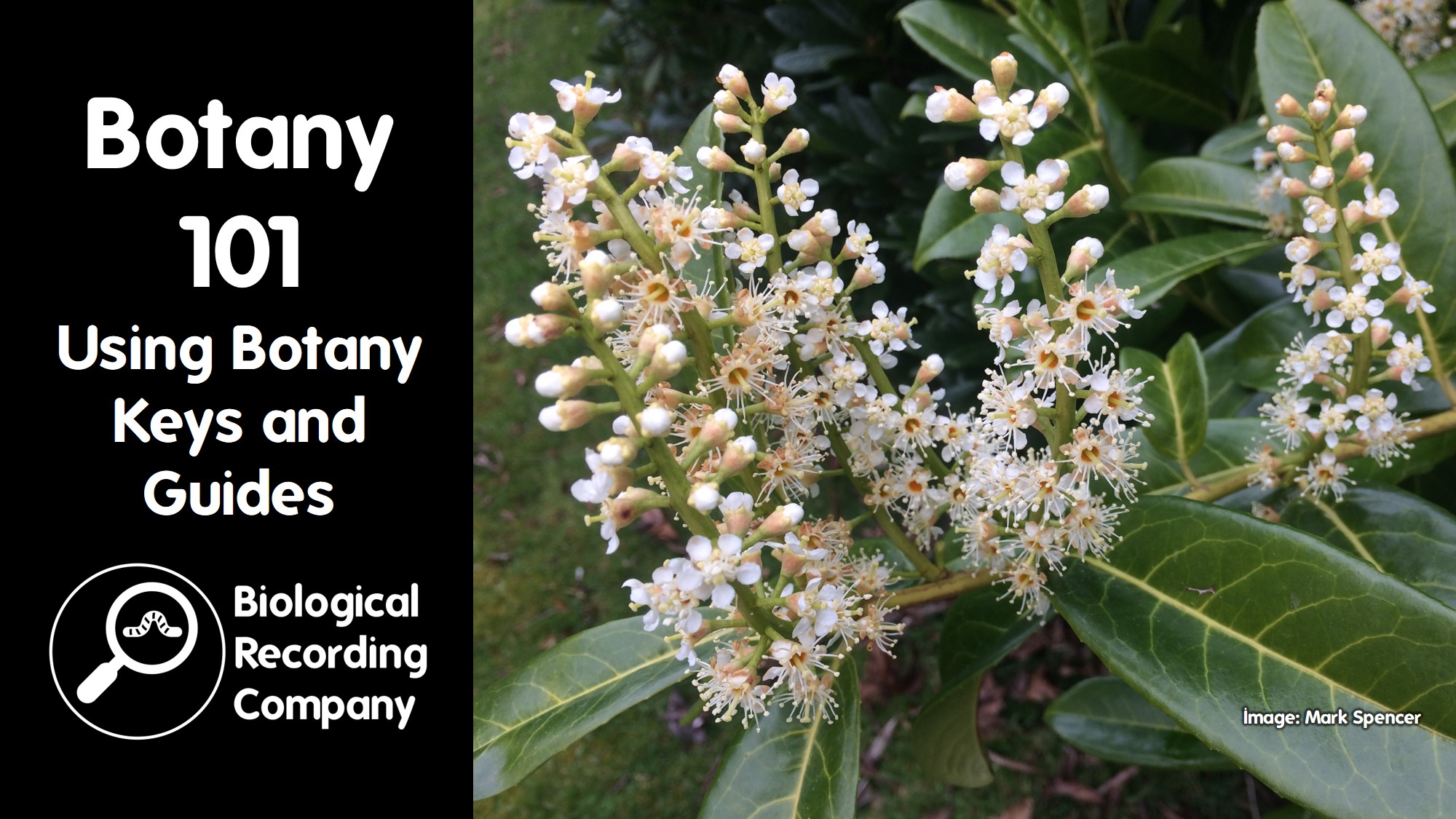
Botany 101: Using Botany Keys and Guides is a 1-day classroom and field-based course aimed at those struggling to get to grips with complex botanical guides. Learners are taught how these resources work, the terminology they need to get to know and are given some practice with botanical specimens.
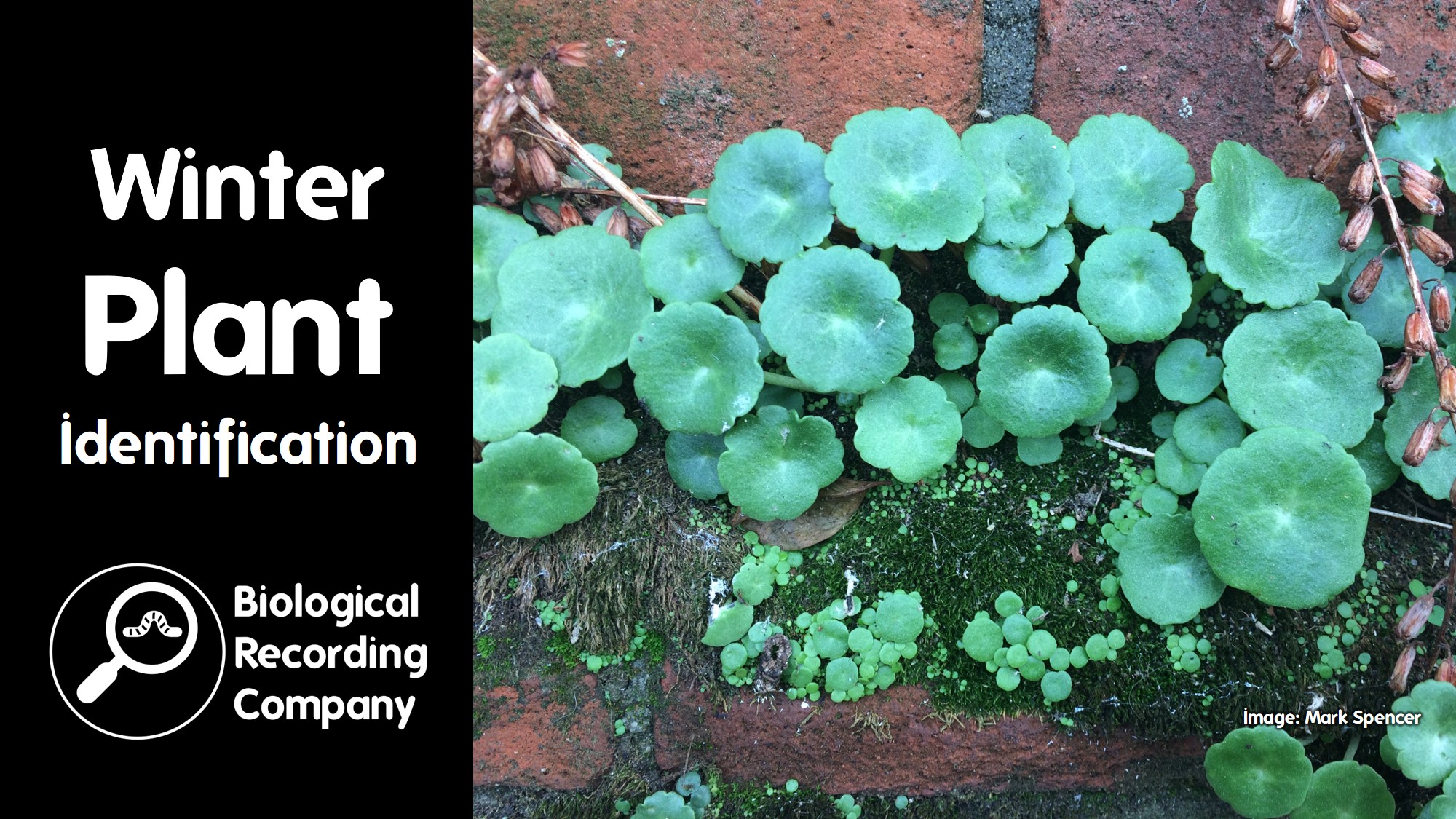
Winter Plant Identification is a 1-day classroom and field-based course aimed at ‘improver’ botanists and early career ecological consultants who wish to develop their skills ‘off season’. Students will explore the vegetative characters of plant material using The Vegetative Key to the British Flora by John Poland and Eric Clement.
Meet the tutors
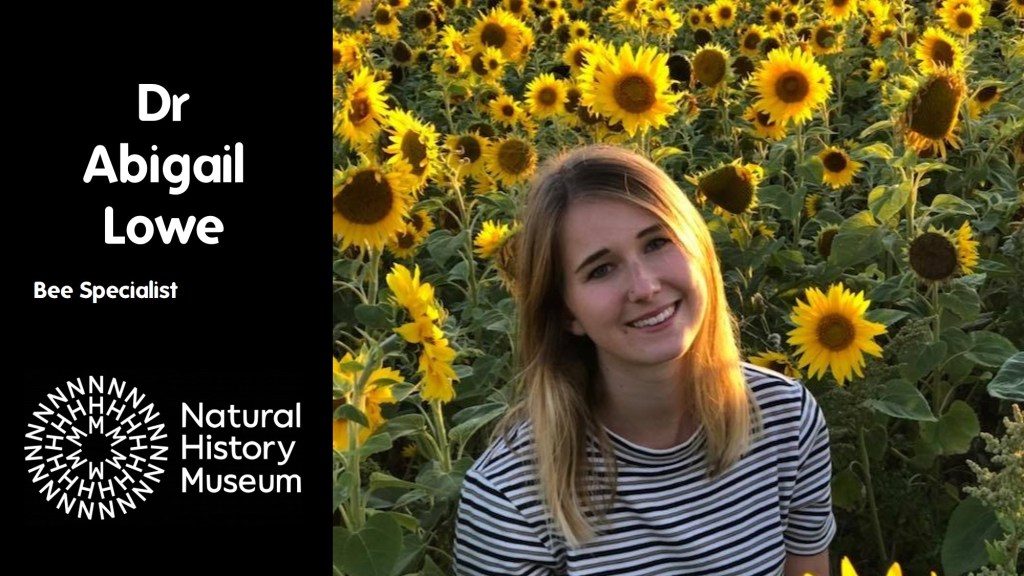
Dr Abigail Lowe is a Community Science Officer at the Natural History Museum, where she leads the delivery of Nature Overheard. Her PhD research, undertaken at the National Botanic Garden of Wales and Bangor University used DNA metabarcoding to investigate pollinator foraging and led to a huge interest in biological recording and community science.
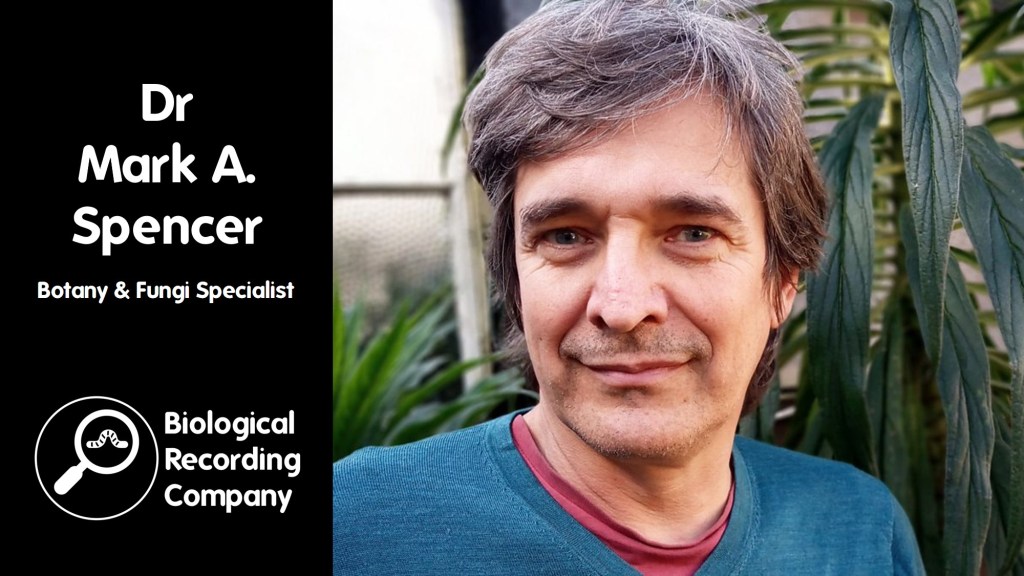
Dr Mark Spencer is an experienced and internationally respected botanist. His expertise covers many disciplines including forensic botany, the plants of North-west Europe, invasive species and the history of botanical science and fungi. He also works globally as a seasoned writer, public speaker and television presenter. As a forensic botanist, Mark has worked on various missing person enquiries, murders and other serious crimes.
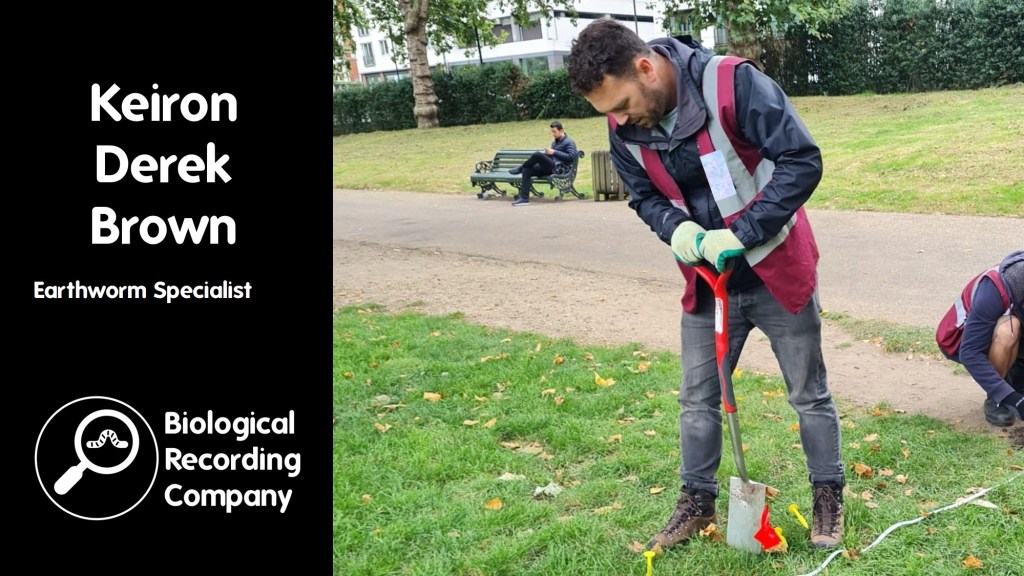
Keiron Derek Brown has been involved with a range of invertebrate projects across the UK, including designing and managing the BioLinks project for the Field Studies Council. He set up the Biological Recording Company, where he highlights invertebrate research through the entoLIVE webinar/blog series and runs a wide range of invertebrate courses and events. In his spare time, he is an Entomology Chair of the London Natural History Society and is the National Recorder for Earthworms.
Meet the partners
At the Biological Recording Company, we firmly believe in a collaborative approach to working. And it is only thanks to our training programme delivery partners that we are able to deliver the courses that have been planned and at the low cost that they are available for.
The Angela Marmont Centre for UK Nature is based at the Natural History Museum and has supported the work of the Biological Recording Company from the very beginning – hosting our invertebrate Study Days. This venue has a full complement of high-quality microscopes for students to use and will be our training hub for our microscope-based training courses.
The Selborne Society are kindly hosting field ID courses at their Perivale Wood site – a favourite London nature reserve of many naturalists due to the fact that it is relatively undisturbed and very well cared for.
Bexley Council are hosting us at their facilities at Lesenes Abbey Wood for more field ID courses. With a range of different habitats, this is a great site for seeing a range of different species within an urban environment.

More on biological recording




 Biological Recording