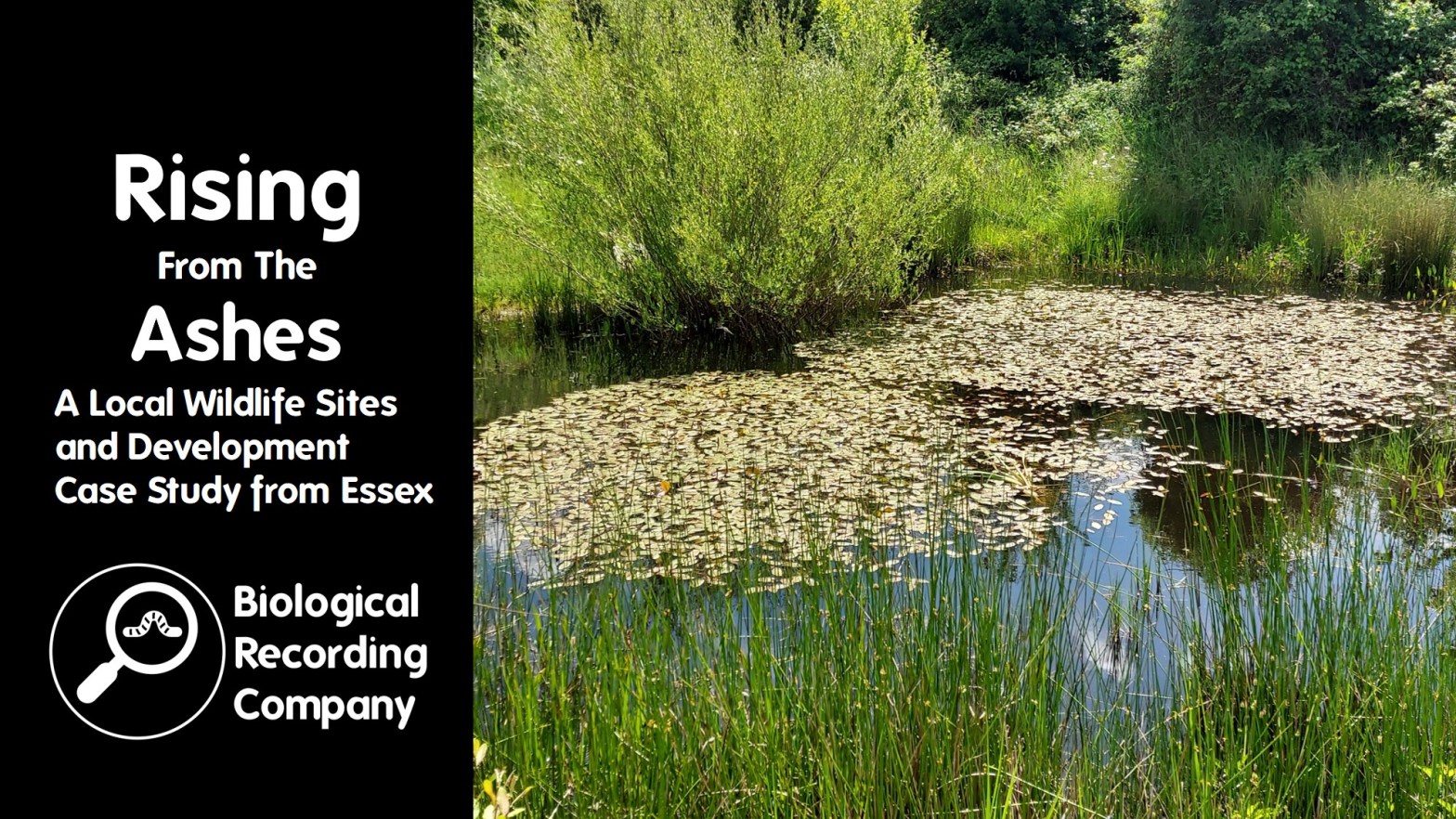
A case study looking at a development scheme which destroyed most of a Local Wildlife Site in Basildon, Essex. The scheme involved external habitat compensation and creation on external ex-farmland north of the scheme which provided receptor sites for protected species and opportunities for “biodiversity net gain” via the establishment of a larger Local Wildlife Site (designated in 2022) which is being managed for the foreseeable future beyond 2035 on a 99-year lease.
Jon Cranfield is a specialist ecological consultant working mainly with amphibians and reptiles for the last 23 years. Director of Herpetologic Ltd a small company which champions species conservation and habitat management across the UK through surveys, mitigation schemes, habitat management plans and adoption of new innovative methods as well as traditional field surveys. In recent years has become site manager for a number of reserves in South Essex.
Q&A with Jon Cranfield
- With so much effort required for the mitigation as a result of this development, why did the development not take place on the site used for the mitigation so the original site could be retained?
The actual site that was developed was an isolated site, which is bordered by an arterial road. The site that was developed was chosen due to the access to roads that would be required. From memory, it was a compulsory purchase. It was selected as it is a brownfield site but then received objections highlighting, rightly so, its importance for invertebrates and other wildlife. The protection of the newts drove the pond creation. The ecological consultancy services that we have provided have now resulted in the creation of a wildlife site that is a lot larger (at least 50% larger). It has probably cost quite considerable sums of money, but I think this is because they were avoiding putting a waste transfer facility on a greenfield site and the precedent that would set. - Can you clarify who is footing the bill for all the follow-up work that you are doing?
We do have a budget for ongoing monitoring surveys, for example, invertebrate surveys every 5 years or so and this is paid for by the fund that is held by the site owner. We have a contract where we can look for other sources of revenue, for example, we’ve used the district licensing to fund pond creation. This helps us with ongoing management costs for the site. I believe the fund that we can draw upon goes until around 2030 and that is part of the Section 106. It’s worth noting that the newts were not safe before the development. - Is the new site safe from future development?
Firstly, the site now has a Local Wildlife Site designation and this should trigger the need for surveys and mitigation if the site was to be considered for development. Furthermore, the presence of protected species, such as the newts, would also trigger a need for assessment and mitigation. From November, Biodiversity Net Gain would also come into play and any developer would need to ensure any mitigation methods leave biodiversity in a better state than it was pre-development. Considering the site that we’ve created and enhanced over the years, developing this site is likely to be prohibitively expensive in the future under current and upcoming legislation. It’s worth noting that things appear to be changing with regards to our clients and we’re seeing more clients coming back to us with positive attitudes and wanting to do the right thing. - Were there any species that appear to have been lost and have not been found on the new site?
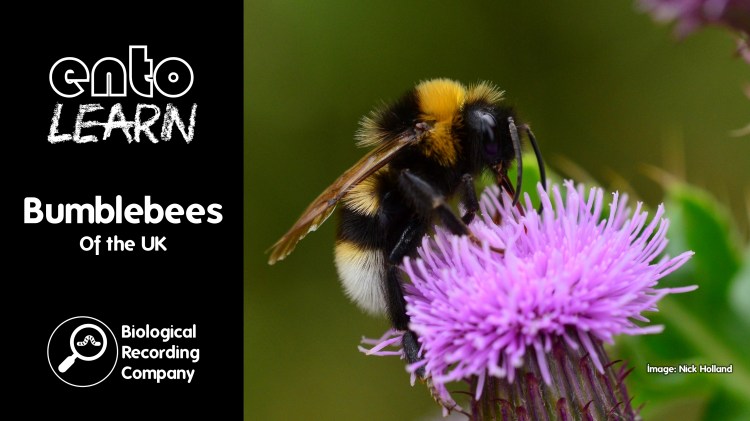
I suspect that the Shrill Carder Bee (Bombus sylvarum) and Brown-banded Carder Bee (Bombus humilis) haven’t been found yet. The site has all the ingredients needed for them – the food plants, edge habitats they like and the mammals that provide the nests that they require. Hopefully, it is just a matter of time before we record them on-site. I think there are also some plants that haven’t been recorded on the new site that were on the old site, but then again we have found plant species on site that weren’t on the old site. - Have you had any issues with the owner of the new site objecting to any of the conservation actions that you’ve wanted to implement?
No, as we’ve explained why we need to do what we need to do. The site owner had to give permission for the ponds to be installed as part of the district licensing and we’ve been trusted as the ecologists on site to manage the nature reserve.
Further info and links
- Herpetologic Ltd website: https://www.herpetologic.co.uk/
- Upcoming free entoLIVE webinars: https://www.eventbrite.co.uk/cc/entolive-webinars-74679
- Full list of courses and events from the Biological Recording Company: https://www.eventbrite.co.uk/o/the-biological-recording-company-35982868173
Learn more about British wildlife

 Biological Recording