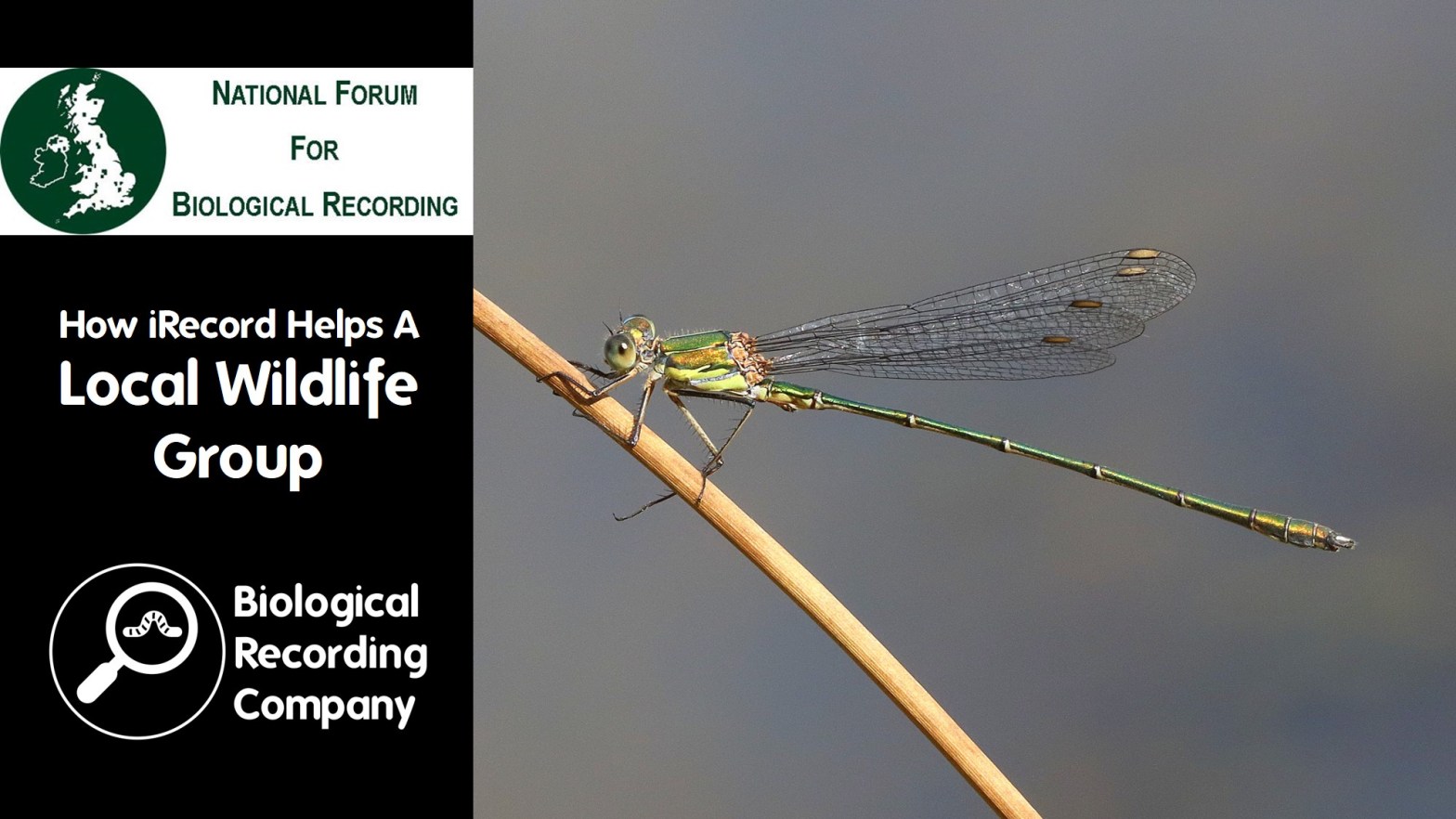
South Stoke Wildlife Group is trying to monitor biodiversity within their village. This presentation covers their recording activities, how they identify what they’ve found, and their experiences of using iRecord. They aim to use the information they gather to monitor trends for some of the “key species” that are present in the village.
Q&A with John Lindley
John Lindley is an amateur entomologist, specialising in Butterflies, and is now on a steep learning curve with other orders. He is also a keen photographer and tries to capture images of as many local insect species as possible.
Do you record tree species and the related diseases?
We want to. We would need to either train people up in-house or externally find expertise to help us monitor things like diseases and things like leaf mines. It’s certainly something we would love to do, but as a small group, I think we’ll get up and going with the trees first and then we’ll come back to see what we can do in addition.
Do you only record the macromoths?
I’m recording every moth I see. Nearly 50% of the species that we’ve recorded would be micromoths, mostly Tortricidae and Pyralidae, but lots of other micros as well.
Are the records you generate automatically going to recording schemes through iRecord?
I believe so, yes. The British Dragonfly Society, Butterfly Conservation and Bees, Wasps and Ants Recording Society have picked some of them up, but I don’t know whether everything that we record is being picked up by the relevant recording group.
How are your records of Desmoulins Whorl Snail being checked?
Photographs were submitted with the record onto iRecord and then that was verified on iRecord. It’s worth noting that some photos can get flipped 180 degrees when taken through a microscope and with molluscs this can cause problems with verification, so be careful to only submit original (non-flipped) photos of molluscs!
Further info
- South Stoke Conservation & Wildlife Group: https://www.southstokewildlife.org/
- South Stoke Conservation & Wildlife Group iRecord Activity Summary: https://irecord.org.uk/activities/summary?group_id=1893&implicit=
- Setting Up an iRecord Activity for Local Groups (recorded webinar): https://www.youtube.com/watch?v=uH0oS9Axd14
ID resources
- Sawflies: sawflies.org.uk/imago-adults-gallery/
- Bumblebees: bumblebeeconservation.org/bumblebee-species-guide/
- True Bugs: britishbugs.org.uk/index.html
- Harvestmen: harvestmen.fscbiodiversity.uk/
- Moths: ukmoths.org.uk/
More on biological recording




 Biological Recording
One thought on “How iRecord Helps a Local Wildlife Group”