Virtual Symposium events bring together a range of audiences to hear about case studies and research around a given subject. We believe in accessible knowledge sharing, so you’ll find our upcoming events are all free or at a low cost.
Click on the images below to learn more about upcoming events and access content from previous ones (please note that some content from recent symposiums may be password-protected and only accessible to those who booked a space on the live event). Previous events have been divided into the following categories:
- Biodiversity Net Gain
- Biological Recording
- Conservation
- Teaching Naturalists
- Wildlife Gardening
Upcoming events
Our monthly Virtual Symposiums are designed to cater for both amateur and professionals audiences. The recommended ticket fee for non-professionals is £10 (but you can pay as little as £1.20 for a ticket) and for professionals it is a set fee of £30. All bookings are managed through our Eventbrite page.
Biological Recording Virtual Symposium 2026
Wed 15 April 2026 10:00 – 13:00 (UK time)
Bookings are now open for the 2026 event.
Get in touch if you’d like to present your case study at the event.
Fly Research and Conservation Virtual Symposium
Tue 23 Jun 2026 10:00 – 13:00 (UK time)
Bookings are now open for this event.
Get in touch if you’d like to present your case study at the event.
Biodiversity Net Gain
Our Biodiversity Net Gain Virtual Symposium is an annual event that we’ve delivered each March since 2023, with presentations featuring topics centred around government updates, best practice guidance and showcasing case studies.
All 17 previous presentations can now be accessed in one place.
Biodiversity Net Gain Virtual Symposium (2023-2026)
The 2026 event programme featured expert presentations on recent policy updates, data standards, practical implementation experiences, and planning and consultancy perspectives on delivering mandatory Biodiversity Net Gain in England.
Biological Recording
Our annual Biological Recording Virtual Symposiums are delivered in partnership with the Association of Local Environmental Record Centres or the National Forum For Biological Recording. Each event has a specific theme within the sphere of biological recording.
Biological Recording Virtual Symposium 2025: Local To National
Our 2026 biological recording symposium explored UK wildlife monitoring at various geographic scales, featuring talks on clearwing moths in Mid Wales, landscape-scale tracking in the Chilterns, 30 years of Garden BirdWatch, and national surveillance schemes.
Biological Recording Virtual Symposium 2024: Local Biodiversity Data
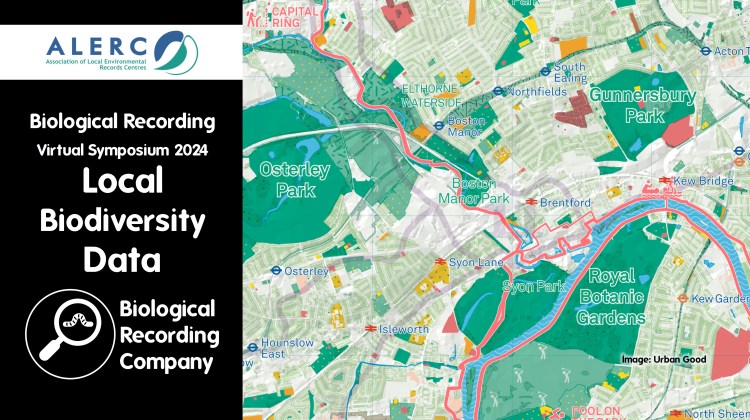
We highlighted how biodiversity data supports wildlife-friendly infrastructure (DBRC), collaboration between LERCs and nature partnerships (Lincolnshire), informed decision-making in the Environment Agency, and Biodiversity Net Gain planning (TfL), emphasizing the vital role of species records in environmental work.
Biological Recording Virtual Symposium 2023: Why iRecord?
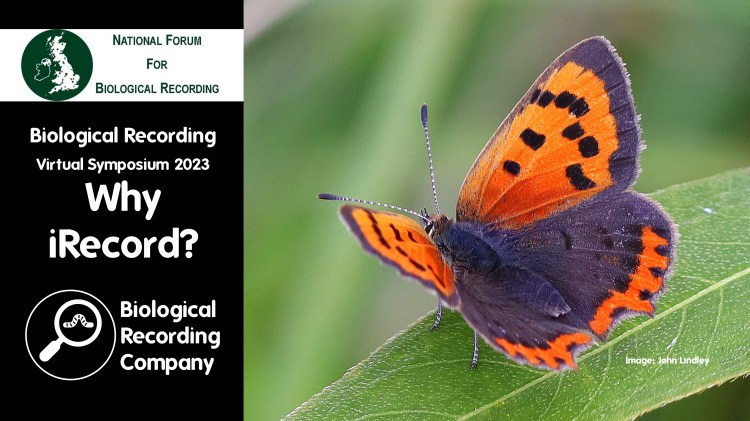
The event explored iRecord’s impact—from empowering local wildlife groups and engaging county recorders, to advancing beetle data collection, improving verification through collaboration, and ensuring future support. Together, they showed iRecord’s vital role in citizen science and biological recording across the UK.
Conservation
Our conservation webinars cover a wide range of topics, with a focus on invertebrate conservation subjects that are often under-represented on conservation-sector research and policy.
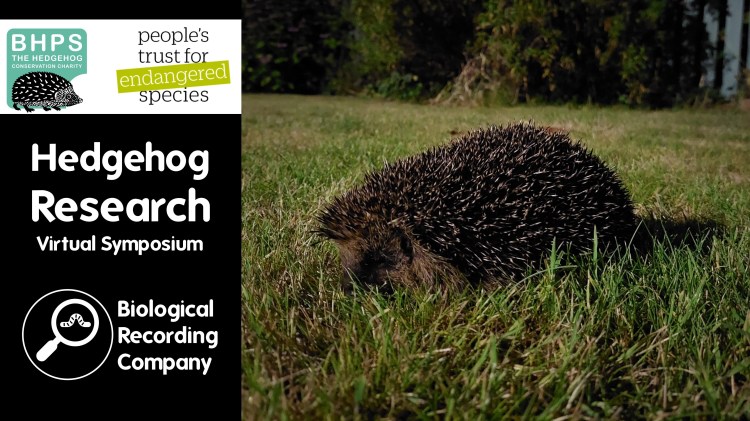
Hedgehog specialists presented recent advances in hedgehog ecology and conservation, highlighting current research on population trends, threats, and mitigation through presentations on monitoring methods, habitat management, and species-focused studies.
Drones in Ecology Virtual Symposium
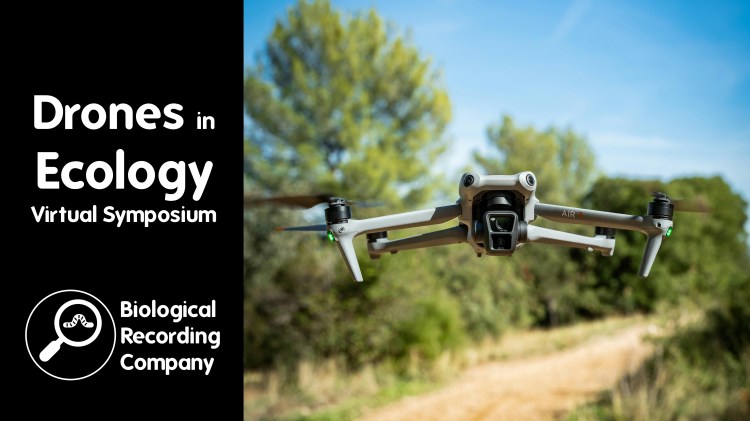
The event highlighted how drones advance ecological surveying and monitoring. It shared practical use-cases and best practices for drone deployment and data analysis.
Funding For Conservation Virtual Symposium

How do we ensure that conservation efforts are sufficiently funded? Funder trends, credit-based accountancy schemes and income diversification were all explored.
Camera Trapping Mammals Virtual Symposium
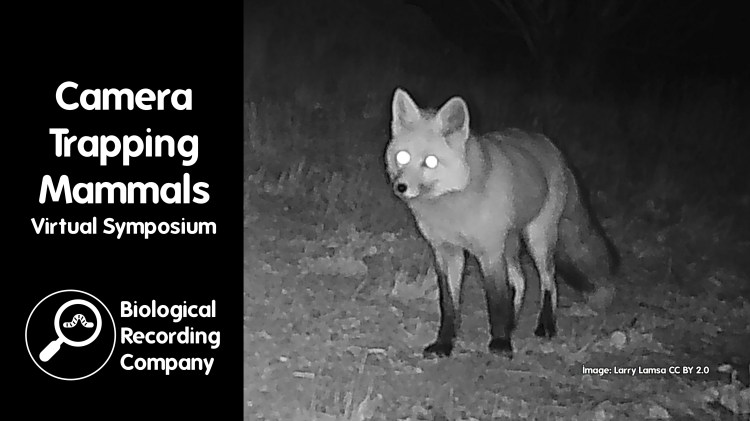
Conservationists delved into research and conservation projects in the UK that are employing camera trapping techniques to study mammals.
The content is available via our Camera Traps online course.
Beetle Research & Conservation Virtual Symposium

Beetle specialists presented recent advances in beetle ecology, taxonomy, and conservation, highlighting rare and threatened species through presentations on field surveys, habitat restoration, and species-specific research.
Translocation & Reintroduction Virtual Symposium: Invertebrates on the Move
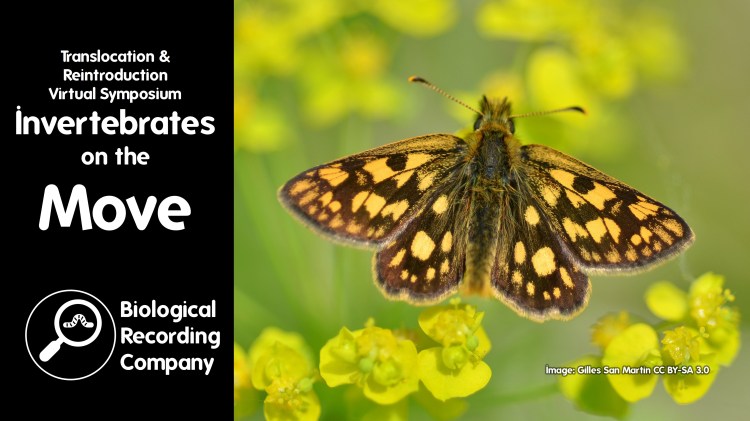
This event told the stories behind some of Britain’s rarest invertebrates, from Fen Raft Spiders and Short-haired Bumblebees to crickets and the Fisher’s Estuarine Moth, with leading experts from conservation and research.
Rewild London Virtual Symposium

The presentations covered various environmental initiatives, including Hackney Marshes’ renaturalisation by ReNature London, Butterfly Chalklands conservation by London Wildlife Trust, the Crane Valley urban river restoration led by Crane Valley CIC, and Citizen Zoo’s efforts to enhance Tolworth’s biodiversity.
State of the UK’s Invertebrates Virtual Symposium
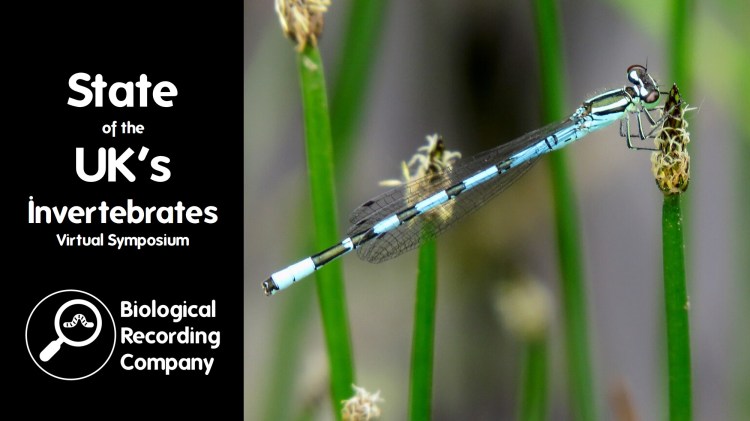
This event highlighted vital work in understanding and conserving invertebrate biodiversity in the UK: two decades of insect monitoring at UKCEH, a decade of field surveys by Natural England, the importance of protecting Britain’s endemic invertebrates, and efforts to assess earthworm populations.
Signal Crayfish Virtual Symposium
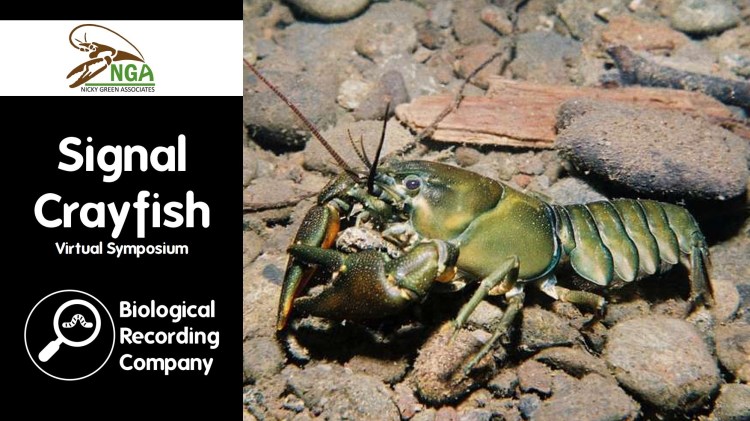
This symposium brought invasive crayfish control specialists together, featuring a case study on American signal crayfish in England, exploring fish as a control method, barriers to their spread, and genetic ‘immunisation’ strategies. It highlighted innovative approaches to managing invasive species through research and intervention.
Local Wildlife Sites Virtual Symposium
A series of talks exploring local wildlife site management: community science supporting Devon’s framework, a case study on Essex sites and development, digital tools for site monitoring, and the challenges and opportunities of preserving wildlife in growing urban areas like London.
Worms of the World Virtual Symposium
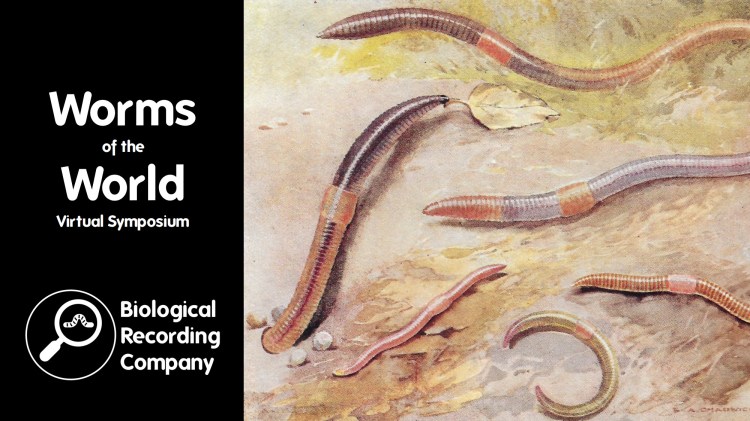
This event explored global earthworm diversity and impact: from worldwide species overviews and evolutionary insights using phylogenetics, to South America’s giant wetland worms and the ecological effects of earthworm invasions in North America. It highlighted earthworms’ fascinating roles in ecosystems and scientific research.
Teaching Naturalists
We’re passionate about bring together natural history educators to share best practice and lessons learned through citizen science, field recording event and training course programmes.
Natural History Online Training Virtual Symposium

This symposium focused on digital engagement in natural history, featuring webinars for large audiences, using learning management systems for teaching, an online botany course, and online training for successful conservation projects. It highlighted innovative approaches to virtual education and conservation.
Species ID Skills Virtual Symposium
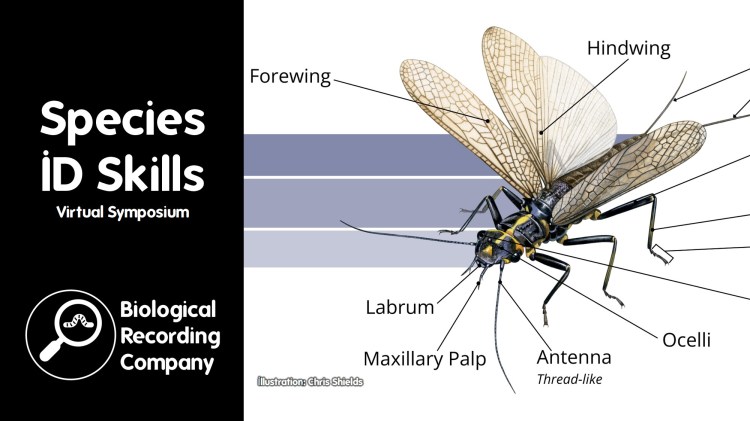
This event concentrated on developing biodiversity identification resources, including structured training pathways for invertebrates, AI-driven image recognition for species ID, and assessing botanical skills through the Field Identification Skills Certificate. It highlighted advancements in training and technology for accurate species identification.
Citizen Science Virtual Symposium: Buzz Club

Prof Dave Goulson and the Buzz Club team explored citizen science through various lenses, including evaluating when citizen science is effective, case studies like the Hoverfly Lagoons project, lessons from bee research, and strategies for volunteer retention in long-term projects.
Wildlife Gardening
Our Wildlife Gardening Virtual Symposiums aim to provide an evidence-based approach to wildlife gardening, helping gardeners ensure their practices genuinely benefit nature rather than inadvertently causing harm. These events are delivered in partnership with the Wildlife Gardening Forum.
Wildlife Gardening Virtual Symposium 2026
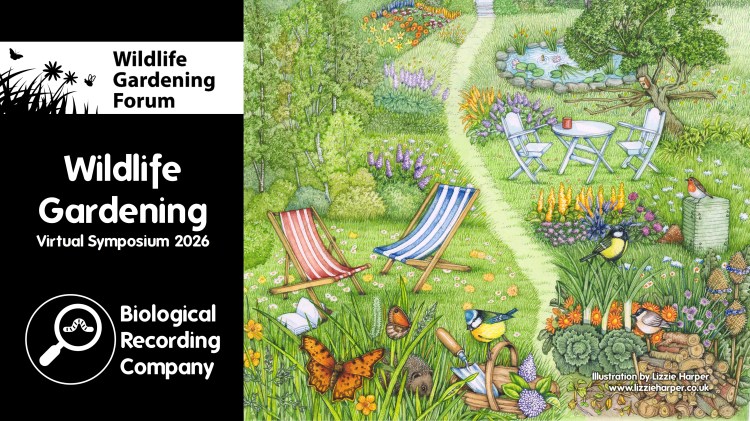
Researchers and practitioners explored how gardens and urban green spaces support wildlife, highlighting ponds, pollinator-friendly gardening, fungi, and urban mammals through presentations on habitat creation, ecological interactions, and long-term citizen science research.
Wildlife Gardening Virtual Symposium 2025
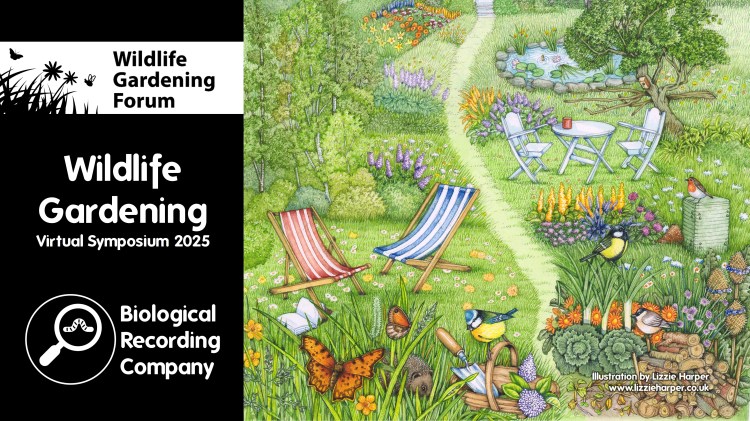
Our first event featured research-based presentations about hedgehogs, butterflies, birds, and bats. Presentations discussed strategies for optimizing gardens, the benefits of wildlife-friendly practices, and the impacts of bird feeding, highlighting the balance between conservation and human enjoyment.
 Biological Recording