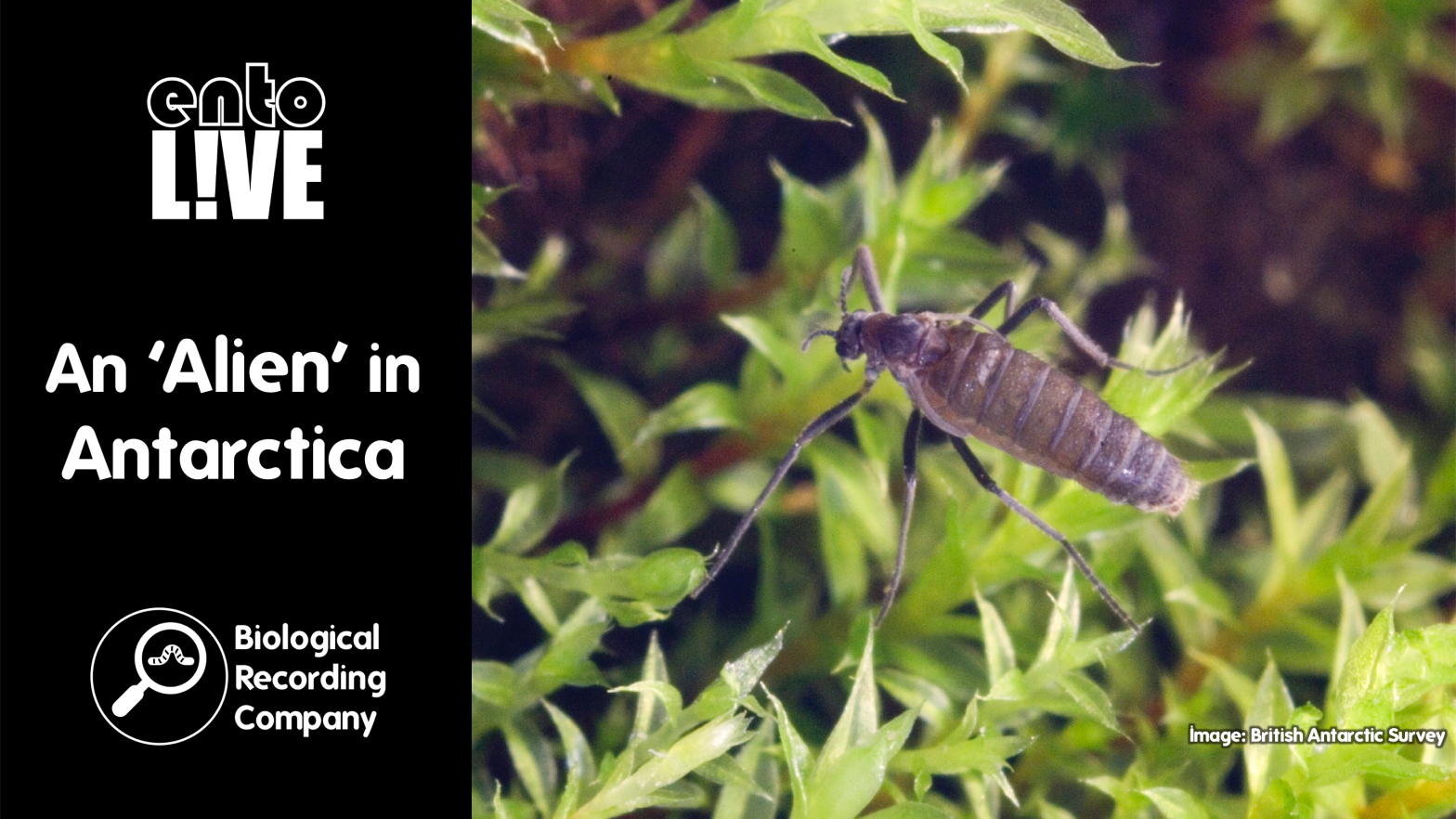
A tiny flightless midge, Eretmoptera murphyi, accidentally introduced to Antarctica in the 1960s, has spread across Signy Island and now dominates the soil ecosystem. Its larvae feed on dead plant material, enriching the soil with nitrogen and changing conditions in ways that could help other species invade. Octavia’s research reveals these midge-altered soils also release more greenhouse gases, meaning this small insect could be quietly accelerating climate change in one of the planet’s most fragile environments.
-
Subscribe
Subscribed
Already have a WordPress.com account? Log in now.
 Biological Recording