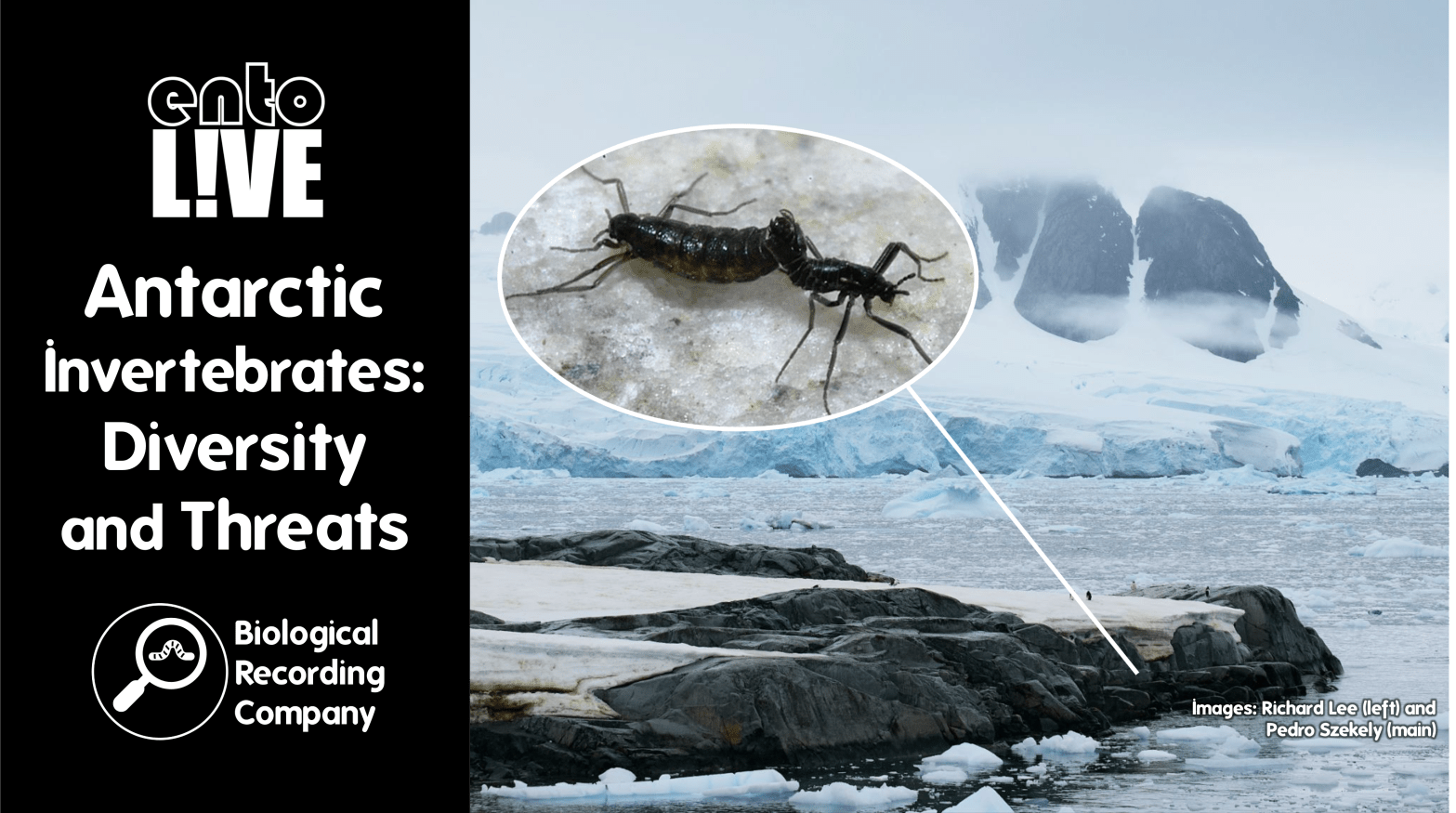
Antarctica’s terrestrial biodiversity is restricted to tiny islands of ice-free habitat surrounded by vast expanses of inhospitable ice or ocean. Today it is dominated by microarthropods and other microinvertebrates, although that has not always been the case. Antarctica’s largest invertebrates are two chironomid midges and a small number of freshwater crustaceans Evolution in isolation, long-term persistence and regionalisation typify this fauna. This has important implications for understanding the geological and glaciological history of the Antarctic region, and of the climatic and oceanographic processes influencing it. Antarctica’s terrestrial biodiversity now faces considerable challenges from growing human activity and impacts, including considerable regional climate change.
-
Subscribe
Subscribed
Already have a WordPress.com account? Log in now.
 Biological Recording