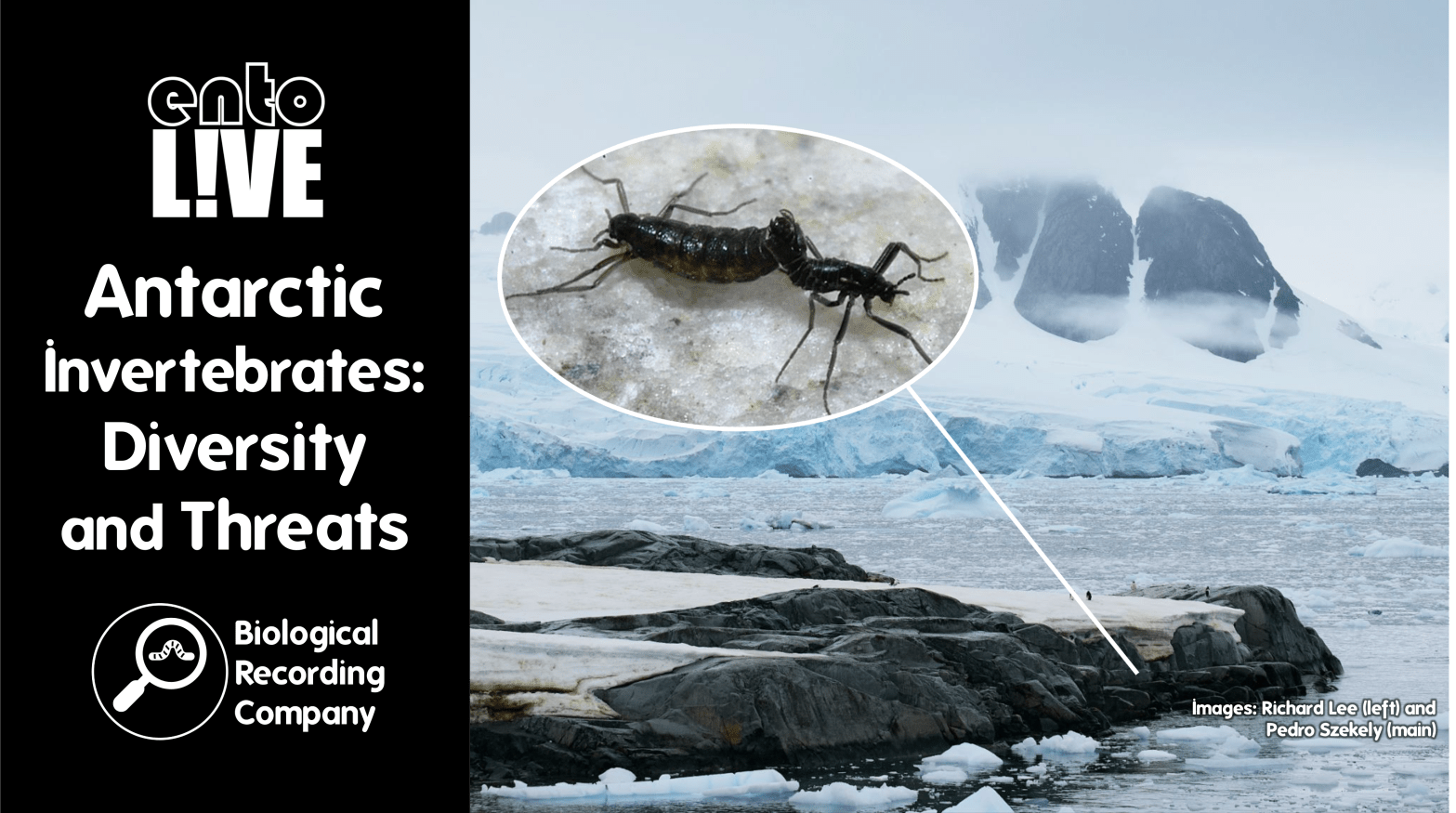
Antarctica’s terrestrial biodiversity is restricted to tiny islands of ice-free habitat surrounded by vast expanses of inhospitable ice or ocean. Today it is dominated by microarthropods and other microinvertebrates, although that has not always been the case. Antarctica’s largest invertebrates are two chironomid midges and a small number of freshwater crustaceans Evolution in isolation, long-term persistence and regionalisation typify this fauna. This has important implications for understanding the geological and glaciological history of the Antarctic region, and of the climatic and oceanographic processes influencing it. Antarctica’s terrestrial biodiversity now faces considerable challenges from growing human activity and impacts, including considerable regional climate change.
Tag Archives: climate change impacts
An ‘Alien’ in Antarctica
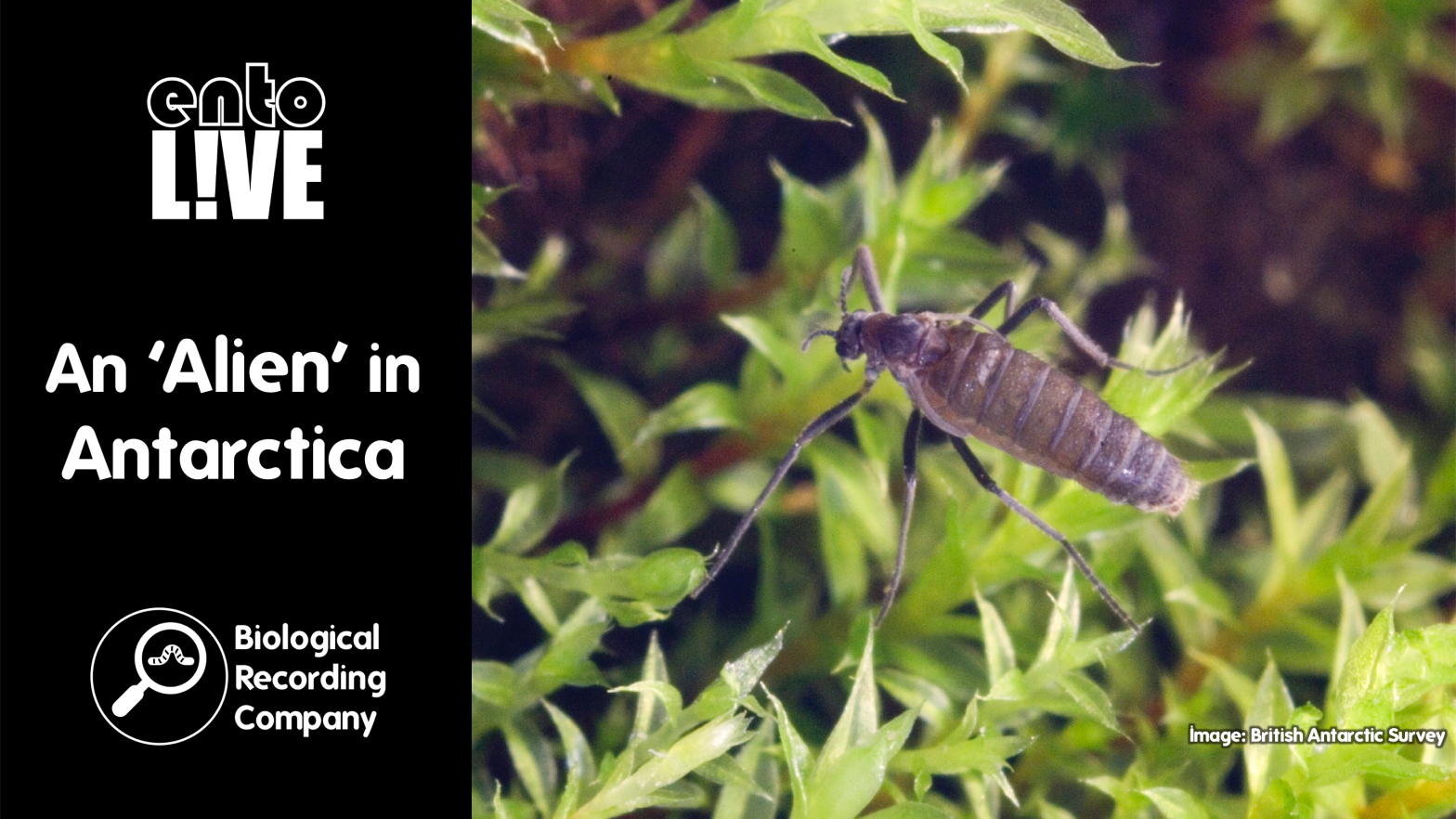
A tiny flightless midge, Eretmoptera murphyi, accidentally introduced to Antarctica in the 1960s, has spread across Signy Island and now dominates the soil ecosystem. Its larvae feed on dead plant material, enriching the soil with nitrogen and changing conditions in ways that could help other species invade. Octavia’s research reveals these midge-altered soils also release more greenhouse gases, meaning this small insect could be quietly accelerating climate change in one of the planet’s most fragile environments.
 Biological Recording