Meet the people behind the Biological Recording Company. We are currently a small team of 3 employed staff, and we work with a wide range of natural history specialists to deliver our training and events programme.
Staff
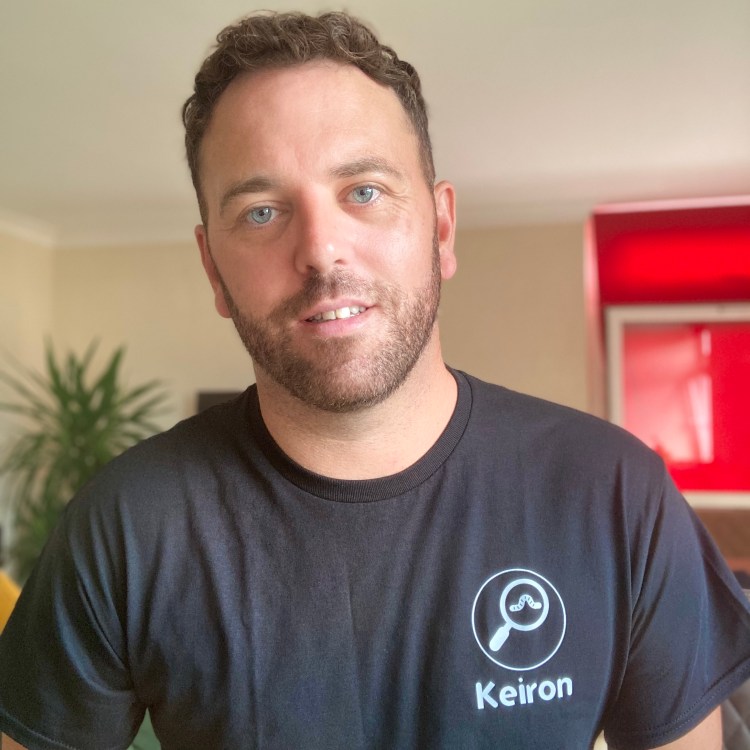
Keiron Derek Brown
Senior Naturalist
Keiron is a dedicated naturalist and entomologist with a strong focus on invertebrate conservation and biological recording. He is the founder of the Biological Recording Company, which provides accessible, evidence-based training for conservation professionals and amateur naturalists. Keiron also serves as the National Recorder for Earthworms with the Earthworm Society of Britain, where he established and manages the UK’s National Earthworm Recording Scheme.
His previous experience has involved a 7-year stint as a Bat Advice Officer for the Bat Conservation, developing and managing the FSC BioLinks ID training project for the Field Studies Council and volunteering as a Research Assistant for the Natural History Museum on projects from the New Forest to Bornean rainforest.
In addition, Keiron serves as Entomology Chair for the London Natural History Society, and sits on committees for the National Forum for Biological Recording, British Entomological & Natural History Society and InvertLink.
Published scientific papers
- Brown KD, Sherlock E, Crowley LM et al. (2024) The genome sequence of the Brown Litter Worm, Bimastos eiseni (Levinsen, 1884). Wellcome Open Res 2024 9:279. https://doi.org/10.12688/wellcomeopenres.21622.1
- Sherlock E, Brown KD & Fletcher C (2025) The genome sequence of the Cockspur worm, Bimastos rubidus (Savigny, 1826) (Crassiclitellata: Lumbricidae): https://wellcomeopenresearch.org/articles/10-563
- Ashwood F, Brown KD, Sherlock E, Keith AM, Forster J & Butt KR (2024) Earthworm records and habitat associations in the British Isles. European Journal of Soil Biology 122(2024):103642. https://doi.org/10.1016/j.ejsobi.2024.103642
- Ewers RM, Orme CDL, Pearse WD et al. (2024) Thresholds for adding degraded tropical forest to the conservation estate. Nature 631(2024): 808–813. https://doi.org/10.1038/s41586-024-07657-w
Natural History Reports
- Brown KD, Bell C & Brignoli G (2023) FSC BioLinks Audience Engagement Report [Version 3]. Shrewsbury: Field Studies Council. https://www.britishecologicalsociety.org/applied-ecology-resources/document/20230081523/
- Brown KD, Asaw D, Bell C, Bhambra A, Brignoli G, Burkmar R, Davies R, Dillon H, Roper C & Watts O (2023) FSC BioLinks Project Activity Report [Version 22]. Shrewsbury: Field Studies Council. https://www.britishecologicalsociety.org/applied-ecology-resources/document/20230362629/
- Brown KD (2018) FSC BioLinks Development Plan for Training Provision [Version 3]. Shrewsbury: Field Studies Council. https://www.britishecologicalsociety.org/applied-ecology-resources/document/20230081529/
- Brown KD (2017) FSC BioLinks Activity Plan. Shrewsbury: Field Studies Council. https://www.britishecologicalsociety.org/applied-ecology-resources/document/20230030033/
- Brown KD (2017) FSC BioLinks Consultation Report. Shrewsbury: Field Studies Council. https://www.britishecologicalsociety.org/applied-ecology-resources/document/20203291194/
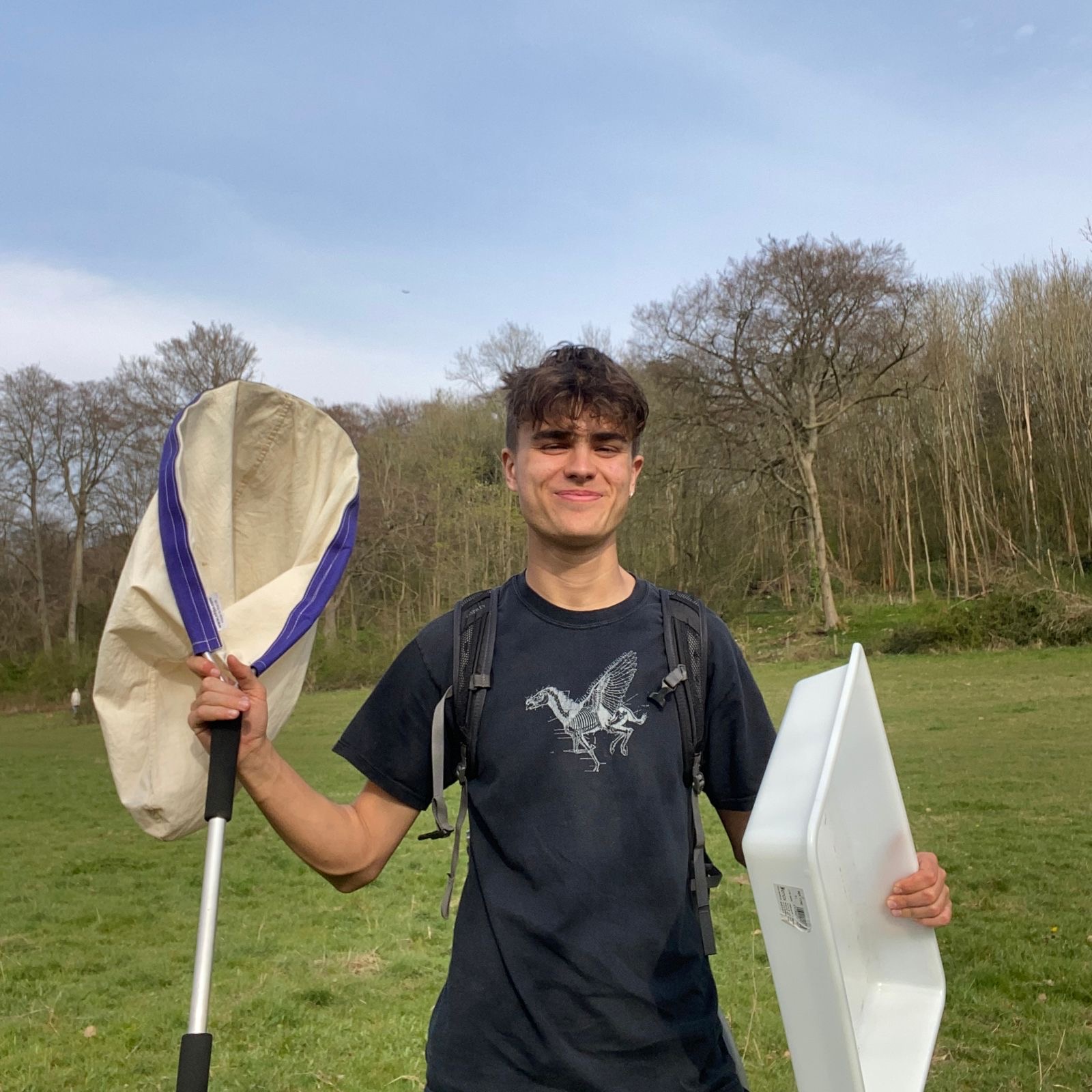
Joss Carr
Junior Naturalist
Joss Carr is a passionate entomologist, naturalist, and biological recorder with a deep love of observing and documenting UK biodiversity and of inspiring others to do the same. He holds an MSc in Biodiversity and Conservation from Queen Mary University of London (QMUL) and a BA in Geography from the University of Oxford. His MSc thesis focused on quantifying data quality concerns with UK invertebrate records derived from iNaturalist, with the goal of better integrating iNaturalist into the UK recording infrastructure. He has also delivered an entoLIVE talk on this research, available to watch here.
Joss is a firm believer in the critical role that biological records play in underpinning biodiversity science and conservation. He is also deeply concerned about the decline of natural history skills among younger generations. Through his work at the Biological Recording Company, he aims to both improve biological recording systems in the UK and help address this natural history skills gap.
Within the Biological Recording Company, Joss’ main focuses are entoLIVE and the in-person Field Recorder Days in London, though he also contributes to other events and training initiatives.
Much of Joss’ free time is also devoted to biological recording. He is a pan-species lister and prolific iNaturalist user. His favourite taxonomic group is the leafhoppers and allies (Auchenorrhyncha), for which he provides identifications on iNaturalist and assists with verification on iRecord as part of the Auchenorrhyncha Recording Scheme of Britain and Ireland. Other taxonomic groups he is particularly fond of include beetles, other Hemiptera, springtails, vascular plants, and bryophytes.

Douglas Nunes
Marketing Officer
Douglas Nunes is originally from Brazil and holds a degree in journalism, with a long-standing appreciation for the natural world. At the Biological Recording Company, he is responsible for promoting events and webinars, helping to connect people with nature through digital platforms and social media.
Although not a biologist by training, Douglas believes that caring for the environment is something everyone can and should be involved in. Working alongside a team of passionate naturalists, he enjoys using his communication skills to support their work and help share it with a broader audience.
Outside of work, Douglas finds joy in being outdoors – particularly when returning to Brazil and recording the invertebrates along the beach in his hometown.
Specialists
At the Biological Recording Company we have the privilege of being able to work with a variety of natural history specialists with expertise in a range of subjects. On this page you can meet the specialists we collaborate with for our Field Recorder Days and in-person training courses.
We believe strongly that natural history skills and expertise should be remunerated appropriately, so we pay all of our specialists a daily rate in accordance with the results of our Natural History Tutor Survey.
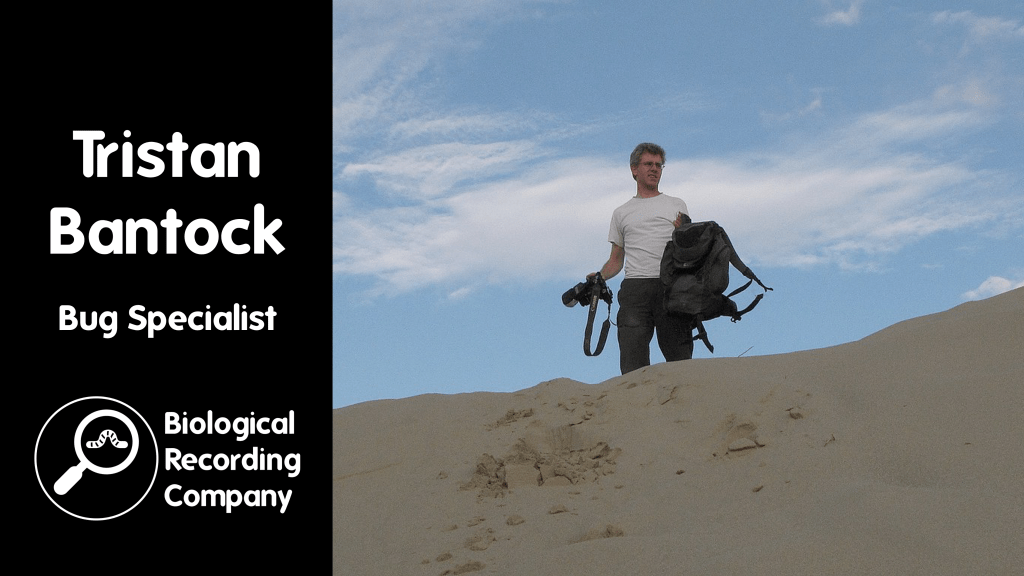
Tristan Bantock – Bug Specialist
Dr Tristan Bantock is one of the UK’s leading specialists in Hemiptera (Bugs). Alongside collaborator Joe Botting he created and maintains the website British Bugs. He is also the national organiser for the Shieldbugs & Allies Recording Scheme and is the London Natural History Society Recorder for True Bugs. By day he is a professional consultant entomologist with Colin Plant Associates, providing survey and identification services across the UK.
Tristan leads our Bug Field Recorder Days, providing recording and identification guidance to new and existing bug recorders.
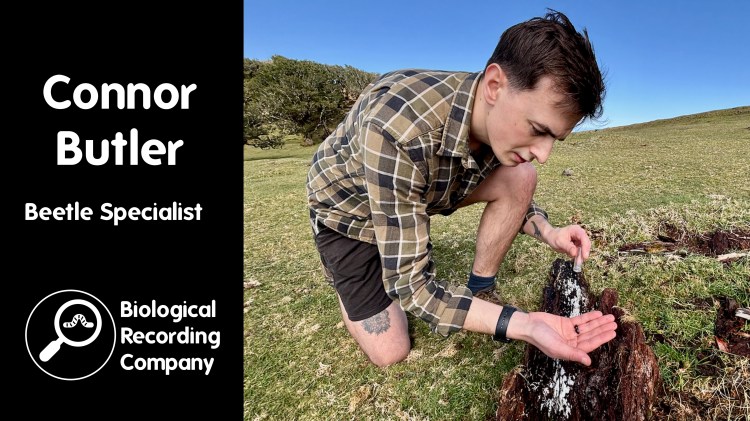
Connor Butler – Beetle Specialist
Connor Butler is an entomologist specialising in beetles and deadwood invertebrates. He is the former Head of Learning at Chelsea Physic Garden – London’s oldest botanic garden – and has also studied dung beetles across London’s parks. He leads nature walks across London, and has encouraged over 10,000 people to take time to appreciate the smallest details in nature and to love the often unloved species of our planet. His recent work focuses on “Queer Ecology“, challenging perceptions of what is considered natural or unnatural and aiming to break down the barriers that minority groups face when accessing nature. You can learn about Connor’s work through his Instagram: @connor_the_ecologist.
Connor leads our Beetle Field Recorder Days.
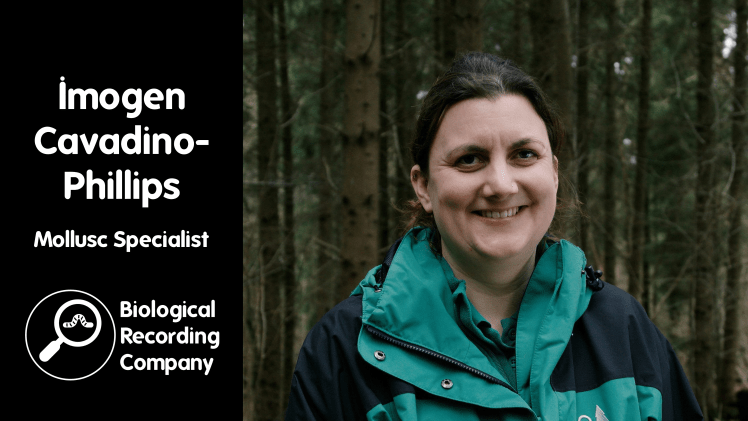
Imogen Cavadino-Phillips – Mollusc Specialist
Imogen Cavadino-Phillips is an Entomologist at Forest Research with a PhD from Newcastle University and the Royal Horticultural Society focused on understanding slug species diversity in UK gardens using a citizen science approach. She is a committee member for the Conchological Society of Britain and Ireland, council member for National Forum for Biological Recording and acts as a verifier for terrestrial mollusc records on iRecord. She is a keen advocate for molluscs – an often unloved and overlooked yet fascinating group of terrestrial invertebrates.
Imogen leads our Mollusc Field Recorder Days, and also presented an entoLIVE webinar on her slug research with us: Slipping Under the Radar: Recording Slugs in British Gardens.
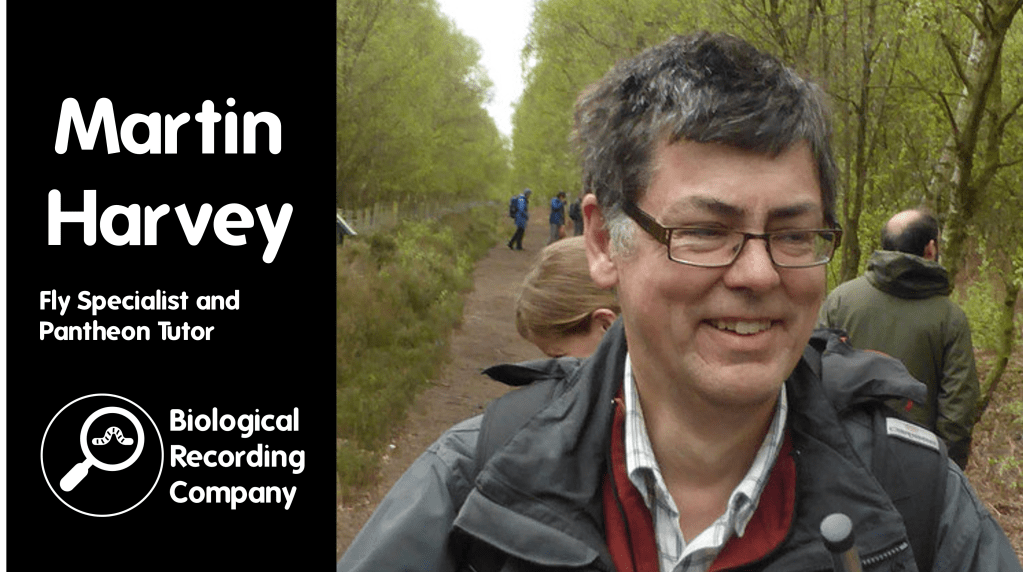
Martin Harvey – Fly Specialist
Martin Harvey is the Data Management and Liaison Officer at the Biological Records Centre (part of the UK Centre for Ecology & Hydrology), where he has played a central role in the development of the invertebrate assemblage assessment tool Pantheon. This is in addition to other roles such as managing the iRecord online recording system and liaising with national recording schemes and societies. Outside this, Martin is a knowledgeable entomologist and biological recorder, part of the team for the UK Pollinator Monitoring Scheme, runs the national Soldierflies and Allies Recording Scheme, and is County Moth Recorder for Berkshire vice-county.
Martin delivers our Fly Field Recorder Days, as well as our annual Understanding Invertebrate Assemblages training course about Pantheon. He will also be delivering our upcoming entoLEARN training webinars on Soldierflies and Robberflies.
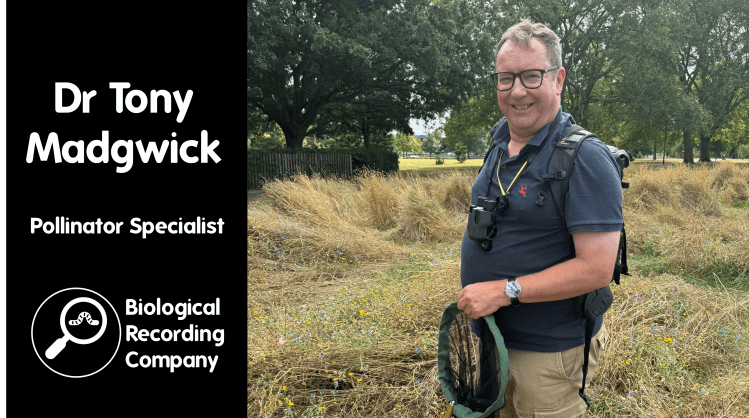
Dr Tony Madgwick – Pollinator Specialist
Dr Tony Madgwick is the London Natural History Society’s President and Recorder for Bees and Wasps. Tony’s mission is to support the appreciation, study and recording of London’s wild bee and wasp populations. To this end, he runs a number of events on sites across the capital, leading both formal surveys and informal “bee walks”. Tony has a number of other specialist interests linked to bees, pollination and pollinators, including insect cleptoparasites and parasitoids of bees, hoverflies and tachinid flies. Tony is a verifier on iRecord for Bee-fly Watch and the Bees, Wasps and Ants Recording Society (BWARS).
You’ll often find Tony at our Invertebrate Study Days and Invertebrate Field Recorder Days, supporting recorders of bees, wasps and hoverflies with identification of their specimens. Tony also leads our Pollinator Field Recorder Days, authored our Social Wasps of the UK online course and will deliver our upcoming Bee-flies entoLEARN training webinar.
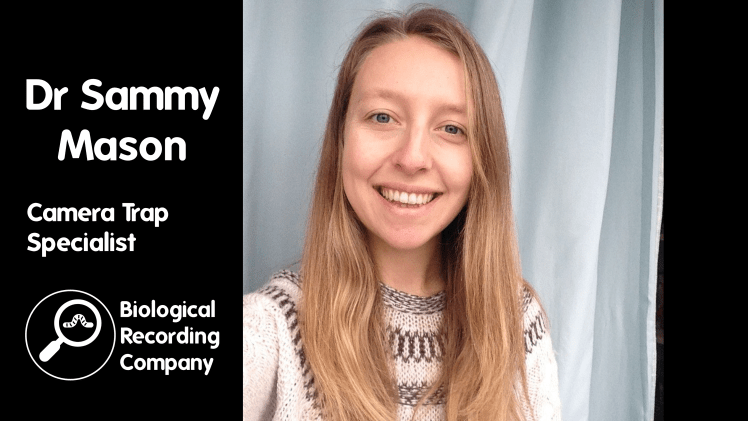
Dr Sammy Mason – Camera Trap Specialist
Dr Sammy Mason is a trustee of MammalWeb, a charity aiming to improve mammal monitoring through the use of camera traps and citizen science. Sammy completed her PhD on the MammalWeb project, particularly focusing on estimating mammal densities using camera traps and evaluating the benefits of engagement with schools.
Sammy teaches all of our camera trap training webinars and the in-person Camera Trapping Mammals training course.
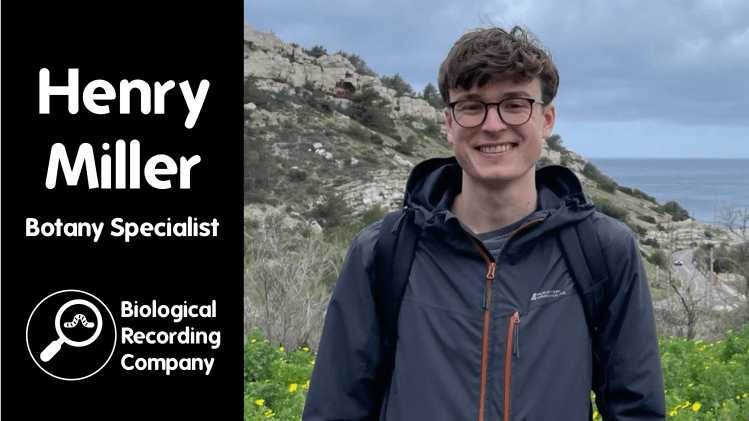
Henry Miller – Botany Specialist
Henry Miller is a botanist with a strong knowledge of the British flora. He co-leads plant recording for the London Natural History Society and is joint Vice County Recorder for Middlesex, alongside Mark Spencer, for the Botanical Society of Britain & Ireland. Henry enjoys teaching plant identification and leading botanical recording walks, helping people build confidence with plants in the field. Outside his voluntary work, Henry is currently a PhD student at University College London researching the distribution, ecology and conservation of aquatic plants. Previously, he worked as a Red List assessor at the Royal Botanic Gardens, Kew.
Henry is the author of our Ferns of the UK and Invasive Plants in the UK online training courses as well as one of our Field Recorder Day specialists and the tutor of our in-person Winter Tree Identification training course.
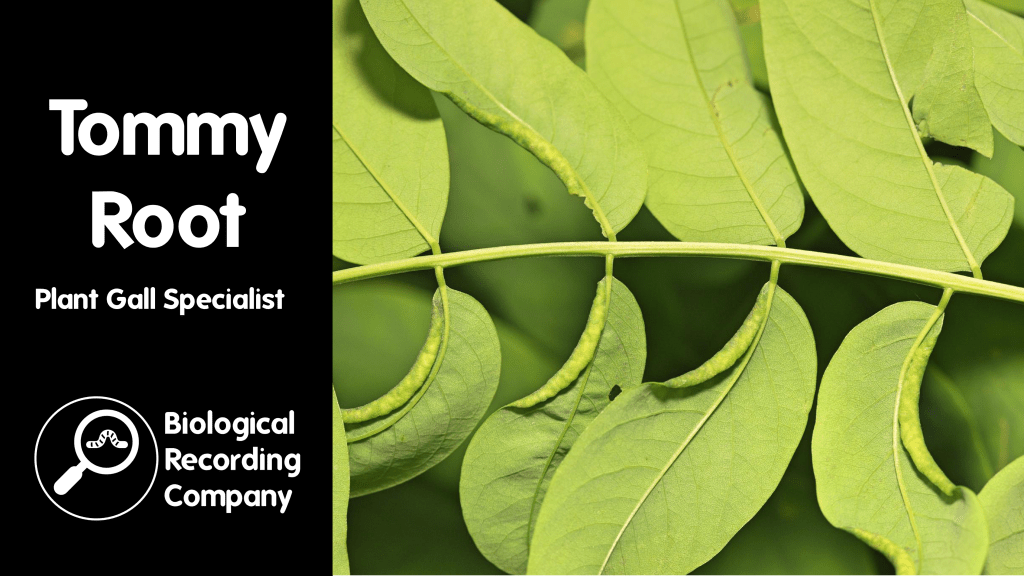
Tommy Root – Plant Gall Specialist
Tommy Root is a professional ecologist and a keen naturalist. He is an experienced recorder for the British Plant Gall Society and also serves as the London Natural History Society Recorder for Plant Galls.
Tommy leads our Plant Gall Field Recorder Days.
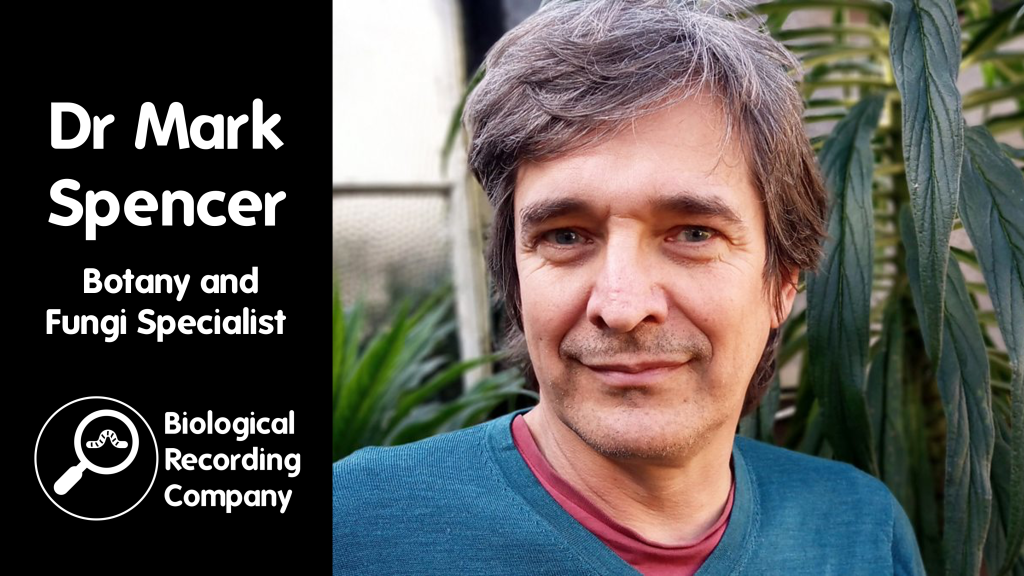
Mark Spencer – Botany and Fungi Specialist
Mark Spencer is an experienced and internationally respected botanist. His expertise covers many disciplines including forensic botany, the plants of North-west Europe, invasive species and the history of botanical science. He also works globally as a seasoned writer (authoring the magnificently titled Murder Most Florid), public speaker and television presenter. As a forensic botanist, Mark has worked on various missing person enquiries, murders and other serious crimes. He also has a strong interest in identifying and recording fungi, and has been leading fungi workshops and forays for several years.
Mark is our resident botanist and mycologist, delivering Field Recorder Days and
Biological Recording Projects
At the Biological Recording Company, we specialise in planning and delivering projects centred around recording wildlife and training naturalists.
- London Recording Projects involve the delivery of events from our Field Recorder Day, Invertebrate Study Day, Earthworm Sampling Day and Training Course programmes. Examples include:
- Site-based projects, such as Wild Tolworth, Ealing Beaver Project and Lesnes 500.
- Borough-based projects, such as our Southwark and Barnet projects.
- Earthworm Projects range from identification training and earthworm surveys to research and consultation. Example include:
- Engagement-focused projects, such as delivering earthworm recorder training in Northern Ireland and working with farmers in the Chilterns.
- Research-focused projects, such as looking at the impact of hay meadow restoration on earthworm communities, assessing the effectiveness of regenerative farming practices and investigating the use of AI in earthworm identification.
- National Biological Recording Projects entail putting our expertise to use with helping other organisations improve the biological recording processes and reach new audiences.
- Training projects include developing online training for Lepidoptera verifiers and producing guidance on the use of Record Cleaner and iRecord.
- Consultation projects include reviewing the pay of natural history tutors and working with the British Mycological Society to improve fungus record quality and data flow.
 Biological Recording