The entoLIVE programme consists of free interactive entoLIVE webinars that link invertebrate scientists with non-academic audiences – including biological recorders, amateur naturalists, conservation practitioners and ecological consultants. Each 1-hour webinar is delivered over Zoom, with an interactive presentation of around 40 minutes followed by a live Q&A where the participants can put their questions to the guest speaker. The presentations are recorded and published as entoLIVE YouTube videos, as well as written up as entoLIVE blogs alongside a transcript of the live Q&A and any useful links and references.
What is entoLIVE trying to achieve?
The aim of entoLIVE is to make invertebrate science more accessible by raising awareness of invertebrate research outputs, such as scientific papers, technical reports and biodiversity datasets. We believe that breaking down the barriers (such as cost and language) for non-academic audiences (including naturalists and conservation practitioners) to access scientific outputs will lead to research being used more widely and enable more biodiversity sector volunteers and professionals to undertake evidence-based actions.
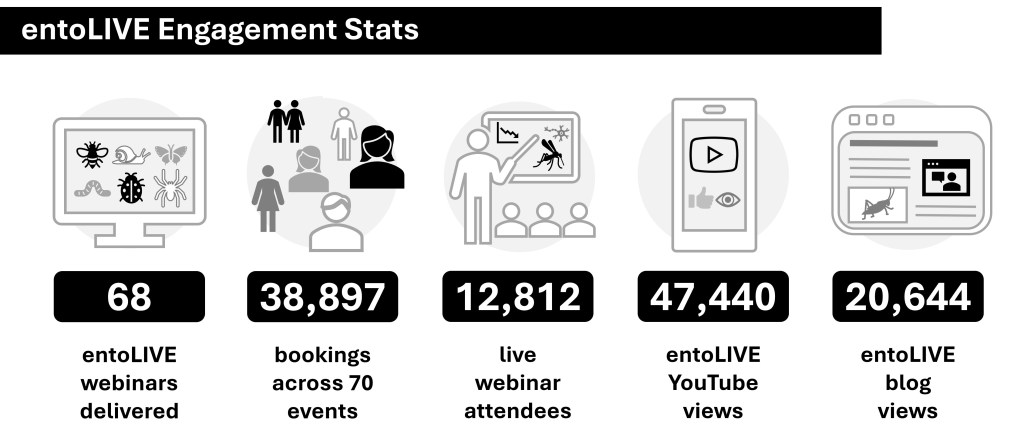
How is all of this free?
The truth is that it isn’t! There are costs associated with running the programme, including costs for our website, Eventbrite and Zoom. We also strongly believe that those involved in science communication should be paid appropriately for their time. We ensure that the invertebrate conservationists hosting the webinars are renumerated for their time and all of our invertebrate researchers are offered a speaker fee of £60 for each presentation.
The entoLIVE programme is only possible due to the financial support we receive from our partners and the donations that have been generously given by webinar attendees.
The entoLIVE programme is delivered by Biological Recording Company and receives sponsorship from the following organisations:
- British Entomological & Natural History Society
- Royal Entomological Society
- Amateur Entomogists’ Society
In addition, the programme is supported by Buglife, the Field Studies Council and the NBN Trust.
Information for speakers
entoLIVE webinars are a great way to engage with the ecology and conservation community, bringing together amateur naturalists and students with experts and sector professionals. We deal with all the admin, technology and hosting so that speakers can focus on their presentations and answer any questions during the live Q&A. We aim to host one entoLIVE webinar per week, though this may vary. The webinars are 1-hour long and the general format can be found below.
- 5-minute intro by entoLIVE host
- 40-minute presentation by guest speaker
- 15-minute guest speaker Q&A session hosted by entoLIVE host
Our audiences are interested in a wide range of topics, including (but not limited to) ecology, identification, recording and conservation so we will organise talks on a variety of taxa and projects.
More information is available for potential speakers in our Information for Speakers pack below. Applications are open all year round and can be submitted via the online entoLIVE Speaker Application Form.
entoLIVE Summary Report
At the Biological Recording Company we are passionate about monitoring and evaluating the impact that our work has on people and communities. Check out the latest version of the entoLIVE Summary Report below to hear about what we’ve achieved to date with entoLIVE and how this is impacting attendees and the research community.
What subjects does entoLIVE cover?
when we launched in 2023, we covered any and all invertebrates. From 2024 onwards, the entoLVE programme has focused on freshwater and terrestrial invertebrates – with marine invertebrates covered alongside other marine species in the marineLIVE programme.
Check out the blogs for all of our previous entoLIVE webinars below and catch up with the presentations and speaker Q&As.
entoLIVE Season 5 (2026)
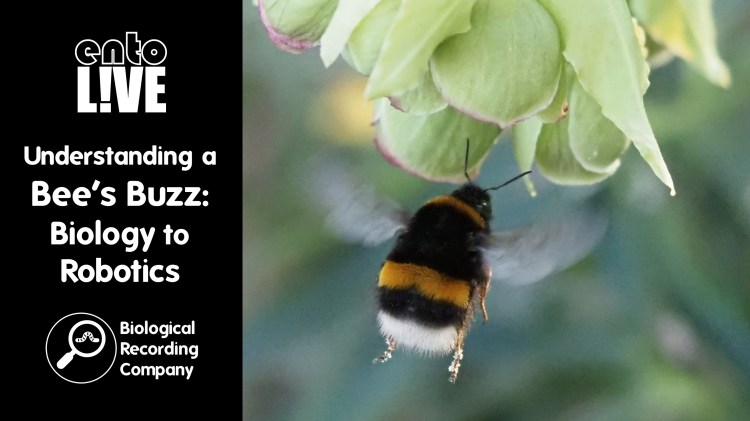
Understanding a Bee’s Buzz: Biology to Robotics
How and why do bees buzz? And what does the answer have to do with robotics? Dr Charlie Woodrow (Uppsala University) presents his research looking into these questions.
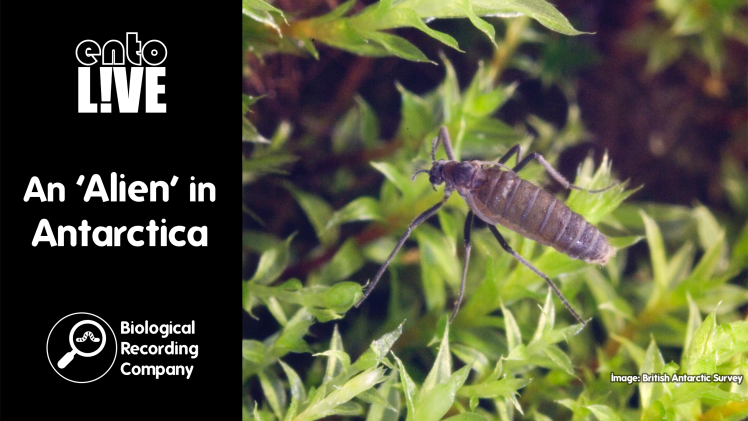
An ‘Alien’ in Antarctica
Delve into the arrival and impacts of the non-native midge Eretmoptera murphyi in Signy Island, Antarctica with Octavia Brayley (University of Birmingham and British Antarctic Survey).
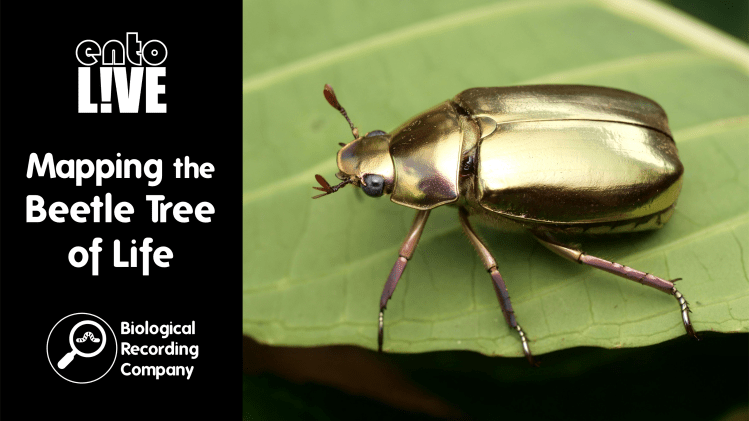
Mapping the Beetle Tree of Life
Dr Beulah Garner (Natural History Museum) discusses new efforts to comprehensively map the phylogeny of 400,000 beetle species worldwide.
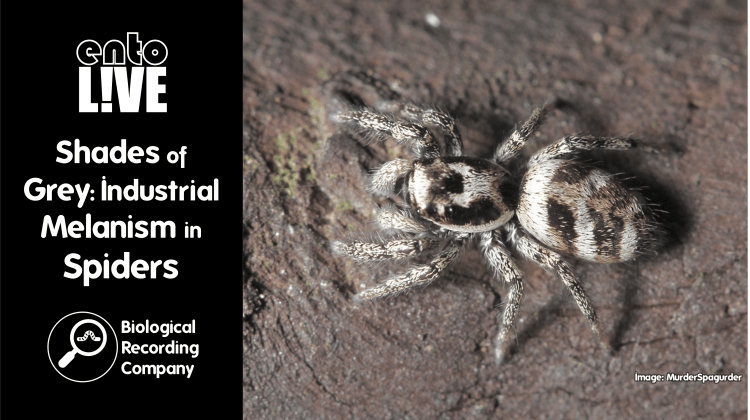
Shades of Grey: Industrial Melanism in Spiders
Learn about new research reappraising the phenomenon of industrial melanism in British spiders with Dr Geoff Oxford (British Arachnological Society).
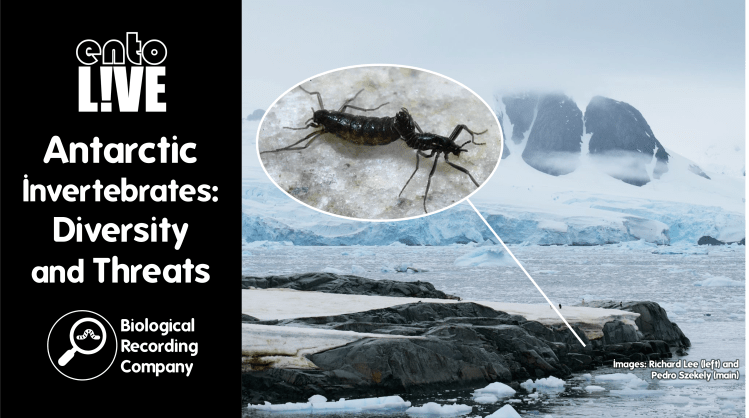
Antarctic Invertebrates: Diversity and Threats
Peter Convey (British Antarctic Survey) discusses the terrestrial invertebrates found in Earth’s most extreme continent: Antarctica.
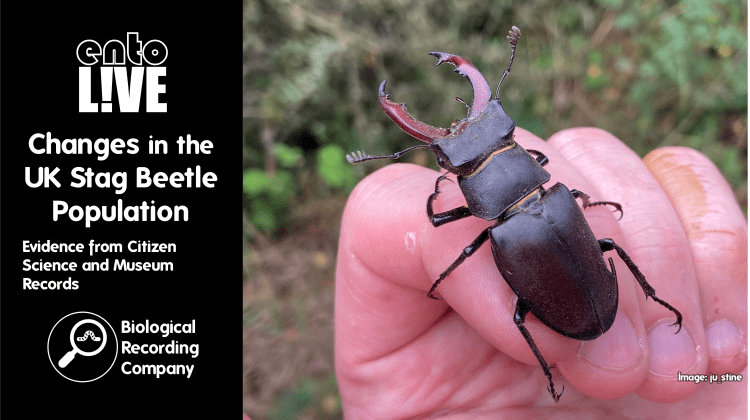
Changes in the UK Stag Beetle Population: Evidence from Citizen Science and Museum Records
David Wembridge (People’s Trust for Endangered Species) shares new research revealing trends of population change in UK Stag Beetles.
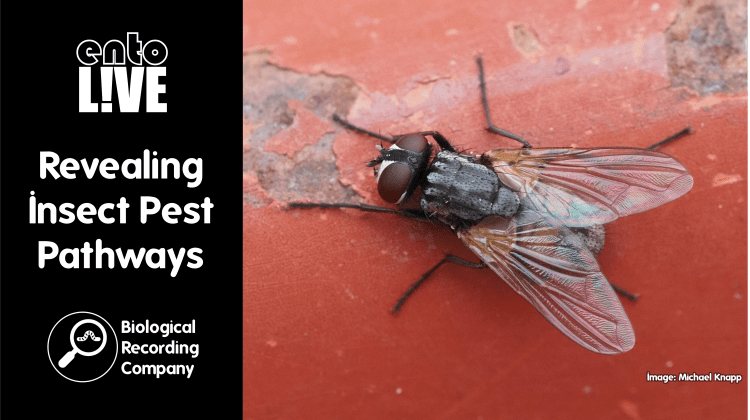
Revealing Insect Pest Pathways
Katharina Heinrich discusses her research using Stable Isotope Ratio Analysis (SIRA) to reveal the origins and pathways of insect pests.
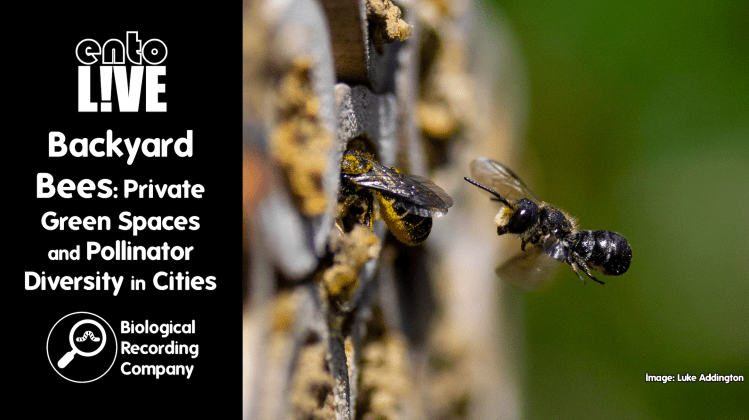
Backyard Bees: Private Green Spaces and Pollinator Diversity in Cities
Emma Plant (University of Glasgow) shares her research investigating how private green spaces support pollinator diversity in cities.
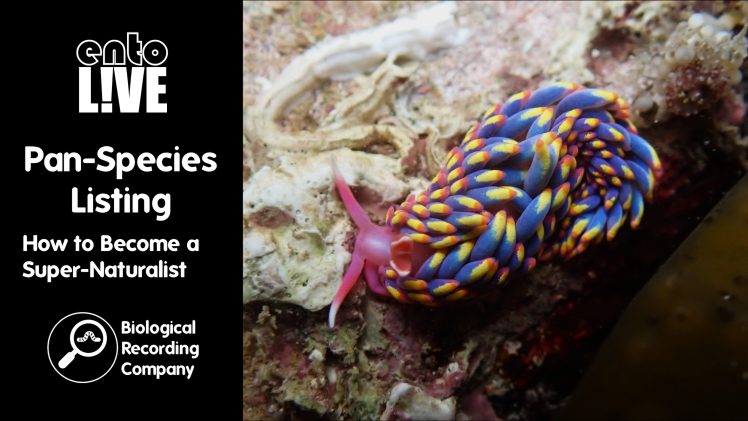
Pan-Species Listing: How to Become a Super-Naturalist
Graeme Lyons introduces Pan-species Listing, an exciting initiative using gentle competition to record the most species you can in the UK.
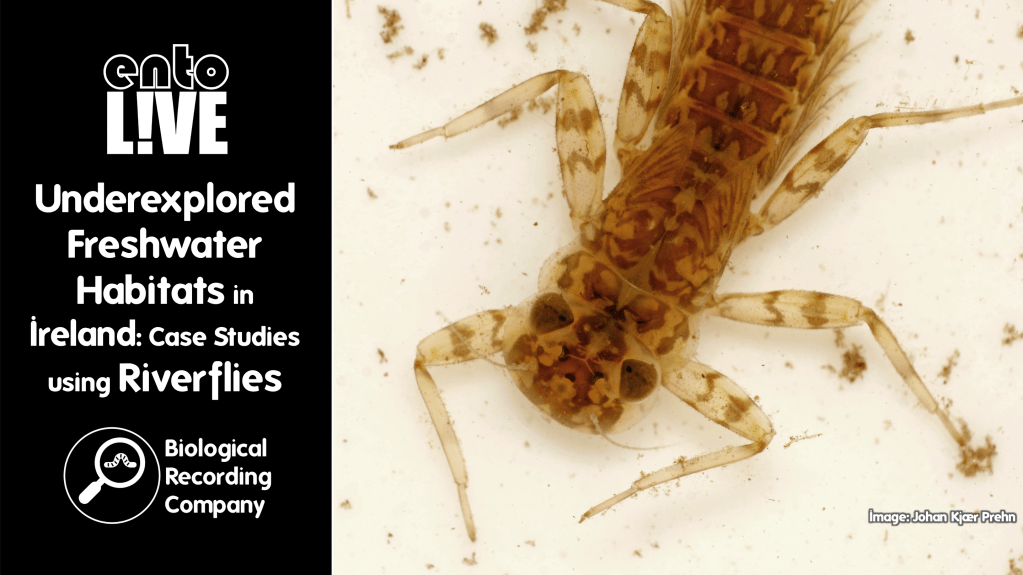
Underexplored Freshwater Habitats in Ireland: Case Studies Using Riverflies
Dr Helen Barber-James shares her research into the fascinating but underexplored world of mayflies, stoneflies and caddisflies in Ireland.
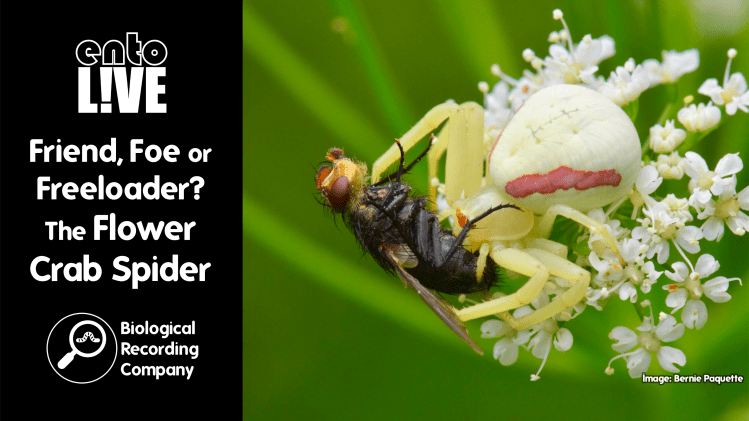
Friend, Foe, or Freeloader? The Flower Crab Spider
Rose Christopher (Newcastle University) shares her research on the Flower Crab Spider (Misumena vatia).
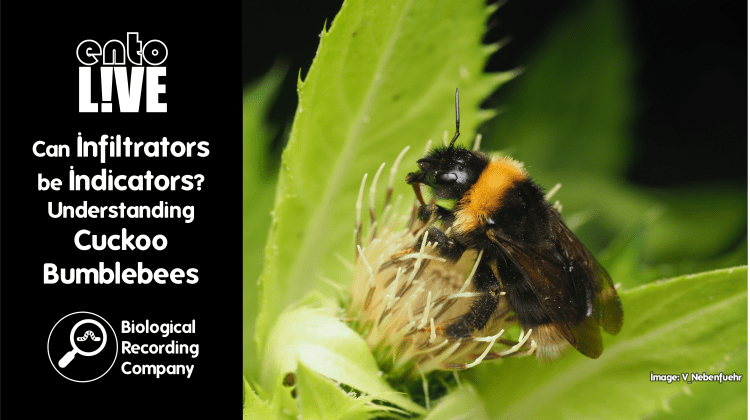
Can Infiltrators be Indicators? Understanding Cuckoo Bumblebees
Sofia Dartnell (University of Cambridge) shares her research looking at the lifecycles and impacts of cuckoo bumblebees.
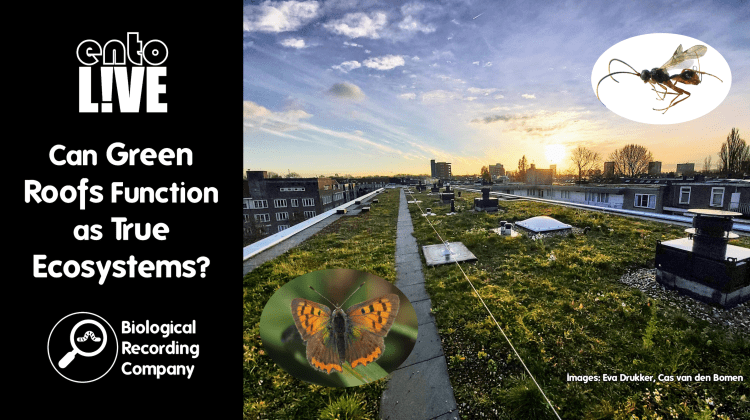
Can Green Roofs Function as True Ecosystems?
Eva Drukker (Wageningen University) explores the ecology of green roofs. Can they operate as functional ecosystems?
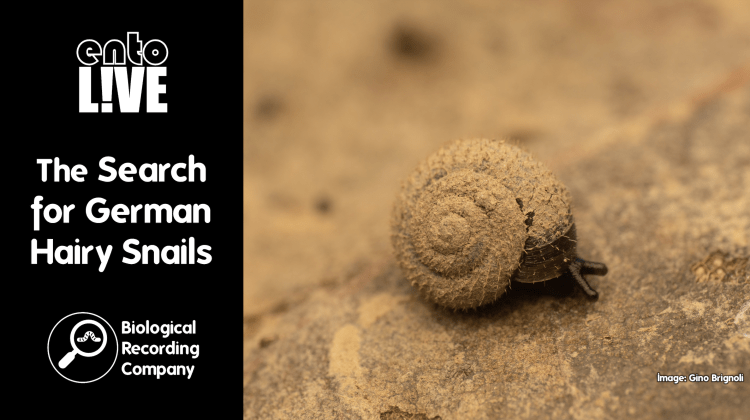
The Search for German Hairy Snails
Elliot Newton (Citizen Zoo) shares a new London-wide project aiming to survey for a very rare snail.
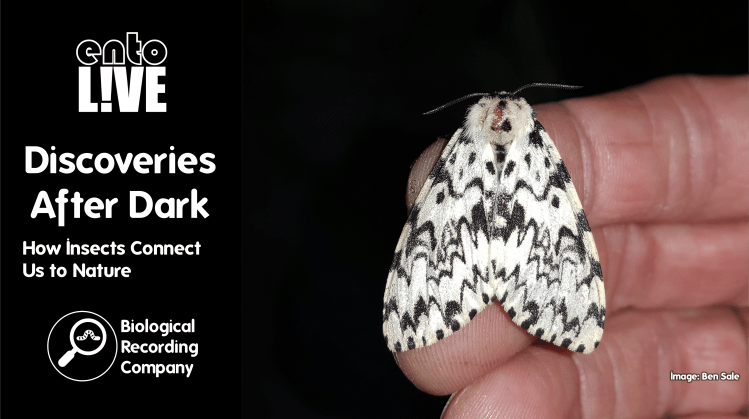
Discoveries After Dark: How Insects Connect Us to Nature
Dr Christopher Barnes (University of Derby) shares new research showing the benefit of engaging with the natural world after dark.
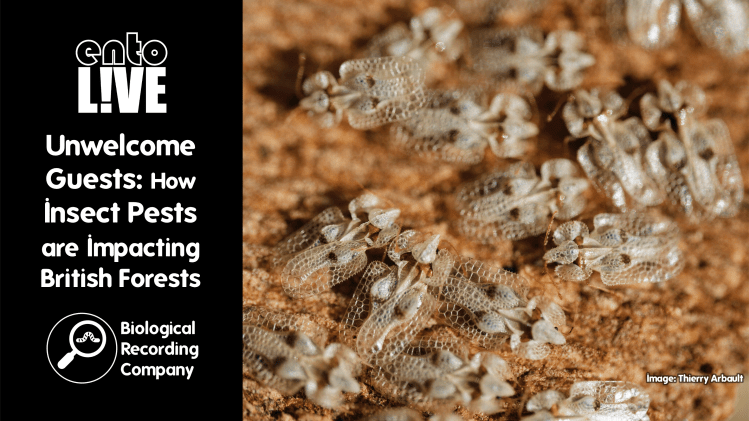
Unwelcome Guests: How Insect Pests are Impacting Britain’s Forests
Katy Dainton (Forest Research) shares information about insect pests affecting British trees and the forestry industry.
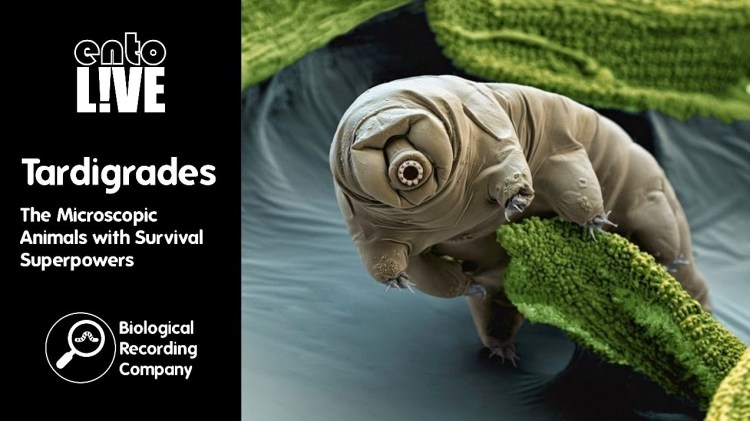
Tardigrades: The Microscopic Animals with Survival Superpowers
Witold Morek (Wellcome Sanger Institute) explores the remarkable abilities of tardigrades – microscopic masters of survival.
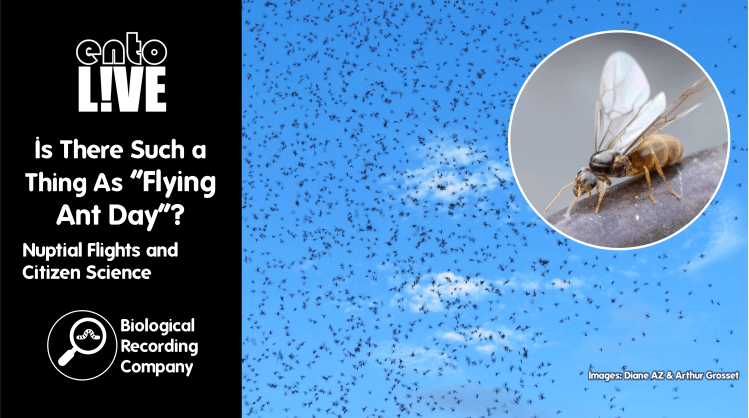
Is There Such a Thing As “Flying Ant Day”?
Is there really such thing as a “flying ant day”? Professor Adam Hart (University of Gloucestershire) delves into the topic in this webinar.
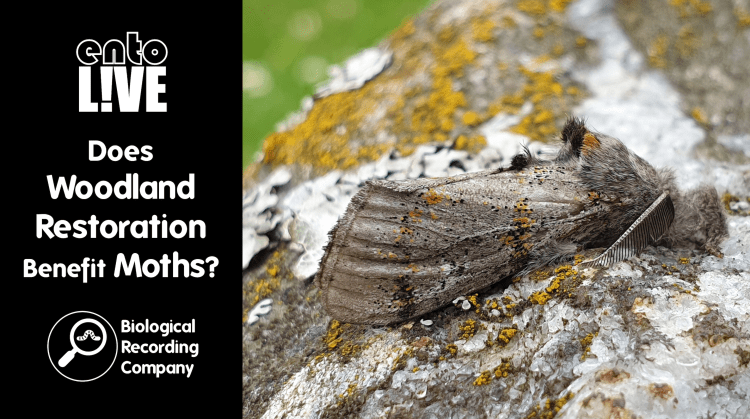
Does Woodland Restoration Benefit Moths?
Patrick Cook (Butterfly Conservation) shares results from a project looking at the impacts of woodland restoration on moths in Scotland.
entoLIVE Season 4 (2025)
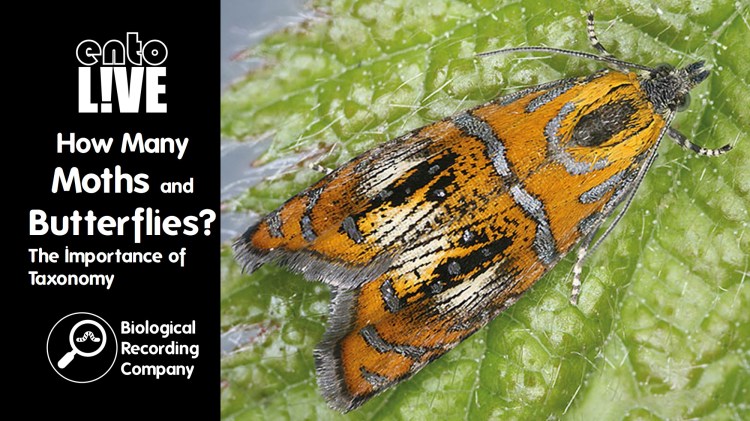
How Many Moths and Butterflies? The Importance of Taxonomy
Explore the stories behind the latest checklist of the Lepidoptera of the British Isles with Dr David Agassiz (British Entomological & Natural History Society).
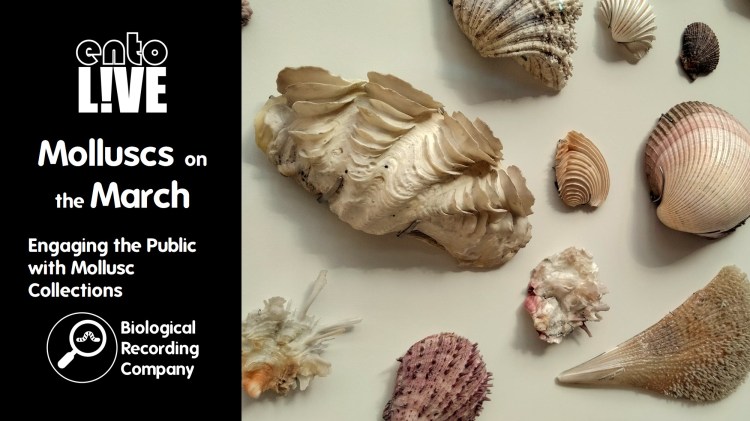
Molluscs on the March: Engaging the Public with Mollusc Collections
Mark Carnall (Oxford University Museum of Natural History) takes us on a journey into the magnificent world of molluscs with tales from the museum collections.
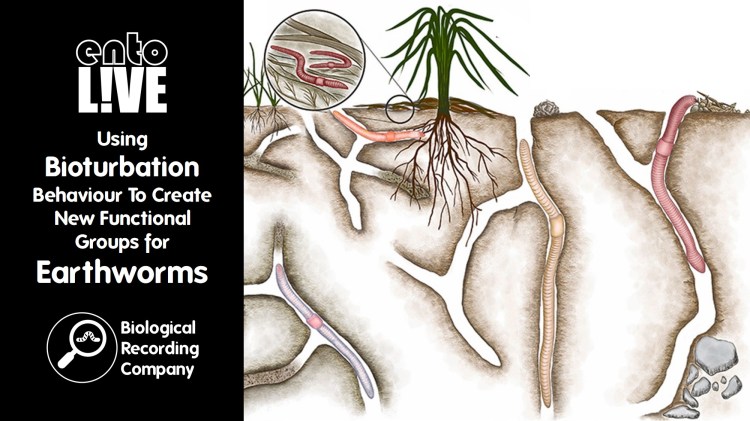
Using Bioturbation Behaviour To Create New Functional Groups for Earthworms
Delve into an experiment investigating the burrowing, feeding and casting behaviour of 50 species of earthworm with Yvan Capowiez (National Research Institute for Agriculture, Food and the Environment in France).
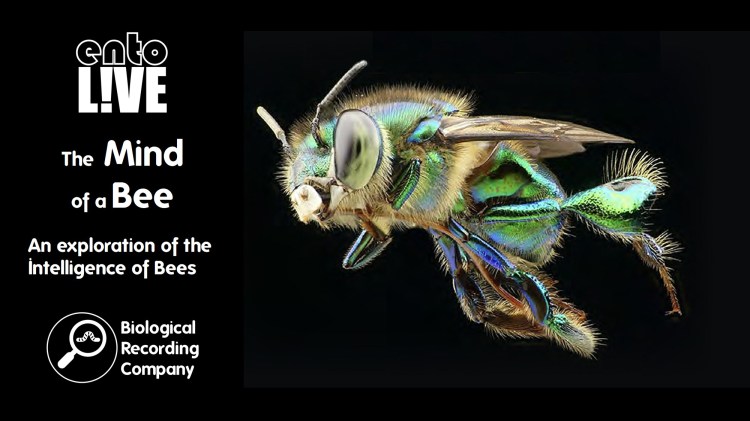
The Mind of a Bee: An Exploration of the Intelligence of Bees
Delve into the mind of a bee with Prof Lars Chittka (Queen Mary College of the University of London) and explore how bee brains are unparalleled in the animal kingdom.
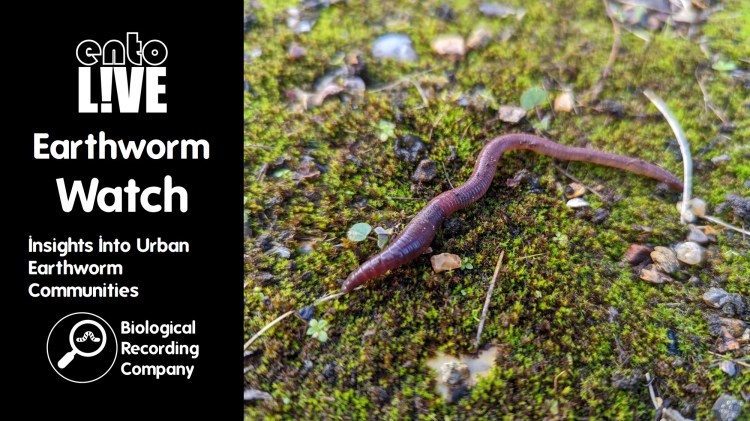
Earthworm Watch: Insights Into Urban Earthworm Communities
Dr Victoria J. Burton (Natural History Museum) discusses how her PhD used citizen science to gain insights into UK urban earthworm communities.
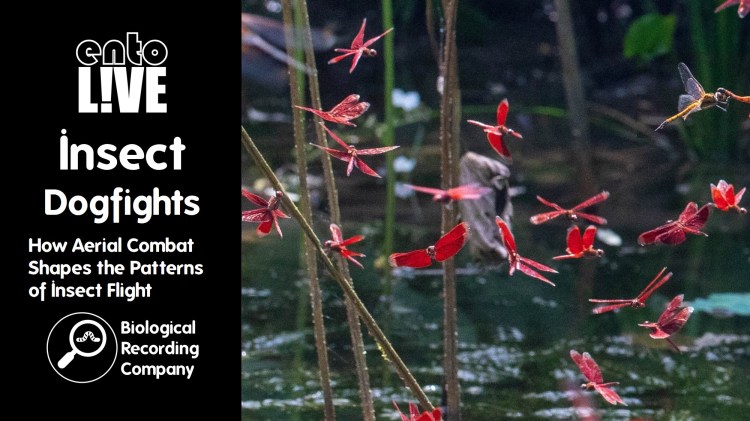
Insect Dogfights: How Aerial Combat Shapes the Patterns of Insect Flight
Dr Sam Fabian (Imperial College London) explores the fascinating world of insect flight.
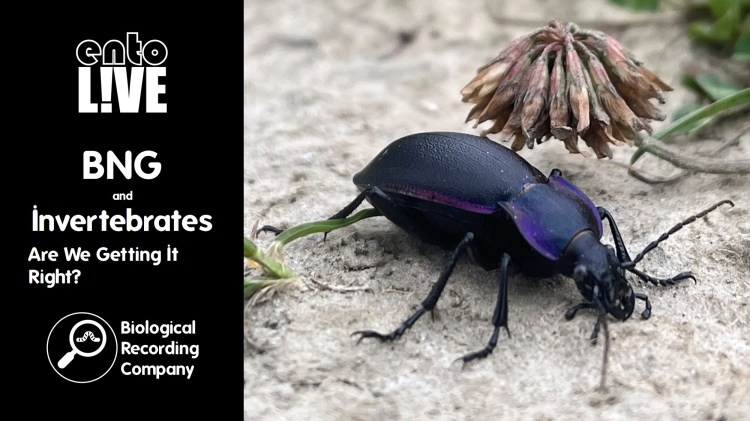
Biodiversity Net Gain and Invertebrates: Are We Getting It Right?
Natalie Duffus (University of Oxford) presents her research into the ecological outcomes from biodiversity offsetting.
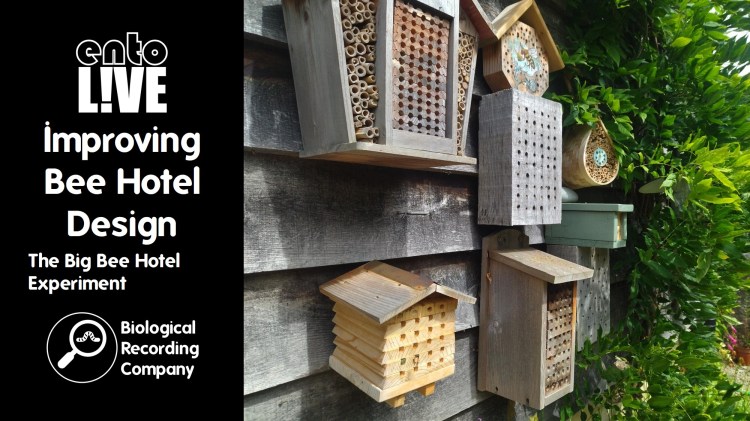
Improving Bee Hotel Design: The Big Bee Hotel Experiment
Prof Dave Gouslon (University of Sussex) explains how the Buzz Club are investigating the effectiveness of different bee hotels for UK bees.
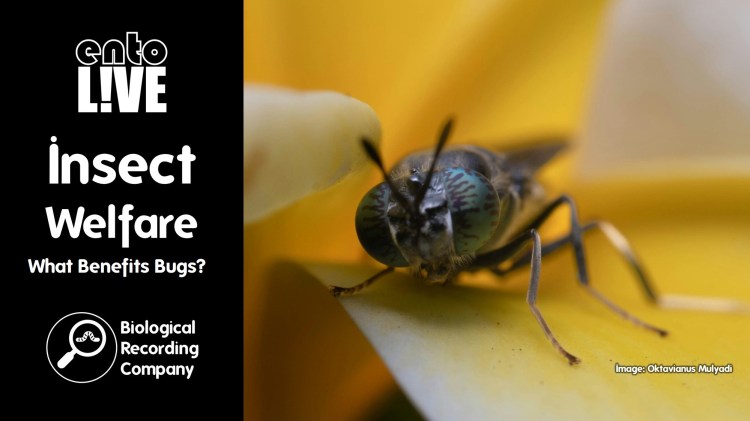
Insect Welfare: What Benefits Bugs?
Dr Meghan Barrett (Insect Welfare Research Society) explores insect sentience, pain and welfare considerations.
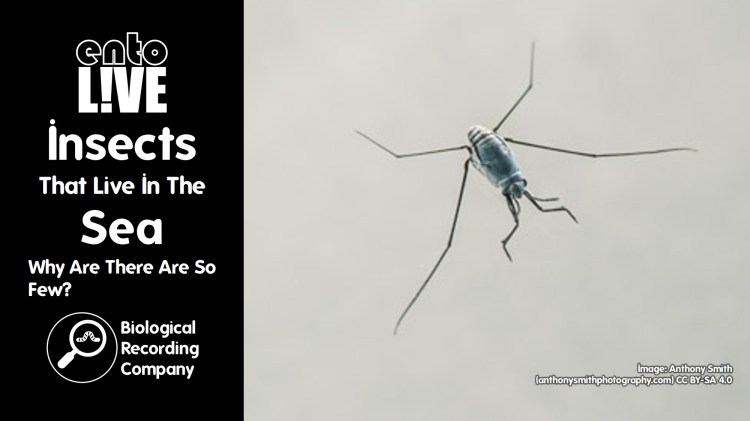
Insects That Live In The Sea: Why Are There Are So Few?
Prof Stuart Reynolds delves into the world of marine insects and why there are so few of them.
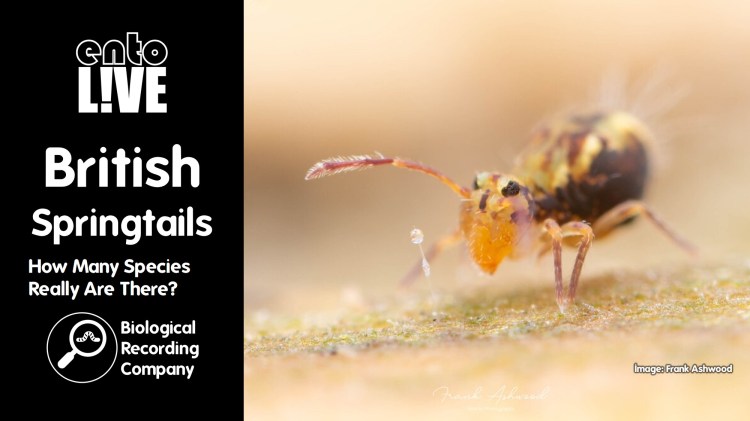
British Springtails: How Many Species Really Are There?
James McCulloch (National Springtail Recorder) discusses the constantly increasing species list for UK Collembola.

Networking Nutrients: Nutrients as a Driver of Invertebrate Interactions
Jordan Cuff (Newcastle University) presents research integrating nutrients into networks to investigate the drivers and structures of entomological interactions.
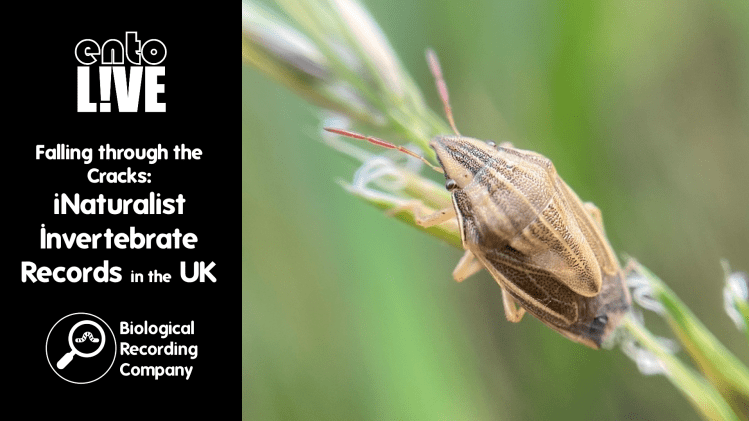
Falling through the Cracks: iNaturalist Invertebrate Records in the UK
Joss Carr discusses his MSc Research Project investigating the data quality of UK invertebrate records on iNaturalist.
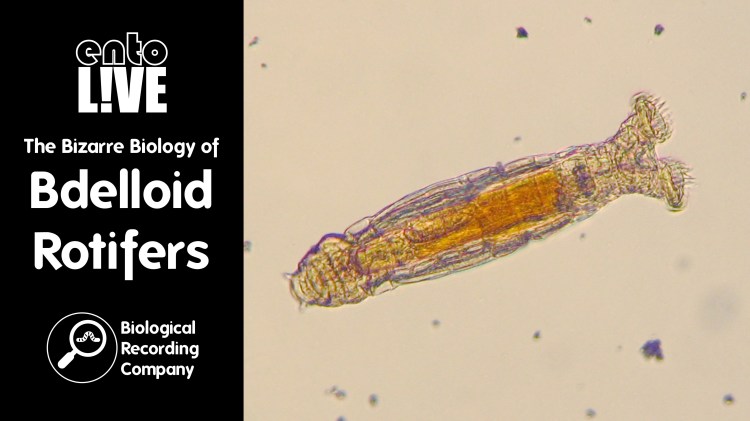
The Bizarre Biology of Bdelloid Rotifers
Dr Chris Wilson (University of Oxford) provides insights on reproduction, disease and antibiotics from these microscopic animals.
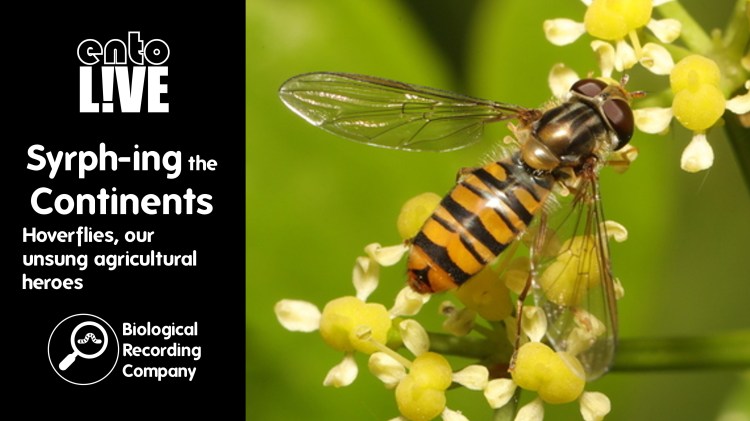
Syrph-ing the Continents: Hoverflies, Our Unsung Agricultural Heroes
Samm Reynolds (University of Guelph) explores the ecosystem services and long-distance migration of hoverflies.
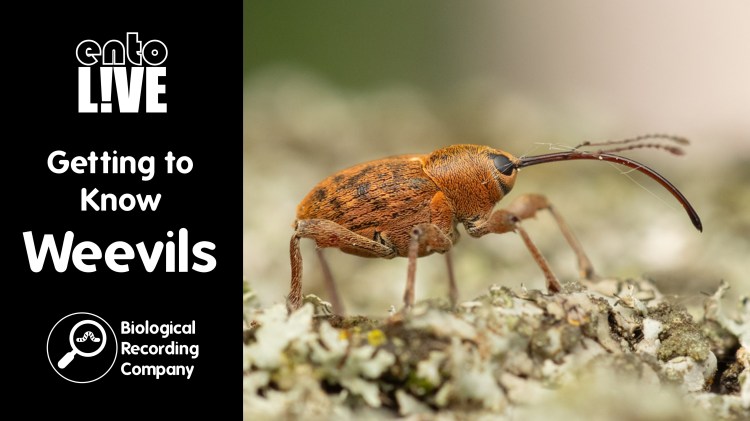
Getting to Know Weevils
Mark Gurney (UK Weevil Recording Scheme) provides an introduction to this adorable, fascinating and diverse group of beetles in the UK.
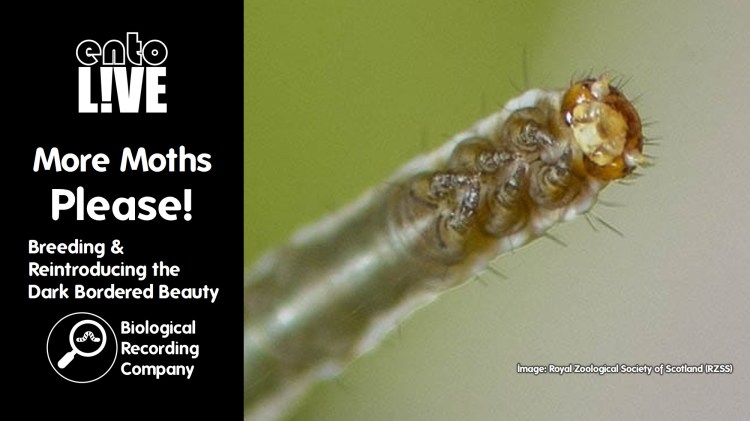
More Moths Please! Breeding and Reintroducing the Dark Bordered Beauty
Georgina Lindsay (RZSS) discusses the conservation breeding and reintroduction of the Endangered Dark Bordered Beauty moth in Scotland.
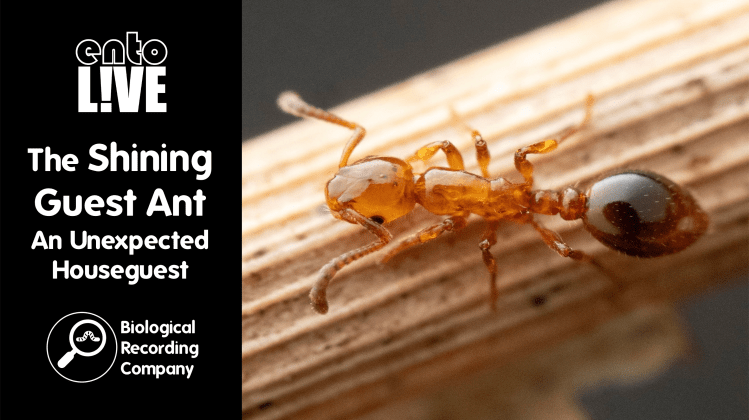
The Shining Guest Ant: An Unexpected Houseguest
Prof Elva Robinson (University of York) explores the fascinating lifestyle of one of the UK’s most interesting ant species.
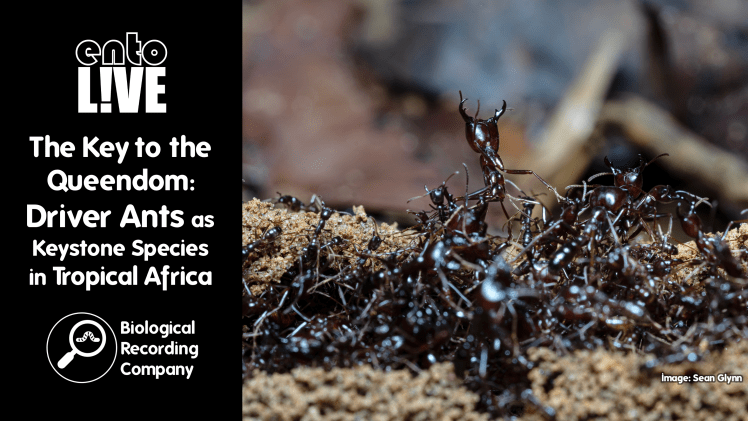
The Key to the Queendom: Driver Ants as Keystone Species in Tropical Africa
Dr Max Tercel (Université de Montpellier) shares his cutting-edge research into the ecology and lives of driver ants in tropical Africa.
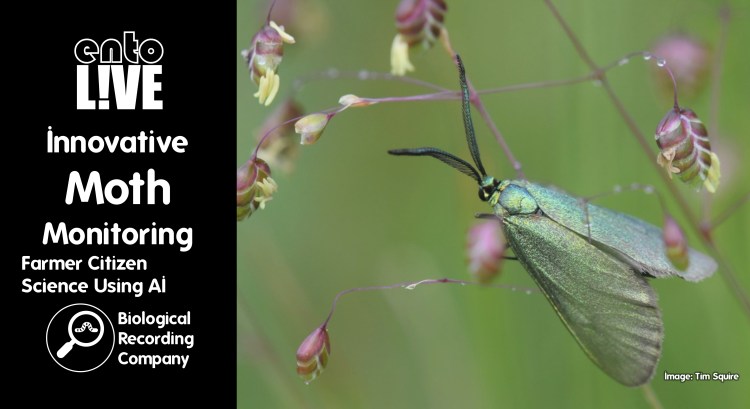
Innovative Moth Monitoring: Farmer Citizen Science Using AI
Dr Abigail Lowe (UK Centre for Ecology & Hydrology) presents how AI is being used to help farmers monitor moth diversity on farms.
entoLIVE Season 3 (2024)
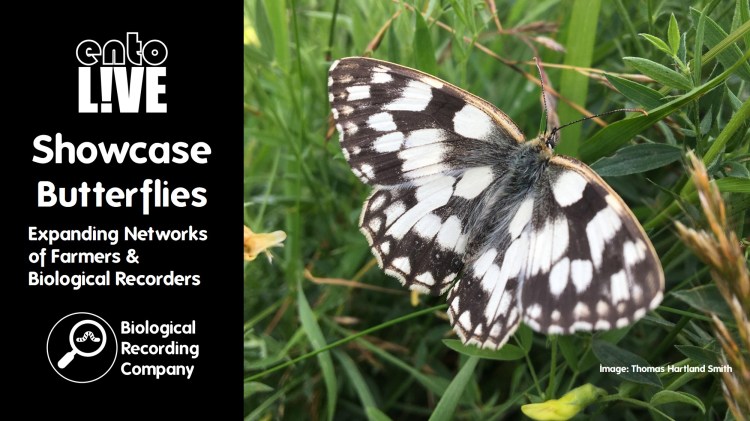
Showcase Butterflies: Expanding Networks of Farmers & Biological Recorders
Dr Stuart Edwards (University of Reading) discusses his work connecting farmers and biological recorders to monitor farmland butterflies.
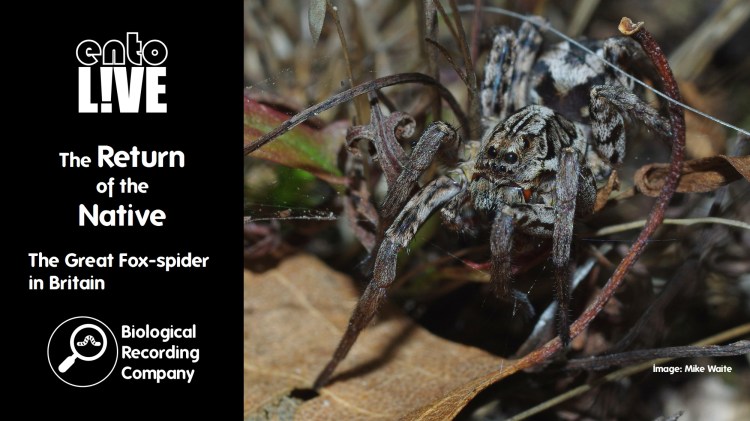
The Return of the Native: The Great Fox-spider in Britain
Mike Waite (Surrey Wildlife Trust) delves into the fascinating story of the Great Fox-spider – an invertebrate that was feared to be lost from the UK until recently.

Leeches: Life History and Identification
Craig Macadam (Buglife) delves into the fascinating world of leeches, with guidance on identifying British species.
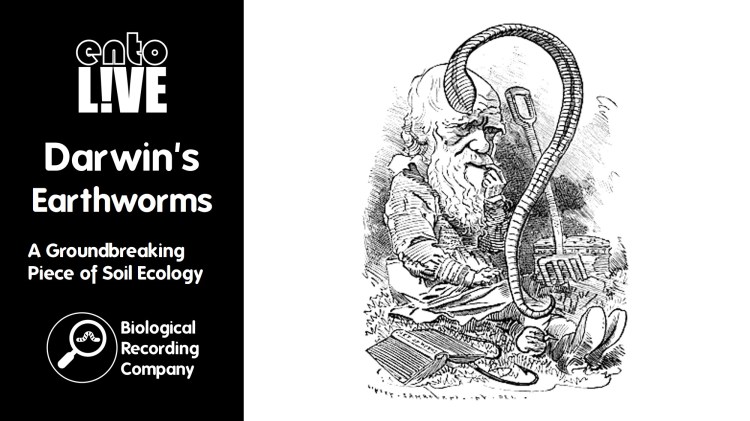
Darwin’s Earthworms: A Groundbreaking Piece of Soil Ecology
Kerry Calloway (Earthworm Society of Britain) takes us on a 44-year journey through Darwin’s research into earthworms, their intelligence and ecological importance.
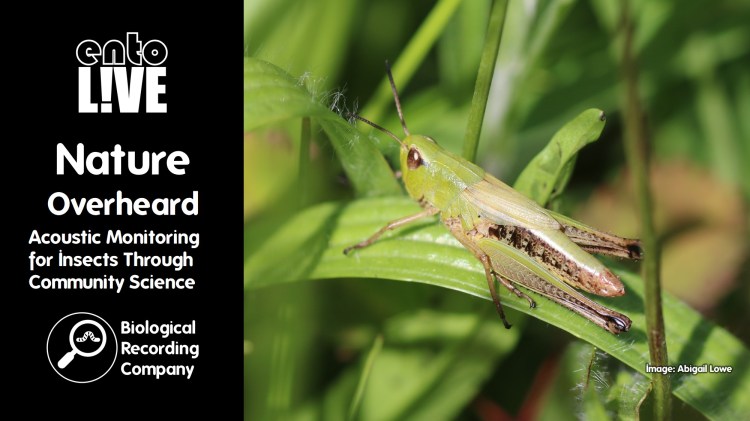
Nature Overheard: Acoustic Monitoring for Insects Through Community Science
Dr Abigail Lowe (Natural History Museum) explains how you can help investigate the impact of noise pollution on insects.

The Plight of the Bumblebee: A 12-Year Reintroduction Case Study
Dr Nikki Gammans (Bumblebee Conservation Trust) presents the story of the Short-haired Bumblebee, its extinction in Britain and a long-term reintroduction programme.
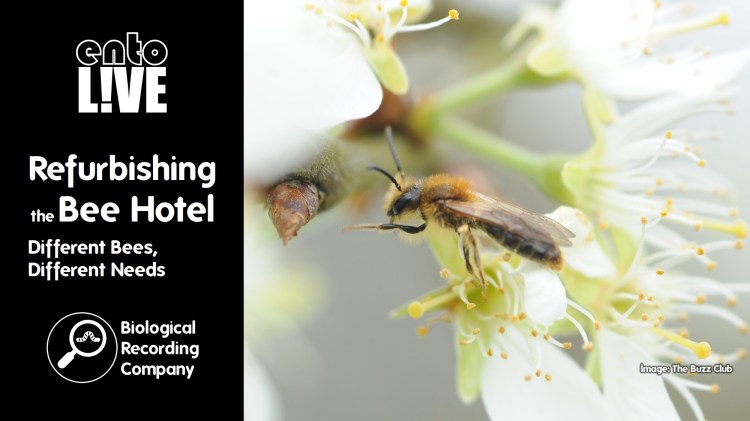
Refurbishing the Bee Hotel: Different Bees, Different Needs
Dr Linda Birkin & Isobel Sexton from the Buzz Club (University of Sussex) report their findings on what does and doesn’t work when it comes to providing your very own Air Bee ‘n’ Bee.
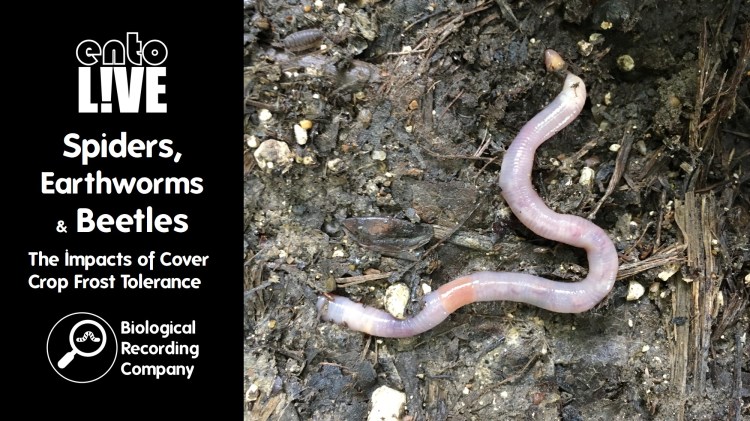
Spiders, Earthworms and Beetles: The Impacts of Cover Crop Frost Tolerance
Dr Amelia Hood (University of Reading) presents the results of a collaborative experiment looking at invertebrate-associated ecosystem benefits from cover crops.
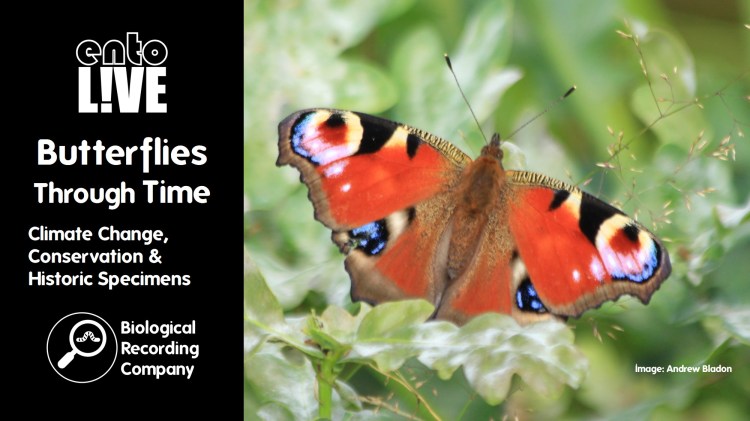
Butterflies Through Time: Climate Change, Conservation & Historic Specimens
Matthew Hayes (University of Cambridge) discusses how historical specimens and modern-day research allow wildlife of the past to inform conservation of the future.
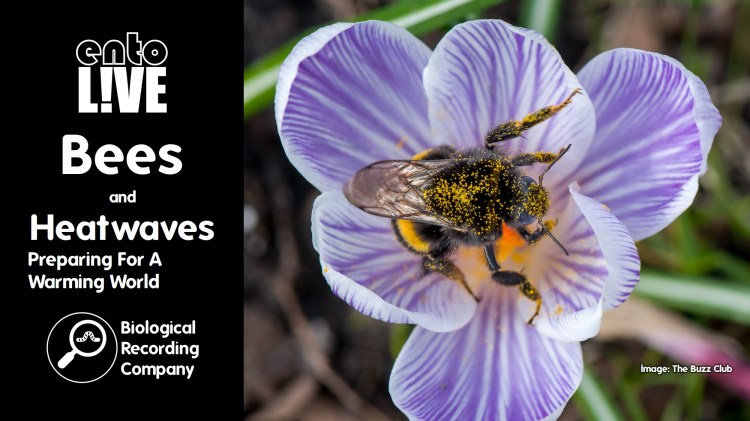
Bees and Heatwaves: Preparing For A Warming World
Yanet Sepúlveda and Isobel Sexton from the Buzz Club (University of Sussex) discuss the Bees and Heatwaves project that is investigating the impacts of extreme weather on bee populations.
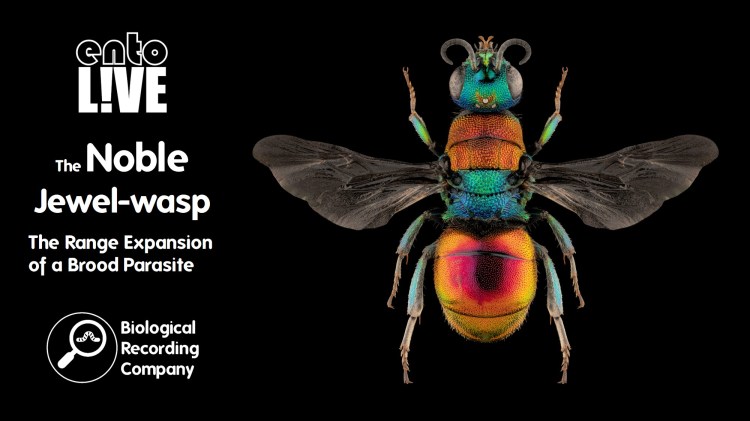
The Noble Jewel-wasp: The Range Expansion of a Brood Parasite
Aaron Bhambra (University of Birmingham) looks at the potential reasons behind the range expansion of the Noble Jewel-wasp.
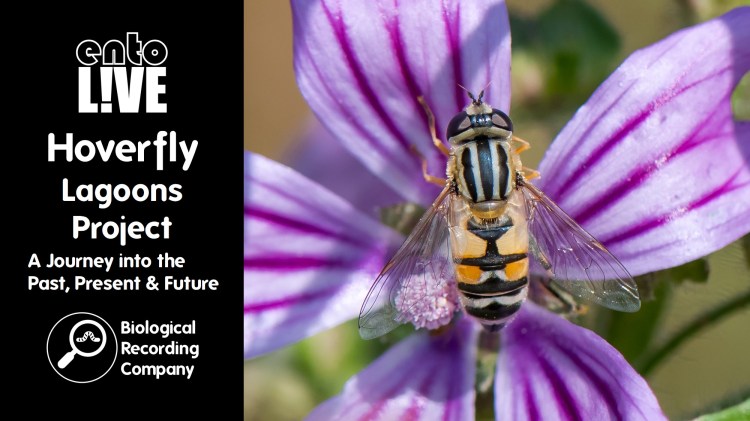
Hoverfly Lagoons Project: A Journey into the Past, Present and Future
Dr Ellen Rotheray (University of Sussex) explores the highly successful Hoverfly Lagoons project about introducing aquatic habitats into small spaces.

Bees and Beyond: Ecosystem Services at a Garden Scale
Dr Linda Birkin (University of Sussex) explores the importance of gardens for the wider environment in which they are nestled.
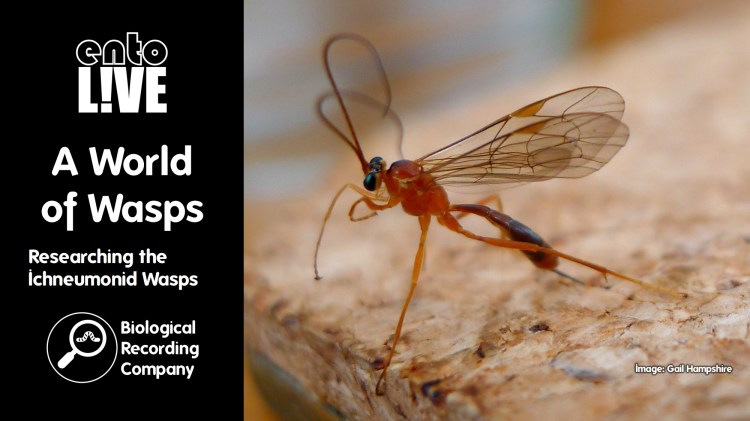
A World of Wasps: Researching the Ichneumonid Wasps
Dr Gavin Broad (Natural History Museum) delves into the taxonomy of the Ichneumonid Wasps.
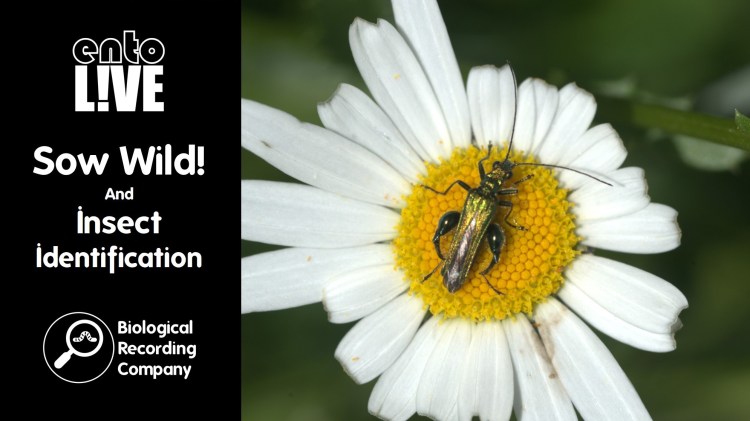
Sow Wild! and Insect Identification
Dr Janine Griffiths-Lee and Isobel Sexton (The Buzz Club) explore citizen science projects investigating the success of ‘mini meadows’ and the ability of citizen scientists to sample and identify insects.
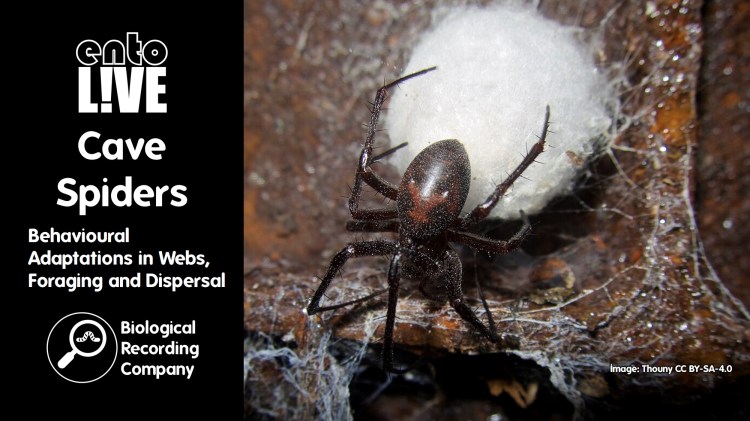
Cave Spiders: Behavioural Adaptations in Webs, Foraging and Dispersal
Dr Thomas Hesselberg (University of Oxford) explores behavioural adaptations in cave spiders.
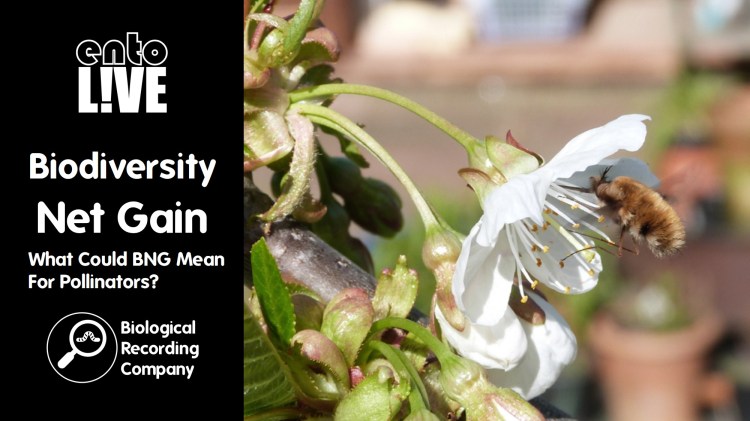
Biodiversity Net Gain: What Could BNG Mean For Pollinators?
Professor Jeff Ollerton explores what Biodiversity Net Gain could mean for pollinating insect conservation in England.
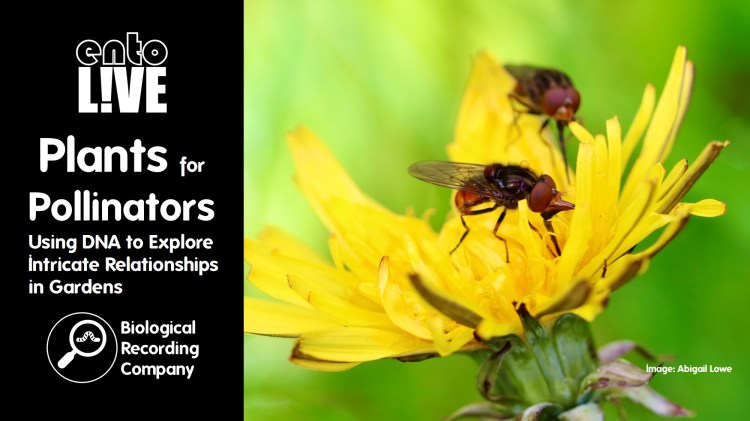
Plants for Pollinators: Using DNA to Explore Relationships in Gardens
Dr Abigail Lowe (Bangor University) presents her research using DNA to explore the intricate relationships between organisms in gardens.
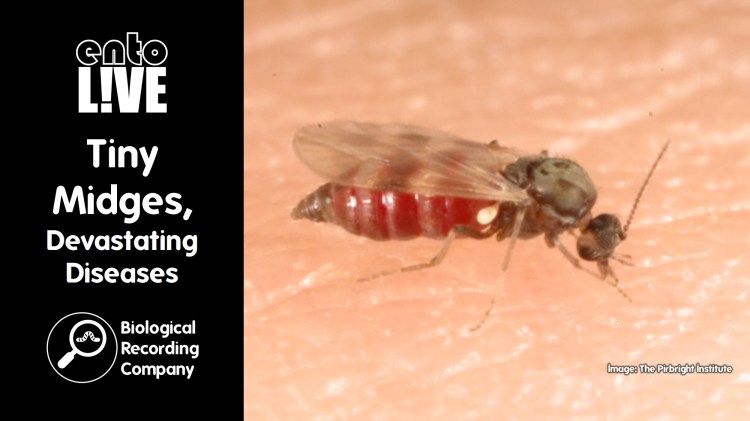
Tiny Midges, Devastating Diseases
Dr Marion England (The Pirbright Institute) presents research into the impact of diseases spread by biting midges on livestock.
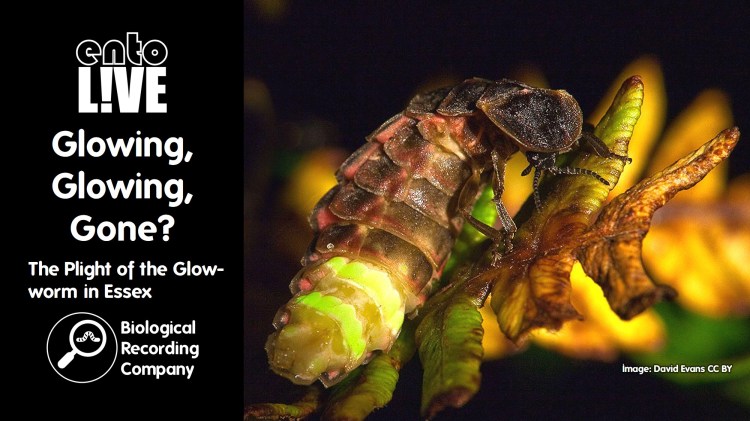
Glowing, Glowing, Gone? The Plight of the Glow-worm in Essex
Dr Tim Gardiner discusses his research into the decline of one of Britain’s most iconic beetles.
entoLIVE Season 2 (2023)
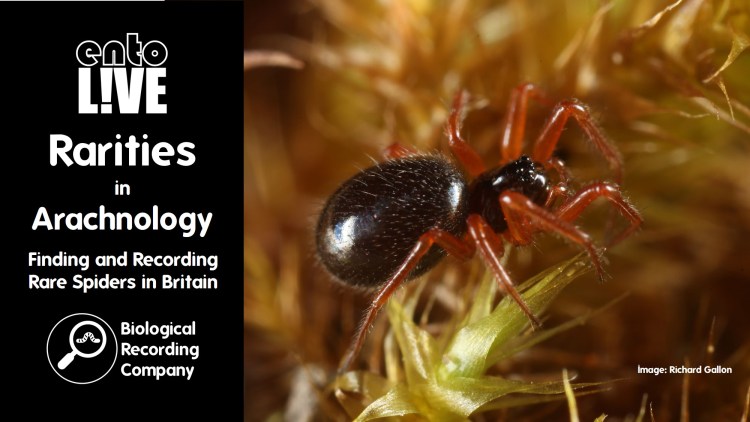
Rarities in Arachnology: Finding and Recording Rare Spiders in Britain
Richard Gallon (British Arachnology Society) discusses the Spider Recording Scheme, with an emphasis on how to find and record rare spiders in Britain in this blog.
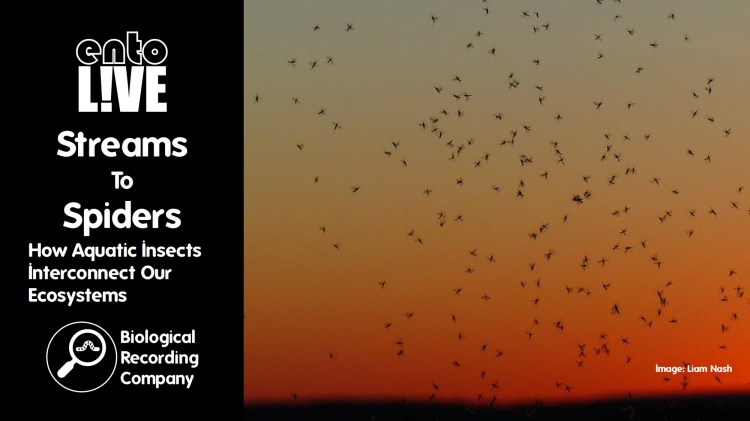
Streams To Spiders: How Aquatic Insects Interconnect Our Ecosystems
Liam Nash (Queen Mary, University of London) explores how insects connect terrestrial and freshwater habitats.

Mass Marine Die-offs: Searching for the Cause of These Events in North East England
Something is causing swathes of our marine life to die in the Northeast of England. Dr Gary Caldwell (Newcastle University) discusses the ongoing investigation.
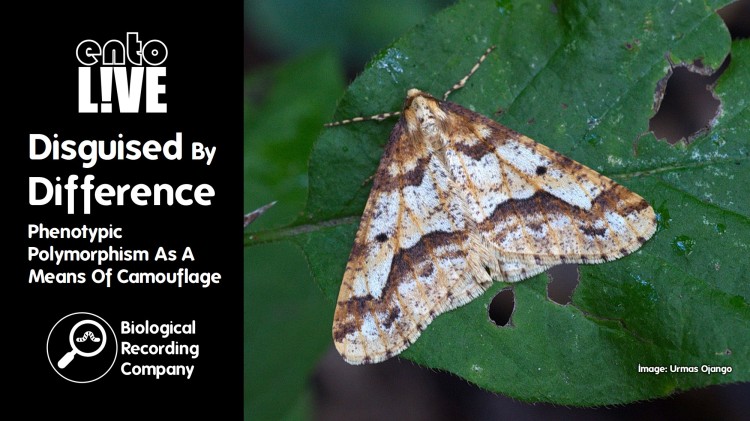
Disguised By Difference: Phenotypic Polymorphism As A Means Of Camouflage
Dr Jamie Weir (University of Edinburgh) takes us on a journey into the fascinating world of using patterns to confuse predators, with a focus on case studies involving moths.

Camouflage in the Rockpools: How to Hide in a Variable World
Dr Sam Green (University of Exeter) delves into the rockpools where chameleon prawns have mastered the art of staying hidden in a constantly changing habitat.
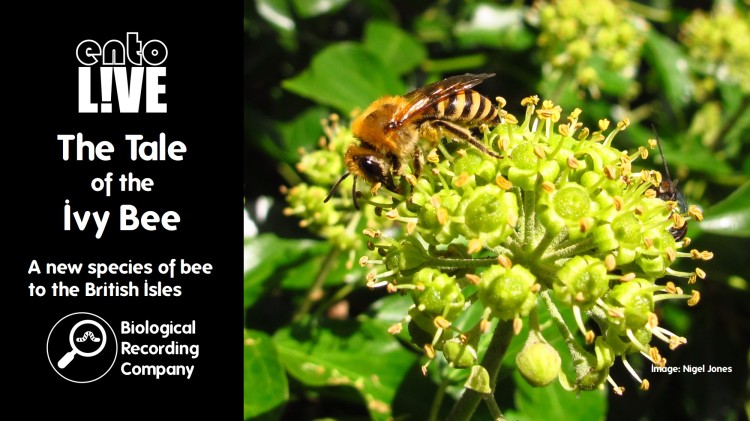
The Tale of the Ivy Bee: A New British Species
Aaron Bhambra (University of Birmingham) tells the story of a new species of bee to colonise Britain and the research being undertaken to monitor it.
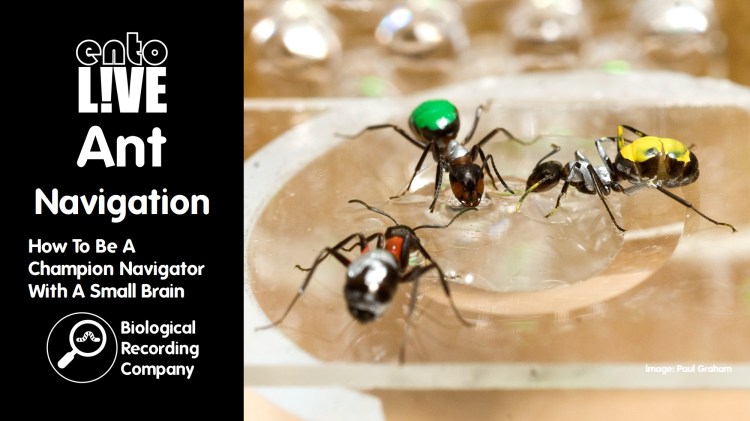
Ant Navigation: How To Be A Champion Navigator With A Small Brain
Prof Paul Graham (University of Sussex) explores how the neural and sensory mechanisms of ants facilitate their remarkable foraging skills.
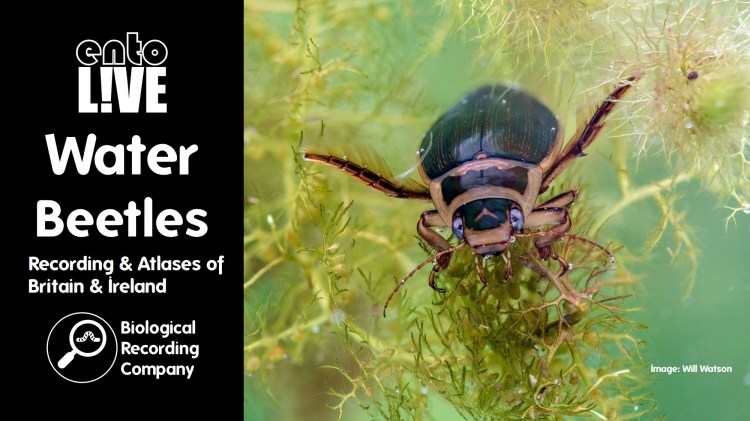
Water Beetles: Recording & Atlases of Britain and Ireland
Prof Garth Foster (Balfour-Browne Club) explains the history (and future) of recording water beetles in Britain and Ireland.

Riverflies: The Canary of Our Rivers
Trine Bregstein (Freshwater Biological Association) provides an overview of the Riverfly Monitoring Initiative methodology, sharing the progress of the project, looks at some case studies and what’s in store for the future.
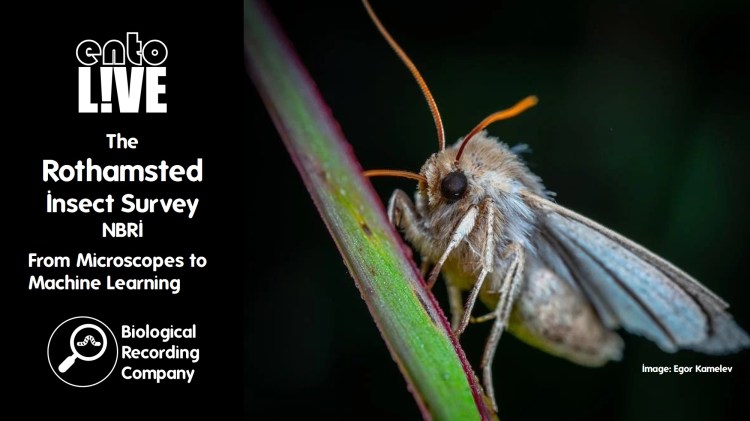
The Rothamsted Insect Survey NBRI: From Microscopes to Machine Learning
Dr James Bell (Rothamsted Research) explores the Rothamsted Insect Survey and how their 50+ year aphid and moth datasets inform scientists, policy makers and conservationists.
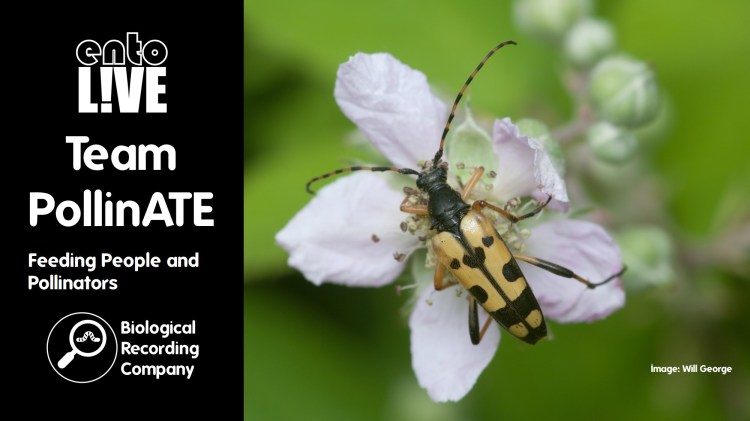
Team PollinATE: Feeding People and Pollinators
Dr Beth Nicholls (University of Sussex) discusses a citizen science project that worked with allotment holders and investigated pollination and urban food production.
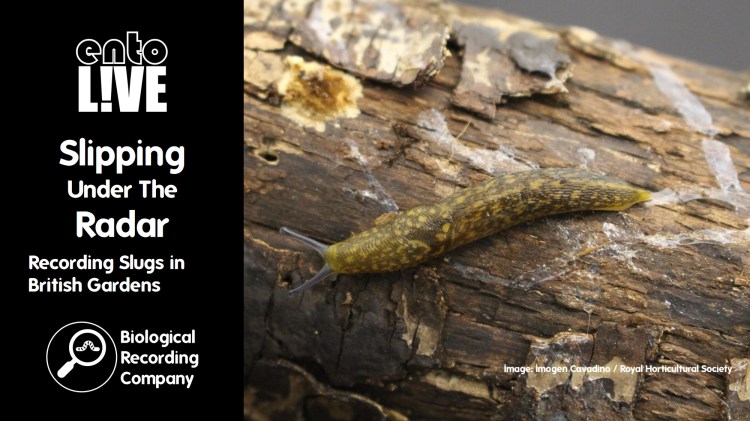
Slipping Under the Radar: Recording Slugs in British Gardens
Dr Imogen Cavadino (Newcastle University and Royal Horticultural Society) showcases how citizen scientists have helped further our knowledge of slugs in British gardens.
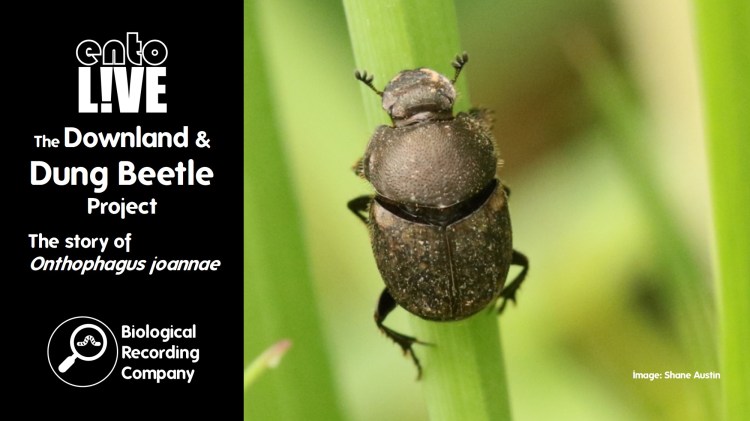
The Downland and Dung Beetle Project: The Story of Onthophagus joannae
Sally-Ann Spence discusses the accidental restoration of a large area of downland due to a personal obsession to conserve one particular species of dung beetle.
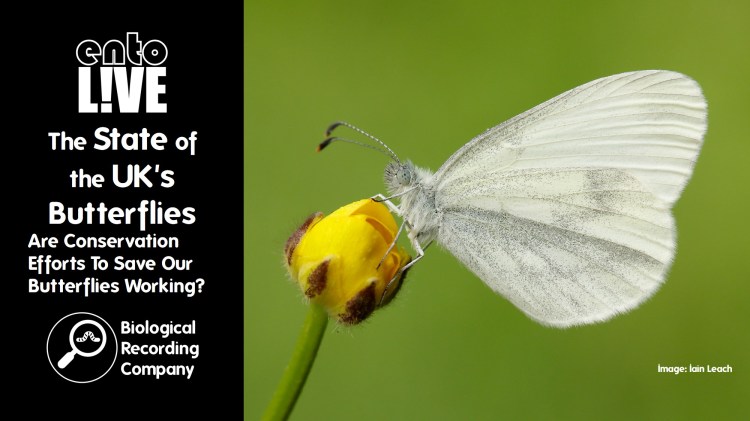
The State of the UK’s Butterflies: Are Conservation Efforts To Save Our Butterflies Working?
Dr Richard Fox (Butterfly conservation) presents the latest information coming from decades of monitoring the UK’s butterfly populations.

American Signal Crayfish: A Losing Battle?
Dr Nicky Green discusses her work trialling new and innovative techniques to control the invasive American Signal Crayfish.

SmartRivers: Using Freshwater Invertebrates to Monitor the Health of Our Rivers
Dr Sam Green (WildFish) explains how SmartRivers is empowering communities and organisations to use freshwater invertebrate populations to monitor river health.
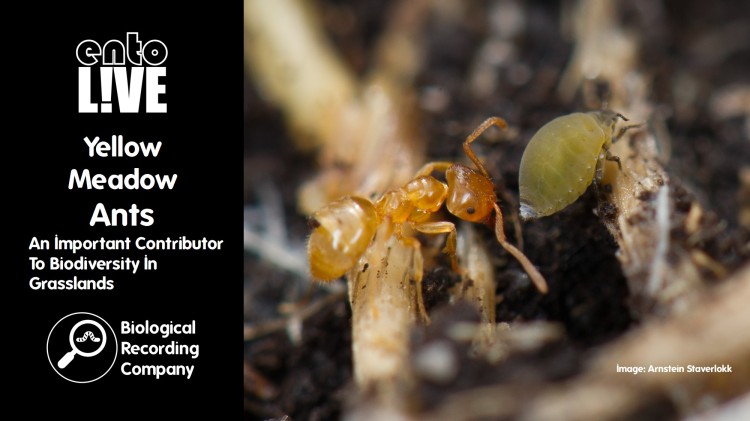
Yellow Meadow Ants: An Important Contributor To Biodiversity In Grasslands
Explore the subterranean world of the Yellow Meadow Ants with Dr Tim King (Oxford University) and learn how their mounds support diverse ecological communities.
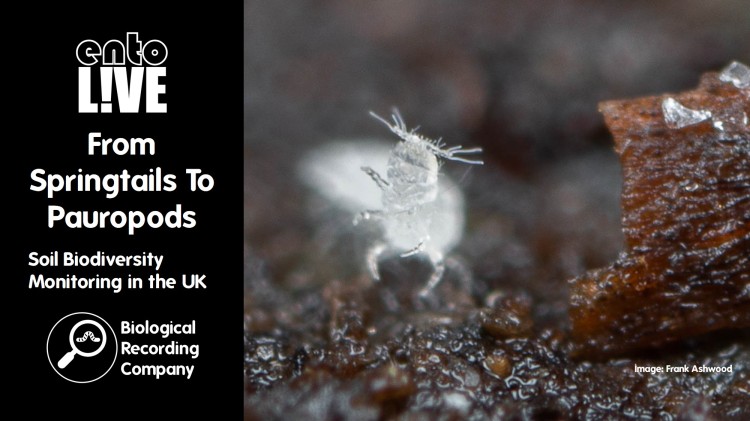
From Springtails to Pauropods: Soil Biodiversity Monitoring in the UK
Delve into the underground world of soil biodiversity with Dr Frank Ashwood (Forest Research) and learn how scientists are monitoring the microarthropods that most people don’t even know.

Waking The Dead: Inside the Insect Collection at National Museums Scotland
Dr Nicky Green discusses her work trialling new and innovative techniques to control the invasive American Signal Crayfish.
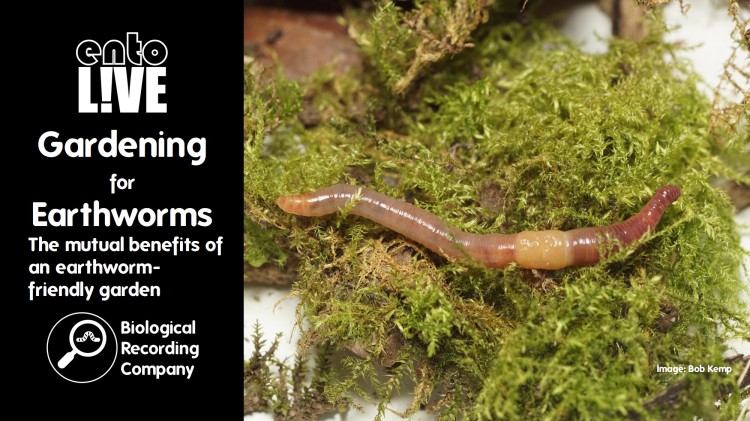
Gardening For Earthworms: The Mutual Benefits of an Earthworm-friendly Garden
Learn about the different ecological groups of earthworms with Keiron Derek Brown (Earthworm Society) and how to use this knowledge to improve your garden for earthworms.
entoLIVE Season 1 (2023)
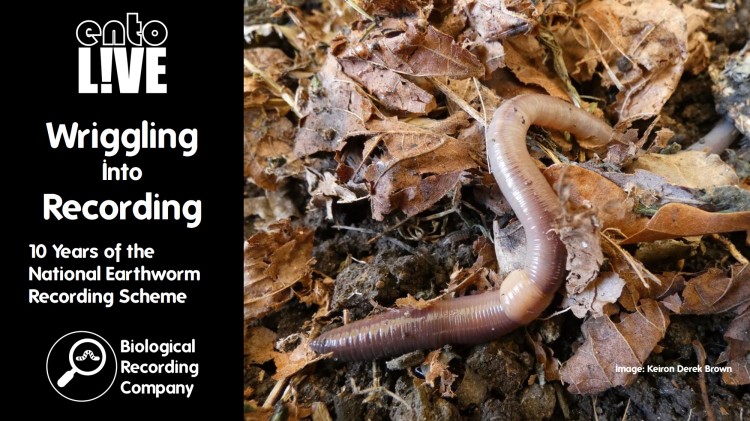
Wriggling Into Recording: 10 Years of the National Earthworm Recording Scheme
Keiron Derek Brown (Earthworm Society) discusses how the data generated by biological recorders and earthworm researchers is improving our understanding of British and Irish earthworms.
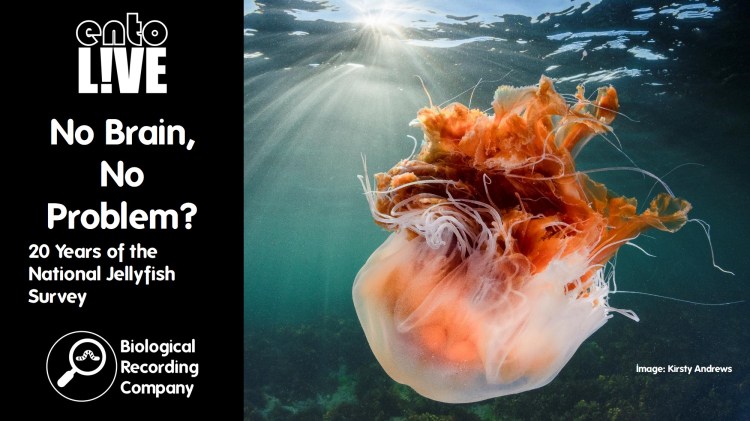
No Brain, No Problem? 20 Years of the National Jellyfish Survey
Amy Pilsbury (Marine Conservation Society) discusses the National Jellyfish Survey and what the data can tell us about these weird and wonderful marine invertebrates.

Ain’t No Mountain High Enough: Impacts of Climate Change on Aquatic Insects
Climate change is an issue that we are all too familiar with, but what is the impact on our aquatic invertebrates? Craig Macadam (Buglife) presents recent research on riverflies.
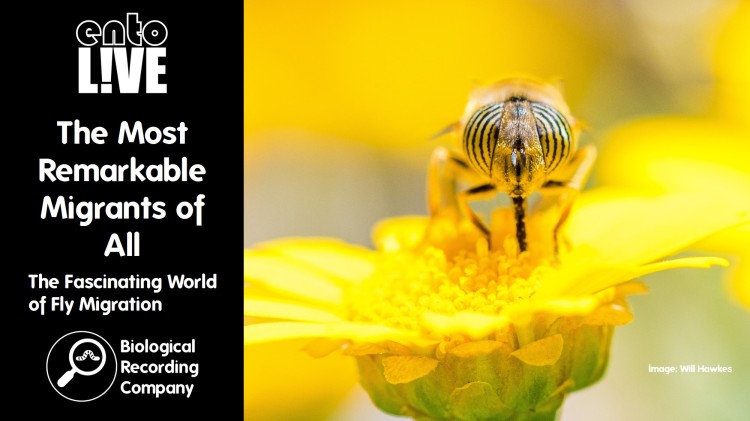
The Most Remarkable Migrants of All: The Fascinating World of Fly Migration
Dr Wil Leo Hawkes(University of Exeter) presents work from his PhD on insect migrations and the pollinator services they provide.

Flying Squids: Their Life Story and Relationships With Each Other
Fernando Ángel Fernández-Álvarez delves into the mysterious world of flying squids and explores about their life histories.

Hop of Hope: Restoring the Large Marsh Grasshopper Through Citizen Keepers
Stuart Green (Citizen Zoo) presents an innovative invertebrate reintroduction project trialling the use of ‘citizen keepers’ to rear Large Marsh Grasshoppers.
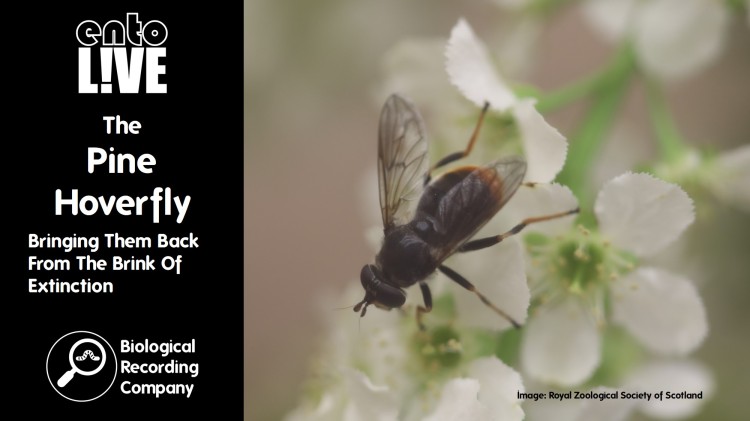
The Pine Hoverfly: Bringing Them Back From The Brink Of Extinction
Dr Helen Taylor (Royal Zoological Society of Scotland) discusses the captive breeding and Cairngorms release programme for the Pine Hoverfly.
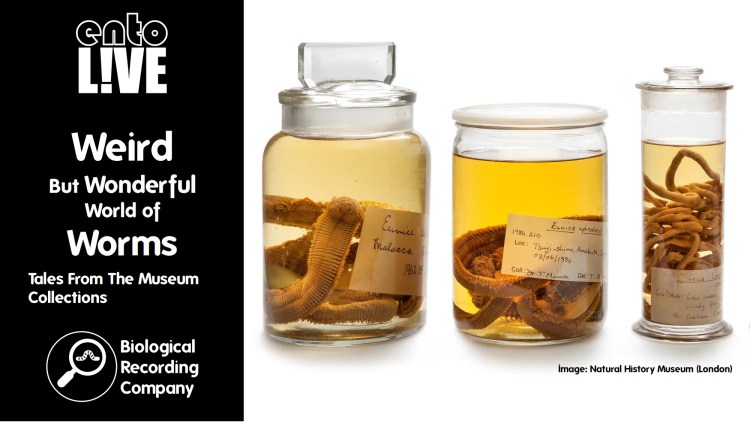
Weird But Wonderful World of Worms: Tales From The Museum Collections
Emma Sherlock (Natural History Museum) provides a tour of some of the weirder worms from the museum’s collections.

Celebrating Ladybirds: Developing Our Knowledge Through Citizen Science
Prof Helen Roy (UK Centre for Ecology & Hydrology) explains how our understanding of the ecology of these beautiful beetles is partly due to an army of citizen scientists.

Crawfish: Trending in South-west Britain
Delve into the mysterious reappearance of the Crawfish is the southwest of England with Dr Angus Jackson (Seasearch).
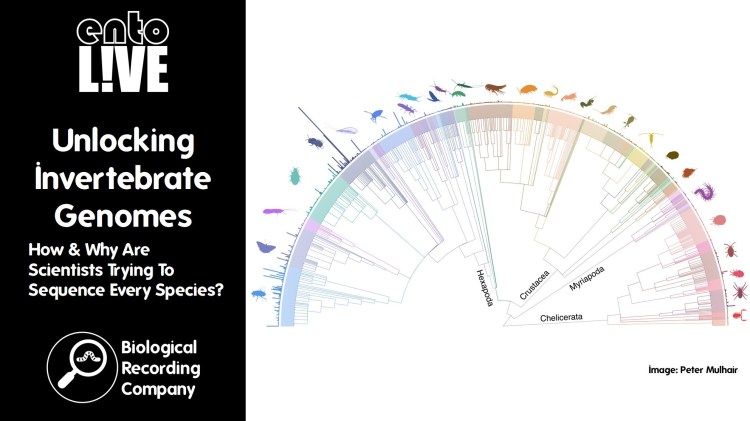
Unlocking Invertebrate Genomes: Trying to Sequence Every Species
Dr Liam Crowley (University of Oxford) explains how an aspirational project is trying to sequence every species in Britain and Ireland.
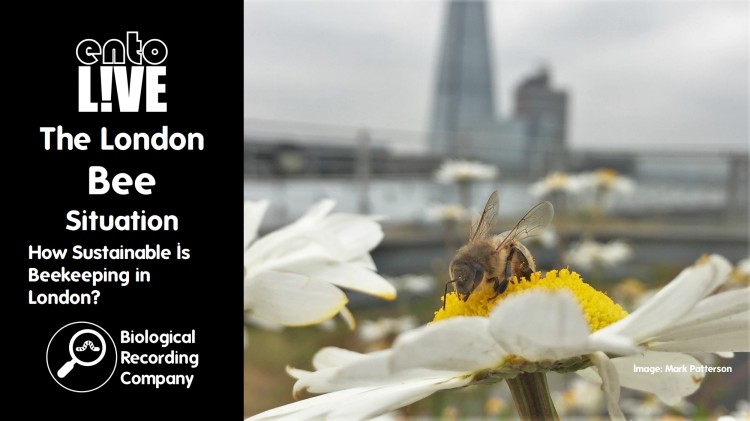
The London Bee Situation: How Sustainable Is Beekeeping in London?
Mark Patterson (Apicultural) discusses how the honeybee may be impacting local wild bee populations in the densely urban environment that is London.
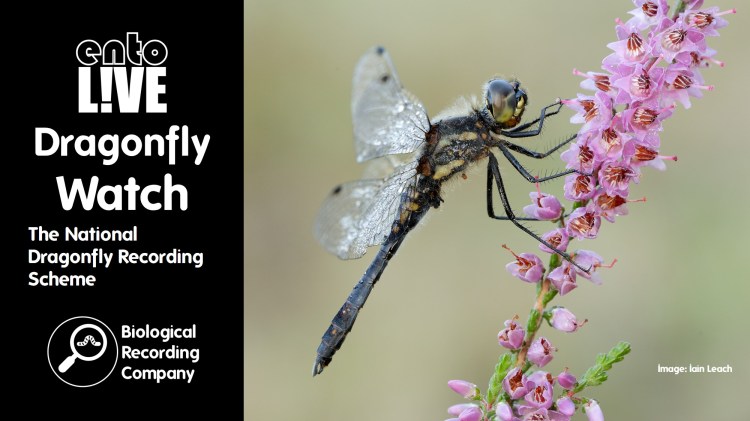
DragonflyWatch: The National Dragonfly Recording Scheme
Eleanor Colver (British Dragonfly Society) discusses the data from the National Dragonfly Recording Scheme and how you can contribute to the dataset.
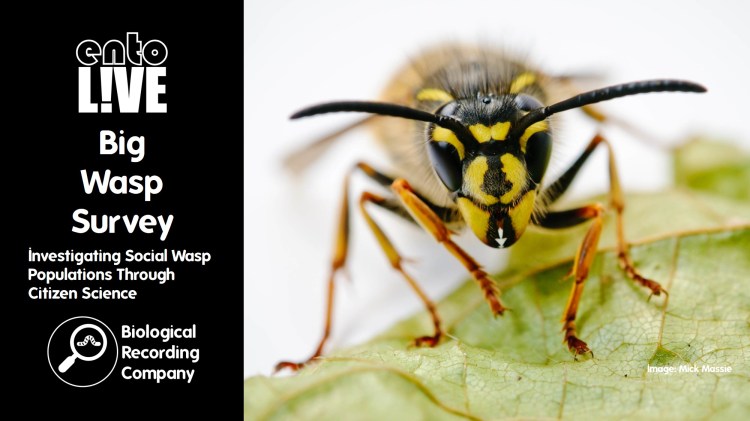
Big Wasp Survey: Investigating Social Wasp Populations Through Citizen Science
Prof Seirian Sumner (University College London) how social wasp populations are being investigated through citizen science.
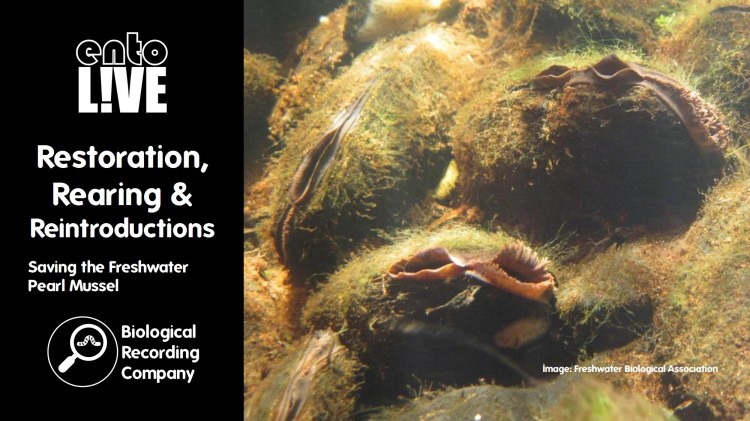
Restoration, Rearing and Reintroductions: Saving the Freshwater Pearl Mussel
Louise Lavictoire (Freshwater Biological Association) discusses the captive breeding programme for one of the most endangered freshwater invertebrates in Europe.

The Marine Mollusc Recording Scheme: Discoveries from the Conchological Society of Great Britain and Ireland
Simon Taylor (Conchological Society of Britain and Ireland) explores some of the mollusc marvels that are found in marine environments around Britain and Ireland.
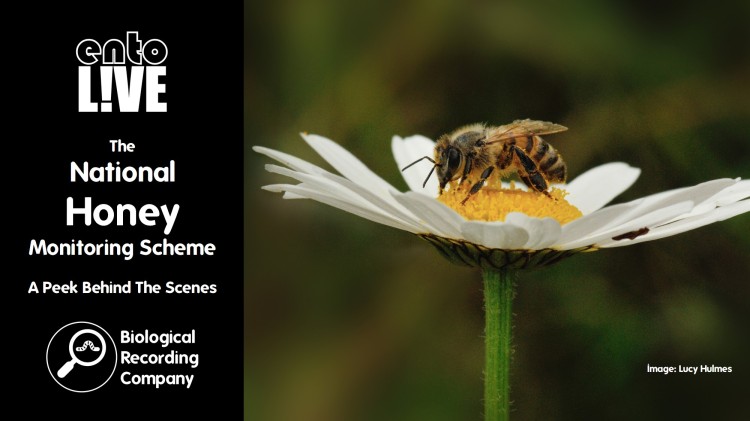
The National Honey Monitoring Scheme: A Peak Behind The Scenes
Jenny Shelton (UK Centre for Ecology and Hydrology) takes us on a behind-the-scenes tour of the National Honey Monitoring Scheme.
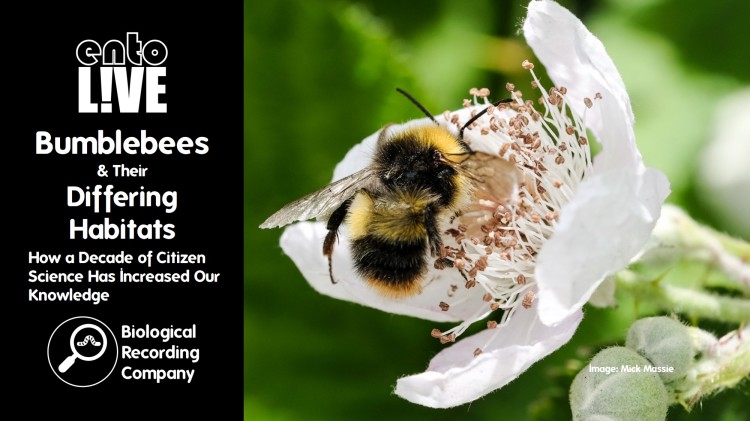
Bumblebees & Their Differing Habitats: How a Decade of Citizen Science Has Increased Our Knowledge
Dr Penelope Whitehorn (Highlands Rewilding) walks us through how 10 years of biological recording is telling us about the ecological preferences of our bumblebees.
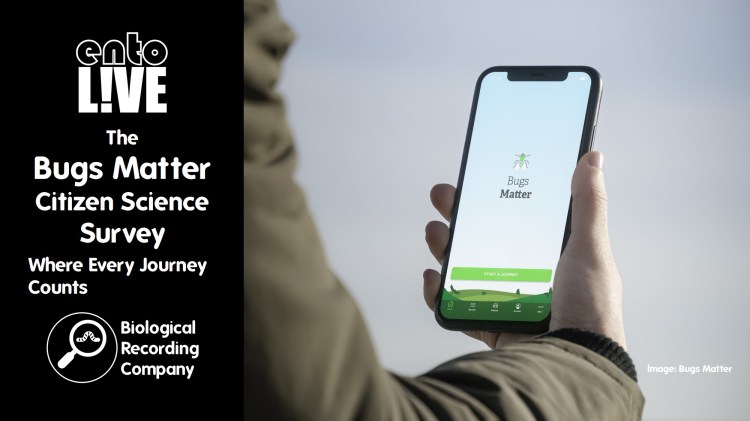
The Bugs Matter Citizen Science Survey: Where Every Journey Counts
Dr Lawrence Ball (Kent Wildlife Trust) reports on the Bugs Matter citizen science project that monitors insect splatter on road vehicles and explains what’s new for the survey in 2023.

Invertebrate Sentience: Do Invertebrates Experiences Deserve Respect & Welfare Protection?
Prof Jonathan Birch (London School of Economics) explores the research and reports informing UK policy and legislation on invertebrate sentience and welfare.
 Biological Recording
hi I would be very interested to watch Mark Patterson on Bees in London. is there a recording I could hire/listen to please
LikeLike
It’s on my YouTube channel alongside all other entoLIVE webinar recordings: https://youtu.be/Nw1kABZefFw
LikeLike