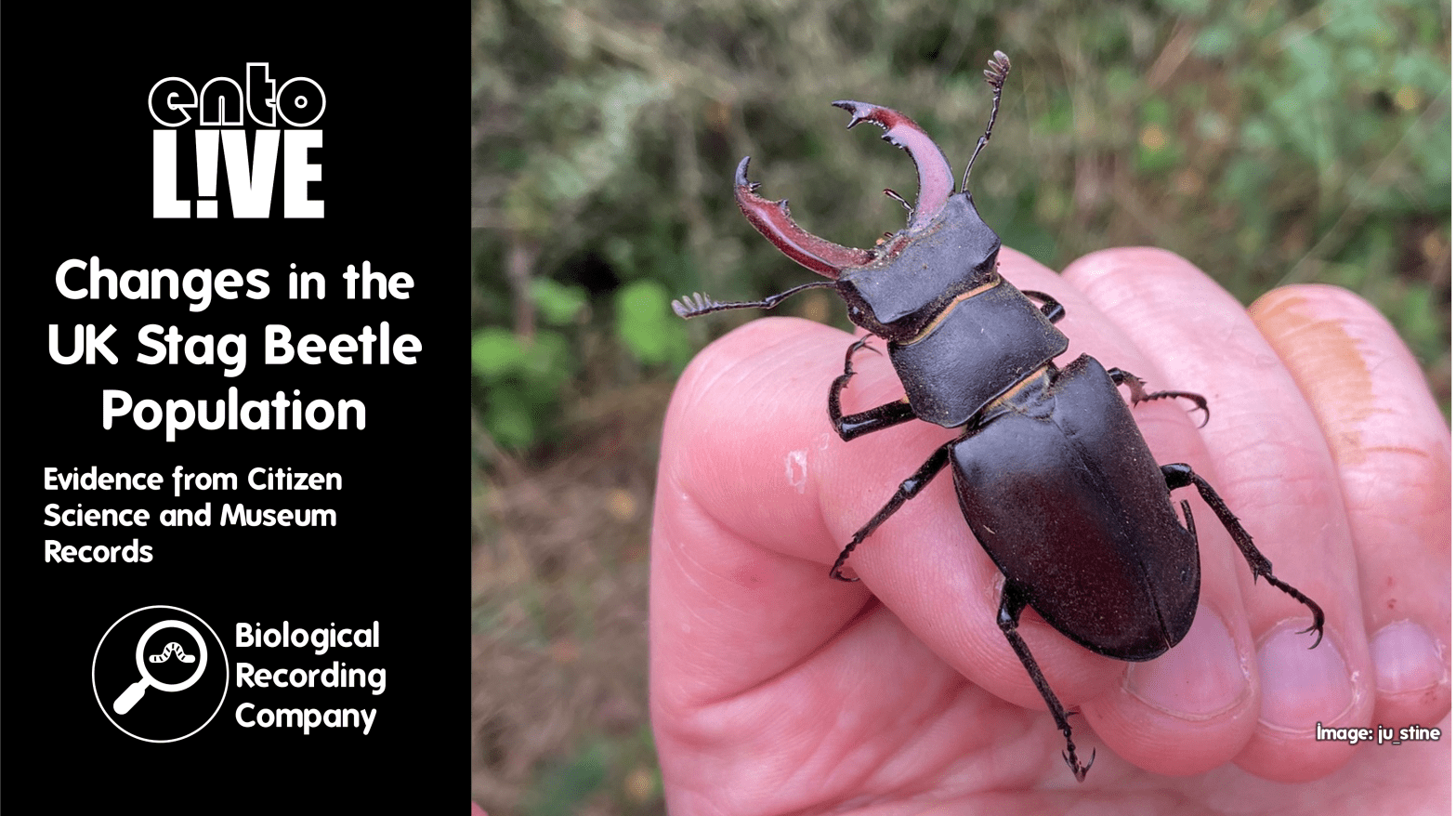
The Stag Beetle – Lucanus cervus – is the UK’s largest beetle. Males can be up to 75 mm long, including their impressive antler-like mandibles which they use to battle each other for access to females during breeding season. It is a truly beautiful species, inspiring amazement in all who are lucky enough to see one. Sadly, evidence from Europe suggests that stag beetle populations are declining across much of their range. But how are they faring in the UK? The south of England was historically recognised as a hotspot for the species. Is it still? A team of researchers from the People’s Trust for Endangered Species (PTES), the Natural History Museum (NHM) and the University of Cambridge set out to find an answer. Distribution records of stag beetles from 1998 to 2022 were analysed and compared with historic museum records going back over a century. The core range was found to have changed little overall, but has declined in the south west of England. Counts of adult beetles recorded together, although not systematic, indicate a worrying decline in abundance across the range. Phenology was also investigated. This webinar will share the findings from this research project, and discuss what can be done to ensure the long-term survival of this charismatic species.
Category Archives: entoLIVE Blog
Antarctic Invertebrates: Diversity and Threats
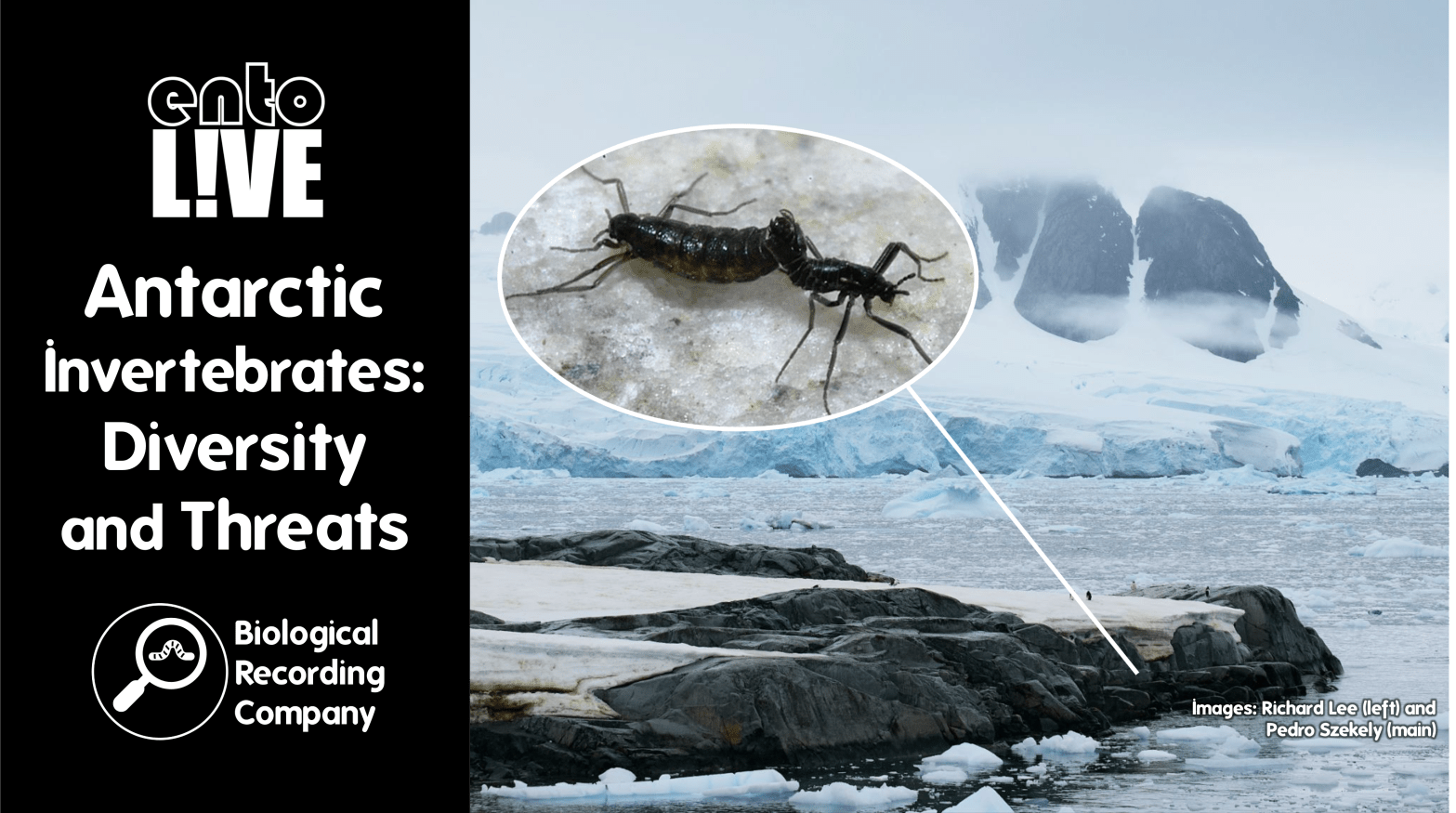
Antarctica’s terrestrial biodiversity is restricted to tiny islands of ice-free habitat surrounded by vast expanses of inhospitable ice or ocean. Today it is dominated by microarthropods and other microinvertebrates, although that has not always been the case. Antarctica’s largest invertebrates are two chironomid midges and a small number of freshwater crustaceans Evolution in isolation, long-term persistence and regionalisation typify this fauna. This has important implications for understanding the geological and glaciological history of the Antarctic region, and of the climatic and oceanographic processes influencing it. Antarctica’s terrestrial biodiversity now faces considerable challenges from growing human activity and impacts, including considerable regional climate change.
Shades of Grey: Industrial Melanism in Spiders
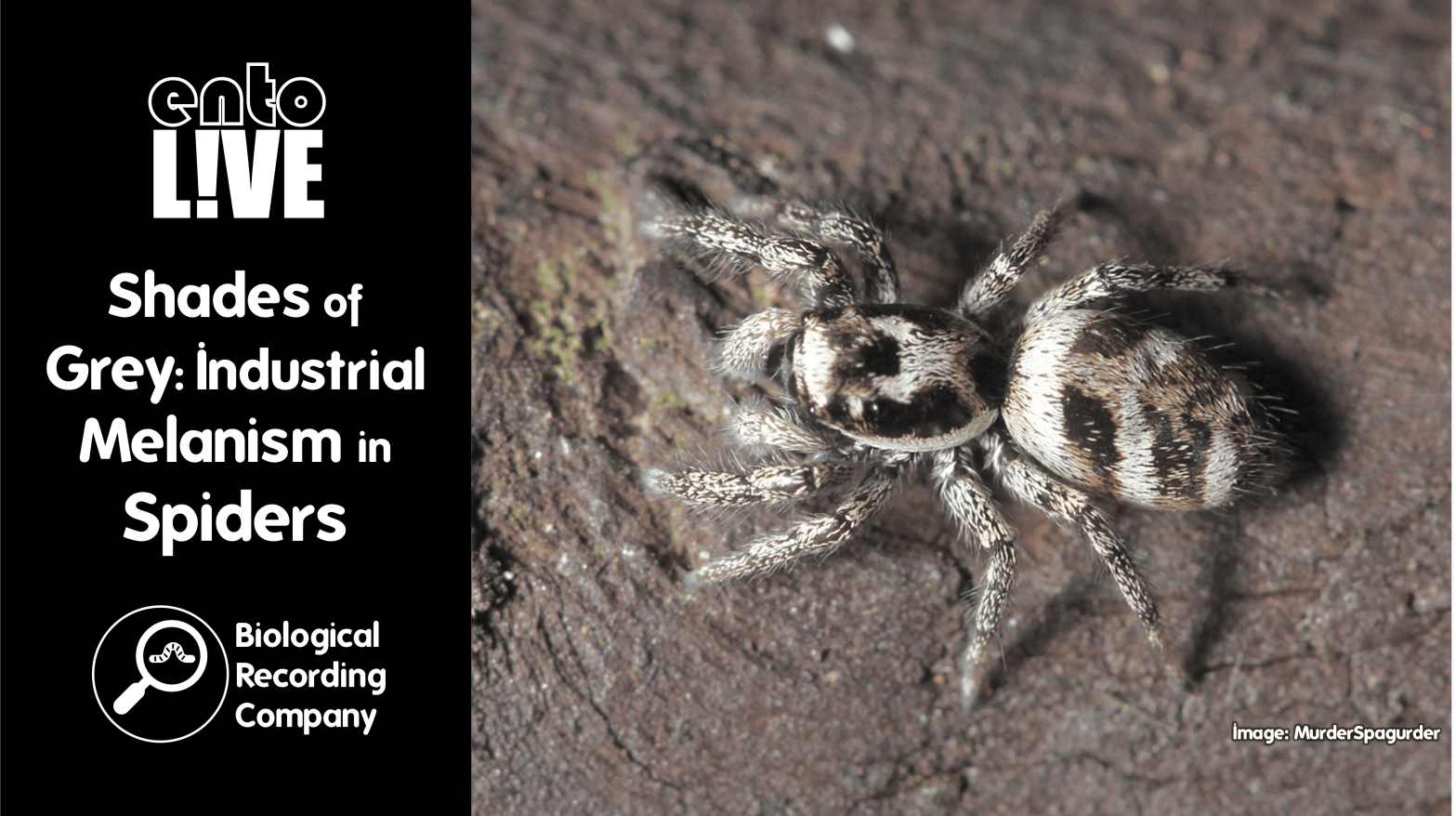
Industrial melanism refers to the phenomenon whereby some invertebrates evolved dark (melanic) forms in response to the darkening by soot of their resting surfaces during the Industrial Revolution. This response provided a clear example of Darwin’s ‘evolution by natural selection’ and was particularly well studies in moths. In this webinar Geoff will reappraise three claimed examples of industrial melanism in spiders and draw conclusions as to whether they constitute genuine exemplars of the phenomenon.
Mapping the Beetle Tree of Life
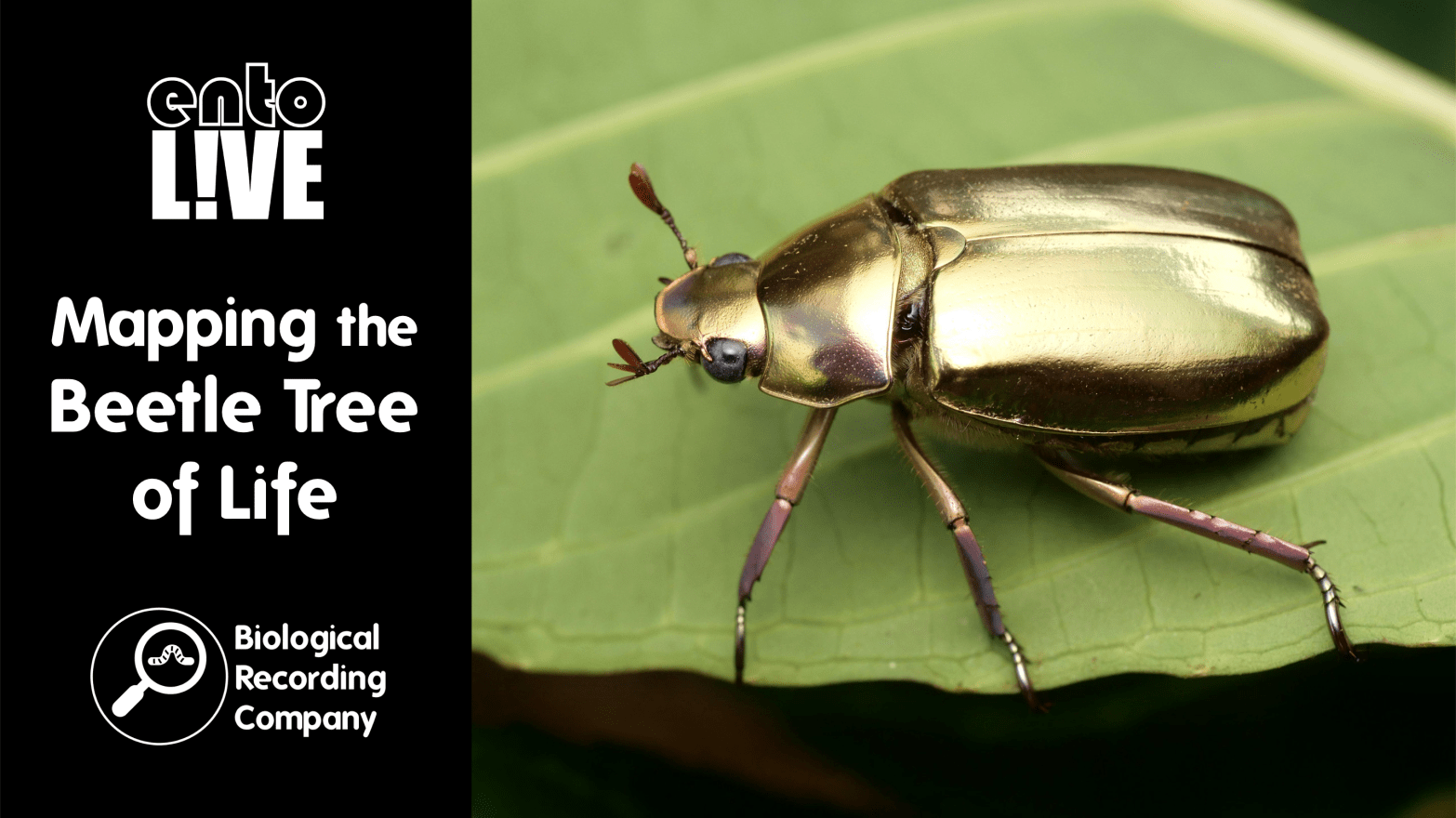
With over 400,000 described species, Coleoptera represent one of the most diverse groups of organisms on Earth, necessitating a global, integrative approach to understanding their evolutionary history. This effort begins with standardized field collection, specimen imaging, and identification, followed by high-quality DNA extraction. By combining genomic, mitochondrial, and barcode data, we are building the most comprehensive Coleoptera phylogeny to date – spanning over 100,000 species, including many that remain undescribed. This large-scale phylogenetic framework enables us to move beyond species counts, revealing global patterns of biodiversity through time and space and providing essential insights into species loss and the broader consequences of global change.
An ‘Alien’ in Antarctica
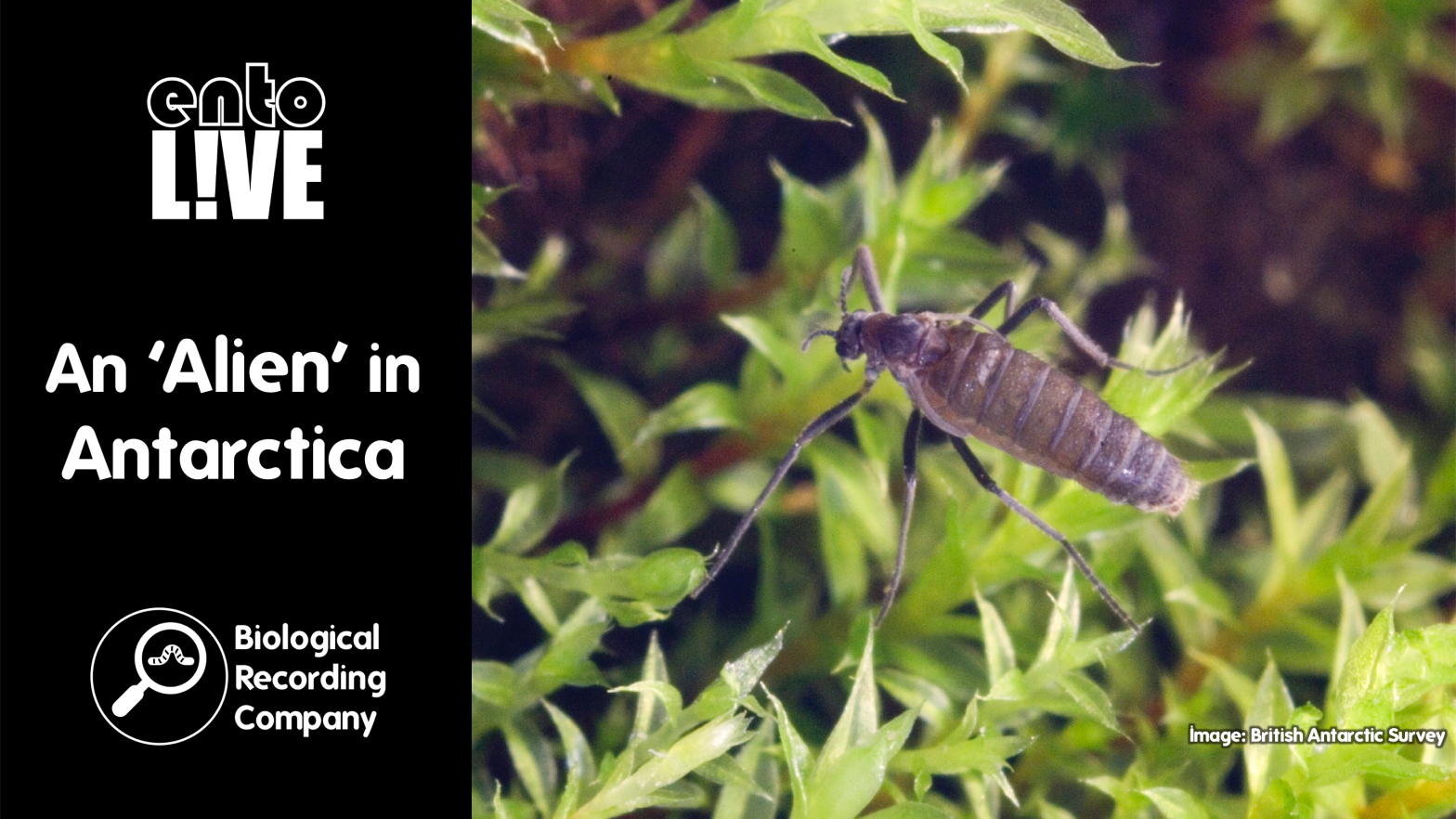
A tiny flightless midge, Eretmoptera murphyi, accidentally introduced to Antarctica in the 1960s, has spread across Signy Island and now dominates the soil ecosystem. Its larvae feed on dead plant material, enriching the soil with nitrogen and changing conditions in ways that could help other species invade. Octavia’s research reveals these midge-altered soils also release more greenhouse gases, meaning this small insect could be quietly accelerating climate change in one of the planet’s most fragile environments.
Understanding a Bee’s Buzz: Biology to Robotics
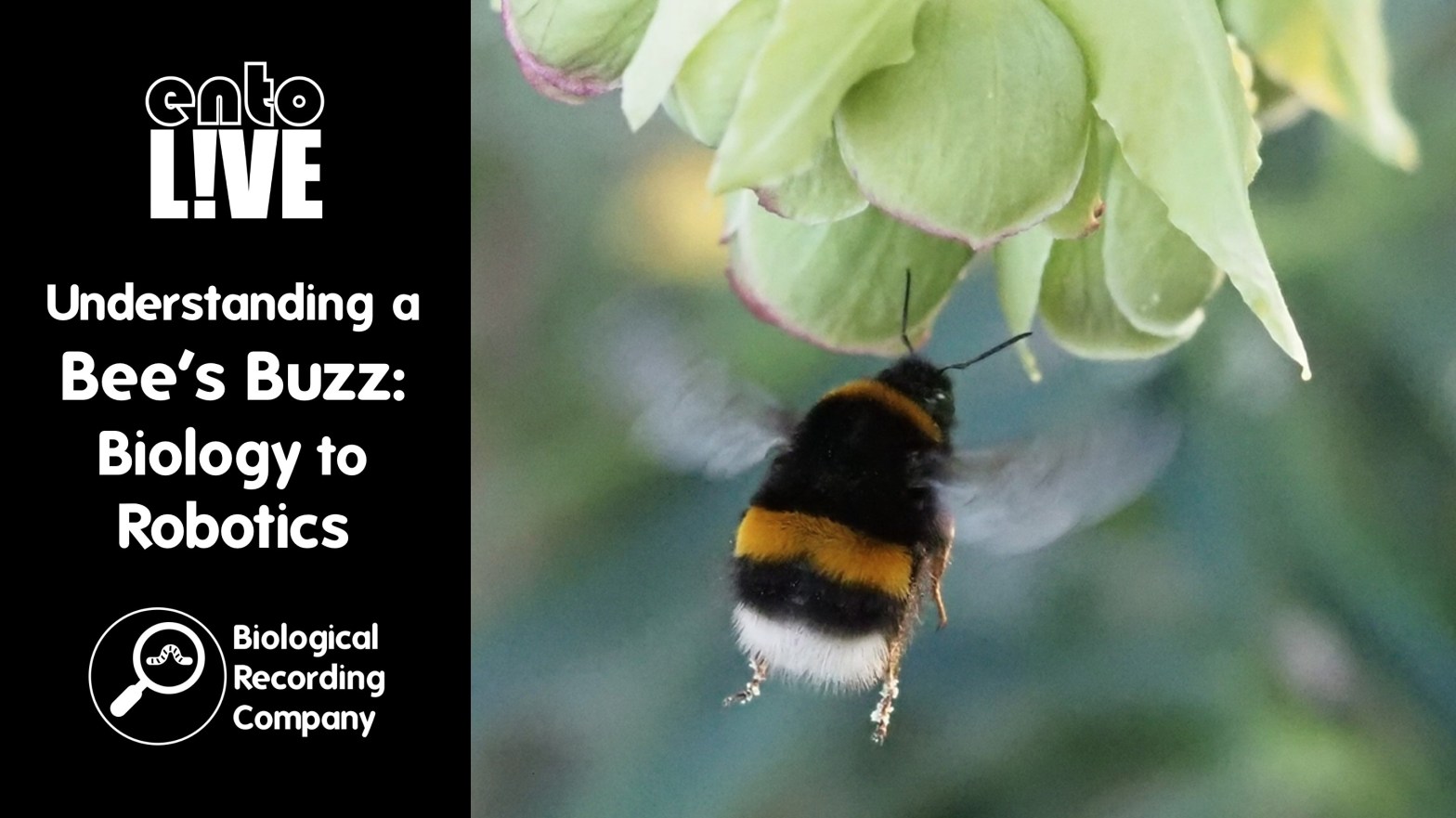
Ever wondered how and why bees buzz? Or what determines the different properties of a bee buzz? In this webinar, Charlie reveals the answer. Join us to understand bee buzzes through his work from the lab and field to understand how bees produce their buzzes and how this understanding is being used to inform the design of micro-robots for pollination.
Innovative Moth Monitoring: Farmer Citizen Science Using AI
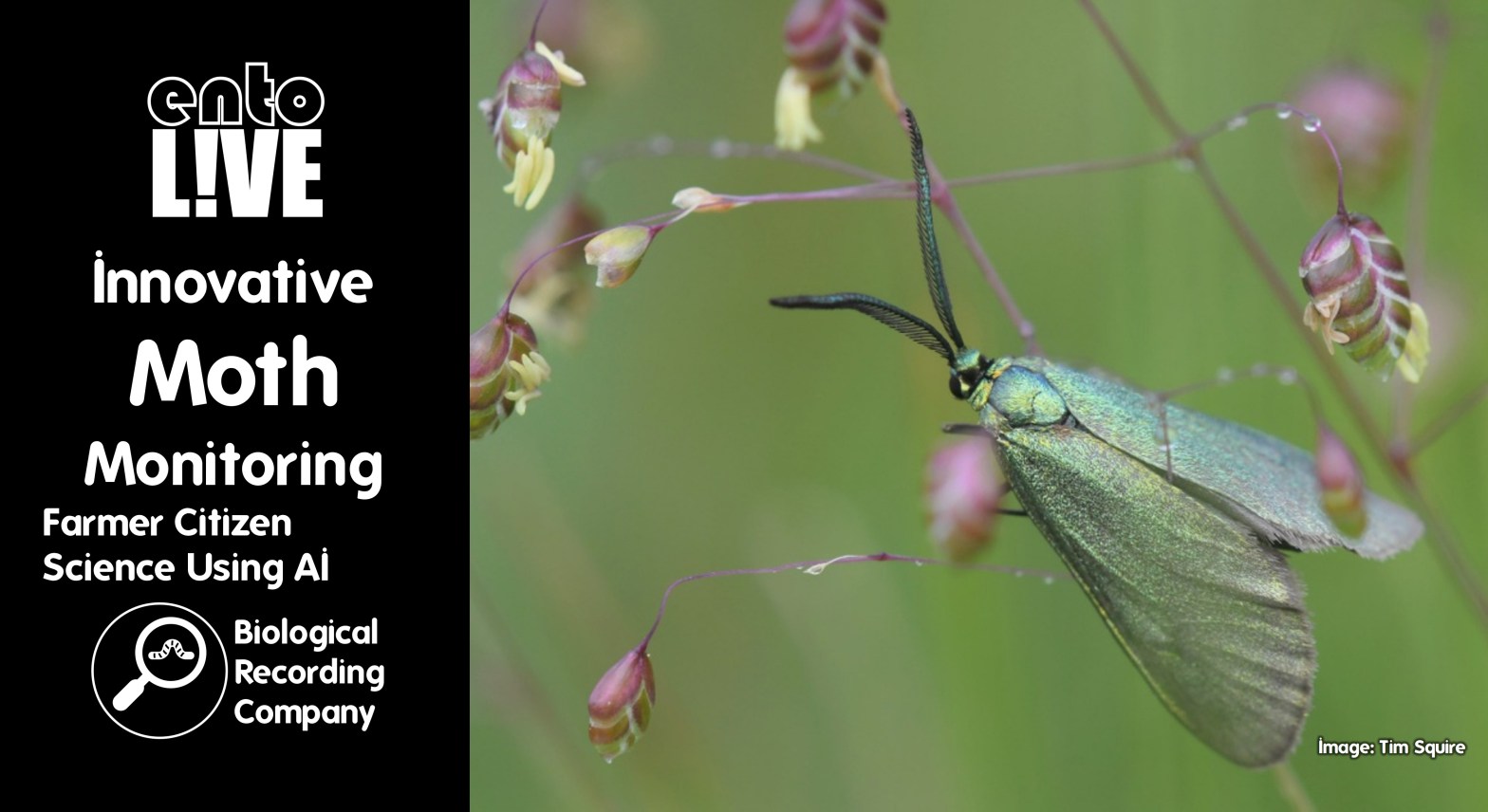
Farmland, covering 67% of England, is crucial in supporting nature recovery, yet good biodiversity data in farmland is often lacking. In this talk, Abigail presents results from a pilot involving 21 farmers across southern England who engaged in moth monitoring on their farms during 2024. Farmers used robust, portable LED light traps to capture moths weekly, and used an innovative AI-based identification app to generate real-time data. She gathered feedback from participants to understand farmer motivations, how this could be supported with effective, personalised feedback, and how the data is influenced by the accuracy of AI-based moth identification.
The Key to the Queendom: Driver Ants as Keystone Species in Tropical Africa
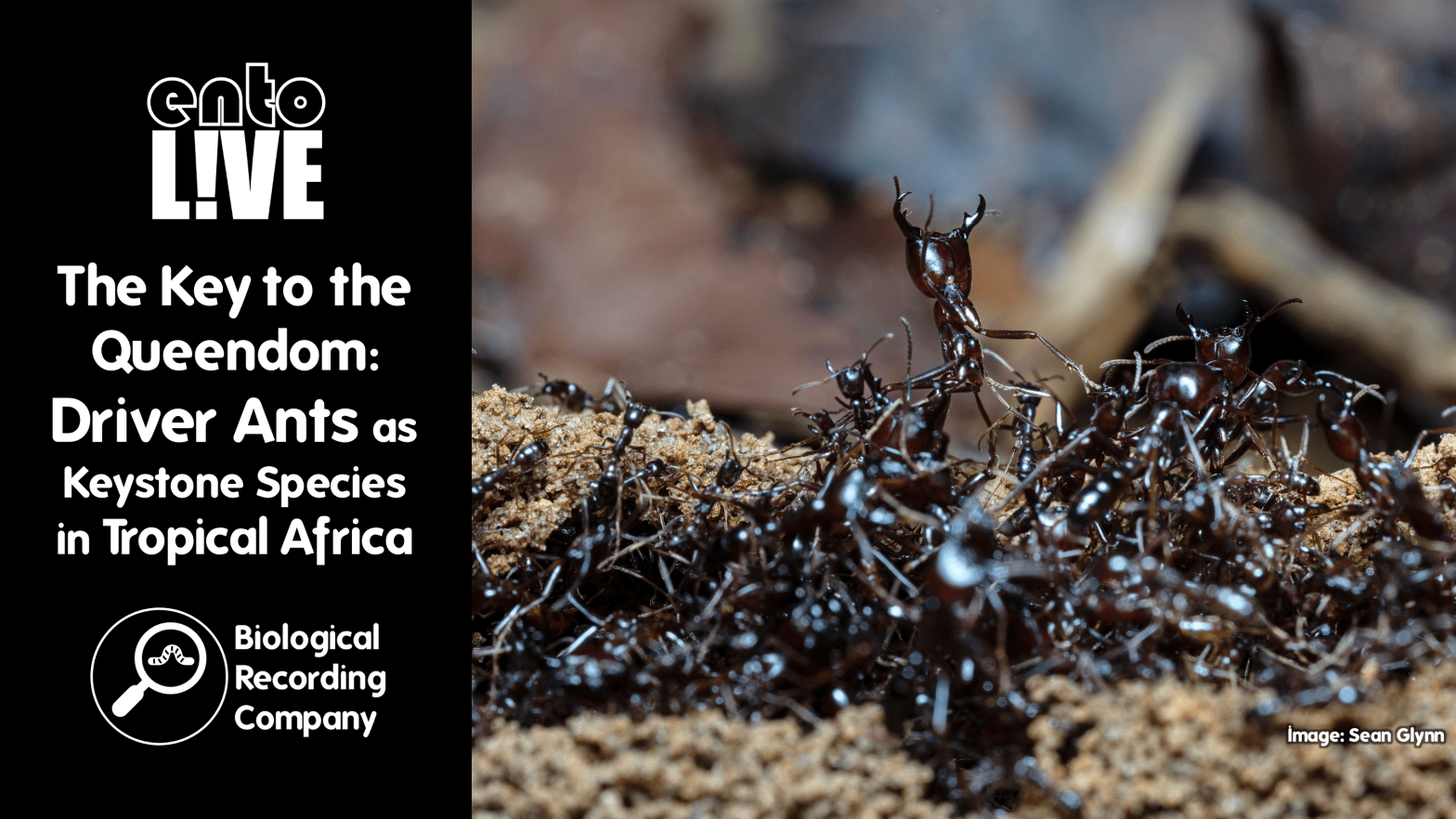
Driver ants, forming colonies of up to 20 million, are fascinating yet poorly understood. They engage in large raids, with workers of various sizes serving specific roles. Although their interactions with other species remain largely unexplored, studies are ongoing to clarify their ecological behaviors and dynamics as social insects. In this entoLIVE webinar, Max Tercel shared his research findings exploring the ecology of these fascinating ants.
The Shining Guest Ant: An Unexpected Houseguest
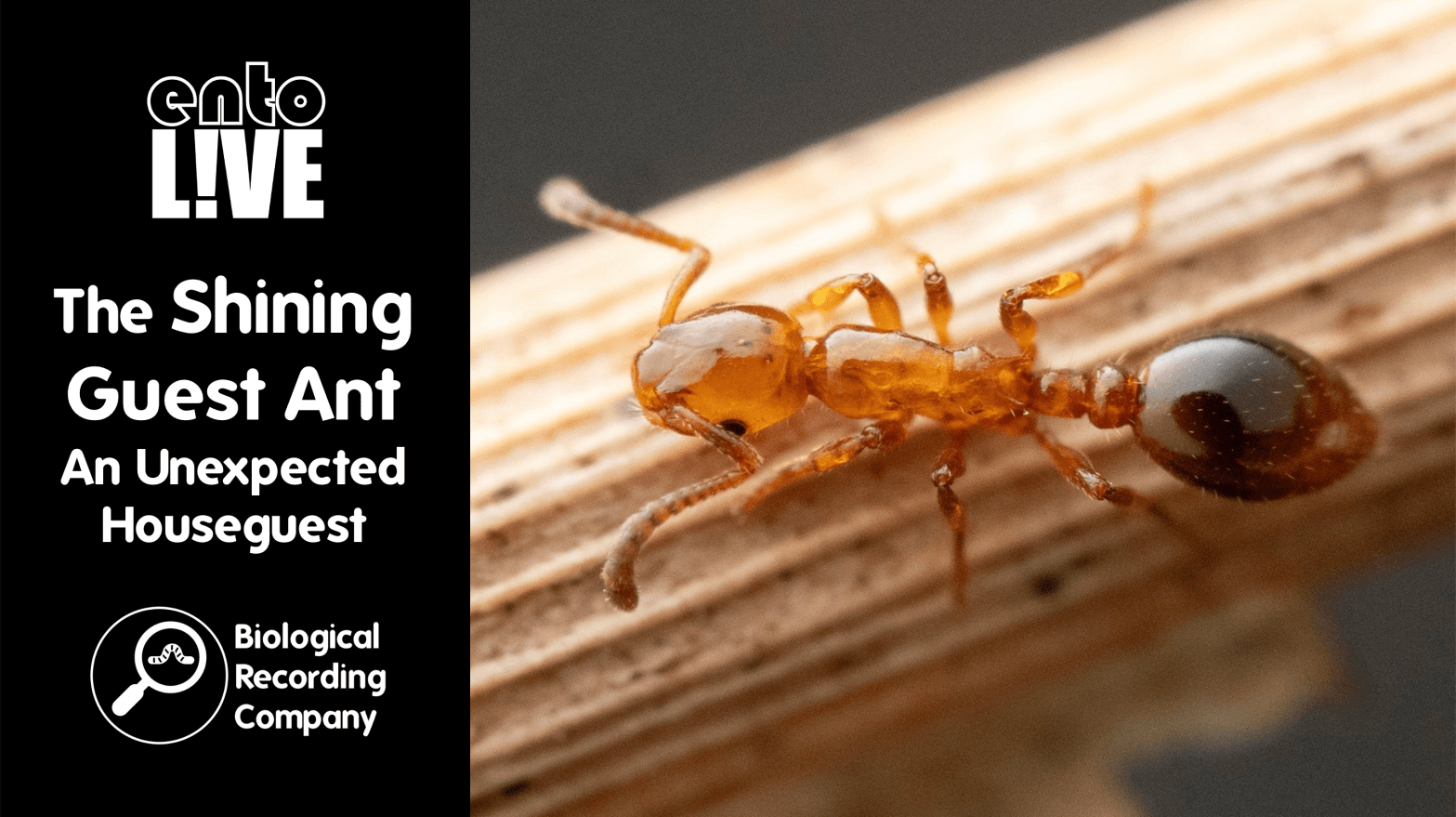
The Shining Guest Ant (Formicoxenus nitidulus) is a tiny and elusive ant that lives as an uninvited but harmless ‘guest’ in the nests of much larger Wood Ants (Formica rufa group). For a new Shining Guest Ant queen, establishing a colony is a challenging task. To avoid the inbreeding risk of saying local, she must disperse and not only find the right woodland habitat, but also locate a suitable new host nest. Because of their secretive nature and small size, these ants are underrecorded and their movements are poorly understood. In this entoLIVE webinar, Elva shared new, surprising research about Shining Guest Ant queens’ ability to find new homes, and provided tips on how to spot these elusive creatures on your next walk in the woods.
More Moths Please! Breeding and Reintroducing the Dark Bordered Beauty
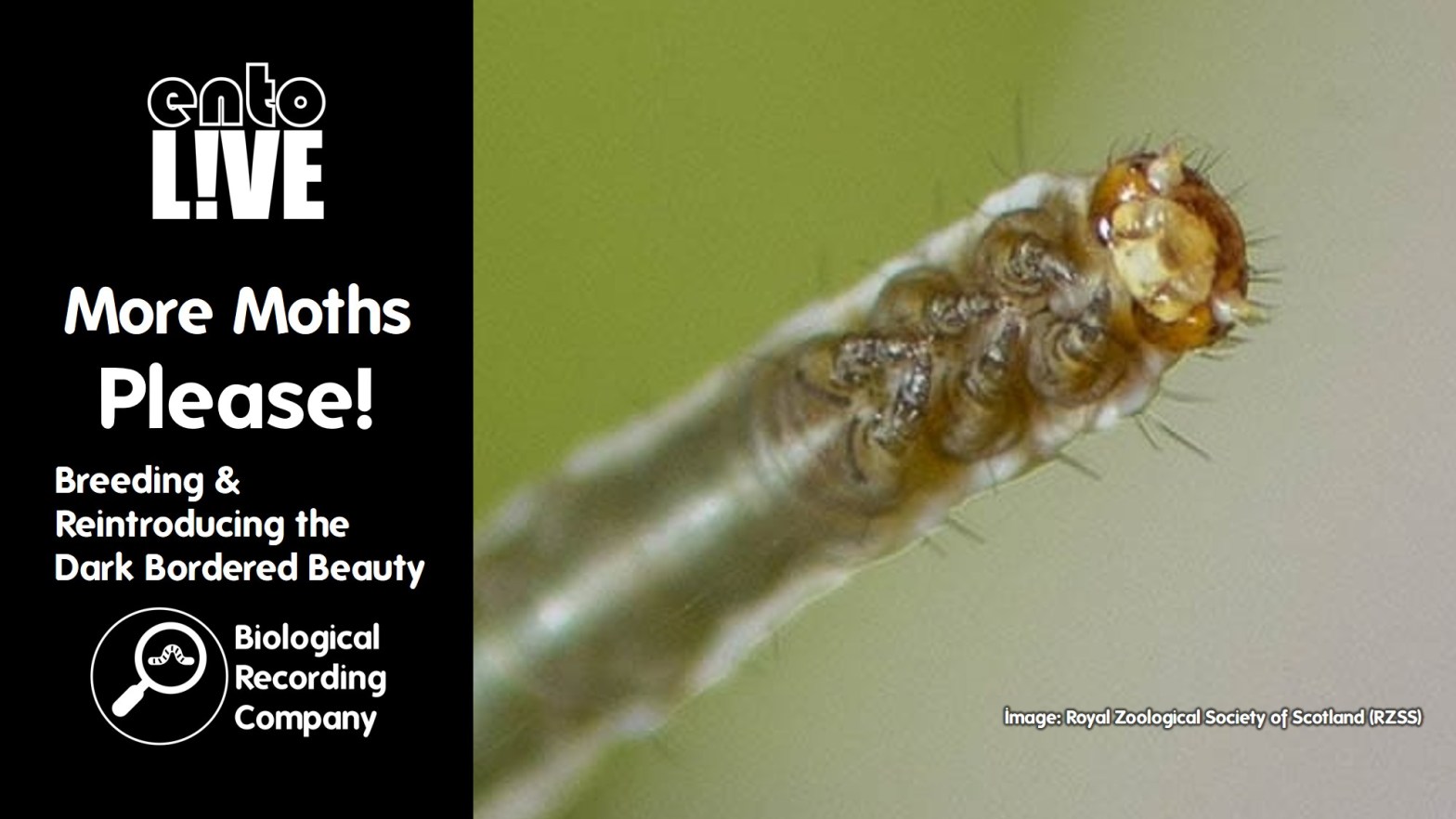
Georgina Lindsay (RZSS) discusses the conservation breeding and reintroduction of the Endangered Dark Bordered Beauty moth in Scotland.
 Biological Recording