The Key to the Queendom: Driver Ants as Keystone Species in Tropical Africa

Driver ants form some of the most impressive colonies of any animal on Earth, up to 20 million strong. They form vast raids to capture their prey but surprisingly little is known about them. This talk explores what we know about driver ants and what we’re beginning to learn about this amazing group of social insects using cutting-edge modern tools.

Q&A with Dr Max Tercel

Max Tercel is a scientist studying the ecology of ants. He is interested in how ants affect the world around them and uses time-tested entomological techniques as well as newer cutting-edge molecular methods, such as DNA metabarcoding, in his research.

1. Do the two species of Dorylus in tropical Africa predate each other?

No, as soon as they see each other they immediately go in opposite directions. This is also true of encounters between different colonies of the same species. This behaviour makes sense. On a chance encounter between representatives of two colonies, each individual has no way of knowing how big the other’s colony is. It could be huge! The risk to reward ratio of interacting with the other species is heavily weighted towards risk. driver ants are ferocious – they are certainly not easy prey. It therefore makes sense for them to have evolved to steer totally clear of one another. Whilst much remains unknown about these ants, one of the things that we do know is that driver ant movement ecology is heavily determined by proximity to the nearest neighbouring colony.

2. What castes exist within Driver Ant colonies, and do these castes play different roles within raids?

Driver ant workers come in two or three distinct ‘morphs’ in terms of size. In other words, most workers tend to fall into one of two/three general size categories. There are also intermediate individuals who fall between these size classes, however. The largest workers are called supermajors. They have giant heads with large piercing mandibles, evolved for defence, and position themselves along the margins of a raiding party column, so protecting the other ants. The smallest workers – so-called minor workers – look more conventionally ant-like, with smaller heads and cutting mandibles. They can be found at the front of an advancing raid party, squeezing in amongst small gaps in the leaf litter and rooting any other animals out.

3. You mentioned there are other animals – e.g. beetles, flies, springtails, birds – associated with driver ant colonies. How come the driver ants leave these species alone, when they so ferociously attack everything else?

This is a really interesting question. And funnily enough, it is something we are already planning to investigate during the 2026 field season, using behavioural experiments. As a general rule, from my personal experience, it seems that most of the driver ant associates pass amongst the colony ‘without trace’. They are effectively invisible. This is just my personal observation though. The question is yet to be empirically researched. It will be exciting to see what we find next year – watch this space!

4. How do you manage to protect yourself from the ants whilst studying them!?

You get bitten all the time! Even if you avoid the actual raids, there are always driver ants in the leaf litter samples we collect, and they have a real knack for scurrying out of the sample and onto your body and giving you a nip. I do have a boiler suit that I wear sometimes, but this is only bearable when it’s a relatively mild day in the forest. More often I just take five minutes every now and then to pick the ants off myself after a round of sampling. It’s part of the job.

5. Last week we had an entoLIVE talk from Professor Elva Robinson focused on the Shining Guest Ant. This is a species which lives within the nest of much larger wood ants. Are there any ants with similar lifestyles living within Driver Ant colonies?

I highly suspect so. Again, no formal research here yet, but I think we’ve found at least one species – in the genus Pheidole – which seems highly associated with driver ant refuse piles. I’ve also seen them often around the edges of raid columns and sometimes also near on or the nests. It is also possible there are commensal ants within the driver ant nests, but I’ve not had a chance to see inside one.

6. Do driver ants always raid along the same routes?

This is one of the central questions being addressed by my research team. Generally, we think that driver ants tend not to raid in the same place multiple times, but they do sometimes. I have seen driver ants raid the same place three times in a week before, but this is a rarity. More often they tend to explore semi-randomly in all directions from the nest. We do not know what influences the decision to choose a particular direction and route to raid. Many of our assumptions of the biology and ecology of driver ants are based on understanding of similar army ants in South America. In these South American ants, it is known that the colonies raid in a highly ordered and efficient – almost mathematical – pattern. Driver ants seem to be more random.

Literature References

  1. Savage (1847) ‘I. On the habits of the “drivers” or visiting ants of West Africa’: https://resjournals.onlinelibrary.wiley.com/doi/10.1111/j.1365-2311.1847.tb01686.x
  2. Gotwald Jr (1978) ‘Trophic ecology and adaptation in tropical old world ants of the subfamily Dorylinae (Hymenoptera: Formicidae)’: https://www.jstor.org/stable/2387902 
  3. Mody et al. (2003) ‘Determinants of small-scale mosaics of arthropod communities in natural and anthropogenically disturbed habitats’: https://www.bgbm.org/BioDivInf/Biolog/Statusseminar1/StatusReport202001.pdf#page=136 
  4. Schöning et al. (2005) ‘Temporal and spatial patterns in the emigrations of the army ant Dorylus (Anomma) molestus in the montane forest of Mt Kenya’: https://resjournals.onlinelibrary.wiley.com/doi/abs/10.1111/j.0307-6946.2005.00720.x 
  5. Schöning et al. (2007) ‘Prey spectra of two swarm-raiding army ant species in East Africa’: https://zslpublications.onlinelibrary.wiley.com/doi/abs/10.1111/j.1469-7998.2007.00360.x 
  6. Peters et al. (2011) ‘Deforestation and the population decline of the army ant Dorylus wilverthi in western Kenya over the last century’: https://besjournals.onlinelibrary.wiley.com/doi/pdfdirect/10.1111/j.1365-2664.2011.01959.x
  7. Van Huis et al. (2021) ‘Cultural aspects of ants, bees and wasps, and their products in sub-Saharan Africa’: https://link.springer.com/content/pdf/10.1007/s42690-020-00410-6.pdf
  8. Gotwald (1995) ‘Army Ants: The Biology of Social Predation’
  9. Kronaeur (2020) ‘Army Ants: Nature’s Ultimate Social Hunters’

entoLIVE

entoLIVE webinars feature guest invertebrate researchers delving into their own invertebrate research. All events are free to attend and are suitable for adults of all abilities – a passion for invertebrates is all that’s required!

entoLIVE is delivered by the Biological Recording Company in partnership with the British Entomological & Natural History Society, Royal Entomological Society and Amateur Entomologists’ Society, with support from Buglife, Field Studies Council and National Biodiversity Network Trust.

Check out more invertebrate research, publications and events from the entoLIVE partner websites:


Learn more about British wildlife

The Shining Guest Ant: An Unexpected Houseguest

The Shining Guest Ant (Formicoxenus nitidulus) is a tiny and elusive ant that lives as an uninvited but harmless ‘guest’ in the nests of much larger Wood Ants (Formica rufa group). For a new Shining Guest Ant queen, establishing a colony is a challenging task. To avoid the inbreeding risk of saying local, she must disperse and not only find the right woodland habitat, but also locate a suitable new host nest. Because of their secretive nature and small size, these ants are underrecorded and their movements are poorly understood. In this talk, Elva shares new, surprising research about Shining Guest Ant queens’ ability to find new homes, and will provide tips on how to spot these elusive creatures on your next walk in the woods.

Q&A with Professor Elva Robinson

Elva Robinson is a Professor in Ecology at the University of York. She studies the organisation of social animal groups using ants as her model system, and is especially interested in the interactions between social behaviour and environmental change.

1. Why do Shining Guest Ants only live in Wood Ant nests?

Wood Ants bring in a huge amount of food from the surrounding environment into their nests, to the extent that each nest acts as a sort of ‘nutrient hotspot’ in the landscape. Many other species have evolved to take advantage of this high-density food hotspot through eating the ‘scraps’ left behind by the Wood Ants. The Shining Guest Ant is one such example, and there are many others. Wood Ants are unique in their ability to provide this sort of environment; it is unparalleled even by other nest-building ants (e.g. Yellow Meadow Ants). In addition to food, Wood Ant nests also provide the Shining Guest Ant colony with suitable nesting conditions. The nests are made of a ‘thatch’ of fragmented leaf litter, which contains hollow twigs and grass stems which are required for the Shining Guest Ant colony, and provide a level of physical protection absent elsewhere in the landscape.

2. What percentage of Wood Ant nests contain Shining Guest Ant colonies?

It’s certainly not all of them! Beyond that, though, the answer seems to vary considerably between locations. In one of my study sites in the North York Moors, I found that over 80% of Wood Ant nests contained Shining Guest Ant colonies. At a different study site in Derbyshire, fewer than 10% of nests have Shining Guest Ants within them. It would be fascinating to understand why Shining Guest Ants are so prevalent at some sites but not others. For now, we have very little idea! More research is needed – and you can help! If you want to record wood ant nests and their guests, you can contribute to our Europe-wide Citizen Science project – MonitAnt.

3. You explained in the talk that one Wood Ant nest can support multiple Shining Guest Ant colonies. We also know that many ant species are highly territorial and aggressive. Is there ever any aggression between Shining Guest Ant colonies within a shared Wood Ant nest?

I’ve never observed inter-colony aggression, personally, but I would expect that there would be some. The most closely related species to Shining Guest Ants we have in the UK are ants in the genera Temnothorax and Leptothorax. Species in those genera are known to be highly aggressive towards workers from other colonies – often fighting each other to the death. I therefore think it’s likely that Shining Guest Ant colonies also fight each another. On the other hand, a Wood Ant nest is very big compared to the size of a Shining Guest Ant colony. Considering each Wood Ant nest might, at most, only contain a handful of Shining Guest Ant colonies, they can probably avoid each other for the most part by having their own territorial ‘patches’. Perhaps unsurprisingly, it’s really hard to study what happens inside a Wood Ant nest, so again we aren’t yet sure of what exactly goes on!

4. Do Shining Guest Ants have a preference for certain plant materials for nesting?

My personal experience suggests they are quite flexible. Even at sites where the occupancy rate of Shining Guest Ants within Wood Ant nests is low, there is considerable variation between Wood Ant nests in terms of the thatch material used by Shining Guest Ants for nesting. I am personally yet to see a strong relationship between occupancy and plant material available. Yet again, though, we do not really have strong enough data to make a confident statement here. More research needed!

5. Does anything eat, predate or parasitise Shining Guest Ants?

This is another really interesting question, and yet again, I have to answer that we do not really know! One particular area of interest would be fungal parasites. We know there are several species of pathogenic fungi specialised on Wood Ants. It would be fascinating to see whether Shining Guest Ants also carry these. In the eventuality that Shining Guest Ants somehow do not pick the pathogens up from the Wood Ants, I’d love to know what exactly they’re doing to prevent this transmission!

Literature References

  1. Robinson et al. (2025) ‘Insights into the population genetics of an extreme habitat specialist, the wood ant commensal Formicoxenus nitidulus’: https://pure.york.ac.uk/portal/en/publications/insights-into-the-population-genetics-of-an-extreme-habitat-speci/
  2. Martin et al. (2007) ‘Chemical deterrent enables a socially parasitic ant to invade multiple hosts’: https://pmc.ncbi.nlm.nih.gov/articles/PMC2279212/pdf/rspb20070795.pdf

Further Info

entoLIVE

entoLIVE webinars feature guest invertebrate researchers delving into their own invertebrate research. All events are free to attend and are suitable for adults of all abilities – a passion for invertebrates is all that’s required!

entoLIVE is delivered by the Biological Recording Company in partnership with the British Entomological & Natural History Society, Royal Entomological Society and Amateur Entomologists’ Society, with support from Buglife, Field Studies Council and National Biodiversity Network Trust.

Check out more invertebrate research, publications and events from the entoLIVE partner websites:


Learn more about British wildlife

The Fungus Verification Consultation Project

The Biological Recording Company is collaborating with the British Mycological Society (BMS) to assess how fungal records submitted to The Fungal Records Database of Britain and Ireland (FRDBI) are verified and shared going forward. We will be consulting widely with fungus recorders via an open-to-all online survey, followed by a consultation workshop with BMS members. Following this, we plan to publish our findings in a consultation report and draft a verification protocol for verifying FRDBI records.

A bit of background

In September 2025, the NECR650 Edition 1: Data Flows of UK Fungal Data Records, commissioned by Natural England and produced by the UK Centre for Ecology and Hydrology (UKCEH), was published. This report examines how fungal records are currently collected, verified, stored, and shared across the UK. The report’s function is to clarify how fungal data flows between recorders, databases, and users to improve access, quality, and conservation outcomes.

Key findings included:

  • Complex Data Landscape: Fungal data collection involves two national recording schemes (British Mycological Society – BMS, and Fungus Conservation Trust – FCT), local fungus groups, environmental records centres, and online platforms (e.g. iRecord, iNaturalist, Observation.org). This fragmented landscape causes duplication, inconsistent verification, and restricted sharing.
  • Identification of Major Data Sources:
    • BMS – Fungal Records Database of Britain and Ireland (FRDBI): The largest dataset but not fully open access nor verified.
    • FCT – CATE2 Database: Contains substantial data, but recorder and geographic fields are restricted for public or cross-database use.
    • National Biodiversity Network (NBN) Atlas and GBIF: Provide national and international data access but contain limited fungi records due to sharing restrictions.
    • Local and Online Sources: Local fungus groups and online citizen science platforms contribute valuable data but vary in quality and verification standards.
  • Verification Challenges: Fungal identification is complex, requiring expert review. Current verification systems vary across databases, leading to uneven data quality and confidence levels.
  • Data Sharing Barriers: Closed databases, inconsistent licensing, and differing standards limit access for conservation, Red List assessments, and ecological research.
  • Stakeholder Insights: Surveys of recorders and database managers revealed concerns about data fragmentation, complexity of submission processes, and insufficient collaboration between recorders, data managers, and end users.

To improve fungal data management and conservation outcomes, the report recommends:

  1. Adopting FAIR Data Principles – ensuring data is Findable, Accessible, Interoperable, and Reusable.
  2. Standardising Verification Protocols – establishing shared quality assurance processes.
  3. Enhancing Accessibility – expanding data sharing to national repositories such as NBN Atlas and GBIF.
  4. Improving Interoperability – aligning taxonomies and metadata standards across systems.
  5. Encouraging Data Use in Conservation and Research – supporting Red List assessments, land management, and ecological monitoring.
  6. Supporting Recorders – through training, technical tools, and national coordination.

The full report can be found here: https://publications.naturalengland.org.uk/publication/6376073955377152

Fungus Recorder Online Survey

The first stage of the project is the Fungus Recorder Online Survey, now open to recorders nationwide. This short survey invites participants to share their experiences with fungi recording, from the platforms they use to their thoughts on data quality and verification. We want to understand what motivates recorders, the challenges they face, and their views on how verification should work. Your input will help build a clear picture of current practices across the UK and directly inform the development of the Draft BMS Verification Protocol. Take the survey here.

The survey should take roughly 5 to 10 minutes to complete. Responses are welcome from all fungus recorders, regardless of how many records one submits and where one submits their records to.

Questions centre around:

  • The platform(s) used to submit or manage fungal records
  • How often recorders submit records
  • What verification steps recorders see as appropriate (e.g. is expert review needed?)
  • Which organisations should be able to access records
  • The use of tools such as automated rules and AI

These questions are designed to help us build a clear picture of current practices and preferences in the fungi recording community.

BMS Consultation Workshop

The conversation continues in person at the BMS Consultation Workshop, which will take place at Kew Gardens on Saturday 29th November 2025 as part of the BMS Annual Meeting. This half-day workshop will bring recorders and verifiers together to explore key topics such as data flow, validation and verification, verification statuses, and communication between recorders. The session will combine presentations with interactive group activities, encouraging open discussion and collaborative thinking. The insights gathered will form the foundation for refining and testing ideas within the draft verification protocol.

Fungus Recording and Verification Consultation Report

Once the survey and workshop are complete, we will produce the Fungus Recording and Verification Consultation Report. This report will summarise the feedback, findings, and recommendations collected throughout the project. It will highlight key themes raised by participants and provide a transparent overview of how their input has informed the development of the Draft BMS Verification Protocol. Everyone who contributes to the consultation will receive access to the published report, ensuring that the process remains open, inclusive, and collaborative.

Draft BMS Verification Protocol

The final output of the project will be the Draft BMS Verification Protocol: a concise, two-page document outlining proposed standards and processes for the verification of fungal records in the UK. It will include a summary of next steps and a visual data flow diagram showing how fungal biological records are managed within the BMS framework. The protocol will serve as a working draft for further discussion and refinement, moving the recording community forward towards a shared and consistent approach to fungi verification.

Wild Tolworth Biological Recording

As part of the Wild Tolworth project, the Biological Recording Company was commissioned by Citizen Zoo to run a series of seven Field Recorder Days at Tolworth Court Farm, in the London borough of Kingston, during 2024 and 2025. Thanks to funding from the National Lottery Heritage Fund, we were able to build on previous events delivered at the site in partnership with the London Natural History Society and Field Studies Council (the latter as part of the FSC BioLinks project). The Field Recorder Day events in 2024 and 2025 covered beetles, dragonflies, grasses, flies, fungi and pollinators. This blog shares some highlights from these events.

Briefing the group at the start of the Pollinator Field Recorder Day on the 29th April 2025 (c) Keiron Brown

1. Pollinator Field Recorder Day

🗓️ When: 29 May 2024 | Specialist: Abigail Lowe

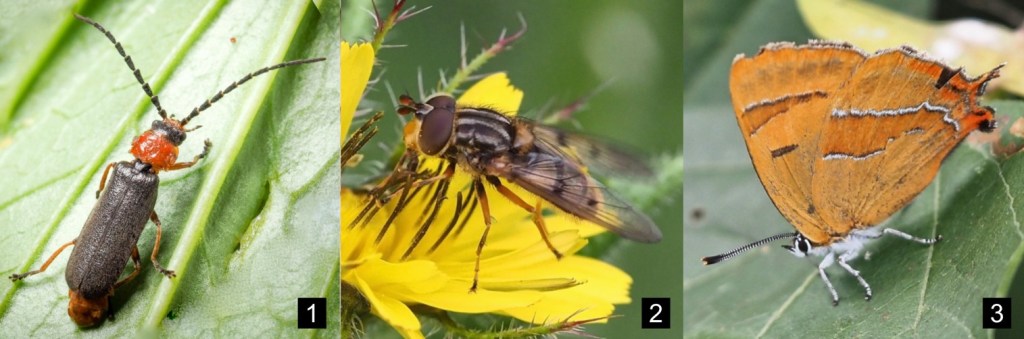
For our first event of 2024 we welcomed 23 Field Recorder Day participants to Tolworth Court Farm to join pollinator specialist Abigail Lowe in recording bees, hoverflies, butterflies and anything else that pollinates. It was a glorious Spring day, with lots of pollinators out and about. The most exciting finds from the day included: (1) the bumblebee-mimicking hoverfly Volucella bombylans, whose larvae live as scavengers and larval predators in the nests of bumblebees and social wasps; (2) the Green Hairstreak butterfly Callophrys rubi, one of the more uncommon butterflies which is a fan of scrubby plants and hedgerows; and (3) the Sleepy Carpenter Bee Chelostoma florisomne, so-named for the predilection of males to ‘lie down’ in buttercup flowers during overcast weather. Across the day a total of 130 biological records were generated, representing 80 species and including 11 bee species, 11 hoverflies and 9 butterflies. A big thanks to everyone who came along and helped out.

Volucella bombylans, a bumblebee-mimicking hoverfly (c) Peter Gray
Surveying wildflower areas for pollinators (c) Keiron Brown

2. Grasses, Sedges and Rushes Field Recorder Day

🗓️ When: 14 June 2024 | Specialist: Mark Spencer

In June 2024, 13 attendees joined us and botanist Mark Spencer for a Field Recorder Day focused on grasses, sedges and rushes. Generally considered more difficult to identify than flowering herbs, shrubs or trees, these plants often fall to the wayside when it comes to botanical recording. A targeted Field Recorder Day was therefore called for, and indeed was especially warranted given the dominant habitat at Tolworth Court Farm is grassland. Interesting finds from the day included: (1) Meadow Fescue Festuca pratensis, an uncommonly recorded grass in London, which favours neutral grasslands; (2) Slender Soft-brome Bromus lepidus, a non-native neophyte spread as a contaminant of grass seed mixtures; and (3) False Fox-sedge Carex otrubae, which we found growing extensively in a damp corner of Tolworth Court Farm Fields. In total, across the day, 81 records were generated of 34 species including 23 grass species, 2 sedges and 1 rush.

False Fox-sedge Carex otrubae (c) Joss Carr

3. Dragonfly Field Recorder Day

🗓️ When: 23 July 2024 | Specialist: Linda Pryke

In July 2024, 16 attendees joined us and dragonfly specialist Linda Pryke for a day surveying the dragonflies and damselflies of Tolworth Court Farm. Given the site is situated along the banks of the Hogsmill river, one of London’s precious few chalk streams, there is potential habitat for these beautiful insects. Across the day we recorded four species of damselfly – Banded Demoiselle Calopteryx splendens, Beautiful Demoiselle Calopteryx virgo, Large Red Damselfly Pyrrhosoma nymphula and Blue-tailed Damselfly Ischnura elegans – but no dragonflies. The highlight was definitely Calopteryx virgo, a scarce species in London which seemingly maintains its stronghold in rivers and wetlands in the southwest of the city. In total across the day we generated 32 records of 19 species including the 4 damselflies.

Banded Demoiselle (Calopteryx splendens) and Beautiful Demoiselle (Calopteryx virgo) side by side (c) Keiron Brown

As of Autumn 2025, Citizen Zoo have begun construction of a new wetland area at Tolworth Court Farm Fields. This hopefully means more dragonflies and damselflies in the future!


4. Fungi Field Recorder Day

🗓️ When: 9 October 2024 | Specialist: Mark Spencer

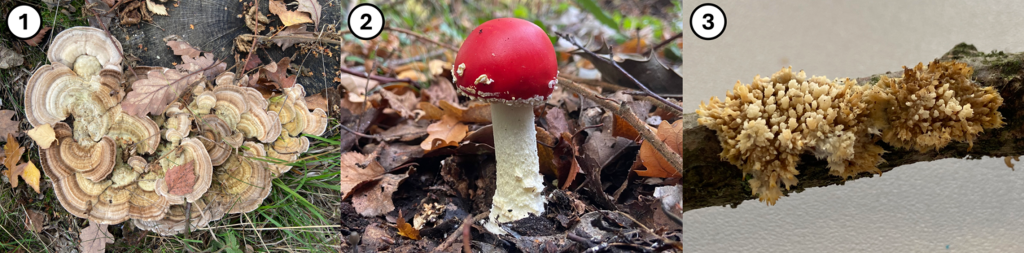
As summer turned to autumn we changed our focus away from botany and entomology and turned instead to fungi. Autumn is the best season for surveying fungi, as the wetter weather and decaying vegetation creates damp conditions in which fungi thrive. In October we were back at the site with Mark Spencer (who does mycology as well as botany) and 29 enthusiastic Field Recorder Day participants, ready to search for fungi. Over the course of the day we found 16 different species and generated 31 records. Some of the species found included: (1) the Jelly Ear fungus Auricularia auricula-judae found on deadwood; (2) the attractively ‘white-dusted’ Cortinarius hemitrichus (Frosty Webcap); and (3) the uncommonly recorded Hebeloma sacchariolens (Sweet Poisonpie). A very nice bonus was the tiny fungus-feeding beetle Agaricochara latissima (Staphylinidae) which was found on the fungus Daedaleopsis confragosa – this was a first record of the species for Greater London on iRecord!

Auricularia auricula-judae (Jelly Ear) (c) Keiron Brown
Cyclocybe cylindracea (Poplar Fieldcap) (c) Mario Maculan

5. Beetle Field Recorder Day

🗓️ When: 25 April 2025 | Specialist: Connor Butler

Our first event of 2025 was a Beetle Field Recorder Day. We invited beetle specialist Connor Butler to lead the day and had 24 participants. This event was by far our most productive of the project so far, with an impressive 273 total records generated. These records covered 141 different species including 54 different beetles. Highlights among these included (1) the weevils Oxystoma craccae and Oxystoma pomonae – distinctive for their strange ‘wedge-shaped’ rostrums – which feed on Vicia sativa (Common Vetch); (2) Elaphrus riparius, a ground beetle (family: Carabidae) restricted to the margins of freshwater; and (3) the click beetle Agriotes lineatus (Elateridae) which was photographed particularly nicely by Mick Massie (see right). If you want to read more about what we got up to check out our blog summarising the day.

Agriotes lineatus (c) Mick Massie
Heading out over Tolworth Court Farm Fields on our Beetle Field Recorder Day (c) Joss Carr

6. Fly Field Recorder Day

🗓️ When: 22 July 2025 | Specialist: Martin Harvey

Containing around 7,100 known UK species, the order Diptera (true flies) makes up a considerable proportion of British animal diversity. On a prime July day we returned to Tolworth under the guidance of Diptera specialist Martin Harvey to see which flies we could find on the site. Despite a lower number of participants than other events (8), the team was very productive, generating 111 records and recording 39 fly species. Very excitingly, one of these species was a first record for Greater London as per iRecord and the NBN Atlas: Chamaemyia juncorum, a member of a small family of British flies, the Chamaemyiidae, which are predators of aphids. A further two species found on the day were second records for Greater London: Helina obscurata (Muscidae) and Scatella stagnalis (Ephydridae). Besides the rarities, good numbers of some more common species were also seen, including 12 different hoverfly species.

Hoverflies at Tolworth Court Farm: Sphaerophoria scripta (top) and Syritta pipiens (bottom) (c) Marta J

7. Fungi Field Recorder Day

🗓️ When: 15 October 2025 | Specialist: Mark Spencer

For our final event of the project, we ran a second Field Recorder Day focused on Fungi, again utilising the ever-wonderful Mark Spencer as our specialist. Keen to add to the species list generated last time, we were pleased to welcome a record-breaking 40 attendees to the site to search high and low for mushrooms and their kin. And add to the species list we did indeed, with the team collectively finding and identifying 39 different fungi species, 33 of which we did not find on our first visit. Interestingly, this also means 6 of the 16 species found in 2024 were not re-found in 2025. More fungi surveying is clearly warranted – there are probably many more species to be recorded on site. Some of the fungi species found on this visit but not the previous visit were the mushrooms Bolbitius titubans, Coprinellus disseminatus and Entoloma sericeum, the crust fungi Dichomitus campestris and Kretzschmaria deusta and the powdery mildews Erysiphe heraclei and Erysiphe trifoliorum. Read more about what we got up to on this day in our Recording London’s Fungi blog.

Identifying and recording fungi finds at Tolworth Court Farm Fields (c) Joss Carr
Bolbitius titubans (c) Joss Carr

Project Achievements

Across the seven events summarised above, plus one additional Invertebrate Field Recorder Day ran in 2023 at Tolworth Court Farm as a collaboration between Biological Recording Company and the London Natural History Society (not formally part of the contract but grouped with it for reporting purposes), 186 people were engaged in biological recording, 825 new biological records were generated and 406 different species were recorded. The vast majority of the species found represent first records for Tolworth Court Farm. All records contribute towards building a picture of the biodiversity present on site and will inform future conservation management work.

As always, our data is gathered through iRecord so it is automatically accessible to Greenspace Information for Greater London (GiGL) and the relevant National Recording Schemes & Societies.

You can read the full report covering all of our recording activities and achievements at Tolworth Court Farm below:

Thank you very much to all who attended and and contributed valuable data to the project. A big thanks also to Elliot Newton and the Citizen Zoo team for helping to deliver these events, and to our specialists Abi Lowe, Mark Spencer, Linda Pryke, Connor Butler and Martin Harvey for their knowledge and guidance. Finally, thank you to the London Natural History Society for helping to promote the events.We hope to see you at future events!


Biological Recording Projects

At the Biological Recording Company, we specialise in planning and delivering projects centred around recording wildlife and training naturalists.

  • London Recording Projects involve the delivery of events from our Field Recorder Day, Invertebrate Study Day, Earthworm Sampling Day and Training Course programmes. Examples include:
    • Site-based projects, such as Wild Tolworth, Ealing Beaver Project and Lesnes 500.
    • Borough-based projects, such as our Southwark and Barnet projects.
  • Earthworm Projects range from identification training and earthworm surveys to research and consultation. Example include:
    • Engagement-focused projects, such as delivering earthworm recorder training in Northern Ireland and working with farmers in the Chilterns.
    • Research-focused projects, such as looking at the impact of hay meadow restoration on earthworm communities, assessing the effectiveness of regenerative farming practices and investigating the use of AI in earthworm identification.
  • National Biological Recording Projects entail putting our expertise to use with helping other organisations improve the biological recording processes and reach new audiences.

Southwark Biological Recording Project

The Biological Recording Company was commissioned in April 2025 by Southwark Council to deliver a programme of five courses and events in 2025 as part of a wider programme of free-to-attend biodiversity learning opportunities within the London Borough of Southwark. Of the five events we organised, two were training courses and three were outdoor recording events: two Field Recorder Days, one focused on beetles and another on botany, and one Earthworm Sampling Day. This blog shares highlights from this project, with a full report at the bottom of the blog.


🐝 Training Courses

Two one-day biological recording training courses were delivered at sites within the London Borough of Southwark, with subjects aimed at those new to biological recording and an emphasis on developing biological recording skills in Southwark residents. A total of 48 learner days were completed across the two training courses.

Biological Recording 101 took place at the Centre for Wildlife Gardening on 3 June 2025, taught by Keiron Brown with 31 participants. The course highlighted the value of biological recording for understanding and protecting wildlife. Attendees learned to collect and submit species data via iRecord and manage records to support local biodiversity monitoring.

Field ID of Bumblebees took place at The Paper Garden on 9 August 2025, taught by Mark Patterson with 22 attendees. The course covered classroom and field ID of the UK’s “Big 8” species. Participants learned taxonomy, key features, and ID resources, practiced collecting and recording bumblebees via iRecord, and gained skills for planning and running BeeWalk surveys.


🪲 Beetle Field Recorder Day

When: 14th July 2025 | Where: Burgess Park

On the 14th of July we held a Beetle Field Recorder Day in Burgess Park. We had a great turnout: a party thirty beetle enthusiasts strong, with everyone from total newcomers to ardent coleoptera fanatics represented. With beetle specialist Connor Butler heading the team, we worked a way through the varied habitats of this Southwark green space gem over the course of a lovely summer’s day, visiting wildflower meadows, ornamental gardens, urban woodland areas and the margins of the large lake in the park. In total we generated 384 new species occurrence records for the park, including 121 records of 39 different beetle species.

Beetle Field Recorder Day participants (c) Joss Carr

Six highlights from our Beetle Field Recorder Day are shown above.

  1. The weevil Rhinusa neta (Curculionidae) was found on Common Toadflax Linaria vulgaris. This species is a fairly recent arrival, first noticed in the UK in 2019 with re-examined specimens dating back to 2013. The species is currently localised to the Greater London area.
  2. The colourful leaf beetle Podagrica fuscicornis (Chrysomelidae) was found on Malva sylvestris, its main host plant.
  3. Ablattaria laevigata (Silphidae), a large black beetle which uses its long head to suck snails out of their shells, was found under deadwood.
  4. Two chunky green Eurasian Hummingbird Hawkmoth (Macroglossum stellatarum) caterpillars were found feeding on a large patch of Lady’s Bedstraw (Galium verum) in a gardened section of the park.
  5. The Nationally Scarce (Notable B) leafhopper Euscelidius variegatus, was swept from an area of rough dry grassland.
  6. The gorgeous Paropsisterna selmani (Chrysomelidae) was found near Glengall Wharf Garden. This large non-native beetle is originally from Australia, having arrived in the UK in 2007. It feeds exclusively on Eucalyptus and so has been flagged as a potential pest to arboriculture.

🌿 Botany Field Recorder Day

When: 24th September 2025 | Where: Belair Park & Dulwich Park

On 24th September we were back in Southwark, this time in the south of the borough, with botany as our focus and Dr Mark Spencer leading the event. Botany proved to be even more popular than beetles – a record-breaking 38 attendees showed up ready to record the flora of Belair Park and Dulwich Park. With a record-breaking number of attendees and a huge variety of plant species across the two parks, it was unsurprising that we also smashed our previous records for total number of biological records generated: 577 records, including 477 records of 154 different plant species. That’s a good 200 more records than our previous high score: a seriously sterling effort from everyone involved.

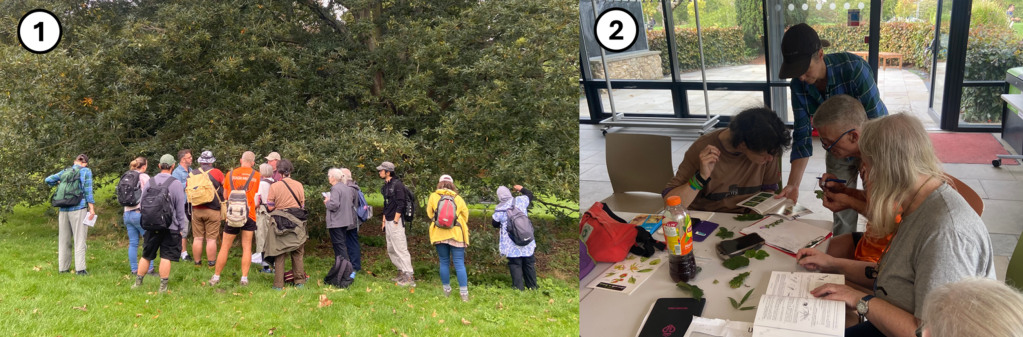
Botany specialist Mark Spencer demonstrates plant field identification characters in Dulwich Park (c) Joss Carr

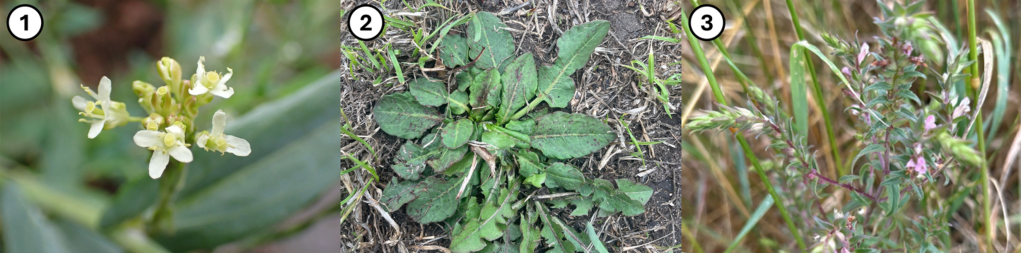
Six highlights from our Botany Field Recorder Day are shown above:

  1. A large patch of the uncommonly encountered Stellaria aquatica (Water Chickweed) was found in a damp area near the lake in Belair Park.
  2. Ononis × pseudohircina, the hybrid between Ononis repens and Ononis spinosa was found in a dry, disturbed area in Dulwich Park.
  3. Gnaphalium uliginosum (Marsh Cudweed) was abundant in the dried-out reservoir in the north-west corner of Belair Park was, among several other unusual plants typical of ‘draw-down’ zones (a scarce habitat in Greater London).
  4. The non-native North American Silphium laciniatum (Compass Plant) was proliferating alarmingly in both the dried-reservoir in Belair Park and a disturbed area in Dulwich Park. It has been flagged to site managers as warranting removal.
  5. The hybrid willow Salix × capreola (S. aurita × S. caprea) was among several hybrid willows in the dried-out reservoir in Belair Park.
  6. Ambrosia artemisifolia, another non-native species from North America, was another surprising find in Belair Park. This species is wind-pollinated and, where the plant is abundant, its pollen is a major contributor to hay fever.

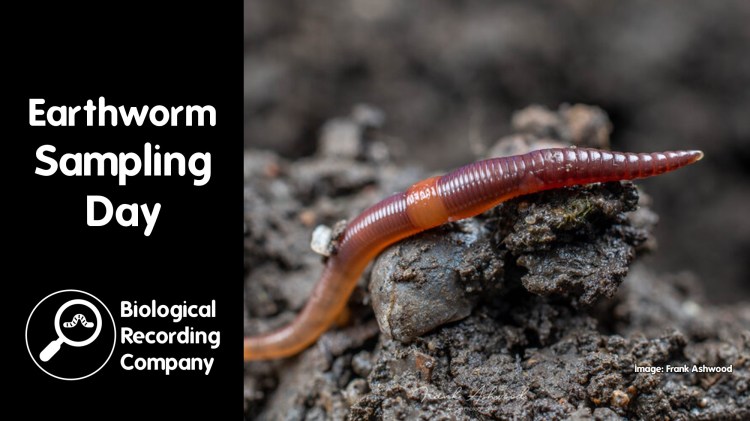
🪱 Earthworm Sampling Day

When: 1st October 2025 | Where: Galleywall Nature Reserve & Rouel Road Estate Community Orchard

A group of 15 volunteers joined Keiron Derek Brown on 1st October to conduct earthworm sampling at two small locally managed sites in the north-east of Southwark: Galleywall Nature Reserve and Rouel Road Estate Community Orchard. Earthworms were collected at both sites through a range of soil pit sampling, vermifuge extraction and microhabitat searches. Specimens were collected into ethanol and identified using a microscope at a later date. As a result of the day’s efforts, 55 new species occurrence records were generated, of which 31 were earthworm records representing 11 different earthworm species.

Hand sorting soil samples in search of earthworms (c) Liam Nash
Pie chart displaying the composition of earthworms detected by species at Galleywall Nature Reserve. Pie chart slice colours indicate the functional group of the represented species (c) Biological Recording Company

Galleywall Nature Reserve had a high diversity of species, with four functional groups of earthworms represented. The use of manure to enrich the soil appears to have increased the proportion of litter dweller species present (e.g. Eisenia andrei/fetida agg and Dendrobaena veneta). The absence of deep bioturbators found could be a result of the disturbance from recent conservation works or due to the recent dry weather.

Rouel Road Estate Community Orchard, in contrast, yielded very few earthworms during the survey. Only two of the functional groups were represented (shallow bioturbators and burrowers) and only three species were found. It is likely that the earthworm population will improve with wetter weather (it was a very dry summer/early autumn) and as the orchard matures. The addition of deadwood resources has also been suggested to site managers.

Pie chart displaying the composition of earthworms detected by species across all surveys at Rouel Road
Estate Community Orchard. Pie chart slice colours indicate the functional group of the represented species (c) Biological Recording Company

Project Achievements

Across the three events summarised above, 83 people were engaged in biological recording, 1,048 new biological records were generated and 400 different species were recorded. The vast majority of the species found represent first records for the respective sites. All records contribute towards building a picture of the biodiversity present in Southwark and will inform future conservation management work. As always, our data is gathered through iRecord so it is automatically accessible to Greenspace Information for Greater London (GiGL) and the relevant National Recording Schemes & Societies.

You can read the full report covering all of our recording activities and achievements in Southwark below:

A huge thank you to everyone who joined us at our events in Southwark this summer and autumn. It was great to see so many people – both Southwark residents and enthusiasts from further afield – enjoying green spaces and recording wildlife in green spaces in this lovely London borough. A big thanks also to Liam Nash (Southwark Biodiversity Officer) for commissioning these events and being generally awesome, and to our specialists Mark Spencer, Connor Butler and Keiron Brown for their knowledge and guidance. Finally, thank you to the London Natural History Society for helping to promote the events. We hope to see everyone at future Biological Recording Company events!


Biological Recording Projects

At the Biological Recording Company, we specialise in planning and delivering projects centred around recording wildlife and training naturalists.

  • London Recording Projects involve the delivery of events from our Field Recorder Day, Invertebrate Study Day, Earthworm Sampling Day and Training Course programmes. Examples include:
    • Site-based projects, such as Wild Tolworth, Ealing Beaver Project and Lesnes 500.
    • Borough-based projects, such as our Southwark and Barnet projects.
  • Earthworm Projects range from identification training and earthworm surveys to research and consultation. Example include:
    • Engagement-focused projects, such as delivering earthworm recorder training in Northern Ireland and working with farmers in the Chilterns.
    • Research-focused projects, such as looking at the impact of hay meadow restoration on earthworm communities, assessing the effectiveness of regenerative farming practices and investigating the use of AI in earthworm identification.
  • National Biological Recording Projects entail putting our expertise to use with helping other organisations improve the biological recording processes and reach new audiences.

Recording Plant Galls at Lesnes Abbey Woods

Joss Carr recounts the Plant Gall Field Recorder Day held at Lesnes Abbey Woods on Saturday 20th September 2025. We also share guidance recording plant galls and details of similar upcoming events.

Lesnes Abbey Woods is a rather special place. Situated in the southeast London borough of Bexley, the site makes up a whopping 88 hectares of ancient woodland, park, heathland and grassland. Two of these habitats – ancient woodland and heathland – are very scarce in Greater London. The site therefore supports populations of some quite uncommon species of plants, fungi and insects. At the Biological Recording Company we are big fans of Lesnes – we’ve been running events here since we started in 2023. A mild autumnal day in September this year brought us back to the site to focus on recording a novel group of organisms: plant galls.

The ruined abbey at Lesnes Abbey Woods (c) Keiron Brown

Plant galls are funny things. They are abnormal growths of plant tissue caused by the invasion of another organism – a wasp, a fly, a mite, a fungus or a bacterium, for example – within the plant tissue. Galls typically form on leaves, stems, roots, or flowers and come in an astonishing variety of shapes, sizes and colours. The structure itself forms due to the plant’s response to irritation or chemical signals from the invading organism. Galls provide food and shelter for the invading organism inside and, while they may look unusual, are generally not harmful to the overall health of the plant.

Common Spangle Galls on Sessile Oak (Quercus petraea) caused by the wasp Neuroterus quercusbaccarum (c) Joss Carr

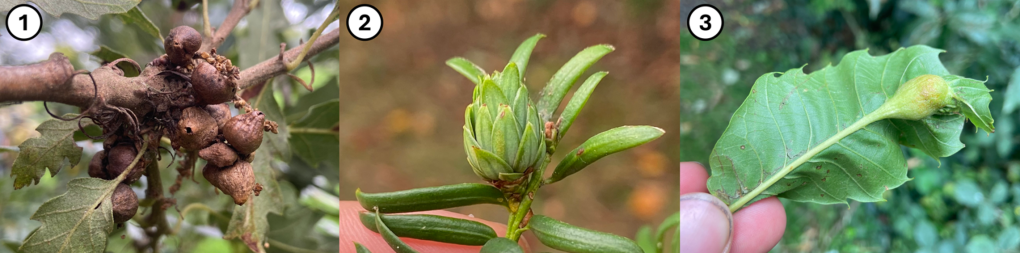
Easily the best place to look for galls is on oak trees – around 50 different gall-causing species are known from oaks in the UK. It is convenient, therefore, that Lesnes Abbey Woods is home to rather a lot of oaks. Our enthusiastic group of 17 started the day at a particular impressive Turkey Oak (Quercus cerris) near the Lesnes Abbey lodge. Under the experienced guidance of LNHS Plant Gall recorder Tommy Root – our specialist for the day – we identified several galls caused on this one tree, including the galls of Aceria cerrea and Andricus grossulariae (below).

Looking for galls on Turkey Oak (Quercus cerris) (c) Joss Carr
Bulge-like deformations on the upper surface of a Turkey Oak (Quecus cerris) leaf caused by the mite Acerica cerrea (c) Joss Carr
Rounded woody galls on Turkey Oak (Quercus cerris) catkins caused by the sexual generation of the wasp Andricus grossulariae (c) Joss Carr

We then made our way about twenty metres north to an English Oak (Quercus robur) and found another few species. On the tree itself we found the bright green and sticky galls of the agamic (asexual) generation of Andricus grossulariae growing on acorn cups. This is the same species responsible for the rounded, nut-like galls on the neighbouring Turkey Oak. We also found a single example of the Ram’s Horn Gall caused by the wasp Andricus aries, and the floor beneath this oak was littered with thousands of fallen woody Knopper Galls (Andricus quercuscalicis).

Gall on English Oak (Quercus robur) caused by the agamic (asexual) generation of the wasp Andricus grossulariae (c) Joss Carr

We continued to mill around the parkland area in the morning, checking all of the ornamental trees closely. Additional exciting gall finds here included the artichoke-like galls of the midge Taxomyia taxi on Yew (Taxus baccata), pouch-like swellings caused by the midge Dasineura urticae on Common Nettle (Urtica dioica), and galling caused by the mite Acalitus brevitarsus on the leaves of Italian Alder (Alnus cordata). Though not typically considered galls, several powdery mildews – a group of fungi which form white dusting on plants during autumn – were also spotted, including the uncommonly recorded Golovinomyces bolayi on Prickly Lettuce Lactuca serriola.

Artichoke-like gall of Taxomyia taxi on Yew Taxus baccata (c) Joss Carr
Looking very closely at trees in the park (c) Joss Carr

After a productive lunch where we spent time identifying some collected specimens, we were keen for a change of habitat so moved onto the northern margin of the woodland. A particularly good Sessile Oak (Quercus petraea) tree here yielded an additional four galls for the list, all found on the leaf undersides and caused by small wasps in the family Cynipidae: Neuroterus anthracinus, Neuroterus numismalis, Neuroterus quercusbaccarum and Cynips disticha. The former even had the wasp itself sitting on its gall (see below)! We also found that leaves of the shrubby elms along the woodland margin were covered with small pustule galls caused by the mite Aceria campestricola.

Oyster Gall and Neuroterus anthracinus on Sessile Oak (Quercus petraea) (c) Joss Carr
Common Spangle Gall caused by Neuroterus quercusbaccarum on Sessile Oak (Quercus petraea) (c) Joss Carr
Silk-Button Galls caused by the wasp Neuroterus numismalis, on Sessile Oak (Quercus petraea) (c) Joss Carr
Gall caused by Cynips disticha on Sessile Oak (Quercus petraea) (c) Joss Carr

We rounded off the day by splitting up into groups. Some continued along the woodland margin and some ventured into the woodland itself a little way. Additions to the site list from the woodland margin group included the fungus Taphrina populina, which forms galls on the leaves of Black Poplar and its hybrids (Populus sect. Aigeiros), the wasp Ophelimus maskelli, which forms leaf pustule galls on Eucalyptus trees, and the mite Vasates quadripedes, which forms leaf pustules on Silver Maple (Acer saccharinum). The woodland interior group recorded the midge Hartigiola annulipes, which forms ‘lighthouse galls’ on Beech (Fagus sylvatica) and the non-native wasp Dryocosmus kuriphilus, which forms galls on Sweet Chestnut (Castanea sativa) and is a recent arrival in the UK (circa 2015). Seeing D. kuriphilus was particularly fitting as Lesnes Abbey Woods was one of the first UK sites at which the species was found!

Inspecting a poplar for galls (c) Joss Carr
Taphrina populina on black poplar or one of its hybrids (Populus sect. Aigeiros) (c) Joss Carr
Galls of Vasates quadripedes on Silver Maple (Acer saccharinum) (c) Joss Carr
Gall caused by Dryocosmus kuriphilus on Sweet Chestnut (Castanea sativa) (c) Joss Carr

All in all, the day was a resounding success with the group generating an impressive 187 records including 122 records of 44 gall-causing species. Those 44 gall-causing species included 15 mites, 3 fungi, 14 wasps, 4 true bugs and 8 midges. A big thanks to all who attended and we hope you enjoyed hunting for this obscure but fascinating group of organisms with us. Extra special thanks go to Tommy Root – our plant gall specialist – for leading the group and to Ian Holt and the team at Lesnes Abbey Woods for contracting us to run this event. We hope to see you at the next one!


Field Recorder Days

All of our London Field Recorder Day events are free to attend, and all of the data is collated through iRecord and shared with Greenspace Information for Greater London (GiGL). We work closely with the London Natural History Society and they partner with us on our Field Recorder Day programme.

We’ll be returning to Lesnes Abbey Woods for the following Field Recorder Days in 2026:

  • Beetle Field Recorder Day 24 Mar 2026
  • Mollusc Field Recorder Day 23 Apr 2026
  • General Field Recorder Day 16 May 2026

We’ll also be back out in the field with Tommy for another Plant Gall Field Recorder Day at the Welsh Harp Open Space in 2026:

  • Plant Gall Field Recorder Day 19 Sep 2026 at Welsh Harp (Barnet)

Recording Plant Galls

You don’t need to go to Lesnes Abbey Woods to record plant galls. Getting started with recording any group can be intimidating, so we’re here to offer a few tips.

  1. Get an identification guide: The bible for British plant gall identification is the British Plant Galls AIDGAP from the Field Studies Council, featuring around 300 keys, organised alphabetically by host plant genus. It may also be worth considering the Britain’s Plant Galls WILDGuide, particularly if you prefer photographic guides. Whilst it’s less comprehensive, it features 200 of the most common and conspicous plant galls in good detail with photos.
  2. Record gall specifics: When recording galls, it is important to also record the host plant (as well as the gall causer) and the generation type. Many gall-inducing insects, particularly oak gall wasps (cynipids), have complex life cycles that alternate between distinct sexual (gamic) and asexual (agamic) generations. Often, each generation produces a gall that is structurally different from the other and may occur on different parts of the same host plant or even different host plant species.
  3. Take photos: Photos of plant galls are very useful for specialists wishing to confirm that your identification is correct. Plant galls don’t move so they are much easier to photograph than other groups such as mammals and invertebrates
  4. Submit your records: Like many groups, plant galls are under-recorded – so even records of common plant galls are really useful. You can submit a list of plant galls for a host via iRecord. Don’t forget to include any picture that you’ve taken!
  5. Join the British Plant Gall Society: Founded in 1985, the Society’s principal aim is to encourage and support the study of plant galls. They welcome new members of all experience levels, and the British Plant Gall Society website is a treasure trove of information (including upcoming events).
Neuroterus numismalis (c) Keiron Brown
Andricus grossulariae (c) Keiron Brown
Various galls on Sessile Oak Quercus petraea (c) Keiron Brown

Recording London’s Fungi

This blog recounts two Fungi Field Recorder Days we ran in London in October 2025, the first at Tolworth Court Farm (Kingston) and the second in Lesnes Abbey Woods (Bexley). By Joss Carr.

Whilst most of the general public mourn the end of the summer and the onset of the shorter, colder and darker days that signal autumn, the humble natural history enthusiast may find autumn a particularly exciting time of year. The reason? Fungi.

As deciduous foliage begins to decay, leaf litter accumulates, and dampness encroaches, a whole host of fungi begin to adorn our grasslands and woodlands. Brackets, boletes, bonnets, inkcaps, saddles, crusts, polypores, staghorns… the list goes on. With nearly 15,000 described fungi species currently known from the UK, and many obscure ones yet to be found, there is undoubtedly plenty for the budding mycologist to get stuck into learning. And that’s true even in London, thanks to the wonderful network of nature reserves and green spaces under protection in our city.

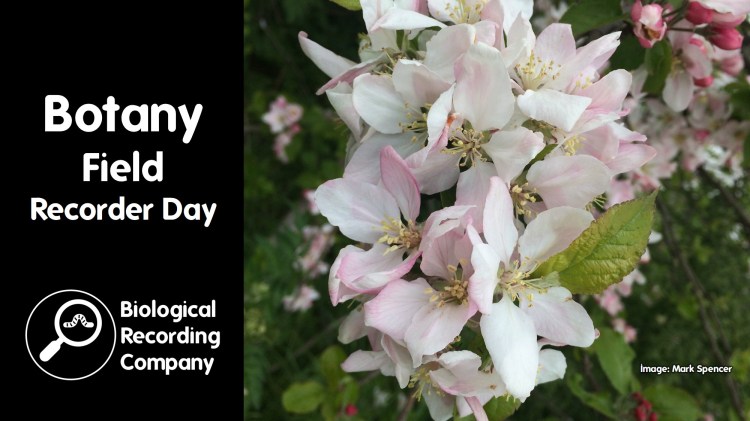
Amanita muscaria (Fly Agaric) at Lesnes Abbey Woods (c) Joss Carr

Fungi at Tolworth Court Farm

On Wednesday 15th October we ran a Fungi Field Recorder Day in partnership with Citizen Zoo at Tolworth Court Farm (Kingston) as part of the Wild Tolworth project. We had record high number of attendees: a whopping forty enthusiastic fungi enthusiasts! Field Recorder Days at Tolworth Court Farm started in 2022, so it’s a site that we know well. We recorded fungi here back here in 2024 and found 16 different species, so we were keen to see if we could add any species to the site list this year. As in 2024, our party was helmed by our resident botany and mycology specialist, the ever-wonderful Mark Spencer.

Recording fungi at Tolworth Court Farm Fields (c) Joss Carr
Identifying fungi finds from Tolworth Court Farm Fields (c) Joss Carr

With such a large group, we wanted to try out a new format on this event. We split into groups and directed each group to search for fungi in different 100-metre grid cells across the site. After a 15–30 minute search session in each cell we would then reconvene to go through specimens, identify our finds, and record the species. This method aims for reasonably widespread sampling across the site.

A Panaeolus species (c) Joss Carr
Bolbitius titubans from Tolworth Court Farm Fields (c) Joss Carr

Highlights from our fungal finds from the day included large patches of a Paneolus species, growing from dead wood in Tolworth Court Farm Moated Manor. We also found numerous specimens of Laccaria laccata (Deceiver), the slimy yellow Pholiota gummosa (Sticky Scalycap) and Armillaria mellea (Honey Fungus) across the site. The attractive yellow Bolbitius titubans was also abundant in the grassland edges. Blushing Bracket Daedaleopsis confragosa was commonly spotted on trees.

Fun fact: the genus name Daedaleopsis is derived from the greek mythological figure Daedalus – the creator of the labyrinth in which the minotaur resided. The labyrinth-like gills of Daedaleopsis confragosa (see photo on right) are named in this character’s honour! Another notable find was Dichomitus campestris (Hazel Porecrust), a rarely recorded but relatively distinctive crust-forming species on deadwood.

Daedaleopsis confragosa (Blushing Bracket) from Tolworth Court Farm Fields (c) Joss Carr
Autalia impressa from Tolworth Court Farm Fields (c) Joss Carr

Often when collecting fungi you stumble upon unexpected stowaways. A particularly manky Meripilus giganteus (Giant Polypore) yielded several such stowaways, most excitingly the tiny (2.6 mm) staphylinid beetle Autalia impressa (pictured left), which feeds on fungi. Tolworth Court Farm seems to be only the fourth site this species has been found in London!

Since our last visit there has been one very notable change at Tolworth Court Farm: earthworks have begun for the creation of a new wetland! Covering a considerable area alongside the Hogsmill river, and fit with its very own shiny new bridge, this area is set to be re-colonised by nature as part of the ongoing rewilding project on site. Hopefully it will soon become attractive to a range of wetland plants, invertebrates and larger animals, helping make a considerable boost to Tolworth Court Farm’s already not-unimpressive biodiversity.

Fungi at Lesnes Abbey Woods

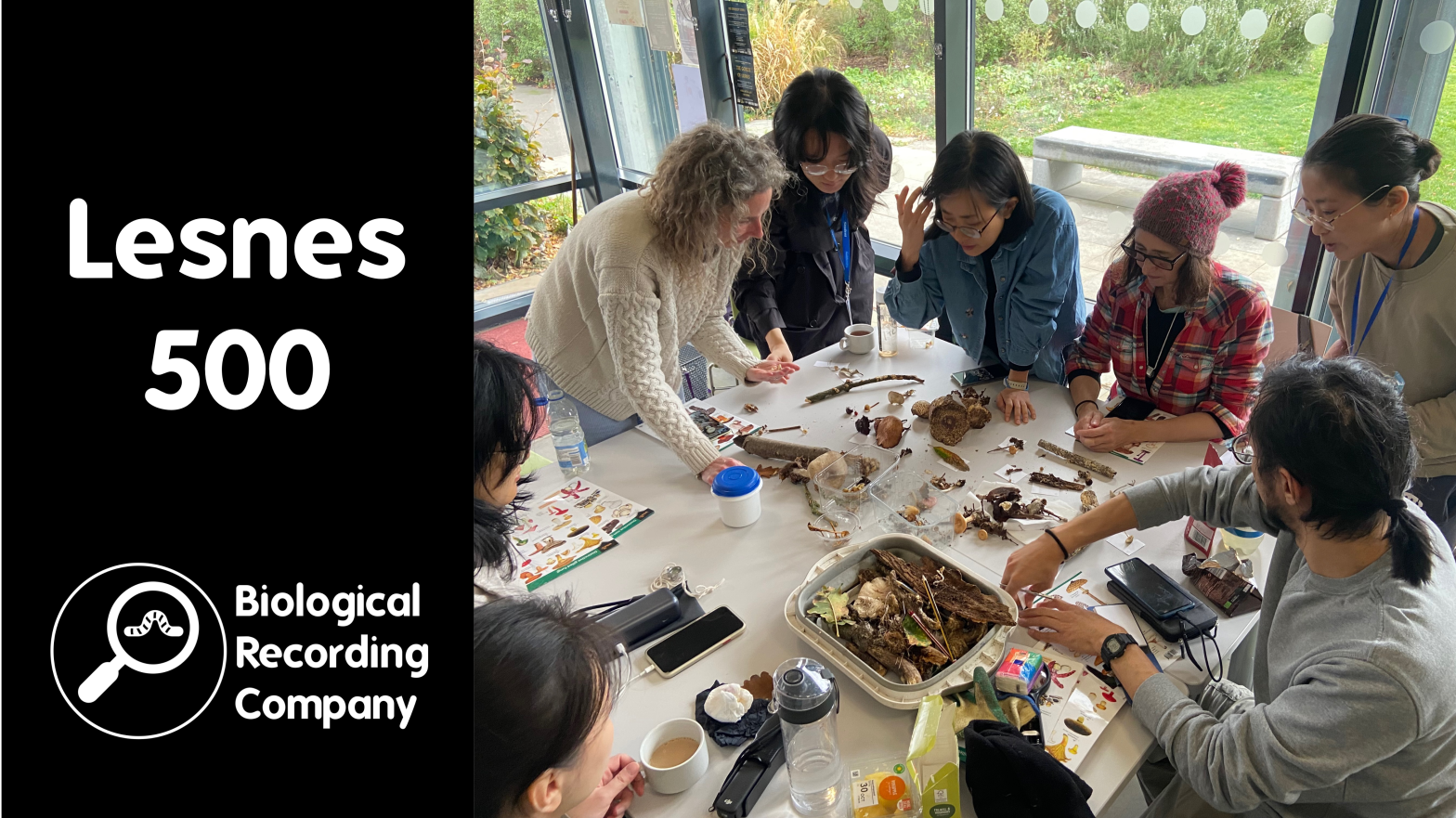
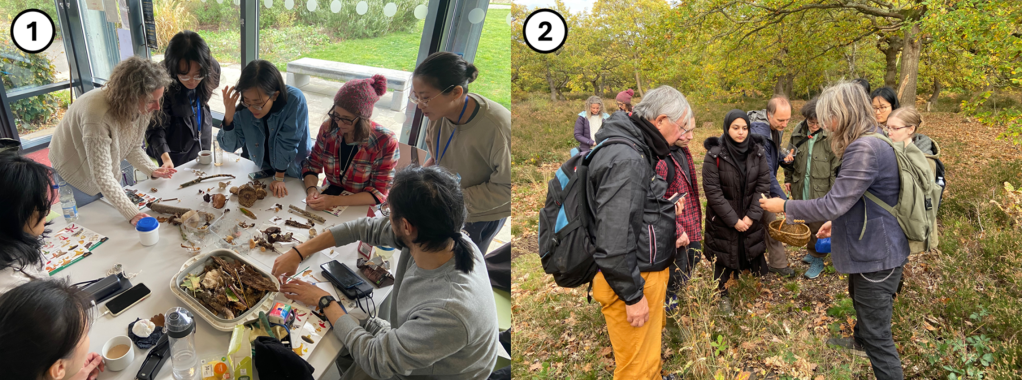
On Tuesday 28th October we were at Lesnes Abbey Woods (Bexley) yet again in search of fungi – this time in partnership with Bexley Council. Like Tolworth Court Farm, Lesnes Abbey Woods is a site at which we have run multiple Field Recorder Days in the past, although this was our first day at the site focused on Fungi. The Lesnes team are making a real push to generate biological records this and next year as part of a National Lottery-funded project ‘Lesnes 500‘, which celebrates a century since the publication of a seminal natural history text focused on the abbey’s famous woodland. We are very excited to be involved! This Fungi Field Recorder Day had another big showing, so we again divided into smaller groups and each tackled a grid cell. We also greatly benefited from the indoor tables and chairs in the Lesnes Lodge building which allowed groups to lay out and organise their fungi specimens over lunch and in the afternoon, ready for identification.

Fungi finds from Lesnes Abbey Woods (c) Joss Carr
Working together to organise and identify specimens (c) Joss Carr

In the morning we focused on the northern woodland edge, with four groups each tackling an 100x100m grid cell. Some of the species found in this session are shown in the photo collage below.

(1) Psathyrella candolleana (Pale Brittlestem) (c) Kirsty Meekings; (2) Gymnopus fusipes (Spindle Toughshank) (c) Rachel Garner; (3) Chlorophyllum rhacodes (Shaggy Parasol) (c) Rachel Garner; (4) Daldinia concentrica (King Alfred’s Cakes) (c) Rachel Garner; (5) Basidioradulum radula (Toothed Crust) (c) Joss Carr; (6) Tricholoma sulphureum (c) Kirsty Meekings; (7) Iliosporiopsis christansenii, a tiny pink lichenicolous fungus growing on Physcia adscendens (c) Jason Lok; (8) Mycena arcangeliana (Angel’s Bonnet); (9) Xerocomellus pruinatus (Matt Bolete) (c) Joss Carr

In the afternoon we headed up to the small heathland in the south of Lesnes Abbey Woods. This is one of the few remaining heathlands in the whole of Greater London, and is kept in good condition thanks to the protection and care of the Lesnes Abbey Woods team. It is an important site for many scarce heathland-associated species in London, including Peltigera lichen and several heathland mosses.

In terms of fungi, highlights included a attractive patch of the bracket fungus Trametes betulina (Birch Mazegill) which, interestingly, was growing from an English Oak (Quercus robur) stump (pictured right), and a few particularly good specimens of the red and white Amanita muscaria (Fly Agaric).

More unusual finds on the heath included the jelly-like Phaeotremella foliacea (Leafy Brain), the red-stemmed Gymnopus erythropus (Redleg Toughshank) and the maroon Cortinarius decipiens. The latter is particularly rarely recorded in London with Lesnes Abbey Woods being only the second site with records on iRecord. The heathland also proved very productive for Russula (Brittlegills) with three different species found by Mark Spencer: R. ionochlora (Oilslick Brittlegill), R. betularum (Birch Brittlegill) and R. velenovskyi (Coral Brittlegill).

Trametes betulina (Birch Mazegill) on an oak tree stump (c) Joss Carr
Sharing fungi finds on the heathland (c) Joss Carr

Many thanks to everyone who came along to our Fungi Field Recorder Days in October 2025. It was great to see so many people out and about learning about and recording fungi. All records generated from these two events are now available for anyone to view on iRecord, and reports with interpretation of the species lists will be published in the future. An extra special thanks is due also to Mark Spencer, our mycology tutor, for his invaluable assistance on both of these events, and a big thanks to Elliot Newton and co. (Tolworth Court Farm) and Ian Holt and co. (Lesnes Abbey Woods) for contracting us to run events. See you at the next one!


One last thing – if you are someone who records fungi in the UK, we would love to hear your thoughts on the experience in our Fungus Recorder Survey. In collaboration with the British Mycological Society, we are currently reviewing the protocols and approaches for fungi recording and verification in the UK. We are really keen to hear all about how people currently find the experience of recording fungi and having their records verified, so that we can identify what we can improve in the future. You can find out more about the project on our webpage: The Fungus Verification Consultation Project.


More Moths Please! Breeding and Reintroducing the Dark Bordered Beauty

The Dark Bordered Beauty (Epione vespertaria) is a striking moth that, within the UK, is currently restricted to just three sites; two in Scotland and one in York. To help restore this species and safeguard it for the future, RZSS, in partnership with the Rare Invertebrates in the Cairngorms Project, is running a conservation breeding programme providing hundreds of eggs, caterpillars, and moths for release into new sites in the Cairngorms National Park. Helen will give more information on this remarkably rare species, provide the latest news on how the conservation programme is progressing, and detail some of the challenges faced by her team in trying to breed a moth species that is so rarely seen in the wild

Q&A with Georgina Lindsay

Georgina Lindsay is a conservation manager at the Royal Zoological Society of Scotland (RZSS). She manages all of RZSS’ native invertebrate breeding and reintroduction programmes, including dark bordered beauty moths, pine hoverflies, medicinal leeches, and pond mud snails, as well as the field surveys for species such as blood red longhorn beetles and small scabious mining bees. She also oversees the Biodiversity Action Plan for Highland Wildlife Park, including areas such as forestry management and wading bird nest monitoring.

1. Do Dark-bordered Beauty Moth larvae only feed on Aspen? How do we know?

We know that Dark-bordered Beauty Moth larvae feed on Aspen (Populus tremula) at the two Scotland sites because they are almost exclusively found on this host plant there. At the one site in England, in Yorkshire, Creeping Willow (Salix repens) appears to be an alternative known host plant for the larvae. All our conservation breeding work in Scotland has so far used Aspen but we are interested to potentially trial feeding of Scottish larvae on Creeping Willow in the future.

2. How big of a stand of Aspen is needed to support a Dark-bordered Beauty Moth population?

The short answer is we don’t know. Aspen stands size varies between all the sites we work on – both founder sites and release sites. At the Strensall site in Yorkshire, there is no Aspen, and they rely on Creeping Willow, which is an alternative larval food plant here. In the conservation breeding programme, we’re finding that the caterpillars only need a relatively small amount of Aspen to grow to maturity. At our facility we’ve found that 20 caterpillars can be easily supported by six small suckering Aspen trees. This suggest that it’s not the quantity of food per se which is the limiting factor behind their scarce distribution, but instead that disconnected aspen stands are limiting natural dispersal and the colonisation of new sites.

3. Do Dark-bordered Beauty Moth larva only pupate in moss?

In our conservation breeding programme for the Dark-bordered Beauty Moth, we used a bed of Sphagnum moss to provide an area for the caterpillars to pupate. The choice to do this was informed by using similar substrate to that found at the Strathspey founder site. That being the case, it is certainly possible that the moth can pupate on or in other substrates. We have noticed in some of our enclosures that the larvae have successfully pupated on bare ground. It’s also possible that they can pupate within soil, however we have not trialled this due to foreseen difficulties with re-locating pupae within the soil (given they might burrow down into it).

4. Is there a pheromone lure for Dark-bordered Beauty Moths?

Not at the moment. The process of creating a pheromone lure can be quite complex; for example, you need to collect a lot of adult individuals. It’s not something we have spoken much about yet in the context of the Dark-bordered Beauty Moth because so far we have had success with locating adults at known sites using standard light-trapping techniques and transects. Pheromone luring could potentially be a possibility down the line though.

5. Is research into the ecology of this species ongoing?

Whilst my personal focus is on the conservation breeding and reintroduction programme, as a team and steering group focused on conserving the Dark-bordered Beauty Moth we are very keen to find out everything there is to know about the ecology of this moth. Interesting potential ecological research questions are often brought up in steering group meetings. For example, nearly all the current knowledge of feeding preferences is based on observation of the larvae ex situ in the breeding facility. How might feeding preferences differ in situ? If any prospective Master’s or PhD students are interested in working with us to answer questions like this we would welcome you to get in touch. You can contact the Royal Zoological Society of Scotland (RZSS) at conservation@rzss.org.uk.  

Further Info

entoLIVE

entoLIVE webinars feature guest invertebrate researchers delving into their own invertebrate research. All events are free to attend and are suitable for adults of all abilities – a passion for invertebrates is all that’s required!

entoLIVE is delivered by the Biological Recording Company in partnership with the British Entomological & Natural History Society, Royal Entomological Society and Amateur Entomologists’ Society, with support from Buglife, Field Studies Council and National Biodiversity Network Trust.

Check out more invertebrate research, publications and events from the entoLIVE partner websites:


Learn more about British wildlife