Our in-person training courses are designed to develop natural history skills for both professional and non-professional audiences.
Upcoming Training Programme
Check out ourUpcominh in-person training courses below. Please note that our courses are very popular and often book very quickly.
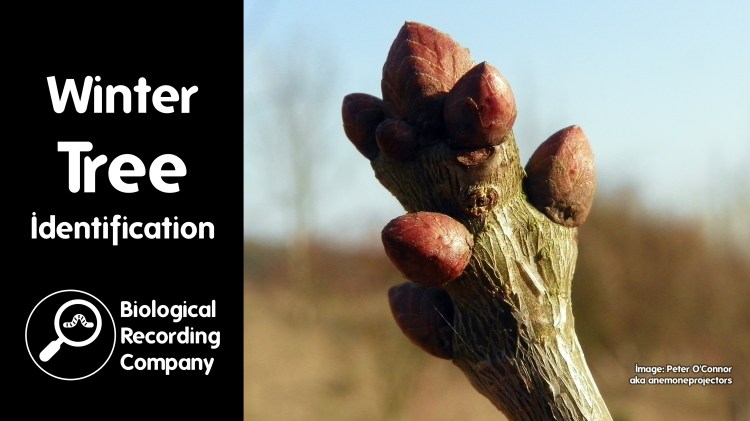
Winter Tree Identification
🗓️ Wed 28 Jan 2026
📍 Barnet Environment Centre (Barnet, London)
💷 £0 Non-professionals, £50 Professionals
🧑🎓 aimed at Naturalists, Wildlife Gardeners, Conservationists, Site Managers and Environmental Educators
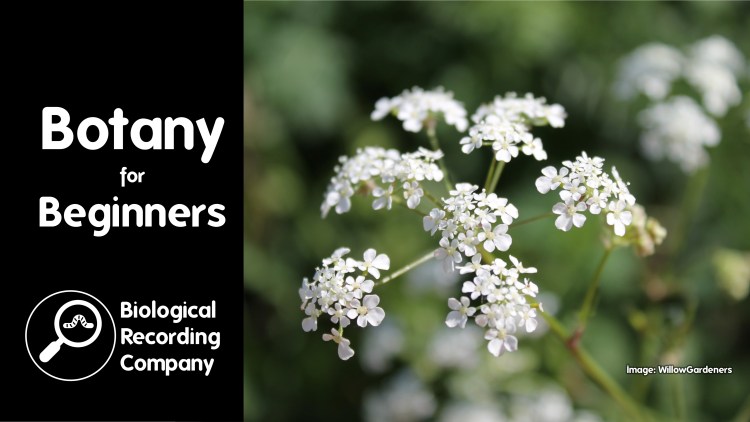
Botany For Beginners
🗓️ Tue 03 Feb 2026
📍 Hendon Town Hall (Barnet, London)
💷 £0 Non-professionals, £50 Professionals
🧑🎓 aimed at Naturalists, Wildlife Gardeners, Conservationists, Site Managers and Environmental Educators
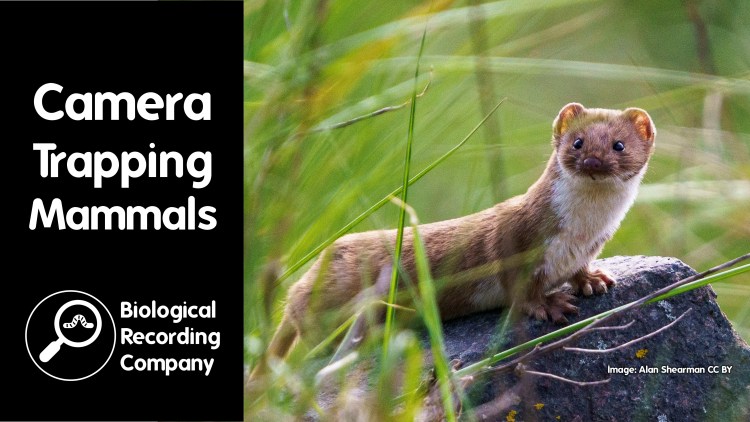
Camera Trapping Mammals
🗓️ Wed 18 Feb 2026
📍 Freehold Community Centre (Barnet, London)
💷 £0 Non-professionals, £50 Professionals
🧑🎓 aimed at Naturalists, Wildlife Gardeners, Conservationists, Site Managers and Environmental Educators
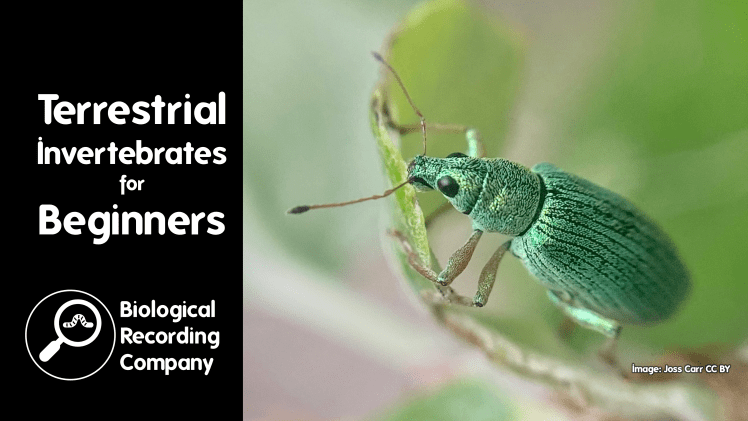
Invertebrates For Beginners
🗓️ Thu 26 Mar 2026
📍 Golders Green Meeting House (Barnet, London)
💷 £0 Non-professionals, £50 Professionals
🧑🎓 aimed at Naturalists, Wildlife Gardeners, Conservationists, Site Managers and Environmental Educators
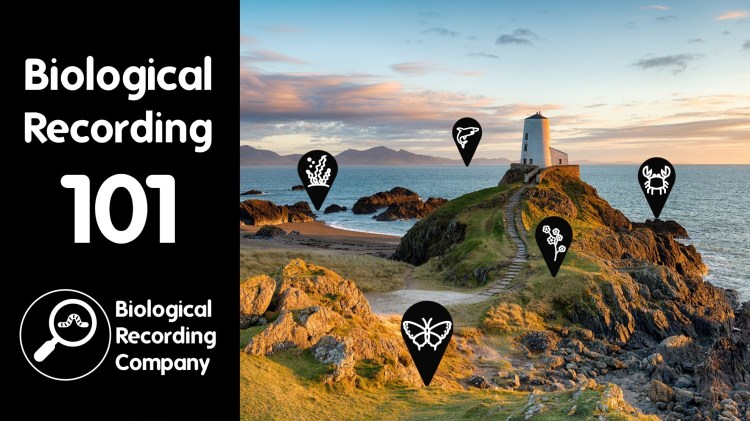
Biological Recording 101
🗓️ Tue 03 Jun 2026
📍 Queen Caroline Estate (Hammersmith, London)
💷 £0 Non-professionals, £50 Professionals
🧑🎓 aimed at non-professionals such as Naturalists, Wildlife Gardeners, Conservation Volunteers
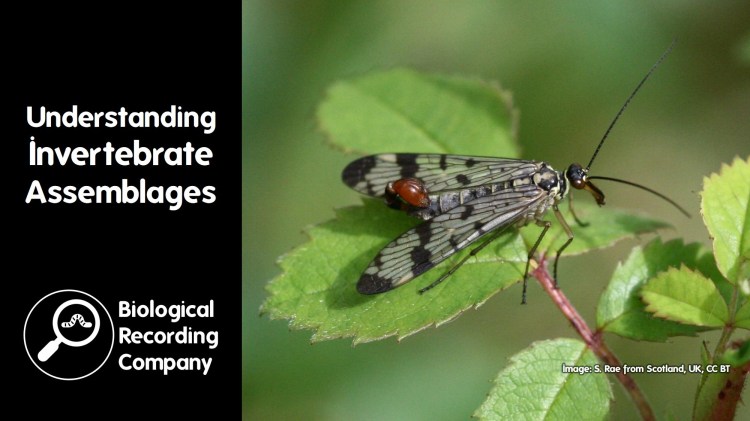
Understanding Invertebrate Assemblages
🗓️ Wed 18 Jun 2026
📍 Natural History Museum (London)
💷 £80
🧑🎓 aimed at Site Managers, Ecologists and Conservationists
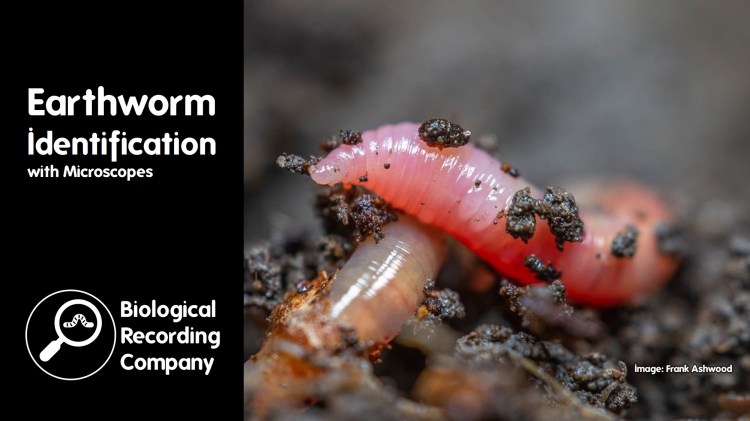
Earthworm Identification
🗓️ Wed 07 Oct 2025
📍 Natural History Museum (London)
💷 £50 Non-professionals, £80 Professionals
🧑🎓 aimed at Naturalists, Biological Recorders and Conservationists
Training Courses for Organisations
We work with regional and national experts across a wide range of taxonomic groups and natural history subject. Below are some example courses from our portfolio, but please do get in touch to discuss your training needs.
Courses for Volunteers and Professionals
Biological Recording 101 is a 1-day classroom and field-based course that covers the science of species recording.
Learners are taught how they can convert their wildlife observations into high-quality species occurrence data using iRecord and contribute to local and national datasets.
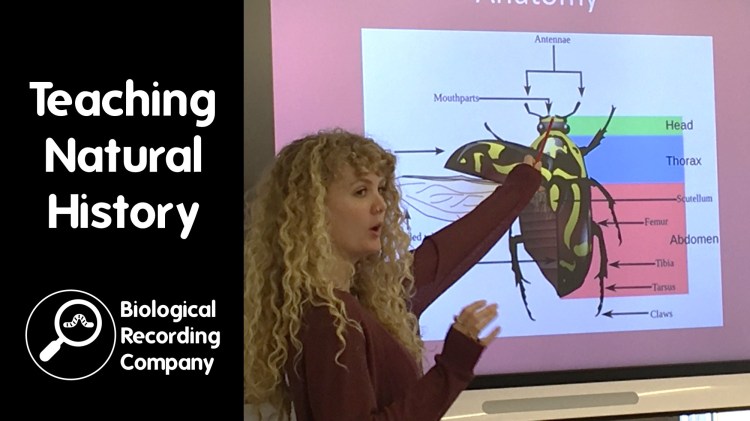
Teaching Natural History is a 1-day classroom and field-based course designed for tutors delivering training courses to adult natural history audiences.
Learners will work through a series of group exercises (all of which have a natural history focus) that highlight good teaching practices and facilitate peer-to-peer knowledge exchange.
Understanding Invertebrate Assemblages is a 1-day classroom and computer-based course designed for site managers and ecologists.
Learners will be taught how to use Pantheon to interpret invertebrate assemblages for sites so that habitat condition for invertebrates is better understood and an evidence-based approach can be applied to site management plans.
Botany & Fungi ID Courses
We’ve partnered with Dr Mark Spencer, an experienced and internationally respected botanist, to offer a range of botany and fungi courses. Below are some example courses that Mark has previously delivered for the Biological Recording Company.
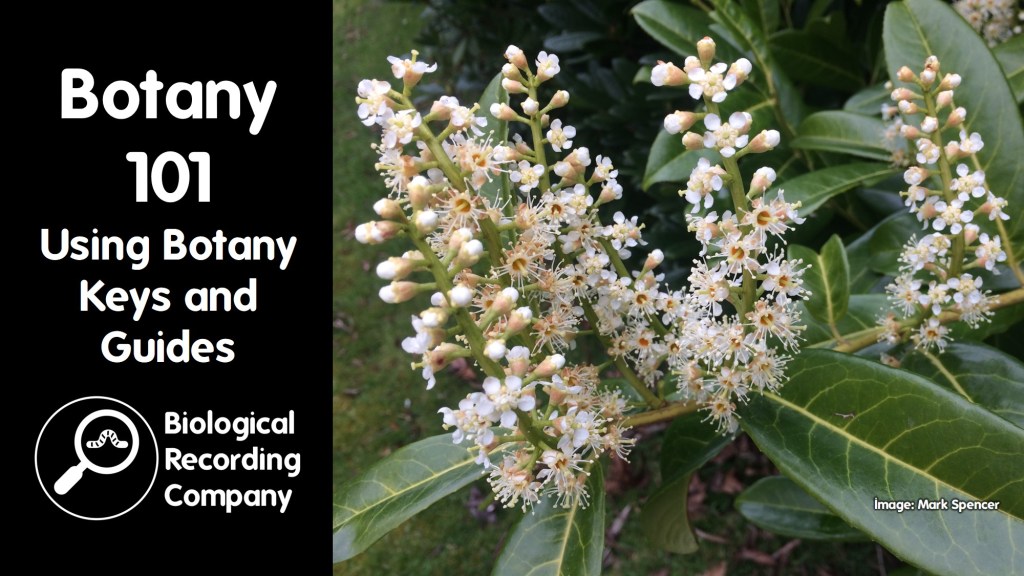
Botany 101: Using Botany Keys and Guides is a 1-day classroom and field-based course aimed at those struggling to get to grips with complex botanical guides.
Learners are taught how these resources work, the terminology they need to get to know and are given some practice with botanical specimens.
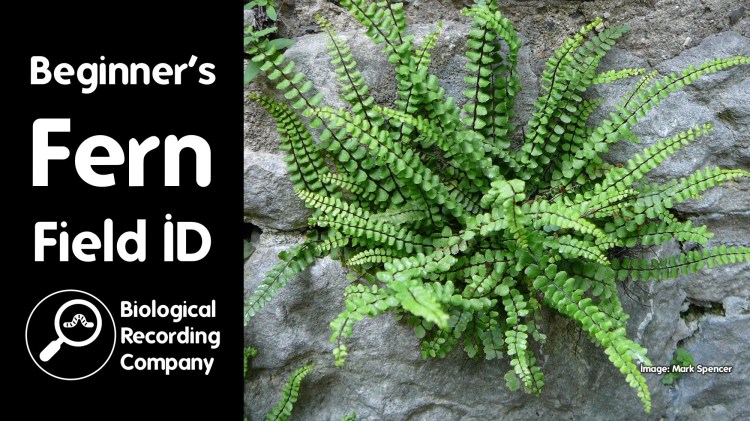
Beginner’s Fern Field ID is a 1-day classroom and field-based course that will provide an introduction to the world of ferns, horsetails and clubmosses.
Students will learn how to use standard botanical keys and hand lenses to develop basic fern identification skills.
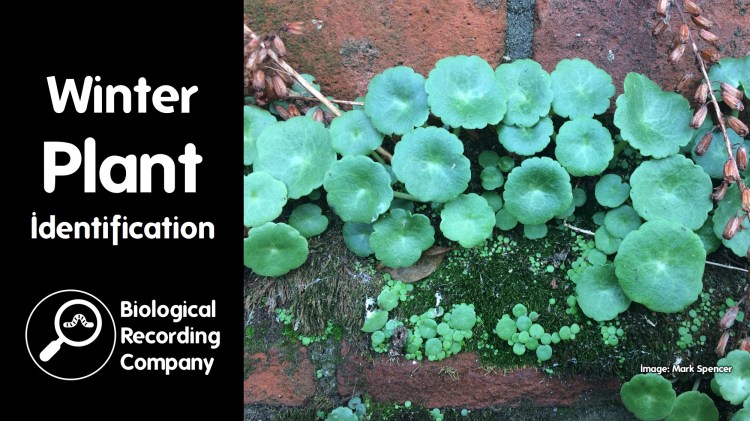
Winter Plant Identification is a 1-day classroom and field-based course aimed at ‘improver’ botanists and early career ecological consultants who wish to develop their skills ‘off season’.
Students will explore the vegetative characters of plant material using The Vegetative Key to the British Flora by John Poland and Eric Clement.
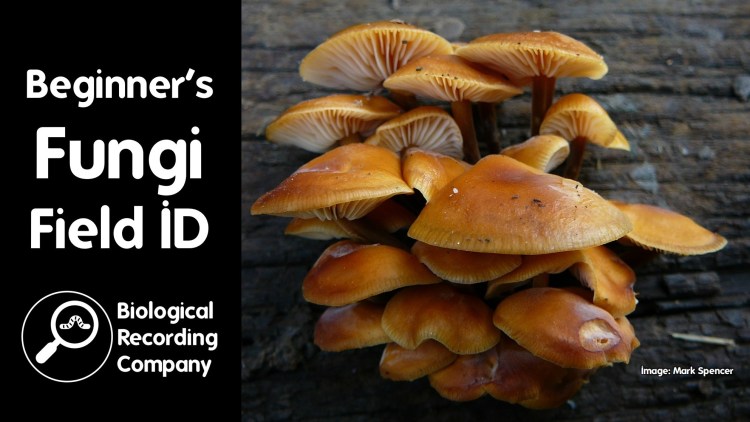
Beginner’s Fungi Field ID is a 1-day classroom and field-based course that introduces the identification features of fungi.
Learners are taught how to find and observe fungi in the field, and how to use field guides to identify some of the more common and easier-to-identify species
Invertebrate Identification Courses
Our invertebrate courses are taken from the structured training pathways developed by the Field Studies Council BioLinks project. We have a large network of invertebrate specialists, many of which are national experts. Some example courses are provided below.
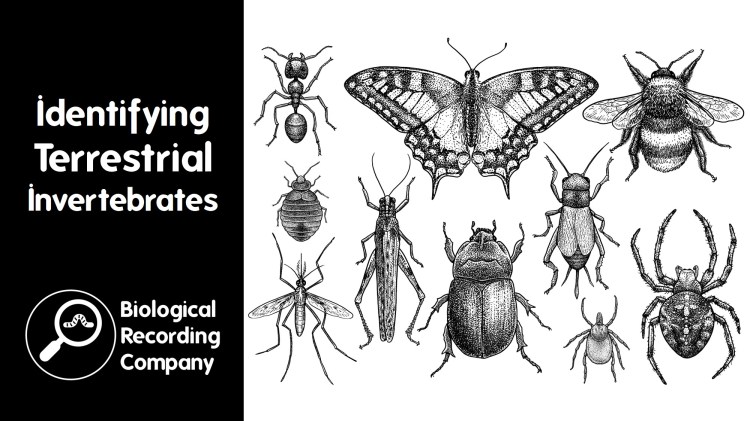
Identifying Terrestrial Invertebrates is a 1-day classroom and lab-based course designed for beginners to improve their knowledge of invertebrate taxonomy and confidence using identification keys and microscopes, mostly through practical sessions.
Aimed at beginners and suitable for those with no microscope experience.

Mining Bee Identification is a 1-day microscope-based training course that is aimed at those with some experience in bee identification.
Students will briefly explore the ecology and biology of the genus Andrena, before using an ID key to work through a teaching collection of ‘mystery’ specimens.

Earthworm Biology & Ecology is a 1-day training course aimed at those with no previous knowledge of earthworms. The course is designed to give an overview of the science of earthworms and is great for environmental educators, amateur naturalists, students and biological recorders.
Earthworm Identification is a 1-day training course aimed at those wishing to learn how to identify British and Irish earthworms to species level. The course is aimed at those who have a background in natural history and is great for biological recorders, amateur naturalists, environmental professionals, students and researchers.
Biological Consultancy Services
With over 15 years of experience working within the biological recording sector, our Senior Naturalist, Keiron Brown, has the networks and proven skills to provide a range of services for organisations and project. Some example services and publications from previous work are provided below.
- Biological recording project design and development
- Training programme (both in-person and virtual) design and delivery
- Training resource development
- Citizen science survey design and delivery
- Consultation with sector volunteers and professionals
- Report production and dissemination
 Biological Recording