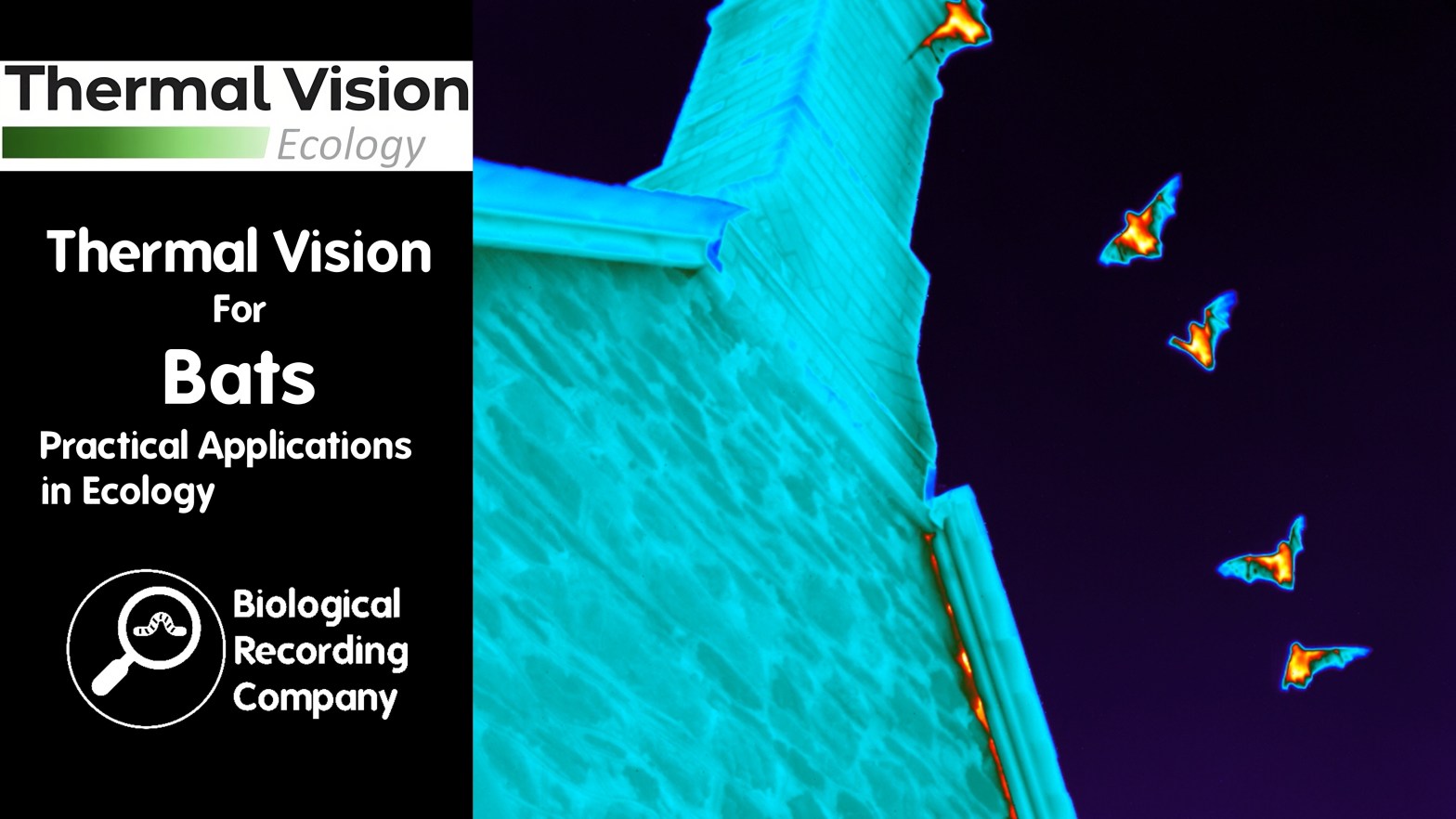
Thermal imaging is rapidly becoming a valuable tool in ecological surveying, allowing wildlife to be detected and tracked based on heat rather than visible light. In bat ecology, thermal cameras offer significant advantages for emergence surveys, enabling surveyors to identify bats leaving roosts in low light or complete darkness, reduce observer bias, and improve confidence in results. This blog showcases the Thermal Ecology Toolkit and explores how advanced thermal imaging and radiometric data are being applied in modern bat surveys, from survey planning and field deployment through to efficient post-survey analysis.
Author Archives: Joss Carr
Changes in the UK Stag Beetle Population
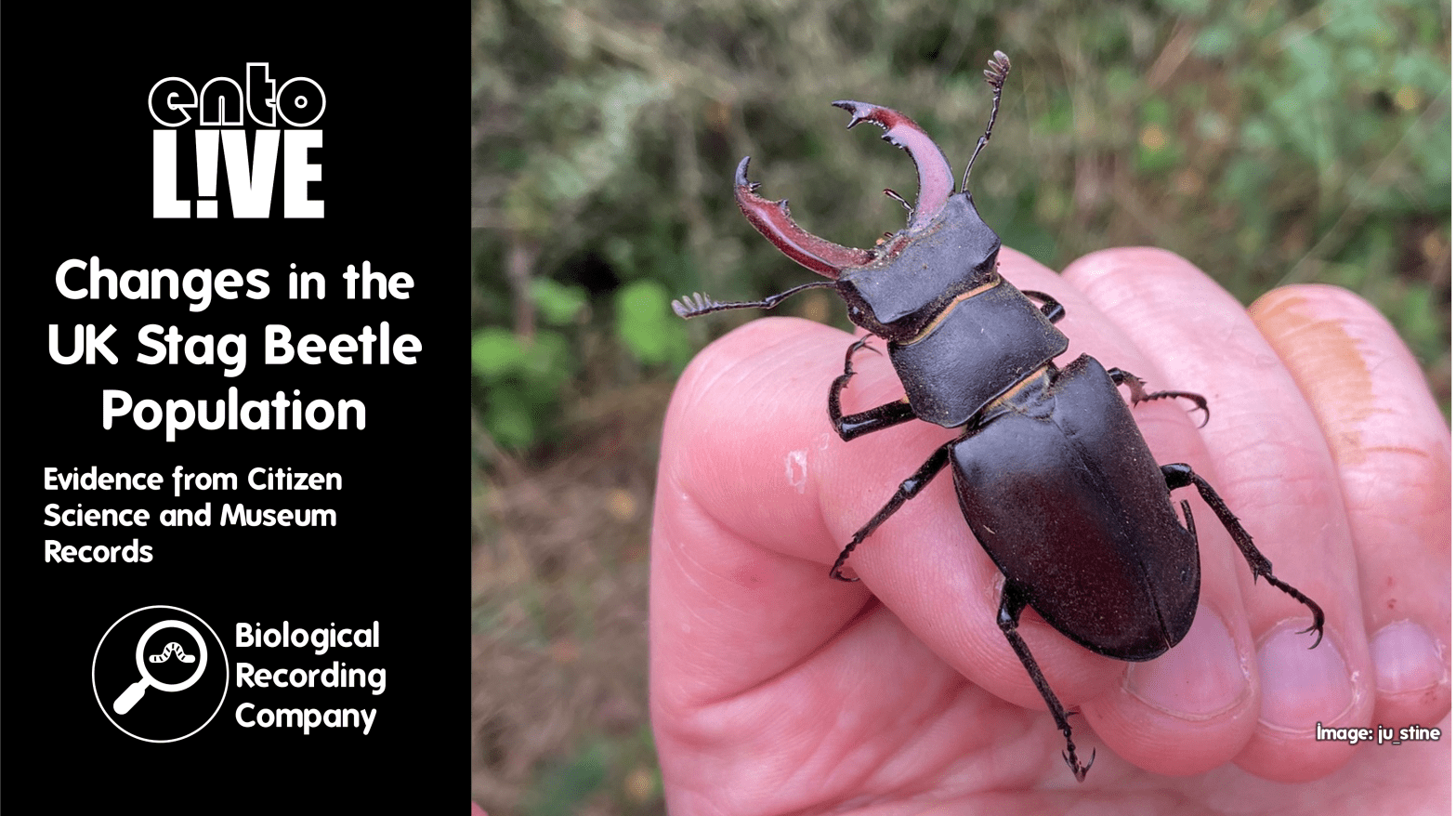
The Stag Beetle – Lucanus cervus – is the UK’s largest beetle. Males can be up to 75 mm long, including their impressive antler-like mandibles which they use to battle each other for access to females during breeding season. It is a truly beautiful species, inspiring amazement in all who are lucky enough to see one. Sadly, evidence from Europe suggests that stag beetle populations are declining across much of their range. But how are they faring in the UK? The south of England was historically recognised as a hotspot for the species. Is it still? A team of researchers from the People’s Trust for Endangered Species (PTES), the Natural History Museum (NHM) and the University of Cambridge set out to find an answer. Distribution records of stag beetles from 1998 to 2022 were analysed and compared with historic museum records going back over a century. The core range was found to have changed little overall, but has declined in the south west of England. Counts of adult beetles recorded together, although not systematic, indicate a worrying decline in abundance across the range. Phenology was also investigated. This webinar will share the findings from this research project, and discuss what can be done to ensure the long-term survival of this charismatic species.
Making the Most of Bird Sounds
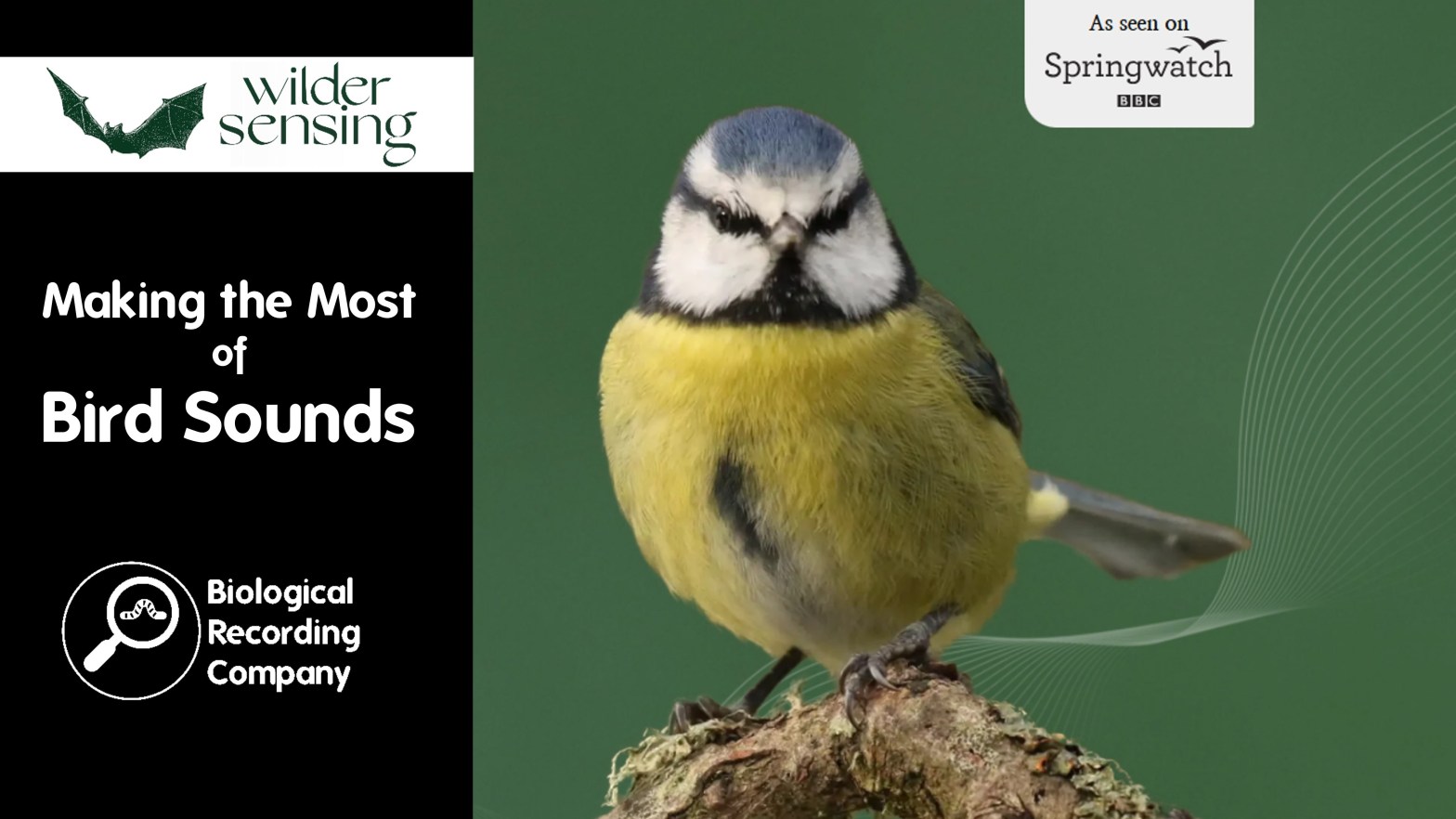
Bioacoustic monitoring is becoming an indispensable tool for bird surveyors, ecologists, and conservation professionals—but how do you ensure you’re using it to its full potential? This blog covers the best practices for planning, running, and analysing bird surveys with bioacoustics, with a focus on high standards and practical application.
Exploring Underwater Scilly: Monitoring Marine Protected Areas Using Cutting-edge Underwater Cameras

In one of the largest surveys of a UK marine protected area (MPA) ever conducted, Owen Exeter and his team of marine scientists deployed 280 baited underwater camera systems across the Isles of Scilly archipelago, a unique biodiversity hotspot in the northeast Atlantic. The cameras recorded thriving communities of sharks, fish, and crustaceans across habitats ranging from seagrass beds and kelp forests, taking viewers beneath the waves and offering a rare insight into some of the UK’s healthiest and wildest seas. Beyond documenting marine life, the data provide a practical blueprint for designing innovative marine monitoring programmes, helping to ensure conservation efforts are both evidence-based and effective.
Antarctic Invertebrates: Diversity and Threats
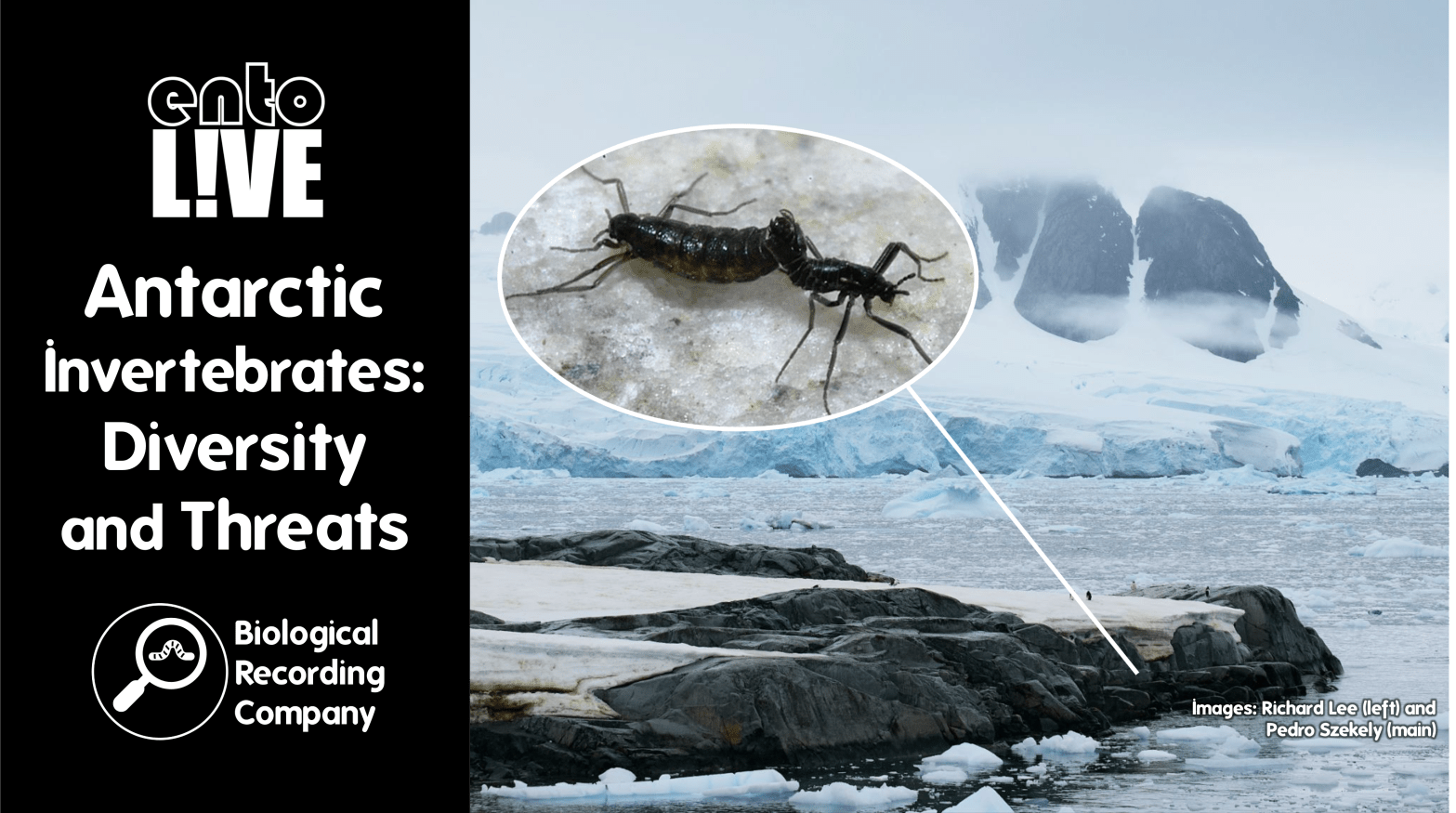
Antarctica’s terrestrial biodiversity is restricted to tiny islands of ice-free habitat surrounded by vast expanses of inhospitable ice or ocean. Today it is dominated by microarthropods and other microinvertebrates, although that has not always been the case. Antarctica’s largest invertebrates are two chironomid midges and a small number of freshwater crustaceans Evolution in isolation, long-term persistence and regionalisation typify this fauna. This has important implications for understanding the geological and glaciological history of the Antarctic region, and of the climatic and oceanographic processes influencing it. Antarctica’s terrestrial biodiversity now faces considerable challenges from growing human activity and impacts, including considerable regional climate change.
Shades of Grey: Industrial Melanism in Spiders
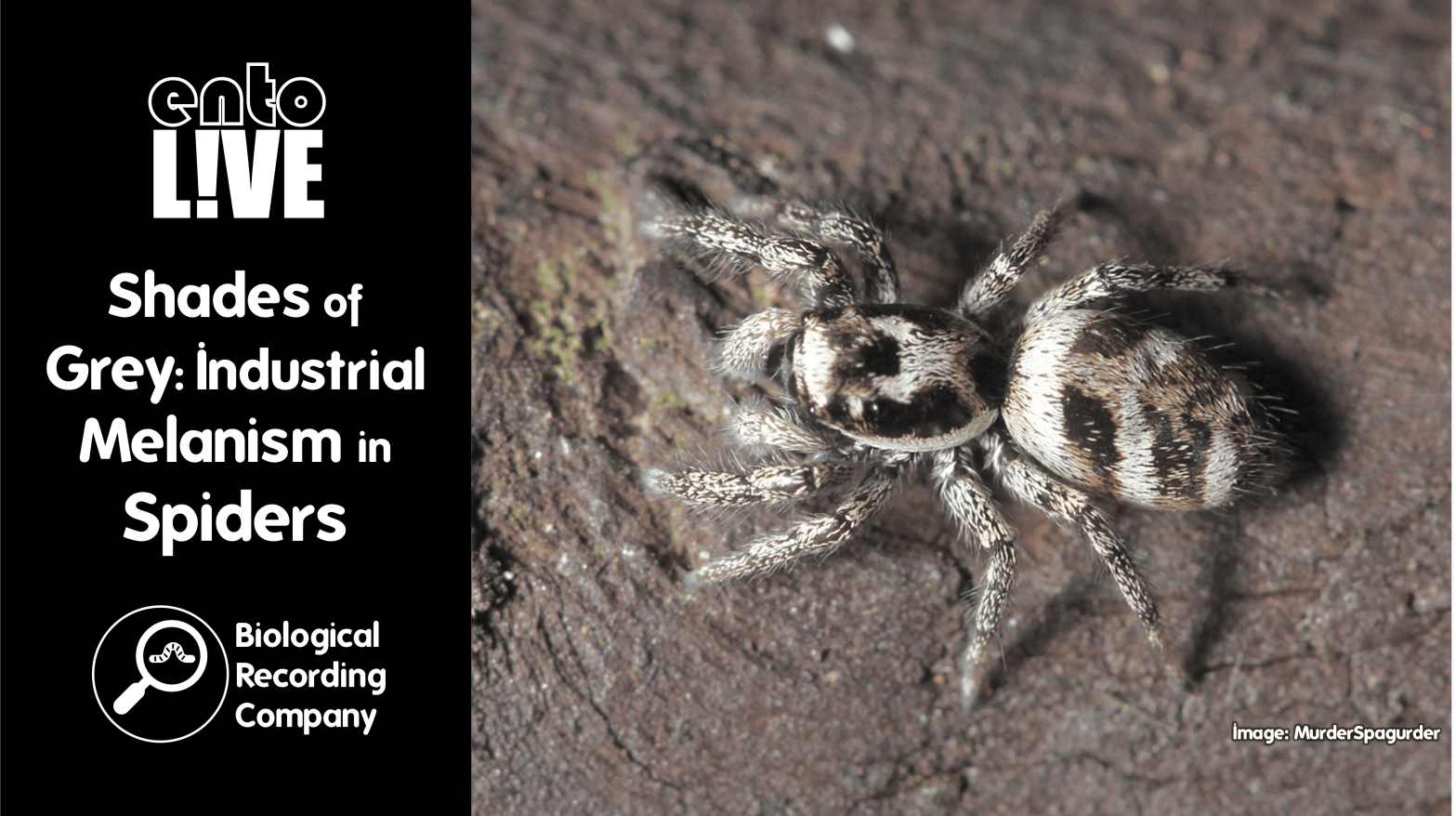
Industrial melanism refers to the phenomenon whereby some invertebrates evolved dark (melanic) forms in response to the darkening by soot of their resting surfaces during the Industrial Revolution. This response provided a clear example of Darwin’s ‘evolution by natural selection’ and was particularly well studies in moths. In this webinar Geoff will reappraise three claimed examples of industrial melanism in spiders and draw conclusions as to whether they constitute genuine exemplars of the phenomenon.
Mapping the Beetle Tree of Life
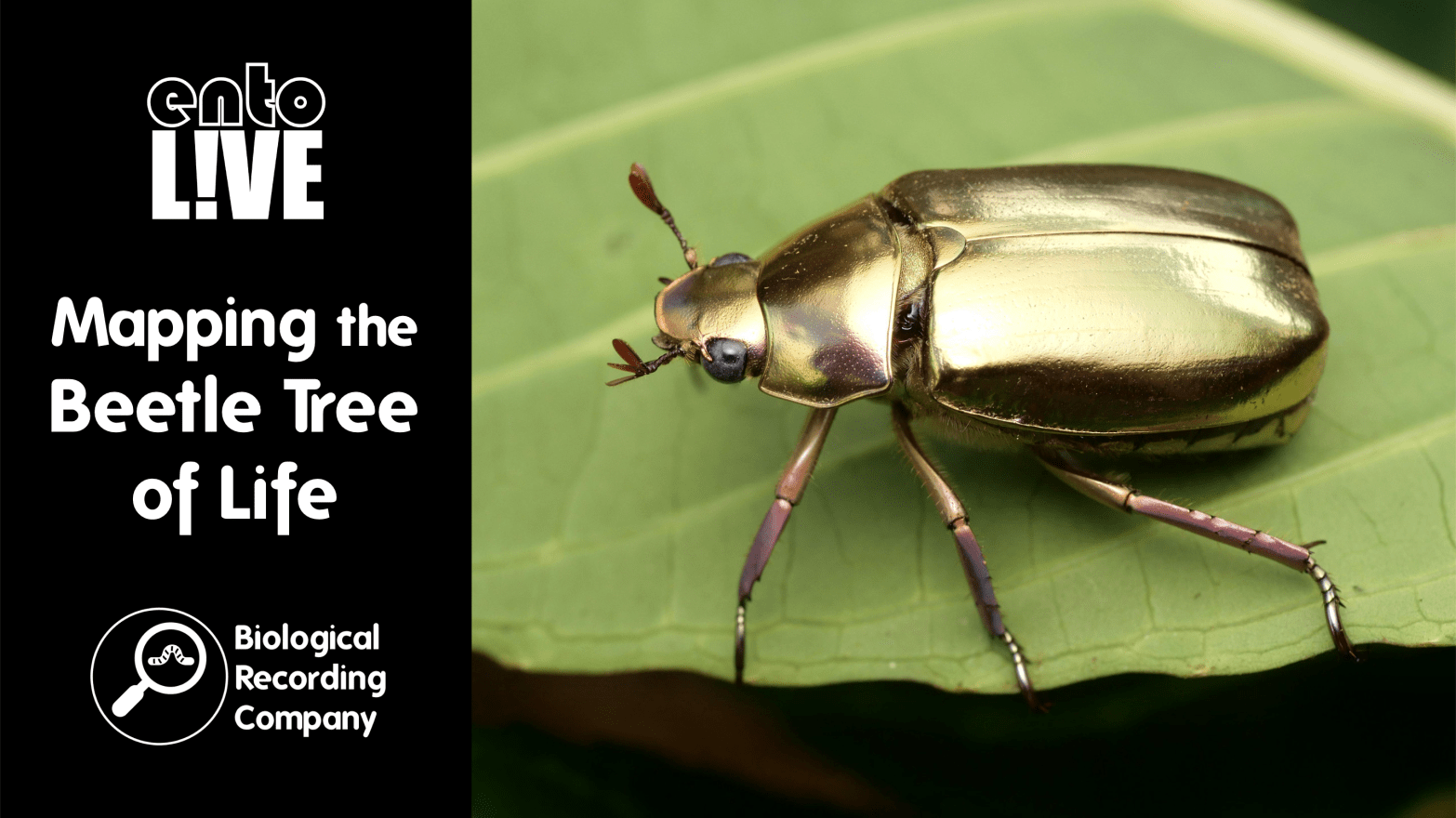
With over 400,000 described species, Coleoptera represent one of the most diverse groups of organisms on Earth, necessitating a global, integrative approach to understanding their evolutionary history. This effort begins with standardized field collection, specimen imaging, and identification, followed by high-quality DNA extraction. By combining genomic, mitochondrial, and barcode data, we are building the most comprehensive Coleoptera phylogeny to date – spanning over 100,000 species, including many that remain undescribed. This large-scale phylogenetic framework enables us to move beyond species counts, revealing global patterns of biodiversity through time and space and providing essential insights into species loss and the broader consequences of global change.
Lesnes 500
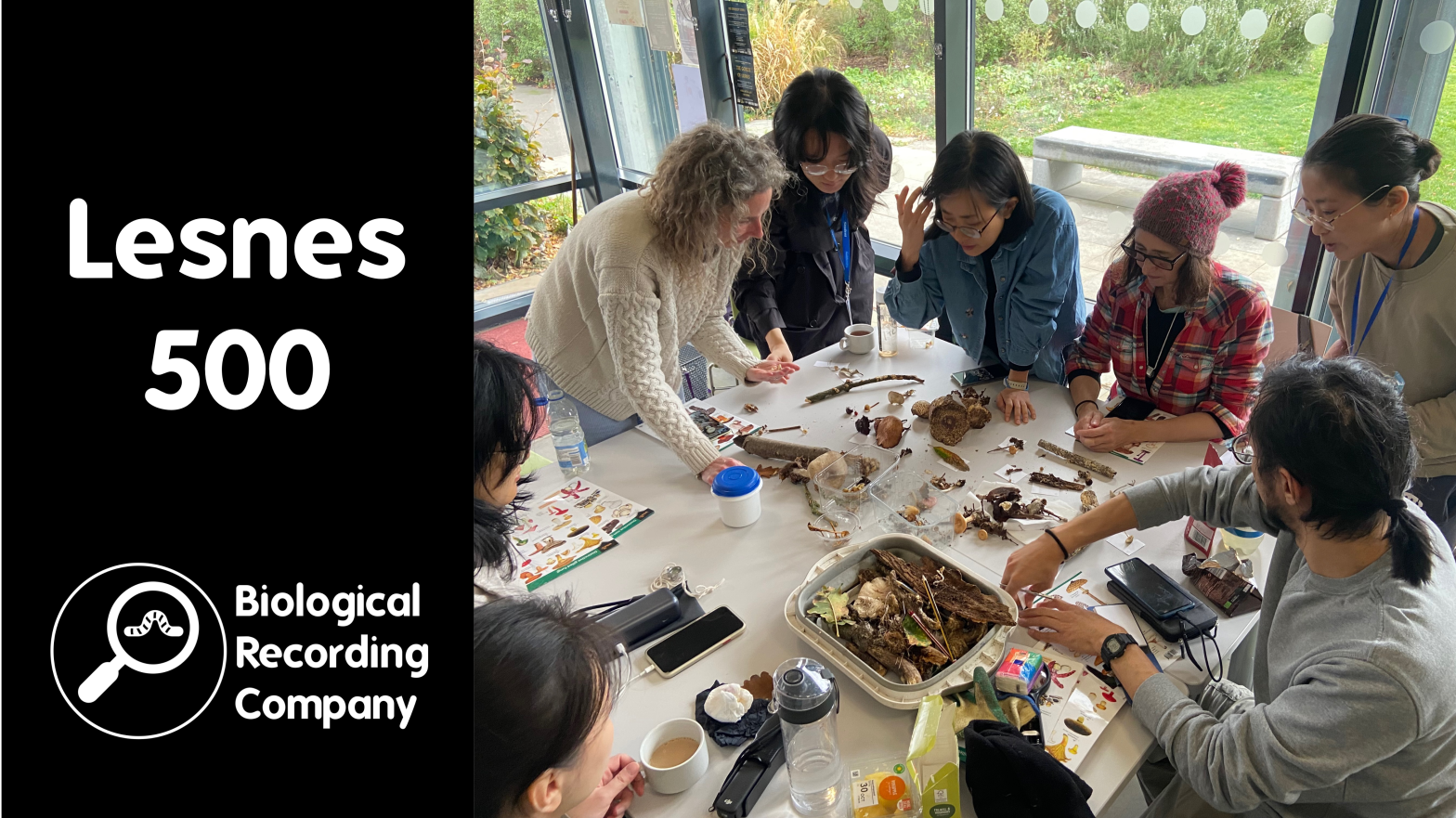
During 2025 and 2026, the Biological Recording Company is collaborating with the London Borough of Bexley to deliver a series of Field Recorder Days at Lesnes Abbey Woods, a large woodland in south London famous for its ruined abbey. These Field Recorder Days have been commissioned as part of Lesnes 500, a large-scale project made possible with a generous grant from the National Lottery Heritage Fund. This webpage contains details about the upcoming Field Recorder Day events as well as sharing what we got up to at the events that have taken place so far.
Big Rock Pool Challenge: The Power of UK Marine Citizen Science
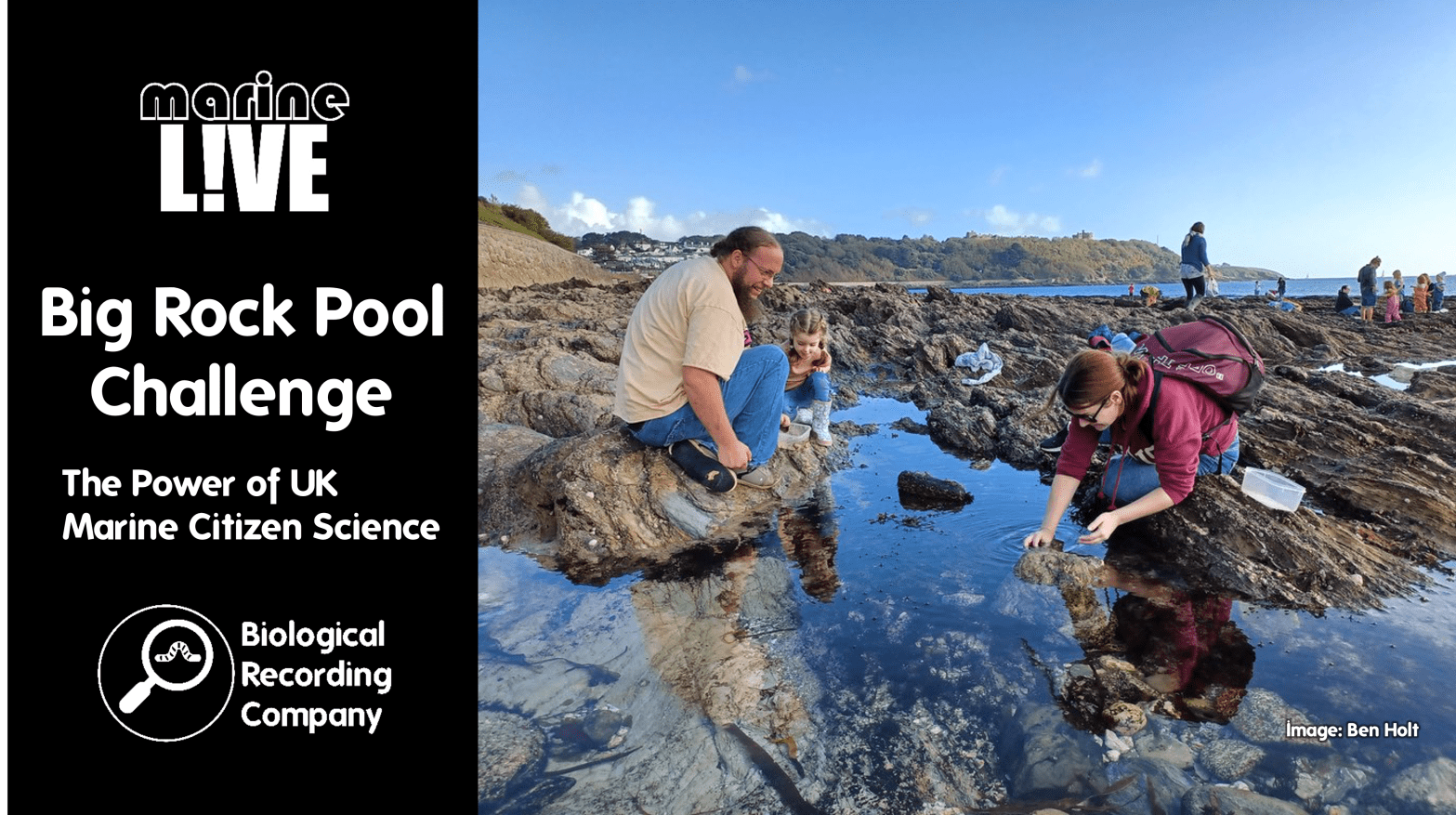
The Big Rock Pool Challenge is a nationwide citizen science initiative that invites people of all ages to explore their local coastlines and discover the remarkable wildlife hidden in rock pools. In this talk, Dr Ben Holt (CEO and co-founder of The Rock Pool Project) shares how the challenge blends hands-on marine exploration with digital tools to create a fun, accessible, and scientifically valuable experience for communities across the UK. From competitive BioBlitz battles to large-scale biodiversity recording, he reveals how the Challenge is transforming public engagement with the ocean and empowering thousands of volunteers to contribute meaningful data to marine conservation.
The Ealing Beaver Project
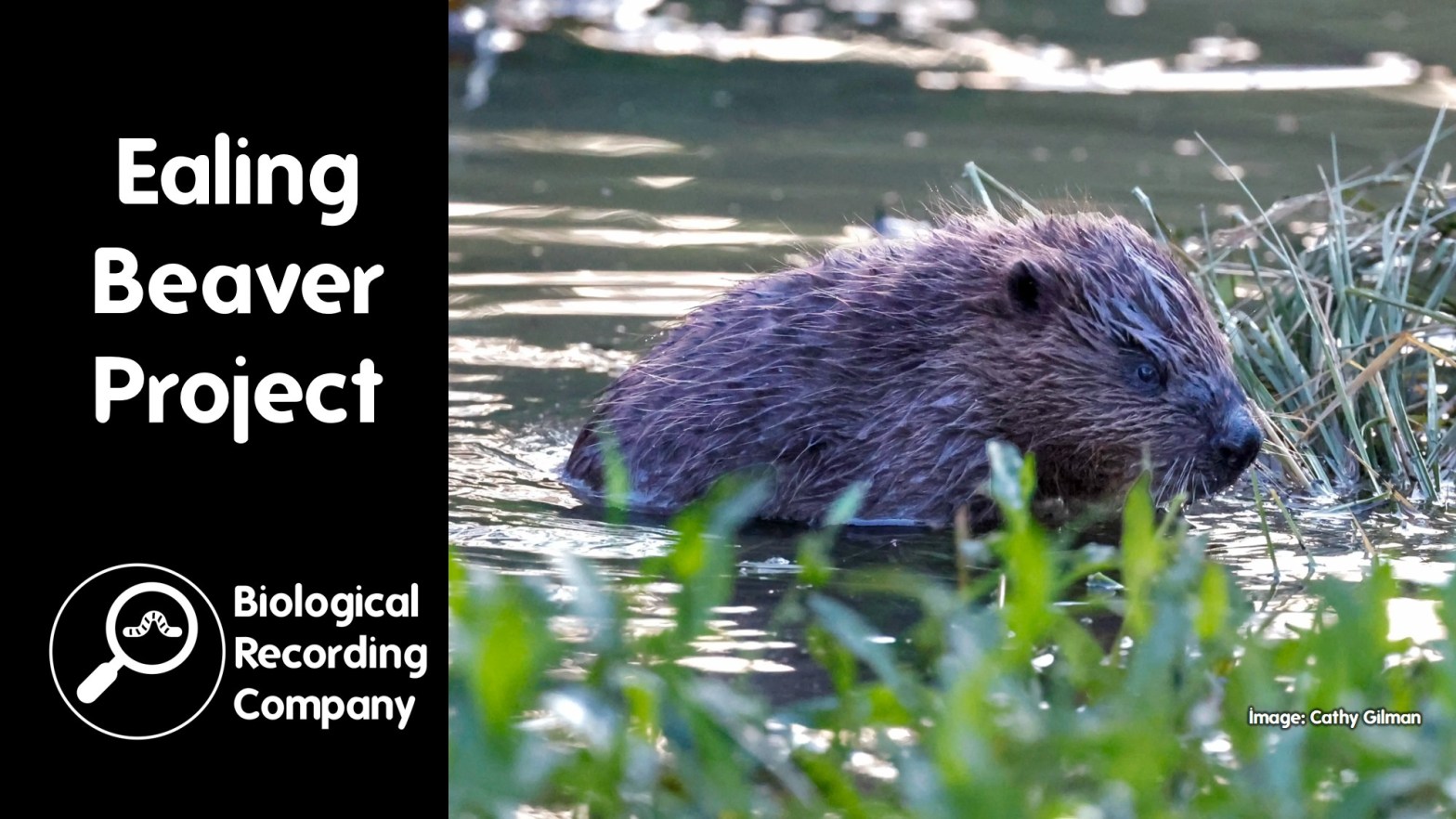
The Biological Recording Company is collaborating with the Ealing Wildlife Group, Citizen Zoo, the Friends of Horsenden Hill and Ealing Council to deliver a series of six Field Recorder Days at Paradise Fields in 2026. This webpage shares details for the upcoming events, including links to sign up.
 Biological Recording